
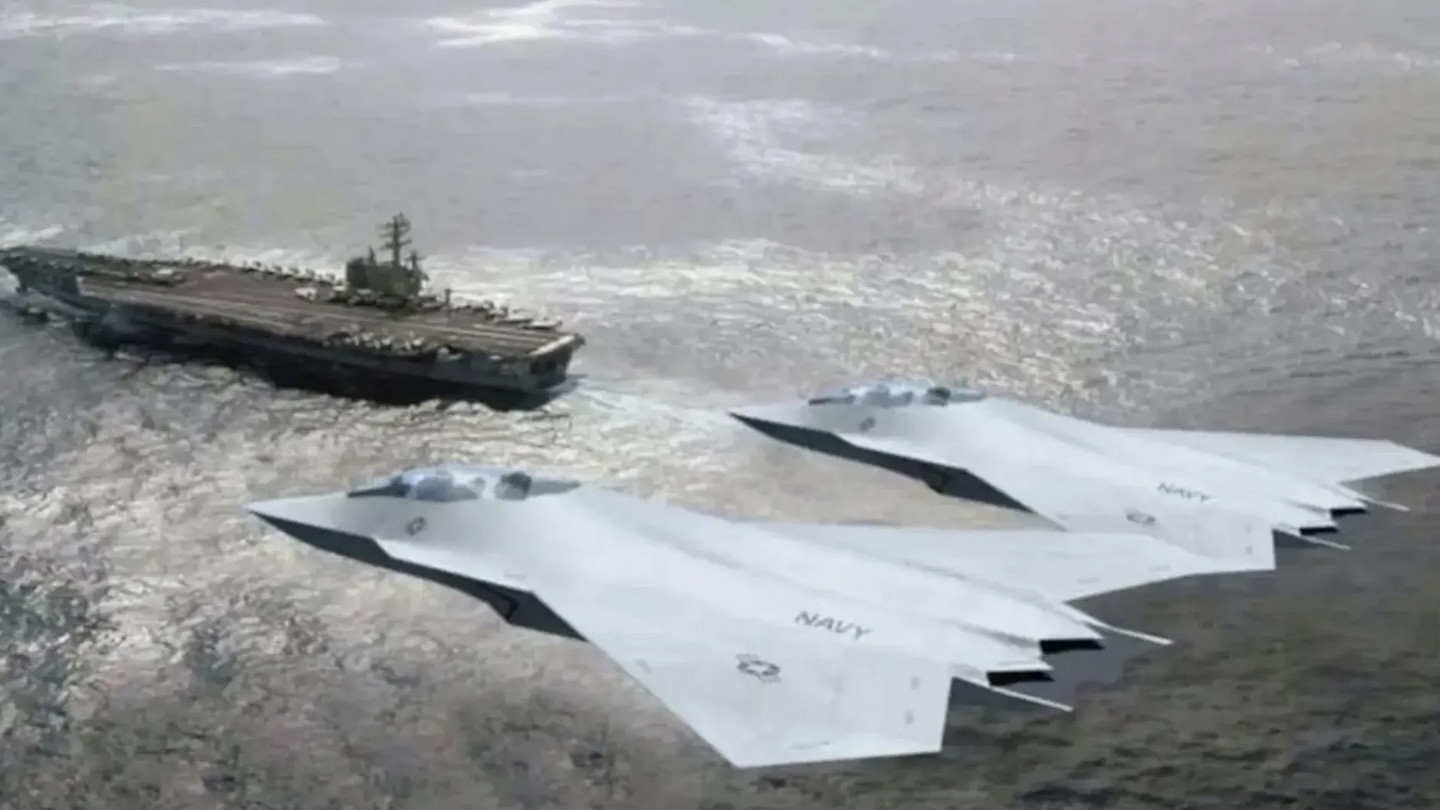
An annual U.S. Navy wishlist sent to Congress reportedly includes $1.4 billion that would help keep its dreams of a next-generation carrier-based combat jet alive. The F/A-XX program is otherwise set to be effectively shelved indefinitely to avoid competition for resources with the U.S. Air Force’s F-47 sixth-generation fighter plans.
By law, all branches of America’s armed forces, as well as other elements of the U.S. military, are required to submit so-called Unfunded Priority Lists (UPL) to Congress each year. The UPLs are intended to outline key funding requests that could not be included in the annual proposed defense budget. The Navy’s budget request for the 2026 Fiscal Year includes a paltry $74 million for F/A-XX, which would allow the service to complete ongoing design work, but not proceed with further development and acquisition of those aircraft. Boeing and Northrop Grumman are understood to have been vying for the expected F/A-XX contract, with Lockheed Martin reportedly being eliminated from the competition in March. Boeing is also the prime contractor for the F-47.

“This additional funding will enable [the] Navy to award the 6th Generation Strike Fighter [F/A-XX] contract to industry,” the Navy’s latest UPL says, according to Breaking Defense, which said it had obtained a copy of the letter. The “Navy’s 6th Generation Strike Fighter aircraft is a critical component of both the future Carrier Strike Group (CSG)” and the “air wing of the future.”
“The Air Wing of the Future (AWOTF) provides the Joint Force with the range, stealth, advanced sensors, and standoff necessary to access and operate across multiple mission sets in a highly contested environment,” the wishlist further notes, USNI News reported, citing a copy of the UPL that it reviewed.
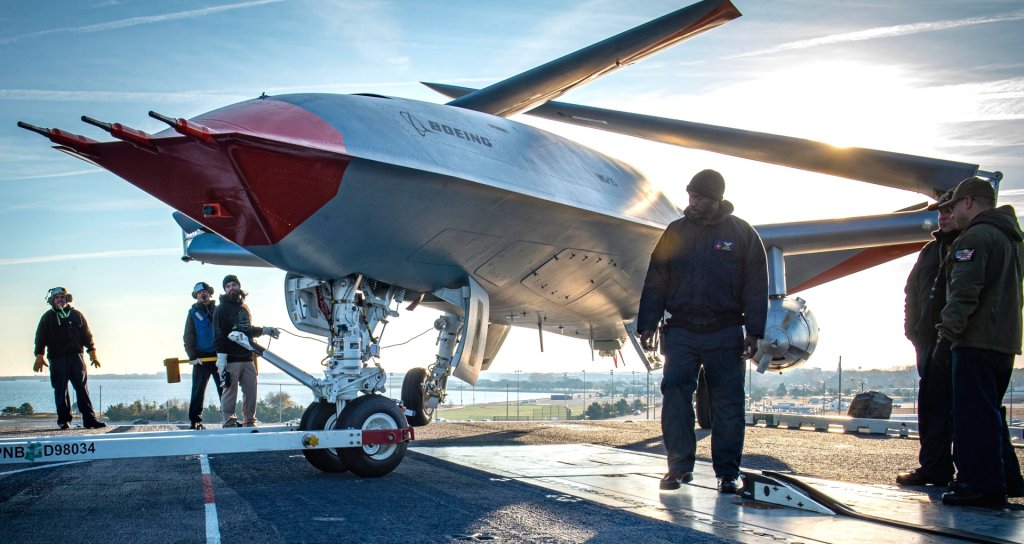
F/A-XX has long been expected to give Navy carrier air wings important additional operational reach, as well as other new capabilities. It is just one part of the AWOTF ‘system of systems,’ which also includes the MQ-25 Stingray tanker drone, another Boeing product. The Navy has a long-standing goal for its air wings to eventually be up to 60 percent uncrewed in the future.
In response to queries for more information from TWZ, a Navy spokesperson confirmed the existence of the UPL letter and said they believed it had been sent to Congress, but declined to discuss the details.
The reported inclusion of the call for more F/A-XX funding in the Navy’s most recent UPL is somewhat unusual in that it reflects an apparent ongoing internal debate, if not outright dispute with the Pentagon about the future of that program. As mentioned, when the 2026 Fiscal Year budget request was first publicly rolled out in June, the official line was that F/A-XX was being sidelined because the U.S. industrial base could not support it and the Air Force’s F-47 program simultaneously.
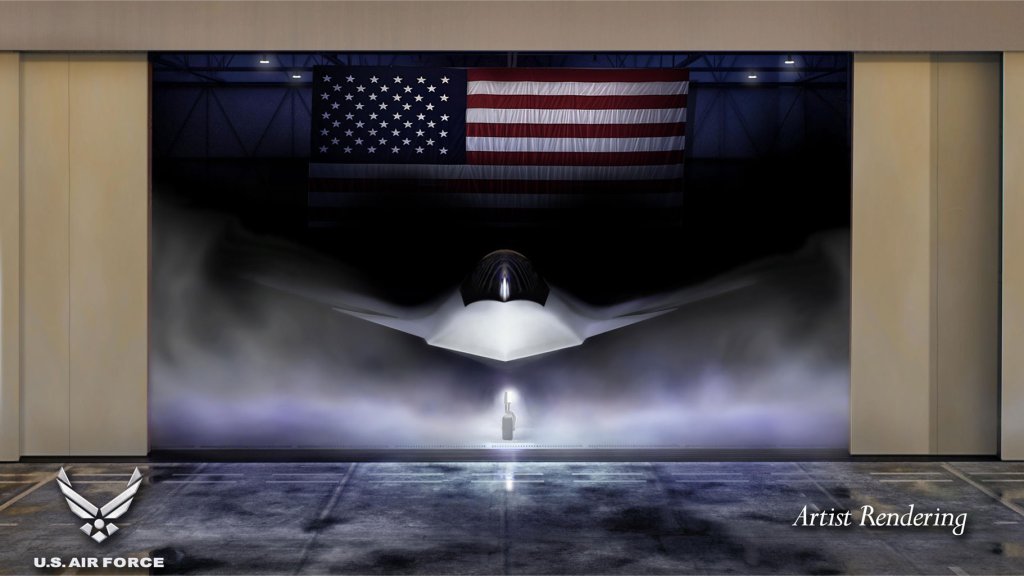
“F-47, the first crewed sixth-generation fighter, is moving forward with $3.5 billion in funding following President Trump’s March 2025 decision to proceed with Boeing’s development,” a senior U.S. military official told TWZ and other outlets during a press briefing on June 27. “The Navy’s FA-XX program will maintain minimal development funding to preserve the ability to leverage F-47 work while preventing over-subscription of qualified defense industrial base engineers.”
“We are maintaining a request of $74 million for the F/A-XX program in this budget to complete the design of that aircraft. We did make a strategic decision to go all in on F-47,” a senior U.S. defense official added at that time. This is “due to our belief that the industrial base can only handle going fast on one program at this time, and the presidential priority to go all in on F-47, and get that program right.”
The decision will allow for “maintaining the option for F/A-XX in the future,” the senior U.S. defense official insisted.
Even before the U.S. military’s proposed budget for the next fiscal cycle was formally unveiled, F/A-XX’s future had looked increasingly uncertain. At the same time, at least in public, Navy officials had remained broadly supportive of acquiring a next-generation carrier-based combat jet, though sometimes with caveats.
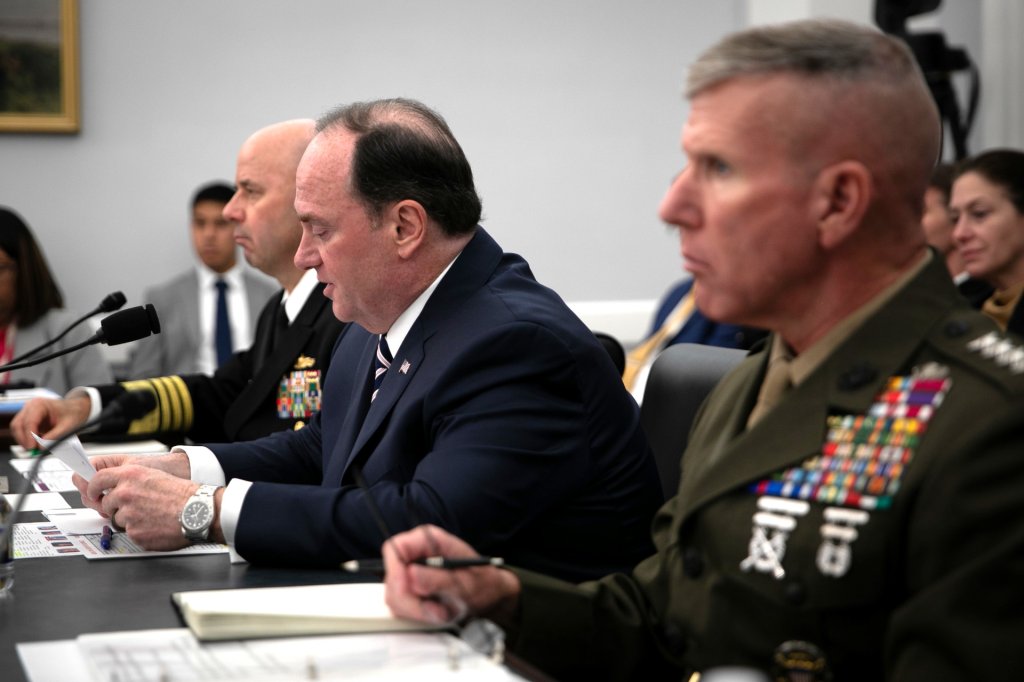
“I think, as it comes to next-gen fighters, as I said before, we’re looking at the full composition of the Air Wing of the Future, and so we have to focus on the capabilities and technologies for years to come that are going to win,” Secretary of the Navy John Phelan told members of the House Armed Services Committee in a hearing on June 11. “That includes manned and unmanned platforms that we have to look at.”
“I do not have a lot of confidence – all of our programs are in trouble. We have a number of companies that are not performing. We’ve got to get those done,” Phelan continued at that time. “So I think, looking at this system, sixth-gen is important, and it’s important to the admiral that he should always give you his best military advice. I think we’re looking at the whole panacea of what we’ve got and then how we can – what makes the most sense to use in the future. And so I think we have to get more confidence in the [industrial] base.”
The admiral Phelan was referring to was Adm. James Kilby, the acting Chief of Naval Operations (CNO).
“I believe we need a manned sixth-gen fighter,” Kilby, who was also present at the hearing, said later on.
“I don’t have an opinion on that because I haven’t studied that, but my opinion is the Navy needs that fighter,” Kilby added in response to a specific question about whether the U.S. industrial base could support the F/A-XX program.
In June, Boeing Defense and Space CEO Steve Parker also very publicly pushed back on the idea that the U.S. industrial base was not capable of working on the F-47 and F/A-XX at the same time.
Even without the inclusion of F/A-XX funding in the UPL, legislators could seek to increase funding for F/A-XX in the 2026 Fiscal Year. Congress, and not the Pentagon, is in charge of drafting and approving annual U.S. defense spending plans. Legislators routinely insert (as well as block) additional funds for different efforts as part of that process.
How lawmakers respond to the Navy’s wishlist remains to be seen, but the service has clearly not completely given up on its F/A-XX plans.
Howard Altman contributed to this story.
Contact the author: joe@twz.com
Loading comments…
Comments couldn’t be loaded. Please refresh the page.