
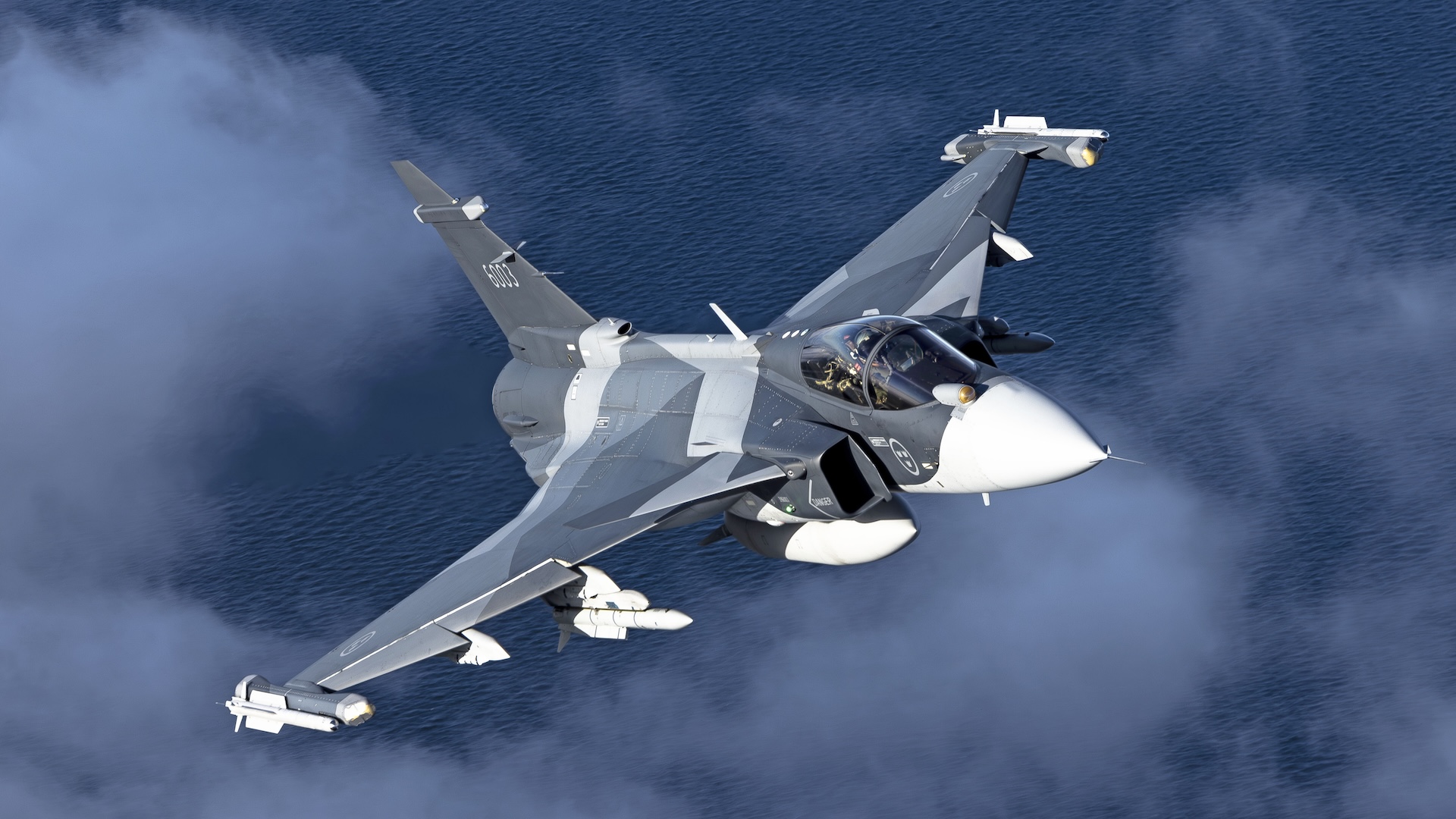
Swedish defense firm Saab announced today that it had signed a contract to provide 16 Gripen E fighters to Ukraine. Once they arrive in the country, the jets will likely provide Ukraine with its most capable combat aircraft, and the development comes after Stockholm agreed to donate up to 16 of the previous-generation Gripen C/Ds to Ukraine. Handover of the Gripen C/Ds in Ukraine is slated to take place in early 2027, while the Gripen Es are scheduled for delivery starting in 2029.
The deal was signed between Saab and the Swedish Defense Materiel Administration (FMV), the governmental procurement agency acting under the Swedish Ministry of Defense. The order is valued at around SEK 24.6 billion (approximately $2.5 billion) and will be booked in the third quarter of this year.
Saab is scheduled to deliver the new jets to the FMV between 2029 and 2030, after which they will be transferred to Ukraine.
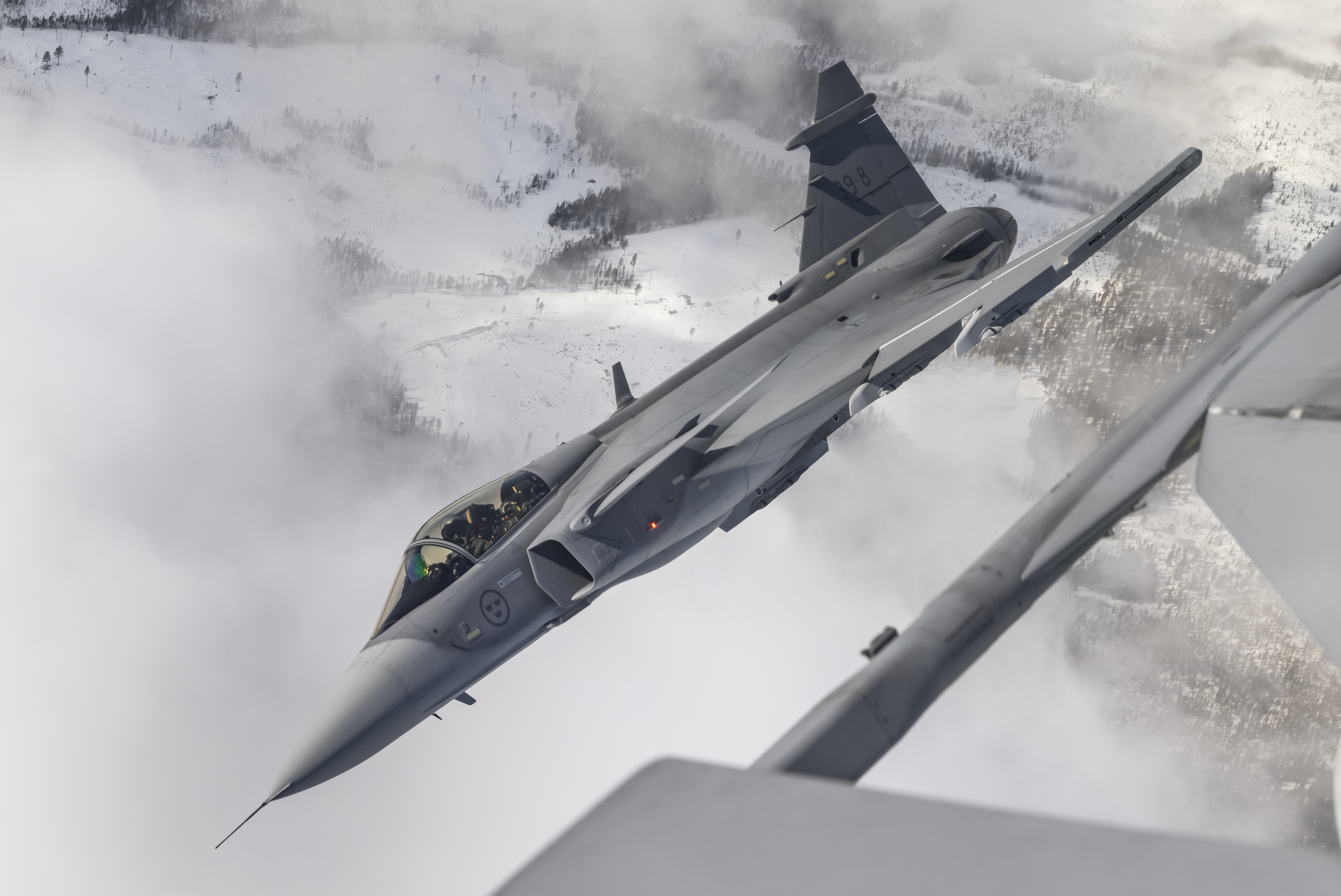
In addition to the 16 Gripen E fighters, the contract also includes spare parts and associated items and equipment.
“I am deeply proud that Sweden and Saab can now enable the provision of Gripen E to Ukraine, bringing a world-class fighter that will transform the Ukrainian Air Force’s capability. This will significantly strengthen Ukraine’s air defense and help ensure the nation can protect its people and safeguard its future,” said Micael Johansson, President and CEO of Saab, in a statement from the company.
The same statement also outlined particular features of the Gripen series that it says make it ideal for operations with the Ukrainian Air Force:
“Gripen is designed to address advanced threats in demanding environments. Operational flexibility and resilience enable operations from short stretches, temporary runways or roads, supporting dispersed operations and high availability. The software-based architecture facilitates continuous upgrades and adaptation to evolving operational requirements. With low maintenance requirements and fast turnaround, Gripen provides an advanced and cost-effective fighter capability that is easy to operate and maintain.”
These qualities, not restricted to, but notably baked into the Gripen design philosophy, are something we have explored as long ago as 2022, in the context of potential deliveries to Ukraine. In our previous coverage, we noted:
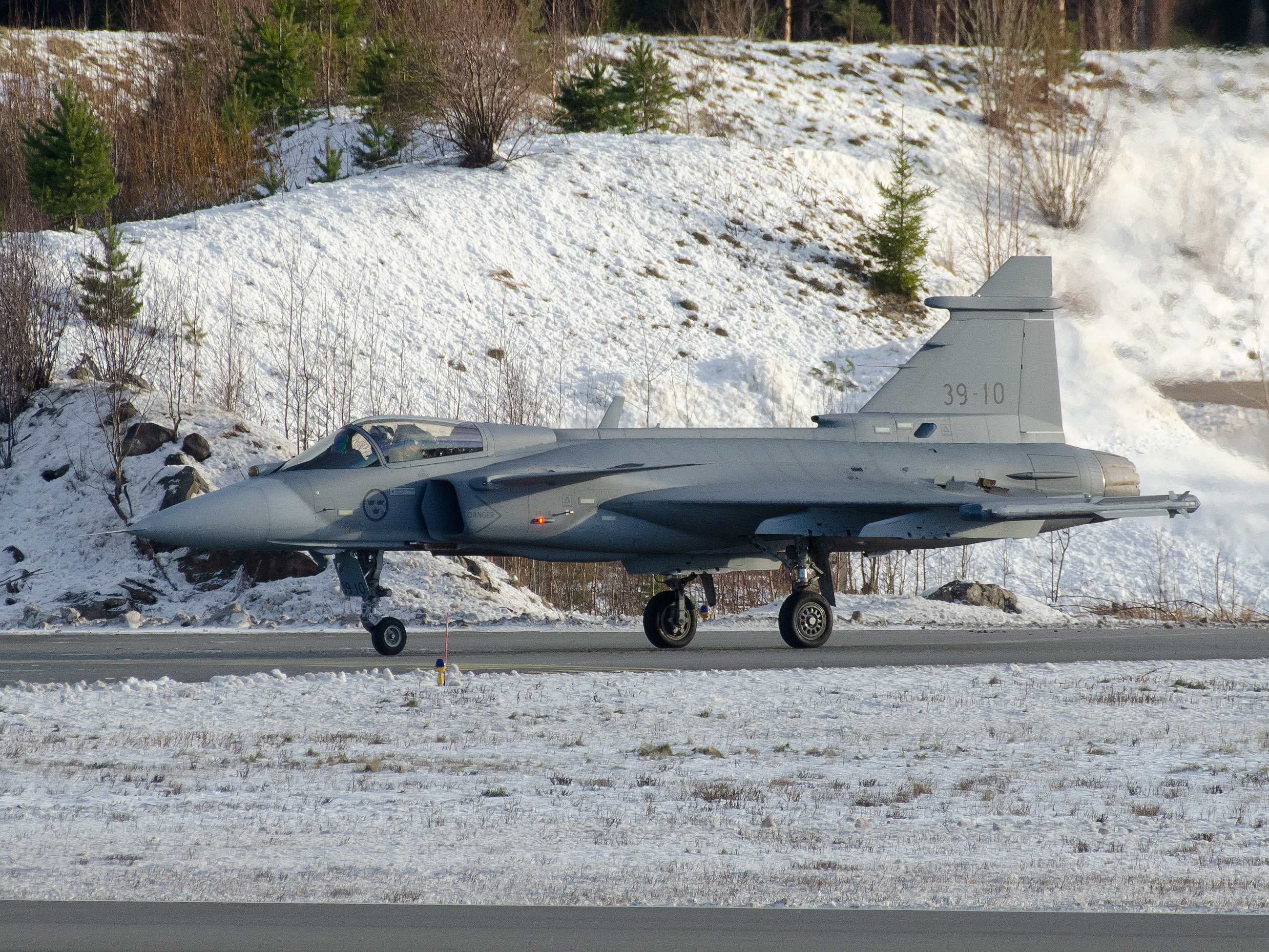
Designed during the Cold War to meet the Soviet threat, the Gripen was engineered for efficiency, durability, and ease of operation under wartime conditions. It was specifically designed to be serviced and rearmed by small teams — often including conscript personnel — while operating from dispersed locations such as roads and improvised airstrips instead of traditional air bases. The aircraft’s entire concept centers on maintaining combat operations in demanding environments, including prolonged cold-weather conditions.

Even with its existing fighters, the Ukrainian Air Force has developed tactics and equipment to operate these jets from dispersed locations around the country. Prior to the current conflict, Ukrainian fighters were training to make use of highways as alternatives to traditional runways.
Already, the Gripen C/D represents a significant advance, but, as noted, these are previous-generation jets, and they are secondhand aircraft drawn from Swedish stocks to expedite delivery.
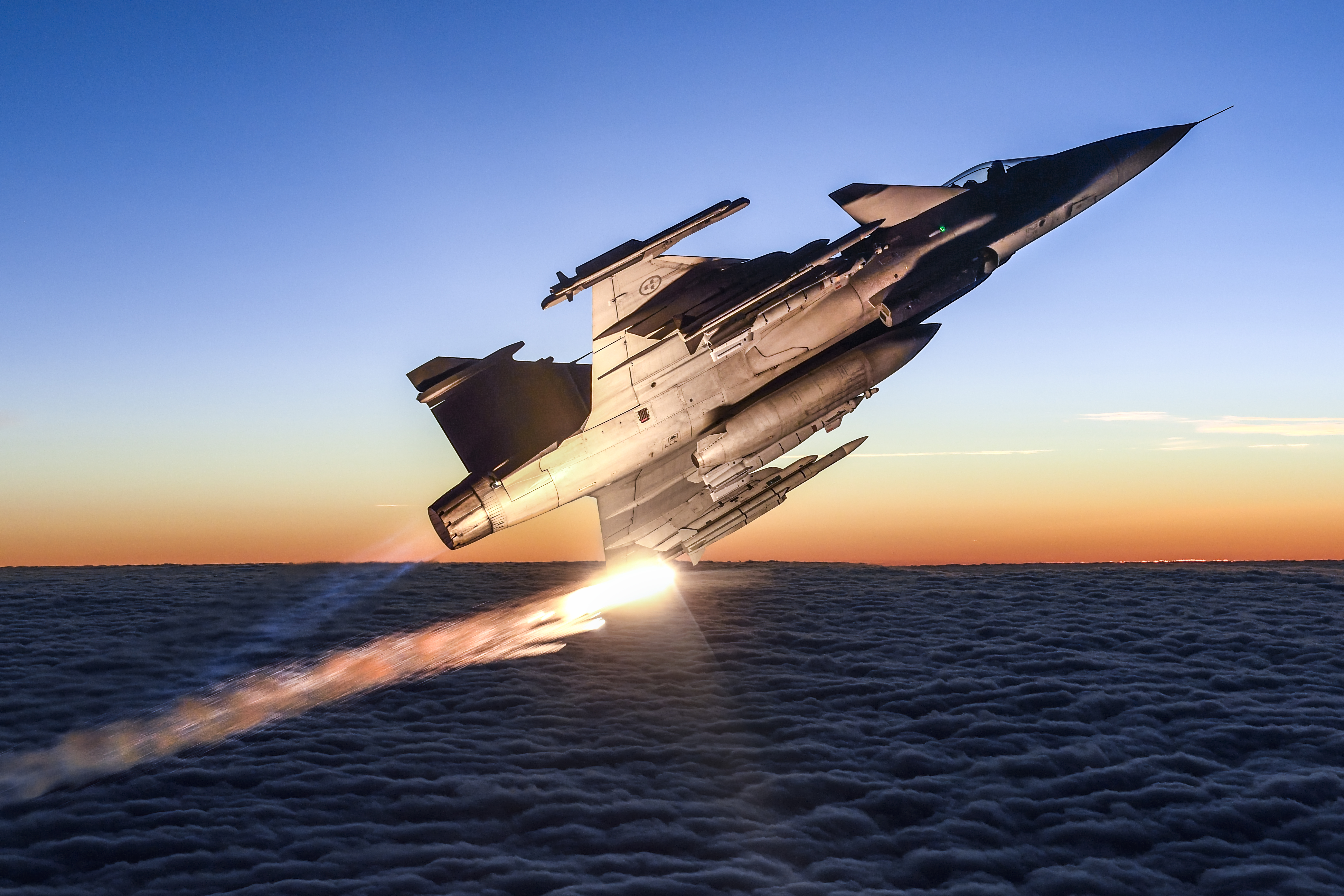
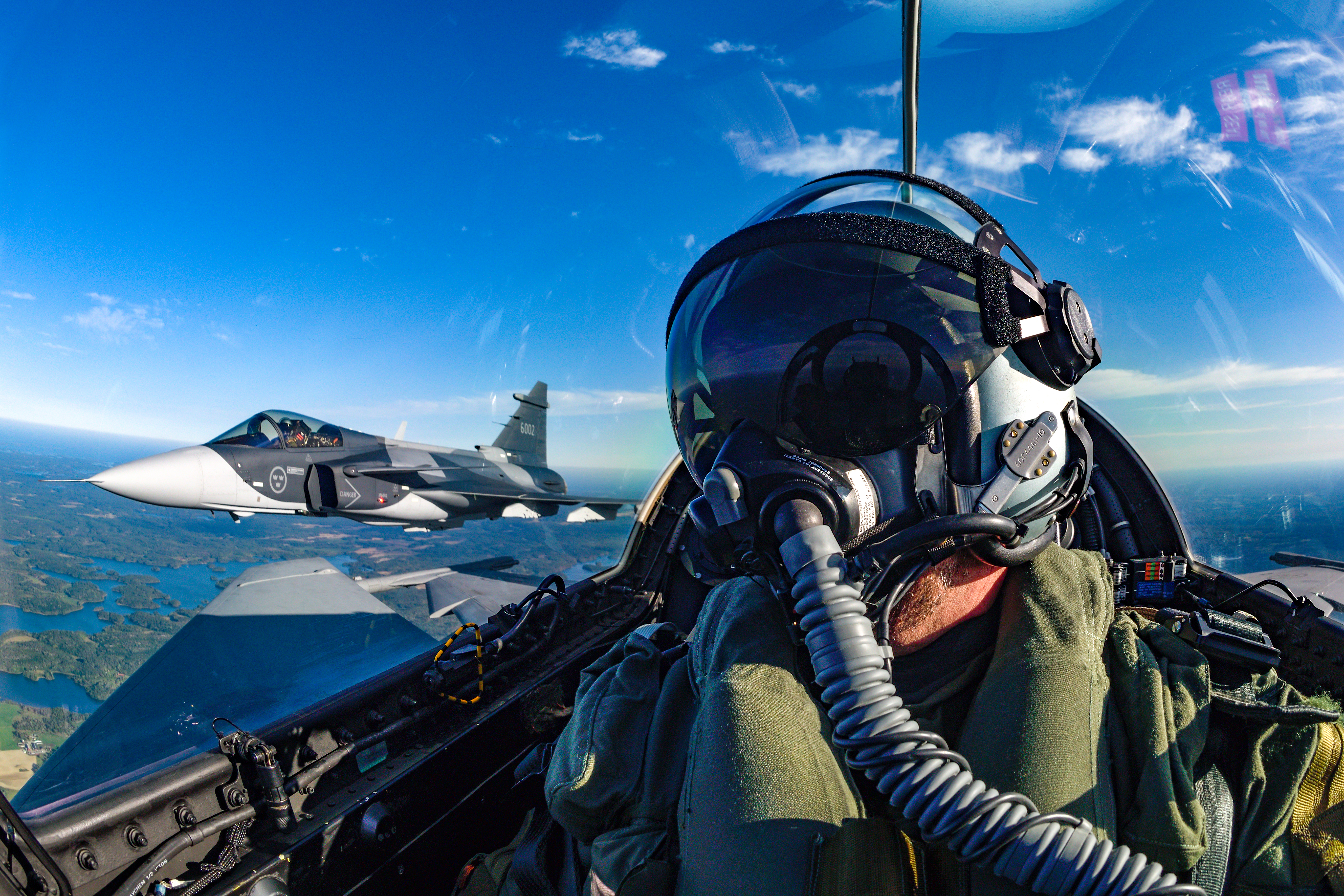
Compared to the Gripen C/D, the Gripen E, as you can read about here, is a very different proposition, despite its superficially similar appearance.
In contrast to the older jet, the Gripen E has a bigger fuselage that accommodates approximately 30 percent more fuel and has a more powerful General Electric F414 engine, plus a total of 10 hardpoints for weapons and other stores. The cockpit is entirely revised, and the pilot is provided with a single Wide Area Display (WAD), replacing the three separate displays in the Gripen C/D.
The Gripen E can carry up to seven MBDA Meteor beyond-visual-range air-to-air missiles, weapons also compatible with the Gripen C/D, although in the new aircraft these are integrated with the Leonardo ES-05 Raven active electronically scanned array (AESA) radar, and the Leonardo Skyward G infrared search and track (IRST) sensor.

The ES-05 Raven is set to be the first AESA fighter radar for Ukraine. Arrays of this kind bring a significant boost to modern combat aircraft. In comparison with traditional mechanically scanned array technology, an AESA can find and track a target at a much greater range, more quickly, and with a greater degree of accuracy. This also applies to smaller threats, including those with limited radar signatures, or flying at very low levels, which older radars find much harder to detect. This makes it especially relevant to hunting drones and cruise missiles, which are small targets often encountered by Ukraine en masse.
One particular feature of the ES-05 Raven on the Gripen E is the fact that the radar is mounted on a rotating repositioner, also known as a swashplate. As you can read about here, this enables the electronically scanned antenna, which is normally fixed in a forward position on fighter aircraft, to be slewed to the left and to the right in order to increase its field of view.
As we have discussed in the past, the Meteor would provide Ukraine with a class of air-to-air weapon that it badly needs to redress the balance against Russian fighter jets.
The Meteor is among the most capable air-to-air missiles in operational service anywhere in the world. Thanks to its ramjet propulsion, which can be throttled during different phases of flight, the Meteor is generally considered to be effective against certain types of targets out to around 130 miles.
The Meteor also features an active radar seeker for the terminal phase and a two-way datalink that feeds it with in-flight updates as it flies out to its target and provides information to the pilot in the launch aircraft.

All Gripens can also be armed with the AIM-120 Advanced Medium-Range Air-to-Air Missile (AMRAAM) that arms Ukraine’s F-16 fighters as well as several of its ground-based air defense systems.
The jet also includes a new Saab Electronic Warfare System (EWS), featuring a 360-degree spherical Missile Approach Warning System (MAWS).
Less obvious is the Gripen E’s avionics architecture, which is designed to enable the rapid insertion of new hardware and updated software applications to take on new missions. Customers are also able to design and develop their own software to introduce new technologies and systems to keep pace with ever-evolving threats.
Furthermore, Ukraine will be able to maximize the potential of its Gripens by operating them in conjunction with its two Saab 340 airborne early warning and control (AEW&C) aircraft equipped with Erieye radar that have been donated by Sweden.
The Saab 340 AEW&C can serve as an airborne fighter control platform by detecting and tracking Russian targets, prioritizing threats, and directing friendly fighters to intercept them. Using its datalink system, the aircraft can also provide mid-course guidance updates to missiles after launch. This allows fighter pilots to engage targets without necessarily activating their own radar. Instead, a missile can be assigned a target before launch, fired, and then receive continuous guidance updates from the AEW&C aircraft until it reaches the target. The Erieye radar is also notably effective when tracking ground and maritime targets.
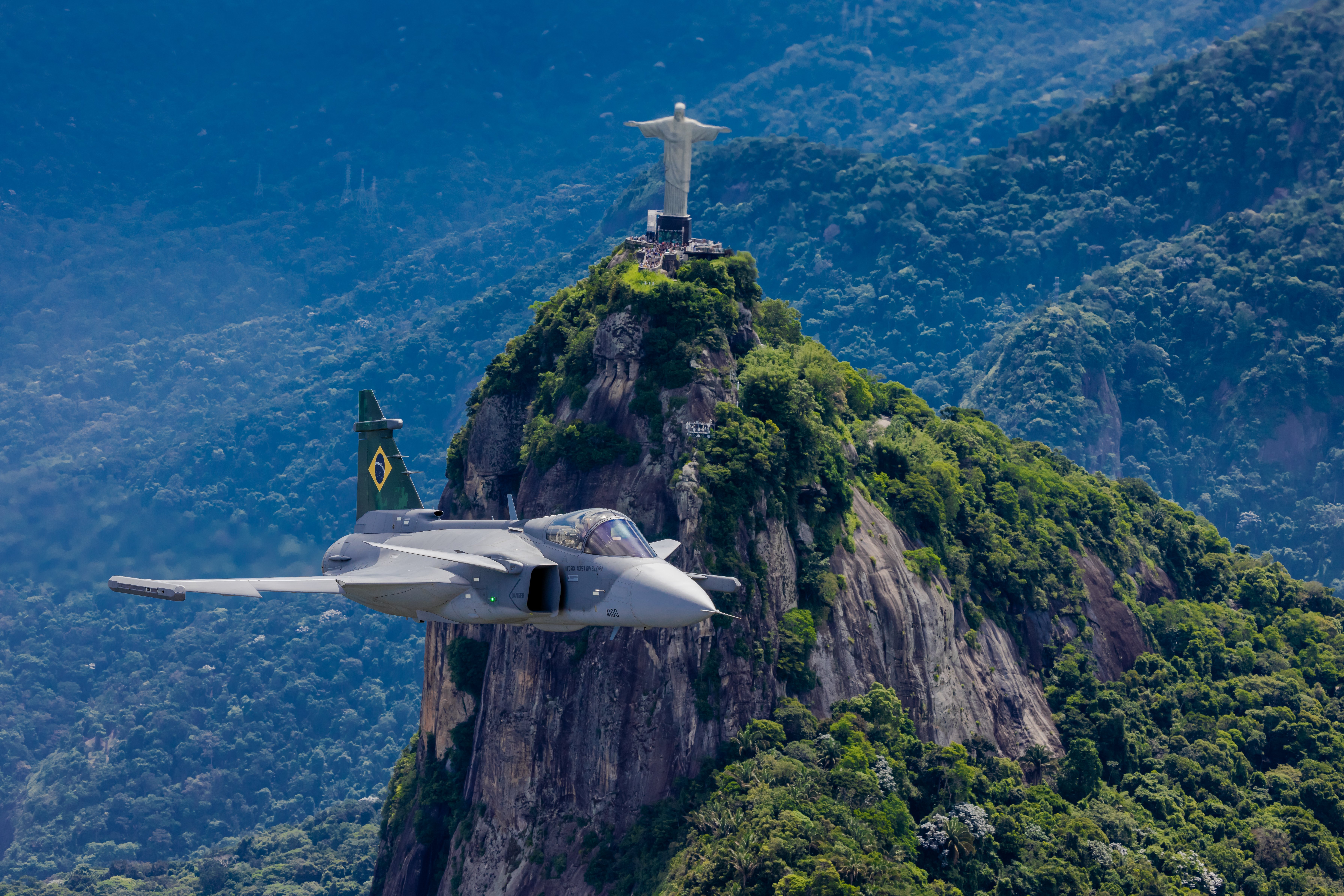
Brazil was the first export customer for the Gripen E (also taking the two-seat Gripen F version), with its decision to buy the fighter influenced to a significant degree by the opportunity to establish a domestic production line. It was followed by Thailand, which secured a small batch of Gripen E/Fs to bolster its existing Gripen C/D fleet, and Colombia, which is also buying Gripen E/Fs. Meanwhile, Sweden has ordered 60 Gripen Es, the first of which was delivered to an operational unit last year.
Otherwise, the commonality between the aircraft will ensure that the Gripen E is easier for the Ukrainians to introduce.
According to Swedish officials, the training of Ukrainian pilots and technicians on the Gripen C/D is already underway and will be expanded this fall.
These Gripen Es could be just the start of a much bigger program.
The long-term ambition remains 100-150 Gripen aircraft. However, this transfer only exists as a statement of intent for now, as we have previously reported.
A similar letter of intent covers a plan for Kyiv to buy up to 100 Dassault Rafale F4 fighters from France over the next 10 years. These Rafales are at least as advanced as the Gripen Es, and superior in some respects, but there remain glaring questions about whether they can both be procured, especially in such numbers.

The Gripen E is an even bigger deal for Ukraine than the Gripen C/D. The Ukrainian Air Force has already received Western-supplied F-16s and a smaller number of Mirage 2000s, but still relies heavily on its Soviet-era fighters. The MiG-29 Fulcrum, in particular, has been continually adapted to carry new weaponry, both Western-supplied and locally developed, but these are all aging jets and the fleet overall has been steadily reduced by attrition.
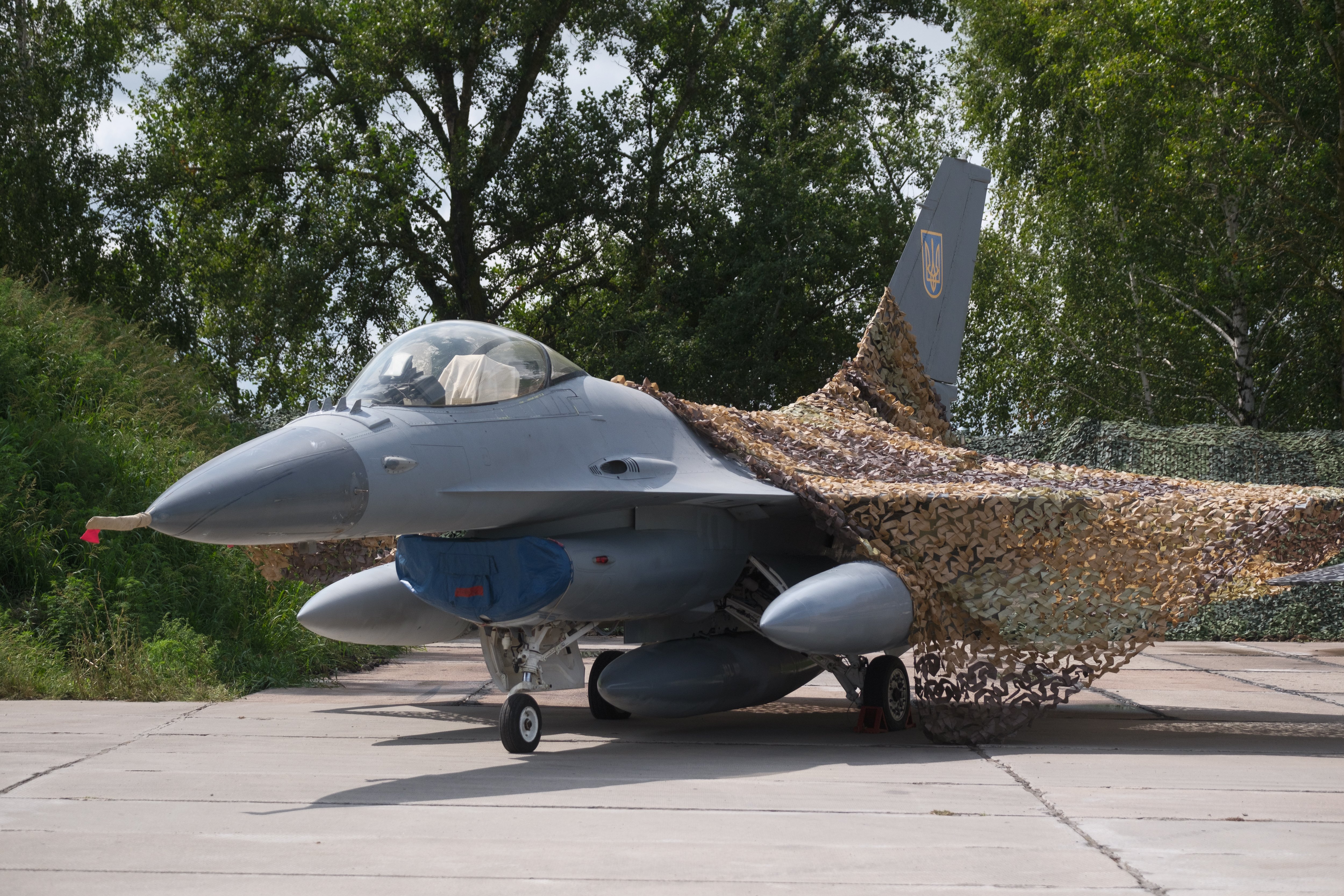
Taken together, the Gripen C/D and Gripen E will provide Ukraine with a modern, networked fighter force unlike anything it has operated before. Combined with long-range Meteor missiles and Erieye AEW&C support, the aircraft will significantly enhance Ukraine’s ability to challenge Russian airpower and defend its airspace, and it will also be able to deliver precise attacks against surface targets.
Perhaps more importantly, these Swedish-made jets will bring the Ukrainian Air Force into a new era in which it is spearheaded by advanced, Western-made combat aircraft.
Contact the author: thomas@thewarzone.com
Loading comments…
Comments couldn’t be loaded. Please refresh the page.