

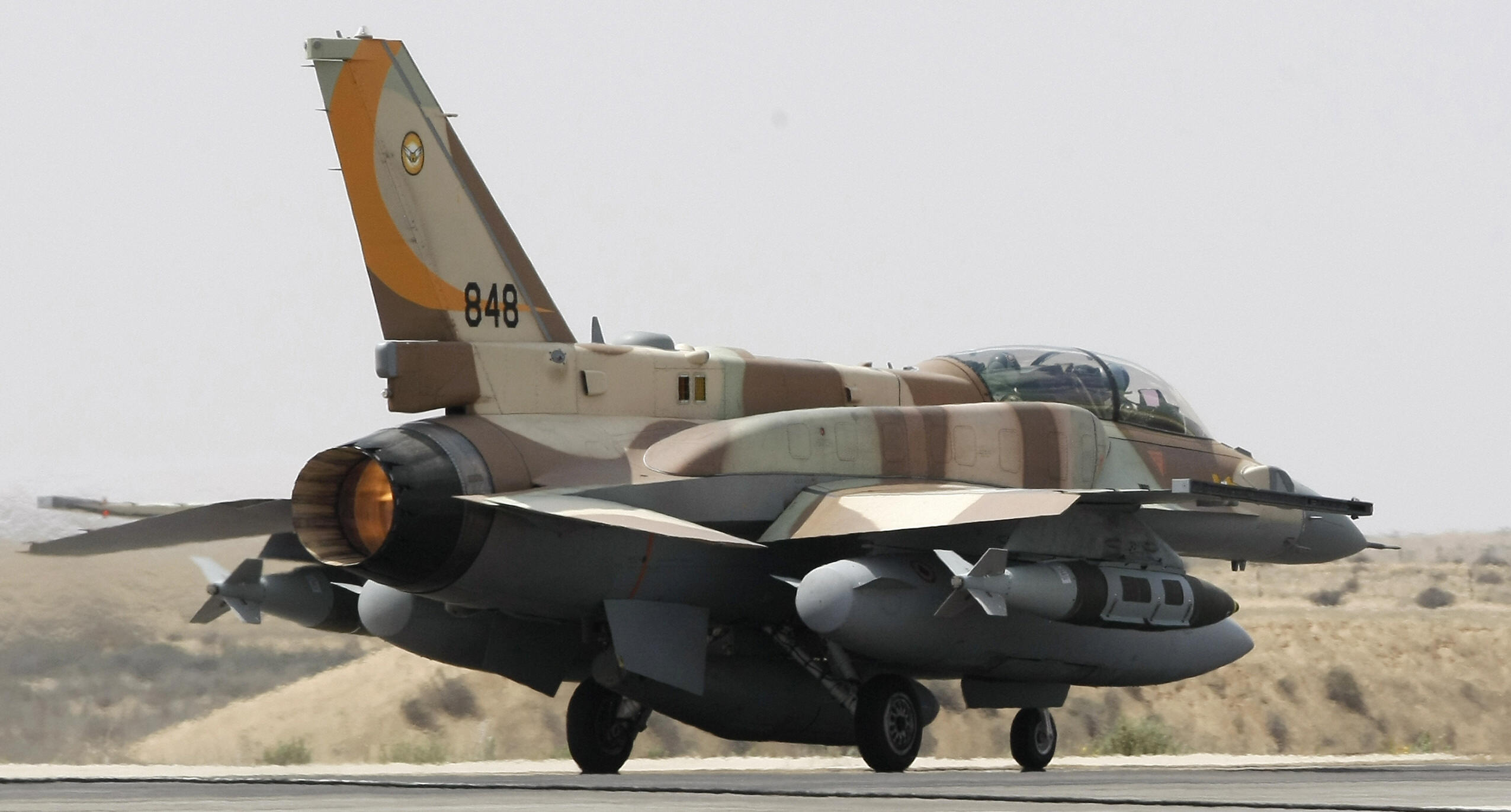
Nearly three years into the war against Hamas, the Israeli Air Force (IAF) finds itself in the midst of one of the fiercest operational tempos in its history. In addition to dropping tens of thousands of tons of bombs on the Gaza Strip, the IAF has also attacked targets in Lebanon, Syria, and Yemen. On top of this, Israel executed a high-risk air war against Iran after decades of planning. These operations have showcased the IAF’s reach and tactical prowess, but some of them have also sparked international condemnation due to the large number of resulting casualties. An aircraft that serves as a backbone of the Israel Air Force’s tactical jet force is the F-16I “Sufa” (Storm in Hebrew). Now, in a rare opportunity, we talked in-depth to one of the type’s most experienced crewmen about what it’s like to fly and fight in the highly customized Israel-specific variant of the F-16.
We spoke with an IAF aviator who offered candid insights about the service’s actions, capabilities and his own experience in the cockpit conducting attacks on Iran, Gaza and Lebanon.
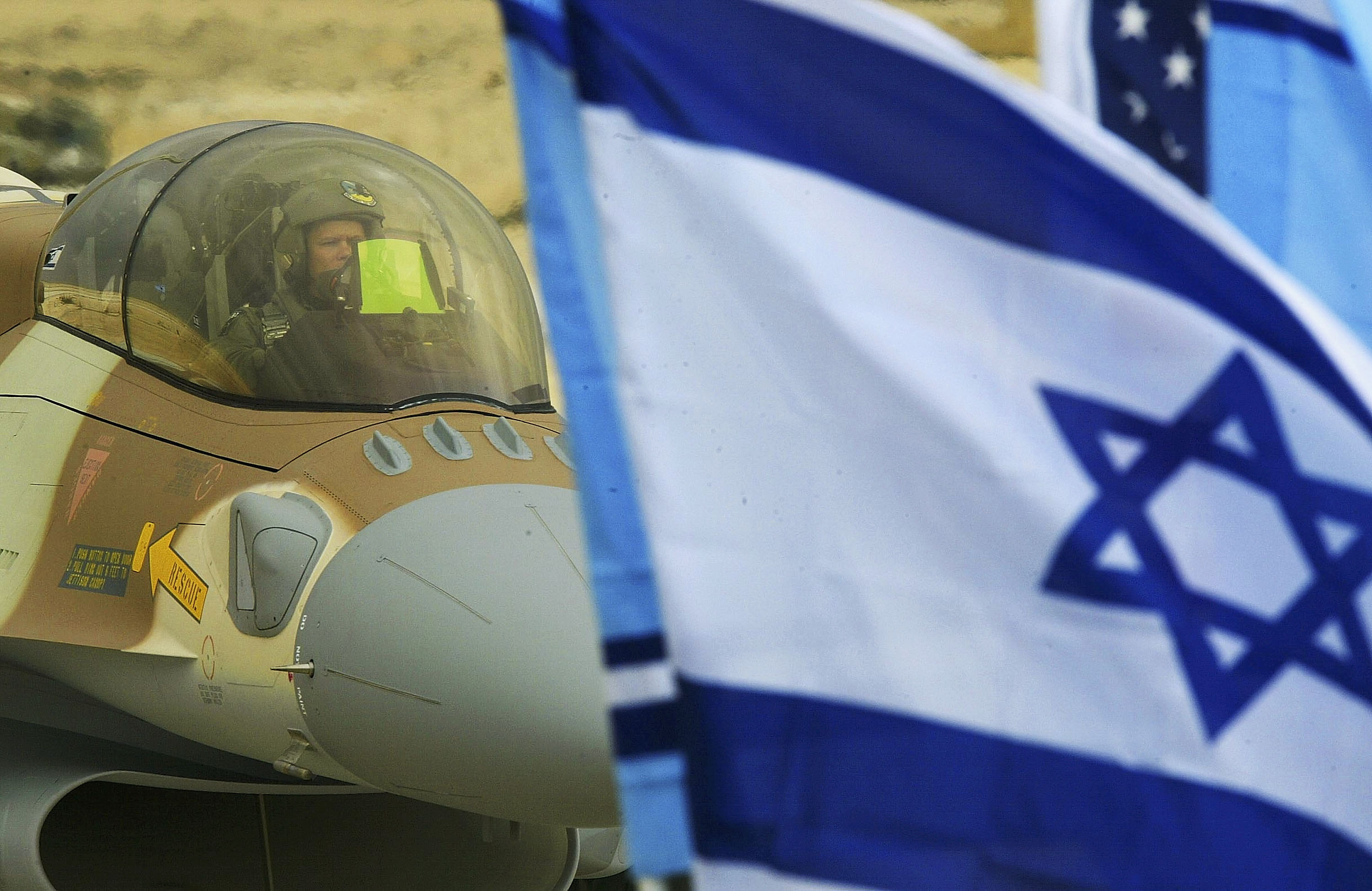
The War Zone conducted this exclusive wide-ranging 80-minute interview on Monday with an F-16I navigator we’ll call Lt. Col. I. under Israeli security practices. Lt. Col. I. is also the first Druze aviator in the IAF, which you can read all about in our first installment of the interview here. In this second installment, he extolled the virtues of his aircraft, talked about combat operations over Iran, how the IAF wages long-distance aerial warfare, and much more. We reached out to U.S. officials for comment about Lt. Col. I.’s claims and will update this story with any pertinent information provided.
The navigator also gave his justification for the IAF’s strikes on Gaza.
The following questions and answers were edited for clarity.
Q: The Israeli Air Force is known for being extremely selective when it comes to selecting pilot candidates, and the training is also known to be very challenging. What was the selection for fighters in the training like?
A: Flight Academy started with like 10,000 candidates in each flight course. The number of finishers in each flight course is like 35 people from all the sections of the Flight Academy, like jet pilots, navigators like me, helicopter pilots, everyone. So the percentage of the finishers is very, very low.
The exams start with flying, actually flying in the air, to be able to do complicated missions during the flights, to see how you think, how fast you think and how you can do drills under pressure. Another section of exams we do on the ground. Personality exams, navigating by foot and some other things I can’t talk about it because they’re classified. But there are other ground drills that we do to examine your personality and the way you think. After all this, they combine a number that ranks you among all the people in the course.
Q: What was your number?
A: I finished like number 22, something like that. But it depends on which part of the Flight Academy you are in. So I was 22 in general, but in my section, the navigators. I was number two in my class.

Q: How tough was it to get selected as an F-16I crew member?
A: In the Flight Academy, after the course, you separate into different squadrons. Not all the best pilots go to one squadron. We spread them out to make all the squadrons as good as possible. We don’t put just the best ones in F-35 or the best in F-16I. We don’t do that. It’s like a draft in the NBA.
Q: Have you flown operationally in any other IAF aircraft?
A: I fly just in the F-16I. Before, it was the F-16. So all my duty was on F-16s. So I don’t know anything else than that.
Q: What does the F-16I bring to the table compared to other fighters in the IAF inventory and and are there particular mission sets your community specializes in? And how does it compare to the F-16Cs and Ds in Israeli service?
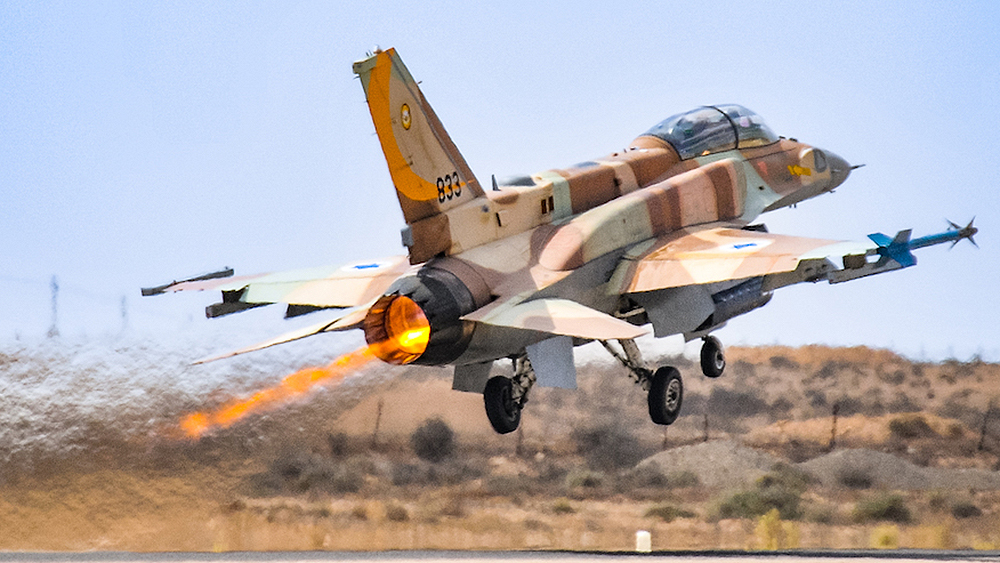
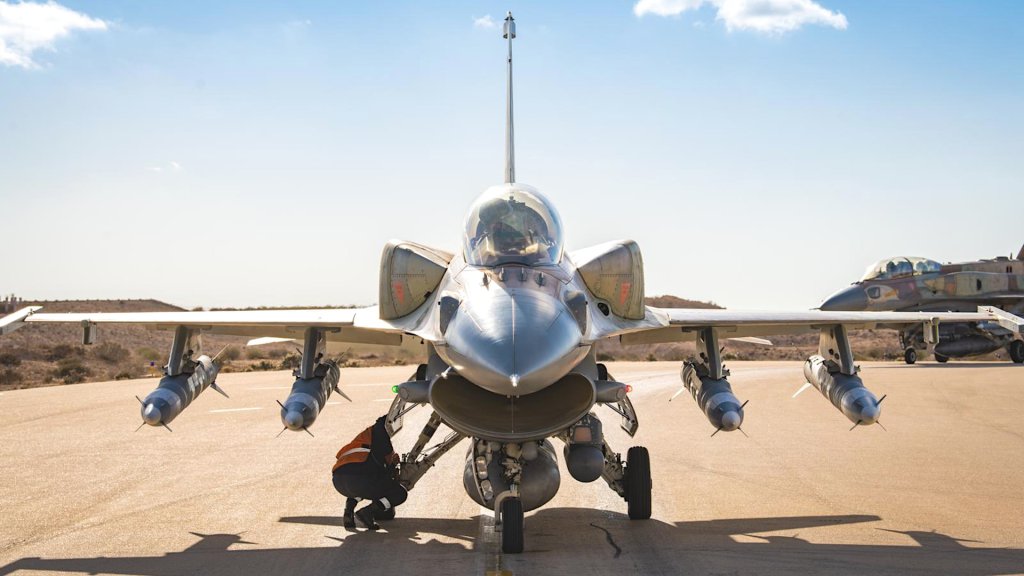
A: The F-16I is more likely to be the plane that goes as far as possible, because we have extra fuel tanks. It’s an intelligence plane that gives you an intelligence view of what’s going on in the field. And of course, it’s a strike plane that can take each kind of missile and bomb to the target. The uniqueness of the F-16 is that it is able to do it fast. It’s an aerodynamic plane more than the others, and it’s smaller than the others.
Q: How does the F-16I compare to the C or D variants?
A: We have different equipment, especially inside the plane. The structure of the plane is almost the same as the C or D, but we have the extra tanks that make the shape of the plane different. So that also makes the range of the plane better than the C or D. But inside the plane, we have different equipment, especially the things that we can take with us, like long-range missiles, weapons or smart bombs. That’s the main difference.
Q: How do the planes and crews work together in a formation?
A: We have a network to communicate with each other, as the planes actually talk to each other. We can see the information in our formation that we fly, like four planes or something like that. We can see the information inside the other planes without even the need to talk to each other. That’s why we can also communicate better than other planes. We can see on the map all the details that the other planes in our formation do, like if they lock on the target. I can see that he locked on a target. So I can take the other target that my wingman didn’t. But the things that make it better than other air forces, in my opinion, are the things that we train all the time. We put excellence, all the professionalism, in a high place in our training. We can’t make mistakes. We debrief everything that we do in the plane. We actually land and see all the videos of the training and also, of course, the mission task, the operational tasks, but we see each and every video after we land which would make us professional and make us excellent.
Q: An F-16 with a weapon systems officer is a fairly rare concept. Israel is one of the handful that use this configuration. How does another crewman squeeze more out of the F-16, and how do you work together?
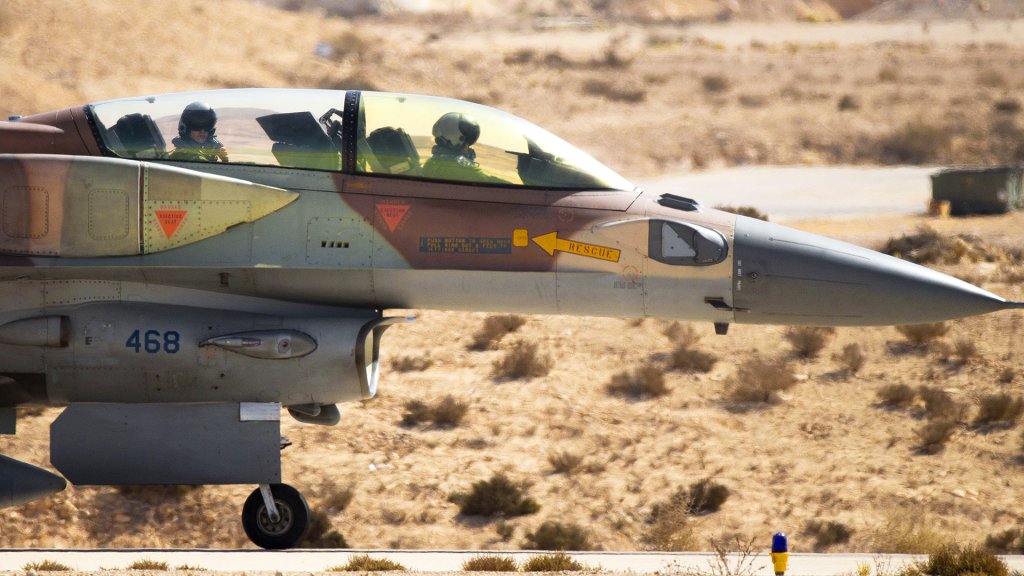
A: We don’t call it a weapon systems operator; we call it a navigator, which I am. So it’s teamwork and depends on which mission you’re going on. If it’s an attack mission, most of the things or the crucial decisions are made by the navigator. If on an attack, I choose the target, I lock on it, I see in my formation which is the better way to attack the target, and I decide how we do this. If it’s an air-to-air mission against aircraft or other missions that don’t include a ground attack, the pilot is the mission commander. He decided how to go there. The navigator is also responsible for the defense of each aircraft and the formation and for operating the weapons – the missiles and the bombs.
Q: How does the F-16I work with other fighters, especially the F-15I and the F-15A/B/C/D Baz?. And what about the F-35i stealth fighters?
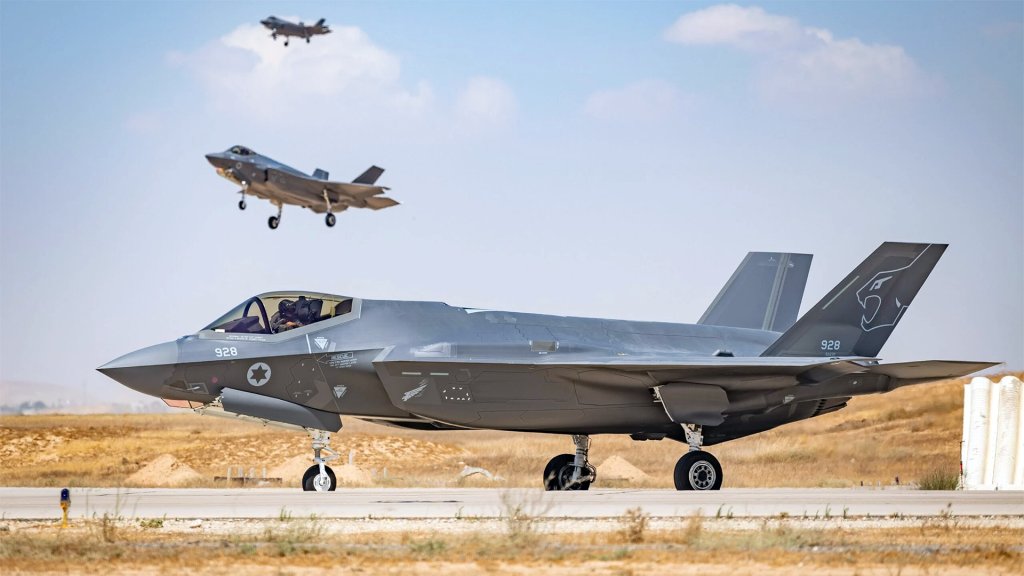
A: We saw in the war against Iran the coordination between all the planes. Most of the F-35 missions were intelligence and gave us a lot of information that other planes like the F-16I don’t have. They have a lot of equipment that helps them determine which missiles are heading towards us. And they actually can say to the F-16I, be aware you’re going to meet this kind of missile or another kind. And after we get this information, we do our attack mission that is more precise and more specific. So what we do in our formation is let the F-35 go first, see what’s going on, gather the intelligence and information and give it to us and to the other planes, and then we take this information and attack. Actually, I can’t say specific things because classified, so I’m speaking in general.
Q: And how does the F-16I work with the F-15I and the F-15 Baz?
A: Those aircraft do the same tasks as the F-16I does. It’s almost the same. We don’t actually do separate things. The only thing that we do differently is that the F-16I gathers intelligence, like taking photos of the field that we are going to attack. That’s what we do differently. The other things, like attack or air-to-air missions, are the same.
Q: What can F-16I do that the F-35 can’t?
A: The difference between the F-16I and the F-35 is that to maintain its ability to be unseen, the F-35 has to carry its bombs inside its belly. We can put the bombs outside on the wings. That’s why the F-16I has a better ability than the F-35 to deliver more bombs.
Q: The conformal tanks are a big part of the F-16I’s abilities. How do they impact the flying quality of the aircraft? And there are other times when you wish you didn’t have them?
A: If we remove them, we won’t be able to get as far as we can now. But yeah, they make the plane harder to fly, and make the plane a little bit complicated, because the aerodynamics aren’t as good as the F-16C or D. But in general, I prefer to take the fuel tanks and fly a little bit grumpy than be without them.
Q: Tell me about your first combat mission.
A: My first combat mission was in Lebanon. It was in 2006 during the second Lebanese war. We got a task, a mission of attacking a building that we understood was where terrorists had missiles aimed towards the northern border. It was at the start of the war, right after the kidnapping of the three Israeli soldiers on the border. And I was very, very thrilled about that, because it was my first mission, you know, attacking over the border. So we had the information before we took off. I remember that they decided to change the coordination to another building, and there was all this pressure about what are we doing? And if the situation there is like a threat with missiles towards planes, we didn’t know whether we were threatened or not. That’s why we flew very high, so we didn’t see the targets; we’d see them just with our cameras.
Q: What kind of munitions did you use in that attack?
A: GBU-38 and GBU-31 Joint Direct Attack Munitions (JDAM).
Q: Did you take part in Operation Rising Lion, designed to dismantle Tehran’s nuclear ambitions and military capability?
A: I can talk a little bit about the Iran mission. I also took part in it. The Iran mission was my best feeling in the Air Force. After we landed from the first mission, we were very pleased with the outcome. We didn’t expect this kind of success. We thought that it would be harder to reach this success. We thought that we would come back from this task while Israel is under attack. But I think that this mission is exactly an example of the Israeli Air Force’s ability to take a mission and, with precision and strategic depth, execute it at a very high level. But that’s not coming from out of nowhere. This level of success is a result of years of intensive training, strict operational standards and culture, and that demands excellence at all times. That’s what we do in training. So we took all of that training we did in the last several years and showed the abilities of the Air Force. I think that what we did against Iran will be learned in all the universities, all the defense universities all over the world – how to take a mission with good information and intelligence and with the very high professionalism of the troops, you can see the very, very good results.
Q: How many times did you fly over Iran during Operation Rising Lion, otherwise known as the 12-Day War?
A: Twice, about a week apart.
Q: Which wave in those attacks were you in and what were the targets?
A: I can’t speak about the targets. But you saw the targets that we attacked on the first day. So you can understand what we hit.
Q: Were you part of the first wave of attacks?
A: Yes.
Q: What was it like when you were crossing into Iranian airspace and knowing that you were going to strike targets?
A: The feeling was that we are going to the unknown. We had the information. We did all the drills, we did all the training before, about what the other side had and the risks that we were going to face. But as the first wave, you’re going to the unknown. You don’t know what is going to meet you there. And as we reached the border and crossed it, we saw the early attacks of the other planes, and so we had the feeling that this is the money time. This is the actual time that we did all the training for, now the money time to succeed in the mission. So I was very focused. I didn’t think much about other things. I was focused on the mission and the task, and we did it as perfectly as possible. And just as we headed back west and we saw all the other planes that were coming from Israel, that feeling was unbelievable, a feeling of success and power, that we are doing something historical.
Q: Did you experience any anti-aircraft fire at all?
A: Not at all. They didn’t fire a single anti-aircraft missile towards us in the whole war. They did against drones, but against jet pilots, not even once.
Q: Were you surprised at all at the success of the missions over Iran?
A: I knew for certain that we’re going to succeed in our mission. We were surprised by the response of the Iranian side. We had a belief that we were going to come back from the flight and we will see our base bombed already. But nothing happened. That was the surprise about our ability and about our superiority and the technological field and our missiles and bombs. I was certain that we were going to do the task as good as possible.
Q: Were you at one of the IAF bases that were hit during the 2024 Iranian ballistic missile barrage?
A: Some bases got hit, but that didn’t cause a lot of damage because of [the integrated air defense system] that we have. It did a very good job against all those missiles. So the damage was very, very small, but I was on the base when one of the attacks happened. It wasn’t so terrifying, because, unfortunately, we are used to hearing sirens all over Israel. So we have the sirens, we go to the protected area, and we hear like a hit of the missile, but it wasn’t as near as we thought. So it wasn’t so terrifying, but I’ll tell you what I think. [The Iranians] thought that they they are going to do much more damage than that, much more damage.
Q: Where did you ride out that attack?
A: A base in the south near Herzliya.
Q: Walk me through what it’s like to use standoff munitions like the Delilah or Rampage. Why does Israel put such a premium on man-in-the-loop-controlled standoff weapons with optical seekers?
A: I don’t think that I can say all the details about those things, and I don’t know how you know about all those things either (laughs).
Q: How important have air-launched ballistic missiles become for the IAF and for the F-16I?
A: Very important. These weapons make us much more flexible because we can hit targets at long distances. And I think that without those missiles, strategically and tactically, we can’t maintain the superiority against all the drones that come from the east side or the enemy countries. So it’s very important, of course.
Q: Did these weapons play a role in the attacks on Iran?
A: Yes.
Q: Can you provide some details?
A: Not so much.
Q: Do you anticipate having to fly over Iran again?
A: In my opinion, I don’t think so, because I don’t think that they’re gonna do anything about the atomic program in the next few years. But as we say in the Middle East, nothing is certain.
Q: What weapons would you like to see on the F-16I that you don’t have now?
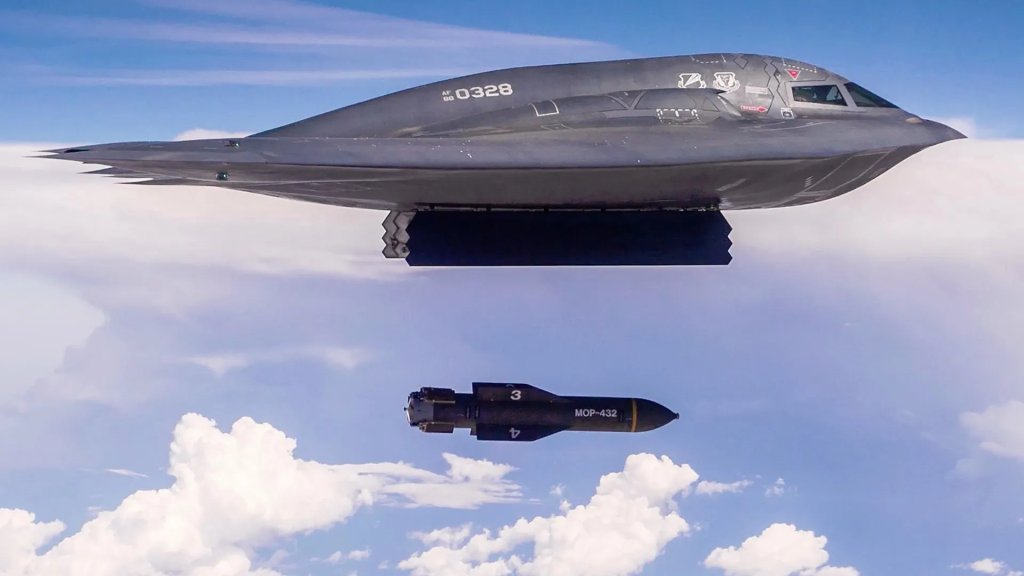
A: I don’t want to speak about F-16I, but if I can take one thing that we don’t have in the Israeli Air Force, it’s the MOAB, the mother of all bombs, maybe the one that they dropped on Fordow.
Q: You mean the GBU-57 Massive Ordnance Penetrator, also called the MOP?
A: Yes, those things we need.
Q: But what aircraft are in the IAF inventory that can drop them? In the USAF, only the B-2 Spirit stealth bomber is certified to do so.
A: That’s a problem. I don’t think that there is. Maybe the F-15I, I but I don’t think it can take this massive bomb. But I think we should think about the solution, such as this bomb, because our bombs are smaller than what we need for this kind of mission. Therefore, we need to think about something new, or something that makes an impact, that now we can’t do.
Q: What about support aircraft, like electronic surveillance and jamming and airborne early warning and control? How does the F-16I work with those assets to accomplish its mission?
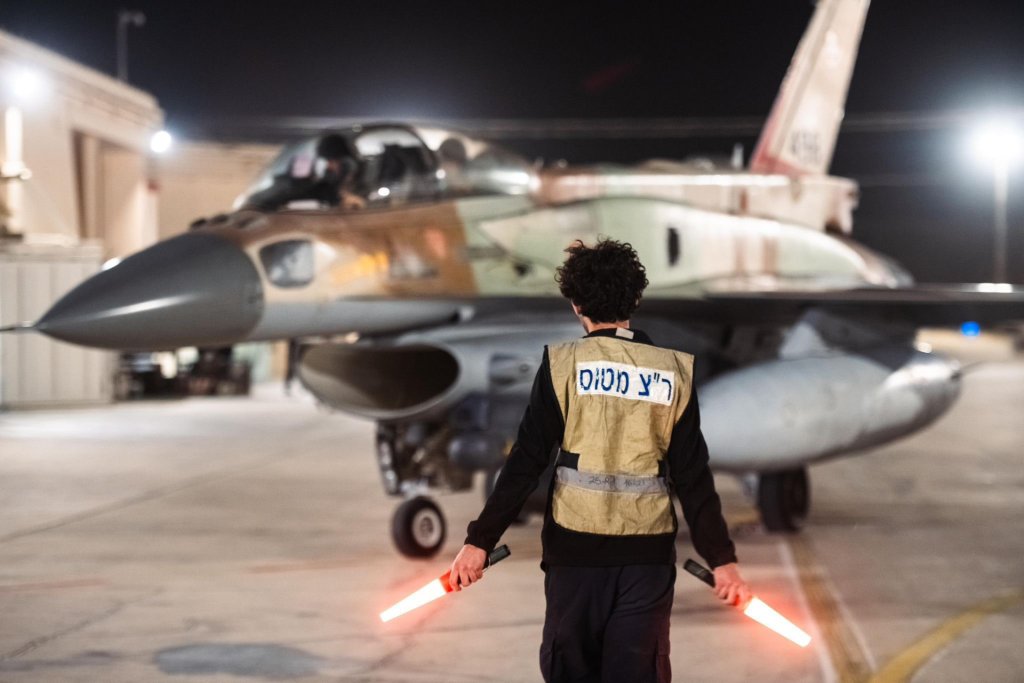
A: In the F-16I, we have the ability to jam radars or missiles headed toward us. We didn’t need to use it so much in this task because, as I said before, there weren’t any ground-to-air missiles that headed towards us.
Q: Can you talk about support aircraft in the IAF, like electronic surveillance and jamming and airborne early warning aircraft?
A: I don’t think I can talk about it.
Q: What are your biggest concerns when you go on a sortie?
A: This will be a little bit funny, but I’m not thinking about not surviving. I’m thinking about doing the mission. My biggest concern is that I will be able to do the tasks that I’ve sent to do, and the other concern is to be able to do it when I’m protecting myself and my pilot and the other formations. But my biggest concern is to do the mission as good as possible.
Q: The IAF has been operating at an extremely high tempo since the October 7, 2023, attack on Israeli civilians. Fighters have to put in many extra hours over the tumultuous period. Some of them, like the F-15 Baz, are quite old. How is the force able to keep flying so much?
A: That’s because we have very good technical troops working hard each day. 24/7, 365 days a year. They are very professional in what they are doing. They take the planes and improve them. Each malfunction is treated as fast as possible. That’s why we can take the Baz as an example. Like you said, it’s been flying for 50 years already in the Air Force. That’s why, if you say F-16I is a new plane, it’s not so much. It’s like 22 years already in the Air Force. But still, it looks like new. If you take the Iran attacks, it has the ability to fly with one engine all those miles and come back without the need of landing in other countries because of a malfunction or even losing any planes because we don’t have any malfunctions. It’s extraordinary. It’s unbelievable. And that’s why I think the technical troops of the Israeli Air Force are the best in the world.
Q: Israeli airstrikes have been quite controversial, resulting in a lot of civilian deaths, especially in Gaza. What are your thoughts about that, and what goes through your mind when striking a densely packed area like Gaza?
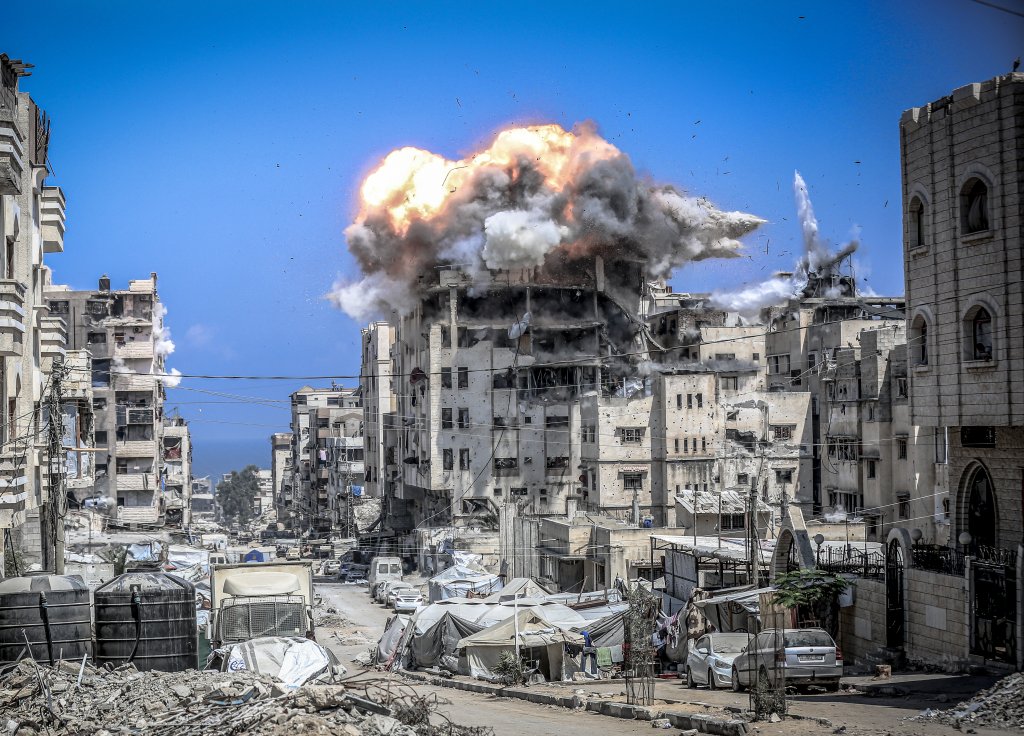
A: First of all, I believe the war is justified. I know that we do as much as possible to not hurt the civilians in the Gaza Strip. We even do some things that maybe hurt the mission. Instead of hurting the civilians, for example, we actually send messages to civilians to evacuate the building before we attack. That can cause even the evacuation of the terrorists as well, but we don’t want to hurt any civilians during our attacks. Unfortunately, the terrorists use the citizens as a human shield, and instead of protecting them, like the Israeli Air Force and the Israeli Defense Force protecting the civilians of Israel, they use civilians as a human shield and hide behind them. So when we attack terrorists, unfortunately, civilians also get hurt because they’re using them as a human shield.
Q: But these attacks have hit religious institutions and schools and other locations where civilians gather. As a navigator, what do you think about that?
A: We are not doing that on purpose. We’re doing that because they are terrorist activists inside those institutes and inside the mosques, inside the schools, they actually organized whole troops of terrorists. They stay inside the schools, inside the mosques. So if you want to protect our citizens, our troops in the field, we should attack them.
Q: Israel has been widely condemned around the world for the number of civilian deaths. What do you think about that?
A: I think it’s hypocritical. Look what they did to us in the Oct. 7 attack – all the monstrous things that they did to us – and what’s going on in Syria, it’s not far from that now. But if we are talking about the Gaza Strip, what they did to us it’s unforgivable, yet we do everything to reduce the number of civilians that get hurt from the other side.
If you see all the other countries all over the world in a war zone, or in a war right now, they don’t even do like 10% of what we’re doing while they’re attacking the enemy. That’s why it’s hypocritical. If you see the war in Syria or Ukraine, if you see the other wars going around the world, there is no country in earth that does what the Israeli Defense Forces are doing, even if it hurts the mission, and even if it hurts the task that we get.
Q: You’ve flown missions over Gaza, right?
A: Yes.
Q: And what’s that like? What goes through your mind when you are crossing into Gaza?
A: Now, it’s just become ordinary. In the past two years, I did like 100, 150 flights over the Gaza Strip. But we need to be precise, especially in a place like the Gaza Strip, where we have troops. We have civilians that we don’t want to hurt. We have the people who were kidnapped on October 7 also there. We need to be precise, and we have to be professional to do the task is as precisely as possible, not hurting civilians or other things that we don’t want to hurt. So when I go to this mission, I’m very focused, and I’m very precise with what I’m doing.
Q: What munitions do you use on these missions?
A: GBU-38s and GBU-31 [JDAMs], the same as I used over Lebanon.
Q: You had mentioned that you work on integration between the ground forces and the air forces in the southern region. So that’s Gaza and elsewhere. Talk about that a little bit.
A: What we need to do is to see that the information we get in the Air Force is based on specific information and based on information that we get from the ground troops that see the targets – all the terrorists – with their own eyes. And then they can send us the coordinates and send us the intelligence that we need to make a precise attack from the air. We also do this from the air and not with ground troops, because sometimes the targets are very far from the troops. Sometimes we don’t want to put the troops at risk, so we do it by air. And the coordination between the troops, the ground troops and the Air Force should be by someone who understands how the Air Force works, how the planes work, and knows the abilities and the capabilities of the Air Force, and then speaks the language of the ground troops to make all this work in synergy.
Q: Did you take part in any of the strikes on Syria, either in Damascus or the majority-Druze Suweida area that came under attack by Bedouins and regime-aligned forces?
A: Unfortunately, I didn’t get the chance.
Q: Would you like to?
A: Of course. I want to protect my brothers.
Q: How close have you come to disaster in the sky?
A: Just in practice. We had two aircraft near each other, and it wasn’t coordinated between us. We almost get crushed against each other.
Q: The IAF is buying more F-15s that are based on the F-15EX. What do you think of that decision? And does the IAF need newer F-16s too?
A: I don’t think so. We’re going towards getting F-35 squadrons and F-15s, as you say. We have a lot of F-16s. They do the mission as good as possible, but the F-15 gives us more ability to take more bombs and ammunition to the targets. So that’s why strategic thinking about getting F-15 squadrons. And the F-35 is the best plane technologically now in the world. It proved itself very much in the last war against Iran. So we need more F-35s.
Q: Is there anything I haven’t asked you that you want to talk about?
A: The main idea that I want to say is that the IDF is facing seven different war zones. And because of good people, because of the high technology, because of unique equipment, and because of the coordination of all the forces, our defense missions and attack missions are very high quality. And after two years of war, the Air Force and the IDF proved themselves all over the globe.
I think that it’s the time to get peace in our zone, and I think it starts with the northern border, with the Druze, as Israel can help them and change the situation in Syria. And it continues with Iran in the new Middle East that the Israeli Air Force did with the attack against Iran, and I think that now is the opportunity to get to a deal with all the countries here in the area to have a much brighter future for our kids.
That’s what I think we should do.
Contact the author: howard@thewarzone.com
Loading comments…
Comments couldn’t be loaded. Please refresh the page.