

Denmark could become the latest customer of the P-8A Poseidon maritime patrol aircraft, after the U.S. government approved the sale to the Scandinavian country and NATO member. The potential acquisition is of particular relevance when it comes to Denmark’s increasing focus on the defense of Greenland. However, it also underscores how an ‘alliance’ of P-8 operators is fast developing in the northern hemisphere, with growing possibilities for collaboration to maximize these aircraft’s effectiveness in a region of huge strategic importance.
The U.S. Defense Security Cooperation Agency (DSCA) announced U.S. Department of State approval for the potential deal on December 29. The estimated $1.8-billion Foreign Military Sales (FMS) acquisition covers three aircraft, as well as related equipment, training, support, and other items. Notably, it does not include weapons or sonobuoys.
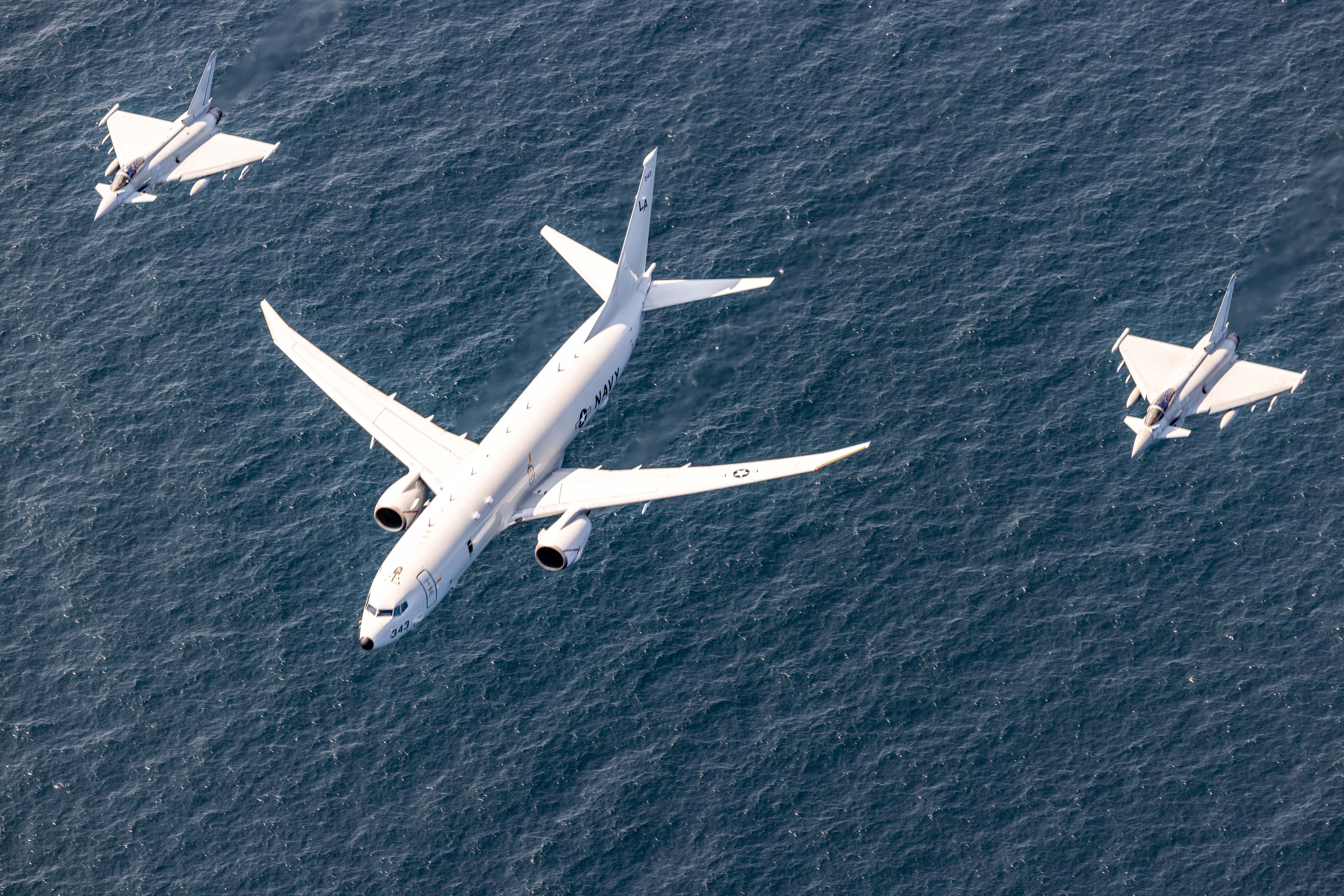
In September 2025, Danish Minister of Defense Troels Lund Poulsen said that the government could invest “tens of billions of [Danish] kroner” in buying the P-8, highlighting official backing for the deal at the highest levels.
“I would prefer that we cooperate with other NATO countries to get the most for the money and to have a greater degree of flexibility. But if that is not possible, I am also willing for us to acquire the P-8 aircraft capacity ourselves, which can basically hunt submarines,” Poulsen added.
“The proposed sale will enhance Denmark’s capability to meet current and future threats by providing a credible force that is capable of deterring adversaries and participating in NATO operations,” the DSCA said in its announcement. “The proposed sale will support its goal of improving national and territorial defense as well as interoperability with U.S. and NATO forces.” While the deal still needs to be cleared by Congress before a contract can be signed, this would appear to be just a formality.
The proposed package also includes four examples each of the Multifunctional Distribution System Joint Tactical Radio System (MIDS JTRS) and the AN/AAQ-24(V)N Guardian anti-missile laser countermeasures system, plus eight LN-251 Embedded Global Positioning Systems/Inertial Navigation Systems. Denmark is additionally cleared to receive an undisclosed number of MX-20HD electro-optical and infrared systems, AN/AAQ-2(V) acoustic systems, AN/APY-10 maritime surveillance radars, and AN/ALQ-213 early warning management systems.
The ALQ-213 is notable in that it is a product of the Danish Terma company; it brings together the various items of aircraft survivability equipment on a given platform, coordinating between the various threat-warning and dispensing systems to automatically dispense the appropriate sequencing pattern and expendables to protect the aircraft, as outlined in the video below.

In 2025, Boeing — the manufacturer of the P-8 — and Terma signed a memorandum of understanding (MoU) in 2025 to explore closer cooperation on the Poseidon program, including maintenance, repair, and overhaul (MRO) support in Denmark. Potentially, Denmark could become home to an MRO hub that could service its own P-8s, as well as those of other customers.
The timelines for the construction and delivery of the aircraft were not announced.
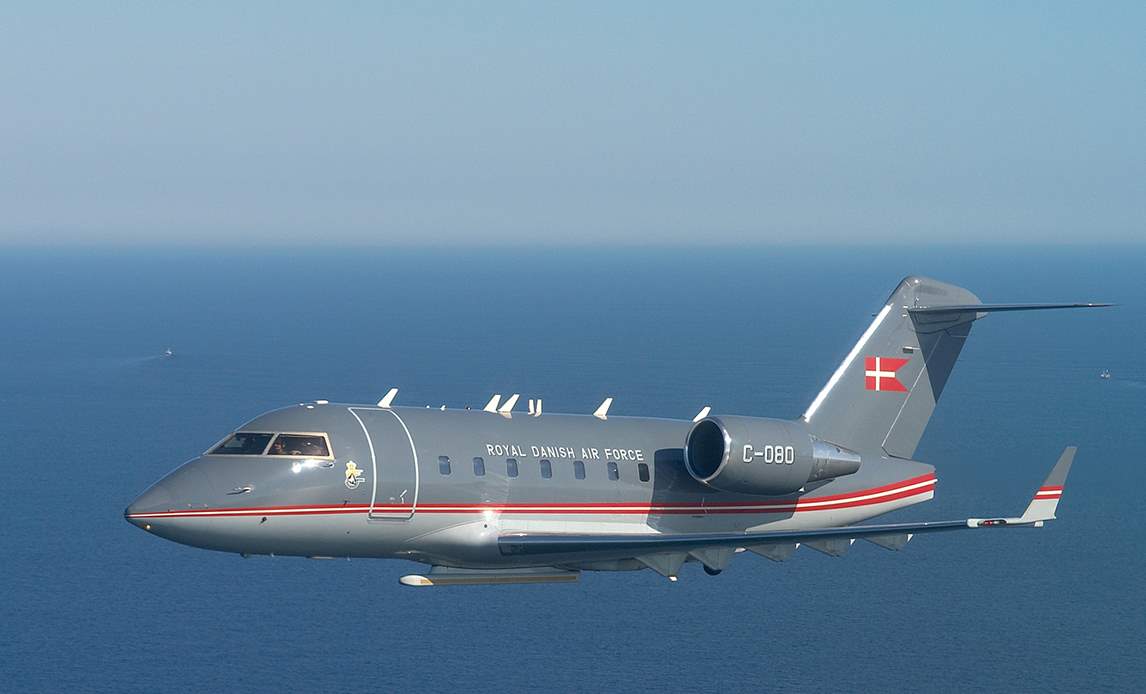
For the Royal Danish Air Force (RDAF), the P-8 would provide an enormous leap in capability. Currently, it has no dedicated fixed-wing maritime patrol aircraft. Instead, it relies on three multirole Bombardier CL-604 Challenger bizjets that can be equipped with various sensors for maritime work. However, their lack of weapons and anti-submarine warfare kit means they are best suited to tasks such as fisheries protection, pollution control, and search and rescue.
The RDAF also has MH-60R Seahawk helicopters, which primarily operate from naval vessels.
For the RDAF, the main areas of maritime operation are in the North Atlantic Ocean around Greenland and the Faroe Islands, as well as in the Baltic Sea.
Denmark’s lack of true long-range maritime patrol capabilities is especially surprising considering the vast maritime areas involved. Not only are these part of the Danish Armed Forces’ key responsibilities in terms of homeland defense, but they are also regions of growing strategic importance, with heightened Russian naval activity in the North Atlantic and Arctic.
As well as a ramp-up in operations by the Russian Navy, especially involving submarines, with increasingly advanced capabilities, Greenland has also emerged as a potential flashpoint, something we have explored in depth in the past.
Greenland’s importance lies in its strategic location between North America and Russia. Though the island has a significant degree of autonomy, it remains part of the kingdom of Denmark. In recent years, there has been increased interest in the natural resources of this island, which is normally classified as the world’s biggest. The potential for mining for rare earth minerals, including uranium and iron, makes it a particular prize.

In terms of trade, Greenland lies on the shortest route from North America to Europe, further underlining its strategic importance to the United States.
Greenland has long been militarized, with the United States at the forefront of this throughout the Cold War, under an agreement with Denmark. Today, it still supports a U.S. radar base, which was transferred to the command of the U.S. Space Force in 2020.
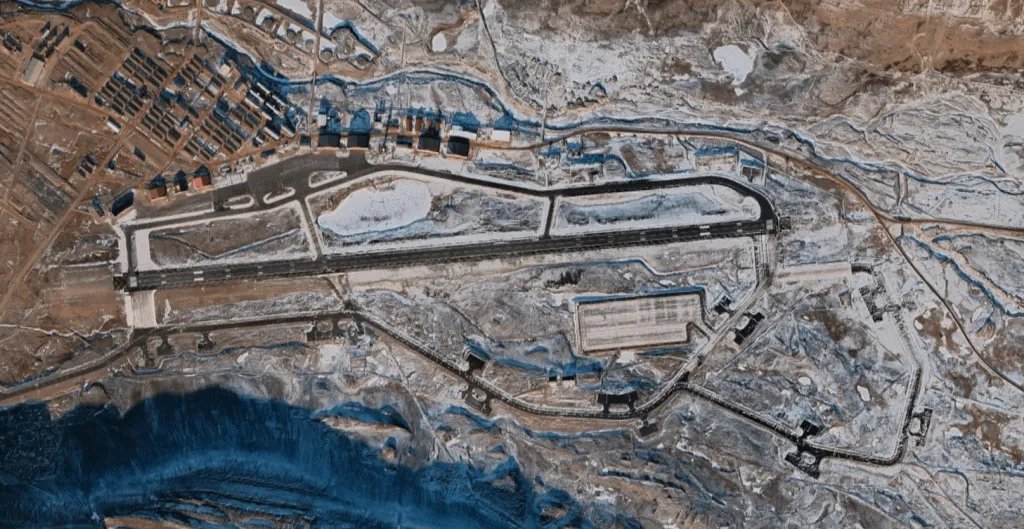
U.S. President Donald Trump has highlighted the importance of the island to military efforts to track Chinese and Russian ships, which he said are “all over the place.” Trump has also repeatedly expressed his desire to acquire Greenland, describing the island as “critical” for national and economic security. In response, Greenland’s prime minister has said the territory is not for sale, adding that “Greenland belongs to the people of Greenland.”
Not surprisingly, Greenland has been central in Denmark’s Arctic Capability Package, first unveiled in 2021.
In October 2025, Denmark announced $4.2 billion of additional defense spending to cover the Arctic and North Atlantic regions, including Greenland. At the same time, it also said it would increase its F-35A fleet to 43, buying another 16 of the stealth jets at a cost of $4.5 billion.

The plan also includes buying two new Arctic ships, early warning radar, and maritime patrol planes. Denmark will also establish a new Arctic command headquarters in Nuuk, the capital of Greenland, alongside a new military unit under Joint Arctic Command in Greenland.
It would seem likely that the RDAF will station at least one P-8 in Greenland, if only on a rotational basis. This would parallel what it has done with one of its CL-604s since 2021, when it was announced that one of the jets would be based at Kangerlussuaq year-round to perform maritime surveillance.
Providing the deal is signed off, with the P-8, Denmark will be getting the heaviest and most powerful in-production maritime patrol aircraft on the market, rather than a smaller or cheaper solution.
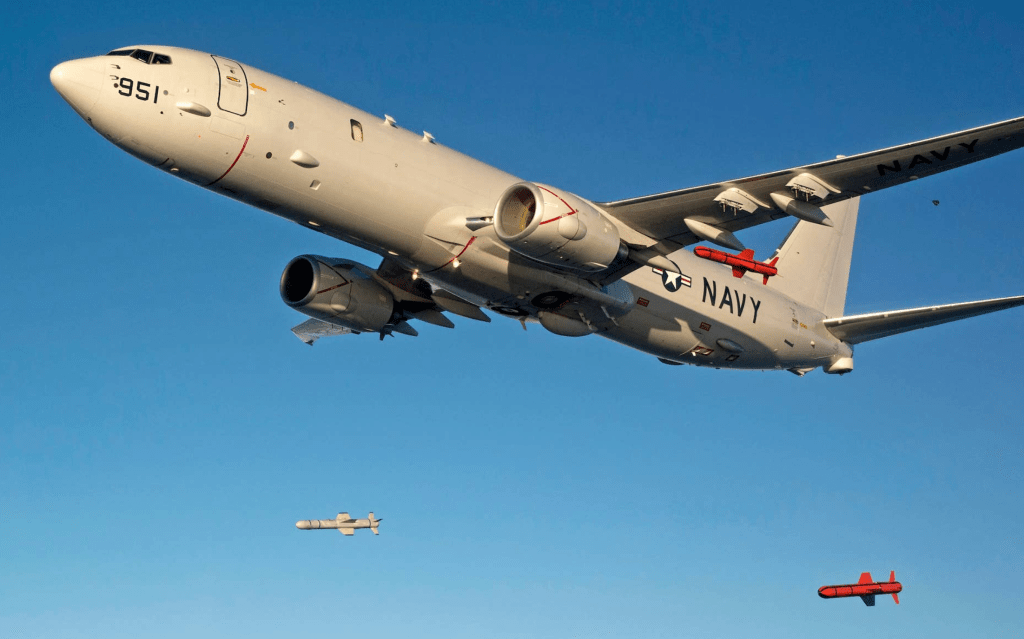
As well as its performance advantage, the P-8 is also a true multi-mission platform. As well as weapons, it carries a range of sensors for use during anti-submarine warfare, anti-surface warfare, intelligence, surveillance, and reconnaissance (ISR), and search and rescue missions. Furthermore, even with its standard electronic support measures (ESM) suite, the P-8 can act in an electronic intelligence collection role, specifically on enemy air defenses and electronic order of battles. This is of relevance overland, as well as during maritime missions.
Its price tag is the main reason for the relatively small number of aircraft in the initial Danish package, although more could be added later.
The RDAF will also be able to expand the capabilities of its small P-8 fleet by using them in conjunction with its four MQ-9B SkyGuardian unmanned aerial systems, which were ordered in July 2025 and are due to be delivered between 2028 and 2029.
At the same time, Denmark will be joining a growing P-8 operators’ group that will be active in the region.
The United Kingdom has nine examples of the Poseidon MRA1 (equivalent to the P-8A) operational, while Norway has five P-8As.

Germany ordered eight P-8As, with the first of these being delivered in November 2025. Berlin has said these P-8s will be deployed periodically to RAF Lossiemouth in Scotland, where they will support the resident U.K. Royal Air Force Poseidon fleet of nine aircraft.

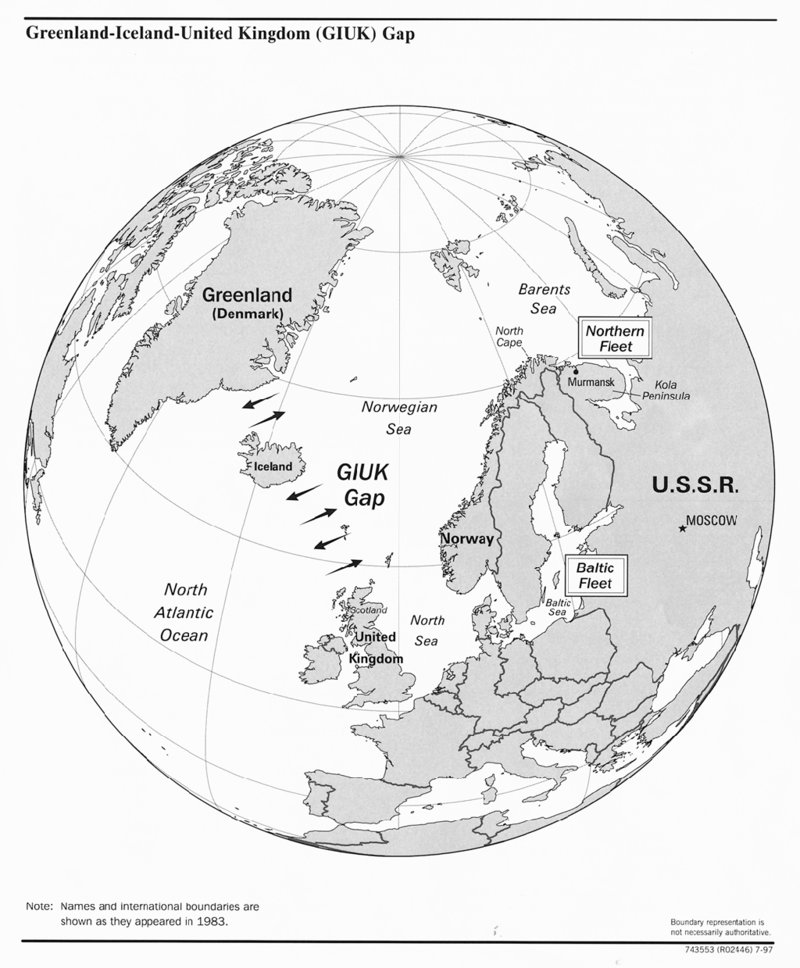
The United Kingdom and Norway have also discussed plans to cooperate on P-8 operations, and adding Denmark (and Germany) to this initiative would provide a major boost for NATO’s ability to effectively patrol the North Atlantic. This includes the strategically vital Greenland, Iceland, United Kingdom Gap, better known as the GIUK Gap, a critical bottleneck that is closely monitored. If Russian submarines can sneak through undetected, they have a much better chance of disappearing into the Atlantic without being traced. During a full-blown conflict, this would likely include wreaking havoc on NATO shipping and naval flotillas and executing pinpoint attacks on key land targets. While it is very much a multi-mission platform, this kind of mission remains central to the P-8’s existence.
Finally, Canada has 14 P-8As on order with an option for two more, with deliveries scheduled between 2026 and 2027. Canada is another country that has responded to the demands of a steadily more contested Arctic region by investing in maritime patrol and surveillance.

With this in mind, should Denmark’s P-8 deal be signed off, the Royal Danish Air Force will enjoy commonality with several regional partners, making it more straightforward to conduct joint operations, collaborate on training, and maximize interoperability and data exchange during operational missions. Aside from that, Denmark getting its hands on the Poseidon would be a huge deal for them, providing it with an aircraft capable of launching sizeable weapons, including anti-ship cruise missiles.
Whether Denmark gets the P-8 or opts for an alternative platform, the approval of the sale is another indicator of NATO’s growing focus on Arctic surveillance, via robust maritime patrol capabilities. For Denmark, buying the P-8 would also be a firm statement of its intent to protect the strategic waters surrounding Greenland.
Contact the author: thomas@thewarzone.com
Loading comments…
Comments couldn’t be loaded. Please refresh the page.