
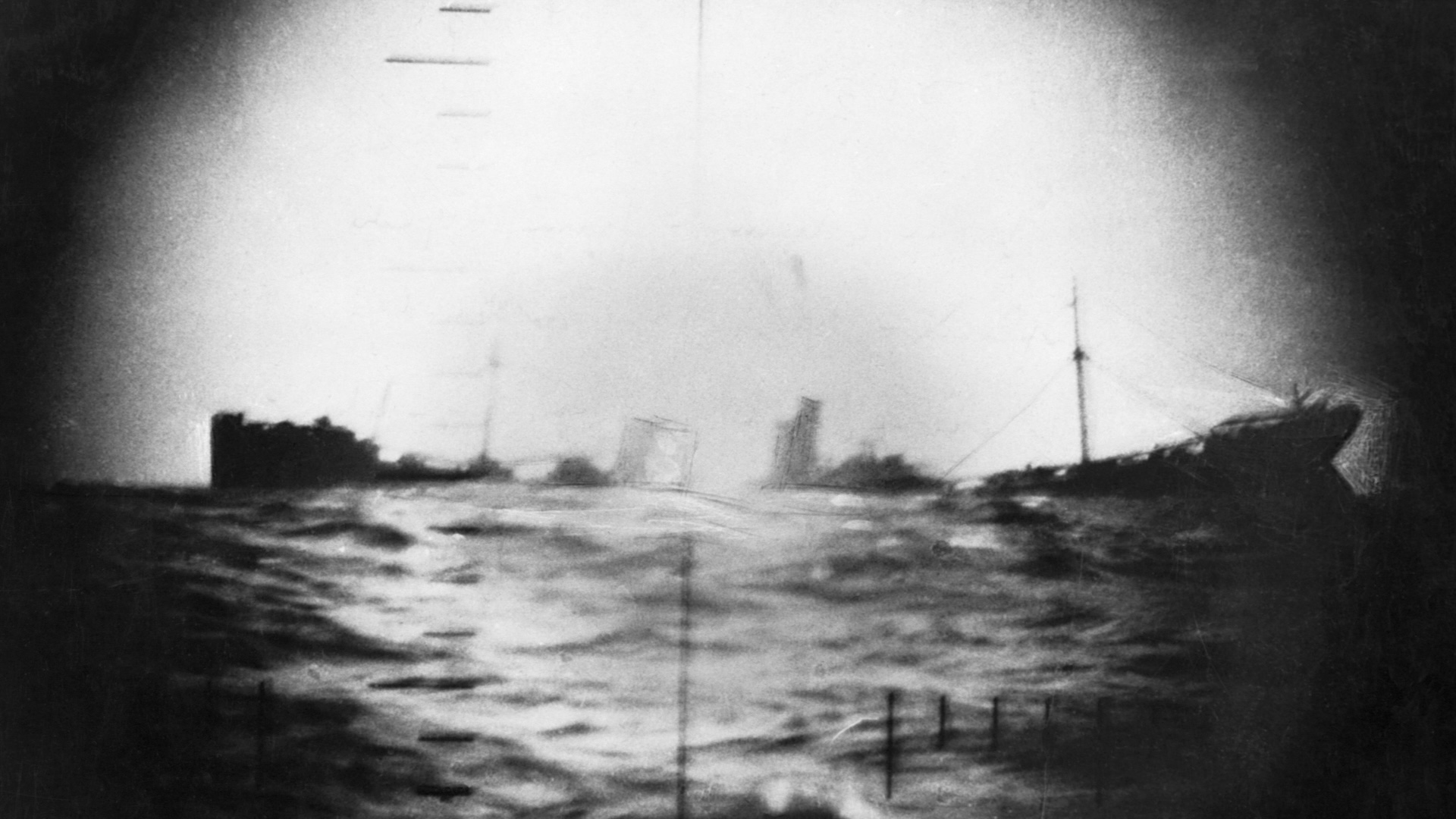
Today’s sinking of an Iranian warship by a U.S. Navy nuclear attack submarine is a hugely significant event in the annals of military history. After all, you have to go back to the final days of World War II to find the last time a U.S. submarine sank an enemy vessel. Since then, however, submarines under the flags of different navies have sunk vessels in combat.
You can catch up with our coverage of the sinking of the Iranian warship here.
In fact, there are some varying accounts as to which U.S. Navy submarine was the last to sink an enemy vessel. The situation at sea as World War II was drawing to a close in the Pacific was a chaotic one, with an increasingly deadly U.S. Navy submarine force tearing through the remnants of Japanese shipping, with subs racking up multiple victories in a short space of time.
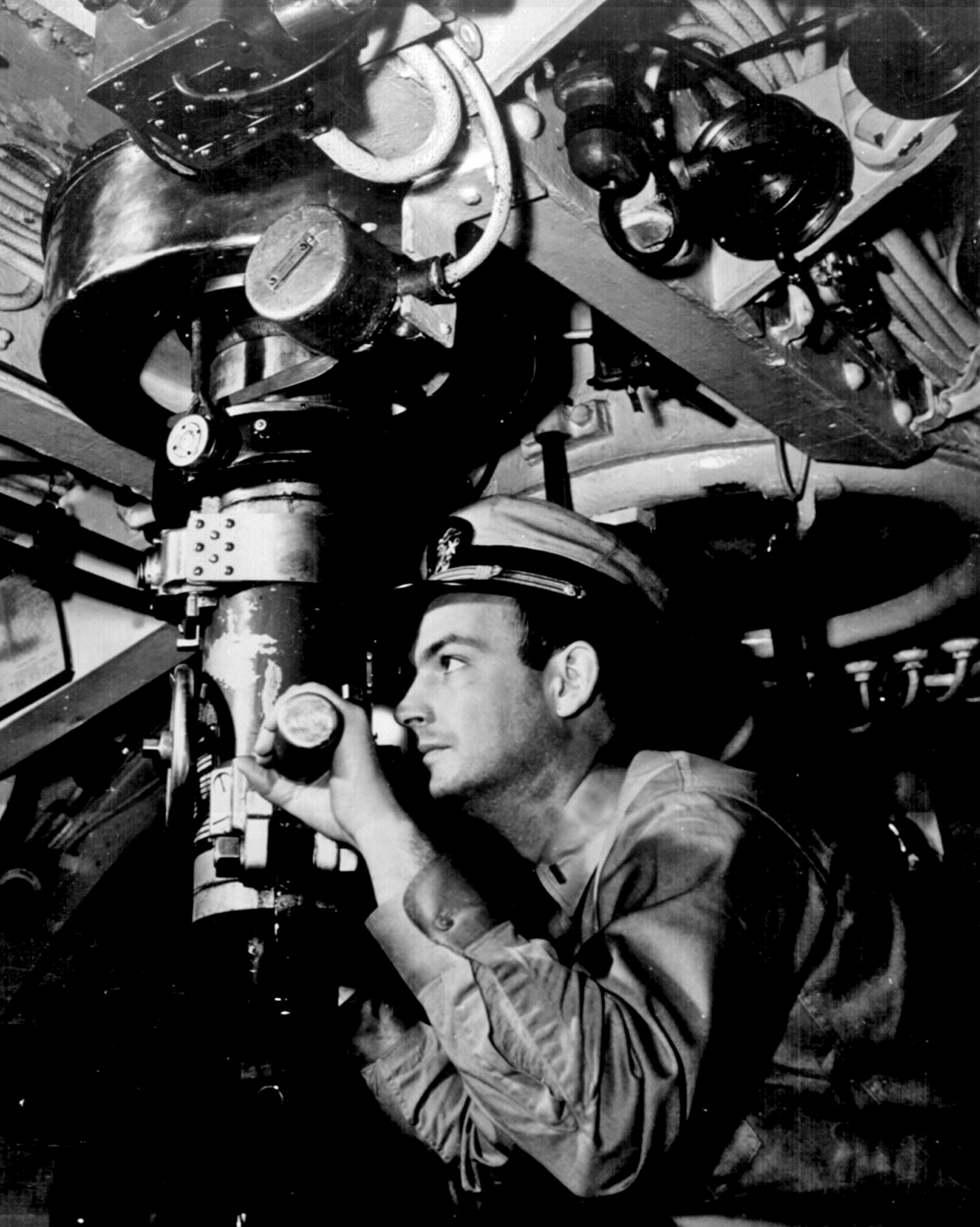
With the Imperial Japanese Navy (IJN) in disarray and with Japan still reeling from the two atomic bombs dropped on it, what was left of its seagoing force provided relatively easy pickings for U.S. submarine commanders.
As such, it was on VJ-Day, or Victory over Japan Day, that U.S. subs claimed their last victims before today’s action.
According to available records, on August 14, 1945, the same day that saw President Harry S. Truman announce Japan’s unconditional surrender, two U.S. submarines sank three Japanese warships.
The first victim — a Japanese submarine — appears to have fallen to the USS Spikefish (SS-404).
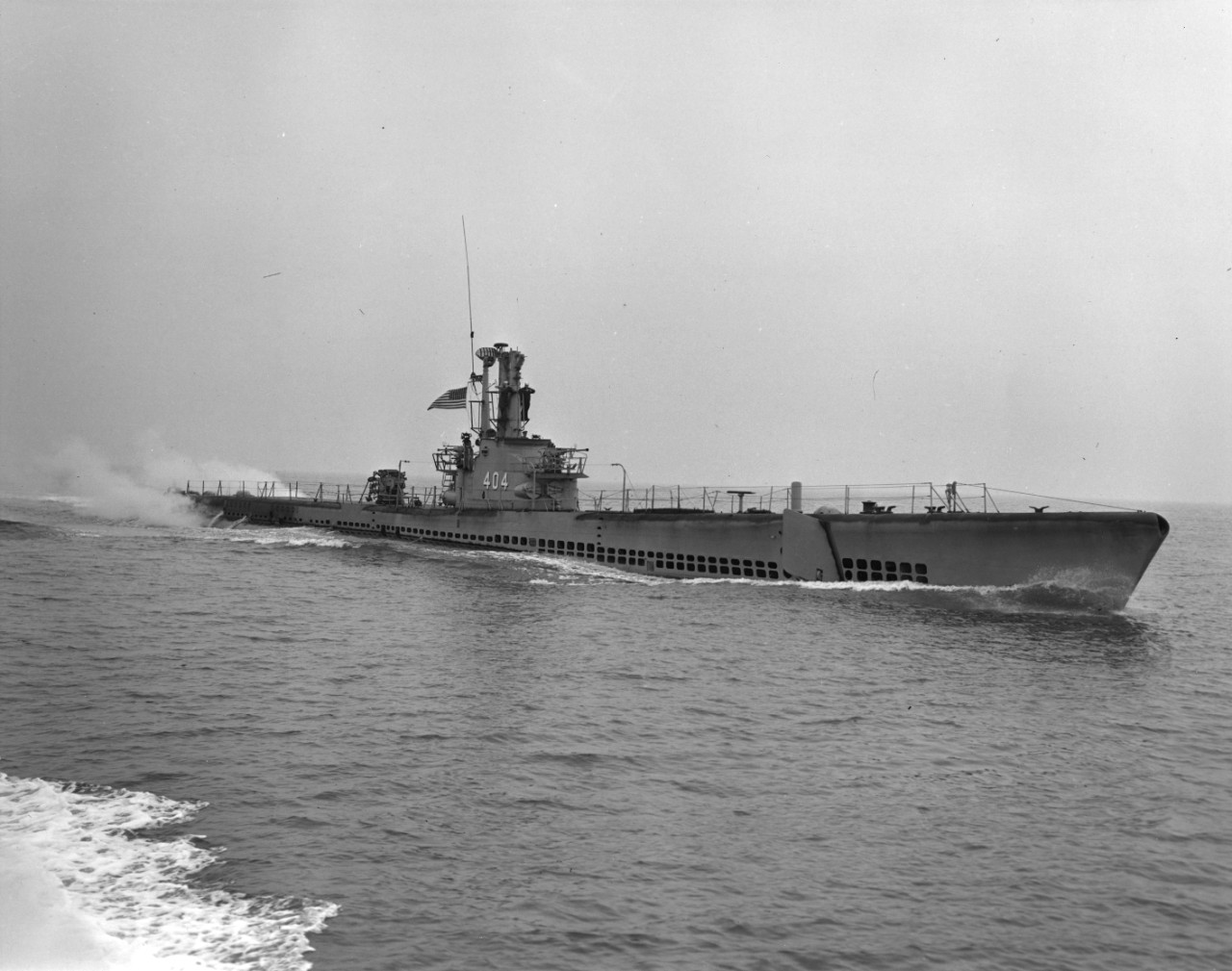
Commissioned in June 1944, the Spikefish was a Balao class submarine, the Navy’s largest submarine class, with 120 boats completed. With a surfaced displacement of 1,526 tons, the Balao was around 311 feet long and had a speed of 20 knots surfaced, reduced to 8.75 knots submerged. Moving on the surface at a speed of 10 knots, the boats could cover 11,000 nautical miles.
As of the night of August 13, 1945, the IJN transport submarine I-373 was surfaced in the East China Sea, southeast of Shanghai. Transport submarines of this type were used by the Japanese to transport troops and supplies between mainland Japan and remote islands. Spikefish sighted the Japanese sub on its radar at 8:10 p.m. and also detected emissions from its air-search radar. Spikefish got closer before losing visual contact, after which the I-373 disappeared below the waves. Just after midnight, Spikefish regained radar contact. At 4:24 a.m., Spikefish fired a spread of six Mk 14 torpedoes at a range of 1,300 yards. Two of the torpedoes hit I-373, sinking it. Spikefish surfaced and found five survivors in the water, all of whom refused rescue, a grim reflection of the bitter fighting at this late stage of the Pacific conflict. One IJN crew member was forcibly brought aboard the U.S. sub; his 84 compatriots died.
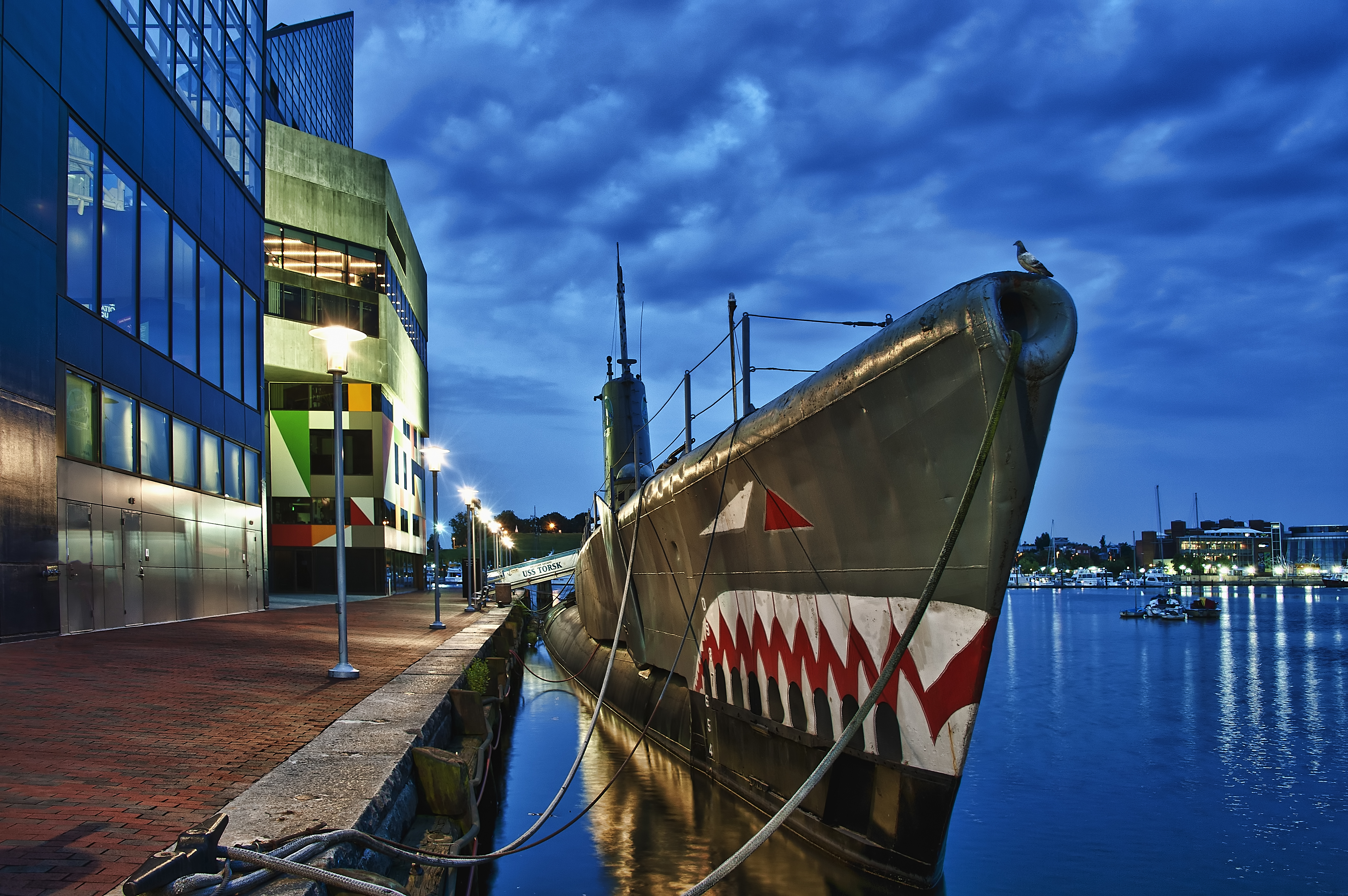
In previous days, the USS Torsk, a Tench class submarine, commissioned in December 1944, had been marauding in and around the Tsushima Strait, which lies between Korea and Japan. Here, the boat had been picking off Japanese merchant vessels and warships.
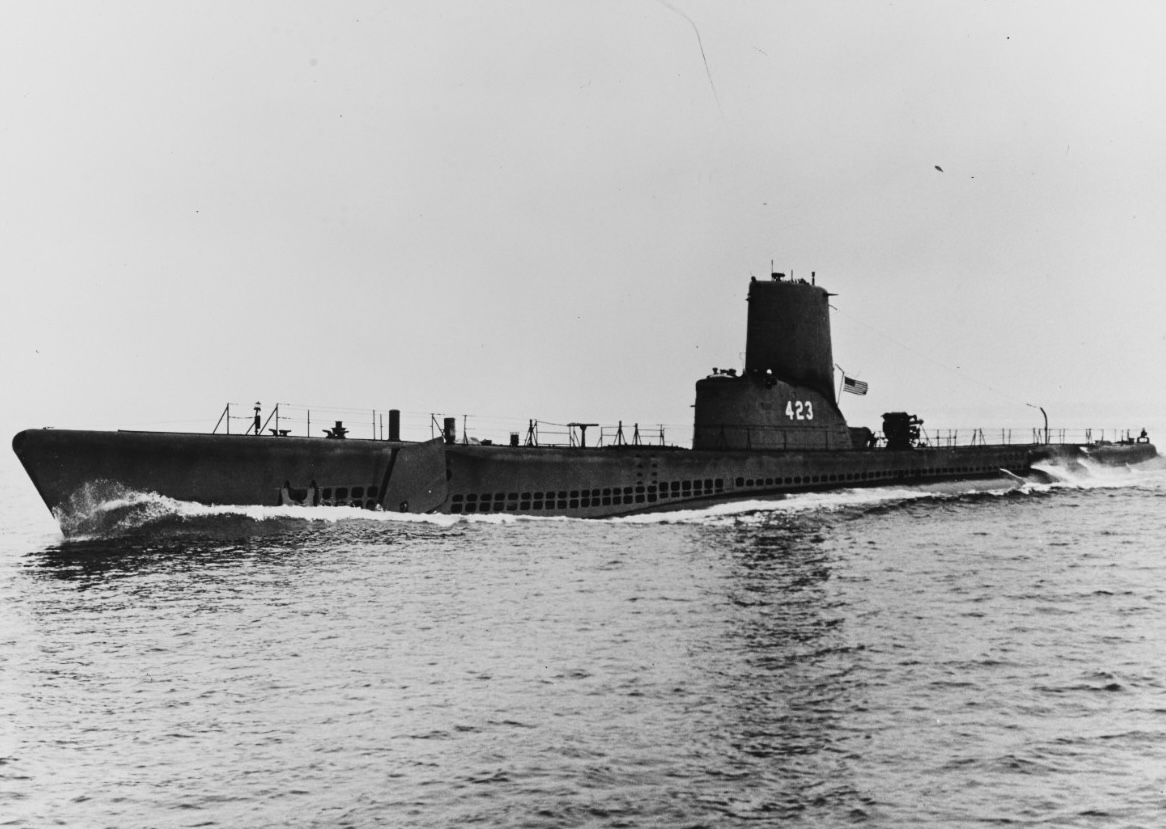
The Tench class was essentially an improvement of the earlier Balao and Gato classes, moderately bigger but more strongly built and with more fuel. These boats had a surfaced displacement of 1,570 tons, were also around 311 feet long, and had similar surfaced and submerged speeds to the Balao. Thanks to their additional fuel capacity, the Tench boats had a range of around 16,000 nautical miles.
On August 14, Torsk encountered a medium-sized Japanese cargo ship accompanied by the Japanese Type C escort vessel CD-47, off Maizuru in the Sea of Japan. At 10:35 a.m., Torsk launched a Mk 28 torpedo, an experimental type with acoustic homing. The torpedo smashed a hole in the stern of the escort, which quickly went below the waves. An attempt was made to sink the cargo ship, too, as it entered harbor, but the torpedoes missed.
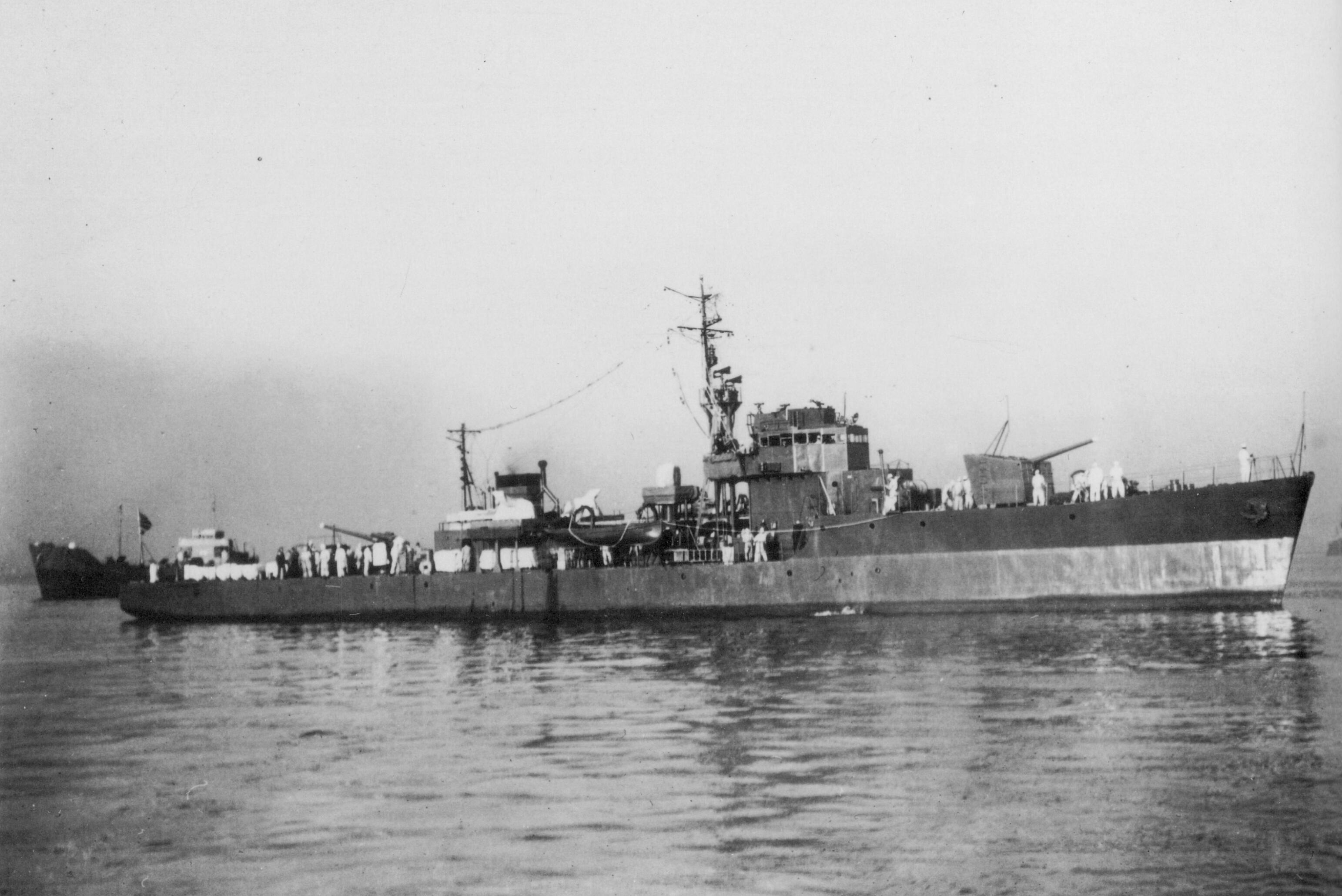
At around midday, a second Type C escort vessel, CD-13, arrived, apparently in pursuit of Torsk. After firing off a Mk 28 torpedo, Torsk dived for safety. From a depth of 400 feet, Torsk launched a Mk 27 torpedo, a weapon known as “CUTIE,” this time with passive homing. The hydrophone operator on the Torsk then detected a large explosion, indicating the Mk 28 had found its target. The Mk 27 impacted moments later.
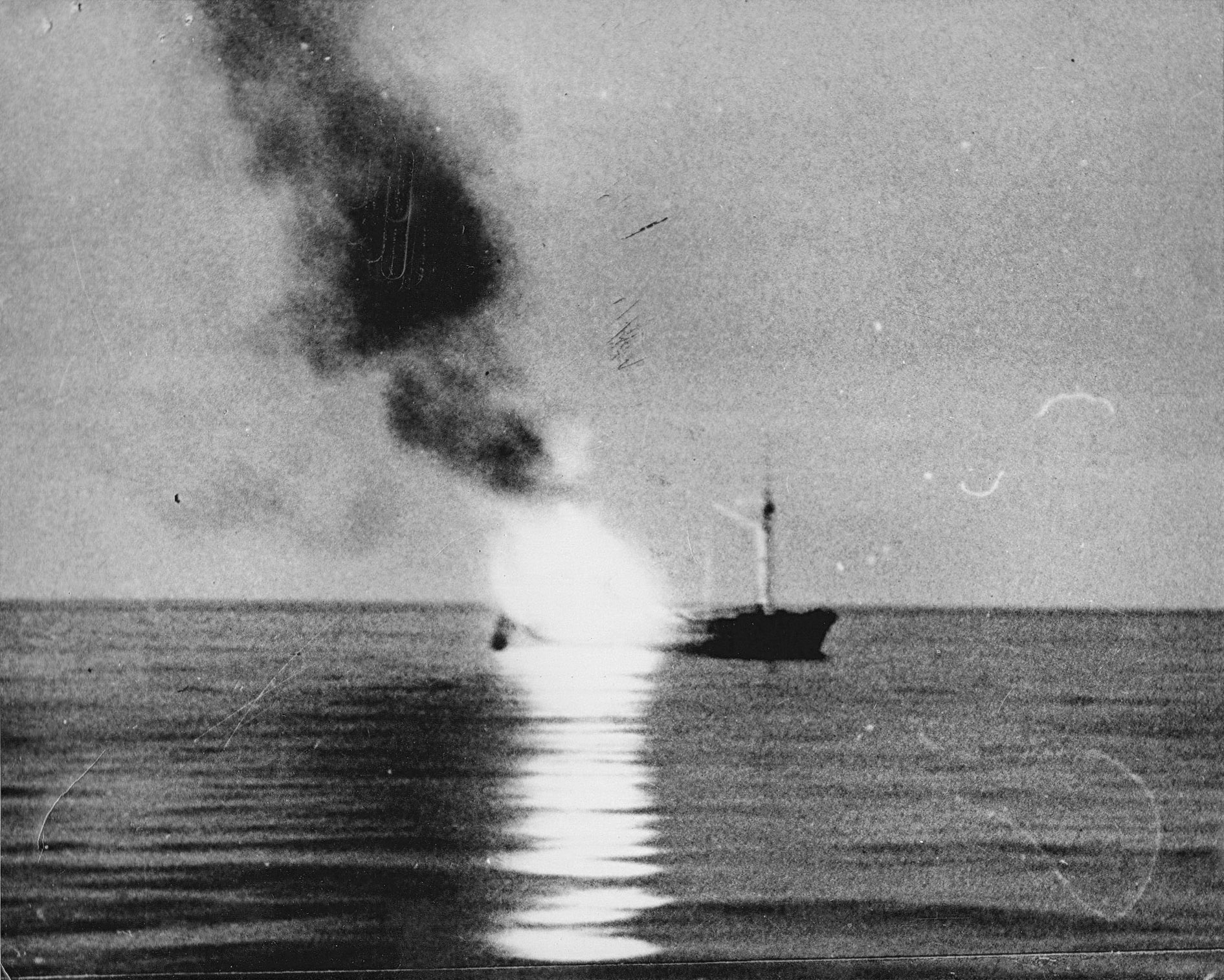
While the timings are not entirely clear, CD-13 is widely identified as being the last Japanese warship to be sunk in World War II, and therefore the last enemy vessel to have been sunk by a U.S. submarine until today.
The war still wasn’t over for Torsk, however. With more patrol vessels arriving, plus patrol aircraft, the submarine had to remain submerged for more than seven hours after CD-13 went under. After this date, other Japanese vessels would continue to be sunk by mines that had been laid earlier, including by submarines.
Torsk received two battle stars for its World War II service and is today preserved in the Historic Ships collection in Baltimore.
At a press conference today, Secretary of War Pete Hegseth said that the sinking of an Iranian warship by an as-yet unidentified U.S. submarine marked the “first sinking of an enemy ship by a torpedo since World War II.”
This is not true.
The Torsk may have been the last U.S. submarine to have sunk an enemy ship prior to today, but other navies have achieved the same feat.
Back in 1971, during the Indo-Pakistan War, the Indian Navy frigate INS Khukri was sunk by the Pakistan Navy submarine PNS Hangor. The Khukri, with a displacement of around 1,200 tons, became the first warship anywhere to fall prey to a submarine since the end of World War II.
The Falklands War, fought in the South Atlantic in 1982, between the United Kingdom and Argentina, saw the first instance of a nuclear-powered submarine sinking an enemy vessel.
On May 2, 1982, in a somewhat controversial incident, the Argentine Navy cruiser ARA General Belgrano was sunk by a torpedo launched by the British nuclear-powered attack submarine HMS Conqueror, with the loss of over 300 crew.
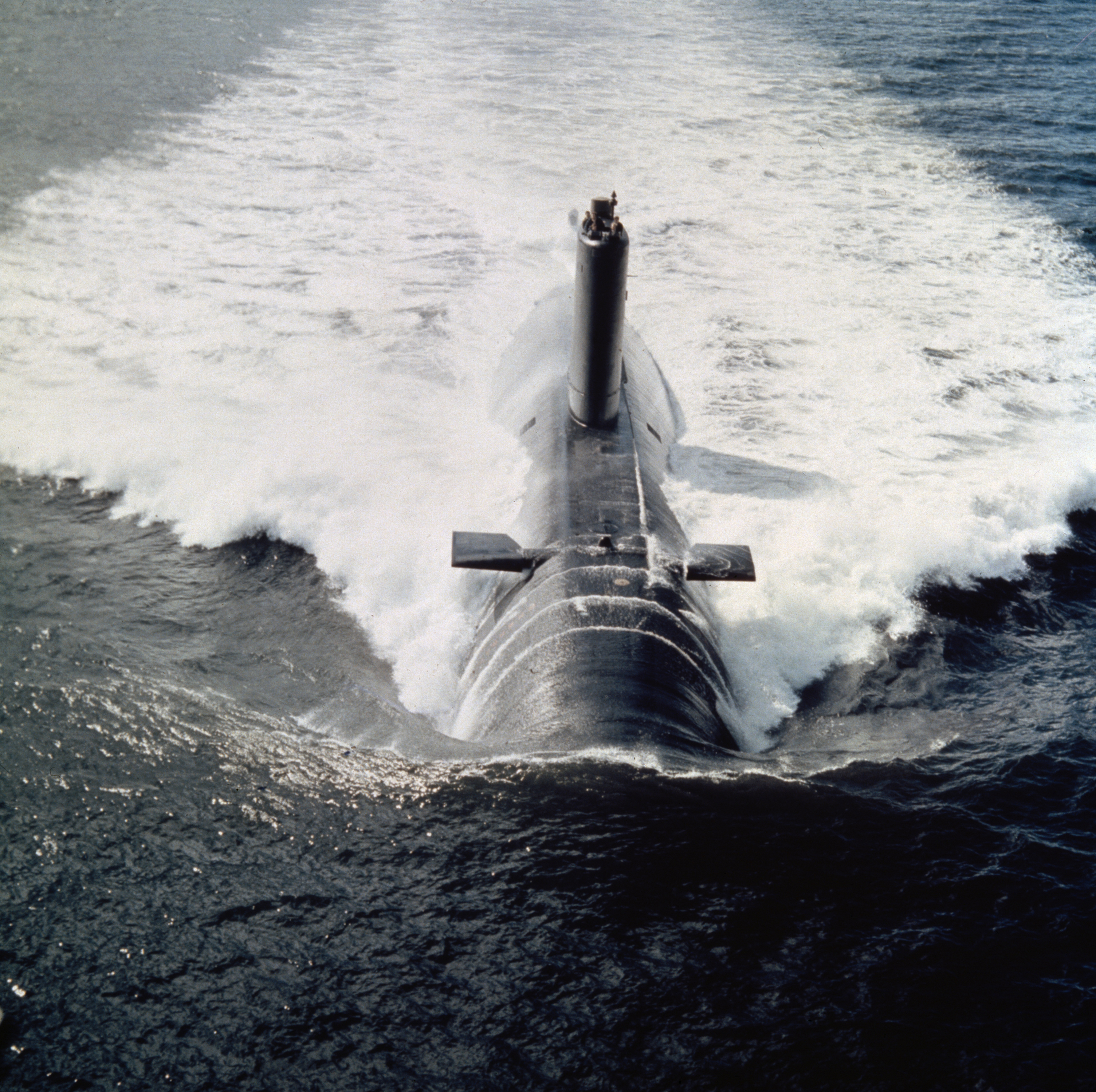
The controversy around the incident centers upon the fact that General Belgrano was targeted when it was outside a so-called ‘total exclusion zone,’ covering a 200-nautical-mile radius from the Falklands. While there were subsequent protests about the legality of the action, the fact remains that the British had previously warned Argentina that any ships that posed a potential threat to its own task force would be sunk.
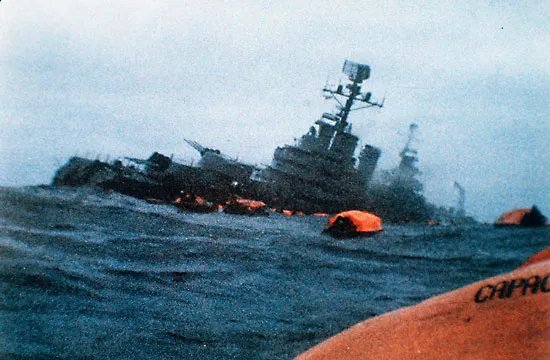
Until the sinking of the Russian Navy’s Slava class cruiser Moskva by Ukrainian anti-ship missiles in 2022, the sinking of the General Belgrano was the last time a cruiser was fully destroyed by enemy action.
Another disputed incident occurred in 2010, with the sinking of the South Korean warship ROKS Cheonan.
On March 26, 2010, the Cheonan, a Pohang class corvette, sank in the Yellow Sea, off the country’s west coast, killing 46 of the 104 personnel on board. Exactly why the warship sank remains a matter of conjecture, although a South Korean-led investigation concluded that the vessel was sunk by a North Korean torpedo fired by a midget submarine. The U.S. Navy also stated that the sinking was caused by a non-contact homing torpedo that exploded near the ship. North Korea denied responsibility.
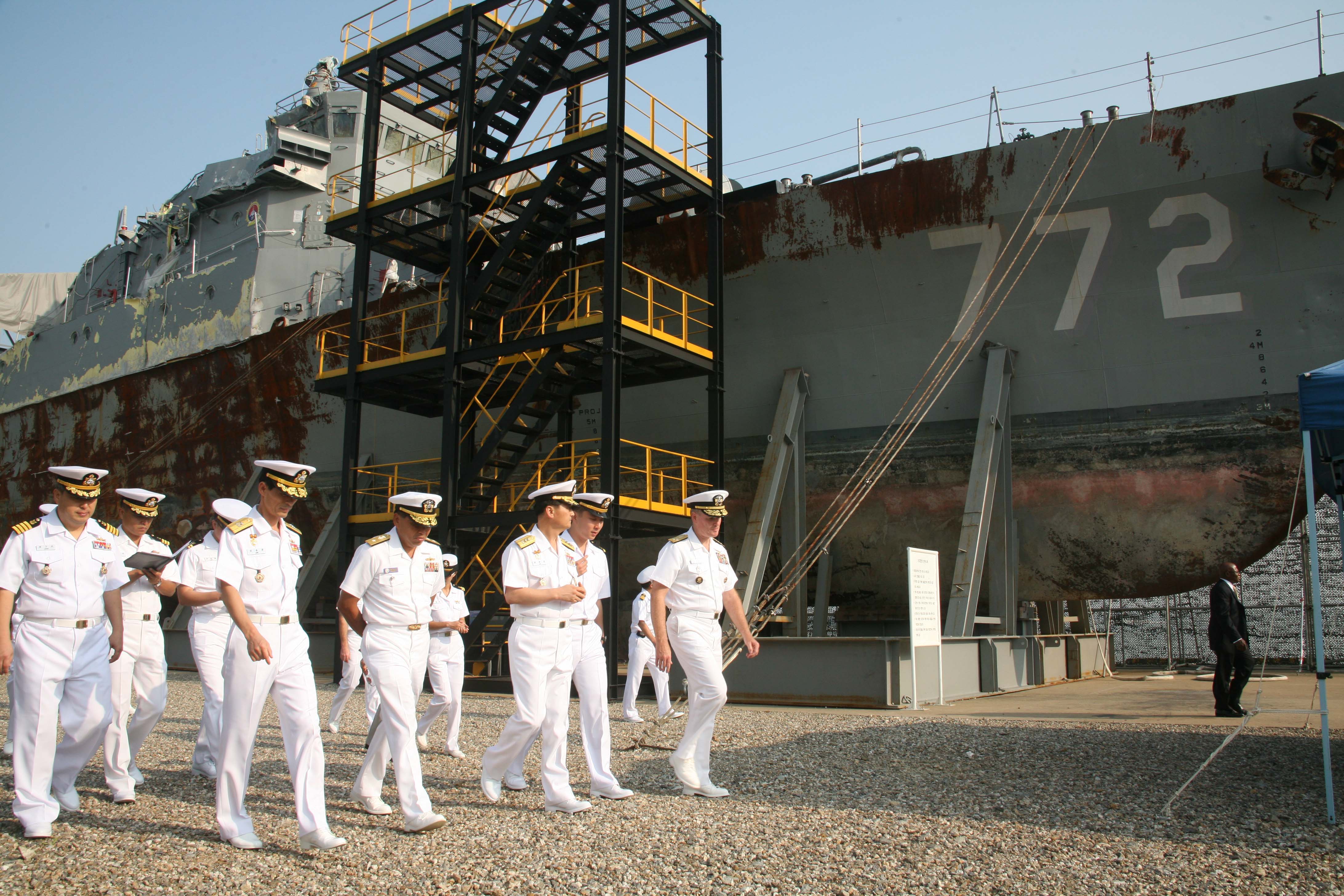
The manner of the sinking certainly appears consistent with a torpedo hit, with an explosion reported near the stern of the ship that caused it to break in half soon afterward.
Since then, the closest we have come to seeing submarines destroying other vessels has been sinking exercises (SINKEX) and similar tests. At times, these have also provided a rare glimpse into the effects of potential adversaries’ submarine weapons capabilities. Case in point, the sinking of a decommissioned Chinese amphibious landing ship by a People’s Liberation Army Navy submarine, seen in the video below:
The cloak-and-dagger nature of submarine operations means that many details about their use in combat remain closely guarded secrets. In the case of the Cheonan, we may never exactly know what happened to it. For the time being, we also await more information about today’s sinking of the Iranian frigate. What is certain, however, is that this was an unprecedented event, at least as far as the modern U.S. Navy is concerned, and a truly rare action by any standards.
Contact the author: thomas@thewarzone.com