
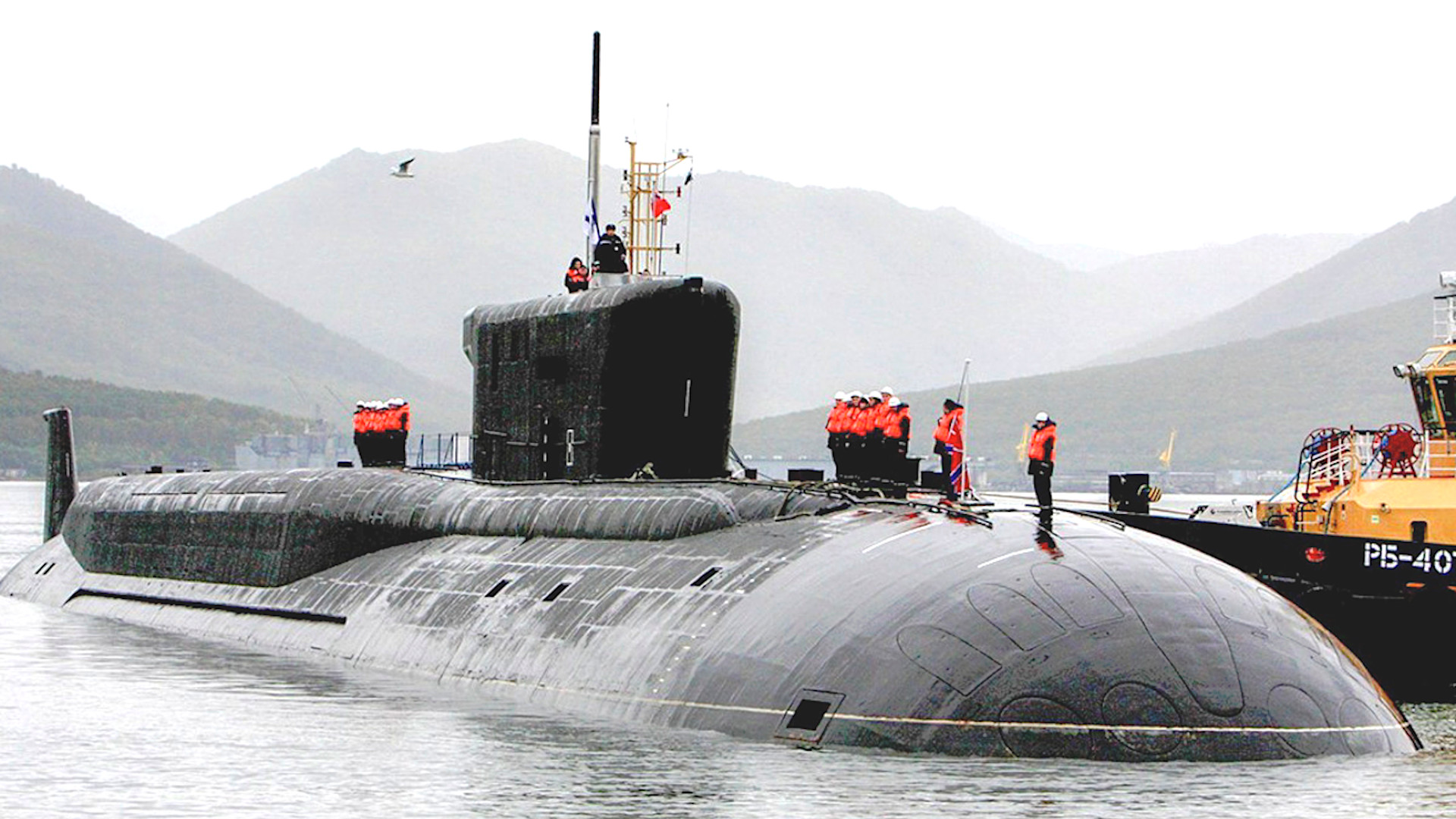
A huge 8.8-magnitude earthquake occurred early this morning off the coast of Russia’s far eastern Kamchatka Peninsula, triggering tsunami waves across the Pacific. The earthquake was only around 75 miles away from a cluster of key Russian naval bases, including ones that host nuclear ballistic missile submarines, raising questions about what damage they may have sustained.
The earthquake off Kamchatka is tied for the sixth strongest in history, according to data from the U.S. Geological Survey as reported by the BBC. It was also the strongest anywhere on Earth in years. At the time of writing, Russian authorities have downplayed any impacts from the earthquake and ensuing tsunami waves, saying that there have been no reported fatalities or serious injuries. They have also declared the tsunami threat to be over, but have warned about the risks still posed by aftershocks.
Pictures and videos are now circulating online showing damage to buildings and other infrastructure at various locations in Kamchatka, including at ports and harbors. The Klyuchevskaya Sopka volcano on the peninsula has now also erupted.
As noted, a major question now is the state of Russian naval facilities in Avacha Bay, situated some 75 miles (65 nautical miles) to the northwest of the earthquake’s approximate epicenter. This includes the Petropavlovsk-Kamchatsky naval base and the Rybachiy submarine base, as well as separate missile loading and shipyard facilities.
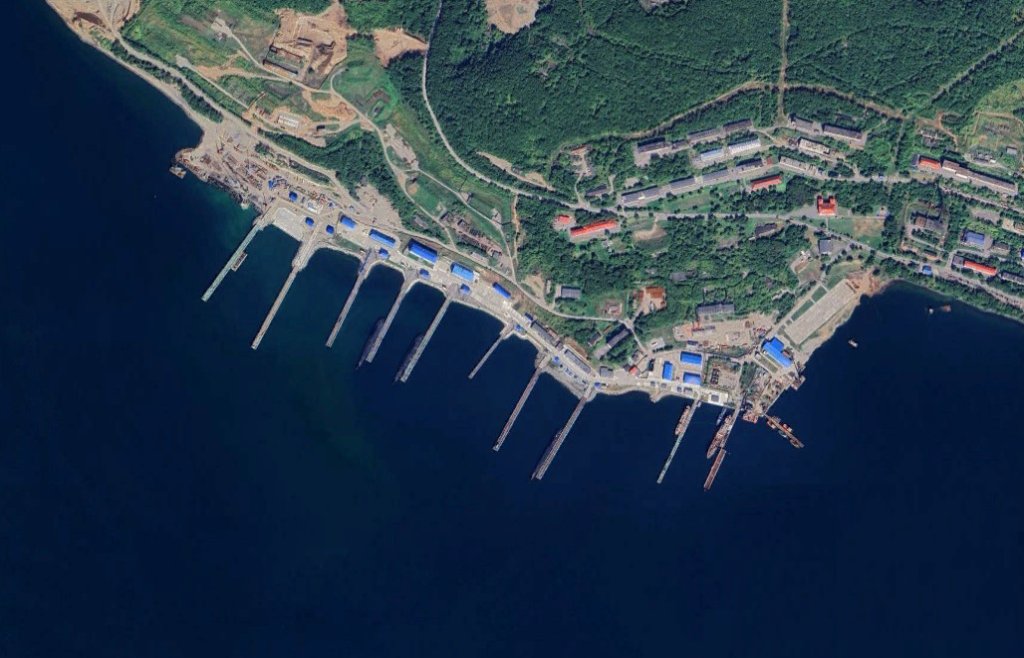
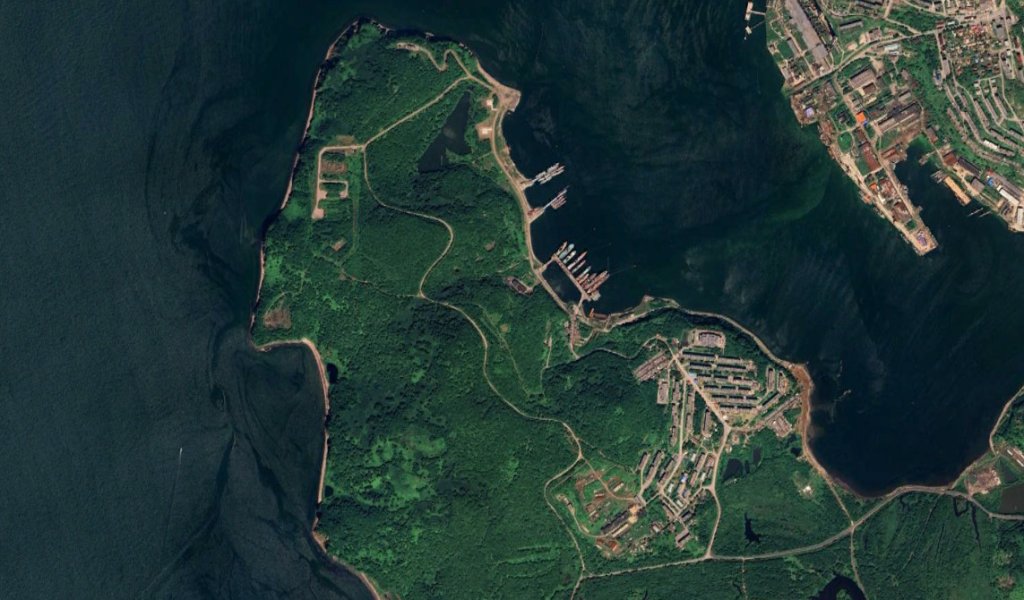

Rybachiy is of particular note, as it is the homeport for the vast majority of Borei and Borei-A class nuclear ballistic missile submarines, or SSBNs, in Russian Navy service today. Russia has been moving in recent years to replace all of its remaining Soviet-era Delta class SSBNs with Borei types. The Delta III class submarine Ryazan, also known by its hull number K-44, appears to still be present at Rybachiy based on available satellite imagery, but whether it is actually operational or not is unclear.
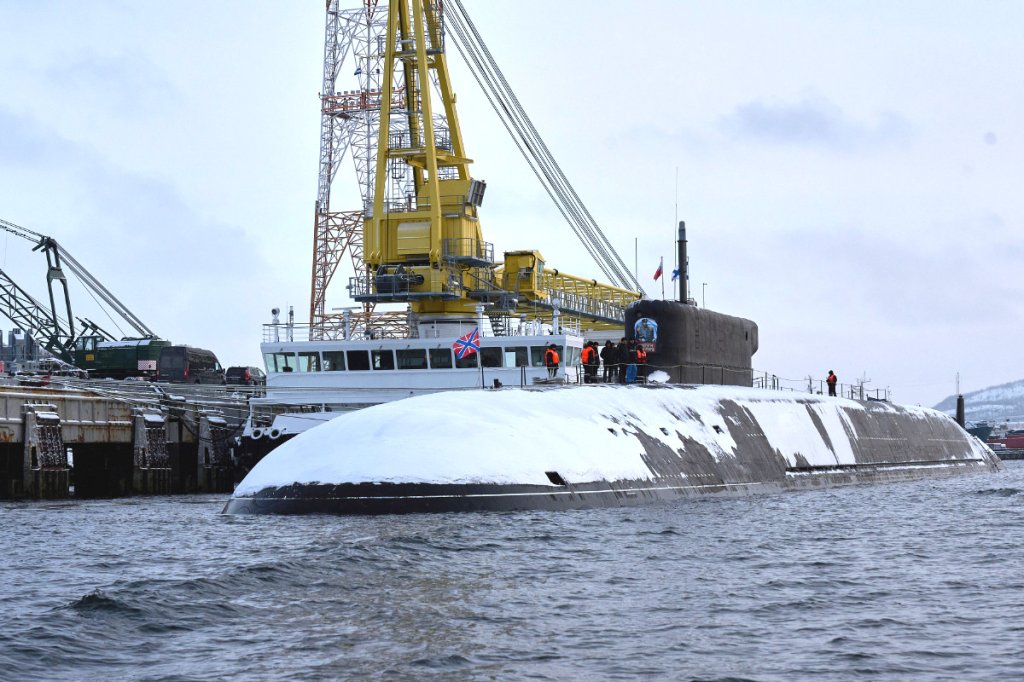
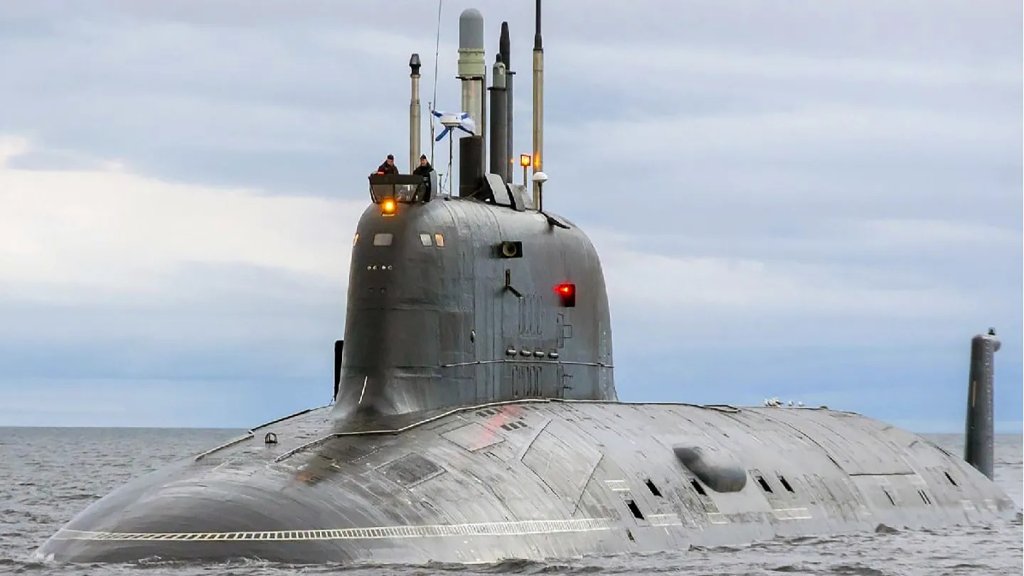
The naval bases in Avacha Bay are also home to nuclear-powered, but conventionally-armed Yasen-M and Oscar class guided missile submarines, or SSGNs, as well as various nuclear and conventionally-powered attack submarines. The members of the Yasen-M class are among the most advanced submarines in Russian service today, which U.S. officials regularly cite as representing particularly significant threats.
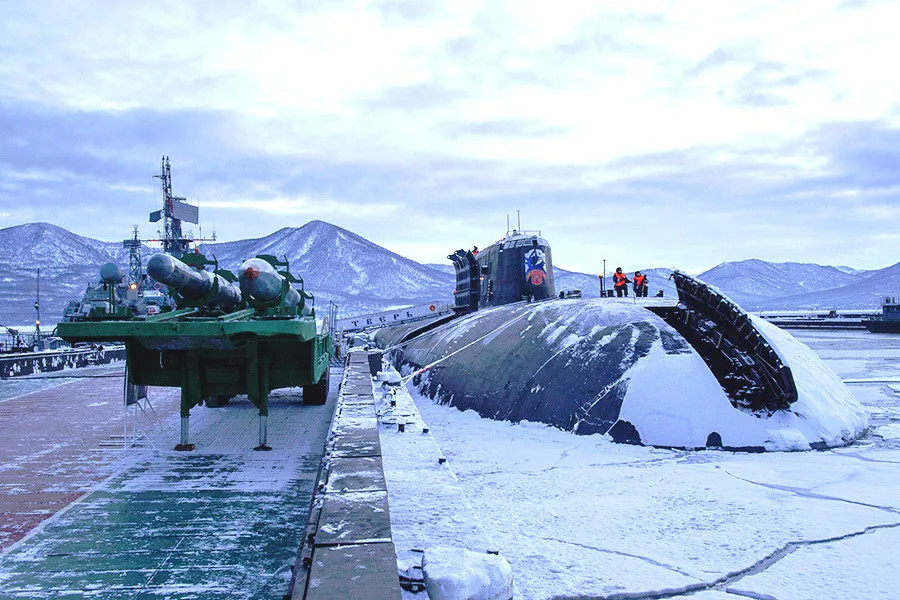
There are also reports that the Russian Navy eventually plans to move the shadowy K-329 Belgorod, the world’s longest submarine, to that base. A highly modified Oscar II class submarine, Belgorod was designed to carry nuclear-powered, nuclear-tipped, long-range Poseidon torpedoes, a weapon also referred to as Status-6, and is also understood to be capable of carrying out underwater espionage missions.
What submarines were actually present in Avacha Bay this morning when the earthquake occurred is unclear. Overcast skies in the region in recent weeks have limited the availability of publicly available satellite imagery that could offer clues as to what vessels were in port at time.
Rybachiy and Petropavlovsk-Kamchatsky naval base also host various surface naval vessels, though the bulk of the Russian Navy’s Pacific Fleet’s major surface warships are homeported in Vladivostok, some 1,400 miles away to the southwest. The naval shipyard in Vilyuchinsk in Avacha Bay is also a key facility for sustaining Russian Navy submarine operations in the Pacific.
It should be stressed that there are no clear indications at this time that any of the Russian naval facilities in Avacha Bay, or vessels moored at their piers, have suffered any damage as a result of this morning’s earthquake and ensuing tsunami waves. The bay’s basic geography could have helped shield assets within.
“I have no information that critical damage to the Russian Navy’s naval bases in Kamchatka. I think everything is within the normal range,” a retired Russian Navy officer who maintains close contacts with active service members, and goes by @Capt_Navy on X, told TWZ. “These bases were designed and built with the possibility of a nuclear attack by the enemy in mind.”
At the same time, even relatively minor waves and rising waters could have potentially significant impacts. Damage might result just from submarines and other vessels smacking especially hard into their moorings, a type of incident technically referred to as an allision, rather than a collision. A substantial amount of water flowing into any open hatches or access points could cause issues, as well. Any submarines or other ships undergoing major maintenance would have been especially vulnerable.
If nothing else, today’s events have highlighted the potential risks associated with clustering key military facilities and assets, like prized strategic ballistic missile submarines, in a single, relatively confined area.
With Russian authorities saying the biggest dangers have now passed, more clarity about the state of the Russian naval facilities in Avacha Bay may now begin to emerge.
Contact the author: joe@twz.com
Loading comments…
Comments couldn’t be loaded. Please refresh the page.