
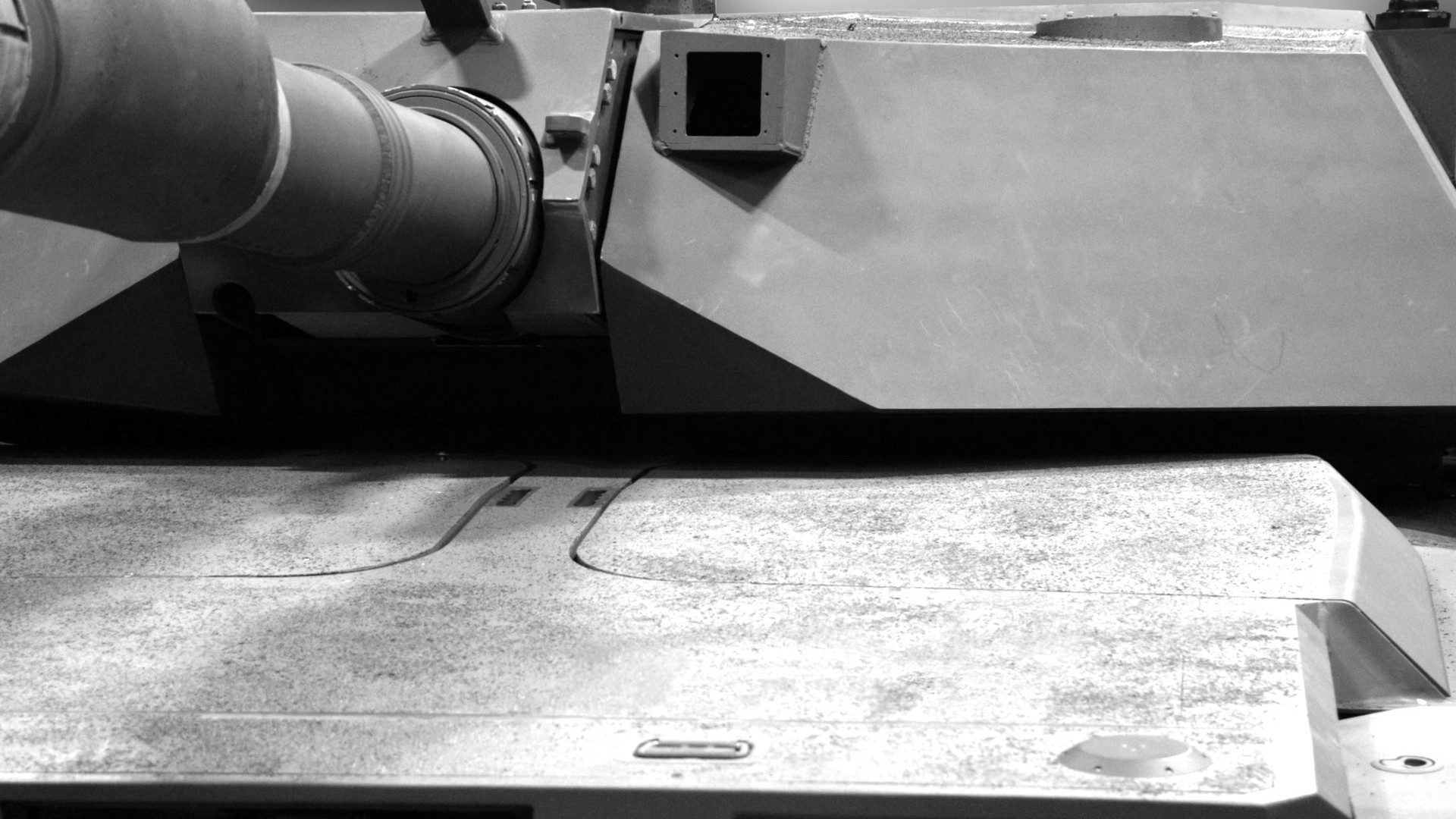
The U.S. Army has released the first images showing parts of the design of a very early prototype of the next-generation iteration of the Abrams tank, or M1E3. The service had earlier confirmed to TWZ that it had received the tank last month, meeting its previously stated end-of-year delivery goal.
The M1E3 images were first shared today through Army social media accounts. Defense Daily had first reported that the tank had been delivered as planned back in December.
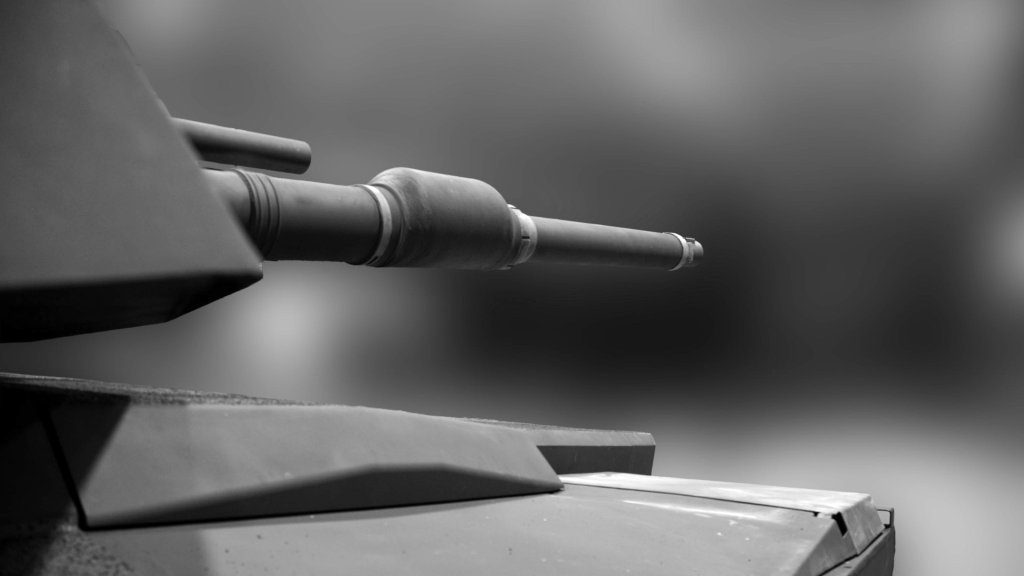
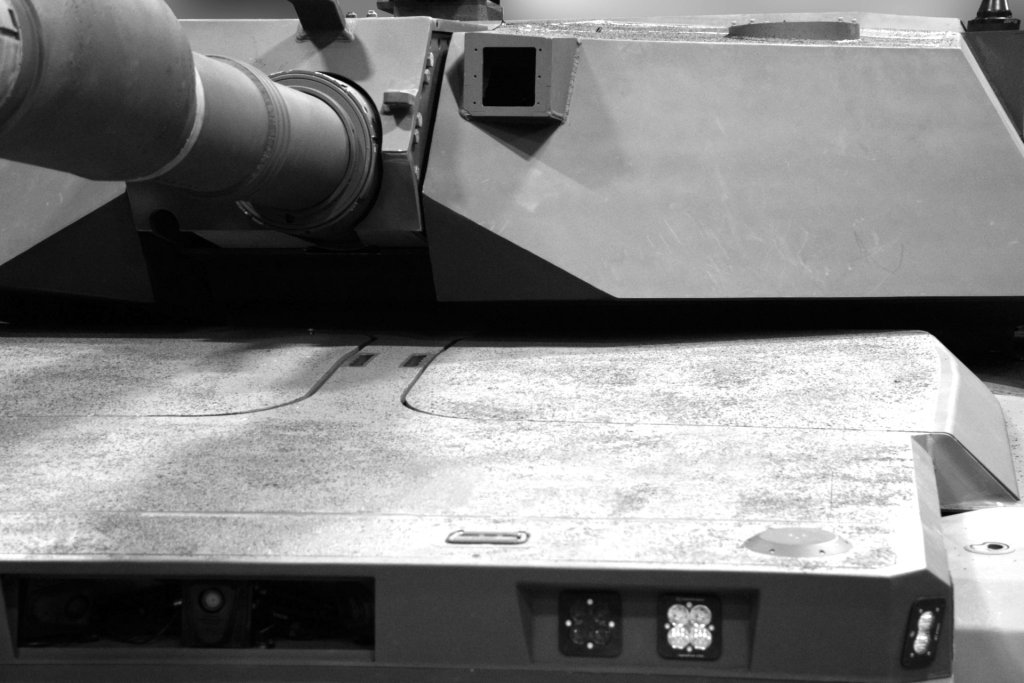
“We’re proud to announce the completion of the first M1E3 early prototype — a cutting-edge technology demonstrator designed to revolutionize the battlefield,” a post on Instagram accompanying the images reads. “Produced by Roush and powered by lessons learned from earlier risk reduction activities, this prototype showcases the Army’s commitment to speed, agility, and Soldier-centric solutions.”
“Key highlights” are said to include “advanced software integration,” “enhanced mobility,” and “unmatched lethality.”
“This milestone proves the Army’s ability to rapidly apply lessons learned and deliver enabling technologies to Soldiers faster than ever before,” the Instagram post continues. “Testing kicks off in early 2026, and we can’t wait to see the results!”
An Army spokesperson also provided an extremely similar statement directly to TWZ back in December.
“The Army has completed the first M1E3 early prototype as a technology demonstrator. The Army-led design was produced by Roush and incorporates lessons learned from earlier risk reduction activities,” they told us. “This activity is about moving with speed – showing that the Army can apply lessons learned and getting key enabling technologies (software, mobility and lethality) into the hands of Soldiers quickly. Testing will begin in early 2026.”
The two M1E3 images available currently, seen earlier in this story and in parts below, only offer limited views of the prototype. One of them is a partial view of the tank from the front. The other looks to offer another view of the front end, but from a forward-facing perspective along the side. It is also possible that both images may show the rear end of the tank with the turret facing backward. Without having a full view, it is not immediately clear.
From what can be seen of the turret, it looks similar in some respects to the ones found on existing M1 tank variants, but may also have at least a slightly lower overall profile. It also has a prominent sensor window to the left of the mantlet that is not found on other Abrams tanks.
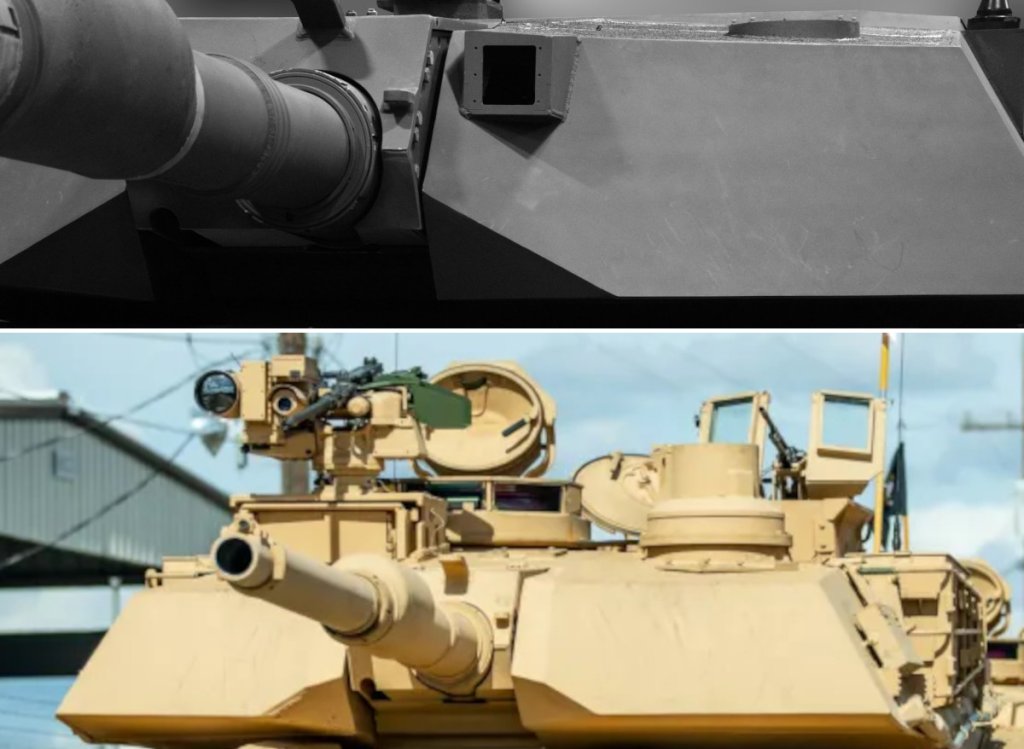
The main gun looks to be similar, if not identical, at least externally, to the 120mm M256 that arms current-generation M1s. The possibility had been raised in the past that the newest iteration of the Abrams might come with a larger caliber or otherwise more advanced main gun, and this could still be a potential addition to the M1E3 as development progresses. The Army has confirmed its intent to add an autoloader, something the U.S. military and many other armed forces in the West have historically eschewed in tank designs. The M1E3’s complete armament package might otherwise expand, including with the ability to launch loitering munitions.
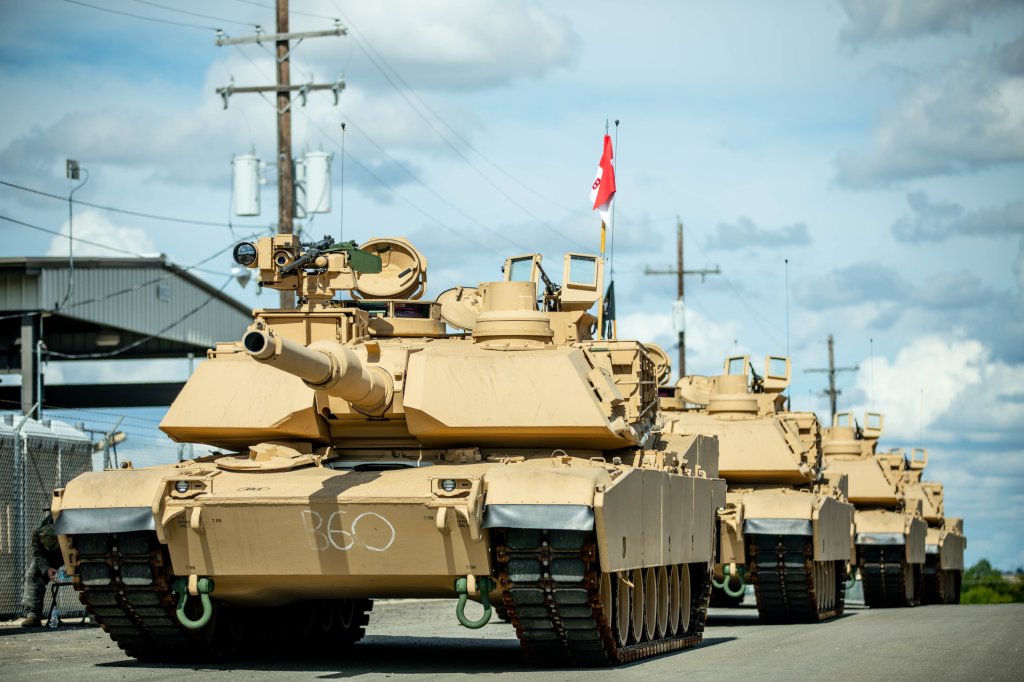
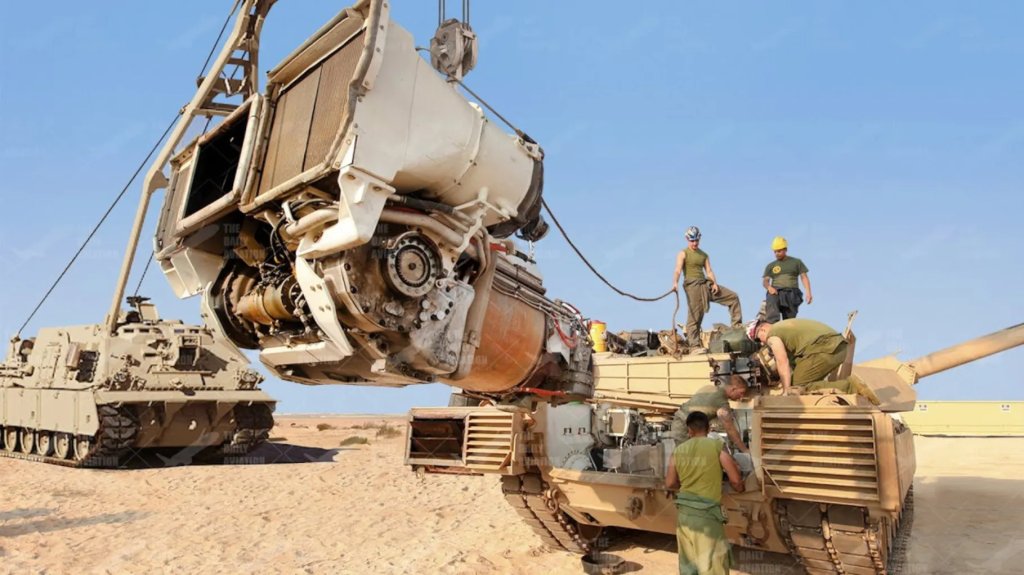
When it comes to the hull, what is seen of it looks to be substantially different from existing versions of the Abrams, regardless of whether it is being viewed from the front or the rear, with two prominent hatches. There is also what looks to be a camera that could be associated with a distributed vision system, as well as new LED lights. All M1 variants have a single hatch at the front for the driver, with the rest of the other three members of the crew situated in the turret. The rear end of the tanks is entirely defined by their gas turbine powerpacks.
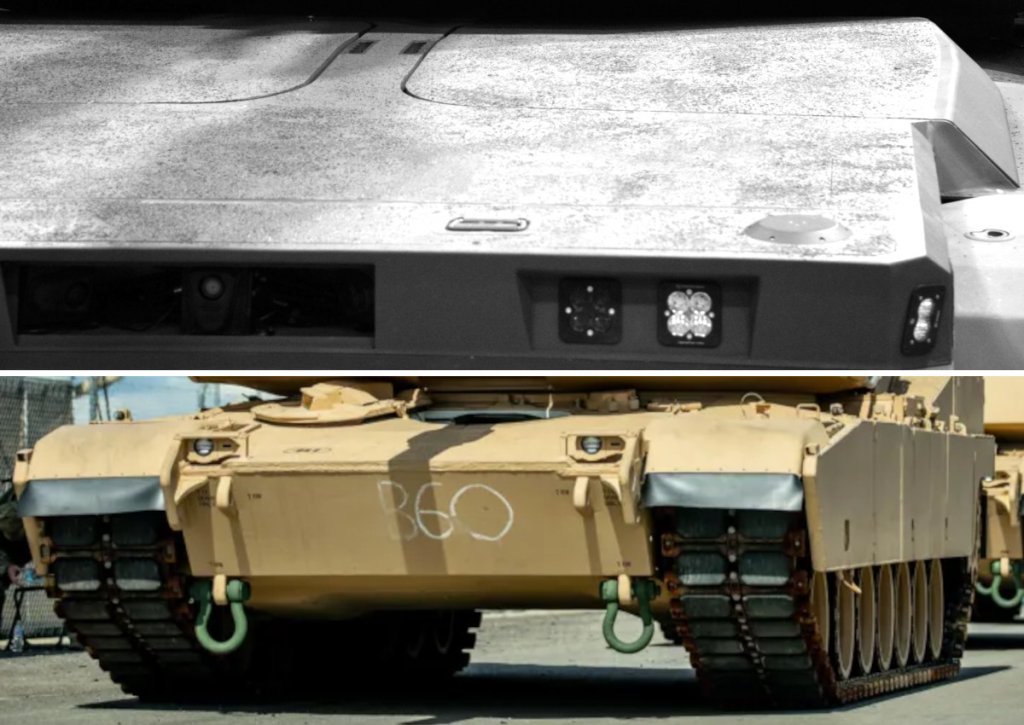
Altogether, the images show a design that is also notably different from the AbramsX next-generation demonstrator that General Dynamics Land Systems, the current prime contractor for the M1, first unveiled in 2022.

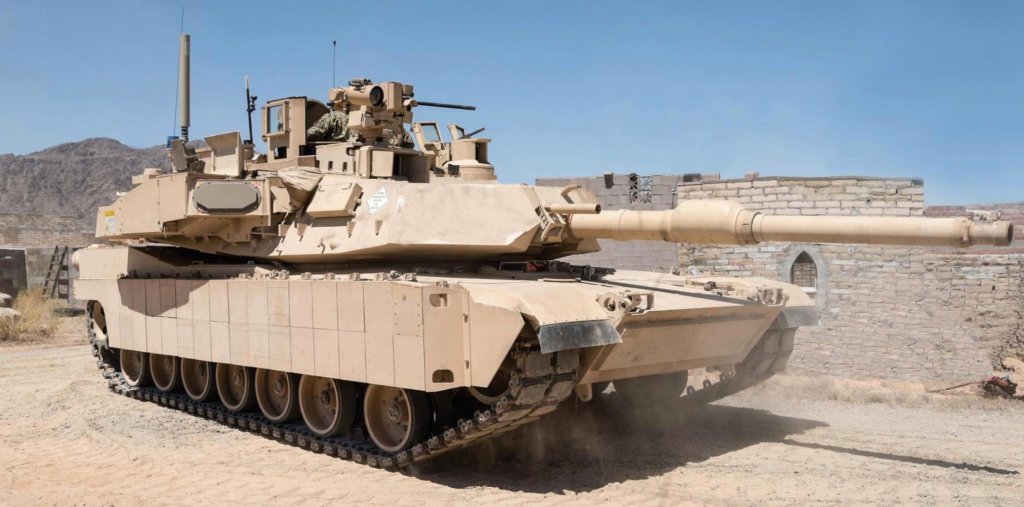
A lower-profile turret and a significant reorganization of crew positions are among the features that have long been expected to appear on the M1E3 prototype. The addition of an autolader would also allow the total number of crew members to be reduced from four to three. These are all changes that would help truncate the design overall, which, in turn, would help shave off valuable pounds, if not tons. Weight creep has been a major issue for the Abrams family since the original version entered service in the 1980s, with the latest M1A2 System Enhanced Package Version 3 (SEPv3) variant tipping the scales at some 78 tons. The Army has said previously that it is hoping to get that down to 60 tons on the M1E3.
The Army has also confirmed in the past that the M1E3 will have a new hybrid propulsion system and drive train, offering substantially better fuel economy than the gas turbine powerplant used on current Abrams tanks.
“It’ll be hybrid. It will not be fully electric,” Dr. Alex Miller, Chief Technology Officer and Senior Advisor for Science and Technology to the Chief of Staff of the Army, had told TWZ‘s Howard Altman on the sidelines of the Association of the U.S. Army’s (AUSA) main annual conference last October. “We don’t want fully electric, because there’s no place to charge. You need the liquid fuel to actually generate power. But what we’re seeing, and I have not put this to the test, so this is just sort of the math behind it, is the way that they’re going to deliver it, it’ll be about 40 percent more fuel efficient.”
A more integrated active protection system (APS) is also set to be an important feature of the M1E3. A portion of the Army’s Abrams tanks have already received the Israeli-designed and combat-proven Trophy APS, but in an add-on form that has contributed to the aforementioned weight growth. An APS that is more streamlined and otherwise better optimized for the M1E3 could be lighter, as well as offer other benefits, including when it comes to the tank’s physical structure and power generation requirements. An APS with added functionality, especially one that can also be used to provide an extra layer of defense against the growing threat posed by drones, would also be desirable. A new version of Trophy specifically designed to be better capable of engaging uncrewed aerial systems was unveiled in 2024, but there are also other potential options in the growing APS market space.

As TWZ has previously written:
“The M1E3 is expected to feature a host of other advancements, including in terms of targeting capabilities and other onboard sensors, as well as networked communications systems. The Army’s current push to accelerate work on the next-generation tank puts heavy emphasis on modularity and open architectures to make it easier to integrate and refine capabilities during the development process, as well as incorporate improvements down the road.”
Feedback from experimentation with the early prototype the Army now has in hand will help the service refine and evolve those requirements. The service has also said it hopes to eventually acquire a full platoon’s worth of prototypes to further help in this regard.
“The reason we want to get the platoon out earlier is because we want the armor brigades to be able to tell us what works and what doesn’t,” Miller also told TWZ back in October. “And then, rather than wait three or four more years, do [sic] some feedback then, allow GD [General Dynamics] to make those changes, and then get the next iteration out the next year.”
“What we didn’t want to do is the first time that a tanker sees the new tank is [when] it’s done, you can’t change anything, and it’s six years from now,” he continued. We want to “get feedback for the seats. Get feedback for the gunnery. Get feedback for the autoloader.”
It is worth noting here that work on the M1E3 comes at a time when the general utility of tanks and other heavy armored vehicles in future conflicts is being heavily debated, including by the Army itself. The service announced last year that it was cancelling its plans to acquire 500 examples of the M10 Booker, a tracked light tank-like armored fire support vehicle with a 105mm main gun developed by GDLS and intended to support dismounted infantry units.

More details about the current design and the Army’s future plans are likely to emerge as the service starts experimenting now with its first M1E3 early prototype.
Howard Altman contributed to this story.
Contact the author: joe@twz.com
Loading comments…
Comments couldn’t be loaded. Please refresh the page.