
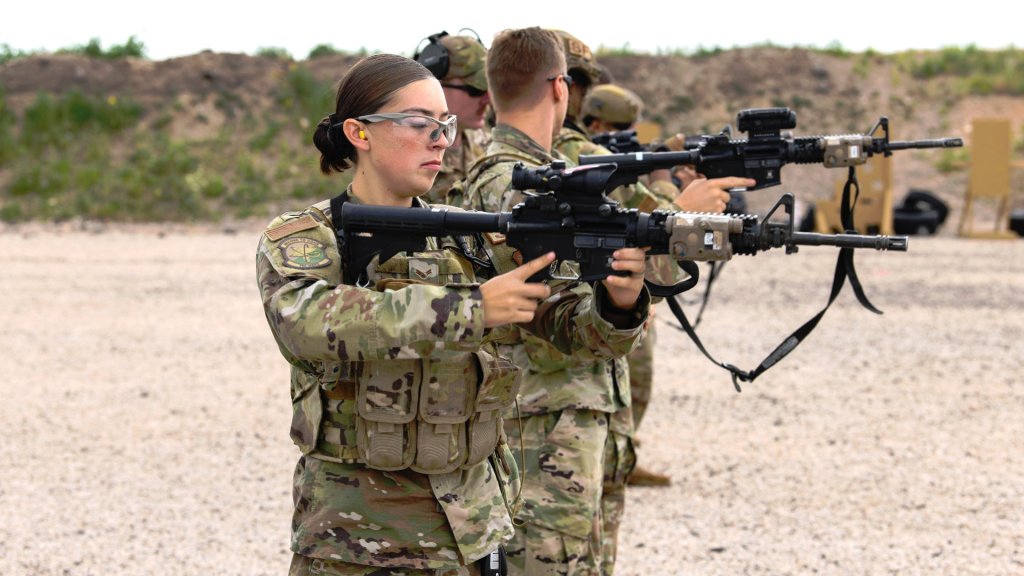
With the U.S. Air Force’s Global Strike Command (AFGSC) having instituted an indefinite “pause” on the use of Sig Sauer M18 pistols in the wake of a deadly incident at F.E. Warren Air Force Base in Wyoming, a question has emerged: what will the command’s aircrews carry for self-defense in the meantime? AFGSC has said that personnel who have been issued M18s will receive M4 carbines in the interim, but the latter isn’t practical for aircrews, and especially those that operate the command’s B-1, B-2, and B-52 bombers.
Readers can first get up to speed on what is known about the M18 “pause” at AFGSC and what led to it, which TWZ was first to report, as well as the broader controversy surrounding the pistol’s core design, here.
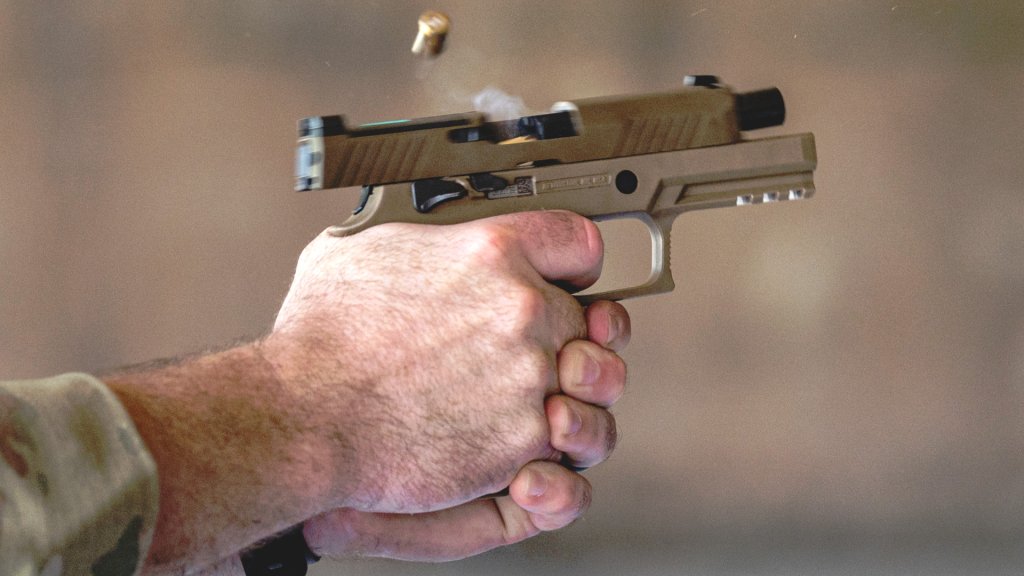
In 2017, the U.S. Army declared Sig Sauer as the winner of its Modular Handgun System (MHS) competition, and subsequently adopted the full-size M17 and compact M18 pistols as its standard sidearms. The rest of the Department of Defense followed suit. In 2019, the Air Force started issuing M18s to aircrew and personnel on the ground as replacements for the previous standard Beretta M9, as well as more limited issue Sig M11A1 pistols and Smith & Wesson M15 revolvers.
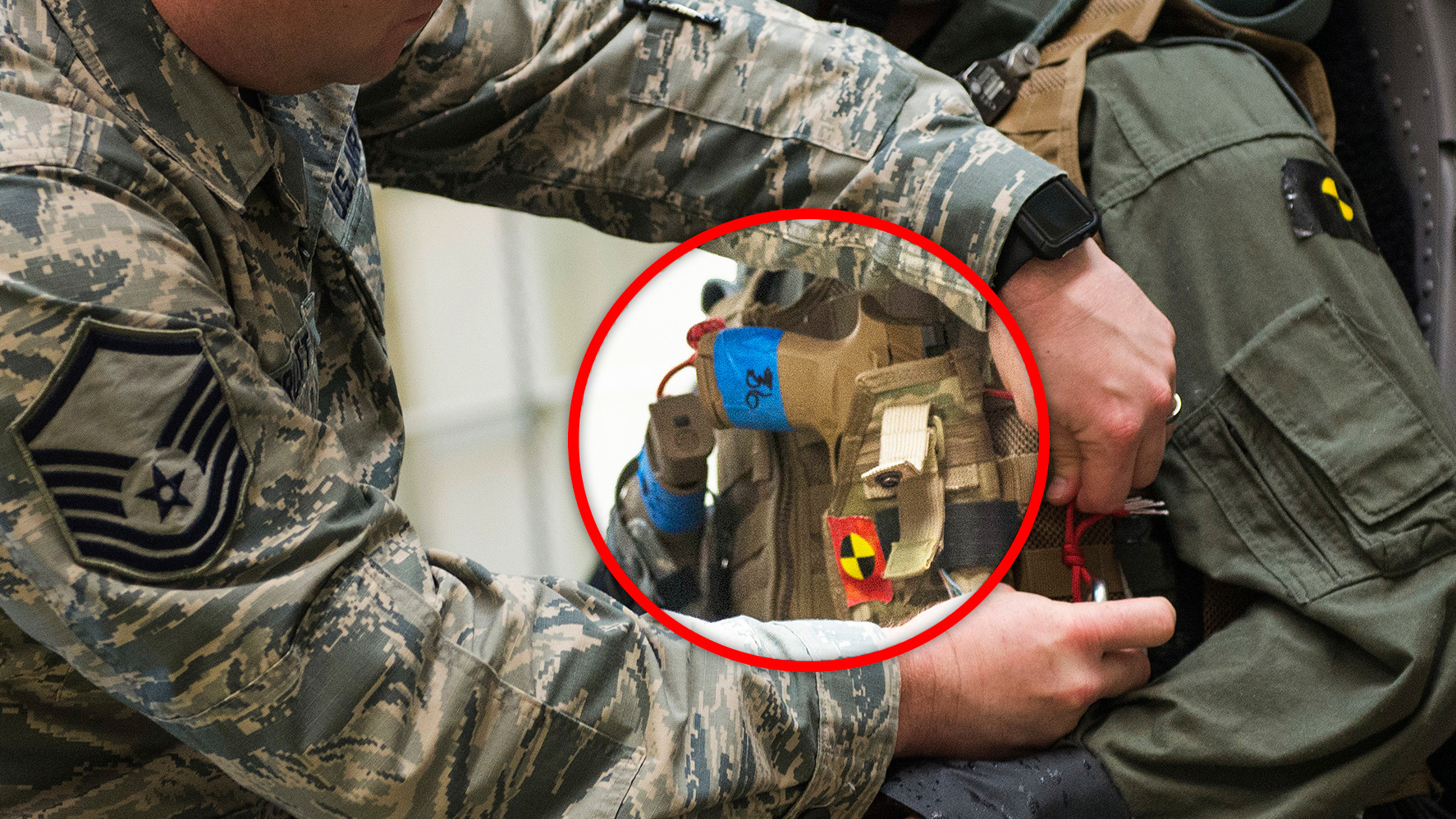
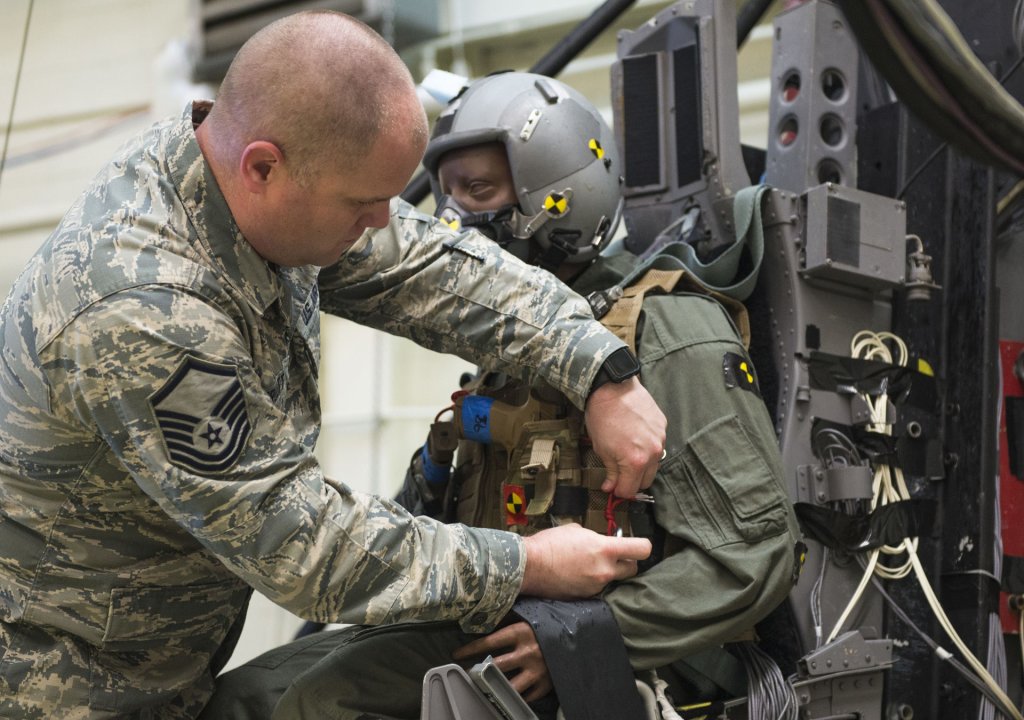
The Air Force did conduct various tests to clear the M18 for aircrew use, including to see how the guns would handle the stresses of an ejection. Guns carried by pilots and other aircrew in high-performance aircraft will experience high g-forces during maneuvering, as well. M18s are carried aloft in a chest rig where they point down when individuals are seated, which could create the conditions for significant harm in the event of an unintended discharge.
In response to queries from TWZ, an AFGSC spokesperson declined to comment on what weapons could be issued to the command’s aircrews in place of M18s during the pause due to operational security concerns.
“Until further notice, Wing Commanders and Defense Force Commanders will: Issue the M4 in place of the M18 to required personnel; Ensure continuous mission capability during this pause,” according to a leaked memo regarding the pause from AFGSC commander Gen. Thomas A. Bussiere, which has been confirmed to be authentic. “Contact AFGSC/A3S [the command’s main Security Forces office] for supplemental guidance for tasks routinely accomplished with the M18 and for which accomplishment with the M4 is not feasible. Provide feedback to AFGSC/A3S for any operational issues this direction causes.”
Historically, pistols have been the self-defense weapon of choice for pilots and other aircrews given space and weight limitations imposed by aircraft cockpits. AFGSC’s fleets do primarily consist of B-2, B-1, and B-52 bombers with relatively large cockpits. Still, issuing M4 carbines to the crews of any of those bombers could present complications.
The Air Force’s four Boeing 747-based E-4B Nightwatch “Doomsday Planes,” also known as National Airborne Operations Centers (NAOC), are also assigned to AFGSC. It is worth noting that Security Forces airmen armed with M4s are already regularly tasked with guarding those planes, as seen in the video below.
Being issued M4s would be less of an issue for crews of UH-1N and MH-139A helicopters within AFGSC. It is also worth pointing out that sidearms are generally only issued to aircraft during combat operations.
In the late 2010s, the Air Force went so far as to develop a specialized subvariant of the M4 for carriage under the ejection seats in fighters and bombers. Called the Aircrew Self Defense Weapon (ASDW), the gun has a special locking system that allows it to be broken down into two halves in as little as 30 seconds, and be reassembled and ready to shoot just as fast. Other features, including a folding pistol grip, make it even more compact when stowed with two magazines inside a special carrying case.
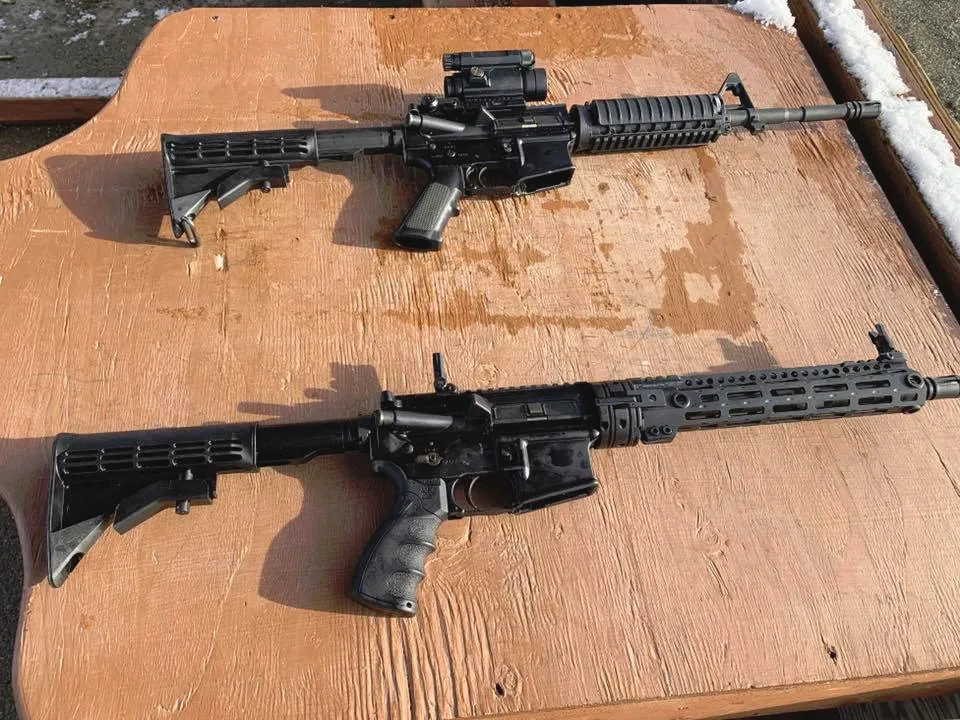

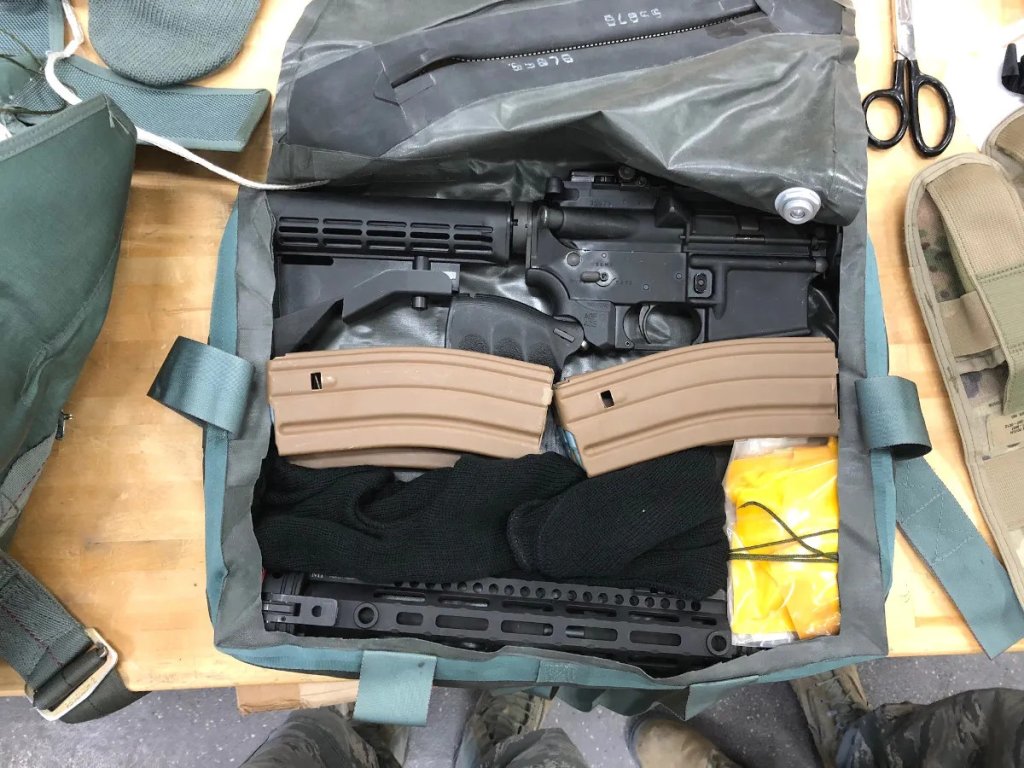
In 2020, the Air Force said it had completed deliveries of ASDWs to various units, with 2,700 of them fielded in total. The ASDWs were built in-house by the Air Force by converting existing M4s, and units within AFGSC were among the recipients.
The ASDW project followed demands for more firepower by pilots flying over Iraq and Syria following the brutal murder of Jordanian Air Force pilot Moaz Al Kasasbeh by ISIS terrorists. Al Kasasbeh was captured after ejecting from his F-16 during a mission over Syria in December 2014 and was burned alive in January 2015.
It is possible that AFGSC could issue more ASDWs during the pause on the use of the M18, including by converting additional M4s in its inventory now to that configuration.
It’s also not clear whether the M18 has completely supplanted the M9 as an aircrew sidearm in Air Force service. As recently as December 2024, there has been clear evidence of AFGSC aircrews still flying with M9s. An unclassified manual on the Air Force’s Aircrew Flight Equipment (AFE) Program, dated October 2024, also indicates that both pistols remained approved for use at least at that time.
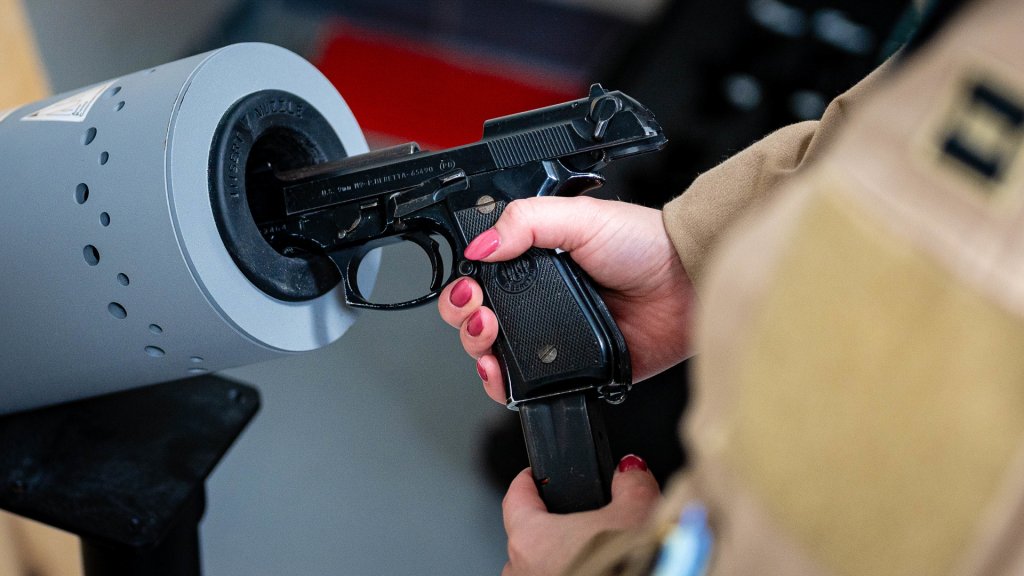
M9s could be reissued to any AFGSC aircrews that have transitioned to the M18, which would also be a logical choice given that the Beretta pistol has already been cleared for aircrew use in the past.
Other pistols in the Air Force’s inventory might also be alternative options. Glock variants are in active service within Air Force Special Operations Command (AFSOC), as well as through the rest of the U.S. special operations community. Glock was notably the loser in the Army’s MHS pistol competition. However, it could be difficult for AFSGC to readily source a useful number of Glocks to meet the operational demands of the current M18 pause. In addition, whether or not any versions of the Glock, or any other pistols, are currently approved for use in ejection seat-equipped Air Force aircraft is unclear, and getting such clearance would take some amount of time.
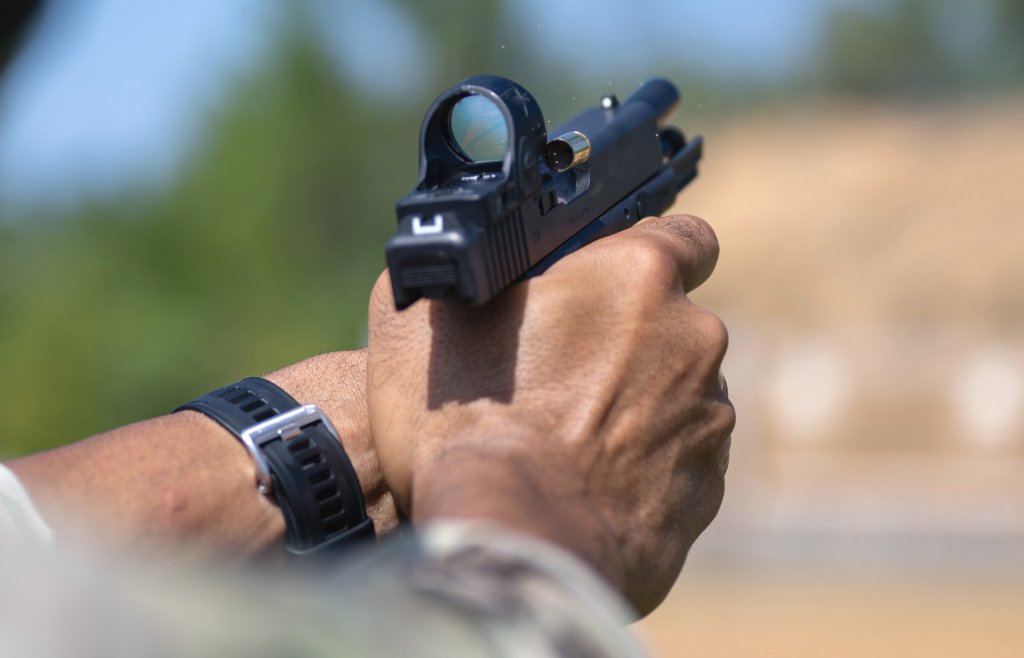
The Air Force also has H&K MP5-series submachine guns in its inventory and began acquiring new B&T APC9K PROs in 2020. The APC9K is also currently in service with the Army, which awarded a contract to B&T for the guns in 2019. Both the MP5 and APC9 families fire the same 9mm ammunition as the M18 and the preceding M9, and are more typically used within the U.S. military by personnel tasked with VIP protection and other similar close-in security missions. Again, any guns not already approved for aircrew use would have to go through some form of clearance process.
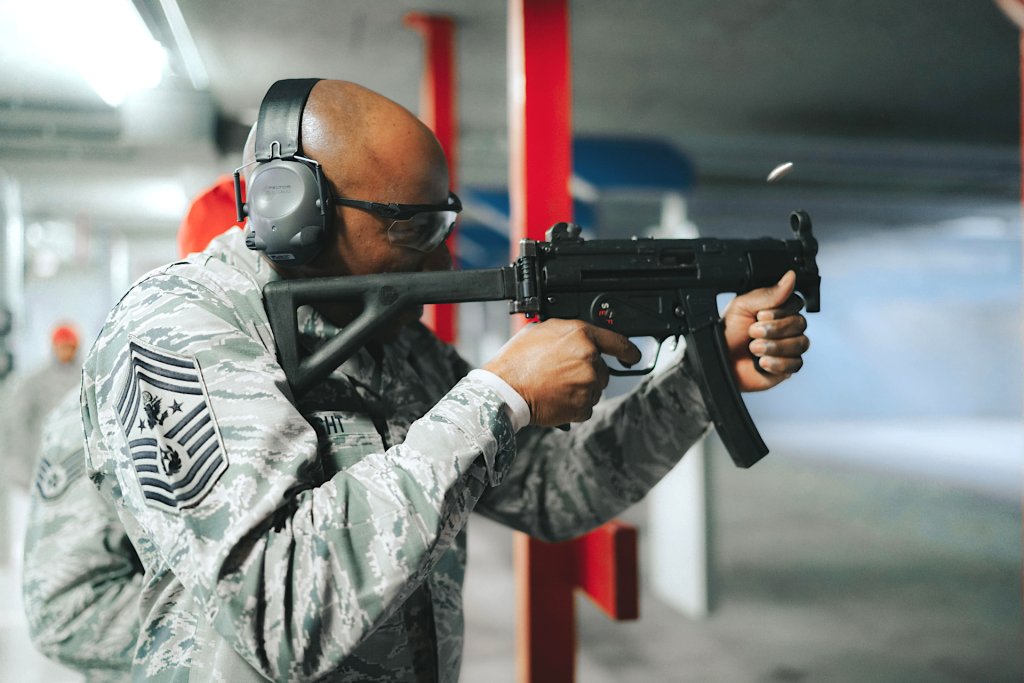
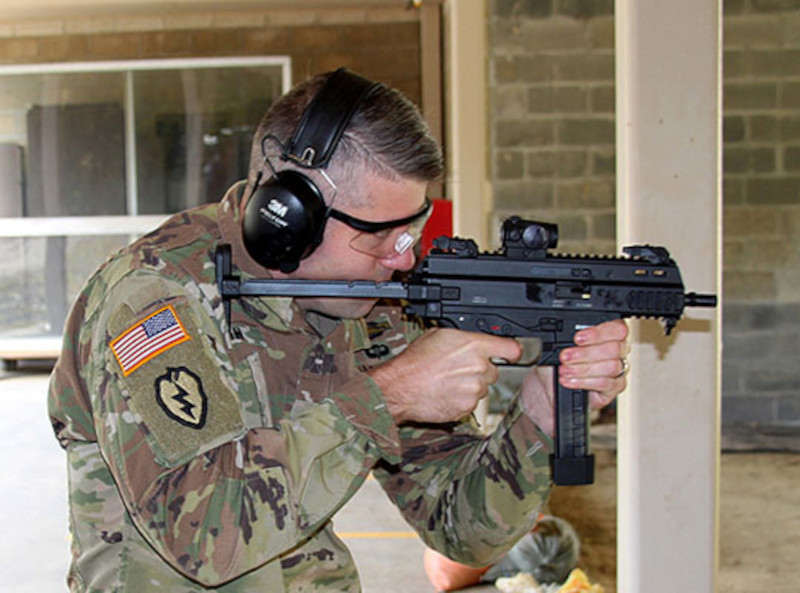
AFGSC’s M18 pause could well prompt new discussions about potentially broader changes to what guns are issued to Air Force aircrews for self-defense, and about the possible acquisition of new options. It also remains to be seen how the use of M17 and M18 pistols across the U.S. military, as well as elsewhere within the U.S. government and beyond, might be impacted by the ongoing investigation into the recent incident at F.E. Warren Air Force Base.
Sig’s P320 pistol family, which includes the M17 and M18, continues to be dogged by concerns that the pistols can fire without their triggers being pulled. The controversy had already been further fueled recently by the public release of an FBI technical evaluation report delving into the circumstances of a possible “uncommanded discharge” last year by a commercial subvariant of the M18 belonging to the Michigan State Police. Sig has refuted the findings from that report, which it says the FBI was unable to reproduce using a subsequent mutually agreed-upon testing protocol. The MSP incident is just one of dozens that have been reported over the years, including others within the U.S. military. Sig categorically insists that it is impossible for P320-series pistols to fire without the trigger being pulled. There were also previously drop safety issues with P320 design, which Sig says it has mitigated through changes to the design.
In the meantime, at least, AFGSC aircrews will have to be issued something other than M18s.
Howard Altman contributed to this story.
Contact the author: joe@twz.com
Loading comments…
Comments couldn’t be loaded. Please refresh the page.