
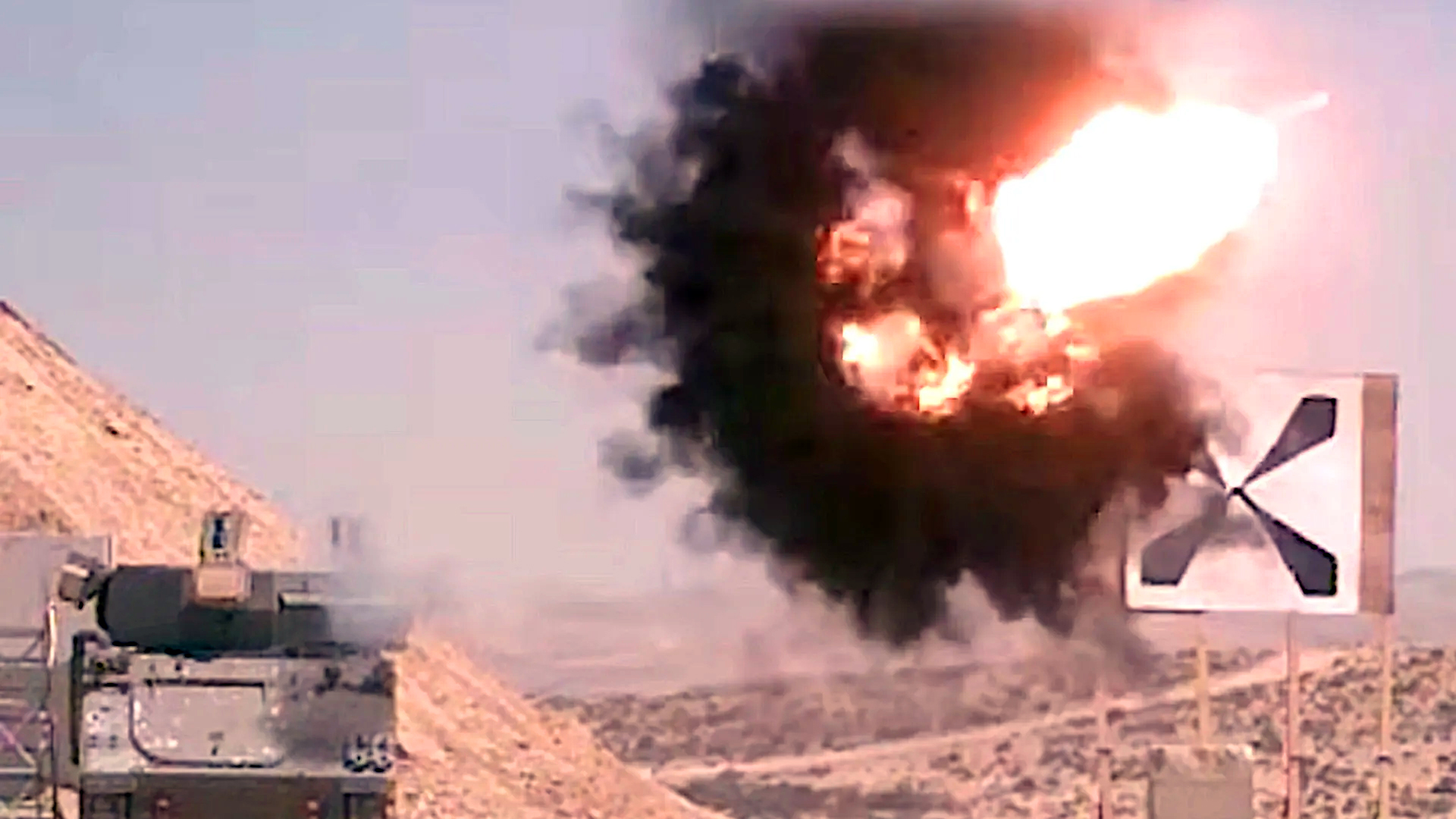
A recently released video highlights the Israeli Iron Fist active protection system’s ability to down incoming drones. This comes as the system’s popularity has been growing globally, including with multiple contracts to install them on U.S. Army Bradley Fighting Vehicles. TWZ has previously explored in detail how hard-kill active protection systems like Iron Fist could give tanks and other armored vehicles a critical layer of protection against ever-growing uncrewed aerial threats.
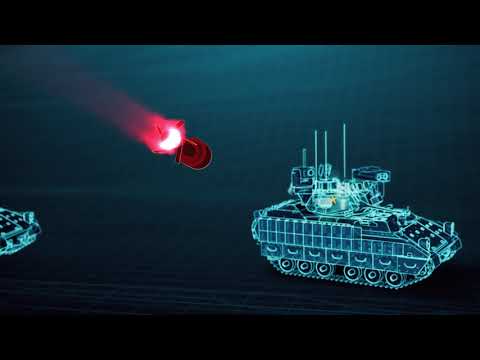
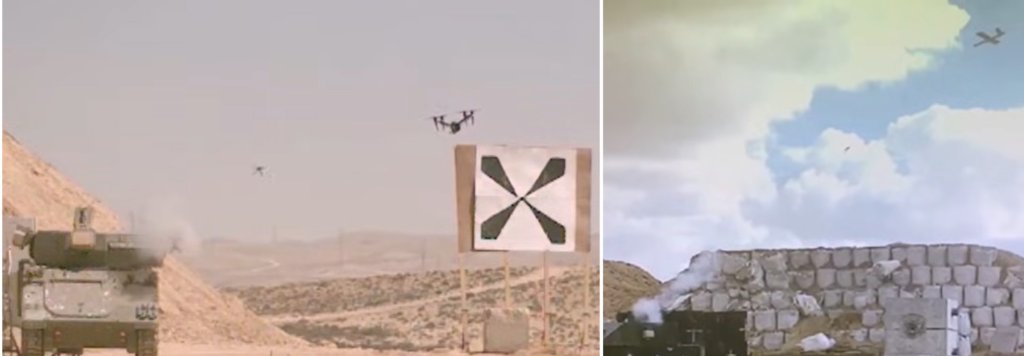
Yesterday, Iron Fist’s prime contractor, Elbit Systems, released a video on YouTube, seen below, which includes clips of the system knocking down quadcopter-type and small fixed-wing drones in testing. The footage also shows tests demonstrating the ability of Iron Fist’s high-explosive interceptors to defeat rocket-propelled grenades, anti-tank guided missiles, and kinetic-energy anti-tank rounds, the latter of which are solid metal darts traveling at very high speed.

Iron Fist configurations vary from vehicle to vehicle, but all consist of several turreted countermeasure launchers, each loaded with two interceptors, tied to sensor arrays. The sensors are small-form-factor active electronically-scanned array (AESA) radars paired with infrared cameras, and detect incoming threats and cue the launchers to engage them. As noted, each of the interceptors has a high-explosive fragmentation warhead.
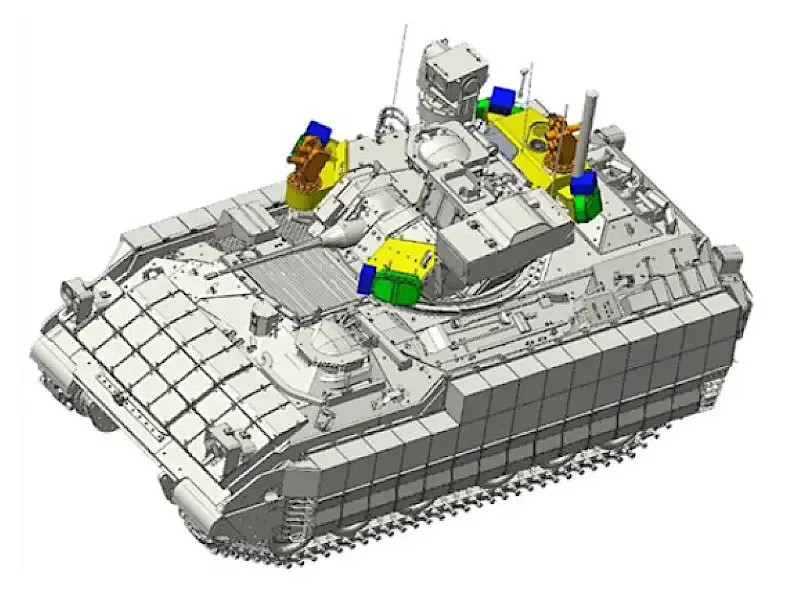
The development of Iron Fist, originally by IMI Systems (later acquired by Elbit), dates back to the late 2000s, and various improvements have already been made over the years. The U.S. Army was one of the early customers for the system, first testing it as an option for integration onto the Bradley in 2016, and then making a formal decision to do so two years later. The program has faced challenges, but the Army is now actively working to add Iron Fist to at least a portion of its M2A4 Bradley Infantry Fighting Vehicles. Bradleys that receive Iron Fist systems are currently being redesignated as M2A4E1 variants. Just this week, Elbit received a new $228 million contract to supply more Iron Fist systems to the Army over the next three years.

Other countries, especially Israel itself, have also worked to integrate Iron Fist onto a variety of other vehicle types. Israeli firms have been, and continue to be, world leaders in hard-kill active protection systems, in general.
When the Iron Fist anti-drone testing occurred, and what changes to the system may have been necessary to enable that capability, are unclear. General Dynamics Ordnance and Tactical Systems, Elbit’s U.S. partner for integration of Iron Fist onto the Bradley, posted another promotional video on YouTube six years ago. It includes many of the same clips found in the latest montage, but none showing drones being defeated.
The new video from Elbit does leave open certain questions about Iron Fist’s counter-drone capabilities. The clips show drones being engaged as they head toward target vehicles along relatively straight and level trajectories, as well as downward at a roughly 45-degree downward angle. What protection the system may offer in its current form against more straight-down top attacks is not clear.
Video footage from the conflict in Ukraine, which has become indicative of the drone threat to vehicles, regularly shows attacks executed at very high angles. The drones in question, especially first-person-view kamikaze (FPV) types, are often highly maneuverable, in general.
Back in 2024, Israeli defense contractor Rafael also announced new counter-drone capability for its combat-proven Trophy hard-kill active protection system. That was part of a broader upgrade effort to make the system better able to respond to top-down attacks. Despite Trophy’s record of success, it had long been known by that point that it had certain limitations against threats approaching from steep downward angles.

Elbit’s demonstration of Iron Fist’s ability to down drones is not surprising and follows a parallel trend in still-growing demand for new active and passive measures to help protect vehicles and other assets from uncrewed aerial attacks. Though the threat is not new, observations from the ongoing war in Ukraine, along with a growing number of other conflict zones globally, have now firmly driven it into the public consciousness.
The dangers posed by drones, even smaller kamikaze types, including weaponized commercial designs, are only set to expand, especially as artificial intelligence and machine learning-driven targeting and networking capabilities proliferate, as you can read more about here. The barrier to entry when it comes to networked swarm attacks, which create additional challenges, is also steadily lowering.
As already mentioned, TWZ has previously detailed how hard-kill active protection systems, which are already being integrated on a growing number of tanks and other armored vehicles, could offer a valuable, if not essential, way to help further shield them against uncrewed aerial attacks. Increasingly advanced anti-tank guided missiles, and their proliferation globally, including to non-state actors, had already spurred a surge in demand for active protection capabilities for vehicles.
Still-growing dangers posed by drones and anti-tank missiles with steadily advancing capabilities, as well as other threats, have increasingly raised questions about the future relevance of tanks and other heavy armored vehicles. In 2023, the U.S. Army notably released a report from a group of federally-sanctioned independent experts that posited designs like the M1 Abrams and the Bradley would no longer be dominant factors on high-end battlefields by 2040. Still, the Army has shown no signs of abandoning heavy armor and is now pursuing a new derivative of the Abrams currently designated the M1E3.
With all this in mind, the trend of active protection systems gaining at least some degree of counter-drone capability, as is now the case with Iron Fist, is only likely to continue.
Contact the author: joe@twz.com
Loading comments…
Comments couldn’t be loaded. Please refresh the page.