
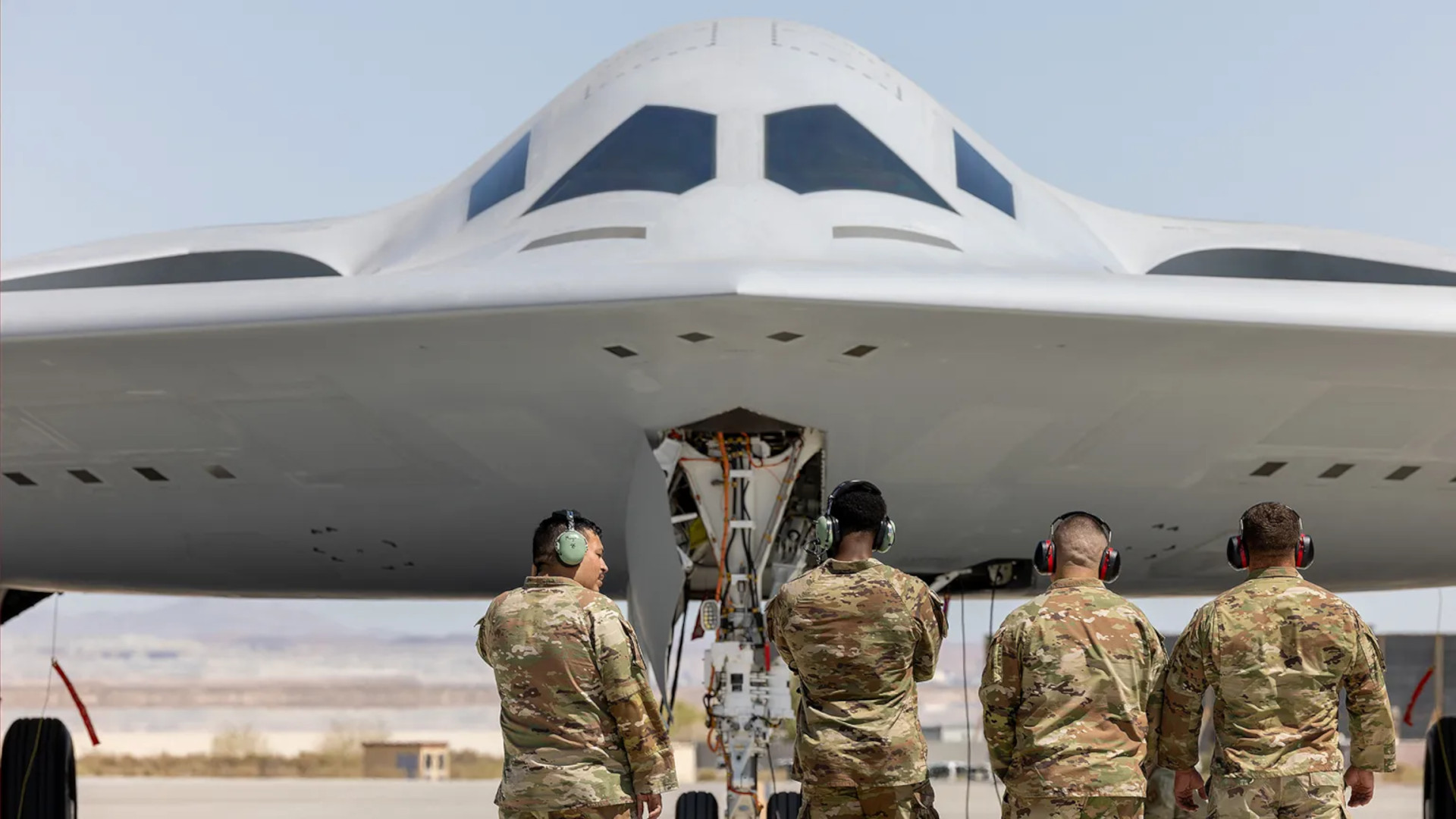
The U.S. Air Force has officially decided that the B-21 Raider will be flown by a crew consisting of two pilots, just like the B-2 is today. The service had previously considered operating the bomber with just one pilot alongside a weapon systems officer (WSO), or ‘wizzo.’ The plan is now to transition some number of qualifying WSOs and combat systems officers (CSOs) to become pilots for the future B-21 fleet.
The formal announcement about the standard two-pilot crew complement for the B-21 came yesterday. This follows the Air Force’s announcement in June that an operational test pilot had taken the controls of a pre-production Raider for the first time.
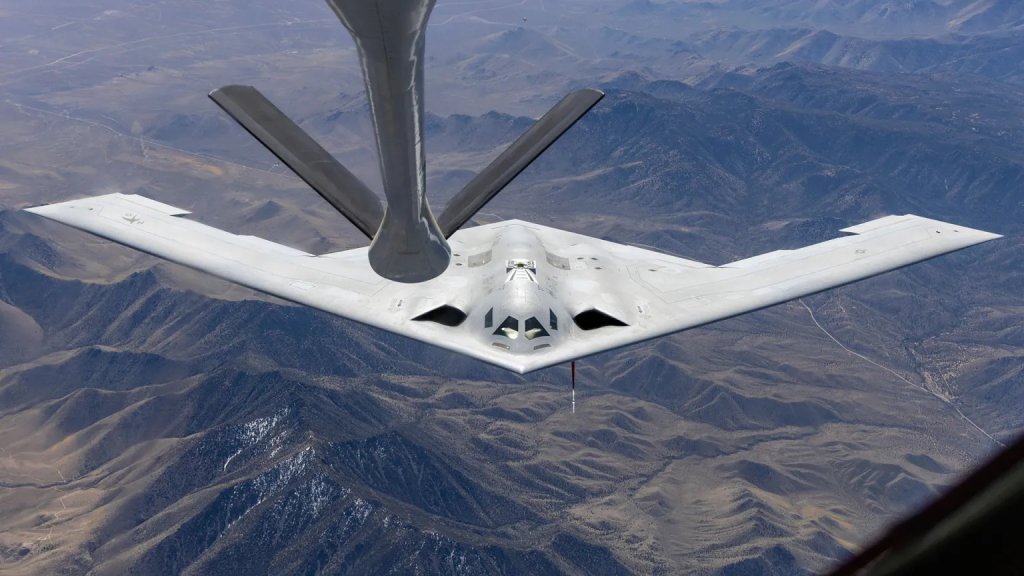
“Following careful analysis of the B-21’s advanced capabilities, Air Force leadership determined that a two-pilot configuration optimally supports the aircraft’s mission profile,” according to an official release. “To maximize the lethality and survivability of the Raider, it is imperative to retain the deep tactical and combat experience currently residing within the WSO and CSO communities.”
“The Air Force is establishing a pilot transition program for select weapons system officers and combat systems officers who will be chosen to attend pilot training with a follow-on assignment to the B-21,” the release added. “Eligible officers will be provided with additional information via command channels when available.”
The Raider is still in development, but the Air Force is now aiming to begin fielding the bombers next year at Ellsworth Air Force Base in South Dakota. The stated plan remains to acquire at least 100 B-21s, but service officials have said they plan to roll out a more precise figure next year, which is widely expected to be larger. This will also have an impact on the total number of pilots required.
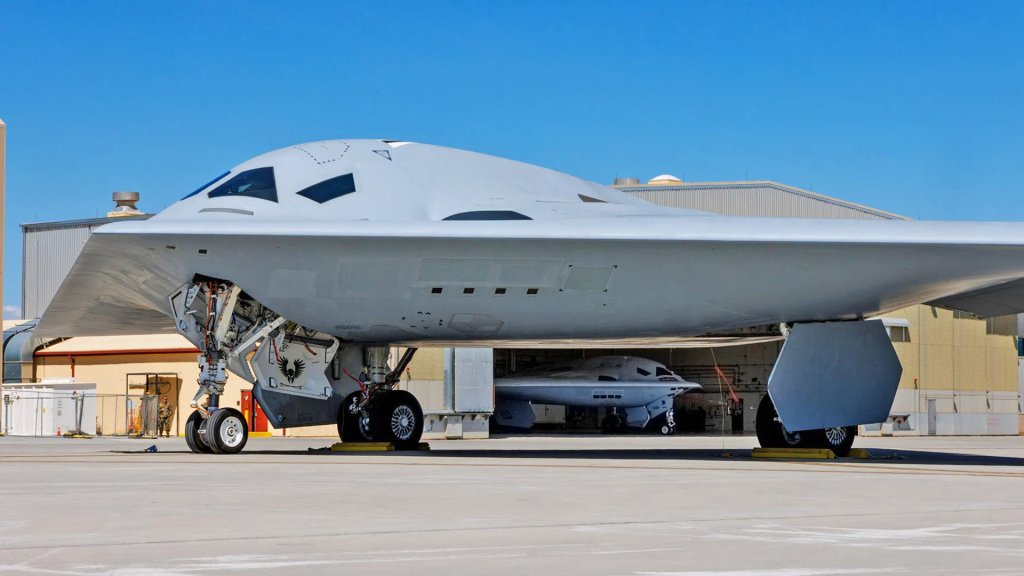
“The pilots will be 11B bomber pilots and the Air Force is still working through the number of B-21 pilots we will have,” an Air Force spokesperson told TWZ directly today when asked for more information about the crewing decision.
“11B” here is the basic Air Force Specialty Code (AFSC) for bomber pilots. Suffixes are used to reflect specific bomber types that individuals are assigned to fly. This administrative code should not in any way be confused with the U.S. Army’s 11B Military Occupational Specialty (MOS) for infantrymen.
As mentioned, the standard crew complement for a B-2 bomber is also two pilots. There is also a small cot that allows for one pilot to sleep while the other flies during portions of a sortie, which can sometimes stretch across multiple days. Having two pilots also offers an additional margin of safety. That being said, for single-pilot B-21 operations, the Air Force could have provided WSOs with additional training to be able to fly the aircraft in an emergency.
“I think the B-21 is going to be largely like the B-2 in how it supports the crews,” Air Force Gen. Stephen Davis, head of Air Force Global Strike Command (AFGSC), told TWZ in an interview with our Howard Altman in January. “There’s enough room for crew members to go on rest status. There’s a place to go to the bathroom, obviously, and to prepare food. All those things will exist in the B-21.”

This was Davis’ first interview since taking charge of AFGSC, which oversees the Air Force’s bomber fleets, as well as other strategic capabilities. His predecessor, now-retired Gen. Thomas Bussiere, had been the one to recommend operating the B-21 with one pilot and one WSO.
“In terms of the crew complement for the B-21, that’s an ongoing discussion within the Department of the Air Force. No final decision has been made. Frankly, we had the same discussion on the B-2 on how it would be manned. And ultimately, they went with two pilots, in part because of the cost of the platform and the number they were producing,” Davis said in his interview with us when asked about this. “Actually, at the time, it was a requirement to have navigator or WSO experience to be a B-2 pilot. We went away from that over time, but that was one of the initial requirements.”
This latter point is particularly notable now that the Air Force has formally announced that it will transition WSOs and CSOs into B-21 pilots.
“With B-21 pilots, it’s a different plane, as it has a number of different capabilities,” Davis had added. “So we think that the right thing to do is look carefully at that crew complement and decide how to best make that the most capable combat platform we can.”
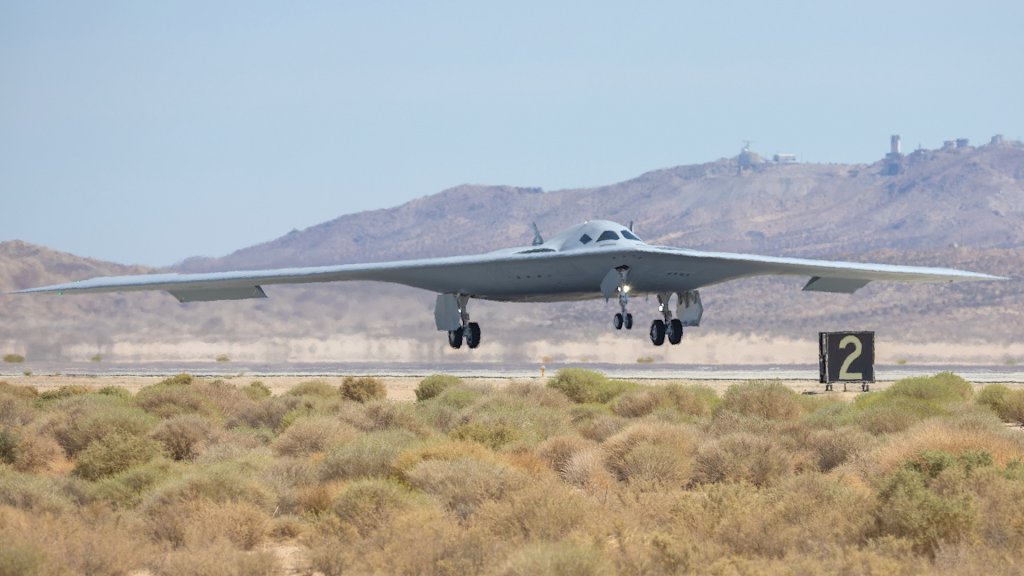
It remains unclear whether or not the Air Force might still consider single-pilot B-21 operations down the line. There was at least a stated desire for an optionally piloted mode, or the means to rapidly integrate one, as part of the requirements for the Long Range Strike Bomber (LRS-B) program that led to the Raider. TWZ highlighted this all the way back in 2017 after we obtained a heavily redacted copy of a Department of Defense Inspector General report titled “Audit of the Acquisition of the Long Range Strike Bomber,” via the Freedom of Information Act (FOIA). That report was dated September 8, 2015, the same year Northrop Grumman was chosen as the winner of the LRS-B competition.
When reports first emerged that the Air Force was considering single-pilot B-21 operations in November 2025, TWZ pointed out that there were strong signs that a high level of automation and artificial intelligence (AI) infused autonomy had already been baked into the design.
While those capabilities might someday open doors to pilot-optional or uncrewed modes for the B-21, they could also be very beneficial for human pilots flying the bombers now. For years now, the U.S. military has been heavily investing publicly in ‘virtual co-pilot’ type technologies to increase safety margins and reduce workload for aircrew on fixed-wing planes and helicopters. This is on top of any work being done in the classified realm.
“Since the early 2010s, the Defense Advanced Research Projects Agency (DARPA) has been notably supporting the development of AI ‘co-pilots’ that could be used on helicopters and fixed aircraft to help increase safety margins and reduce workload for human pilots through a program called the Aircrew Labor In-Cockpit Automation System (ALIAS). ALIAS’ work has been centered on Lockheed Martin’s MATRIX autonomy flight control software package.”

“Other companies, such as Shield AI and Merlin, have been developing similar autonomy packages and steadily growing their capabilities. Merlin has been notably working toward integrating its autonomy software onto an Air Force KC-135 tanker. Shield AI’s Hivemind has already been integrated onto a host of crewed and uncrewed platforms. It is also worth noting that the B-21 has been in development for more than a decade, and its capabilities in this regard would have been way ahead of its time.”

“An AI agent would offer a B-21 crew additional layers of redundancy and added safety margins, as well as just helping to reduce total workload, which could offset risks associated with having just one pilot. If the functions of that virtual co-pilot extend to offering well-formulated tactical advice, such as whether or not to attack, jam, or avoid a threat altogether along the B-21’s carefully calculated ‘blue line’ flight path, it could also offer an important boost in survivability and tactical flexibility.”
Otherwise, the B-21 continues to be a model acquisition program that has been able to stay largely on schedule and budget, despite at least some hurdles, according to both U.S. military officials and members of Congress. In February, the Air Force announced that it was boosting the rate of production of the bombers to help accelerate their fielding.
When the first B-21 touches down at Ellsworth Air Force Base, we can now expect it to be flown by a crew consisting of two pilots.
Howard Altman contributed to this story.
Contact the author: joe@twz.com
Loading comments…
Comments couldn’t be loaded. Please refresh the page.