
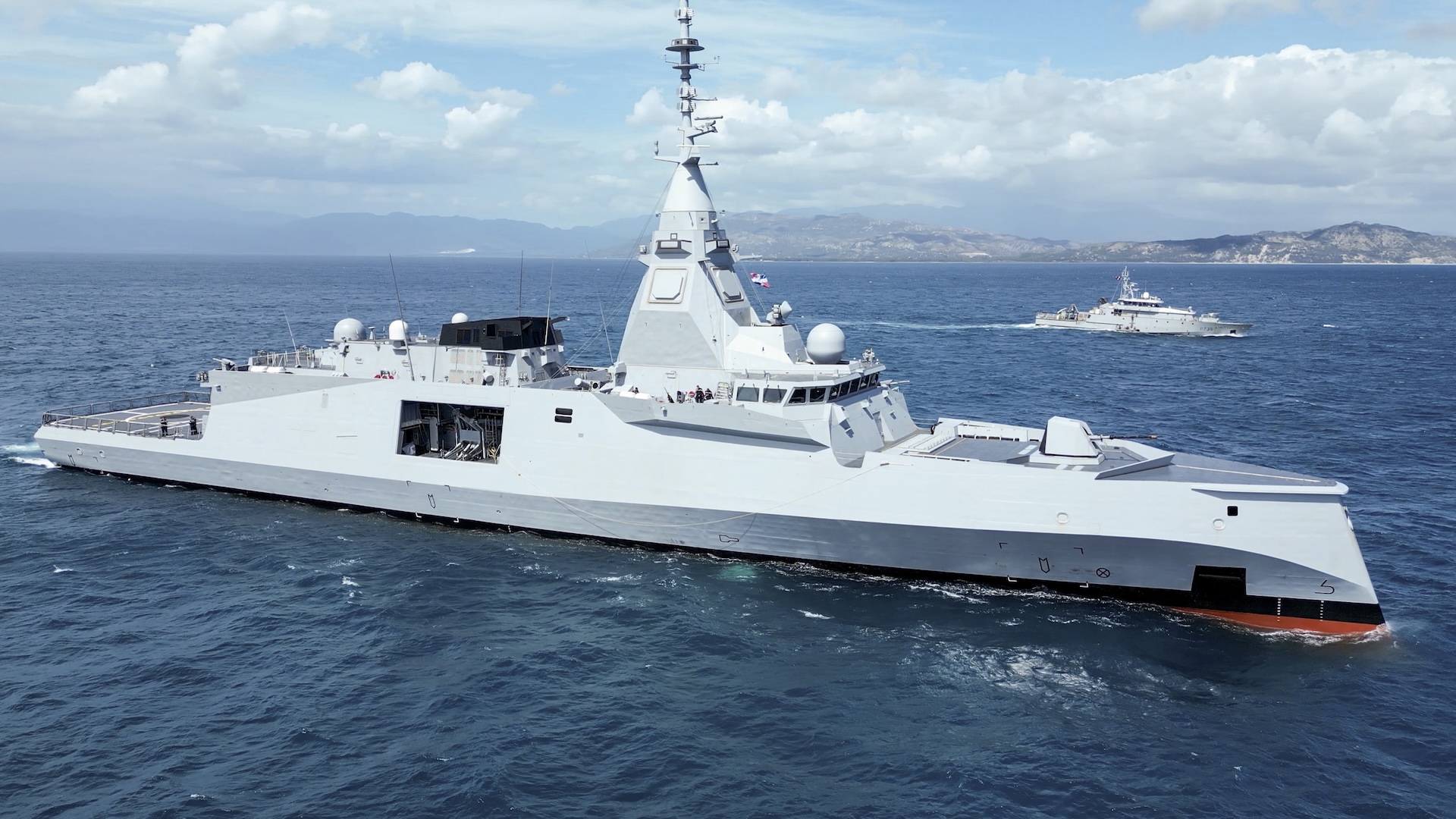
Sweden has chosen its future surface combatant, the Luleå class, its largest in decades, in the shape of the French FDI frigate. The unusual design, with its inverted bow, won out against rival warships from the United Kingdom (a vessel based on the Type 31 frigate) and Spain (the all-new ALFA 4000 frigate).
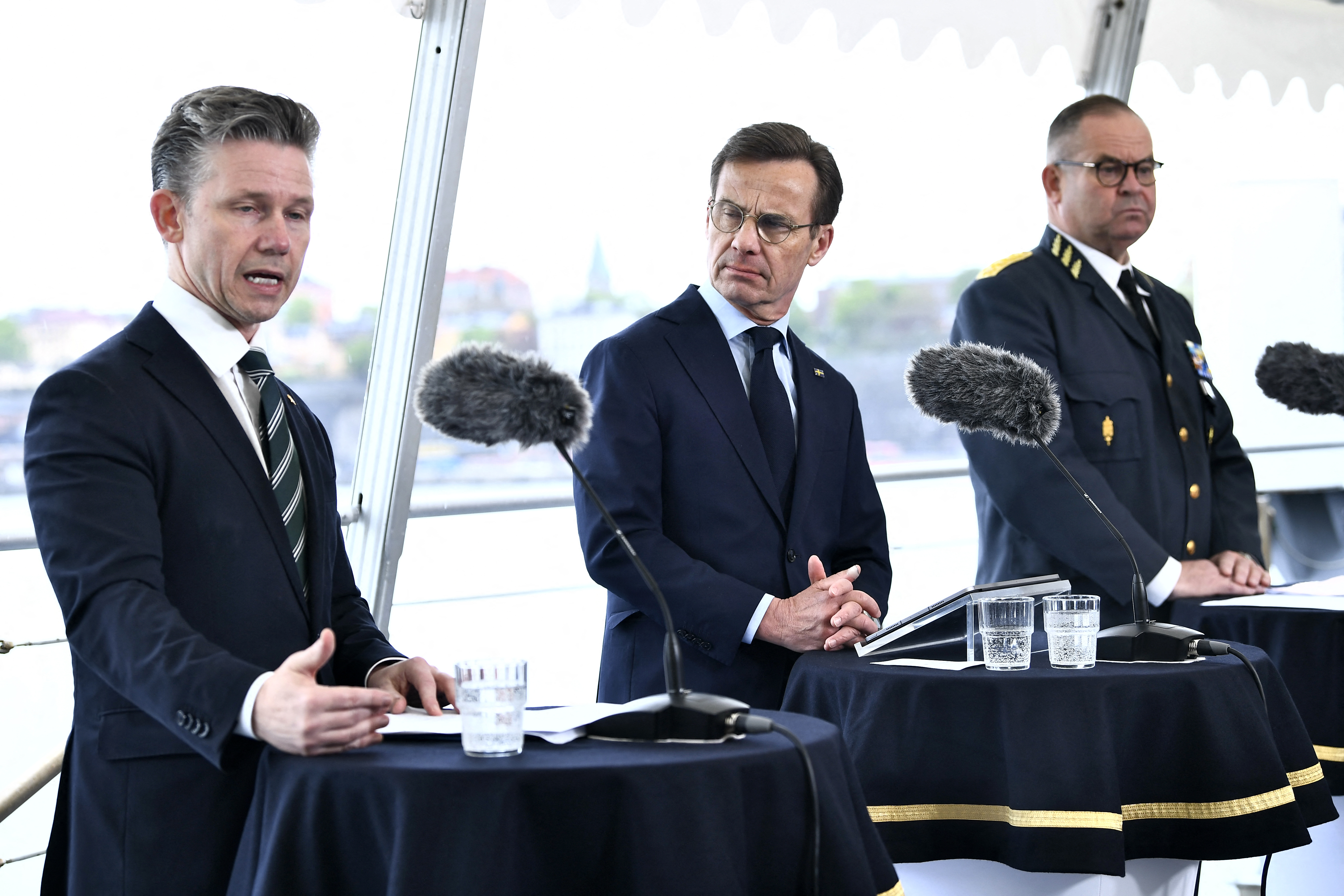
The announcement was made today on the deck of the stealthy Visby class corvette Härnösand. The Visby class is currently the largest surface combatant used by the Swedish Navy, but it will be dwarfed by the Luleå class. While the Visby class has a displacement of 705 tons and a length of 238 feet 6 inches, the French design has a displacement of 4,390 tons and is 400 feet 3 inches long.
According to reports, the Defense Materiel Administration (FMV), Sweden’s defense procurement organization, chose the French design primarily based on its advanced integrated combat systems and the maturity of the design. As you can read about here, the first example for the French Navy began sea trials in late 2024.

Thirdly, Sweden factored the speed of delivery into the equation. This last point reflects the urgency of the requirement, as the country looks to rebuild its naval power since joining NATO and against the resurgent Russian threat.
While Sweden had long been looking for a next-generation warship to follow on from the Visby class, it originally envisaged a more modest design, with four air defense corvettes based on the Visby design. Since then, the Russian full-scale invasion of Ukraine and Sweden’s joining NATO have changed the security landscape dramatically.
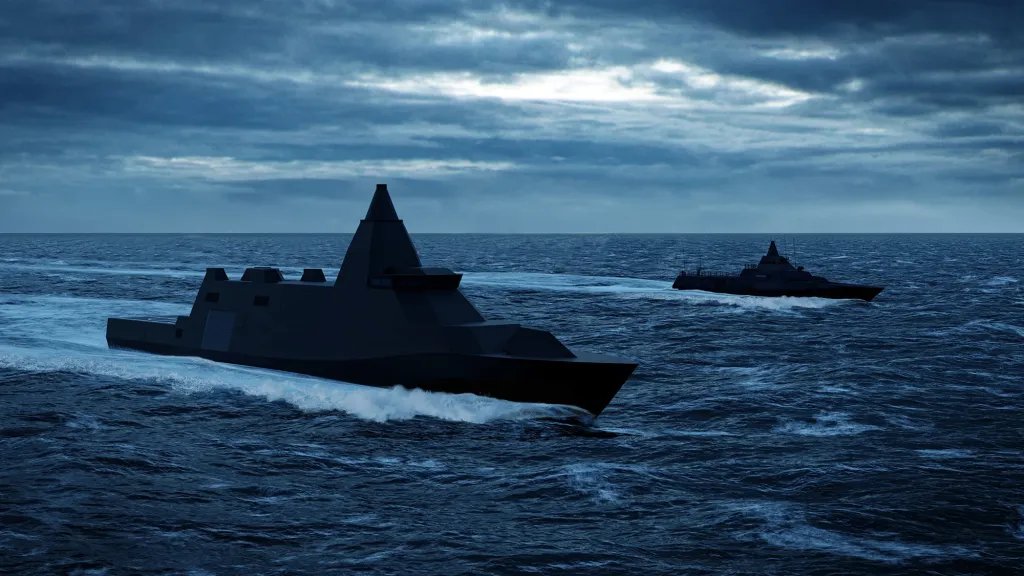
When it first pitched its FDI frigate for the program, France had offered to supply Sweden with the first fully equipped warship in 2030, a notably bold timeline. Unlike the rival offers, Naval Group is already building the FDI warships — meaning Frégate de Défense et d’Intervention, or Defense and Intervention Frigate — at its yard in Lorient. Sweden expects to receive one vessel per year starting in 2030.
Despite choosing an off-the-shelf foreign design, there will be industrial benefits for Sweden, with local defense contractors, in particular, Saab, involved in kitting out the warships.
Swedish Prime Minister Ulf Kristersson today heralded the selection of the new warship as “tripling the Swedish [ground- and surface-based] air defenses.” The frigates were always expected to focus heavily on anti-air warfare capabilities, something that’s of growing interest to the Swedish Navy and the importance of which has been underscored by recent conflicts.
For Sweden in particular, a new frigate with enhanced anti-air warfare capabilities will be better able to protect itself, other vessels, and even shore areas or islands, against threats from the air. The overwhelming numbers of crewed aircraft, drones, and missiles that Russia could potentially put up in a conflict involving Sweden have been a significant concern even before the country joined NATO.
The Luleå class will swap out some of the original French combat systems found in the baseline FDI frigate and replace these with locally made equipment.
However, for its critical air defense role, Swedish Minister of Defence Pål Jonsson confirmed that the Luleå class will be armed with two types of missiles from the pan-European MBDA. The first of these is the Aster 30, which, as we have described in the past, is the primary anti-air weapon of the French FDI. In its baseline form, the FDI hull can accommodate 16 Aster missiles in a pair of eight-cell launchers — later vessels will be able to carry 32 by doubling the number of launchers.
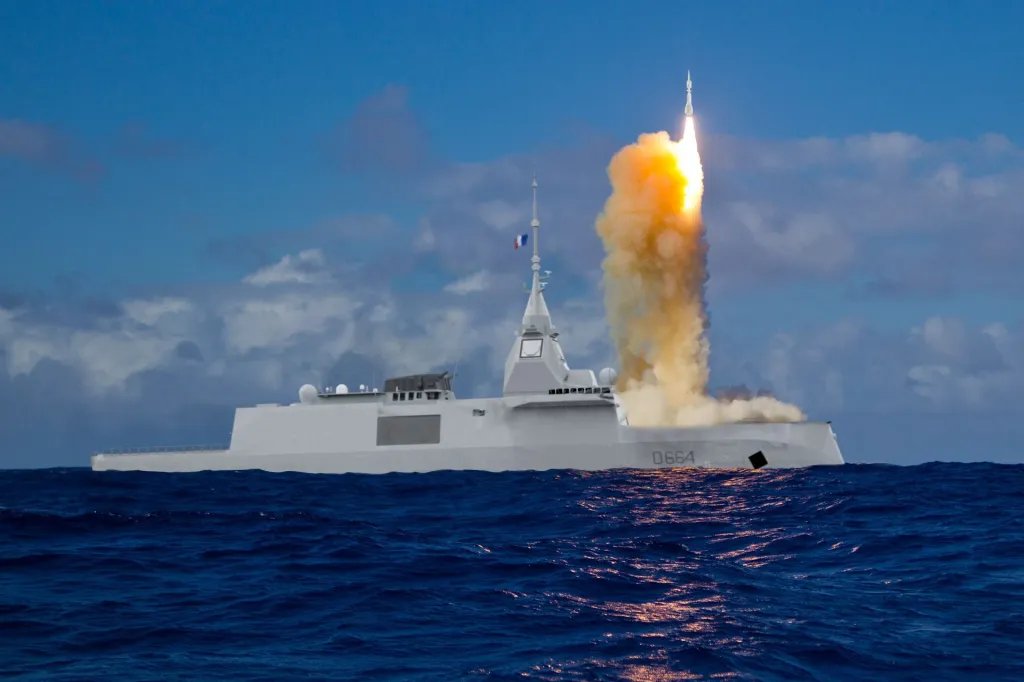
The Aster 30 is able to engage targets at more than 75 miles. Recent improvements to the Aster 30 include enhancing its capabilities against anti-ship ballistic missiles (ASBMs), a relatively new type of threat.
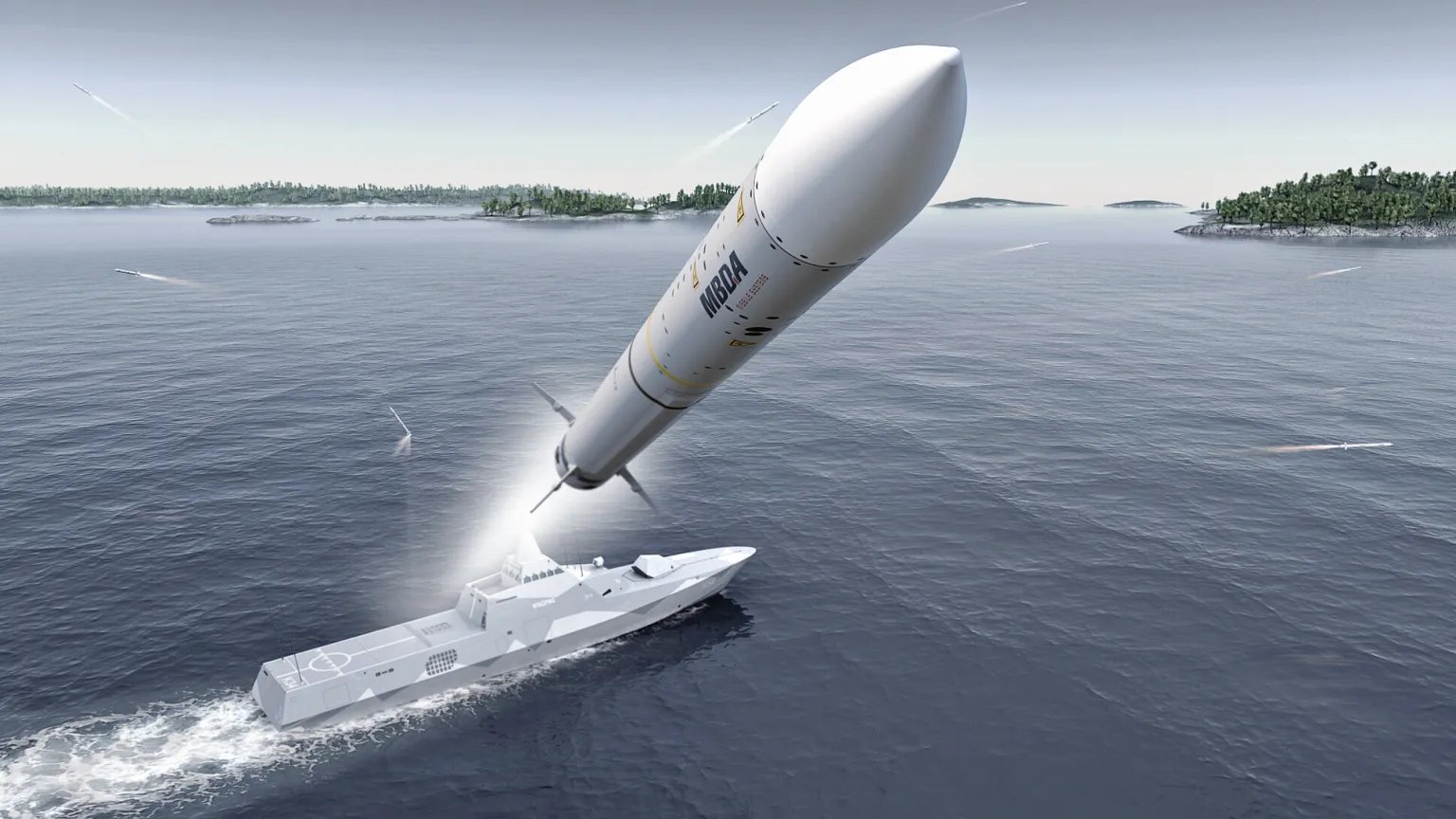
Aster 30 will be complemented by the CAMM-ER, the extended-range version of the Common Anti-air Modular Missile that is being added to the five Visby class corvettes, to expand their anti-air warfare capabilities. The CAMM-ER surface-to-air missile can engage a wide variety of threats out to a range of around 25 miles.
In terms of anti-ship missiles, the Swedish boats will carry the locally made RBS 15 instead of the MM40 Exocet on the French ships.

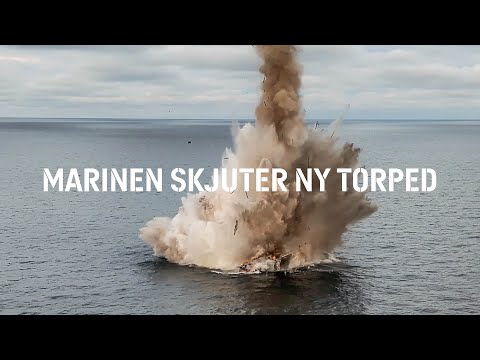
As well as an onboard helicopter, anti-submarine firepower will be entrusted to the Swedish Torped 47 instead of the MU90. This new, lightweight torpedo has recently been tested by the Swedish Navy, being fired from a corvette, and during live-fire exercises from a submarine, as seen in the video below.
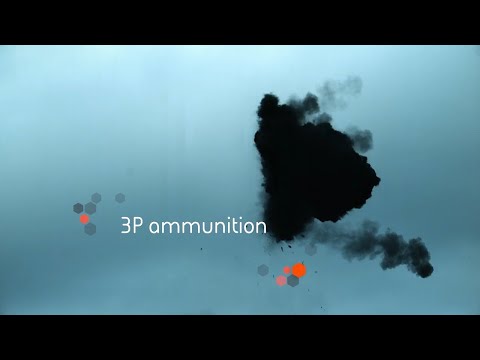
With its long track record of naval artillery, Sweden will provide the Bofors 57mm instead of the OTO 76mm, while the Bofors 40 Mk 4 will be used as the close-in weapon system (CIWS) in place of the 21-tube RIM-116 Rolling Airframe Missile (RAM). The Bofors 40 Mk 4 can fire Bofors 3P (Pre-fragmented, Programmable, Proximity-fused) ammunition, which can be programmed in six different modes to provide
optimised effect against different targets, including airbursts against aerial drones.
Smaller-caliber guns will be fitted in the form of the Saab Trackfire 12.7mm remote weapon stations (RWS), replacing the Lionfish 20 or Narwhal 20mm.
At this stage, it appears that the French-made SETIS combat management system will be retained on the Swedish warships and not replaced with a local equivalent, such as the Saab 9LV. However, the Sea Giraffe 1X radar, from the same firm, will reportedly be included in the sensor array. This would displace the original Thales Sea Fire radar found in the baseline FDI design and would extend air defense surveillance out to a significant range.
Choosing an existing French design means that Sweden will be able to share some of the costs of the program with other operators. As well as France, Greece is ordering the FDI design, and other potential customers include Sweden’s neighbor, Denmark. At the same time, operating common or very similar warship designs enhances interoperability, especially during joint operations.
The decision also further cements the military relationship between France and Sweden. Welcoming the Swedish choice, President of France Emmanuel Macron today wrote on X that it reflected the burgeoning defense partnership, which has also seen France select the Saab GlobalEye airborne early warning and control (AEW&C) to replace its E-3F Sentry Airborne Warning & Control System (AWACS) fleet, as well as Swedish participation in advanced deterrence. The latter refers to the forward deployment of nuclear-capable French Rafale fighters to Sweden, as European NATO members look at bolstering their deterrence capabilities independent of the United States.
For the Swedish Navy, the primary area of operation has been the Baltic theater, an area of resurgent strategic relevance, as the host to regular and sometimes hostile Russian military activity, maritime, airborne, and also increasingly in the ‘gray zone’ or hybrid warfare.
Once the new Luleå class frigates arrive, starting in 2030, according to plans, the improved capabilities of these powerful vessels will not only bolster Swedish Navy operations in its traditional Baltic area of operations but also out into the wider North Atlantic region, reflecting Sweden’s developing military ambitions as it becomes a more established NATO member.
Contact the author: thomas@thewarzone.com
Loading comments…
Comments couldn’t be loaded. Please refresh the page.