
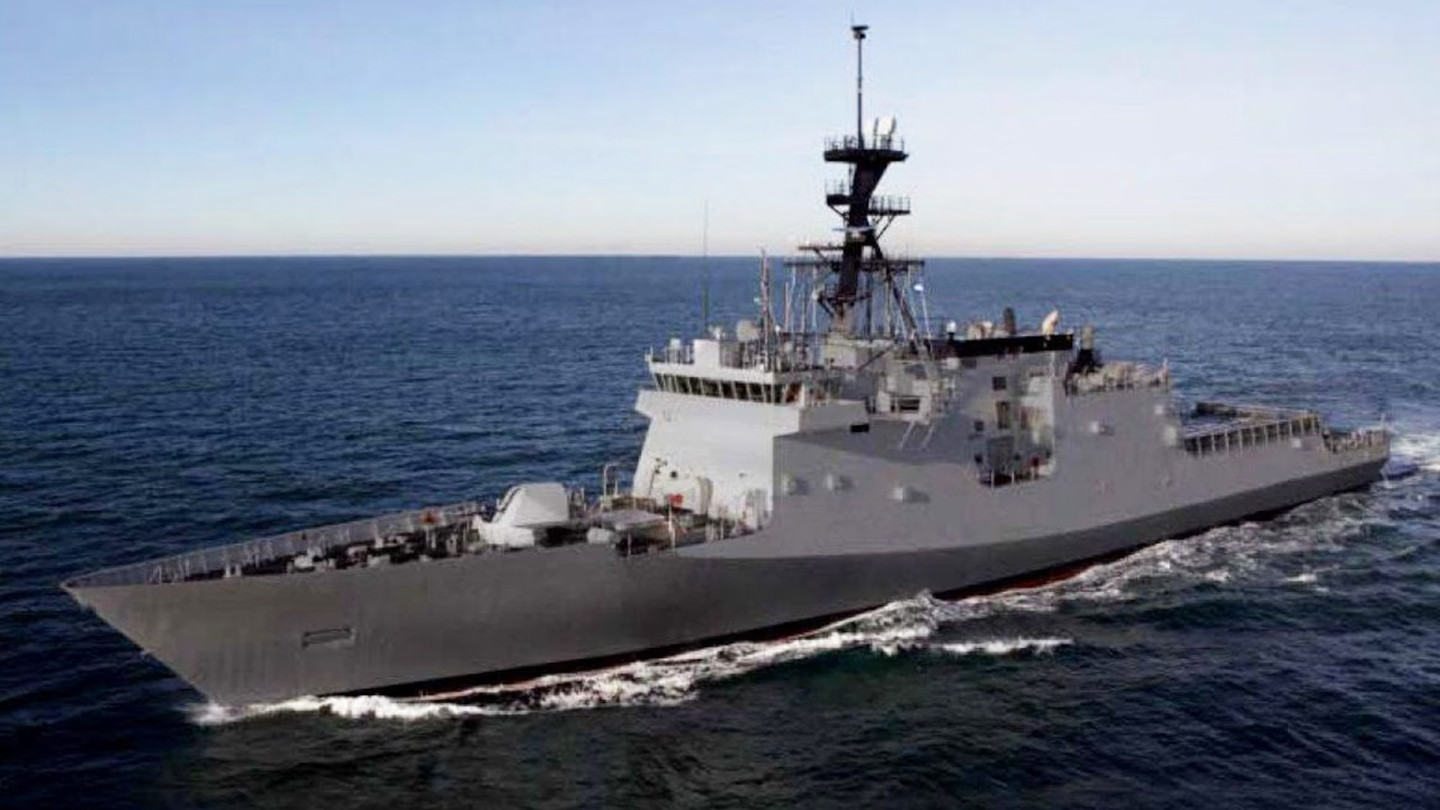
The U.S. Navy says it is aiming to have the first of a new class of frigates based on an existing American design “in the water” by 2028. The U.S. Coast Guard’s Legend class National Security Cutter is reportedly the basis for the design in question. This all follows a decision to cancel the Constellation class frigate, a program marred by major delays and cost growth, which has now further exposed a highly concerning gap in the service’s future force structure plans. Constellation, meant to right the wrongs of the disastrous Littoral Combat Ship (LCS) program by buying a largely off-the-shelf frigate, had turned into a boondoggle of its own.
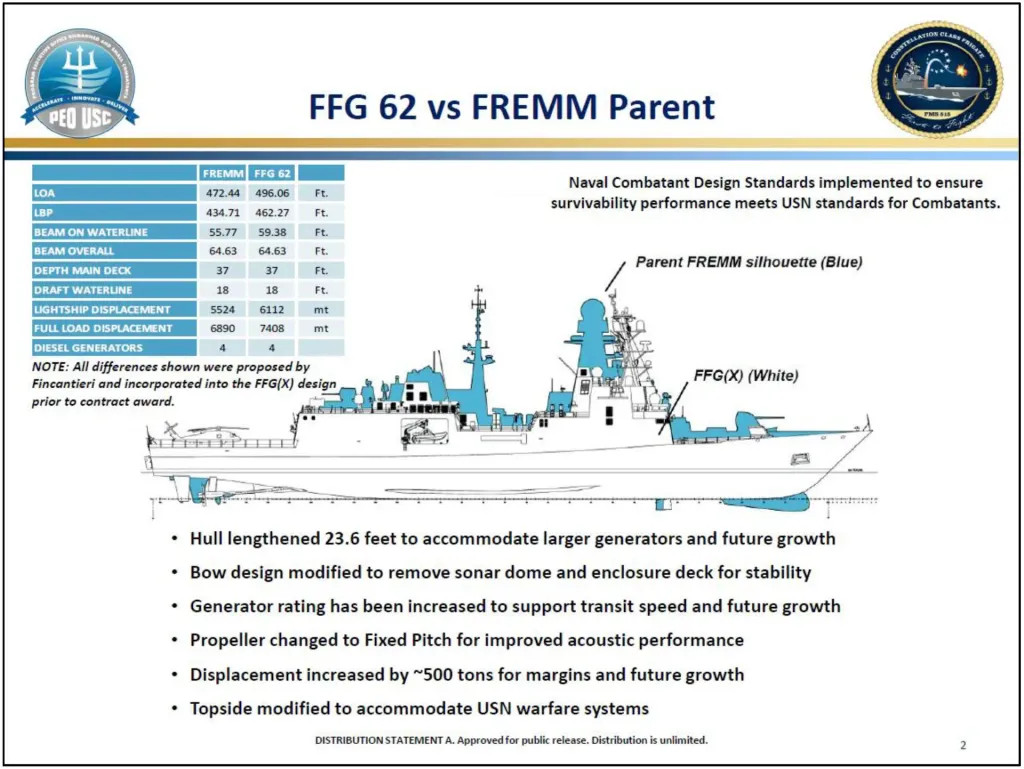
Navy Secretary John Phelan had announced the cancellation of Constellation just over two weeks ago. The Navy had awarded the first contract for a fleet of at least 10 of those warships in 2020. The service picked a design based on the existing Franco-Italian FREMM frigate, with the expectation that only relatively minor changes would be needed, and that this would help keep the program on track. However, over the past five years, the Constellation design morphed into almost a completely different vessel with only 15 percent commonality with its ‘parent.’ As of April, construction of the future USS Constellation was only around 10 percent complete, and the delivery timeline had slipped to 2029.

Finally deciding to axe Constellation, though driven by harsh realities, is the latest addition to now decades-long struggles the Navy has had in bolstering its surface fleets. As noted earlier, the frigate debacle follows on from the acquisition of two chronically underperforming classes of Littoral Combat Ships (LCS) and the decision to slash purchases of Zumwalt class stealth destroyers (also known as DDG-1000s) down to just three hulls. The service currently relies heavily on its Arleigh Burke class destroyers and Ticonderoga class cruisers, the last of the latter of which are set to be retired in 2029. As such, the service has a very pressing need for additional smaller, but more capable surface combatants, as well as more surface warships overall.
“We believe the future frigate can be in the water in 2028,” Jason Potter, the official currently performing the duties of the Assistant Secretary of the Navy for Research, Development, and Acquisition, told attendees at the U.S. Naval Institute’s annual Defense Forum Washington on Wednesday, according to Breaking Defense.
“We will be building a frigate. It will be based on an American design,” Phelan had said last weekend at the Reagan National Defense Forum, according to Defense One. “It is something we can build that we think, actually, will be done before the old Constellation.”
Phelan also said the follow-on frigate effort was part of a larger naval force structure and shipbuilding plan the Navy has been crafting under the current Trump administration, referred to as the “Golden Fleet.”
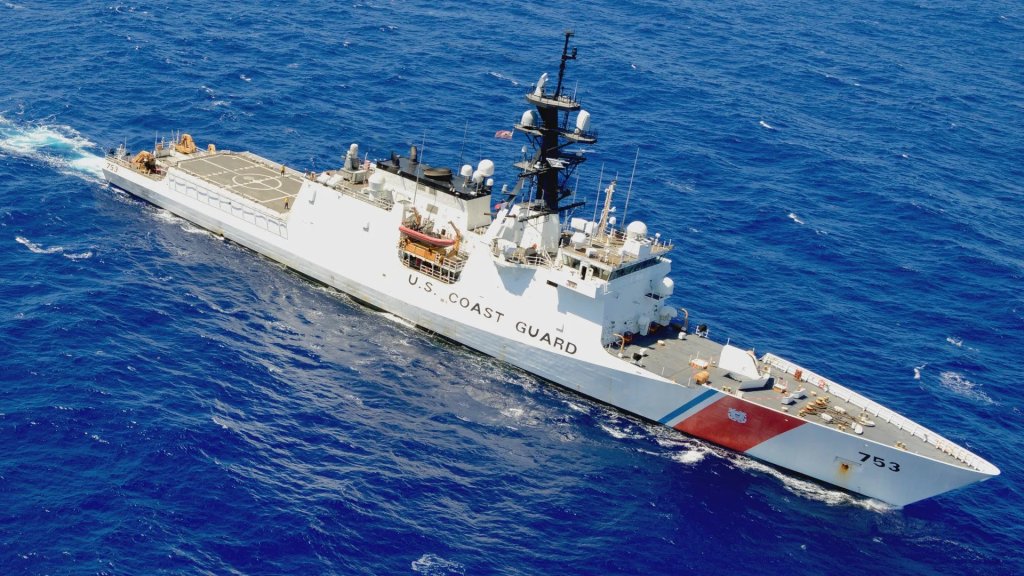
In addition, Breaking Defense reported that Phelan recently told individuals at a private dinner that the Legend class National Security Cutter, developed by U.S. shipbuilder Huntington Ingalls Industries (HII), would be the basis of the new frigate, citing two unnamed sources. That outlet said the Navy and HII declined to confirm or deny any connection between the National Security Cutter design and the post-Constellation frigate plans.
TWZ has also reached out for more information. In response to our queries, HII declined to speak to the Navy’s current frigate plans.
Starting with the National Security Cutter, 10 of which were built for the Coast Guard between 2005 and 2024, would not necessarily be a surprising choice. HII notably entered a variation of its Patrol Frigate concept, derived from the National Security Cutter, into the Navy’s FFG(X) competition that led to the Constellation class, something we will come back to later on.
As TWZ has explored in the past, the 4,600-ton-displacement Legend class ships are themselves modern and capable, and are intended for open-ocean ‘blue water’ operations. In Coast Guard service, the cutters have often operated far from America’s shores and regularly integrate with elements of the Navy and other branches of the U.S. military.
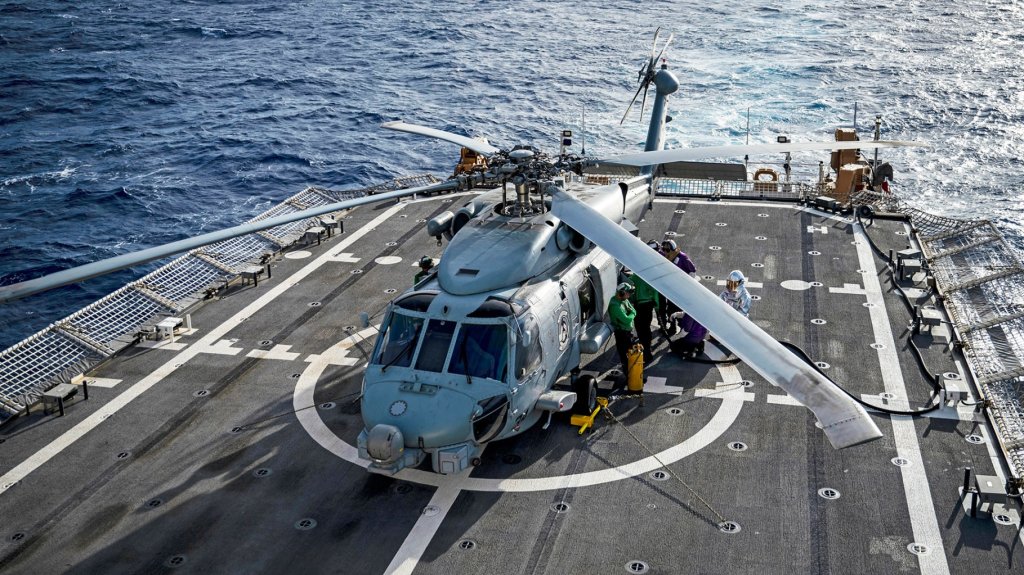
At the same time, the National Security Cutter design would have been modified significantly to meet Navy mission requirements for a frigate. The primary armament of each one of the Coast Guard’s Legend class cutters consists of a single 57mm gun in a turret on the bow. They also have a Phalanx Close-In Weapon System (CIWS) with a 20mm Vulcan cannon, and mounts for crew-operated machine guns at various points around the ship. The possibility of arming them with Harpoon anti-ship cruise missiles has come up in the past, but there has been no actual movement to integrate that capability.
In comparison, the Constellation class frigate design, with a displacement approaching 7,300 tons (at least per the original target), included a 32-cell Vertical Launch System (VLS) intended to fire SM-2 Block IIICs and Evolved Sea Sparrow Missiles (ESSM). These are both surface-to-air missiles. Some of those VLS cells were also expected to be loaded with a vertically-launched anti-submarine warfare weapon, likely a member of the RUM-139 Vertical Launch Anti-Submarine Rocket (VL-ARSOC) family or a follow-on design. All variants of the VL-ARSOC carry lightweight anti-submarine torpedoes as their payloads. There had been talk of integrating SM-6 multi-purpose missiles and Tomahawk land attack cruise missiles onto Constellation in the future.
There had been much discussion in the past about whether even the 32-cell VLS was sufficient for the Constellation‘s expected combination of anti-air, anti-surface warfare, and anti-submarine mission profiles, as you can read more about in detail in this past TWZ feature.
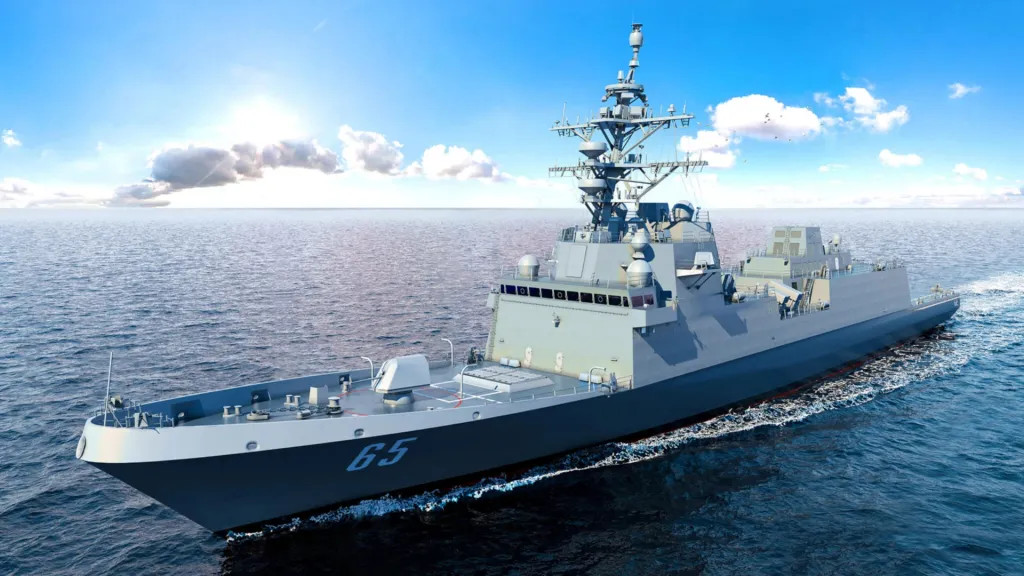
Beyond the VLS, each Constellation class frigate was set to be armed with launchers for 16 RGM-184 Naval Strike Missile (NSM) cruise missiles (which have anti-ship and land-attack capabilities), a single launcher loaded with RIM-116 Rolling Airframe Missiles (RAM) for close-in defense, a 57mm main gun, and mounts for multiple crew-operated machine guns.
Navy requirements for sensors and other systems missions, as well as other design features, would also differ from what the Coast Guard has laid out for the Legend class, which would require significant changes to the existing design. As one example, the Constellation class frigates were expected to feature a version of the Aegis Combat System, a key capability not found on the Coast Guard’s cutters.
There is also the matter of the Navy’s distinct shipbuilding and survivability standards for surface warships. Power generation, cooling, and even tweaks to propulsion could be needed.
It is important to remember, as mentioned, that a central factor in the collapse of the Constellation class program was the excessive changes between that design and the Franco-Italian FREMM (which stands for Fregata Europea Multi-Missione, meaning European Multi-Mission Frigate in English), from which it was derived. The Navy had expressly intended to reduce risks for that program by starting with a proven, in-production warship.
As mentioned, HII has already done significant design work on the Patrol Frigate concept over the past decade or so. HII has put forward multiple variations of that design, including ones with 12 and 16-cell VLS arrays, as well as various other weapons and mission systems beyond what are found on the Legend class configuration.

“Regarding the original frigate competition, we did bid a variation of the NSC [National Security Cutter] that was lethal, low risk, and affordable,” an HII spokesperson had told Breaking Defense when asked about Phelan’s reported comments. “We look forward to partnering with the Navy on designs for the ships they need.”
There is also a question of whether the Navy might be able to more directly leverage the Coast Guard’s National Security Cutter program in its new frigate plans. In June of this year, HII confirmed to USNI News that it had stopped work on what was expected to be the 11th member of the Legend class, set to be named the USCGC Friedman, following the settlement of a contract dispute with the Coast Guard. How far along work on that ship was at the time, and whether it would be feasible to complete it in a new Navy-specific configuration, is unclear. Fabrication of the future Friedman had started in 2021. In addition, Congress previously approved funding for the Coast Guard to purchase long lead time materials in relation to an option to buy a 12th Legend class cutter, which has never been executed.

The National Security Cutter’s career with the Coast Guard to date has not been entirely smooth sailing, either. The service has been open about the challenges it has been facing in operating and sustaining its Legend class ships.
“When a National Security Cutter pulls into port, we do a controlled parts exchange, which is a fancy term for cannibalizing our readiness,” Acting Coast Guard Commandant Adm. Kevin Lunday had said at the Navy League’s annual Sea Air Space conference earlier this year. “You can only cannibalize your readiness and eat your own readiness for so long in that downward death spiral, and that’s where we’re at.”
Lunday made clear that this was reflective of broader readiness issues facing his service, compounded by budgetary challenges. The Navy fielding a fleet of National Security Cutter-derived frigates might help here by spreading cost burdens differently across a shared supply chain. The Navy already has a history of cooperating with the Coast Guard on major shipbuilding efforts.
Though the Navy’s plan to use the National Security Cutter as a starting place for a new frigate does remain unconfirmed, it’s unclear what other options there might even be for a new warship in this category that is “based on an American design.” The U.S. subsidiary of Australian shipbuilder Austal and Lockheed Martin did compete for FFG(X) with expanded versions of their respective Independence and Freedom class Littoral Combat Ships (LCS). Lockheed Martin dropped out of the running early, reportedly because it could not rework the Freedom design enough to meet the Navy’s requirements. Austal USA had continued on, but the Navy passed on its offer, as well. Variations of the Freedom class LCS are still being built, including four Multi-Mission Surface Combatant (MMSC) derivatives for Saudi Arabia. The last Independence class LCS was delivered to the Navy earlier this year.
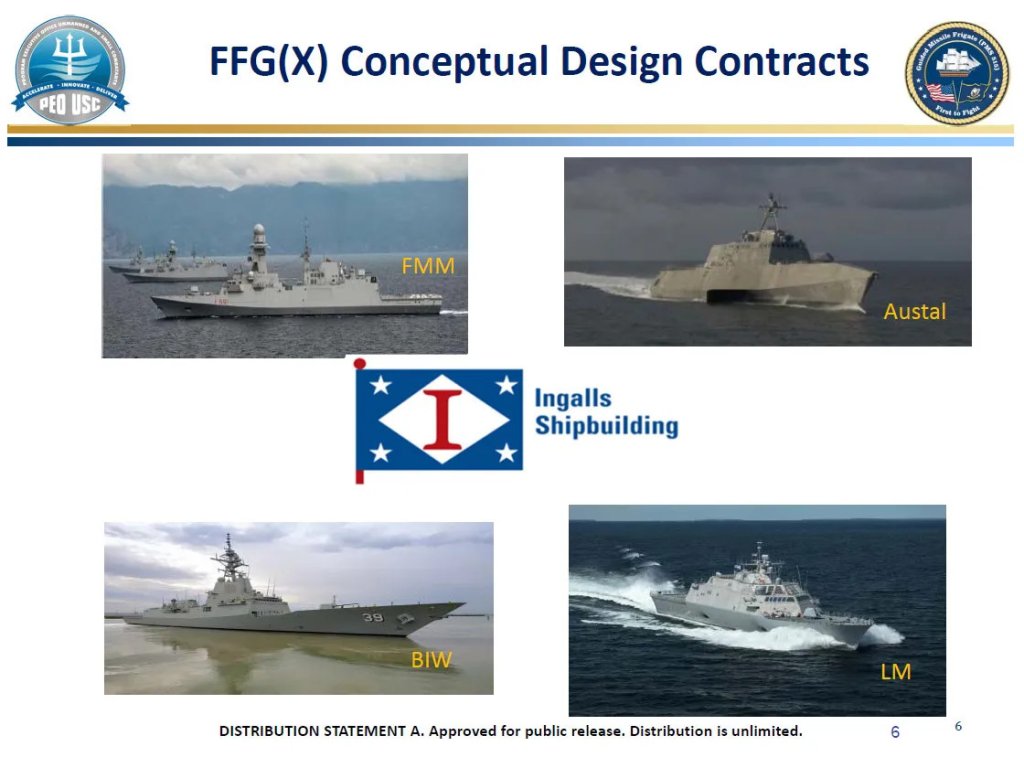
The FFG(X) effort was itself widely seen as a rebuke of the long-troubled LCS program. Independence and Freedom class ships have both suffered from a variety of major issues over the years that have called their basic utility into question, though the Navy has made certain strides in expanding their operational employment in recent years. This all underscores the Navy’s clear, continued desire for new frigates, despite Constellation‘s cancellation.
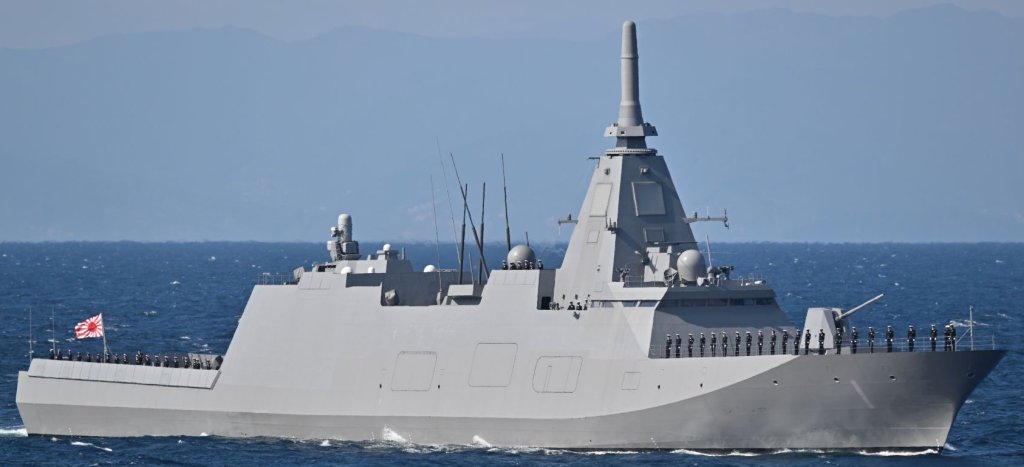
It should also be noted that there are several modern frigate designs available on the open market elsewhere in the world. Japan’s futuristic Mogami class stands out particularly in this regard, with examples of an expanded version with a larger 32-cell VLS array now being built and a historic export deal for additional hulls for Australia secured earlier this year. This means two U.S. allies in the Pacific are now set to have fleets of these ships, which could offer operational and sustainment benefits, especially in the context of a major conflict or other contingency that both nations might find themselves involved in. Finding ways to maximize that kind of commonality would also be advantageous for the U.S. Navy when selecting a new frigate.
There are two more frigate designs, the Type 26 and Type 31, in active production in the United Kingdom, and there are export orders for both on the order books already. There is also South Korea’s Daegu class, export versions of which are set to be built in Peru, and the F110 from Spanish shipbuilder Navantia, among others.
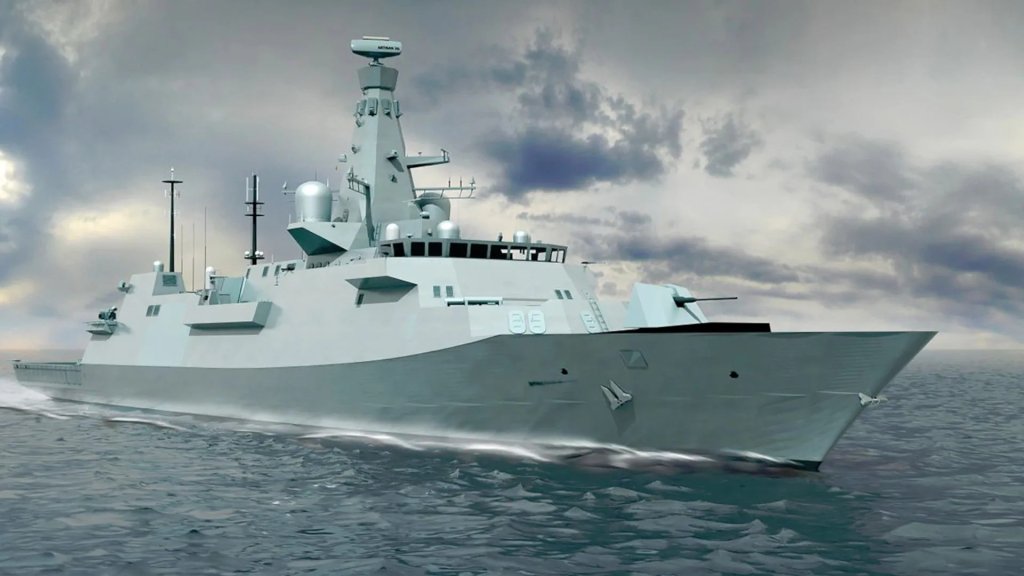
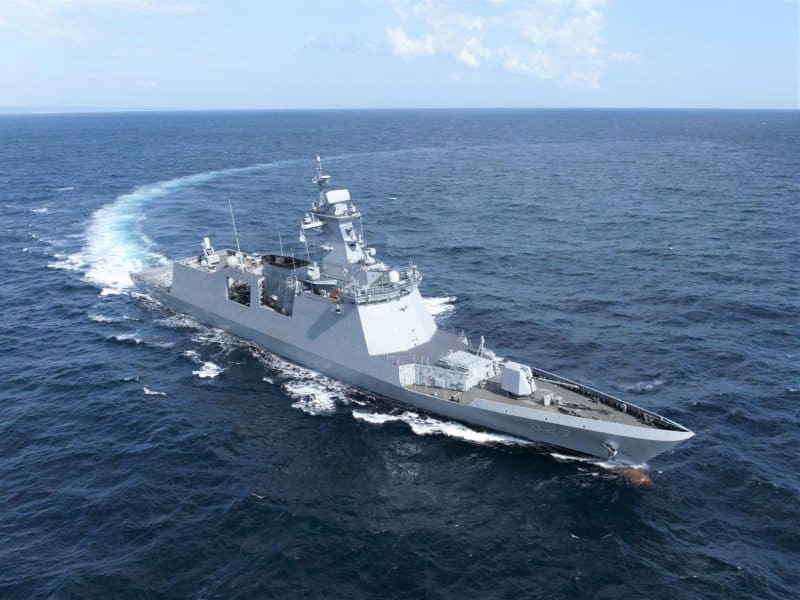

A version of the Type 26 now in development for Canada, called the River class, as well as the F110, both notably feature the Aegis Combat system, as well as versions of Lockheed Martin’s still very new AN/SPY-7 radar. It’s also worth pointing out that the Canadian armed forces also refer to the future River class warships as destroyers rather than frigates, reflecting a particular view of their expected capabilities and mission sets. In the context of the U.S. Navy’s new frigate plans, being able to leverage an existing design that already has key desired systems baked in, at least in certain subvariants, could be highly beneficial. Integrating Aegis, and the radar arrays that go along with it, in particular, is a major design driver for any warship, and having to modify an existing type to incorporate those features would come along with costs and complexities.
This all can only prompt questions about whether the Navy may be hamstringing itself now by centering its new frigate plans on an existing American design. The U.S. shipbuilding sector, overall, faces significant challenges at present, especially around workforce retention, after decades of contracting in size. This contributed to delays with Constellation, and continues to impact other Navy shipbuilding programs. These issues have become increasingly concerning from a broad national security perspective, especially given the huge gap now that exists in shipbuilding capacity compared to that of China, and the U.S. government has been trying to take steps to reverse the worrisome trends. The prospect of leveraging foreign yards to help build future Navy warships, as well as sustain existing fleets, has been raised. American authorities have also been courting foreign investment in the shipbuilding industry in the United States. A U.S.-South Korean trade agreement announced in November notably included a pledge by the latter country to pump $150 billion into America’s shipbuilding sector.
Given what happened with the Constellation class, any future Navy frigate program is likely to face significant scrutiny, including from Congress, in general, and be seen as a major test of the service’s ability to avoid past pitfalls. Since he was confirmed to the post in March, Navy Secretary Phelan has been consistently pledging to shake up how the service buys ships and submarines, especially when it comes to accelerating delivery timelines and cutting costs.
“The requirements are going to be put in and done before we start building the first one,” Phelan also said about the new frigate plans at the Reagan National Defense Forum this past weekend, according to The Washington Times. “When we start building the first one, any change order will have to be put through me.”
“The Constellation class frigate was canceled because, candidly, it didn’t make sense anymore to build it,” Phelan also said. “It was 80 percent of the cost of a destroyer and 60 percent of the capability. You might as well build destroyers.”
Locking in the design of any future class of frigates for the Navy, and doing so relatively quickly, will be absolutely key to avoiding what happened with Constellation. This, in turn, will require the service to accept the fact that frigates are not destroyers, and the tradeoffs and risks that come with that, especially when it comes to potentially employing the ships more independently in a higher threat environment.
How the Navy proceeds in its push now to right the wrongs of the Constellation class program, and have the first example of a still sorely needed class of new frigates launched by 2028, will be an area of keen interest going forward.
Contact the author: joe@twz.com
Loading comments…
Comments couldn’t be loaded. Please refresh the page.