

German defense manufacturer Rheinmetall has confirmed that a batch of Lynx KF41 infantry fighting vehicles will arrive in Ukraine “in the coming weeks.” While a single example has already been provided for evaluation, the next five vehicles are expected to make the type’s combat debut. The KF41 variant was unveiled in 2018 and is otherwise only used by Hungary. Its future success could depend on how it fares on the battlefield with the Ukrainian Armed Forces.
Rheinmetall announced yesterday that five KF41s funded by the German government will soon be in Ukraine, in line with a contract signed last month.
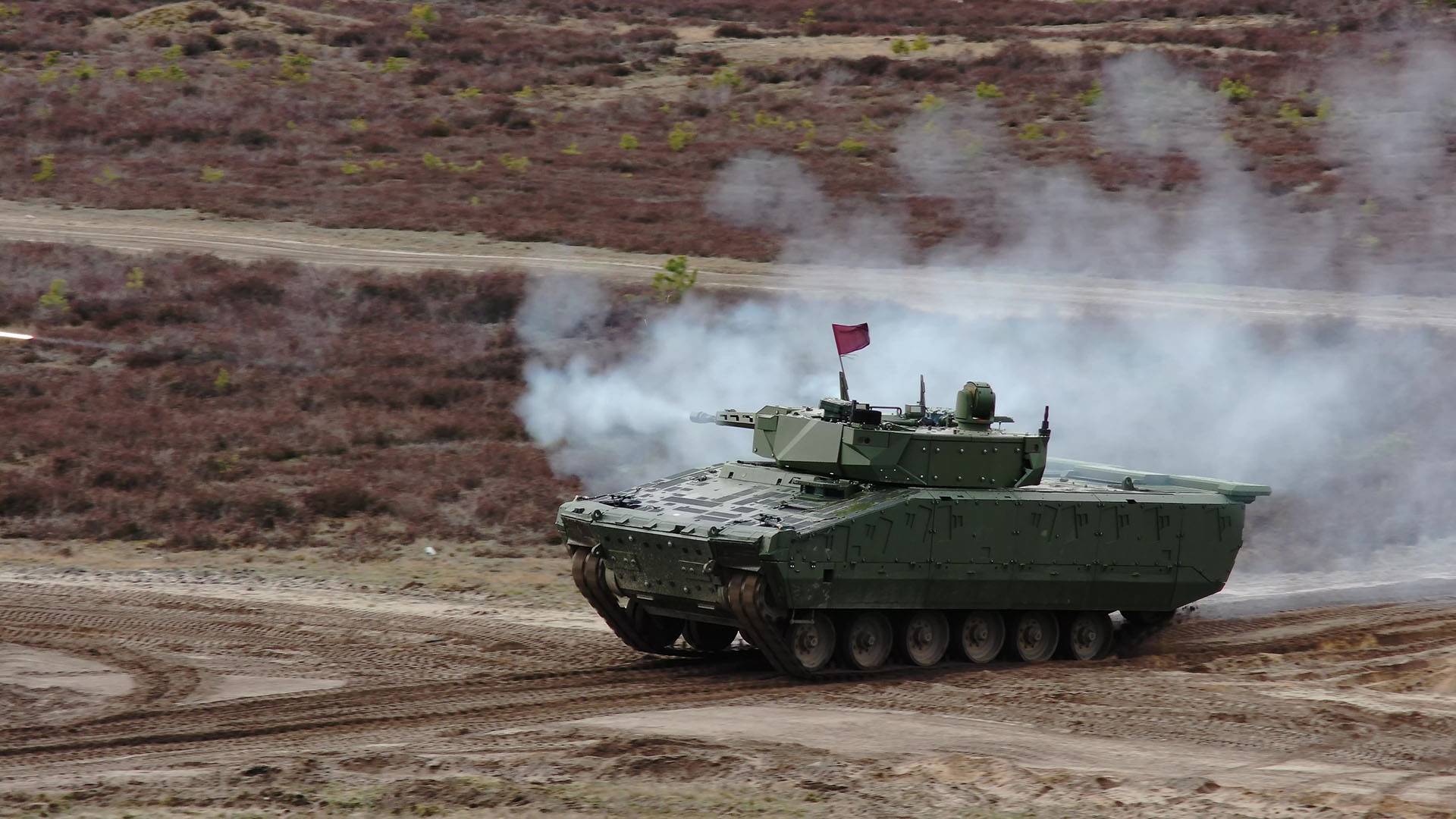
“We are grateful for the trust that Ukraine has placed in us,” Rheinmetall CEO Armin Papperger said in a company statement. He also thanked the German government for paying for the initial batch.
The value of that contract is not known but is reported to be in the “mid-double-digit million-euro range.”
More important is the potential for much larger procurement by Kyiv, potentially including setting up a Ukrainian production line.
Ukraine made the decision to acquire the KF41 following the testing of a single evaluation example that was delivered in late 2024.
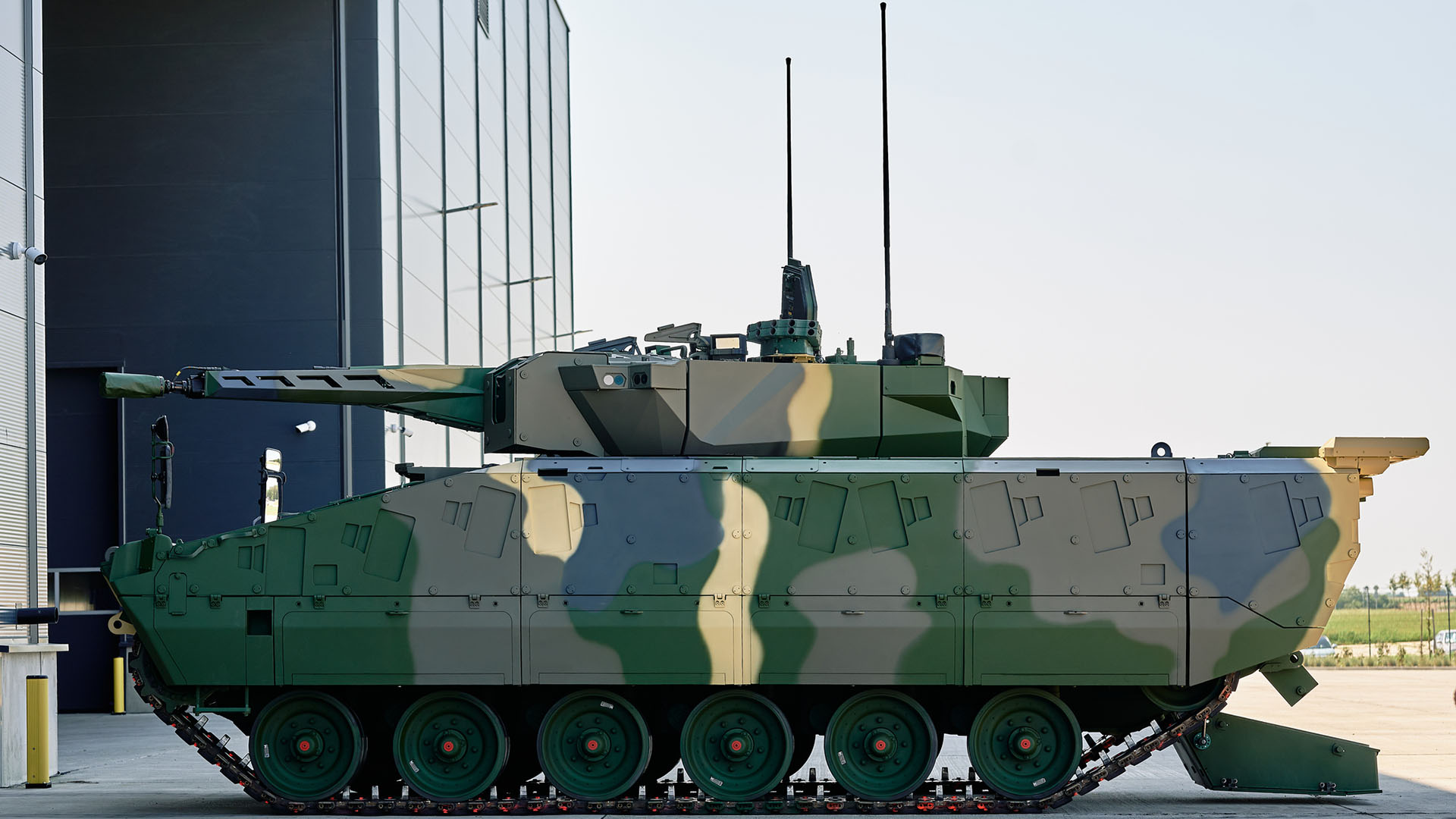
It’s also noteworthy that the version of the KF41 now headed to Ukraine has been specially adapted to local requirements. This includes a two-person Lance turret and other changes.
The exact configuration of the Lance has not been revealed, but this is a highly modular turret that can accommodate a variety of weapons and sensors and is available in crewed and uncrewed configurations. So far, Lynx versions have appeared with Lance turrets armed with 30mm or 35mm autocannons.
There is also provision for an anti-tank guided missile launcher, which has been demonstrated with a pair of Israeli-made Spike-LR missiles. Other payloads include small drones or loitering munitions, or additional equipment, while a coaxial 7.62mm machine gun is also a normal fixture.

Overall, Rheinmetall’s Lynx was designed with modularity in mind so that it can readily accept different mission modules to perform different roles. The company began work on the vehicle in 2015, originally as a competitor to the Puma, which the German Army eventually selected as a successor to its Cold War-era Marder infantry fighting vehicle.

The company developed the Lynx with an eye toward the export market and uses a greater number of commercial-off-the-shelf automotive parts and other existing components to reduce overall cost and potential strains on logistics chains.
So far, however, the two major variants the company has shown publicly, the KF31 and KF41, are relatively similar.
The KF41 has a larger overall configuration, though, with a weight of around 44 tons, almost 10 tons heavier than the KF31 and even bigger than the Puma in its base configuration.
Within these main versions, Rheinmetall has also offered a variety of mission-specialist Lynx vehicles. These include a mortar carrier, heavy fire support vehicle, self-propelled anti-aircraft gun with Skyranger 30 air defense turret, command and control vehicle, reconnaissance vehicle, recovery vehicle, and ambulance. Any of these could also be attractive to Ukraine, with a common platform offering logistics advantages as well as economies of scale.
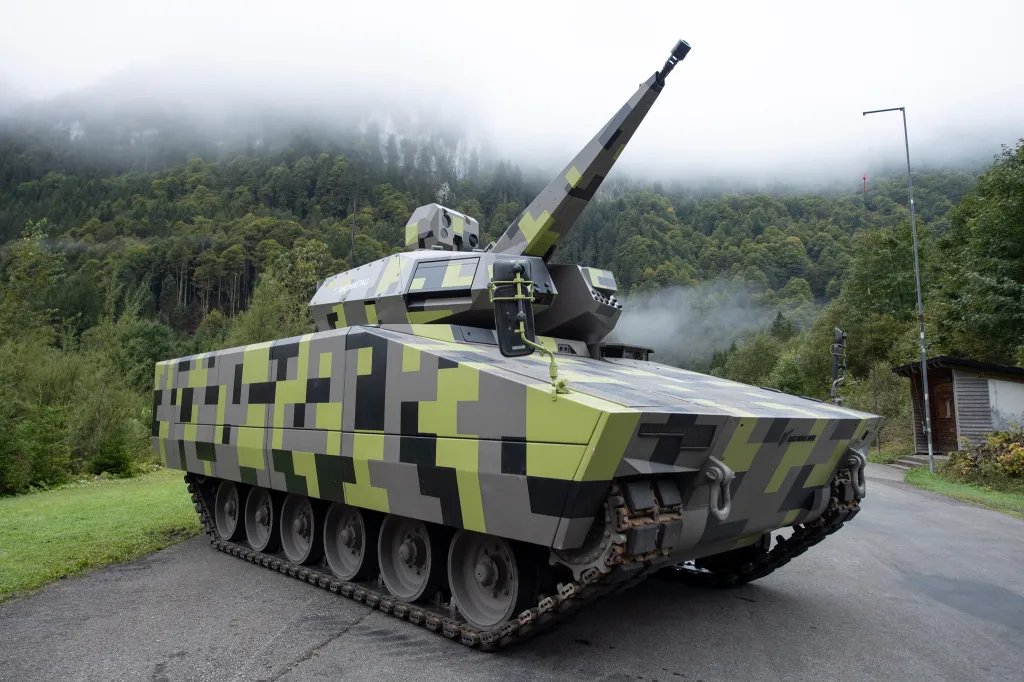
Otherwise, the KF41 has a standard crew of three as well as provisions to transport a squad of up to eight infantry. Like most modern infantry fighting vehicles, the Lynx is provided with sufficient firepower to engage enemy infantry as well as lightly armored targets.
As well as the standard attributes of mobility and firepower, the design of the Lynx focuses on a high level of protection to defend against certain anti-armor weapons, medium-caliber ammunition, artillery shrapnel, and bomb blasts. There is also the option to add active protection systems if specified by the customer.
The vehicle can reach speeds of up to 50 miles per hour.
Almost exactly a year ago, Rheinmetall’s Papperger announced that a single KF41 had been delivered to Ukraine at the end of 2024.
This first evaluation vehicle was produced at Rheinmetall’s factory in Unterlüß, Germany.
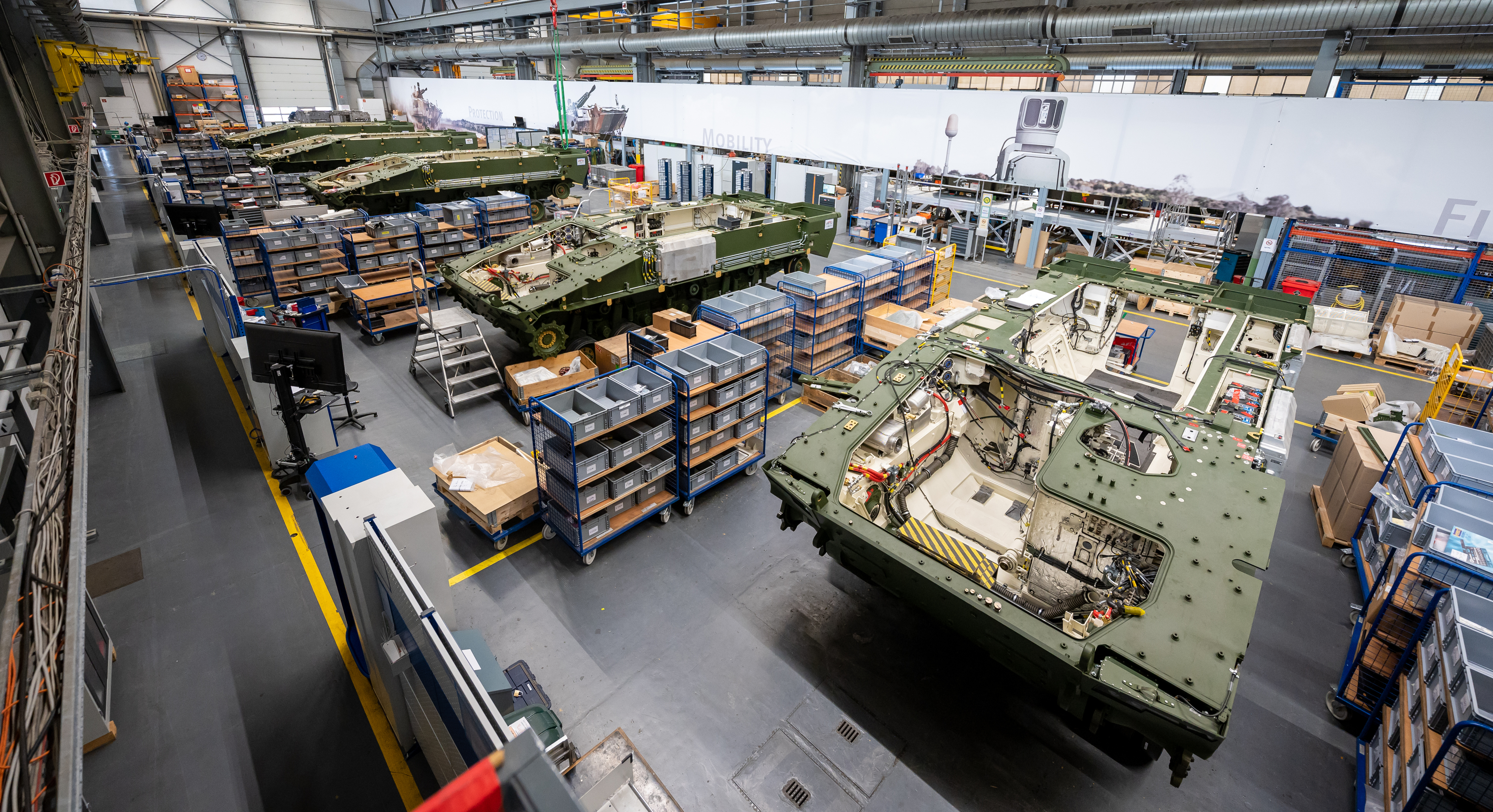
However, in the future, additional KF41s could be manufactured in Ukraine.
In 2023, Oleksandr Kamyshin, Ukraine’s then-Minister of Strategic Industries, announced plans for joint production of the vehicles with Rheinmetall.
This was followed up in November of last year by Papperger proposing Ukrainian production lines for the Lynx, as well as the Fuchs and Panther vehicles. This would be broadly in line with a similar arrangement that Rheinmetall implemented in Algeria.
As it stands, Ukraine will become the second country to introduce the KF41 to service, following Hungary, which received its first vehicles last December. These were manufactured in a purpose-built Rheinmetall facility in Szeged, Hungary.
The Lynx KF41 in Hungarian Army service:
The payment of the first batch of Ukrainian KF41s by the German government underscores the military support that Berlin has provided to Kyiv since the start of Russia’s full-scale invasion. As of October last year, German military aid to Ukraine amounted to more than $23.3 billion.
German military equipment transferred to Ukraine includes surplus Marder infantry fighting vehicles, as well as secondhand Soviet-designed BMP-1s that previously served with Germany but were later donated to Greece and Slovakia and then passed on to Ukraine with Berlin’s approval.
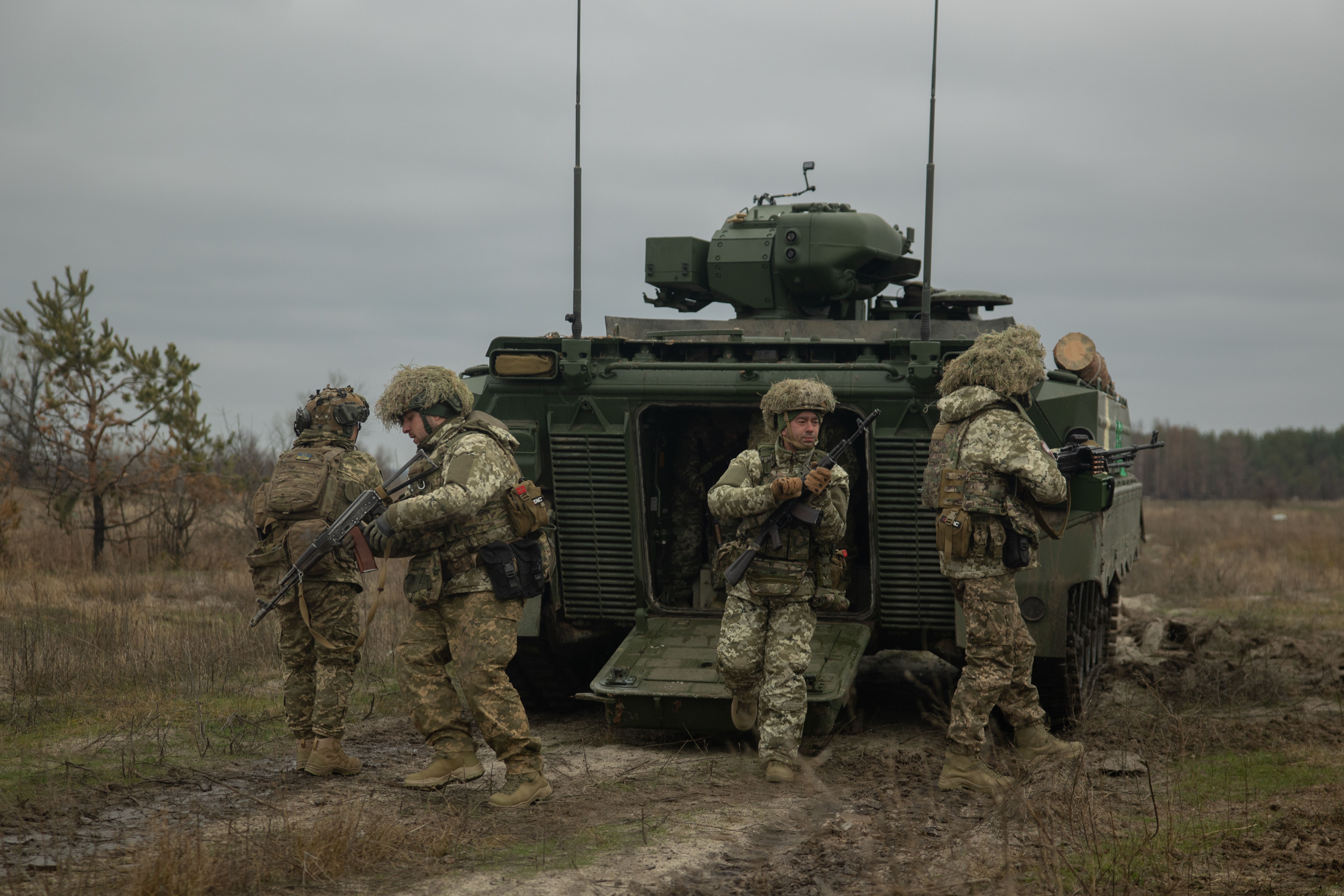
The case of the KF41, however, is somewhat different, since it is the first time that Germany is providing a vehicle in this class that is brand-new; in fact, not even in service with the German military.
Rheinmetall clearly sees a market for a new-generation infantry fighting vehicle, optimized for export, to challenge more established designs like the U.S. Bradley and the Swedish CV90.
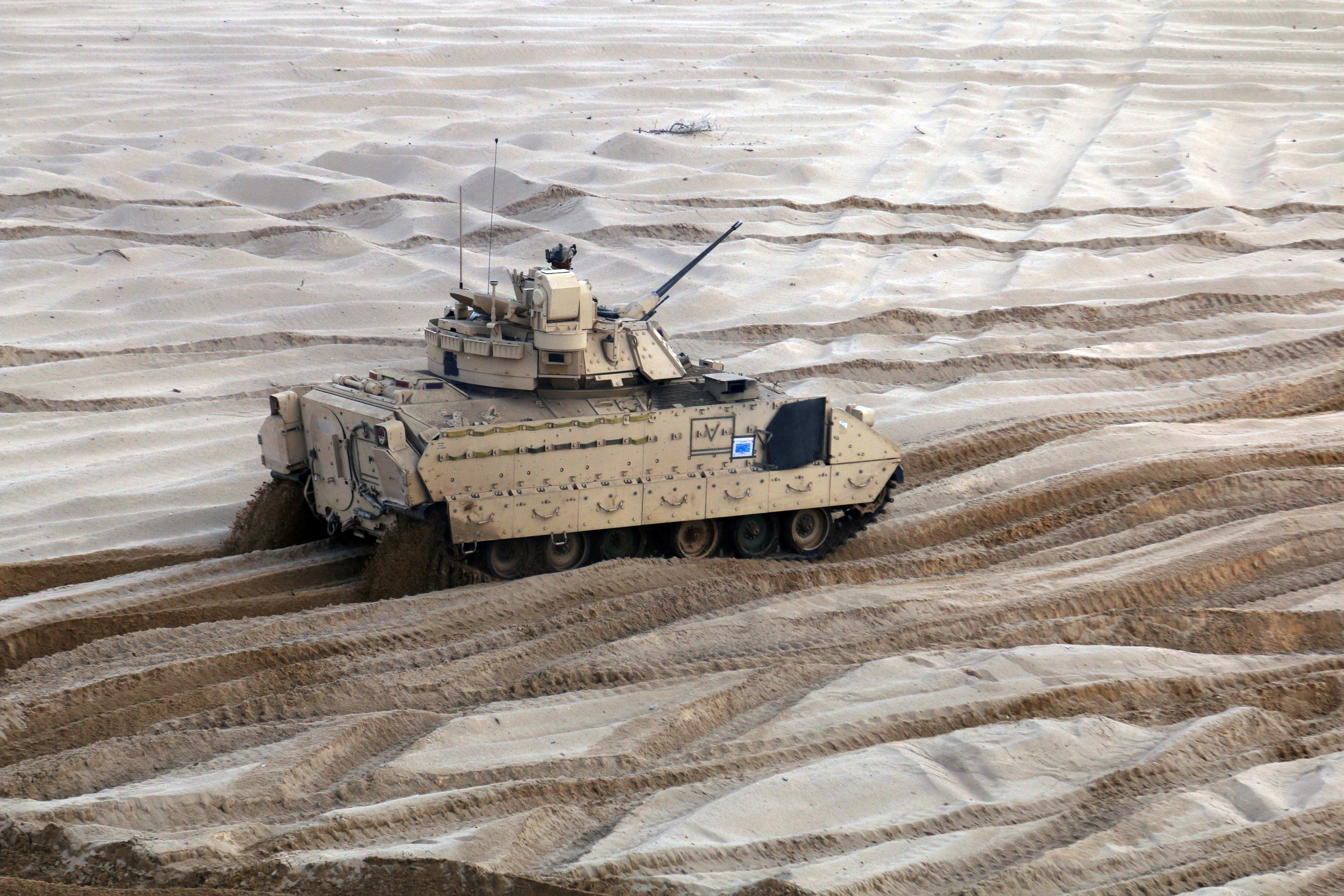
As far as the Bradley is concerned, a version of the Lynx is also in the running to replace this vehicle with the U.S. Army. Under the Optionally Manned Fighting Vehicle (OMFV) program, or XM30, American Rheinmetall Vehicles and General Dynamics Land Systems are each building a prototype. Two previous efforts to replace the Bradley — the Future Combat System (FCS) program and the Ground Combat Vehicle (GCV) program — were cancelled.

Already, the Lynx has been connected with around a dozen potential customers, but aside from Ukraine, only Hungary and Italy have so far placed firm orders. Much, therefore, could rest on whether the KF41 proves a success in Ukrainian hands, something that we might start to learn before too long.
Contact the author: thomas@thewarzone.com
Loading comments…
Comments couldn’t be loaded. Please refresh the page.