
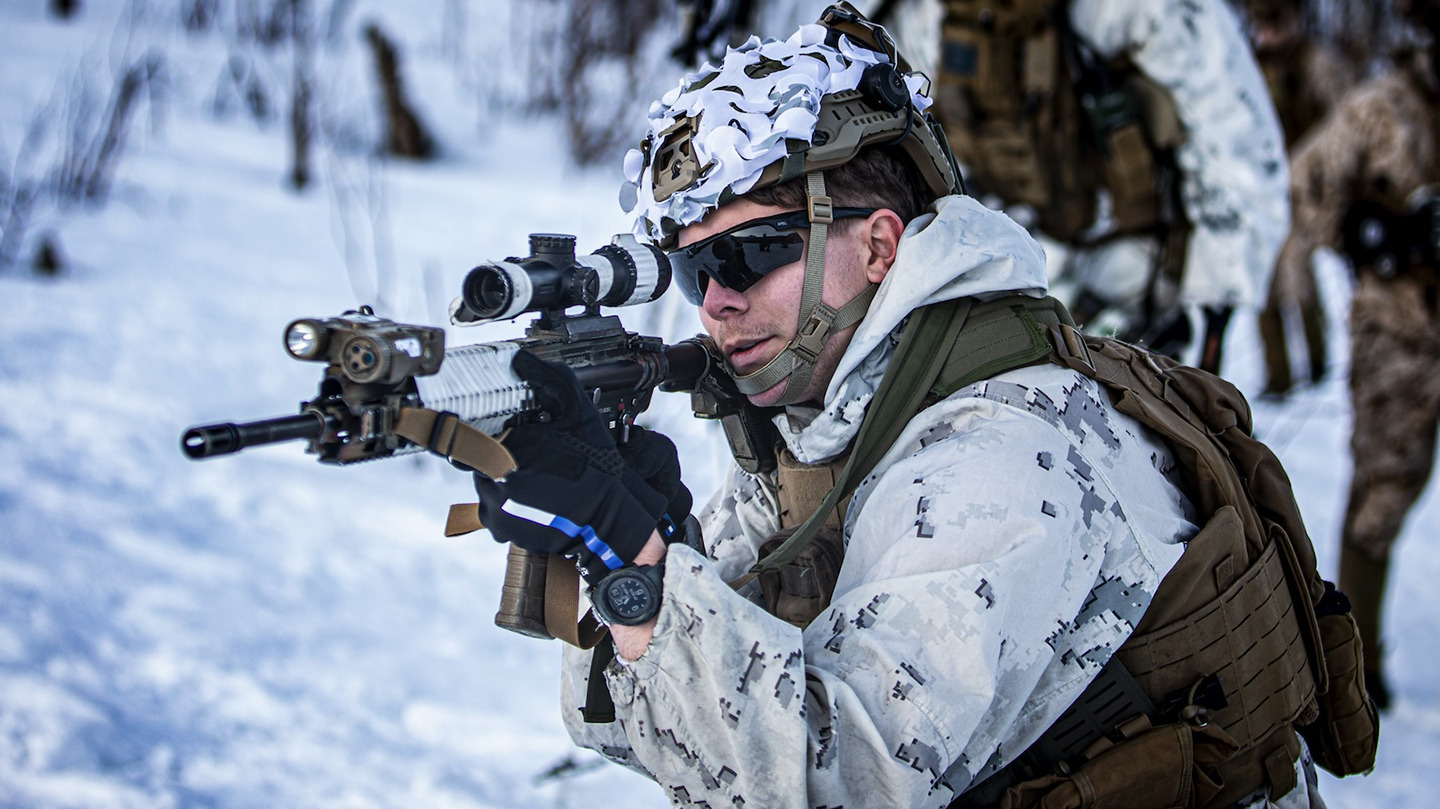
The Finnish Army, reacting to a query from The War Zone, is pushing back on a published statement that its forces were asked to “go easy” on U.S. troops during a major joint military exercise in the Arctic last year. That claim, made in a The Times story on Jan. 21, went viral on social media and it comes at a time when the U.S. military’s ability to operate at scale in the frigid north remains very much a work in progress.
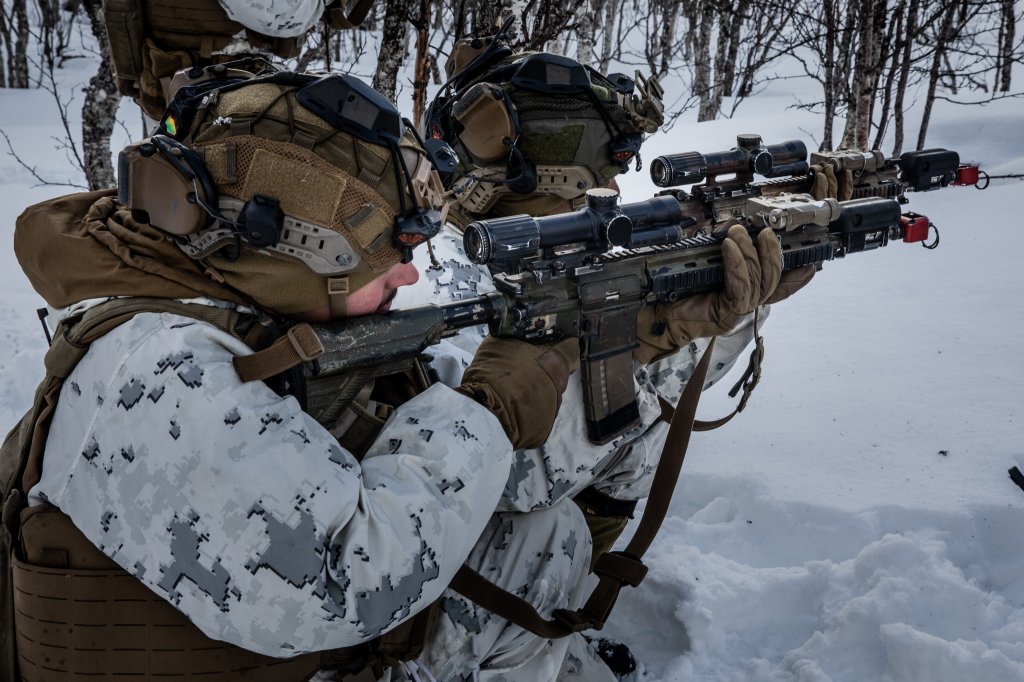
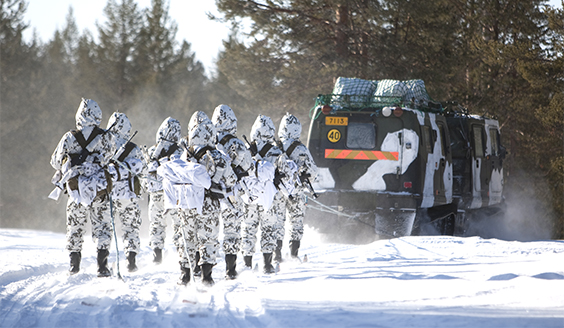
The exercise in question was last year’s iteration of Joint Viking, which focuses on cold-weather training and military-to-military engagement in the ever-more-strategically important Arctic region. In total, more than 10,000 soldiers from nine countries: Norway, Finland, the UK, France, Germany, the Netherlands, Belgium, Canada, and the U.S. participated. The Pentagon sent Marines and sailors from the 2d Marine Division and 2nd Marine Logistics Group and soldiers from the Army’s 1st Battalion, 6th Field Artillery Regiment, 41st Field Artillery Brigade.
The controversy was sparked by a story about whether Greenland is “really in danger of being overrun by Russia and China,” as U.S. President Donald Trump has repeatedly claimed. The American leader has made subsuming the Arctic island a centerpiece of his foreign policy.
The Times of London suggested that the U.S. is not currently prepared to adequately fight in the region. The publication cited an incident from Joint Viking 2025 as an example. From that story:
“Most telling is that the US has little in the way of suitable military resources or experience for the Arctic. It is, for once, European Nato allies, especially the Scandinavians and Britain, who have Arctic-ready forces.
One military source noted that in last year’s Joint Viking exercise in northern Norway, American troops struggled.
Exercise commanders had to ask Finnish reservists, the most formidable Arctic warriors, who were playing the role of invaders in the war games, to go easy on the Americans. “The Finns had to be told to stop beating the Americans as it was embarrassing and demoralising for them,” a military source said.”
You can see videos from that exercise below.
After The Times story was published, it reverberated across social media. The posts generated more than three million views, largely chiding the U.S. military at a time when Trump was roiling NATO allies with talk of controlling Greenland.
In response to a query from The War Zone, Finland’s Jaeger Brigade unequivocally denied going soft on U.S. troops.
“We do not recognize the type of situation having occurred as was described in The Times, according to which Finnish troops would have been asked to lower the pressure in the exercise,” said the brigade, also known as the Jääkäriprikaati in Finnish.
Moreover, the unit, Finland’s only participant in Joint Viking 2025, said they were not even conducting opposition force activities.
“The Finnish force operated in the exercise with the U.S. force on the same side,” we were told.
It remains unclear who served as an opposition force (OPFOR) for elements of the exercise, or how that was conducted. We have reached out to the Army, Marines and Norway for comment.
It’s really important to note that these kinds of viral claims/stories are fairly common, and usually can be debunked from the get-go. More often than not, they clearly fundamentally misunderstand how exercises work and why they even exist at all, as well as their common structures.
Exercises are designed to accomplish a set of learning objectives and teachable moments, as well as refine skills and provide usable experience that often can’t be replicated in smaller training events. This includes, in many cases, interoperability with other units and allies. They are carefully tailored to do all this and to maximize the benefits they provide, which helps justify their high costs. As a result, it’s very uncommon that these events are just all-out warfare between two forces.
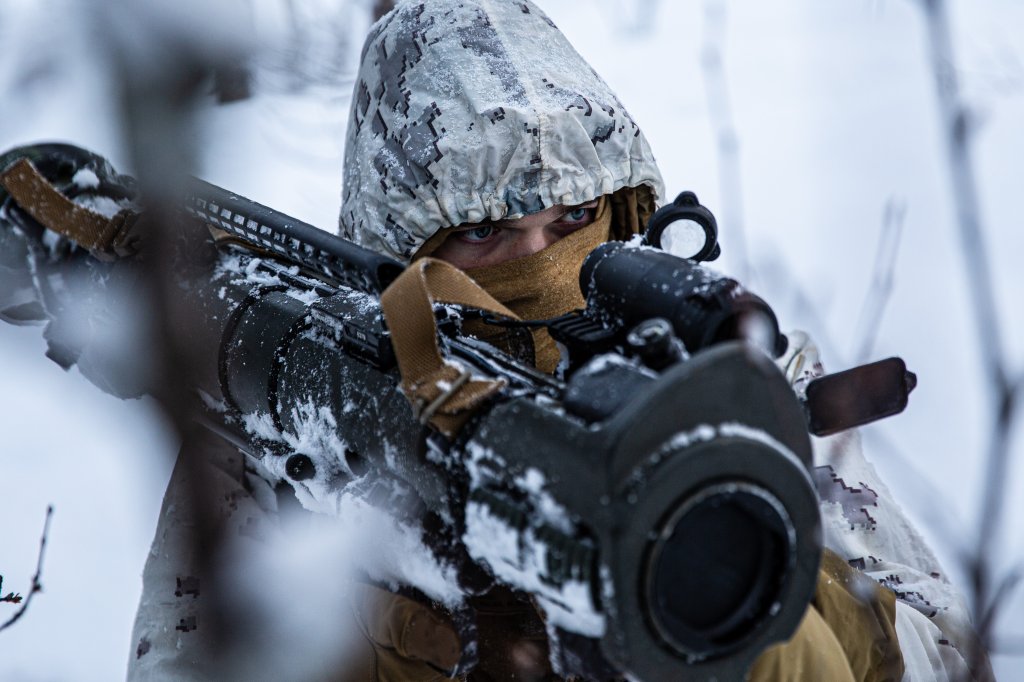
Because exercises are often misunderstood by the public, anyone ‘losing’ can be painted in a poor and often outright inaccurate light. Restrictions on capabilities and movements can put one side at a disadvantage on purpose to achieve the intended lessons and to gain desired experience.
The most prevalent examples of this kind of misunderstanding are HUD videos or images of an inferior fighter aircraft with their gun pipper on a superior one. This often leads to hyperbolic claims and declarations about aircraft and their abilities that spread across social media and the mainstream media landscape. Without full context of the setup for the training evolution, such assumptions are totally erroneous.
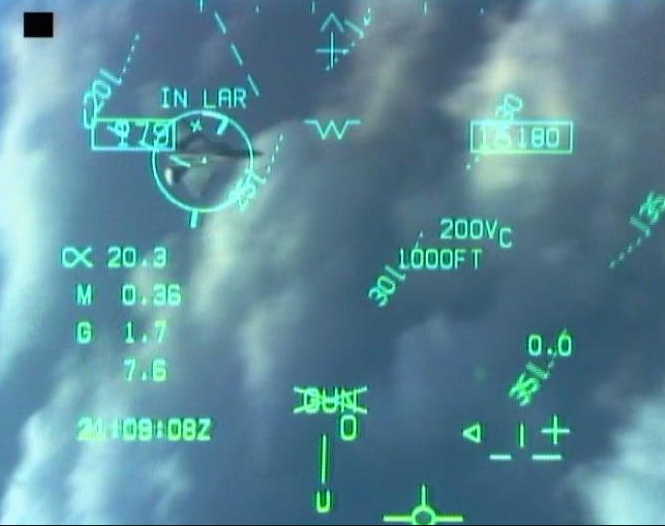
Oftentimes one aircraft will be weapons and sensors restricted and/or starting in a purely defensive position. This lopsided situation can more easily end in a kill by the inferior aircraft, but that is not understood from just a video clip or still image that exists without context. Nor is the reality that fighter-versus-fighter combat tells a tiny part of the story about the overall abilities of the fighter and the force it is part of. In other words, these aircraft do not fight alone in real combat, they benefit from expansive data networking, support aircraft, and employ combined arms tactics that accentuate their positives and blunt their negatives.
The same can be said for land warfare exercises, where anecdotal and often unattributed claims turn into blanket statements of fact in the public’s eyes.
All that being said, it is undeniable that the U.S. does have a lot of learning to do in order to fight effectively in the High North at scale. This is not a surprise, and hence one of the primary reasons for this exercise.
In a release as Joint Viking 2025 was underway, the Army said the training, led by the unit’s NATO winter instructors in partnership with the Norwegian Army, “was designed to provide foundational skills that allow Soldiers to excel and achieve their mission in extreme cold weather conditions.”
Instruction “included classes on cold weather injury prevention, arctic terrain analysis, cold weather maintenance and improvised shelter construction,” the Army added.
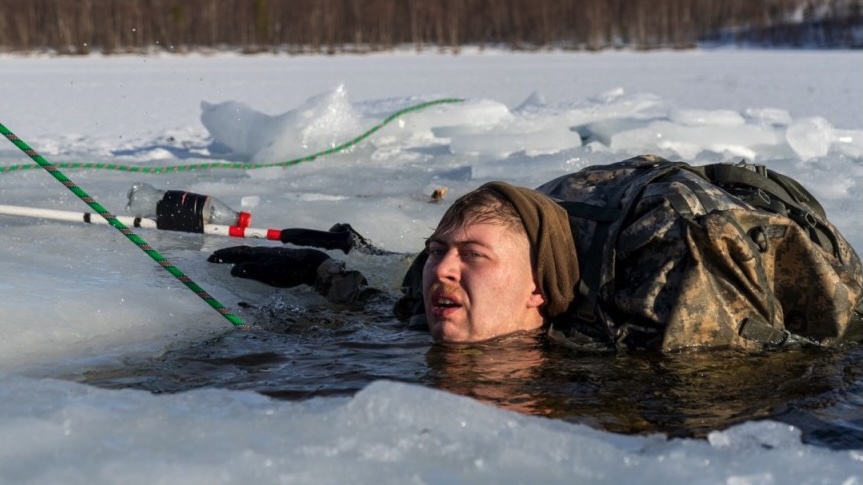
The U.S. Army has acknowledged the difficulty of operating in the harsh Arctic environment that the Finns and Norwegians call home. During the Association of the U.S. Army Conference in 2023, senior Army officers and civilians gave a blunt assessment of the difficulties the service faces operating in the High North.
The military and civilian leaders highlighted how extremely cold temperatures and basic geography mean units in the frigid region face unique equipment-related and logistical problems with everything from satellite communications to just keeping batteries charged. Many operational tasks, including setting up artillery positions, conducting basic first aid, and just moving from point A to point B, are also much harder than they would be at lower latitudes.
For Scandinavian troops, these are routine operations, and their membership in NATO is lauded by the alliance as tensions with Russia across Europe mount.
“With the accession of Finland and Sweden to the Alliance, most Arctic states are now NATO members,” a NATO spokesman told us. “That’s an incredible strength for our organization, and for transatlantic security.”
The spokesman declined to comment on The Times’ claim because it was a Norway-led exercise.
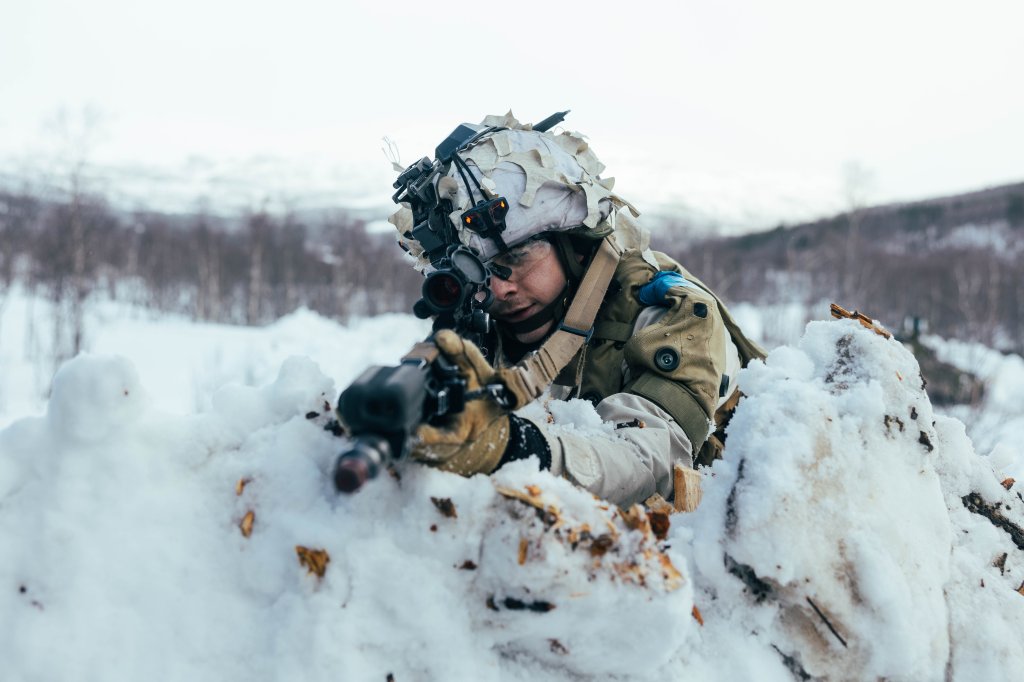
Regardless of how exactly this exercise went down, operating in the Arctic is only going to become more critical. The U.S. and its allies, as well as China and Russia, are all eyeing a greater presence in this increasingly important, but desolate region.
Contact the author: howard@thewarzone.com
Loading comments…
Comments couldn’t be loaded. Please refresh the page.