
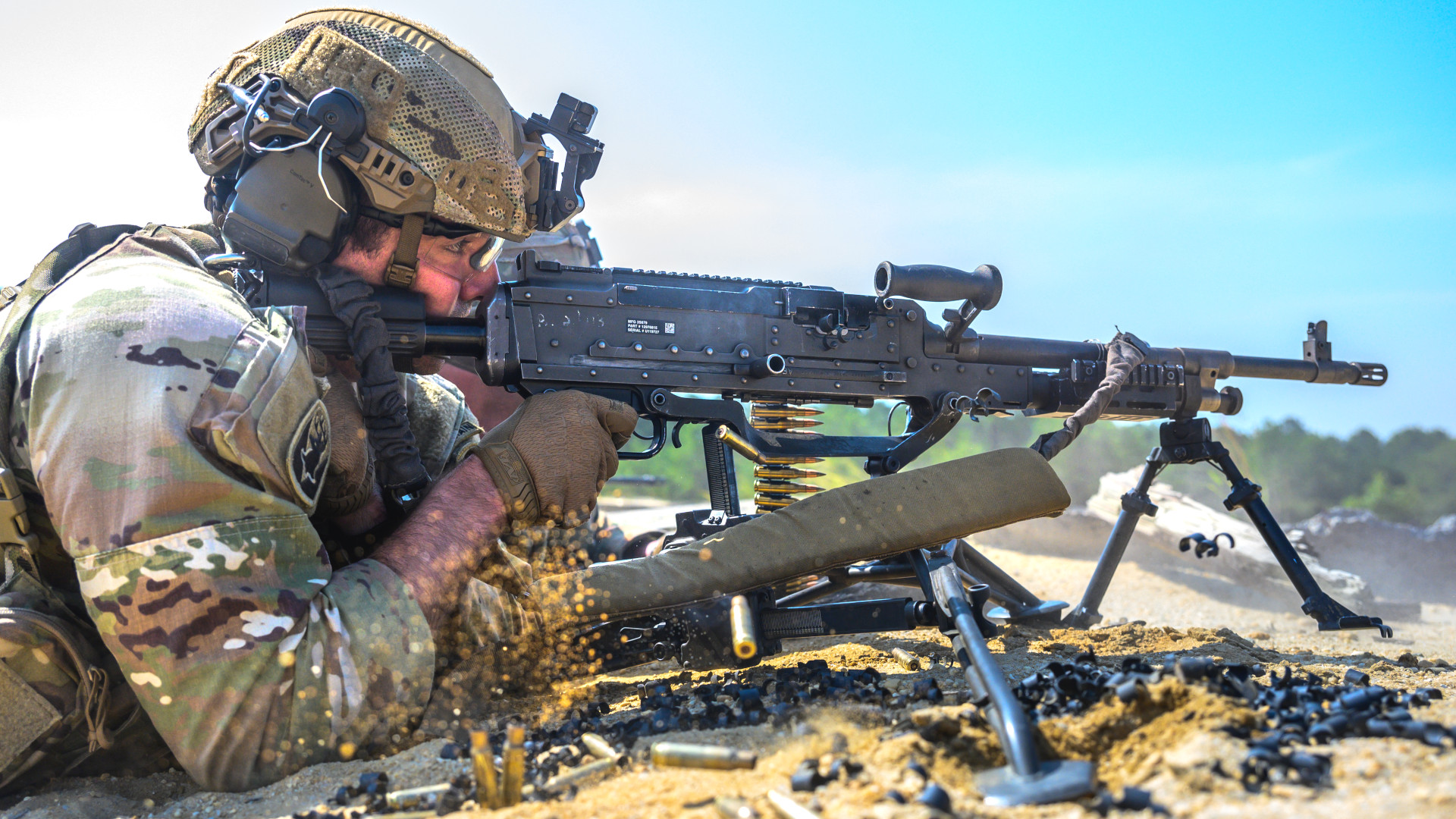
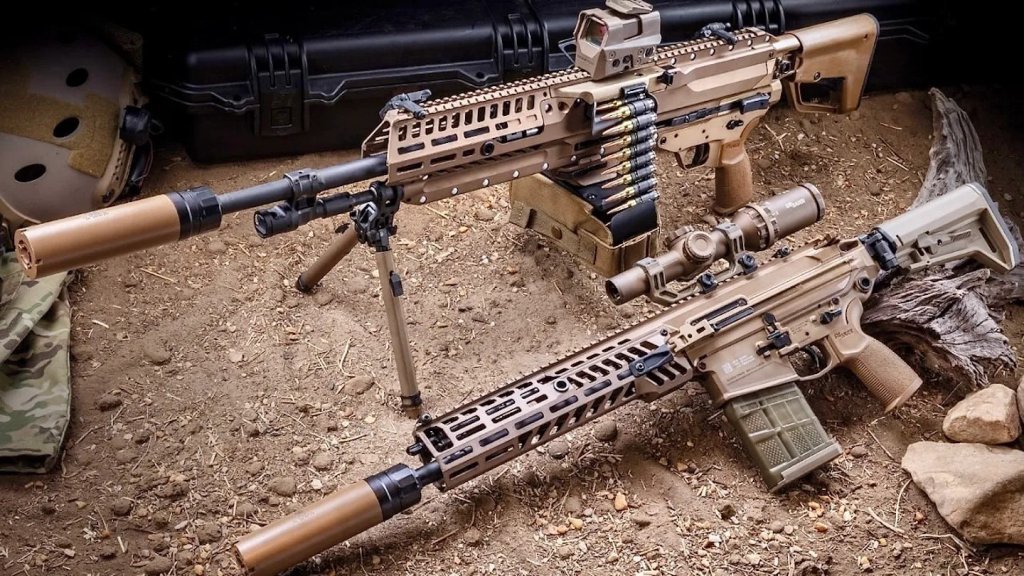
The U.S. Army is now formally working toward replacing at least a portion of its 7.62x51mm M240 machine guns. Earlier this year, the service had expressed interest in a new machine gun chambered for the .338 Norma Magnum cartridge, which would offer considerably greater range than existing M240s. It has also been looking at rechambering M240s to fire the same 6.8x51mm ammunition as its new M7 rifles and M250 light machine guns, or even replacing some of those guns directly with M250s.
The Army’s recently released proposed budget for the 2026 Fiscal Year includes a request for funding for a new Future Medium Machine Gun (FMMG) program. How much money the service is seeking for FMMG in the next fiscal cycle is unclear, as the effort is contained within a larger line item covering various small arms and individual gear.
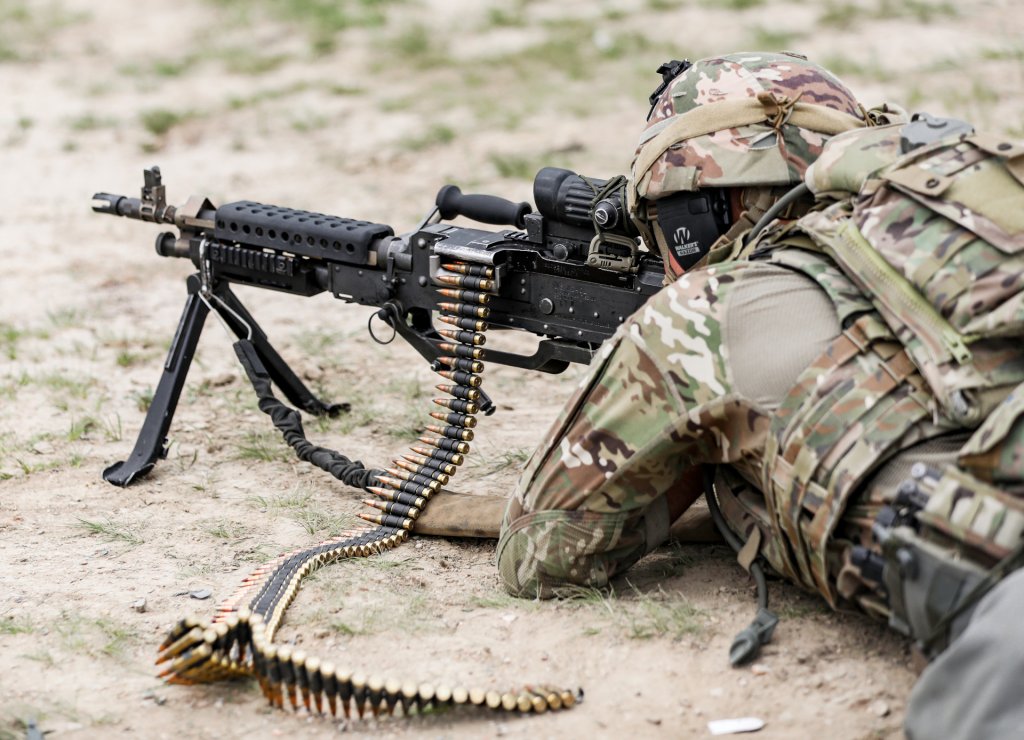
FMMG “is intended to replace M240s inside the Closed [sic; Close] Combat Force (CCF). The FMMG will increase Squad survivability and lethality in large scale combat operations,” according to the Army budget documents. “The FMMG is a belt fed crew served direct fire weapon system that will enable the rifle platoon to organically suppress and destroy enemy personnel targets and maintain operational tempo. The FMMG will provide increased lethality and capability to the warfighter compared to present Machine Gun technologies fielded to Operational Units.”
The Army has previously defined the CCF as “select infantry, scouts, combat medics, forward observers, combat engineers, and special operations forces,” and is the same segment of the service that is now receiving M7 rifles and M250 machine guns. As an aside, controversy now surrounds the M7 following criticism earlier this year from an Army captain about the rifle being potentially unsafe, as well as operationally ineffective and overly expensive, which you can read more about in TWZ‘s in-depth reporting here. In spite of this, the Army formally type-standardized the M7 and M250 in May, an important seal of approval for both guns.
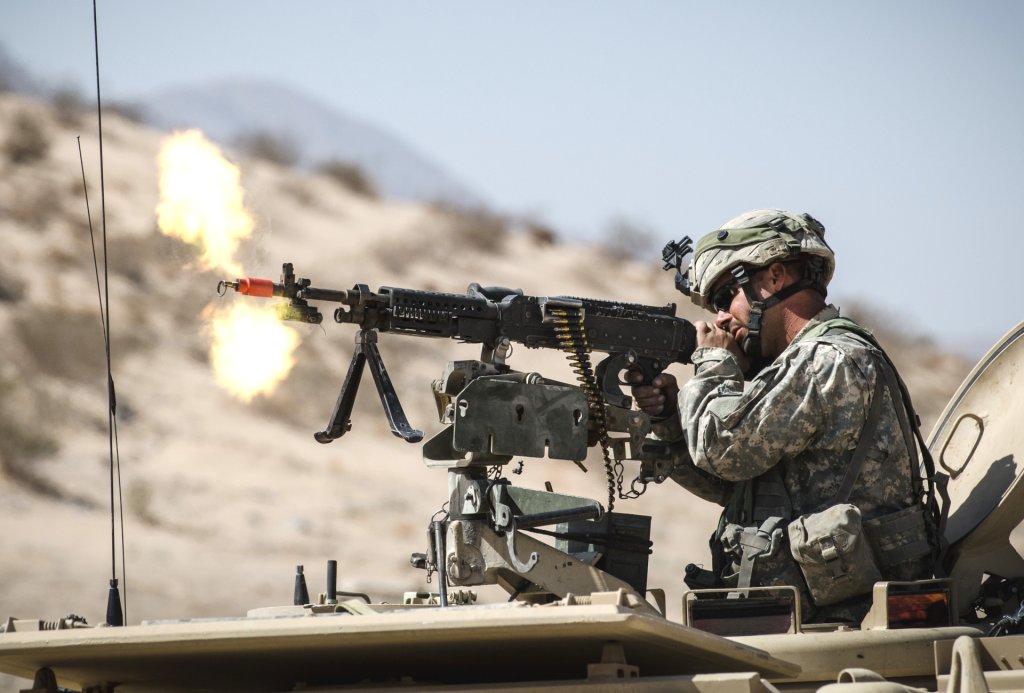
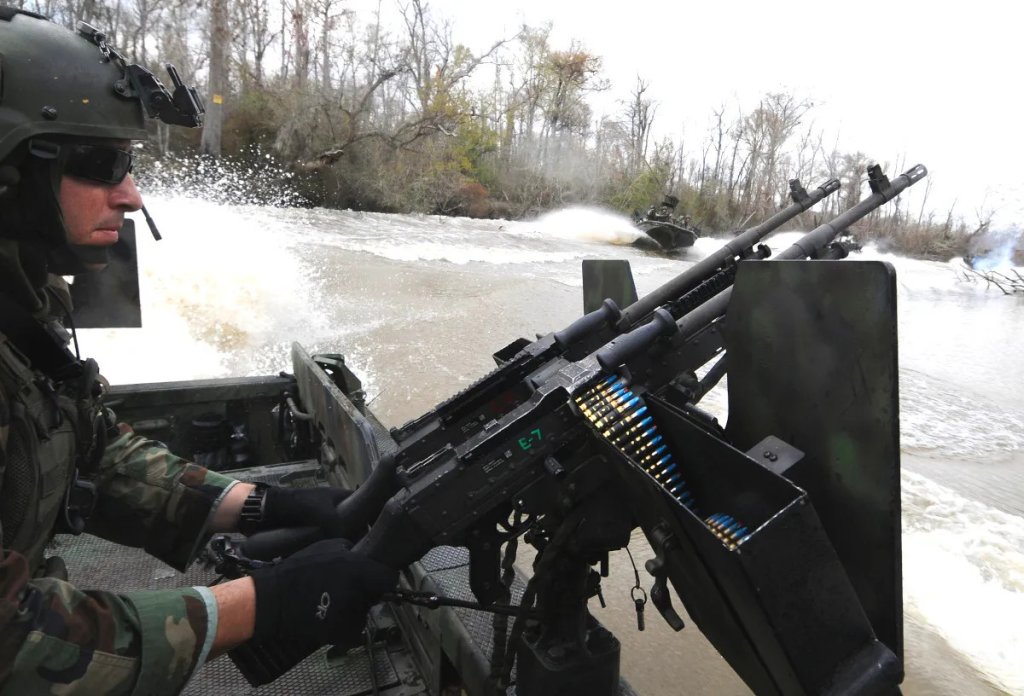
The M240 series first began entering Army service in the late 1970s and eventually succeeded the venerable M60. The standard version in Army service today is the M240B variant, which is primarily intended for use by infantry and other dismounted personnel, though it can also be mounted on ground vehicles, helicopters, and watercraft. The service also has a lightweight M240L, as well as other variants purpose-built for mounted applications.
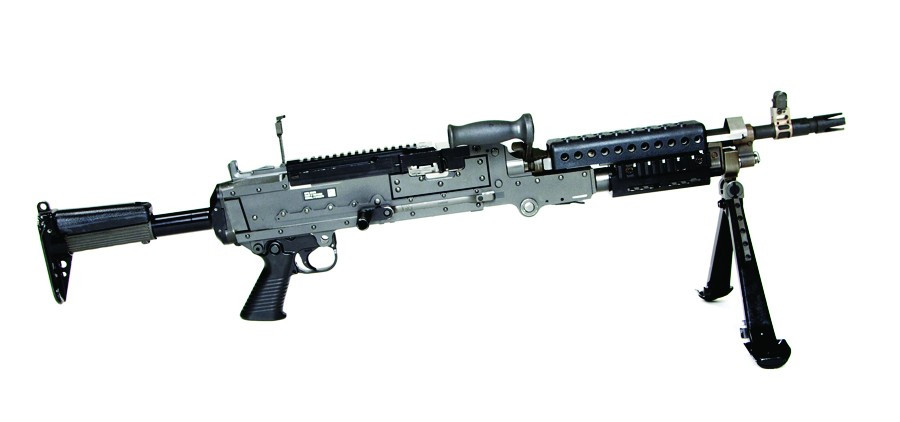
What requirements the Army now has for the FMMG are unclear. However, in May, the service did put out the request for information about options for machine guns chambered in the .338 Norma Magnum cartridge. The U.S. Marine Corps and U.S. Special Operations Command (SOCOM) have also been looking at machine guns in this caliber in recent years.
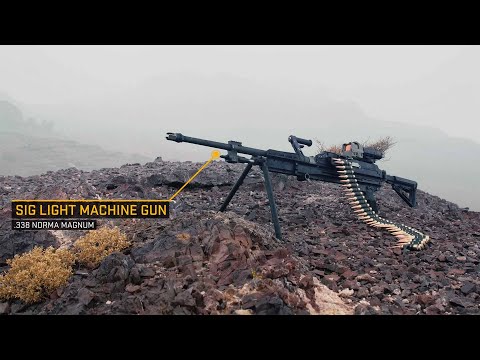
SOCOM has tested at least three different .338 Norma Magnum machine gun designs – Sig Sauer’s MG 338, True Velocity’s RM338, Ohio Ordnance Works’ Recoil Enhanced Automatic Rifle (REAPR) – as part of its own Lightweight Machine Gun-Medium (LMG-M) program. Sig Sauer is also the company behind the M7 rifle and M250 machine gun, and the latter is directly related to the MG 338. True Velocity acquired the RM338 design from General Dynamics Ordnance & Tactical Systems, which had originally developed it as the Lightweight Medium Machine Gun (LWMMG).
![GDOTS - LightWeight Medium Machine Gun (LWMMG) [1080p] thumbnail](https://i.ytimg.com/vi/0vC9lqf_EtQ/hqdefault.jpg)
![[FULL BREAKDOWN] Ohio Ordnance REAPR .338 NM Belt-Fed Machine Gun thumbnail](https://i.ytimg.com/vi/5gPyXHH7jDw/hqdefault.jpg)
Machine guns firing .338 Norma Magnum would offer much greater range, as well as improved terminal effectiveness, over 7.62x51mm M240s. The stated maximum effective range of an M240B against an area target is 1,312 yards (1,200 meters), according to the Army. The gun’s manufacturer, FN, says that drops to around 875 yards (800 meters) when talking about engaging specific point targets. .338 Norma Magnum could offer at least double the effective range, if not more, depending on the specific ammunition loading and the gun firing it.
The Army could consider other caliber options for the FMMG. In its May request for information about .338 Norma Magnum machine guns, the service also included a requirement for those guns to also be able to fire the 6.8x51mm round with the help of a conversion kit. This would offer valuable ammunition commonality with the M7 and M250. 6.8x51mm is also lighter and cheaper per round than .338 Norma Magnum. Being able to switch between the two cartridges would allow for the use of lower-cost ammunition in certain circumstances, like routine proficiency training on shorter ranges. Lighter rounds can also translate to more total ammunition an individual can carry without increasing the total weight of their load. Any weight savings can also be leveraged to carry other items or just lighten the overall load, all of which could be advantageous on longer-duration operations with fewer opportunities for resupply.

In Fiscal Year 2025, the Army also notably received $1.135 million for other medium machine gun-related research and development, including “testing to evaluate suitability of the XM250 for the current M240-series medium machine gun role” and “testing of [a] 6.8mm M240 barrel assembly, as well as [to] evaluate other 6.8mm M240 solutions available in the marketplace,” according to the recently released budget documents. In that part of the proposed budget for Fiscal Year 2026, the service is now seeking nearly $1 million to “continue to test and evaluate technologies and improvements, to include required testing for light, medium, and heavy machine guns, and remote weapon system enhancements.”
In May, the Army had put out a separate call for information about options for 6.8x51mm caliber conversion kits for existing M240B and M240L machine guns. Outright replacing M240s with M250s in certain units would offer logistical benefits, as well as the aforementioned ammunition commonality. At the same time, 6.8x51mm guns would not have the same reach as ones chambered in .338 Norma Magnum.
It is also worth pointing out that Army small arms decisions often drive other branches of the U.S. military to follow suit. M240 variants are in service across the rest of America’s armed forces in dismounted and mounted applications.
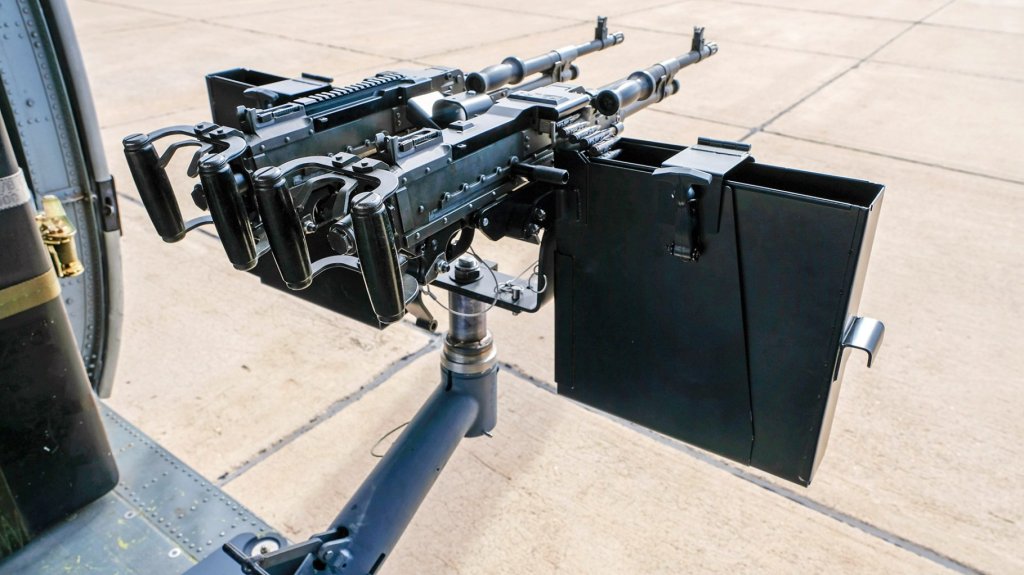
In addition, the M240, its FN MAG parent design, is in widespread use globally, and what direction the United States takes when it comes to a replacement could draw interest from foreign militaries. Directly piggybacking on Army purchases of a new FMMG would offer economy-of-scale benefits, especially for smaller armed forces. As something of a tangential example, in January, Israeli newspaper Haaretz reported that the Israel Defense Forces (IDF) had begun acquiring 7.62x51mm variants of the M250, which could be in line to replace at least a portion of the country’s domestically developed Negev-series light machine guns.
Altogether, the Army is now looking toward a more capable successor to the M240 with its FMMG program, but the course of action the service ultimately takes could have wider-reaching ramifications.
Contact the author: joe@twz.com
Loading comments…
Comments couldn’t be loaded. Please refresh the page.