
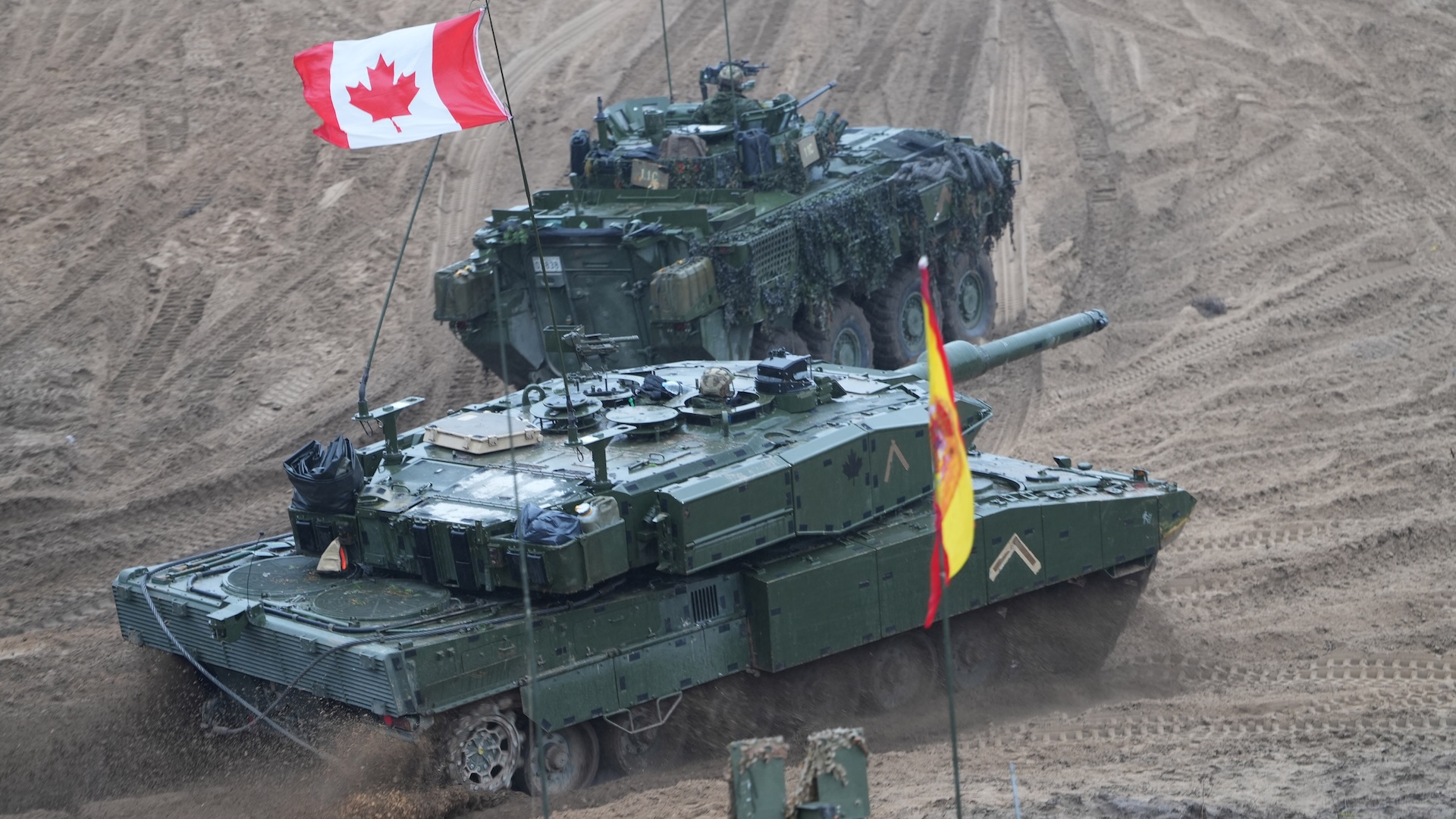
As the Canadian military assesses how it would best deal with a potential invasion from Russia, Ottawa is pushing ahead with plans to significantly bolster its armored forces. On the wish-list are more than 250 armored fighting vehicles (AFVs), as well as an upgrade for the Canadian Armed Forces’ existing Leopard 2 main battle tanks (MBTs).
These plans were outlined by representatives of the Canadian Armed Forces speaking at Defense IQ’s International Armored Vehicles conference in England last week, their comments later published by Shephard’s Defense Insight. Events of this kind are typically conducted under Chatham House rules, meaning that information can be freely shared with the public, but the identity of the speakers cannot be disclosed.
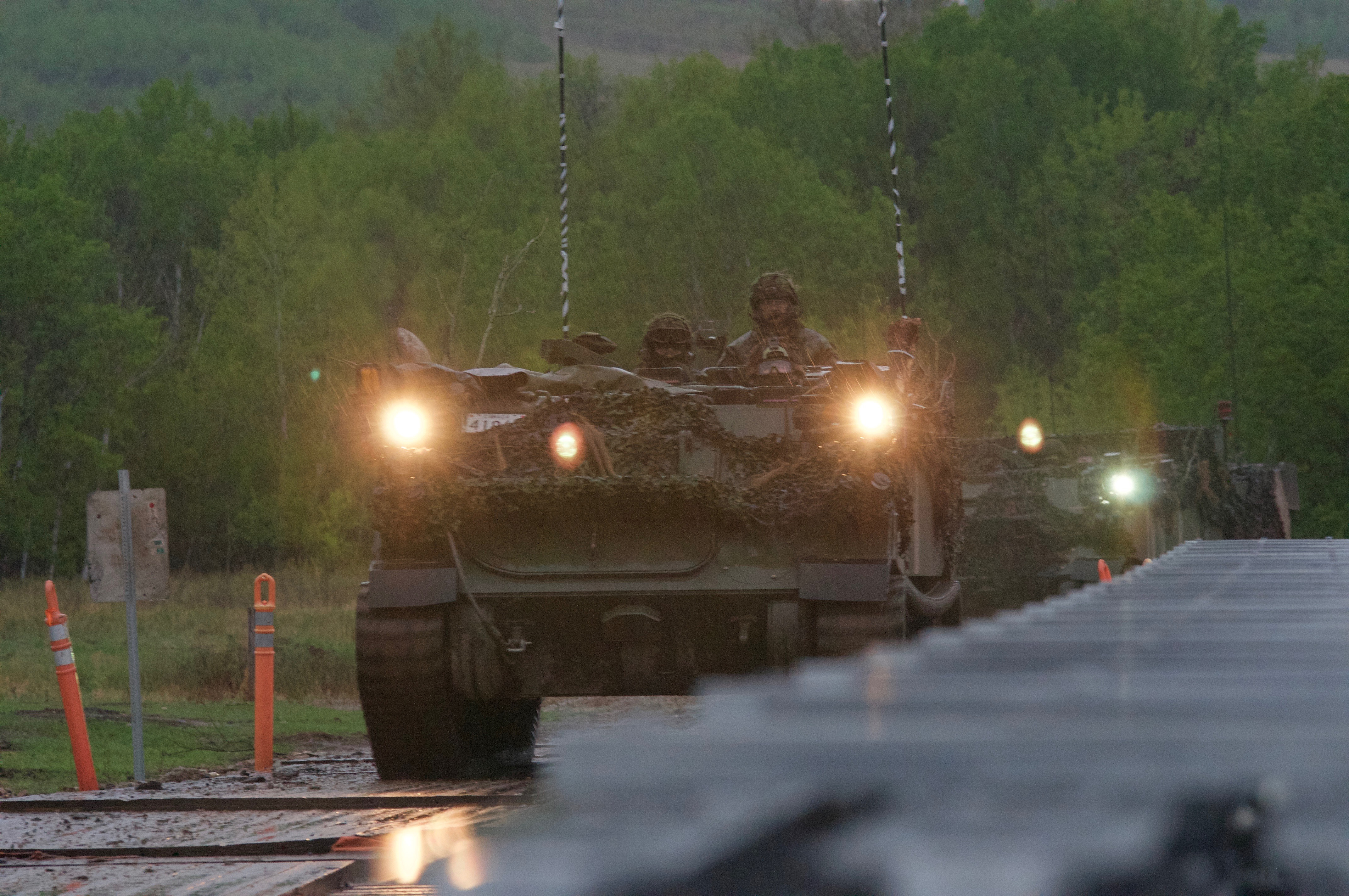
Canada already had a plan in place to introduce new AFVs, although the timeline for this has been brought forward. At one point, the new vehicles were expected to be inducted in 2035, but, in a reflection of the new urgency for defense modernization, they are now required to be fielded between 2029 and 2031.
This also appears to be the first time that the number of new AFVs has been officially pitched at 250.
The AFVs are required for the Canadian Army’s armored cavalry forces, specifically the two new medium cavalry (MEDCAV) battalions that are planned to be fielded by the future Maneuver Division.
The vehicles will require both a high level of tactical mobility as well as STANAG Level 6 blast protection, officials say. Level 6 constitutes protection against, for example, 30mm automatic cannonfire, or the detonation of a 15mm artillery shell at 10 meters (33 feet).
According to Shephard, the AFVs are also needed in a highly modular configuration, allowing the fleet to be equipped with cannons and/or mortars for direct fire, as well as for launching loitering munitions. Other versions will be configured as munitions carriers or for command and control (C2) operations.
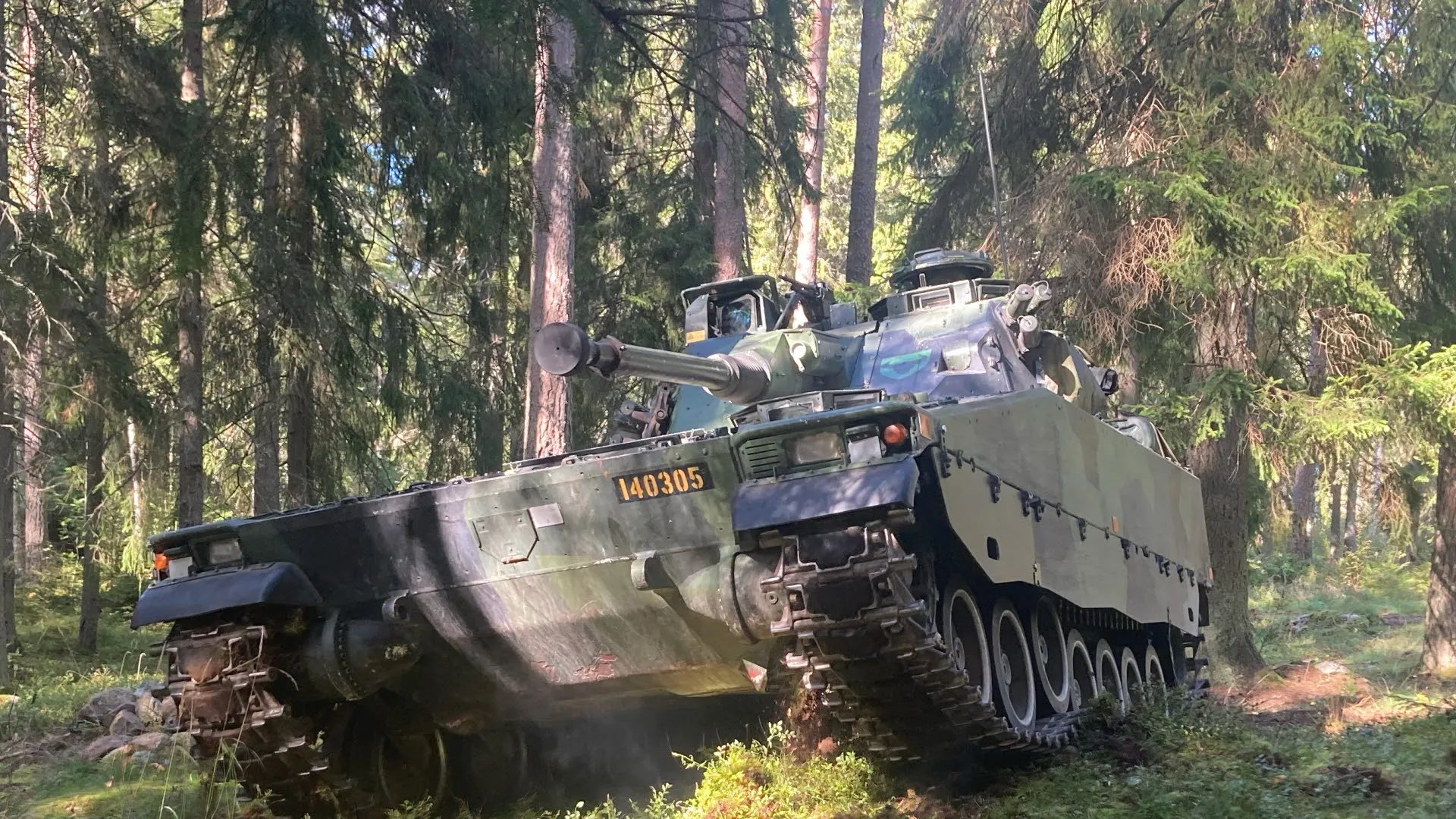
In the past, True North Strategic News, an authoritative blog on Canadian defense topics, reported that three vehicles had been identified as meeting the AFV requirement: the Anglo-Swedish BAE Systems CV90, the South Korean Hanwha Redback, and the German Rheinmetall Lynx. Potentially, many other types could also be considered.
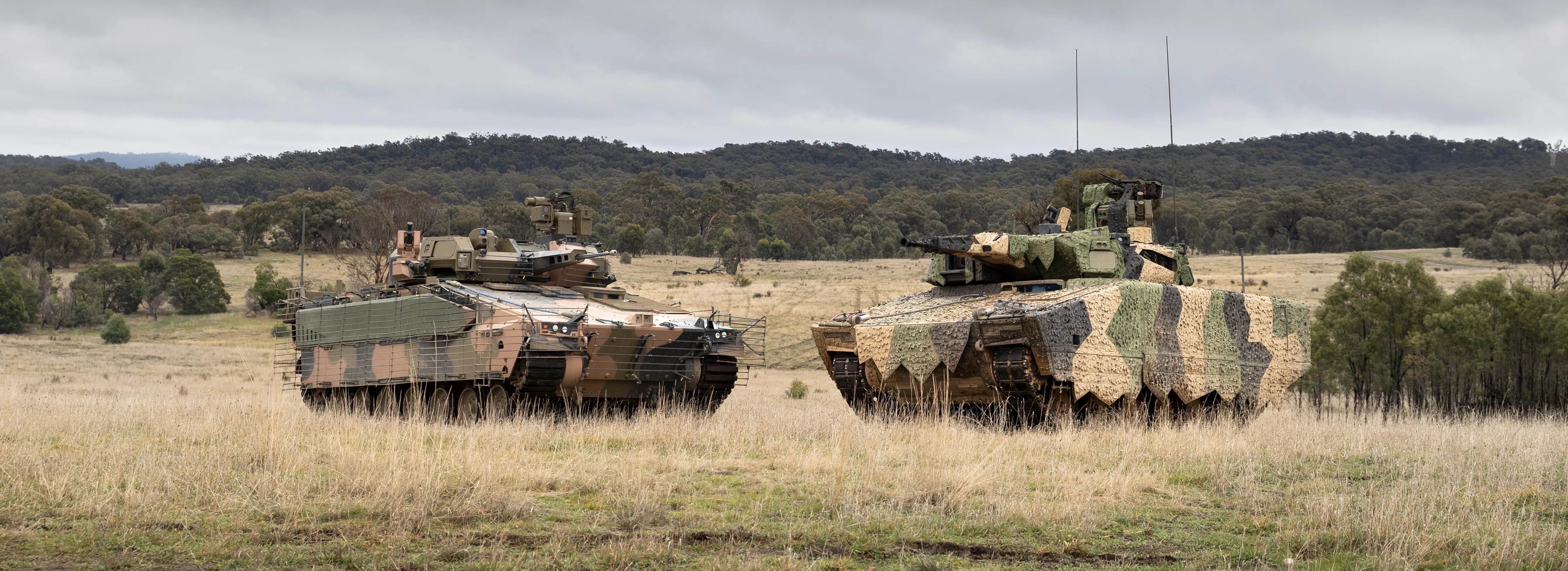
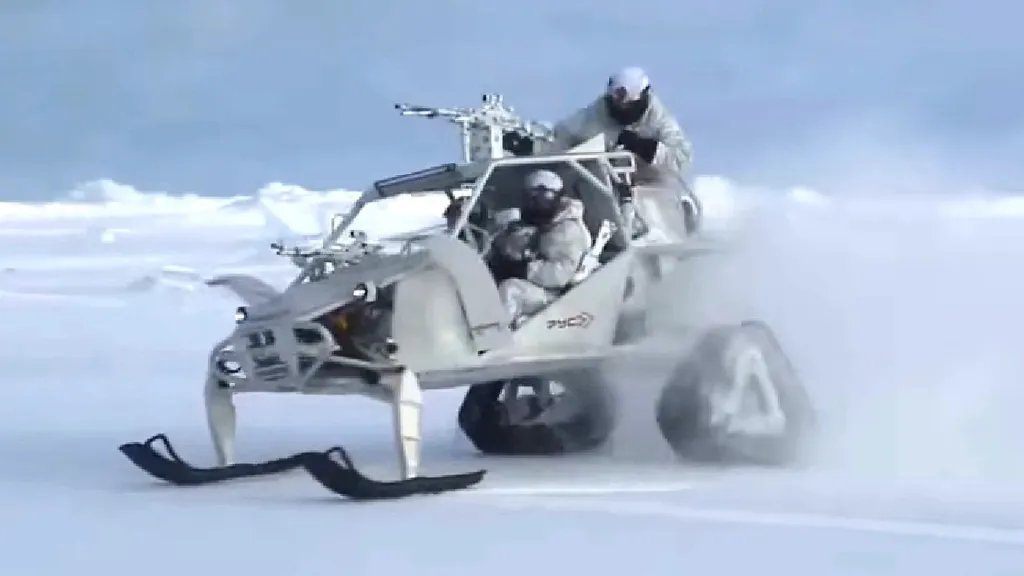
It’s not clear to what degree the new AFVs might be expected to have special modifications for the region in which they will chiefly operate. It is notable that Russia is well-trained for fighting in northern latitudes and is introducing a variety of weapons systems that are optimized for this kind of environment. In contrast, meanwhile, the U.S. Army is only slowly returning to more robust preparations for warfare in Arctic conditions.
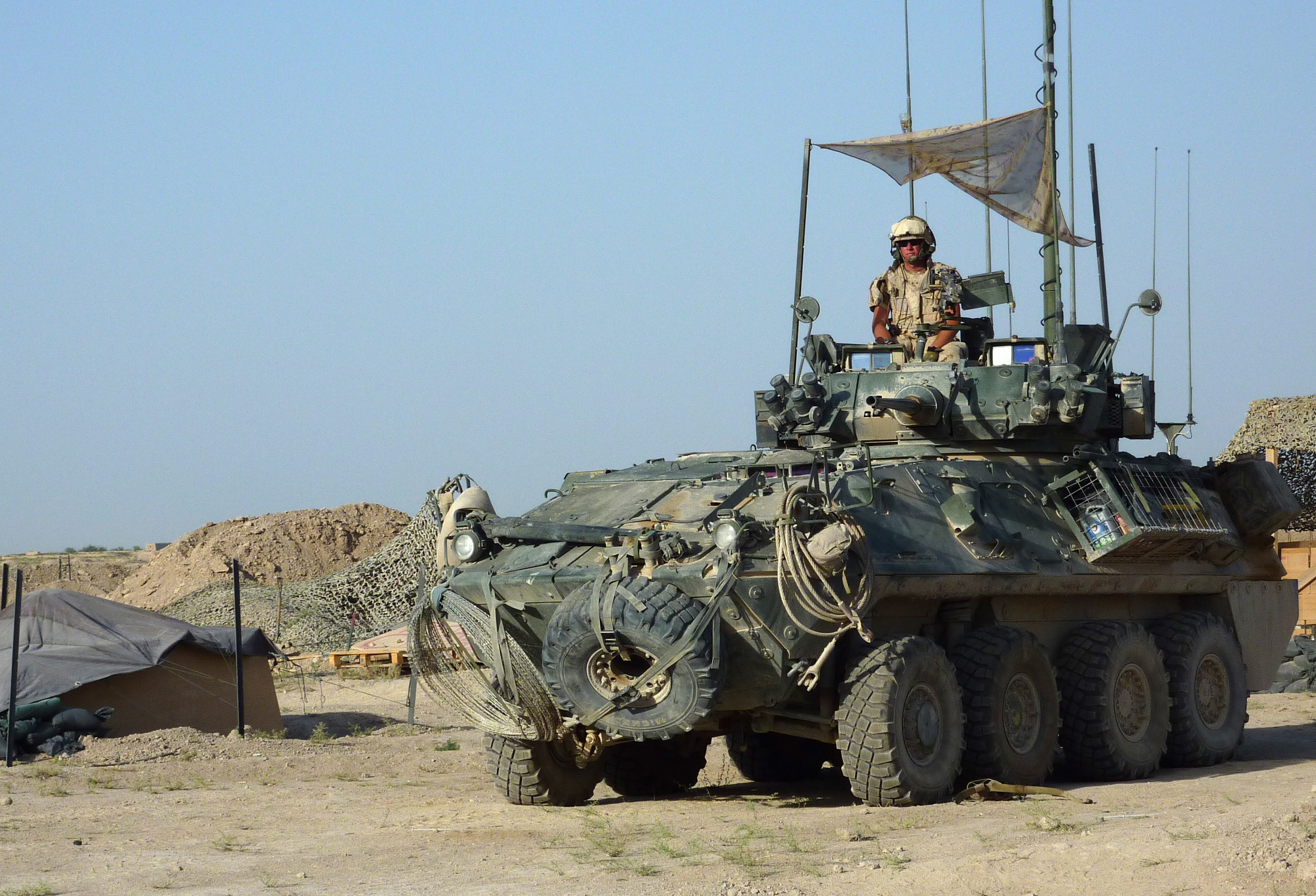
Currently, the Canadian Army’s tracked AFV fleet is dominated by variants of the Tracked Light Armored Vehicle (TLAV), which is a derivative of the Cold War-era M113. The service also operates more modern wheeled AFVs, including the Bison (a Canadian version of the LAV II used by the U.S. Marine Corps), the improved LAV 6.0, and the Coyote (a version of the Bison configured for battlefield reconnaissance).
A tracked AFV will ensure the MEDCAV battalions have the requisite off-road mobility and ability to negotiate challenging obstacles, especially vital in the Canadian North. Tracked vehicles are also better able to keep pace with tanks.
As for the Canadian Army’s MBT fleet, this is also slated for an upgrade.
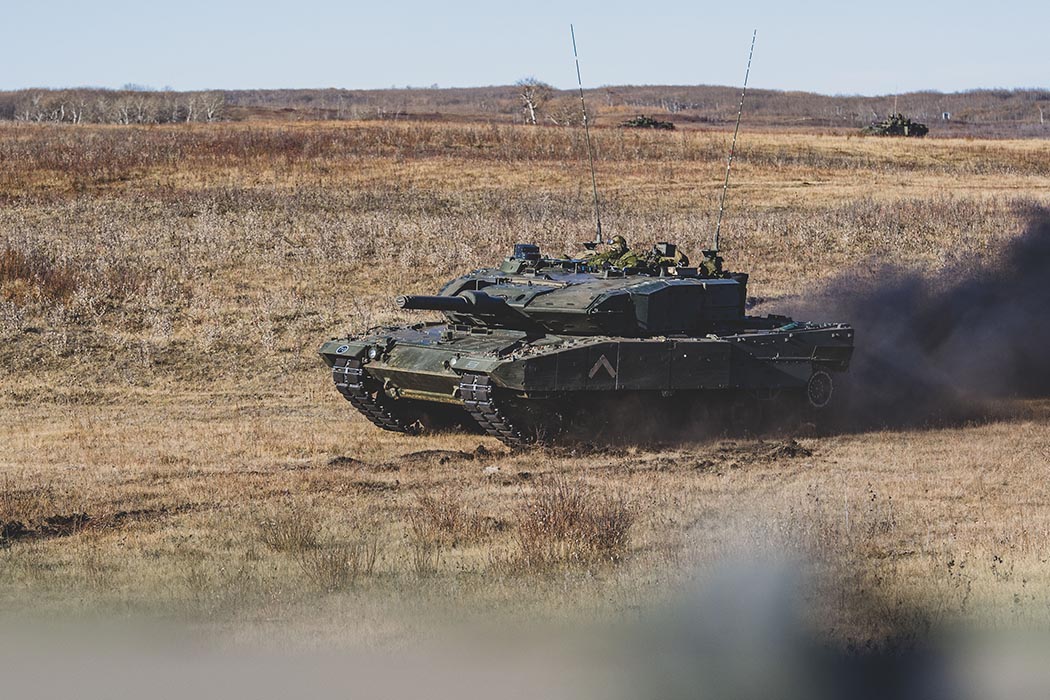
Under the Heavy Direct Fire Modernization (HDFM) project, Ottawa wants to bring its current fleet of German-made Leopard 2A6 MBTs to a new standard, known as Leopard 2A6M, by 2033.
Overall, the country now has a force of 103 Leopard 2A4, 2A4M, and 2A6M vehicles, which are being supported under a contract awarded in 2024. The last of these vehicles is expected to be withdrawn from operational service in 2035. Meanwhile, the oldest Leopard 2A4 versions are only used for training. Canada also donated eight Leopard 2s to Ukraine in 2023.
HDFM replaces most of the remaining analog systems in the Leopard 2A6M fleet and modernizes existing systems, including the optics and fire-control system. The result brings the 2A6M in line with the more advanced Leopard 2A4M fleet.
![Canadian Army - Leopard 2A4M CAN Main Battle Tanks Live Firing + On The Move [720p] thumbnail](https://i.ytimg.com/vi/FJ-a0DqdoIA/hqdefault.jpg)
The HDFM upgrade is only a stopgap, however, before Canada selects a new MBT. At the International Armored Vehicles conference, officials confirmed that Canada plans to “identify and begin procurement” of a new MBT by 2030. It’s also envisaged that, before the last of the Leopard 2s are retired, these older tanks and the new MBT will serve together within additional armored battalions and companies. The Canadian Forces want these units to be operational by 2037.
“The force design may require additional armored or armored cavalry battalions, but it is just too early at this point to say how many,” one source stated at the conference, as reported by Shephard.
This is part of a wider rethinking of the military, with the aim of having a warfighting concept for 2040.
“We recognize that the army we have is not the army we need, and we are taking the necessary funded steps to bridge that gap,” the source continued. “We are changing our structure, we are modernizing our fleet, we are growing our armored capability. We are no longer just talking about the future; we are actively building it.”
Against this force-structure planning and decisions over new fighting vehicles, Canada is increasingly looking at the kinds of land warfare scenarios it might face in the future.
Earlier this month, TWZ spoke to the operational commander for the Canadian North American Aerospace Defense Command (NORAD) about how the Royal Canadian Air Force is looking to counter the growing threats China and Russia pose to the High North.
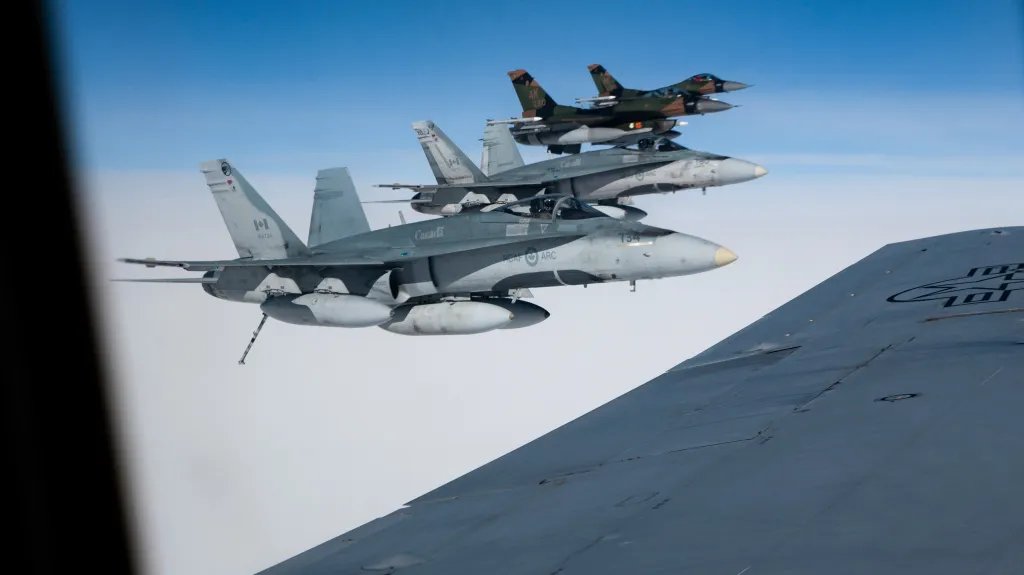
Simply put, the vast swaths of the Arctic are increasingly of both strategic and economic interest for all the major global powers, and this has been underscored by the growing intensity of Russian and Chinese military and civilian maritime activity in the region.
These same potential threats are also driving a reconfiguration of the Canadian Army.
Remarkably, however, the Canadian Armed Forces are reportedly also now looking at how they would respond to a hypothetical U.S. military invasion of Canada. Officials have stressed that they don’t think it is likely that U.S. President Donald Trump would order an invasion of Canada, and that the war-gamed scenarios were entirely conceptual in nature.
Interestingly, these concepts reportedly involve the Canadian Armed Forces adopting asymmetric tactics, “similar to those employed against Russia and later U.S.-led forces in Afghanistan,” according to two senior Canadian government officials, who spoke to The Globe and Mail on condition of anonymity.
The same newspaper suggests that this war-gaming is the first time in a century that the Canadian Armed Forces have looked at a hypothetical American assault on the country, which is not only a founding member of NATO but also, under NORAD, a close partner with the U.S. military in continental air defense. Canada is expected to be part of the Trump administration’s forthcoming Golden Dome missile defense system.
Undoubtedly, however, relations between Canada and the United States have cooled dramatically in recent years.
While officials in the Trump administration have hammered home their goal of U.S. regional dominance as an overarching geostrategic objective, the president himself has made threats to annex Canada. Last year, Trump said that the border between the two countries was no more than an “artificially drawn line” and one that might be redrawn using force and persuasion.
Last week, Trump posted an altered image on his social media account that placed the American flag over Canada, Greenland, and Venezuela.
“We need Greenland from the standpoint of national security, and Denmark is not going to be able to do it,” Trump told reporters earlier this month.
The ongoing Greenland issue, which has led to considerable consternation in Europe, has also now drawn in Canada.
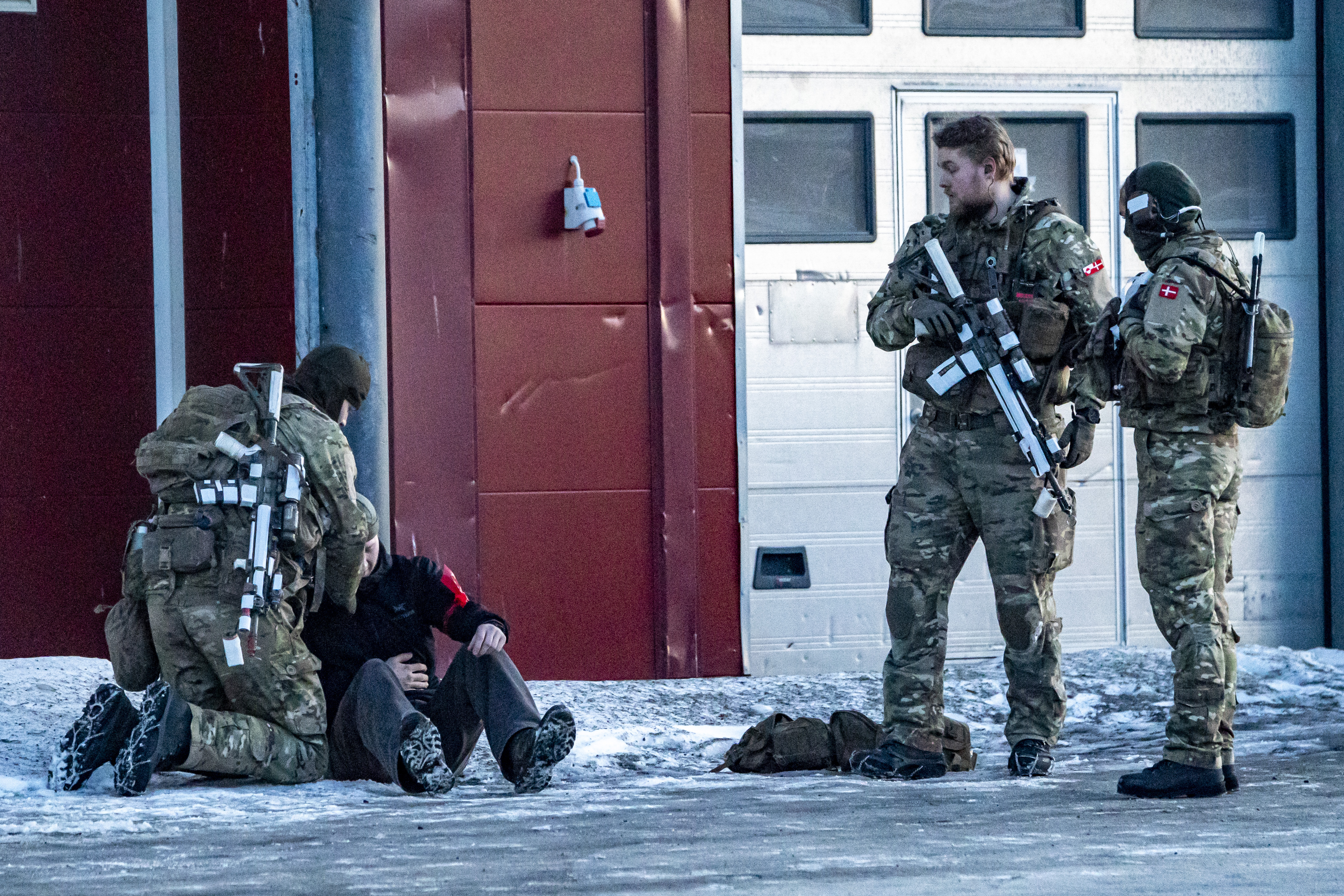
Reports emerged last week that Canada was considering sending a small contingent of troops to Greenland. Here they would conduct maneuvers alongside eight European countries, part of a military exercise that is seen as a show of solidarity for Denmark, of which the self-ruling island is a territory.
Last week, Trump posted on Truth Social that Canada was opposed to having the Golden Dome over Greenland “even though The Golden Dome would protect Canada. Instead, they voted in favor of doing business with China, who will ‘eat them up’ within the first year!”
Clearly, no one within the Canadian Armed Forces expects to be taking up arms — whether using AFVs or guerrilla tactics — against a U.S. invasion.
However, it is very telling how such a ‘what if?’ is apparently now being considered at a theoretical level. This kind of thinking, as well as the renewed impetus to acquire new and modernized armored fighting vehicles and tanks, underscores just how shifting strategic priorities across the High North are being felt by all of the countries within the region, with Canada no exception.
Contact the author: thomas@thewarzone.com
Loading comments…
Comments couldn’t be loaded. Please refresh the page.