
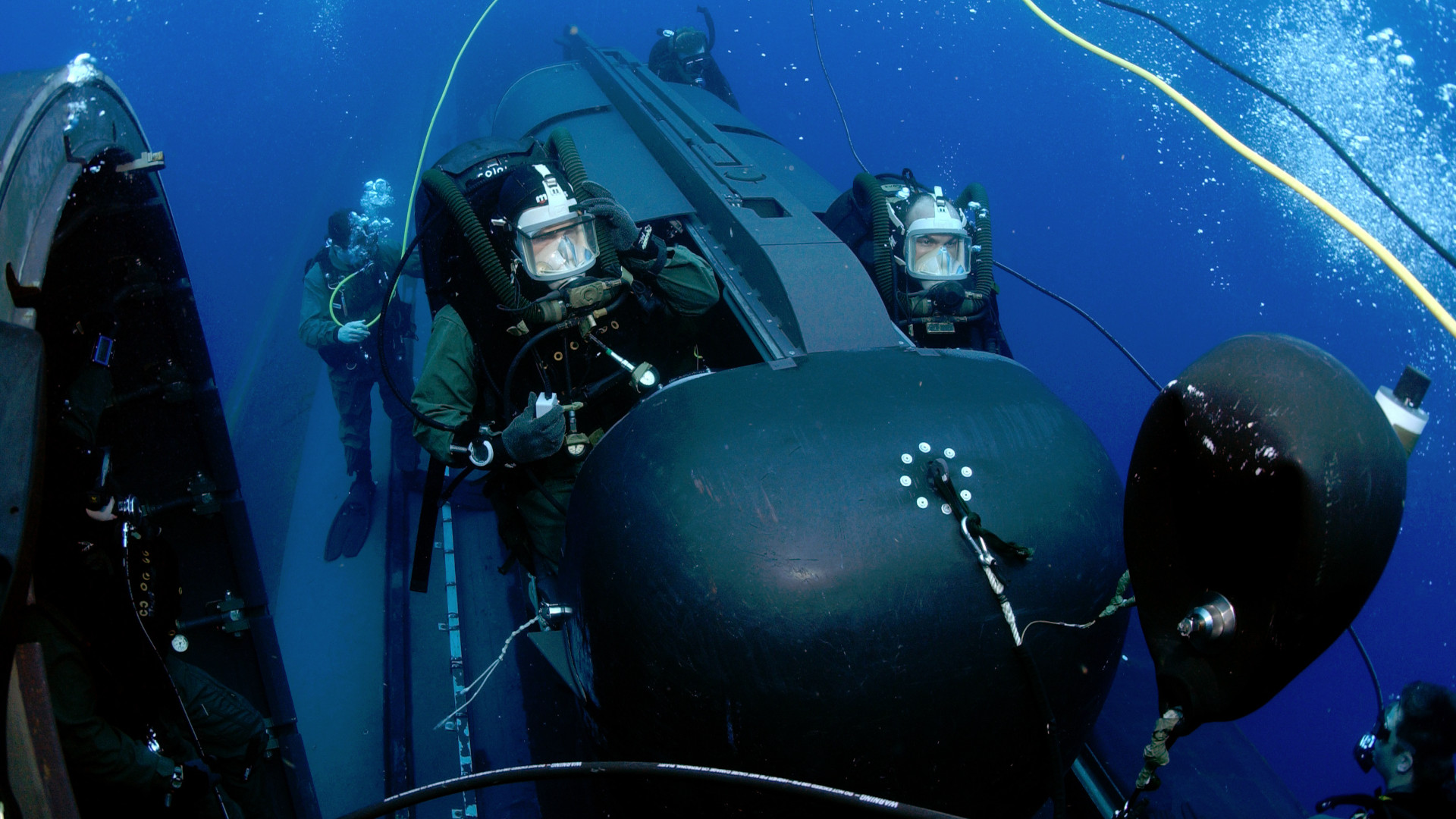
The U.S. Navy sees a future in which uncrewed underwater vehicles (UUV) work together with submersibles loaded with SEALs. The service has already been conducting tests to explore how crewed-uncrewed teaming under the waves might work. UUVs could help extend the operational reach of operators riding in SDVs, as well as help reduce their vulnerability, but there are communications and other challenges still to overcome.
Navy Capt. Mike Linn shared details about the Navy’s plans for teaming UUVs and various types of swimmer delivery vehicles (SDV) with our Howard Altman on the sidelines of the annual SOF Week conference yesterday. Linn currently works within the Naval Special Warfare program office (PMS 340), a division of the Naval Sea Systems Command’s (NAVSEA) Program Executive Office for Unmanned and Small Combatants (PEO USC).
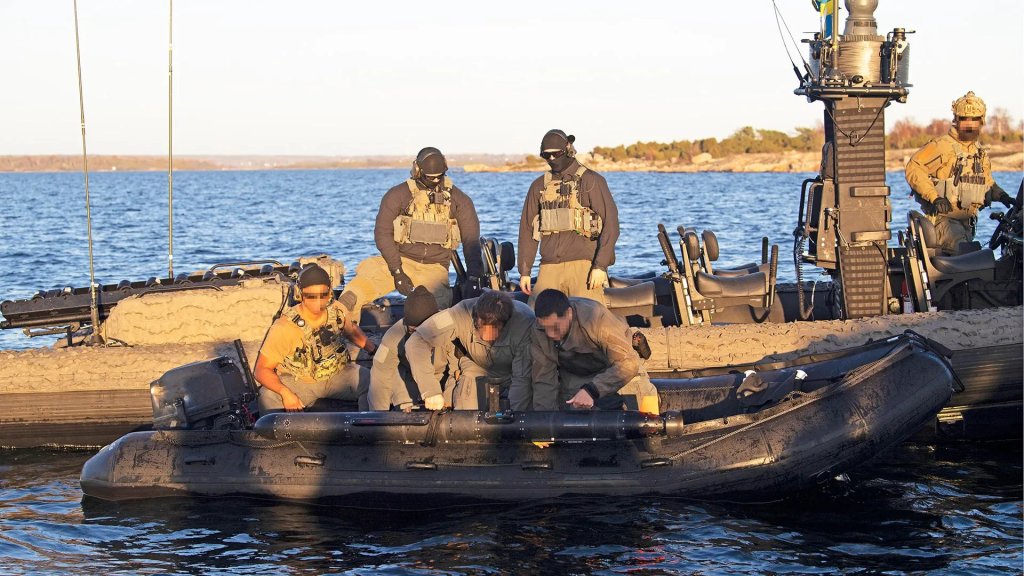
“That is the goal,” Linn said when asked about the Navy’s view of teaming UUVs with SDVs, the latter of which the service also refers to as SEAL Delivery Vehicles.
As it stands now, the main workhorse of the Navy’s SDV force is the Mk 11, which is just under 22 and a half feet long. It is operated by a crew of two and can carry six passengers. Also referred to as the Shallow Water Combat Submersible (SWCS), the Mk 11 is what is known as a “wet” submersible design, where the occupants are exposed to water the entire time during their voyage. The Mk 11, like its predecessors, can be launched and recovered from submerged submarines with specialized Dry Deck Shelters (DDS) attached to their hulls.
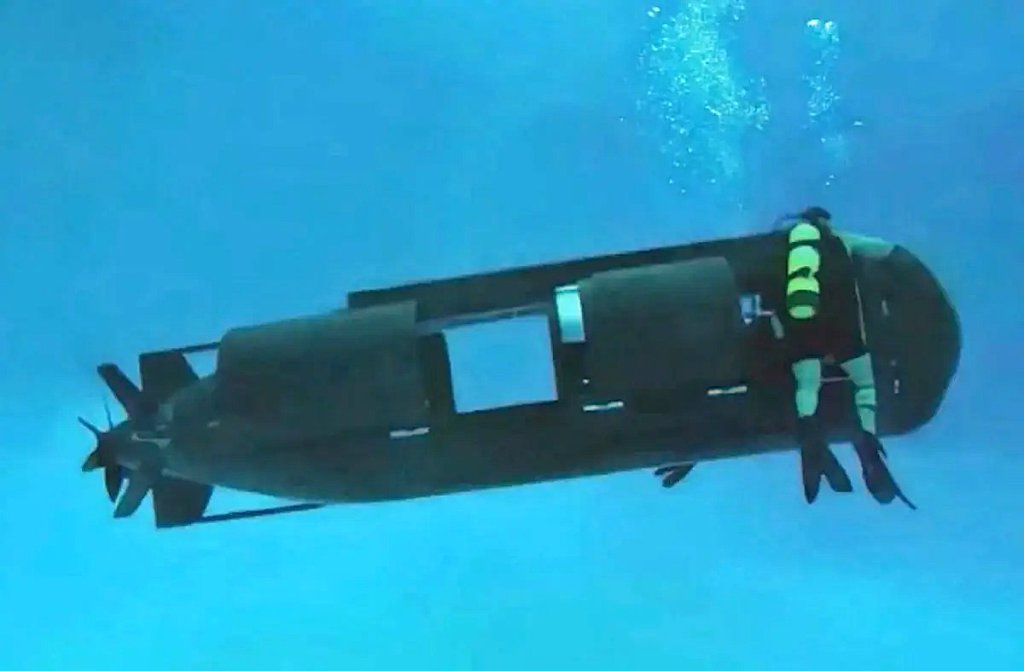
The Navy has also acquired several new Dry Combat Submersibles (DCS) in recent years, which feature a pressurized cabin with space for a crew of two and eight passengers. This means the larger DCSs can operate at greater depths than the SWCSs. They also deliver their occupants to the destination dry and relatively warm, helping to reduce operator fatigue and certain potential health risks. The DCS does have the limitation of being too big to fit inside existing DDSs. At least publicly, this is understood to translate to the need for support from a mothership on the surface.
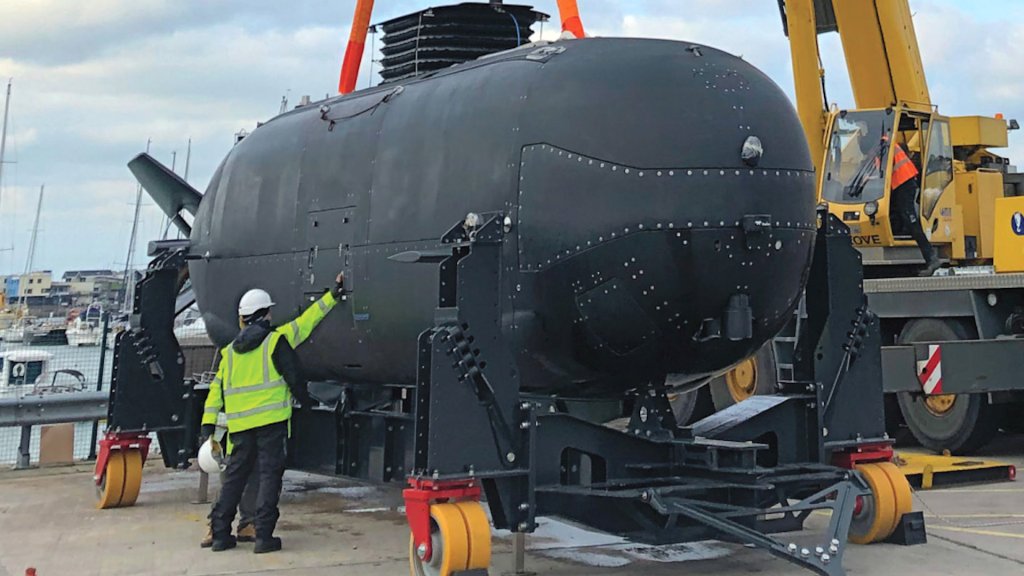
There are multiple UUV designs in the Navy’s inventory today, as well. These are largely torpedo-shaped designs intended to be deployed from and retrieved by vessels riding on the surface or submarines. In recent years, the service has been working to expand its ability to launch and recover UUVs from submerged submarines without the need to send out divers to help. Historically, underwater retrieval of UUVs, in particular, has been a largely manual affair, often conducted via DDS.
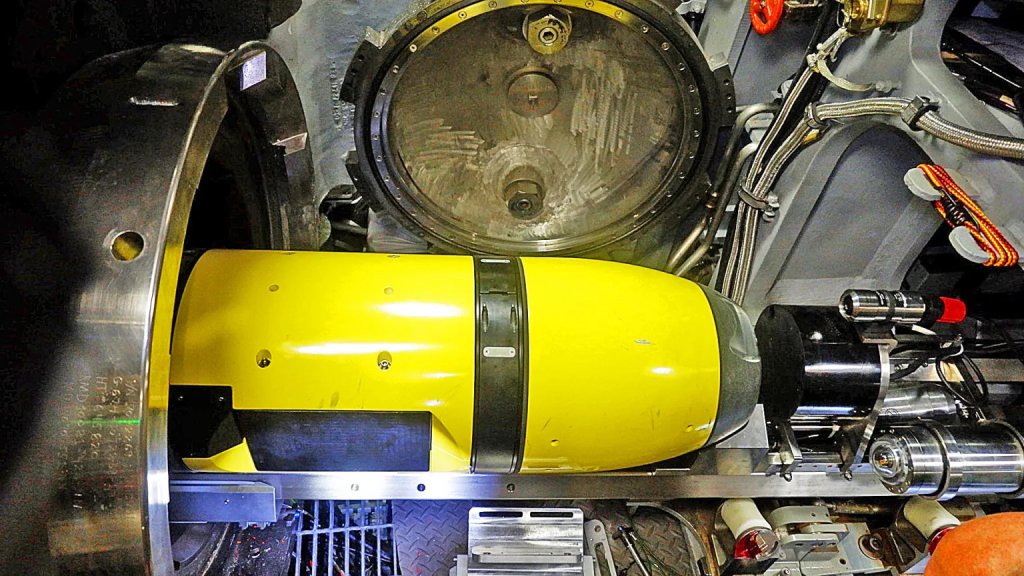
In terms of the potential benefits of UUV-SDV teams, “underwater systems like the SDV and UUVs afford reach underwater,” Capt. Linn explained. “So, if you can get somewhere in an SDV and then launch a UUV to go do something, then that would make you more capable.”
“You could extrapolate, just as you would have an unmanned wingman in an aircraft, or a maritime surface co-pilot, the same can be said for underseas,” he continued. “So, if you have an unmanned system with you underwater, then I suppose you can use your imagination.”
“A good example might be a harbor,” he added. “Technology is in a state where passing through the mouth of a harbor, a choke point, is maybe much more well defended. Or it is a choke point, and they don’t want to pass there with a big manned platform. So if you send a smaller unmanned platform through, then that’s pretty logical.”
“It can be an overall risk-reducer,” he further noted. A key mission set for Navy UUVs is scouting ahead for mines and other potential hazards, and otherwise helping commanders establish a better ‘view’ of the battlespace above and below the waves. This could all be especially valuable for SEALs during high-risk missions, including ones being conducted covertly or clandestinely.
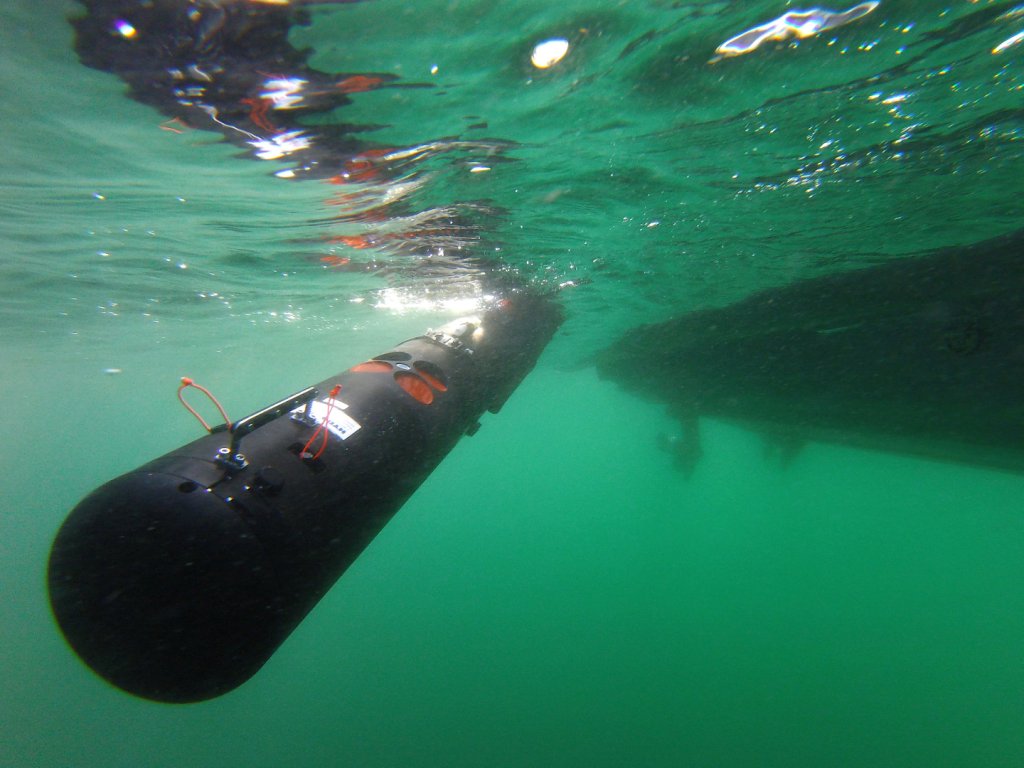
Capt. Linn was also candid about the challenges the Navy still has to overcome to make this underwater teaming ability a reality. He described both crewed SDVs and UUVs as being “deaf, dumb, and blind” in terms of their current ability to communicate and coordinate with each other to ensure they are both in the right place at the right time.
“Through-water data transfer is difficult, and so the modality that you choose while remaining survivable is kind of difficult. And, also, in order to do that, you have to have pretty well synchronized systems,” he said. “We’re looking at all ways of transferring data through water. It can be acoustic, [and] there’s light-based transfers.”
There are other questions still to be answered around how UUVs teamed with the SDVs would operate, including where the uncrewed companions would be launched from. If the SDVs have to carry them to the launch point themselves, this could present additional challenges.
“You’ve got to consider your volume in the SDV, which is not great,” Capt. Linn noted. “Are you going to strap it to the outside?”
He did confirm that testing is already being conducted to delve deeper into this potential pairing. He said that the Naval Surface Warfare Center Panama City Division (NSWC PCD), headquartered in Panama City, Florida, has been leading the charge.
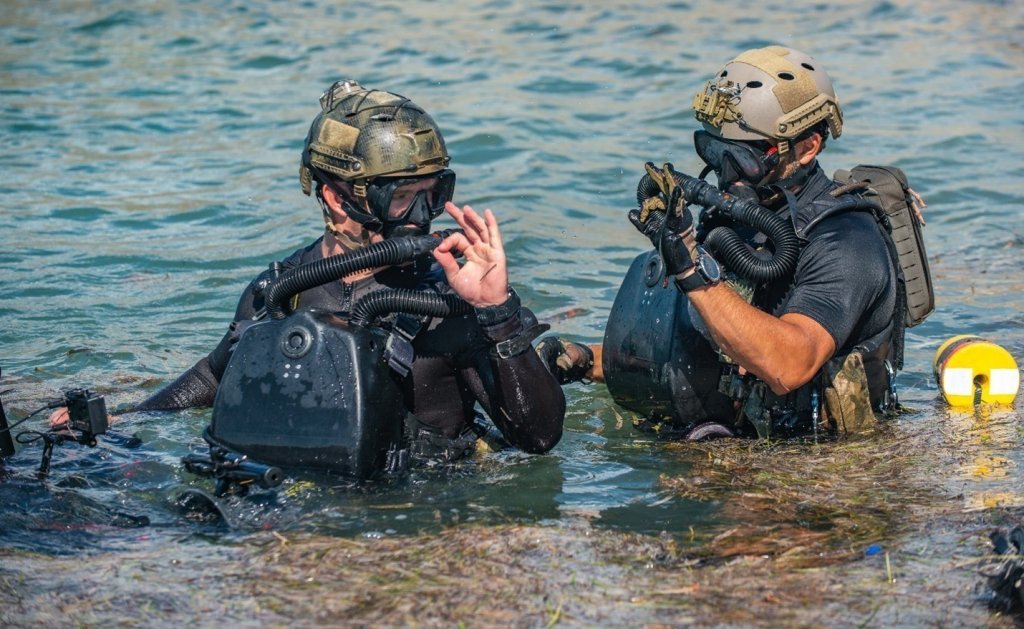
“I think we’re still years away from having something at the reliability level that they want,” Capt. Linn added. “Again, back to the actual ones and zeros, and the modality of data transmission, [being at the] right time, right place,” and doing all of this “where you have to be survivable, that’s difficult.”
As Capt. Linn has made clear, significant hurdles will need to be cleared before UUV-SDV taming can become a reality. However, there are also real operational benefits that would come from pushing toward this goal.
Contact the author: joe@twz.com
Loading comments…
Comments couldn’t be loaded. Please refresh the page.