
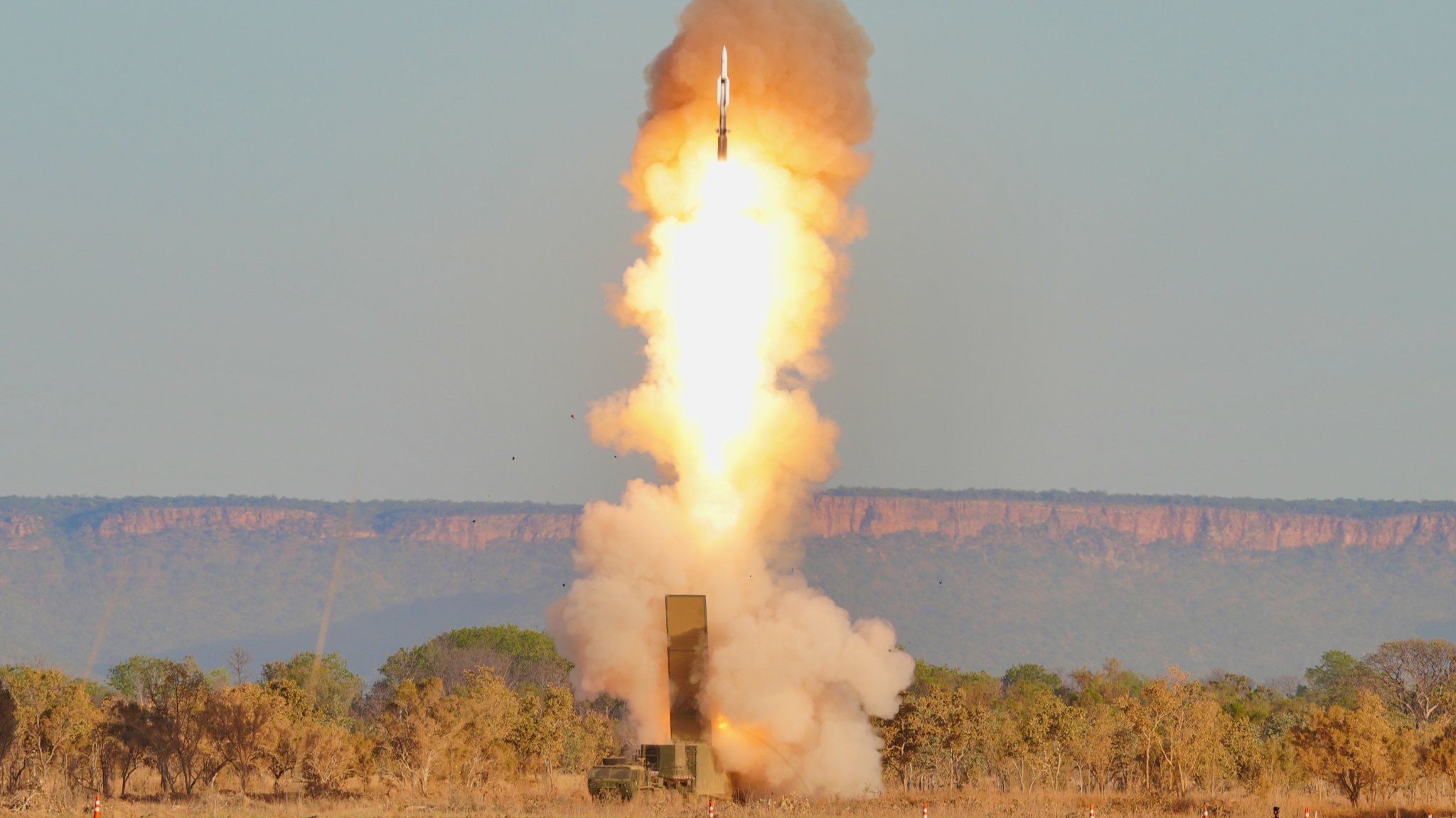
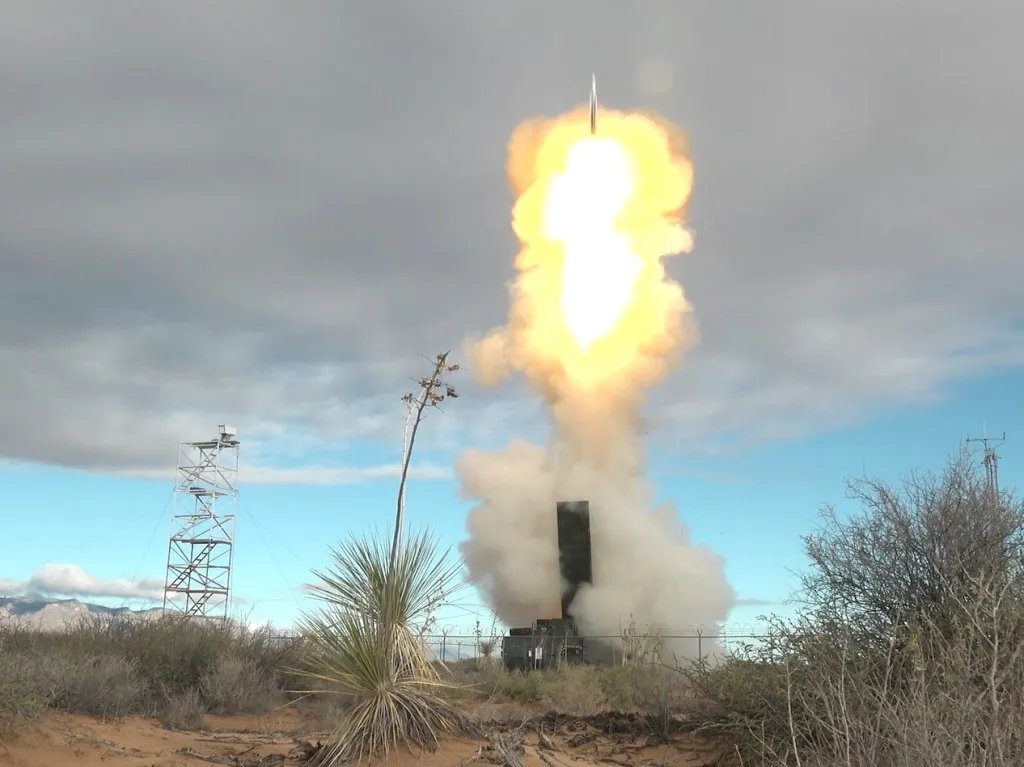
For the first time, the U.S. Army has conducted a live-fire exercise with its Typhon ground-based missile system outside of the continental United States. The system, which can also fire Tomahawk cruise missiles, used an SM-6 multi-purpose missile to successfully sink a target at sea, during Exercise Talisman Sabre 25 in Australia. Using the Typhon against a maritime target demonstrates an important capability for the system, with this role especially critical in the Indo-Pacific context.
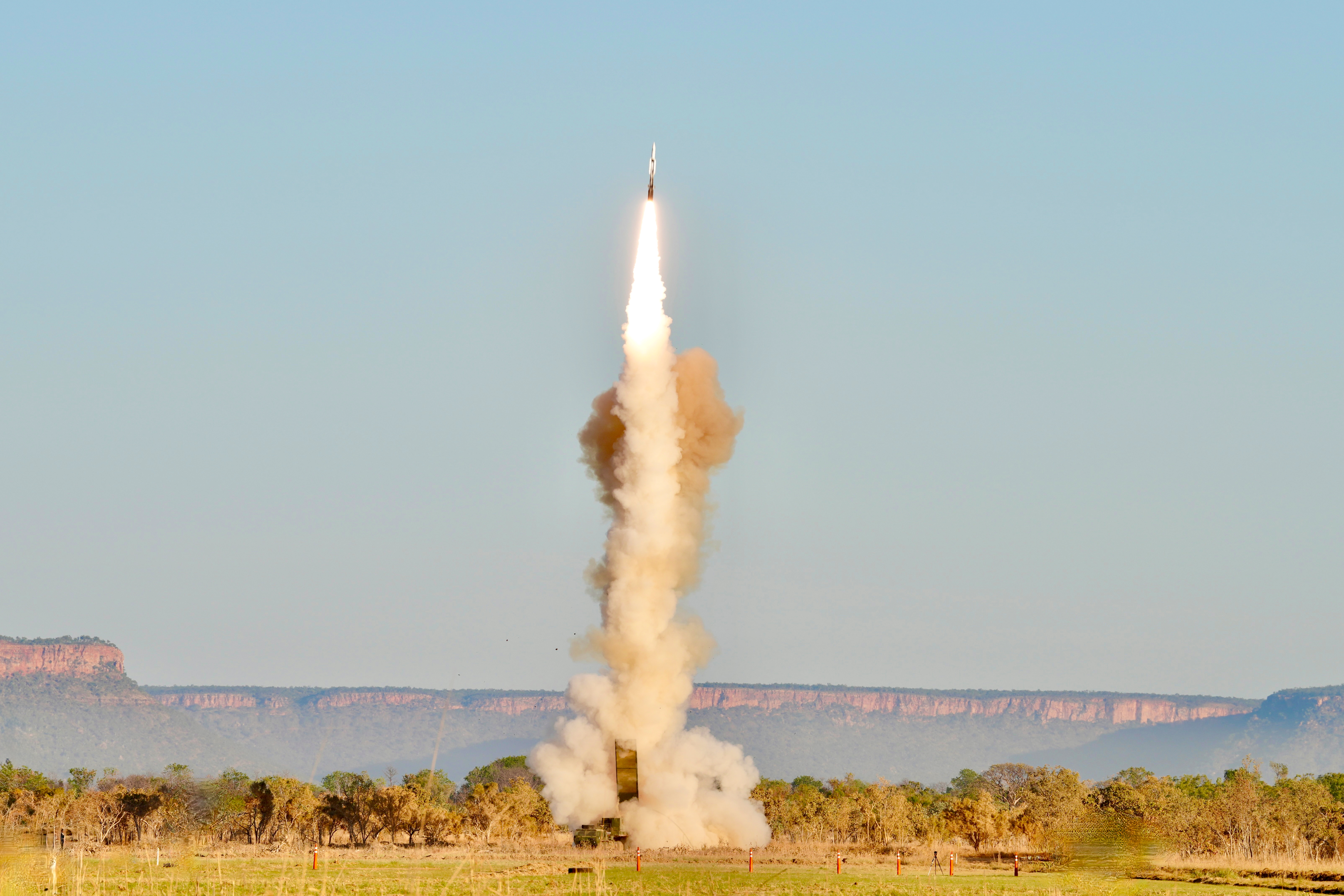
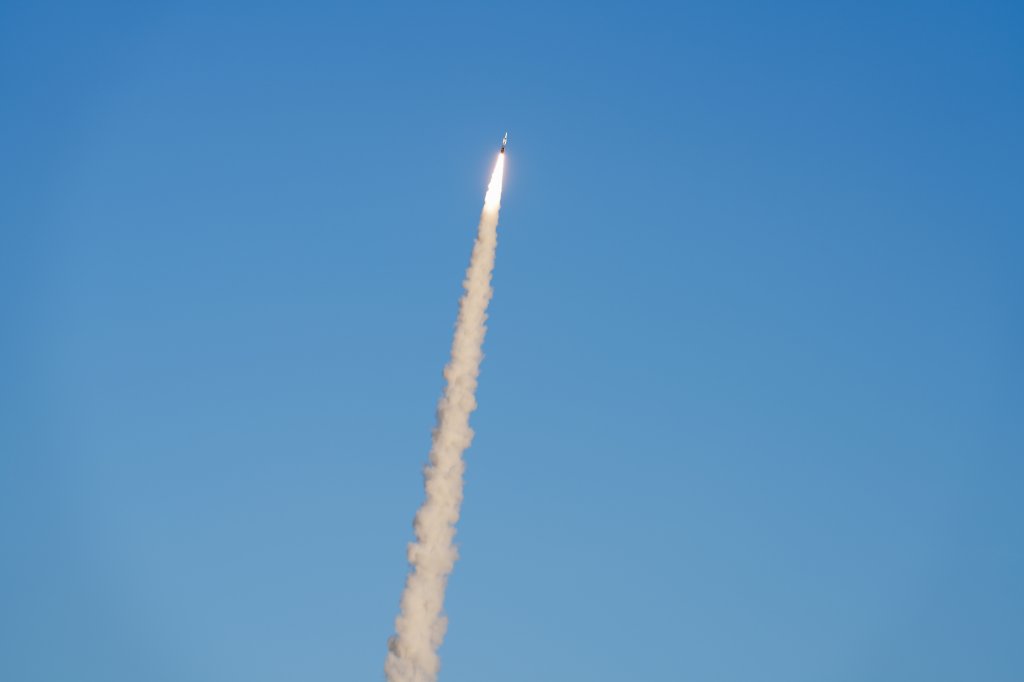
The live-fire exercise involving the Typhon, alternatively known as the Mid-Range Capability (MRC), took place yesterday. At this stage, the target used for the sink exercise (SINKEX) is not known, but we have approached the Army for more details. Imagery released by the Army so far shows the SM-6 blasting out of its launcher somewhere in Australia’s Northern Territory.
The current generation of Tomahawk long-range cruise missiles used in the Typhon system has land attack and anti-ship capabilities. The SM-6 is primarily an air defense weapon, but as integrated on Typhon, is intended to be employed mainly against targets ashore and at sea, essentially as a short-range ballistic missile. The Army also envisages Typhon as a “strategic” weapon system that can also be used against higher-value targets like air defense assets and command and control nodes.
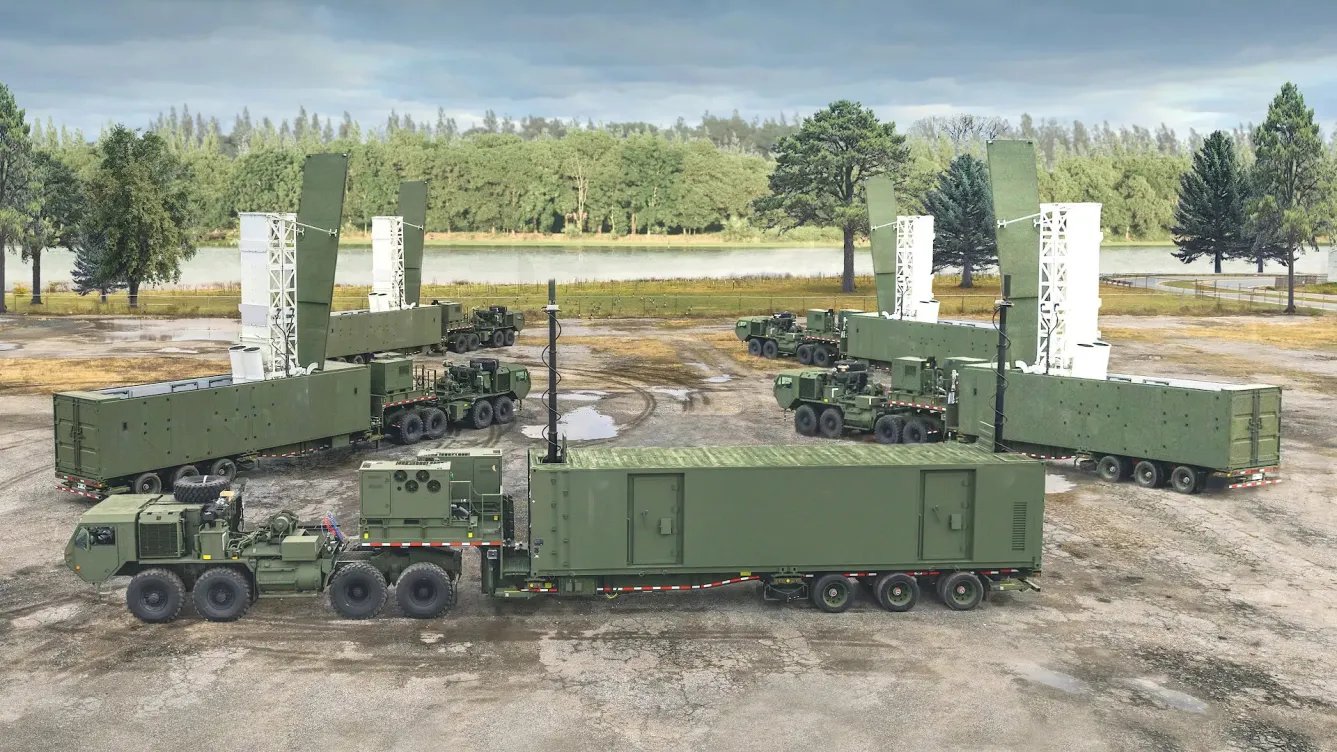
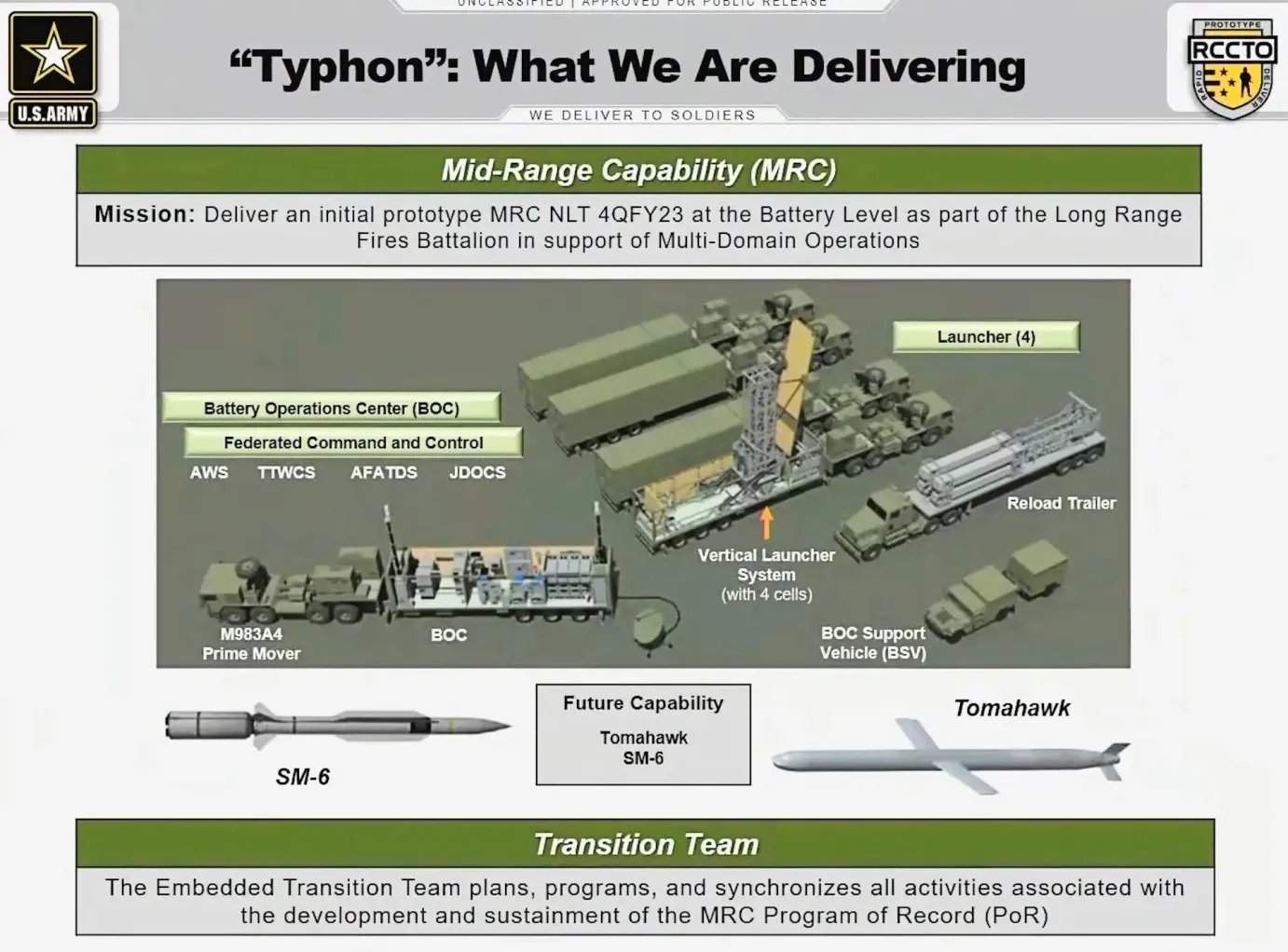
A complete Typhon battery consists of four launchers, a trailer-based mobile command post, and other ancillary vehicles and equipment, according to information the Army has previously released.
It is also worth noting that Australia, too, uses both the Tomahawk and SM-6 missiles, which arm its Hobart class destroyers.
For the Talisman Sabre 25 live-fire exercise, the Typhon was operated by the Army’s 3rd Multi-Domain Task Force (MDTF), which forward-deployed to Australia and then worked alongside the Australian Army, as part of a joint, multi-domain Land Effects Coordination Cell. This organization was responsible for command and control and targeting for the engagement.
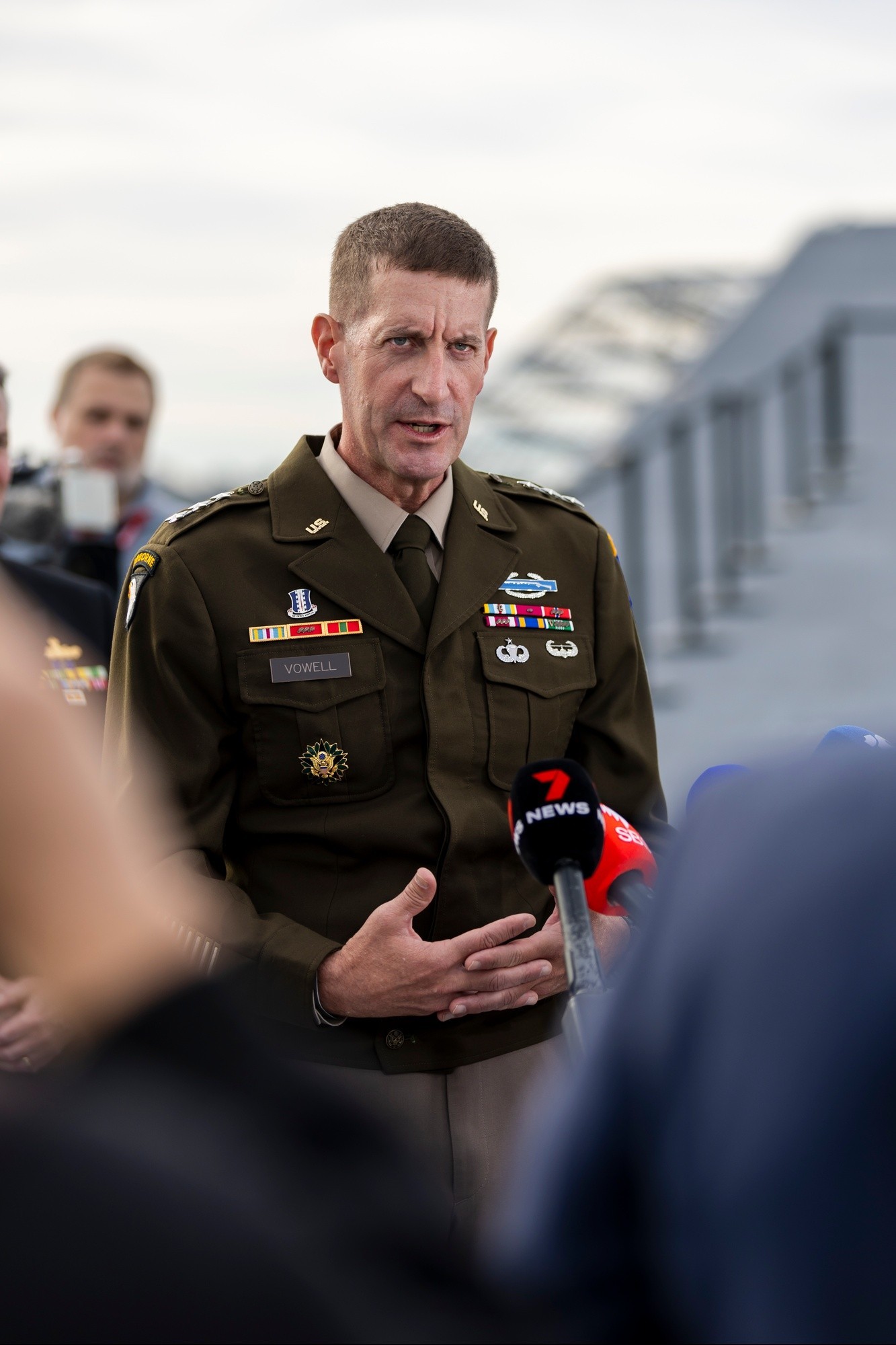
“The deployment of the MRC and successful execution of an SM-6 live-fire against a maritime target is another significant step forward in our ability to deploy, integrate, and command and control advanced land-based maritime strike capabilities,” said Col. Wade Germann, commander of the 3rd MDTF, in an Army press release.
The latest edition of the Talisman Sabre exercise began on July 14. The maneuvers involve 19 nations and over 30,000 service members, according to the Australian Department of Defense. Most significantly, however, this is billed as the largest bilateral military training event between the United States and Australia to date.
Increasingly, Australia is seen as a key ally when it comes to the U.S. military challenging China in the Indo-Pacific. For its part, Australia has been working to modernize and otherwise bolster its armed forces to better meet this aim. The most prominent effort in this regard is the Royal Australian Navy’s planned acquisition of a nuclear-powered submarine force with the assistance of its American and British allies. This is part of the larger trilateral Australia-United Kingdom-United States (AUKUS) defense cooperation agreement.
In its own press release marking the official start of the drills, the Australian Department of Defense notes that Talisman Sabre’s “strategic message is unmistakable,” with the exercise representing “a cornerstone of allied military cooperation between Australia and the United States.”
Talisman Sabre is taking place at the same time as Resolute Force Pacific (REFORPAC) 2025, which the U.S. Air Force describes as its biggest-ever contingency response exercise in the region, and which you can read more about here. REFORPAC is, in turn, part of a broader series of exercises organized by the U.S. Air Force at multiple locations across the United States and Indo-Pacific, with a focus on the latter theater.
While this is the first time that the Typhon system has been involved in a live-fire event outside of the continental United States, it has previously been deployed to the Indo-Pacific region, specifically to the Philippines, as we have discussed in the past.
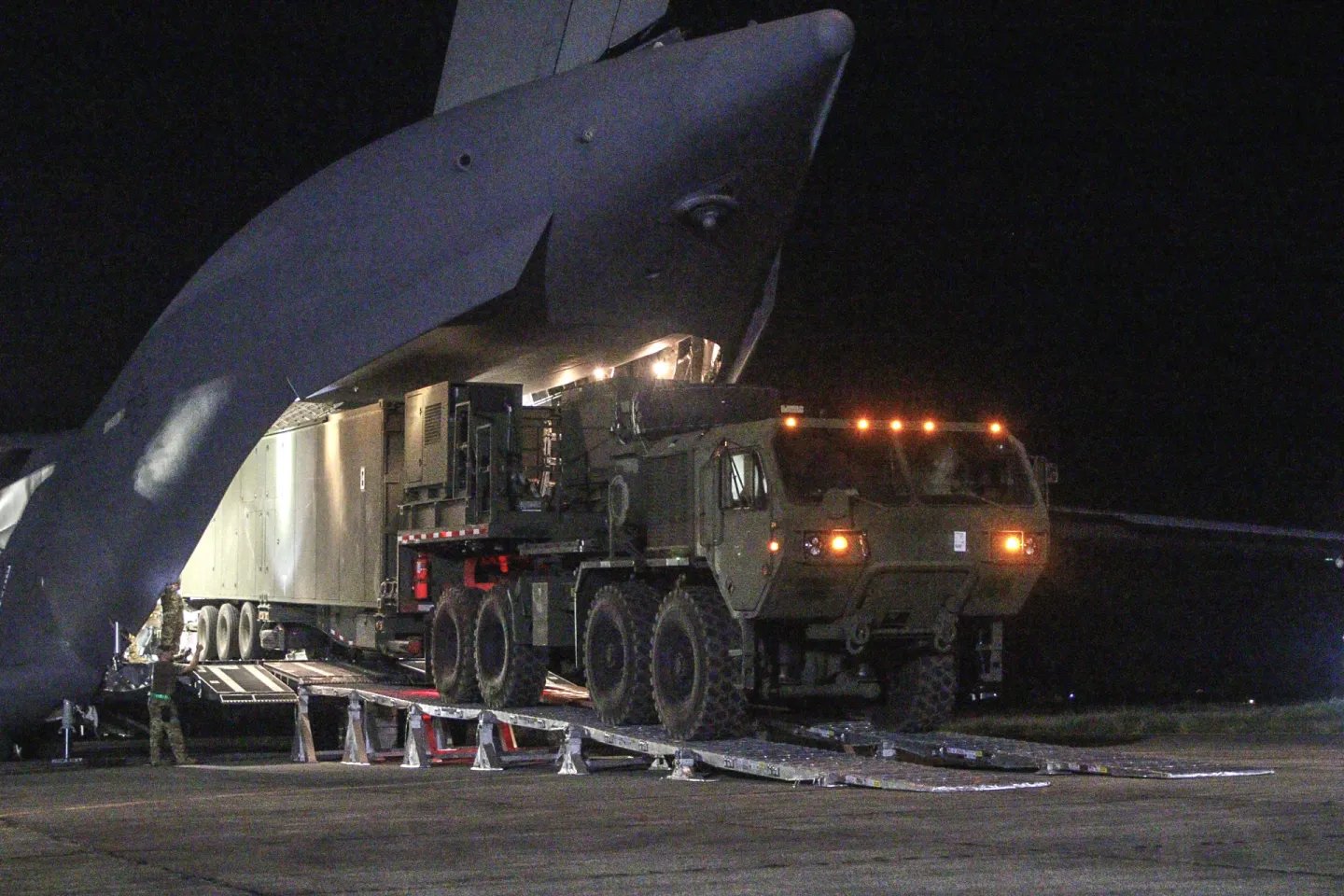
On that occasion, elements of the system were deployed by the 1st MDTF in April 2024 to participate in Exercise Salaknib 24, but there was no live-fire demonstration of the unit’s capabilities.
The live-fire exercise during Exercise Talisman Sabre provides a very clear signal to Beijing of the Army’s plans to expand its Long-Range Precision Fires (LRPF) capabilities. Ultimately, this should include permanently basing Typhon systems in the Indo-Pacific region.
With Tomahawk, Typhon offers the Army a way to hold targets on land and at sea at risk anywhere within a bubble stretching roughly 1,000 miles in any direction from where it is deployed, making it especially relevant across the huge expanses of the Pacific theater. As for the SM-6, this provides the Army with a notably flexible surface-to-surface weapon, with a ballistic-missile-like capability that makes it hard to intercept.
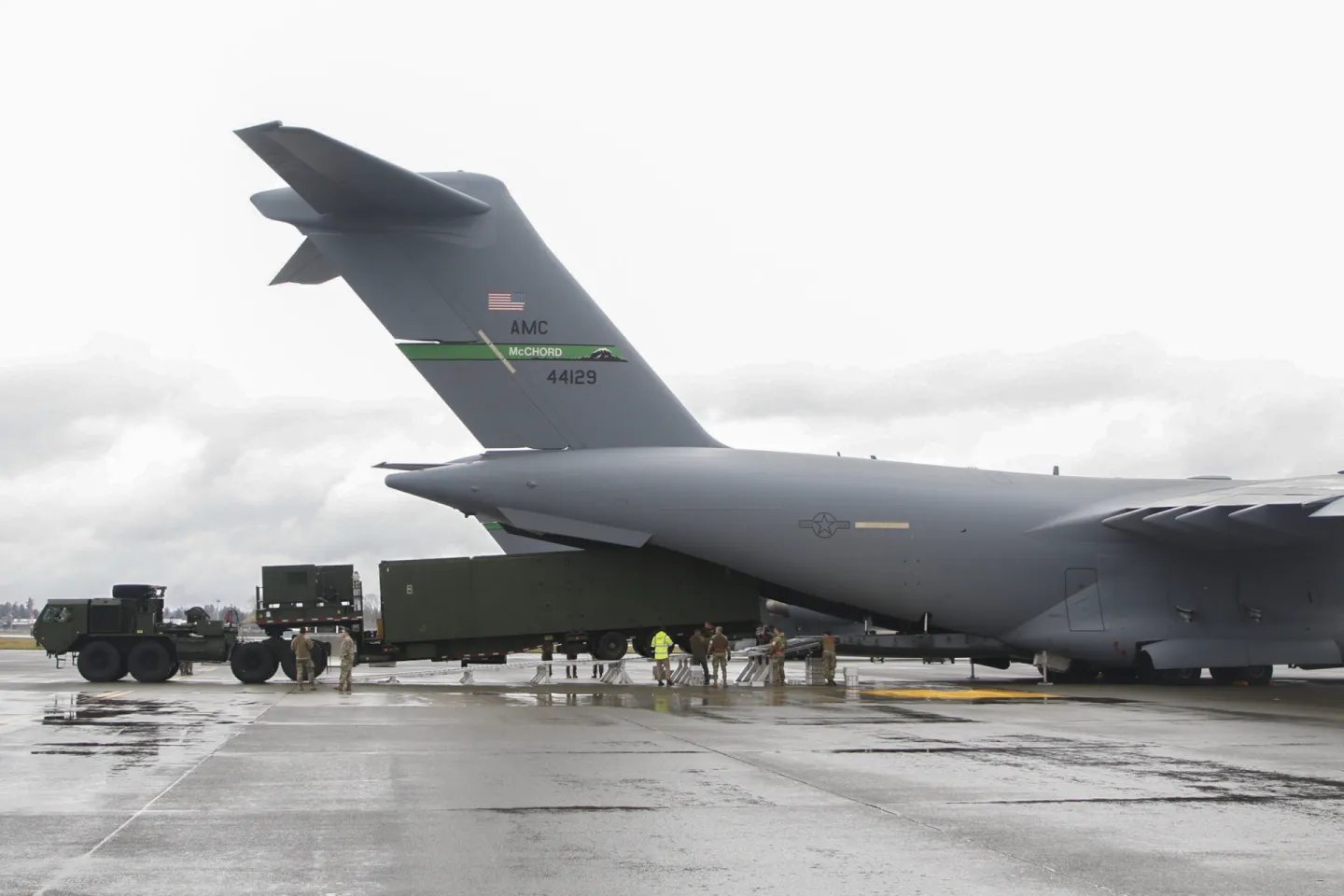
Ahead of any permanent basing of the systems in the region, successive deployments of Typhon to the Indo-Pacific region demonstrate the Army’s ability to more rapidly deploy these systems to forward areas in response to a crisis or contingency. Since they can be accommodated in U.S. Air Force C-17s, which have significant short- and rough-field capabilities, Typhons can be delivered to more remote and austere locations, if required.
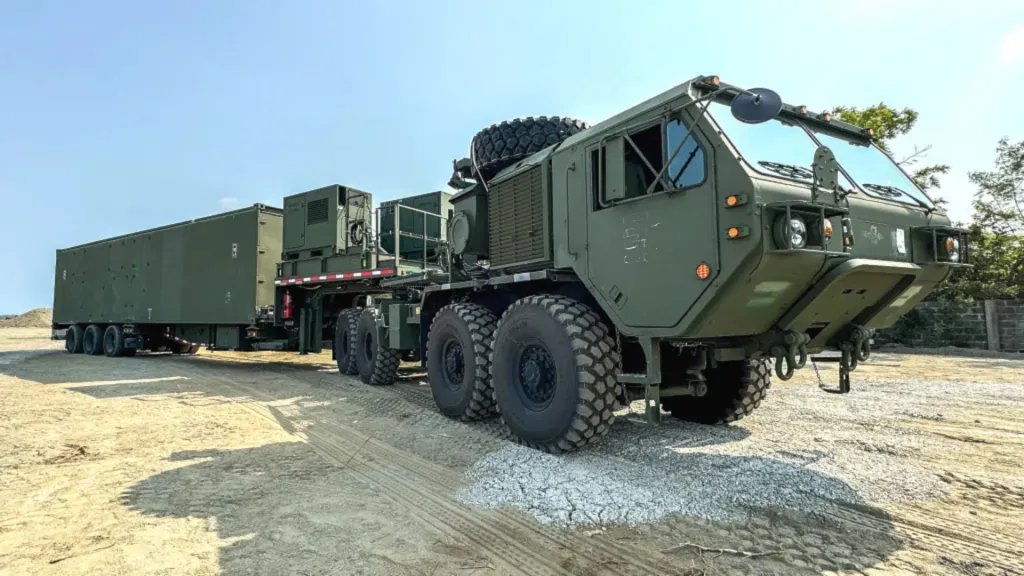
For China, the Typhon system presents a notable challenge to Chinese forces that might face it in combat. Its flexibility and responsiveness mean the system would be able to strike a range of targets throughout the region in the opening phases of a conflict. At the same time, the fact that it’s road-mobile makes it harder to target.
It has long been clear that, in any future major conflict with China, much will rest upon the U.S. military’s overall capacity to launch anti-ship strikes across large swathes of the Indo-Pacific. The task is only becoming more critical as the People’s Liberation Army Navy (PLAN) continues to add larger and otherwise more modern surface warships to its already substantial combat fleets.
Sending elements of Typhon to the Indo-Pacific for exercises also has relevance to the Army’s broader plans. This is a type of weapon system that the U.S. military was previously banned from fielding under the now-defunct Intermediate-Range Nuclear Forces Treaty, or INF, with Russia (and the Soviet Union before it). In the current security environment, Typhon is seen as a linchpin of future conventional long-strike capabilities. These will eventually include other systems, too, such as the Dark Eagle hypersonic missile.
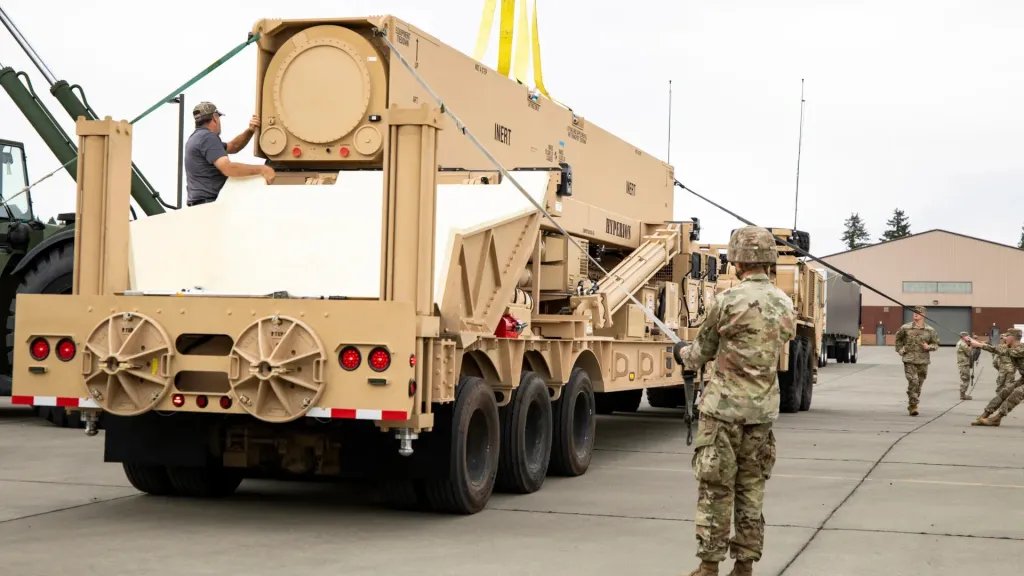
With Europe’s strategic significance also on the rise, in 2021, the Army reactivated the 56th Artillery Command in Germany, specifically to oversee forward-deployed units equipped with Typhon and other future conventional long-strike weapons. In the Cold War, this same unit was responsible for Pershing and Pershing II nuclear-armed ballistic missiles that were eventually outlawed by INF.
Ultimately, U.S.-owned and operated Typhon systems in Europe could be joined by more examples fielded by Germany.
Earlier this week, German Minister of Defense Boris Pistorius confirmed that a letter of request had been sent to the Pentagon with a view to buying an undisclosed number of Typhon systems via Foreign Military Sales (FMS) channels. Pistorius told reporters that Germany needs a conventional long-strike weapon to match capabilities already deployed by Russia.
For Germany, Typhon is seen as an interim system that will fill the gap before the arrival of new weapons being developed under the European Long-Range Strike Approach (ELSA). France, Germany, Italy, and Poland launched the ELSA project last summer and were later joined by Sweden and the United Kingdom. This effort calls for the development of a new capability for “long-range strikes,” although the type of weapon being pursued is not yet clear.
In the meantime, in the Indo-Pacific context, the successful demonstration of the Typhon system against a maritime target sends a powerful signal to China, as well as a message of resolve to allies in the region.
Contact the author: thomas@thewarzone.com
Loading comments…
Comments couldn’t be loaded. Please refresh the page.