
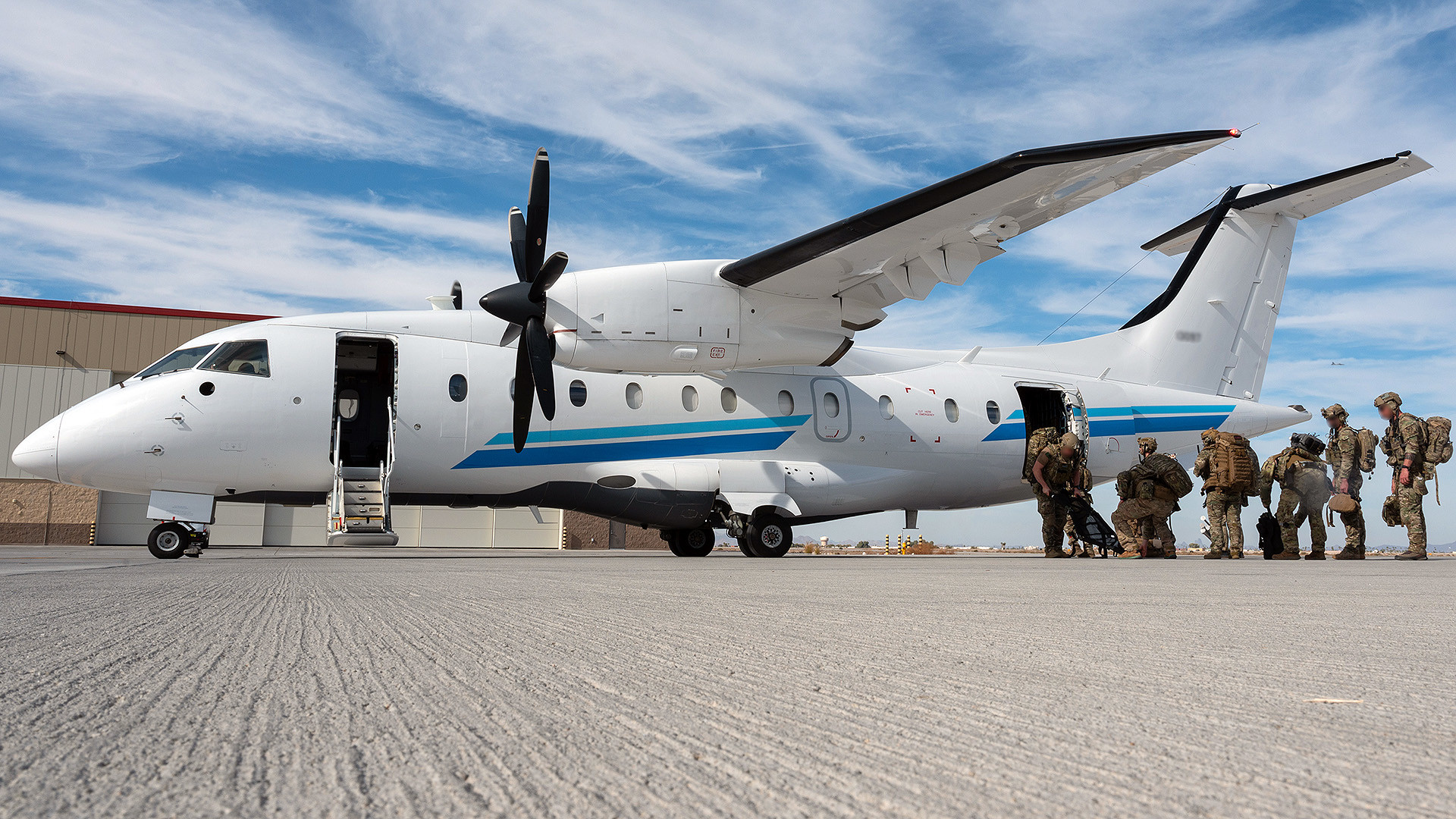
U.S. Special Operations Command (SOCOM) is in the early stages of the search for a replacement for the C-146 Wolfhound cargo plane. The C-146s are unassuming twin-engine turboprop aircraft with civilian-style paint schemes that provide important logistical, medical evacuation, and other support, particularly to far-flung U.S. special operations forces. However, they are also based on a long-out-of-production design that was never in widespread use anywhere, and that makes them increasingly difficult and costly to sustain.
Col. Justin Bronder, head of SOCOM’s Program Executive Office for Fixed Wing (PEO-FW), spoke to TWZ and other outlets about the C-146 replacement plans at a roundtable on the sidelines of the annual SOF Week conference yesterday. The Wolfhounds are part of what SOCOM refers to as its Non-Standard Aviation (NSAv) fleets.
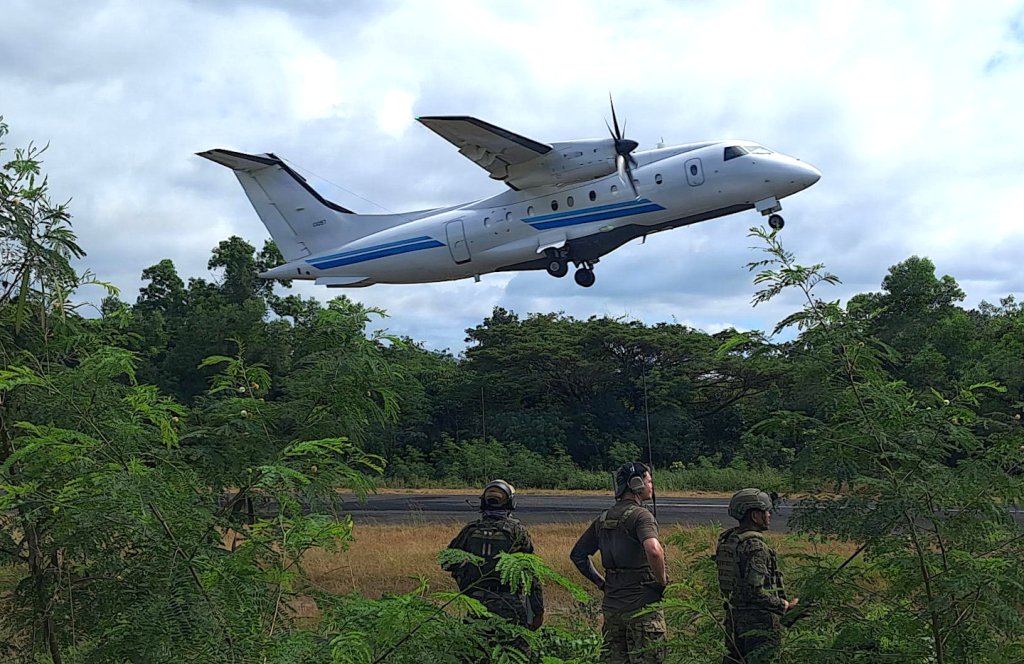
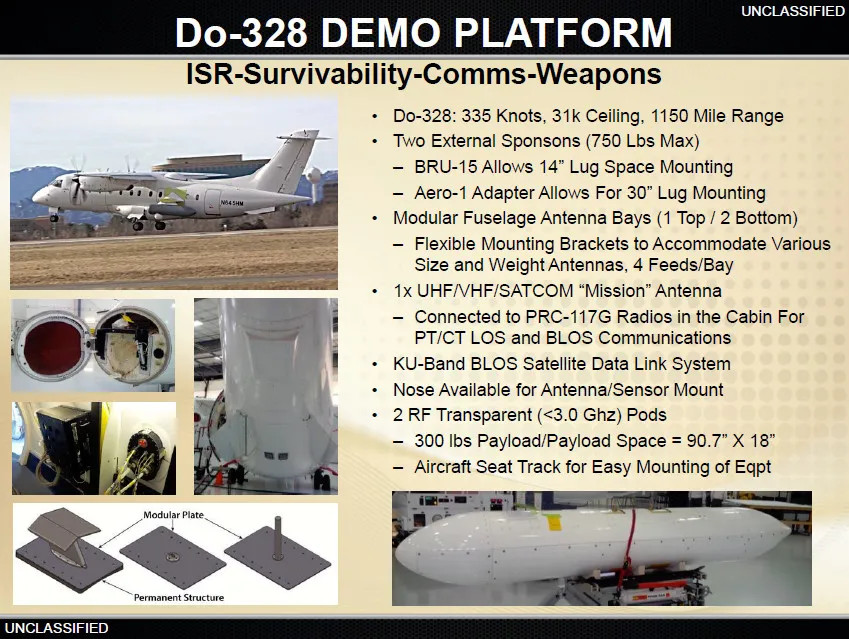
There are some 20 Wolfhounds in service today, which are operated by Air Force Special Operations Command (AFSOC). The C-146, which AFSOC began flying in the early 2010s, is a militarized version of the Dornier Do-328, something we will come back to later on. The Air Force also has another Do-328, nicknamed Cougar, that has been used to conduct research and development and test and evaluation activities in support of SOCOM.
“So we have had a highly successful Non-Standard Aviation program, again that really developed under the crucible of where those operations that the Command [SOCOM] was in many parts leading in the really peak days in the War on Terror,” Col. Bronder explained. “So those aircraft, again, battle-proven C-146 Wolfhound aircraft, [were] set up at various TSOCs [theater special operations commands], providing the direct support.”
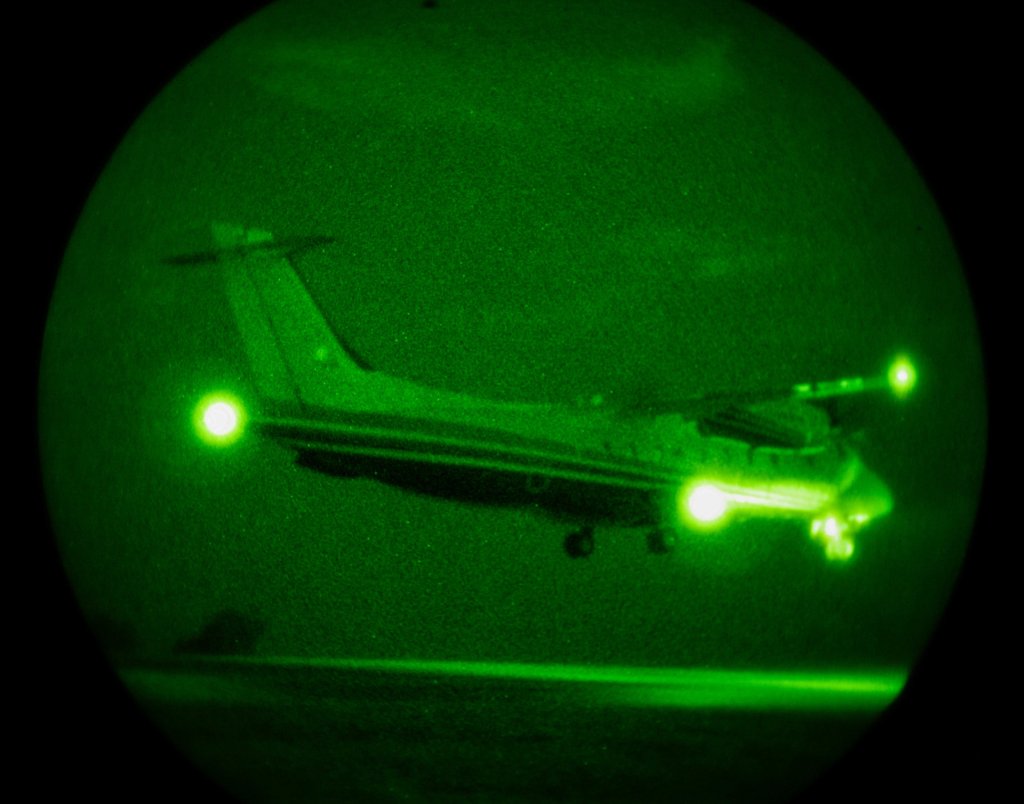
However, “those aircraft were fairly constricted by their short range, [and] by being a unique aircraft. There wasn’t a large global backbone to sustain them,” he continued. “So it was a successful model, but maybe not a very cost-effective one.”
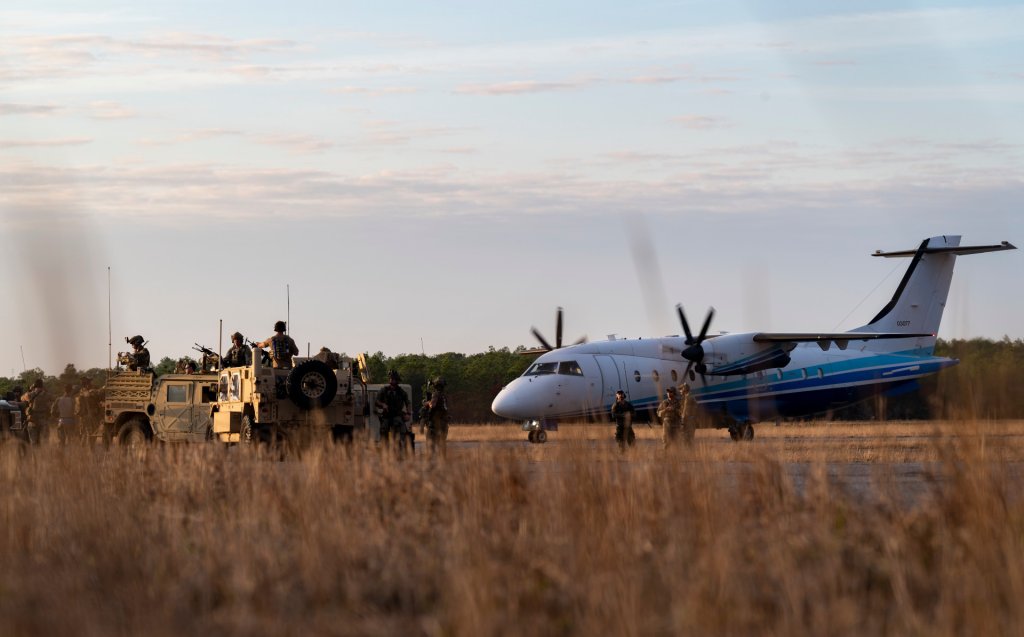
The Air Force’s official C-146 fact sheet says the aircraft can fly up to 1,500 nautical miles while carrying 2,000 pounds of cargo. The Wolfhound does offer the flexibility to operate from shorter runways and semi-prepared airstrips, as well as roads.
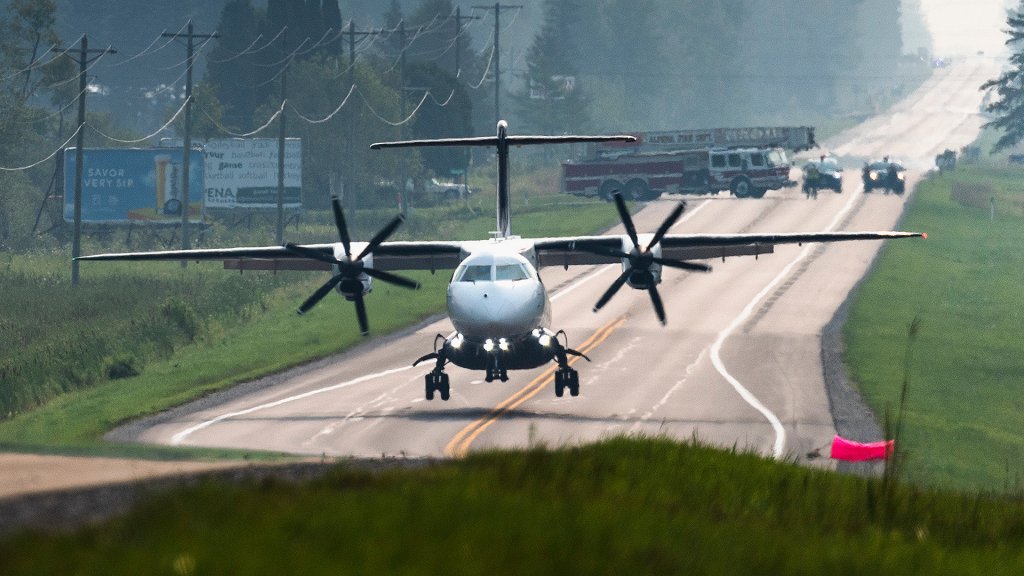
“We’re looking for ways to recapitalize that fleet with something that’s more cost-effective, leverages a commercial kind of sustainment enterprise better, and then it again provides maybe a more capable aircraft to cover down on larger areas faster,” Col. Bronder added. “So those are the types of requirement spaces we’re working through as we plan out what the next phase of NSAv looks like.”
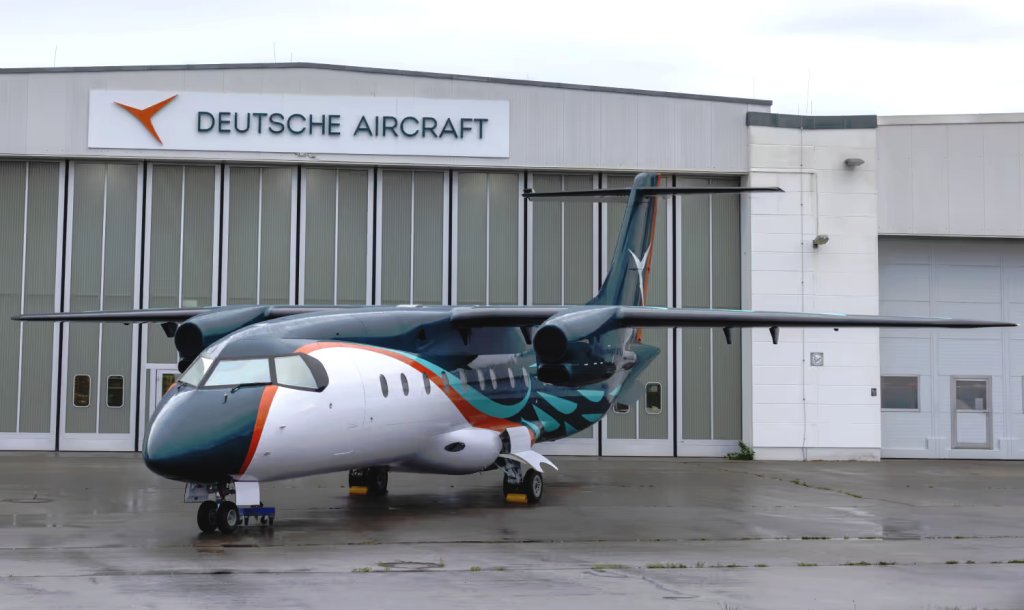
The Do-328 was first developed in the 1980s as a commuter airliner. A jet-engined 328JET derivative followed in the 1990s. Both variations only saw relatively limited sales. Just 217 examples were reportedly built, inclusive of both turboprop and jet-powered versions, during the production run in the 1990s. Only a fraction of those aircraft are still flying. Several attempts have been made to revive production of modernized versions of the design, but so far without success. Last year, Deutsche Aircraft unveiled the first prototype of its new D328eco, but, at the time of writing, it has yet to fly.
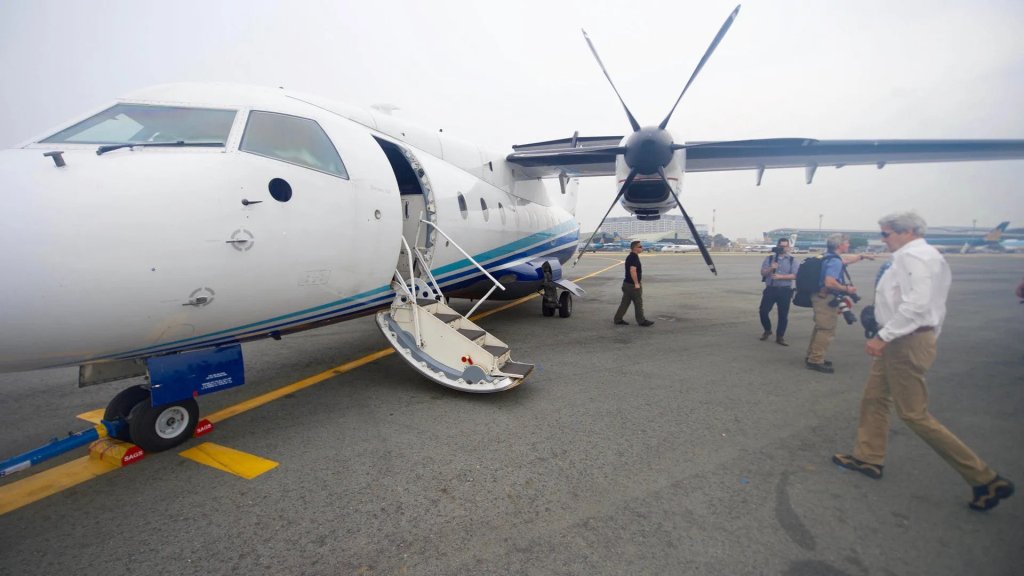
With the exception of a lone example operated by the Botswana Defence Force, the U.S. Air Force is the only military user of the Do-328. All of the Air Force’s examples were acquired second-hand. The C-146s supplanted an even smaller fleet of Bombardier Q-200s, a version of the De Havilland Canada DHC-8, or Dash 8, which AFSOC had begun flying in the NSAv role in the late 2000s.
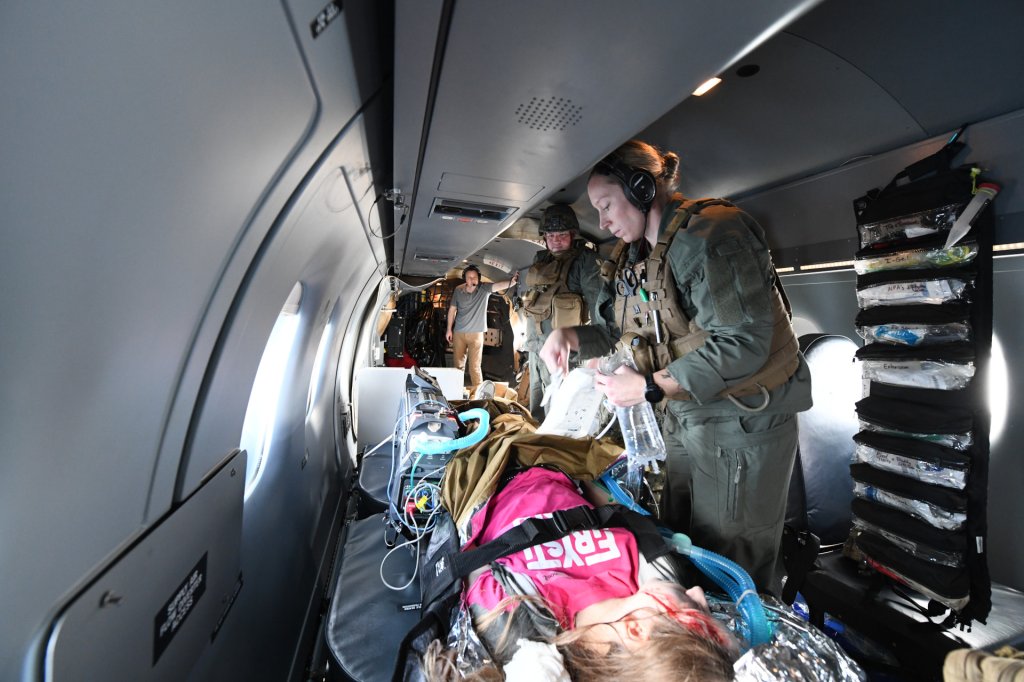
Since the early 2010s, the C-146s have been criss-crossing the globe, providing discreet support to U.S. operations forces, sometimes right at the tactical edge. As one known example, Wolfhounds were heavily involved in supporting the opening phase of the French intervention in the northwest African country of Mali in 2013. C-146s continue to be used to move special operations forces and cargo, as well as to help evacuate injured personnel and perform other light utility-type missions worldwide. They have even sometimes been employed as VIP transports in more far-flung locales.
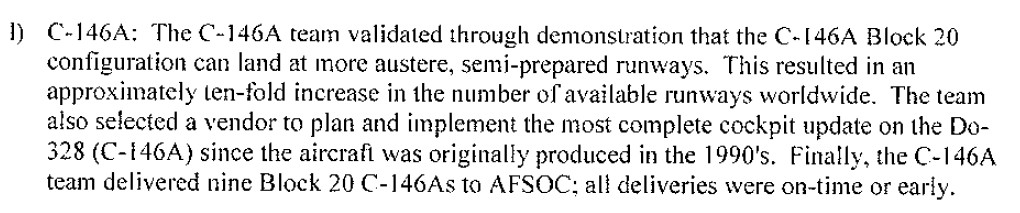
The C-146 fleet has also received various upgrades over the years. This includes unspecified modifications that have enabled the aircraft “to land at more austere, semi-prepared runways,” which “resulted in an approximately ten-fold increase in the number of available runways worldwide,” according to a declassified annual Air Force report published in 2015, which this author previously obtained via the Freedom of Information Act (FOIA).
As Bronder made clear yesterday, SOCOM and AFSOC are still very early in the process of laying out the requirements for a successor to the C-146. Any desire for boosts in range, performance, payload, and other capabilities will need to be balanced against the need for any future NSAv aircraft to be able to operate from the same kinds of remote and austere locations as the Wolfhound does today.
SOCOM is certainly looking to move quickly on securing a replacement for the C-146. It is asking for $55 million to buy the first three of these new NSAv aircraft in its Fiscal Year 2027 budget.
“The current C-146A fleet will be divested of on a schedule that maintains this critical TSOC capability, as transition to the new aircraft occurs,” the budget documents also note.
In the meantime, the Wolfhound fleet will continue providing important, if not often overlooked, support to American special operations forces around the world.
Contact the author: joe@twz.com
Loading comments…
Comments couldn’t be loaded. Please refresh the page.