
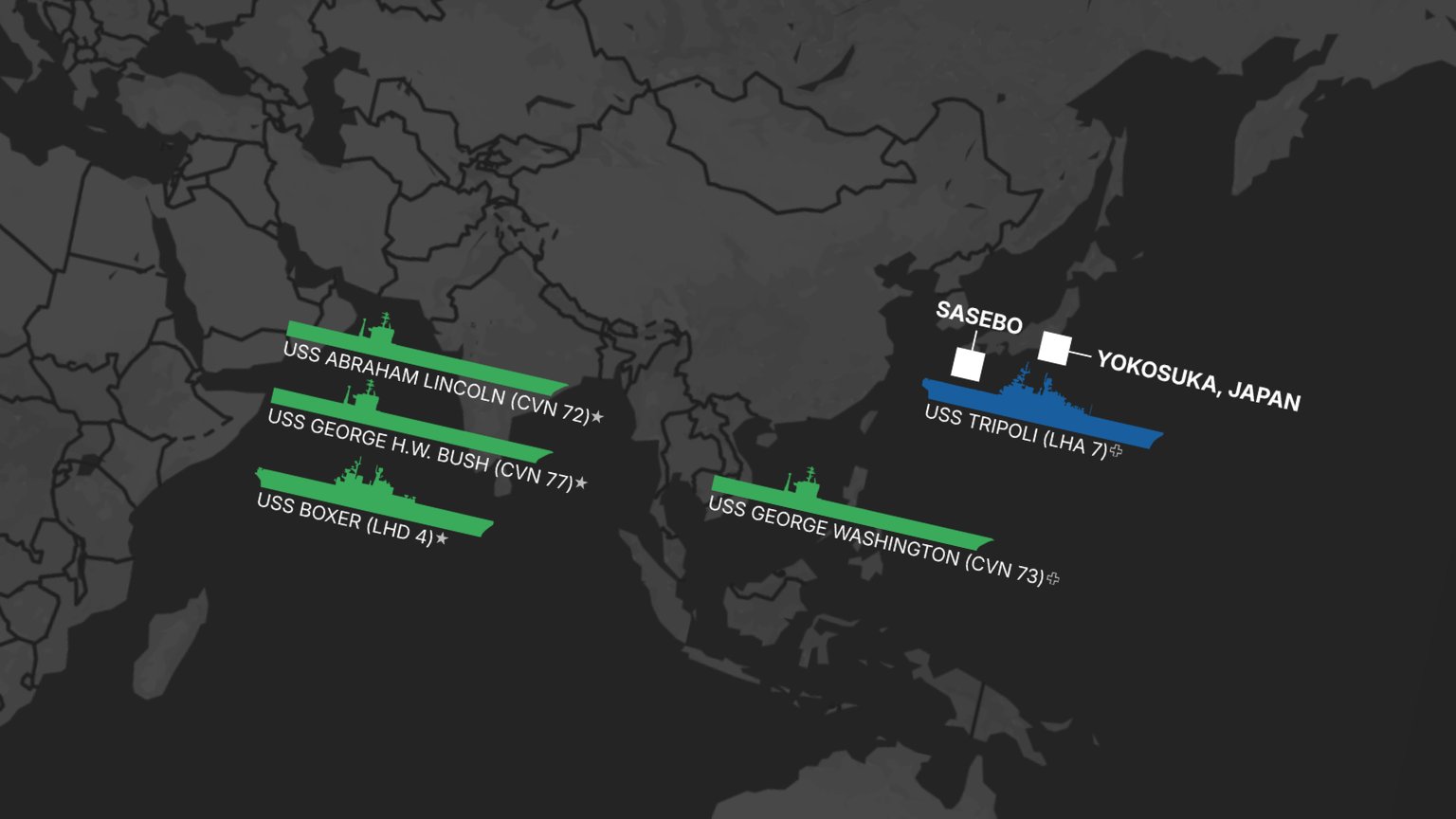
Here’s TWZ’s weekly carrier tracker monitoring America’s flattop fleet, including deployed Carrier Strike Groups (CSG) and Amphibious Ready Groups (ARG), using publicly available open-source information. Check out last week’s report here.
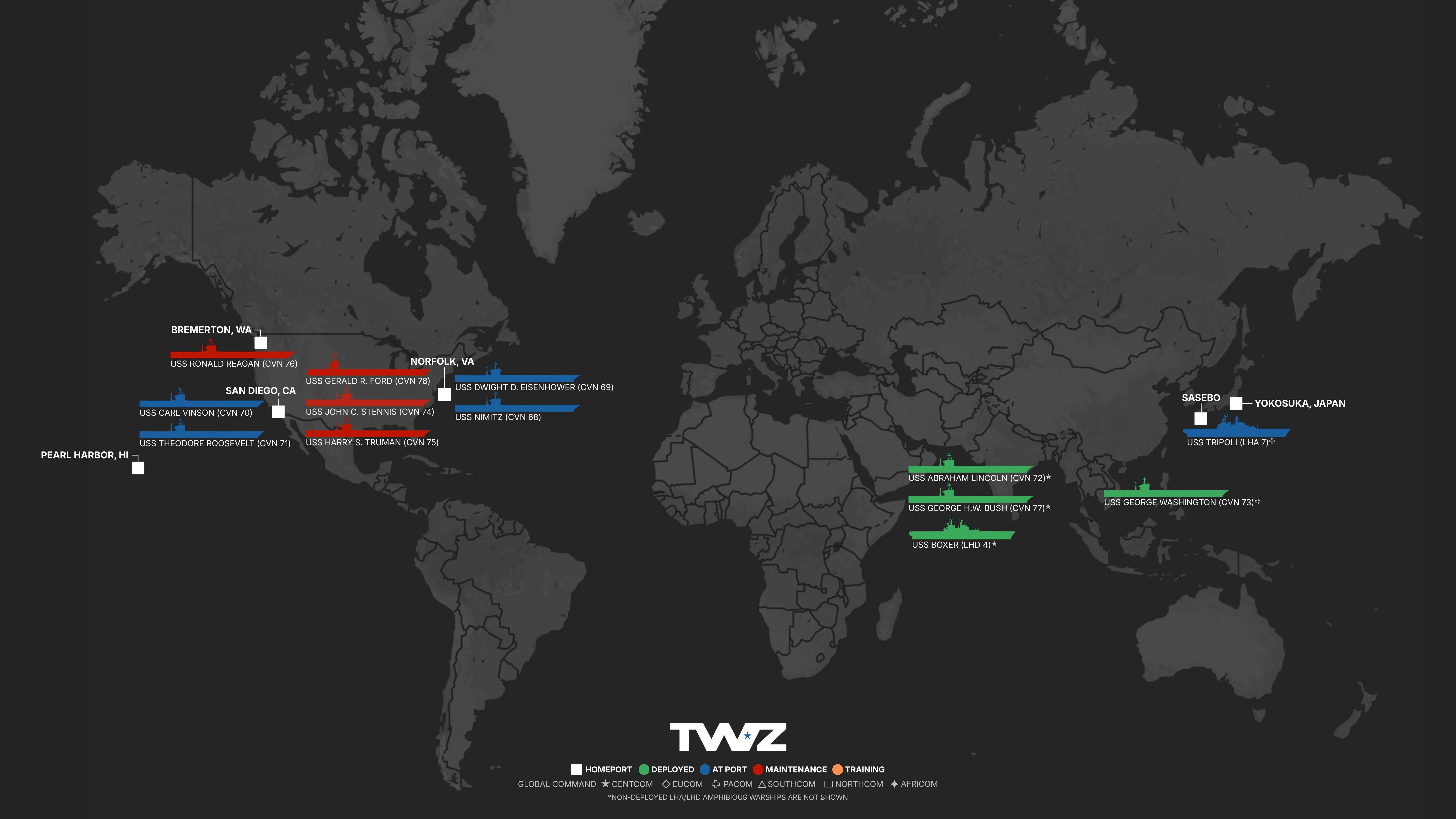
Less than one week remains of the 60-day timetable initially agreed upon in the memorandum of understanding signed by Washington and Tehran in June to strike a deal to end hostilities. But as the deadline approaches, little tangible progress has been made, and U.S. President Donald Trump is reportedly leaning toward applying economic leverage over returning to all-out war, according to the Wall Street Journal. Regardless, the blockade of Iranian ports and coastal cities is still on in full force, supported by dual aircraft carriers, USS Abraham Lincoln and USS George H.W. Bush – two of more than 20 Navy warships enforcing the blockade and conducting other military missions across the region.
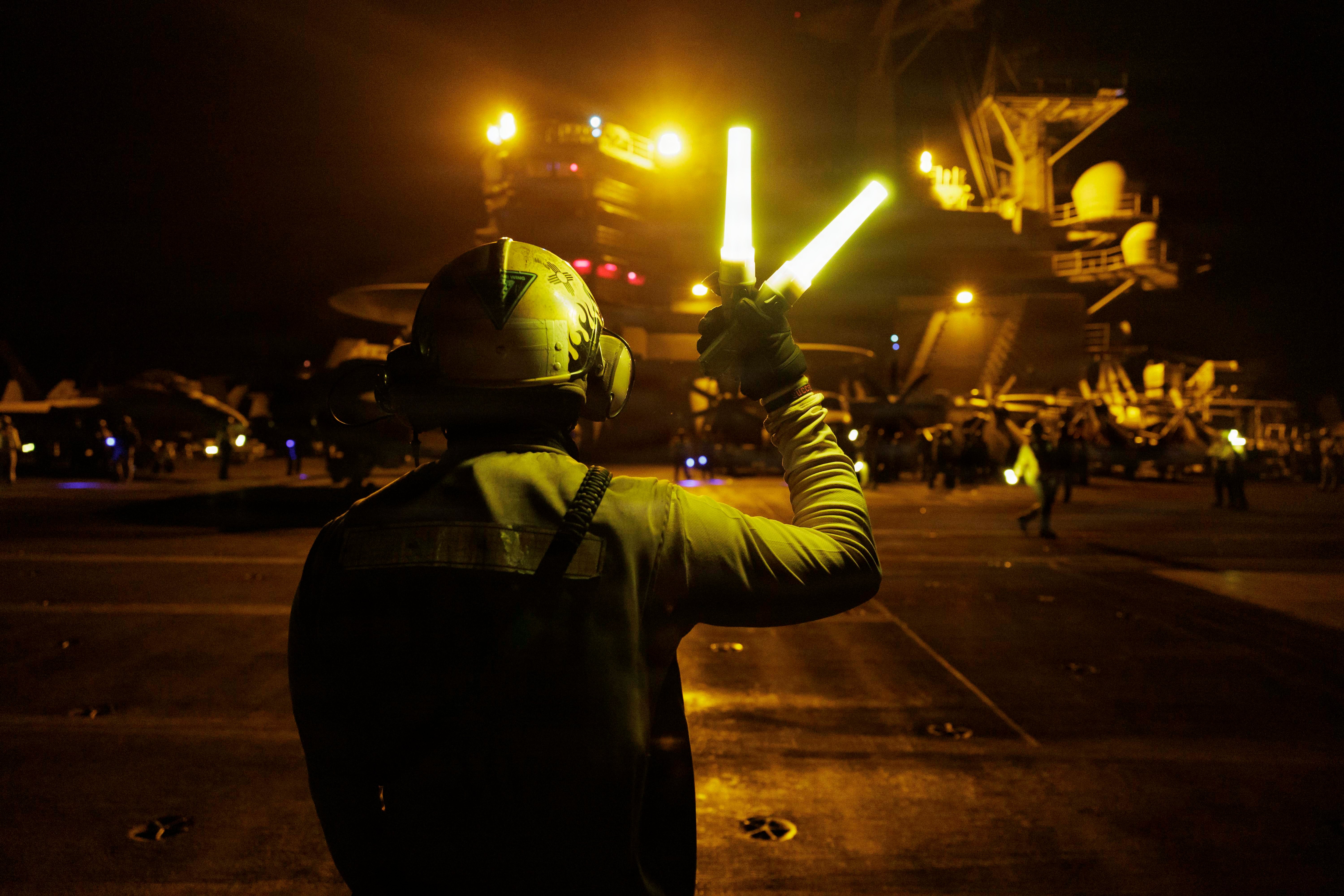
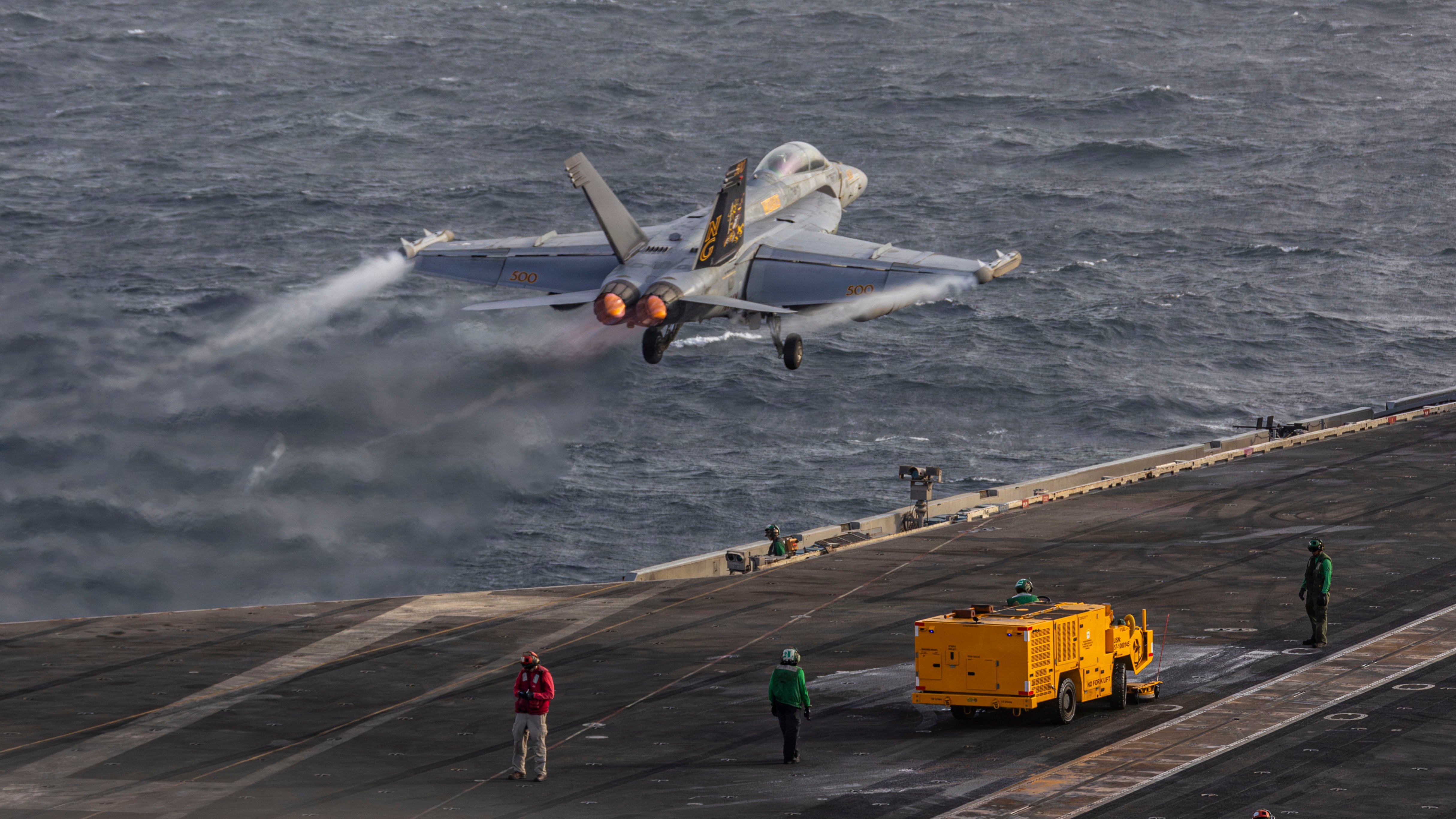
Both supercarriers are on station in the northern Arabian Sea. As of August 9, U.S. Central Command (CENTCOM) forces have redirected 55 commercial vessels, kinetically disabled two, and boarded another two to ensure compliance.
USS Abraham Lincoln is approaching nine months deployed. A dozen family members of the crew told MS Now that conditions aboard the flattop have been difficult. In response to those accounts, the spokesperson for U.S. 5th Fleet, Cmdr. Joseph Hontz, said, “Though more than 250 days on deployment is challenging for the crew and their equipment, they remain resilient and ready to accomplish any tasking given to them.” He added that “the ship remains fully capable of meeting all mission tasking” and that the crew has “occasionally run low on certain supplies for brief time periods, but Abraham Lincoln and all ships in theater currently have an adequate supply of food and supplies to sustain operations.” TWZ has not independently verified the family accounts.
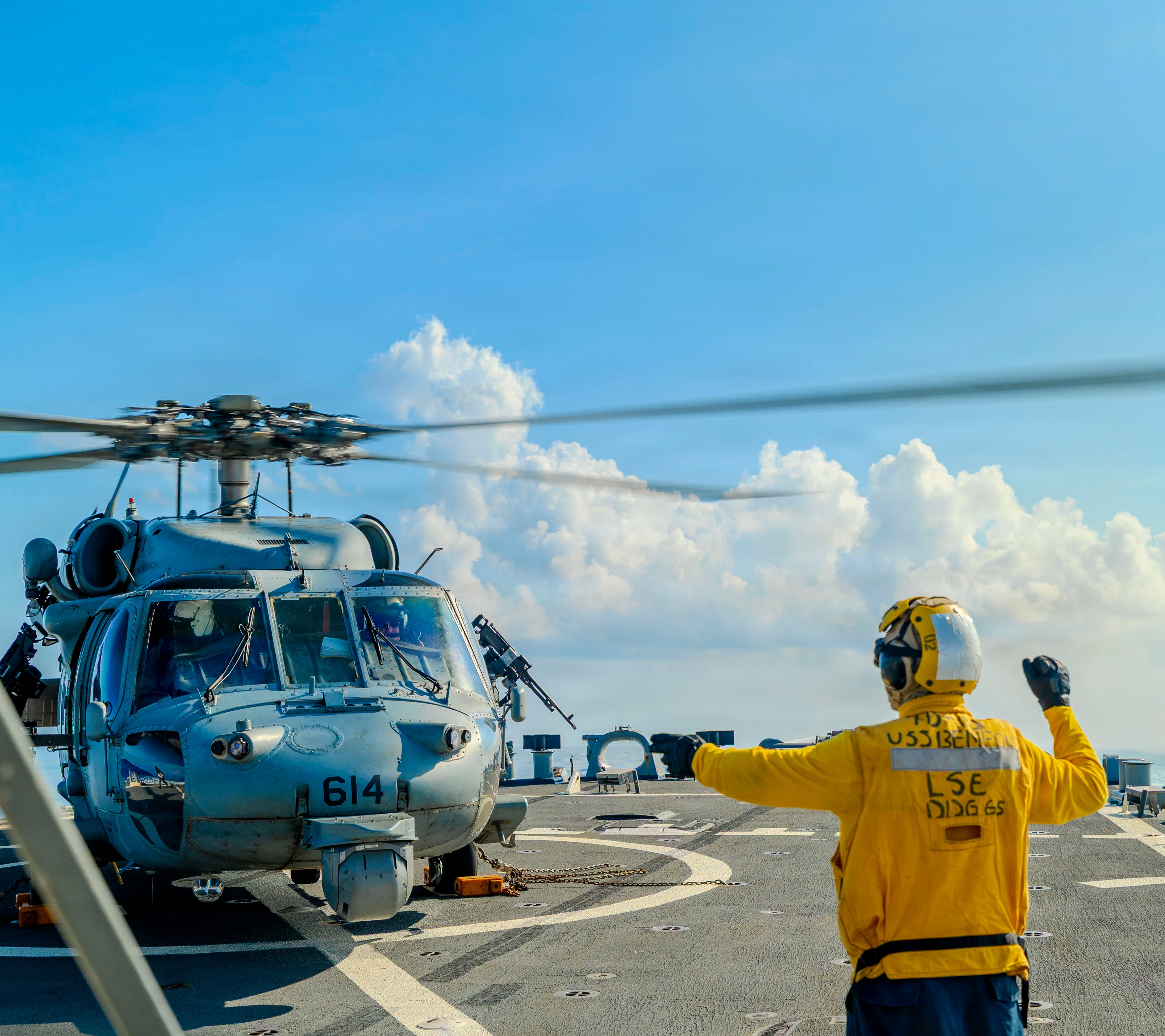
Spinning the globe east, the USS George Washington is operating in the South China Sea after completing a five-day port call in Vietnam. Open-source flight tracking data most recently placed the four-ship strike group to the west of the Philippines, approximately 100 nautical miles off the coast of Luzon. A CMV-22B Osprey with Carrier Air Wing (CVW) 5, callsign “RUDY73,” was spotted making a round trip to Clark Air Base, a Philippine Air Force base located 40 miles northwest of Manila that was previously operated by the U.S. military. George Washington is being escorted by a guided-missile cruiser, USS Robert Smalls, and two guided-missile destroyers, USS Shoup and USS Benfold.
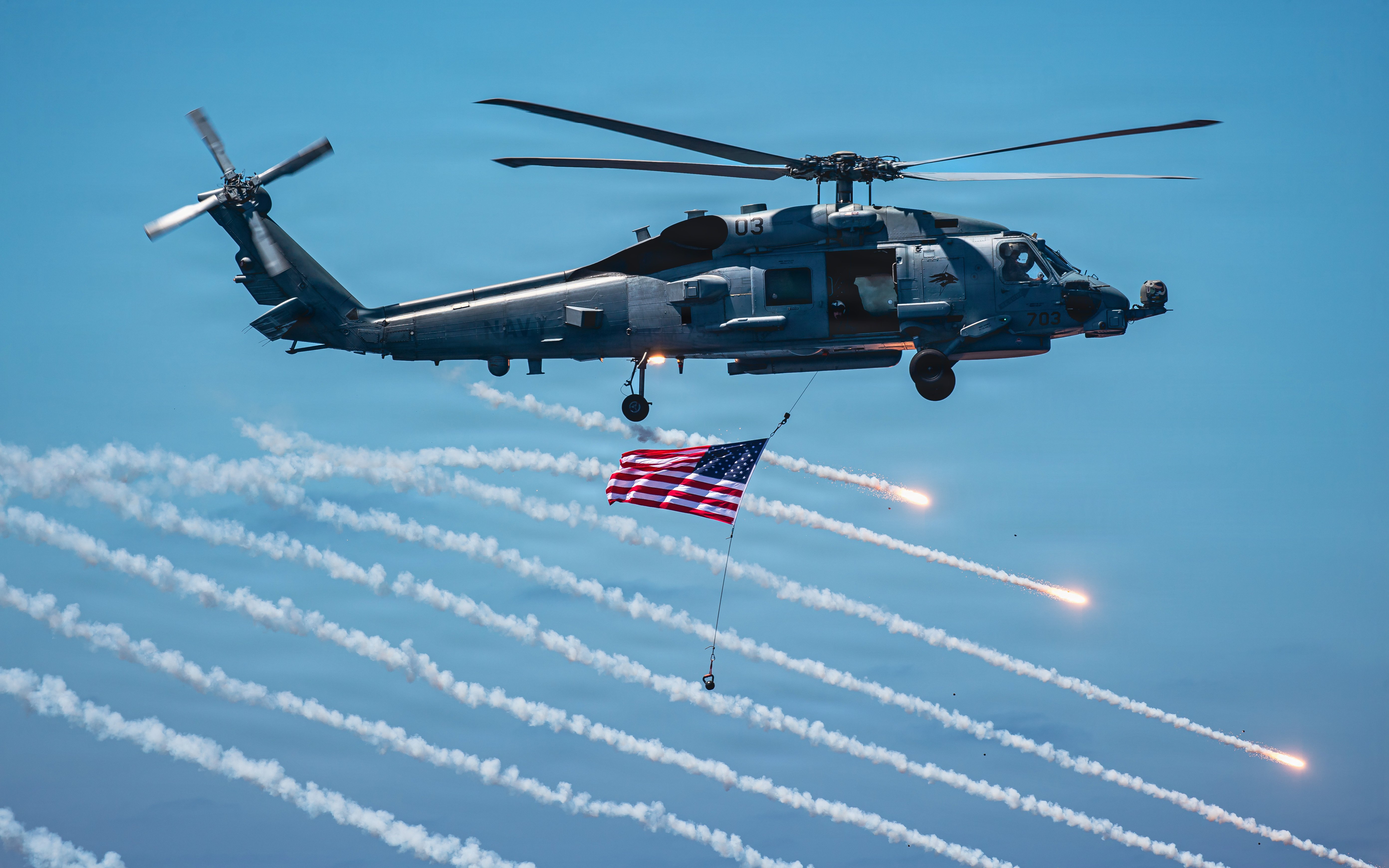
Further east, USS Theodore Roosevelt returned home to San Diego after two months away following participation in large-scale exercise Rim of the Pacific (RIMPAC) 2026. The flattop was pierside at Naval Air Station North Island before embarking nearly 2,000 friends and family for a ‘tiger cruise’ over the weekend, which included a massive display of air power. Whether the strike group deploys to the Middle East to relieve USS Abraham Lincoln and maintain dual-carrier coverage in CENTCOM, or conducts a routine Western Pacific patrol augmenting USS George Washington, will likely depend on how the negotiations with Iran shake out.
“This event showcases the talent, pride and professionalism of our Sailors aboard Theodore Roosevelt,” the commanding officer, Capt. William Mathis, said. “To be able to demonstrate this for their loved ones while underway brings a greater understanding to the people that are the foundation of their support. I believe that is so impactful.”
The “Gator Navy,” which includes the service’s fleet of big-deck amphibious assault ships that embark Marine Expeditionary Units, remains in high demand but is stretched thin, a dynamic TWZ has been covering for years. “I won’t say how many of the ARG-MEUs our combat commanders ask for, but it is well north of three… like double that,” the commandant of the U.S. Marine Corps, Gen. Eric Smith, said at the Modern Day Marine conference in April. The Navy opted to replace the Iwo Jima ARG in U.S. Southern Command (SOUTHCOM) with Littoral Combat Force-24, which embodies the Navy’s new, more flexible deployment strategy and is centered on a single amphibious transport dock ship with distributed land-based nodes. Two other ARGs are currently working up: USS Makin Island completed ARGMEUEX on July 31, and USS Essex departed Pearl Harbor last week after participating in RIMPAC. “I just wish I had more of them to offer,” Smith admitted.
Overall, three U.S. carriers are deployed, three are working up or at homeport in various states of readiness, four are in maintenance, and one is being used for training. One amphibious ready group is deployed, five are training or in port, and three are in maintenance availabilities.
Note: Positions are general approximations. Non-deployed LHA/LHD amphibious warships are not shown.
Contact the author: ian.ellis-jones@teamrecurrent.io
Loading comments…
Comments couldn’t be loaded. Please refresh the page.