
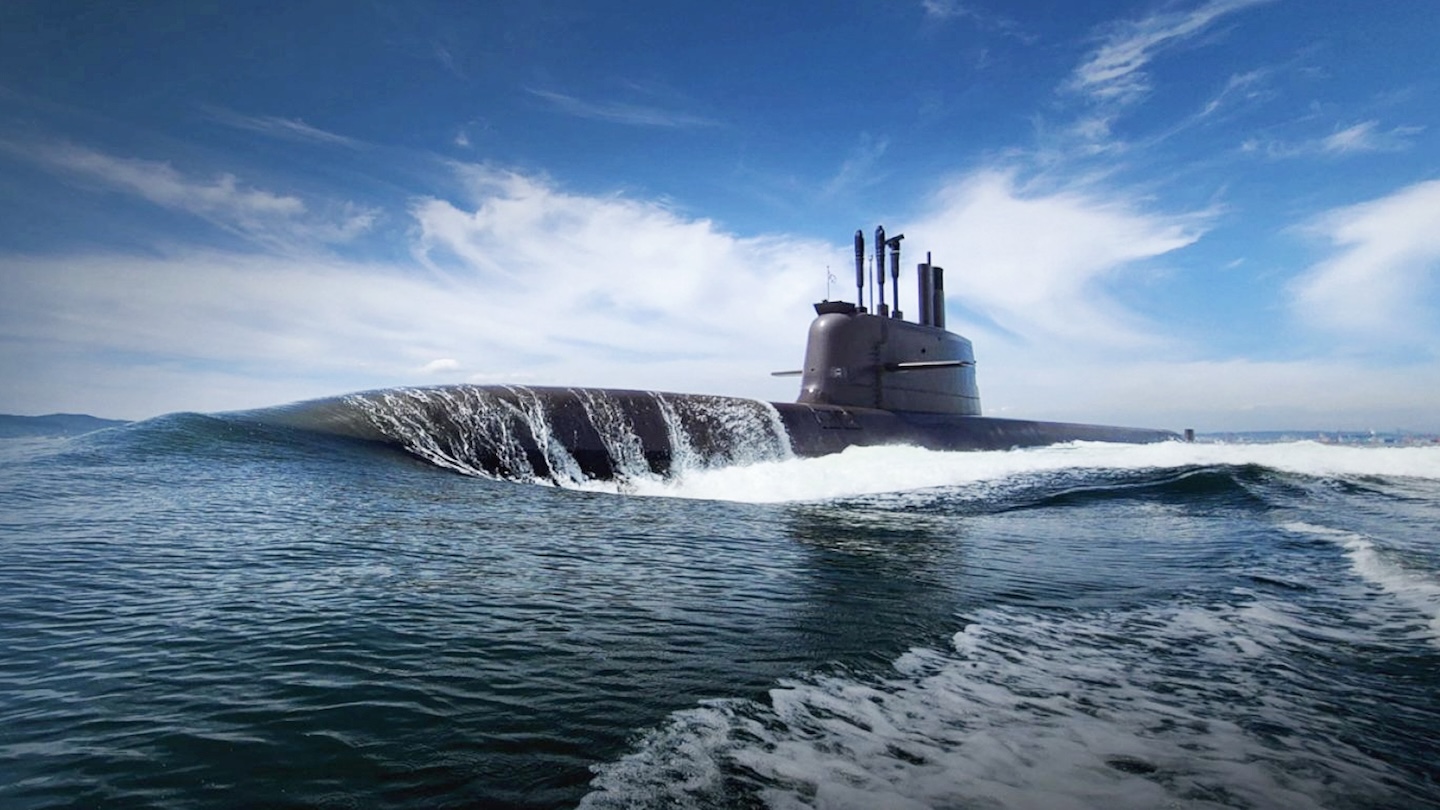
South Korea has confirmed plans to develop a new class of nuclear-powered submarines under the Jang Bogo N Project. These will put South Korea in an exclusive class of nations operating nuclear-powered subs, with currently only China, France, India, Russia, the United Kingdom, and the United States having them in active service. The move has larger implications than providing the Republic of Korea Navy (ROKN) with just more capable submarines.
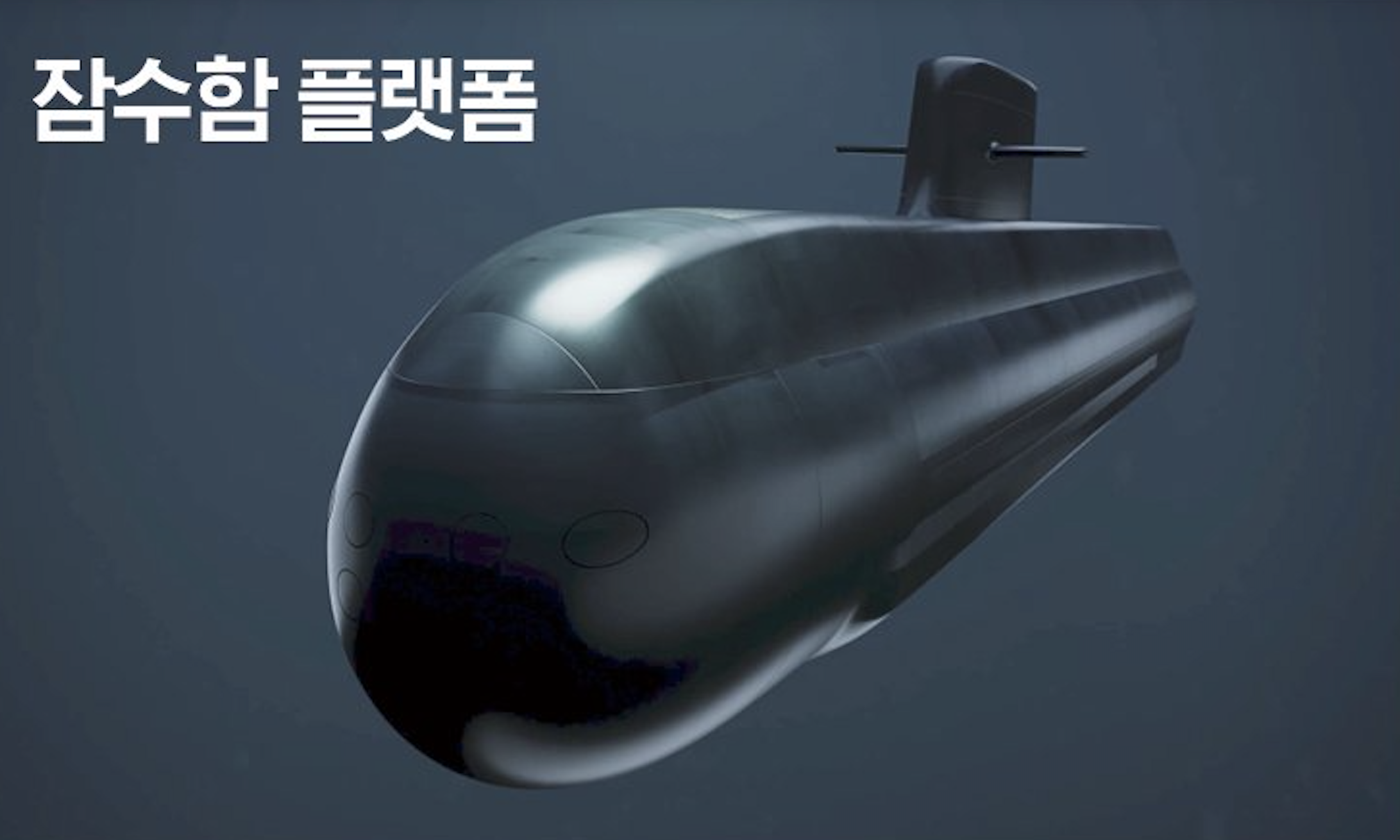
South Korea’s Ministry of National Defense (MND) today published a document, the Basic Plan for the Development of Nuclear-Powered Submarines in the Republic of Korea, that sets out its ambition for a major advance in the country’s naval capabilities. The name of the program alludes to South Korea’s first submarine, the Jang Bogo class.
The MND has presented the thinking behind its nuclear-powered sub plans, noting that the vessels will offer “dramatically enhanced operational capabilities” compared to the ROKN’s existing diesel submarines. As well as their functionally unlimited range, the MND says the new nuclear-powered submarines will offer “higher mobility” than their predecessors, which pairs with nuclear submarines’ abilities to travel farther, and do so faster, as well as their underwater agility, at least in certain performance envelope areas.
The ministry also outlines that the new submarines “will play a core role in responding to threats such as North Korea’s submarine-launched nuclear and missile threats.”
“The Republic of Korea will transparently and firmly fulfill its nuclear non-proliferation obligations based on the trust of the international community,” the MND adds.
Clearly, this is a long-term program, with it being Seoul’s first venture into nuclear propulsion for a military application, although it does develop reactors for civilian purposes, which could be leveraged for such work.
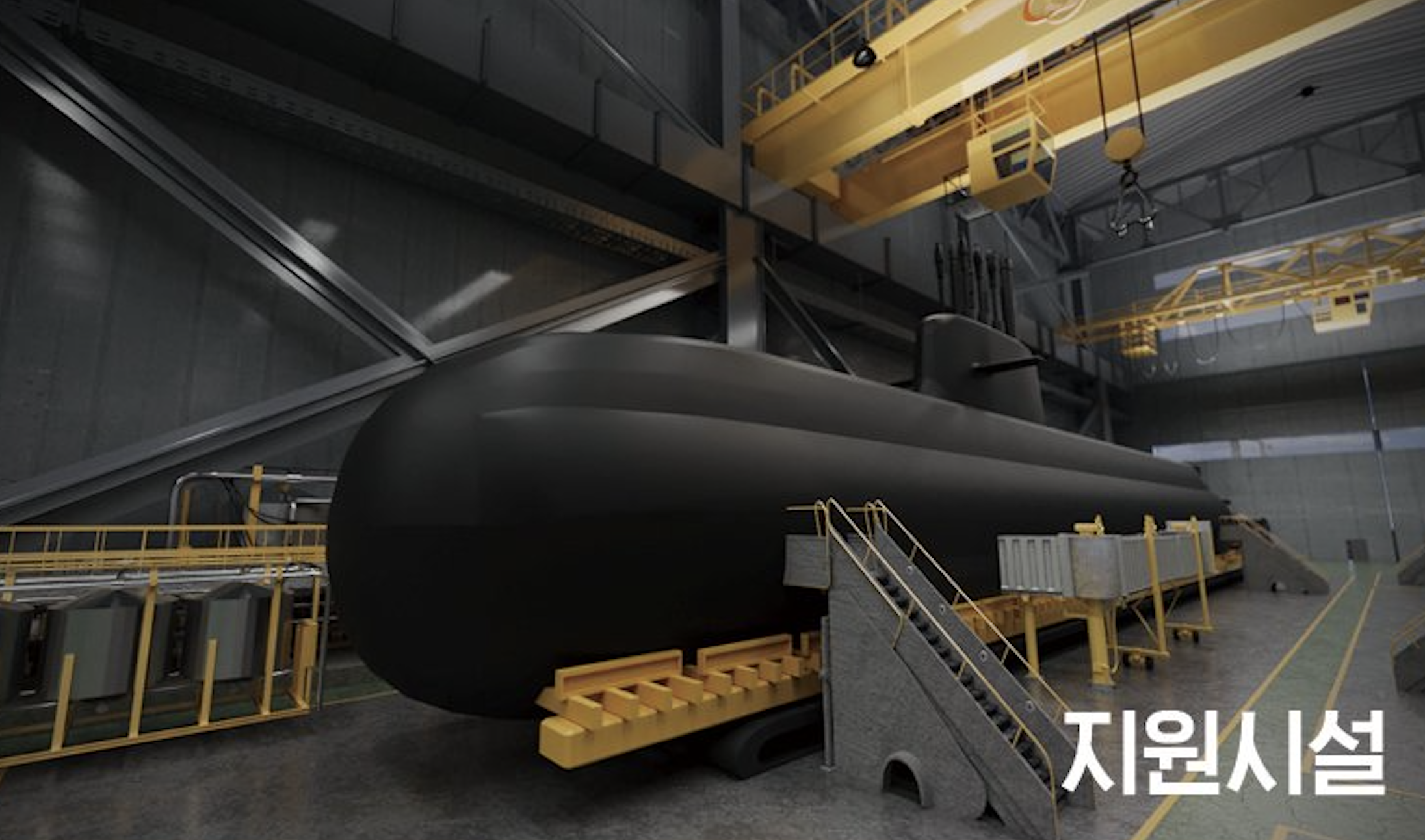
The defense ministry expects that the construction process will take up to 10 years, after which the boats will be operated for more than 30 years.
A precise timeline has not been released, and it is also unclear how many hulls are expected to be built.
Back in October last year, TWZ reported on a key milestone toward the program launch, when U.S. President Donald Trump announced that he’d signed off on the plan.
“Our Military Alliance is stronger than ever before and, based on that, I have given them approval to build a Nuclear Powered Submarine, rather than the old fashioned, and far less nimble diesel powered submarines that they have now,” Trump wrote in a post on Truth Social.
The U.S. leader also claimed that at least some of the boats would be built in the United States. The MND hasn’t mentioned this possibility, and the wording of its announcement stresses the sovereign nature of the program and local industrial participation. However, with South Korean firms already building ships in Philadelphia and the United States needing more nuclear shipbuilding capacity, this dynamic could also come into play as a result of the Jang Bogo N Project.

Before Trump’s remarks, South Korea had been open about its nuclear-powered submarine ambitions for years. In fact, related discussions date back to at least around 2003.
However, the plans long faced pushback, including from the United States, especially over nuclear proliferation concerns.
The ROKN already operates a sizable diesel-electric submarine force made up of 12 Jang Bogo class boats, nine Sohn Won-yil class submarines, and three Dosan Ahn Changho class vessels — these are also referred to under the Korean Submarine (KSS) nomenclature, being the KSS-I, KSS-II, and KSS-III, respectively.
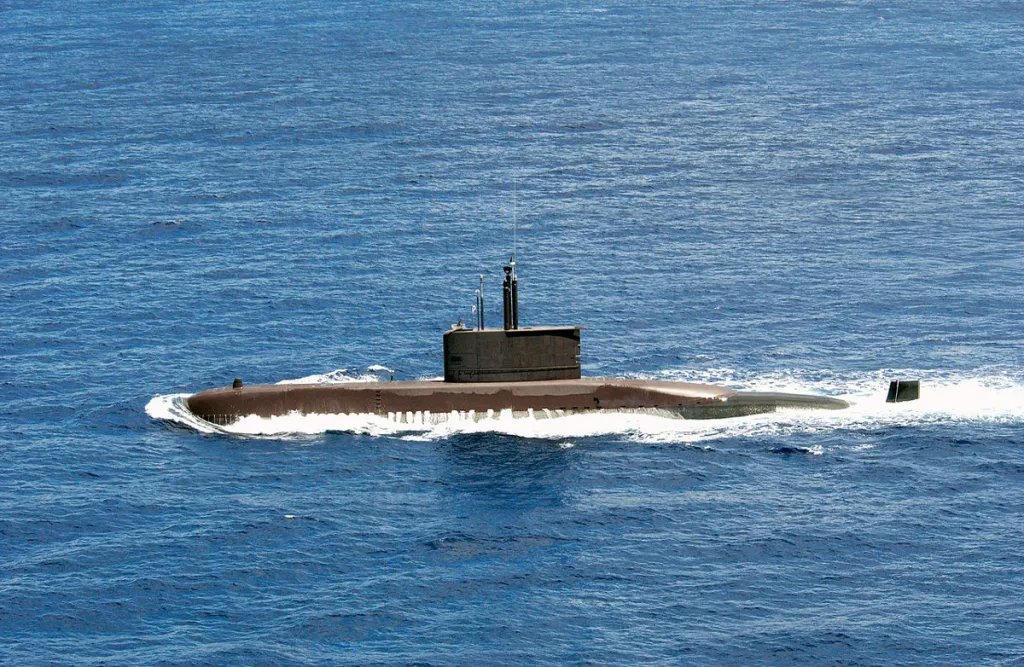
The Jang Bogo and Sohn Won-yil classes are based on the German Type 209 and Type 214 designs, respectively, while the Dosan Ahn Changho class is a fully South Korean design.
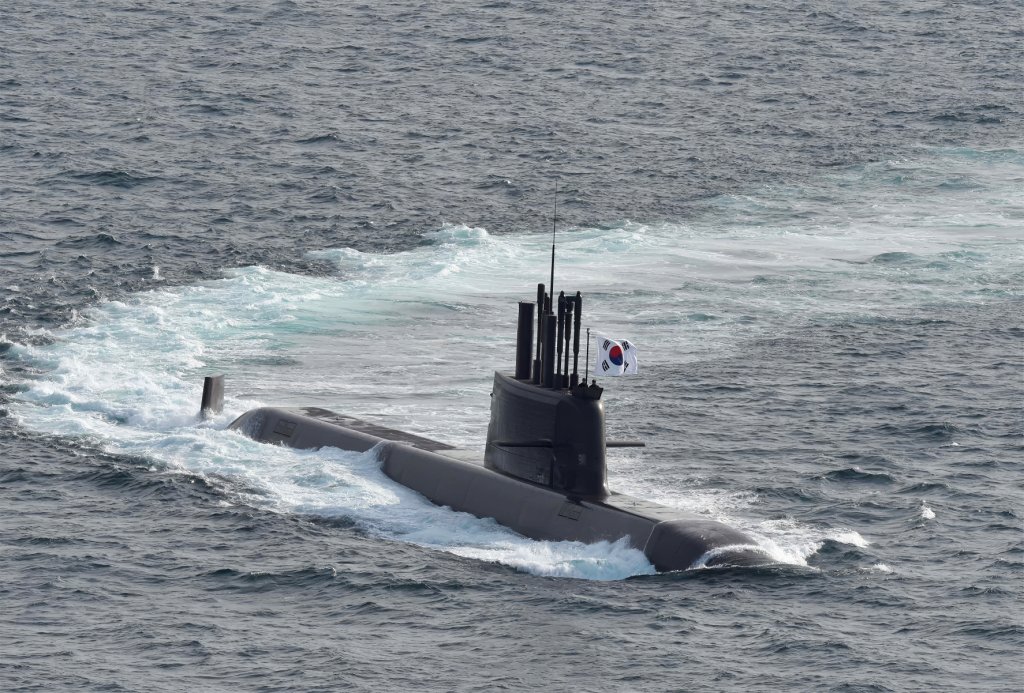
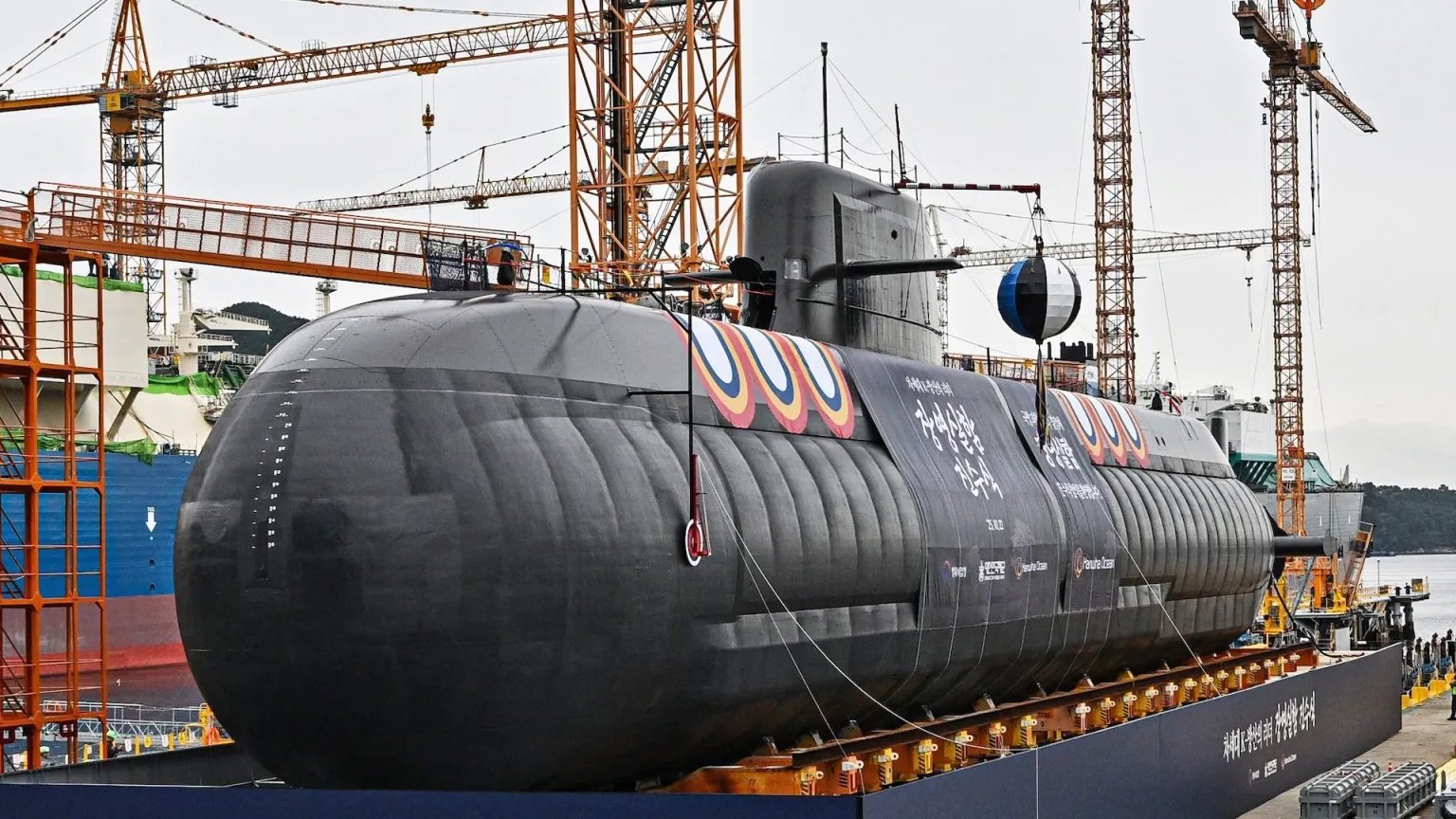
Last year, South Korea also launched the first of three planned Jang Yeongsil class (KSS-III Batch II) submarines, the nation’s largest and most technologically advanced submarine class so far. You can read more about them here.
Whatever Seoul’s plan is for the production of the new boats, it is still possible, indeed likely, that the United States will provide assistance at least in relation to their propulsion systems.
Last year, South Korea’s defense minister said that South Korea would build its own submarines and modular reactors, but would receive a supply of enriched uranium fuel from the United States. Seoul’s Defense Acquisition Program Administration (DAPA), meanwhile, said that the country was already working on developing small nuclear reactors.
This fuel issue is interesting, bearing in mind that one of the hurdles for the program is a bilateral agreement that prevents it from enriching uranium and reprocessing spent fuel without Washington’s approval. Today’s announcement would suggest that the U.S. government has given the program the green light.
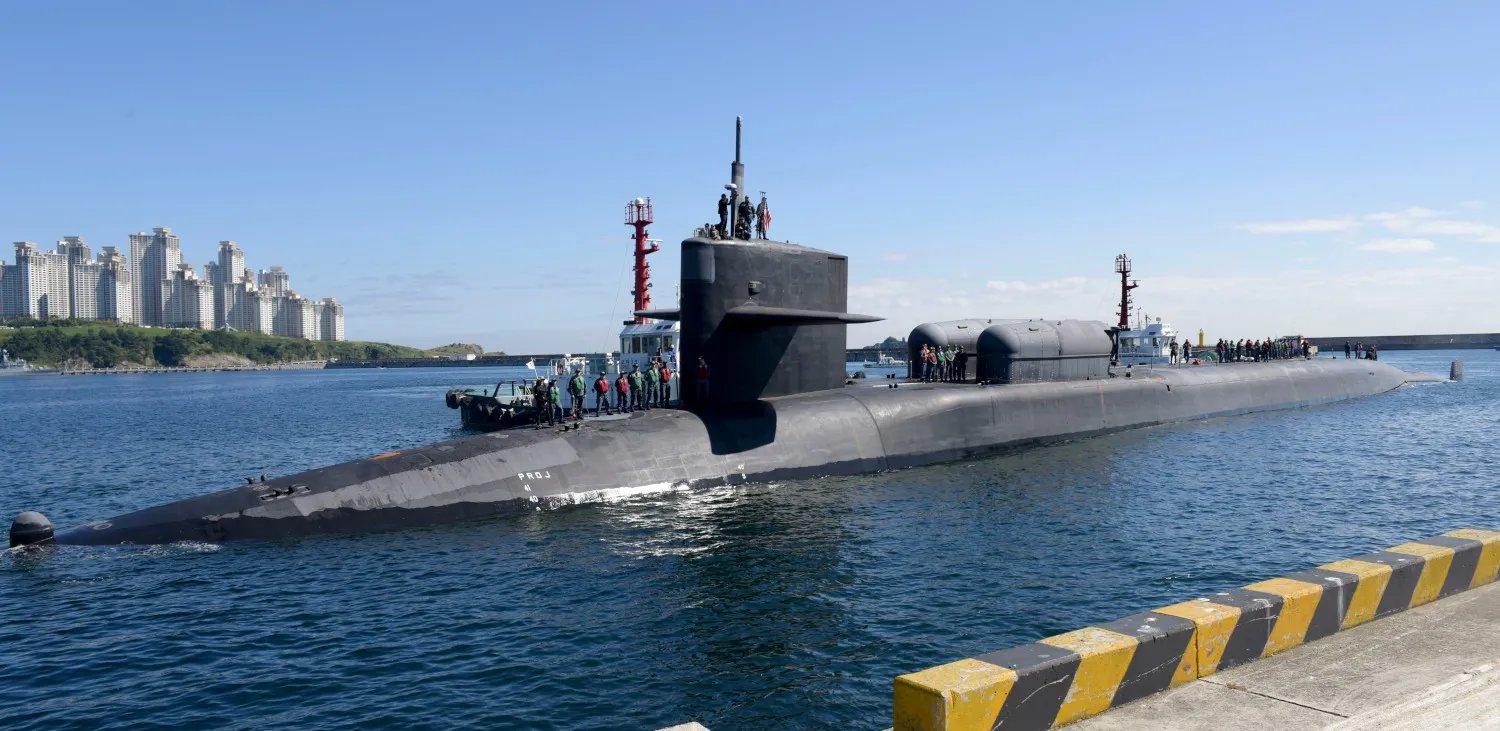
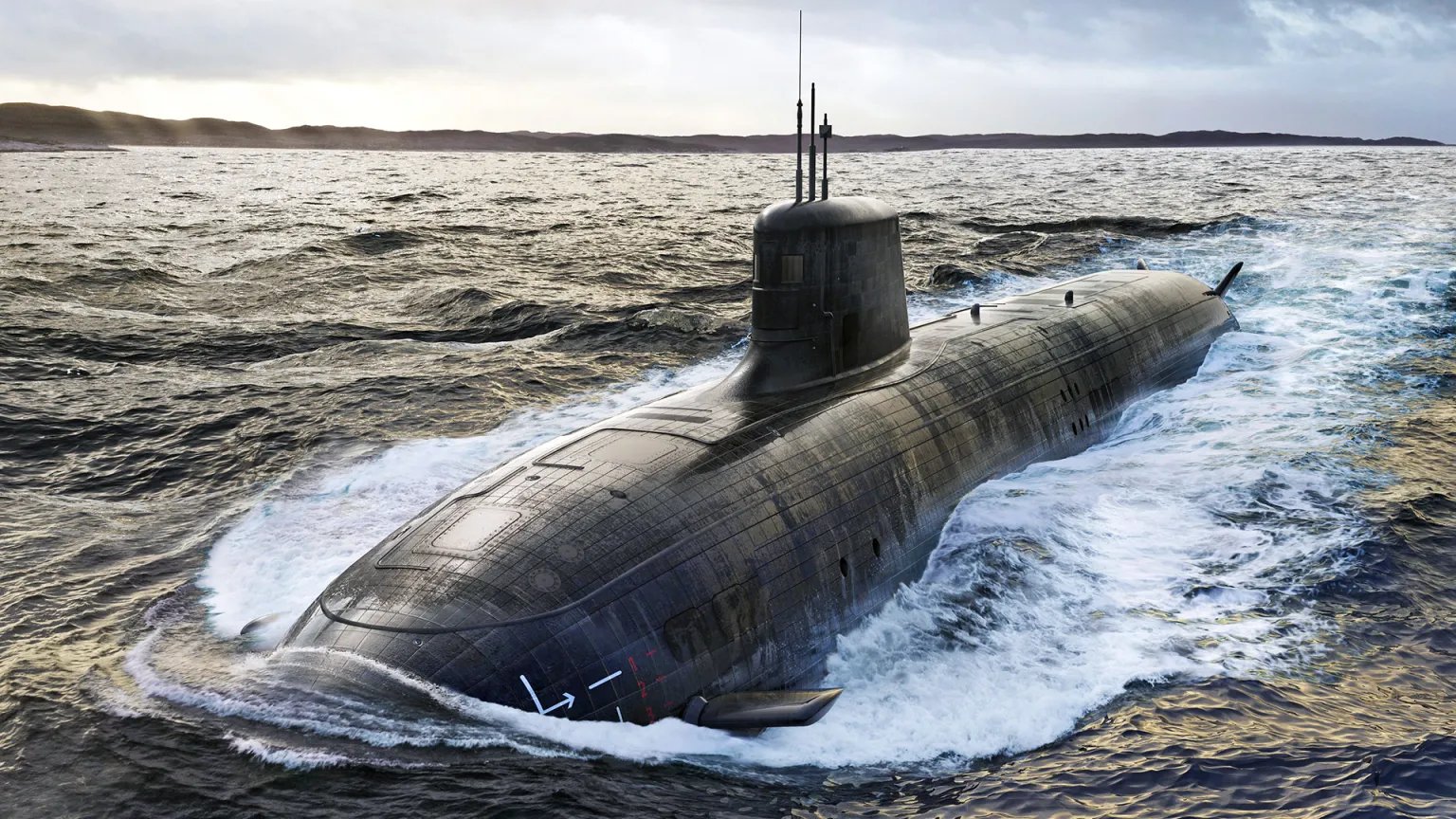
When it comes to the nuclear issue, it’s worth noting that, as it now stands, all nations operating nuclear-powered submarines also field nuclear weapons. Already, however, Australia is moving to acquire nuclear-powered submarines through the trilateral Australia-United Kingdom-United States (AUKUS) defense cooperation agreement. Canberra has no plans for fielding nuclear weapons.
For South Korea, however, there remains a possibility that it may seek to develop a nuclear deterrent, something South Korean officials have talked about in the past, and that we have discussed on many occasions. The primary driver for this is the fact that neighboring North Korea possesses a ballooning nuclear arsenal and a growing number of delivery systems to convey it. Furthermore, it may now be pursuing its own nuclear-powered submarines with assistance from Russia. The degree to which Moscow is providing assistance is unclear, but it may well be propelling the program forward significantly. There is also the factor that, at least in some cases, the United States is not seen globally as the strategic partner it once was. In a South Korean context, Trump has reportedly talked about pulling some U.S. troops out of South Korea.
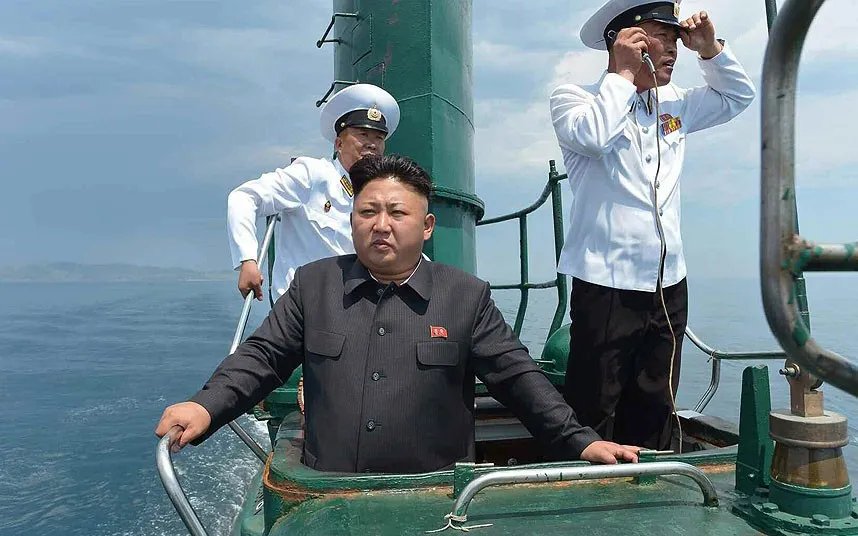
As a signatory of the Non-Proliferation Treaty (NPT), this would also stand in the way of South Korea acquiring nuclear weapons. Indeed, separate from weapons, the process of building enrichment or other nuclear facilities, or otherwise acquiring the highly enriched fissile material to power the submarines, would be an issue for the NPT.
The Jang Bogo N Project is certainly ambitious, and not just in terms of constructing the boats and securing the fuel required for them.
There will also be enormous investments required to develop suitable infrastructure to sustain a fleet of nuclear-powered subs, as well as training personnel in the operational and maintenance of naval reactors.
Beyond that, there is the question about the degree to which Seoul even needs nuclear-powered submarines. South Korea is already developing conventionally-armed submarine-launched ballistic missiles (SLBM) that can be fired from some of its more modern diesel submarines. These would already offer a conventional second-strike capability to help deter North Korea. The ranges involved in striking North Korean targets hardly need a launch platform with nuclear propulsion.
At the same time, South Korean diesel-electric submarine technology already outstrips North Korea’s limited anti-submarine warfare capabilities.

On the other hand, while South Korea’s new diesel-electric subs offer a conventional quasi-second strike capability, it is not anywhere comparable to a true strategic nuclear second-strike deterrent of the kind that highly survivable nuclear-powered boats could provide, if South Korea one day chooses to go nuclear. Even with just conventional ballistic missiles aboard, the ability of a nuclear submarine to disappear out to sea for long periods is unmatched, which would enhance the survivability of the boats and their missiles, and help the credibility of a far more limited conventional second strike deterrent.
Beyond the North Korean threat, the nuclear-powered submarine program promises boats with extreme endurance and a higher level of underwater performance that can range much farther afield, reflecting Seoul’s growing focus on a broader regional security picture. With this in mind, it’s clear that the Jang Bogo N Project is also directed against the threat posed by China. Beijing’s military capabilities are a growing concern for South Korea, a fact reflected in Seoul looking increasingly toward security challenges beyond the peninsula.
In an underwater warfare context, China maintains a very large submarine force that includes diesel-electric and nuclear-powered types, and which it continues to expand in both size and capability.
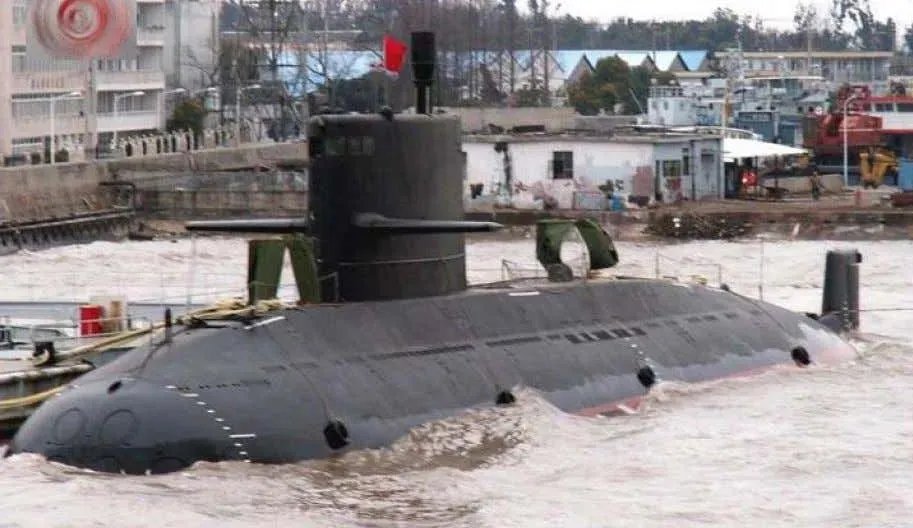
The Chinese government has also previously spoken out against South Korea’s nuclear-powered submarine plans, calling for Seoul and the U.S. “to fulfill their nuclear non-proliferation obligations and do things to promote regional peace and stability, and not the other way around,” according to Reuters.
South Korea’s burgeoning submarine plans underscore how quickly its naval ambitions in general are evolving from coastal defense to a far more capable regional deterrent force, and one that will increasingly be able to undertake long-duration bluewater operations.
With the Jang Bogo N Project now underway, the ROKN can look forward to fielding its most advanced vessels yet. Depending on final plans for the production of these boats, it may well also cement its position as one of the few countries capable of designing and building nuclear-powered vessels. At the very least, it should put yet another piece in place should South Korea decide it needs a true second-strike strategic nuclear deterrent.
Contact the author: thomas@thewarzone.com
Loading comments…
Comments couldn’t be loaded. Please refresh the page.