
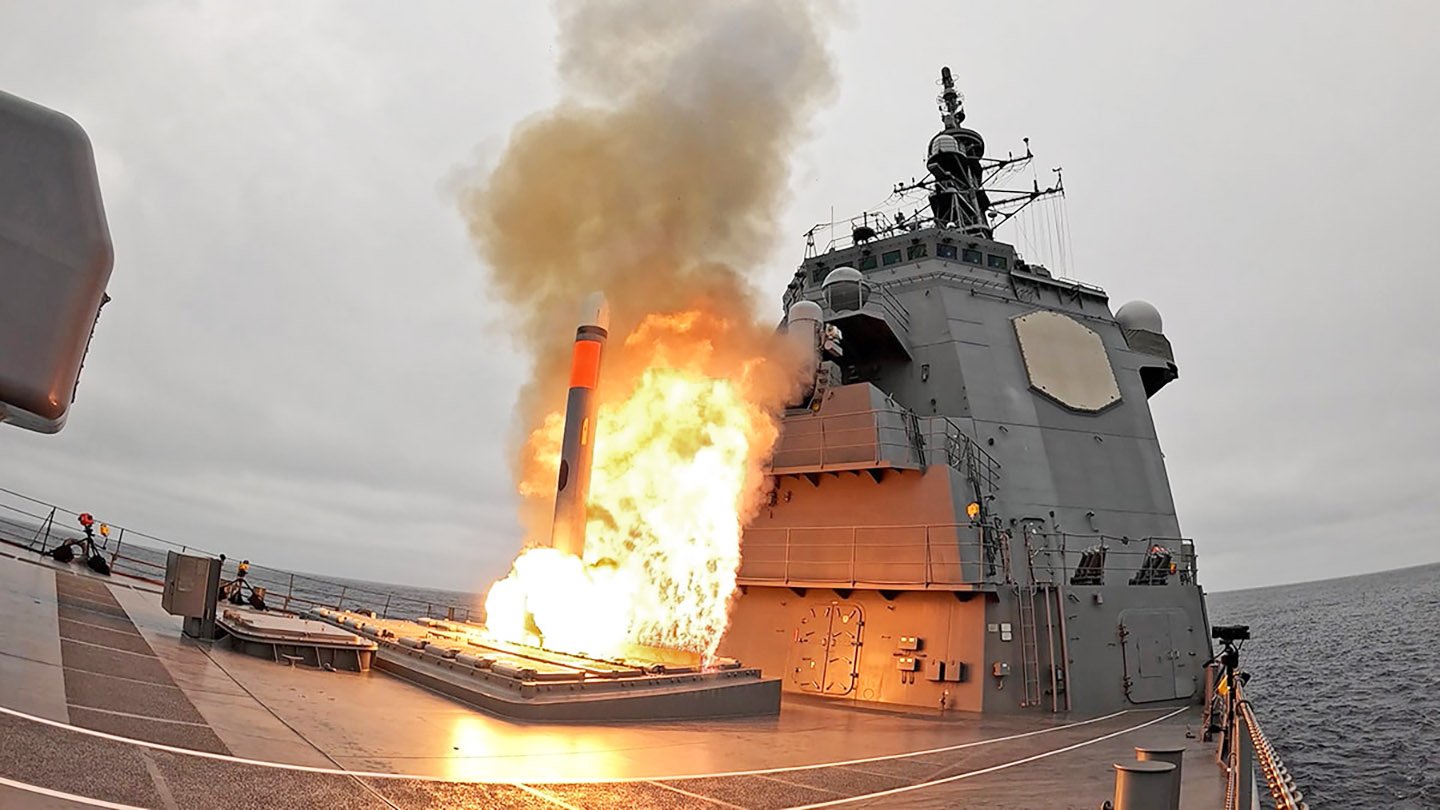
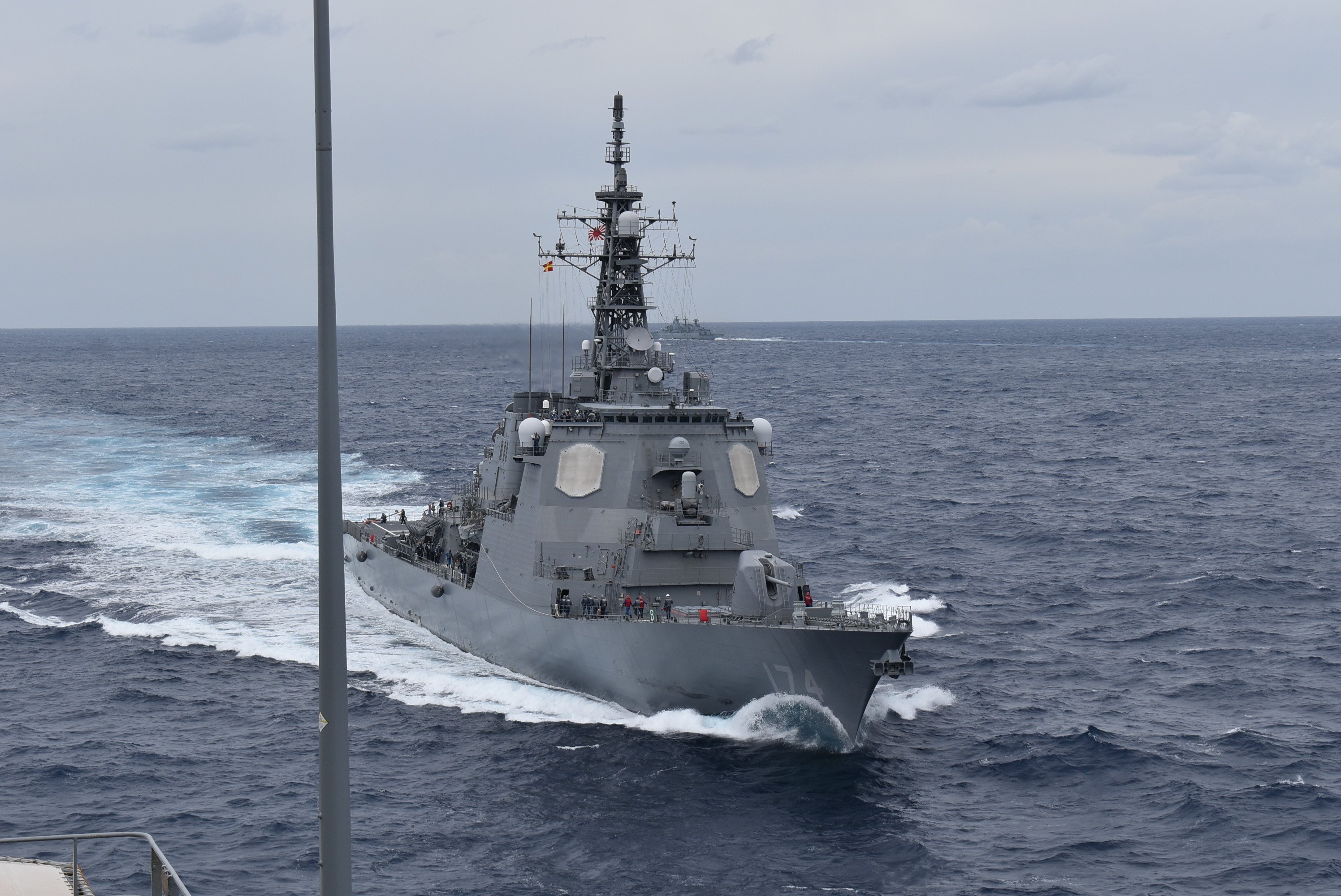
The Japan Maritime Self-Defense Force (JMSDF) has fired a Tomahawk land-attack cruise missile from one of its warships for the first time, marking a significant development in Tokyo’s efforts to field a long-range conventional strike capability at sea. The launch, conducted by the Kongō class Aegis destroyer Chōkai in the Pacific Ocean with support from the U.S. Navy, is the result of years of work to integrate the U.S.-made cruise missile into Japan’s surface fleet and significantly expands the country’s standoff attack options.
Japan becomes the third country outside the United States to fire a Tomahawk from a surface combatant, with Australia and the Netherlands having previously done so. The other operator of the missile, the United Kingdom, has only fired Tomahawks from submarines.
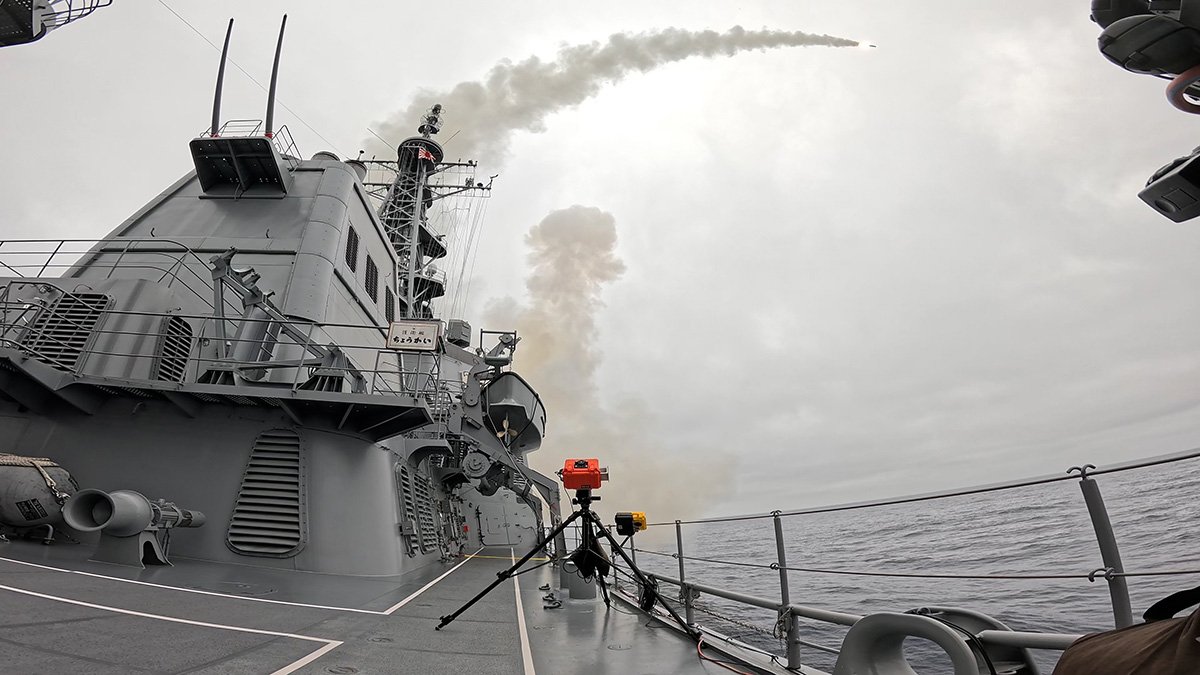
Japan’s Ministry of Defense announced that Chōkai, which has been deployed to the United States since late last year for modifications and crew training, carried out the live-fire event on July 29 Japan Standard Time (July 28 Pacific Daylight Time). According to the ministry, the test confirmed not only the ship’s ability to launch the missile but also the proficiency of its crew in operating the weapon, clearing another major hurdle toward operational service.
The firing represents the culmination of a process that began in October 2025, when Chōkai arrived in the United States. In March, Japan announced that the destroyer had successfully completed the structural upgrades, software integration, and crew instruction required to employ the Tomahawk, making it the first Japanese warship capable of launching the missile. At the time, officials said a live-fire demonstration would follow before the capability entered operational service.
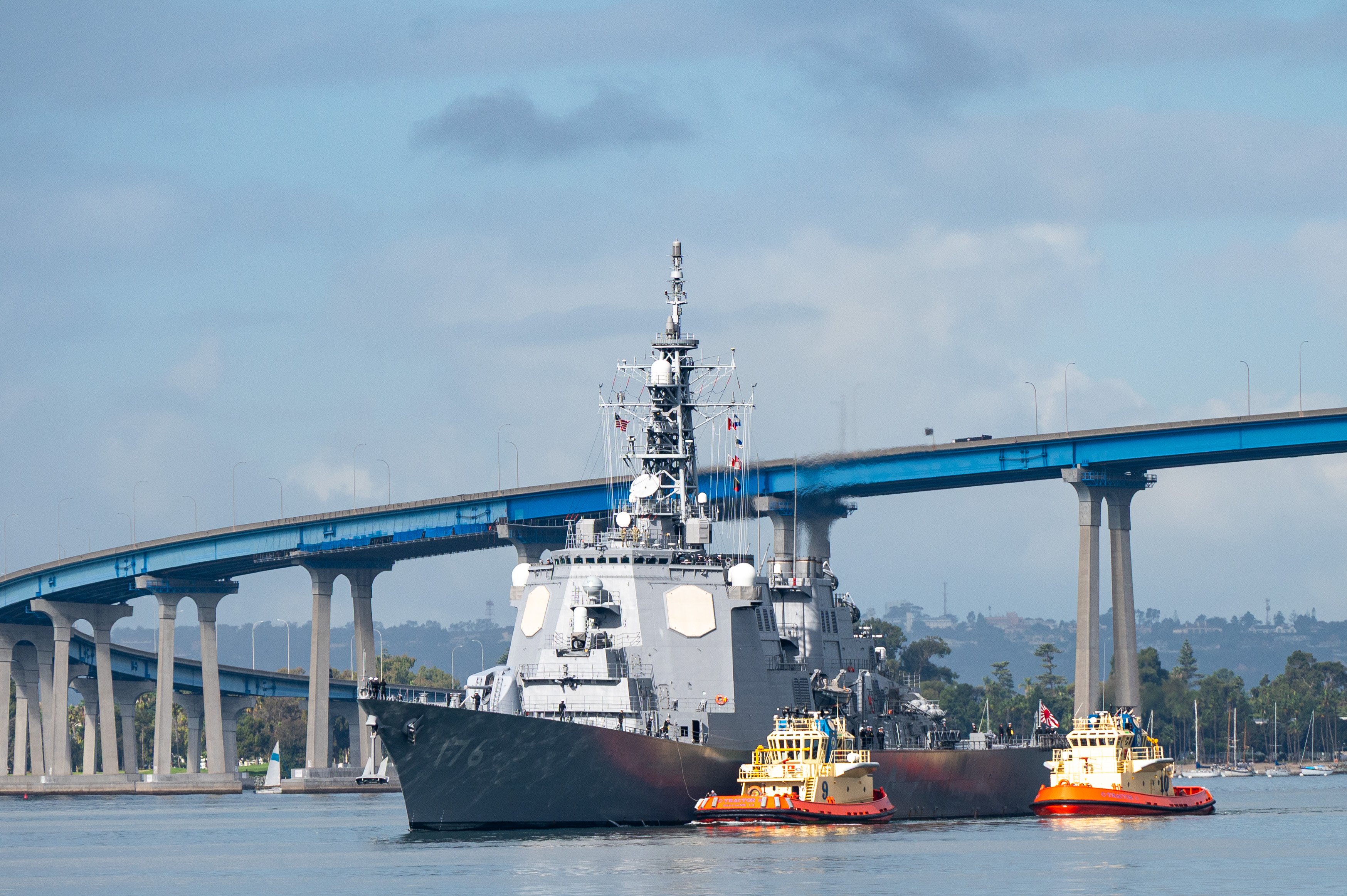
“This live-fire test demonstrates steady progress in the Tomahawk project, and the Ministry of Defense will continue to work towards the early establishment of stand-off defense capabilities,” the ministry said in a statement.
Chōkai is expected to return to Japan around September 2026.
For decades, Japan’s Aegis destroyers have been optimized almost exclusively for fleet air defense and ballistic missile defense missions. Integrating the Tomahawk fundamentally changes this by giving the ships the ability to strike fixed targets hundreds of miles inland, and potentially other ships at sea over great distances, extending the reach of the JMSDF far beyond traditional maritime operations.
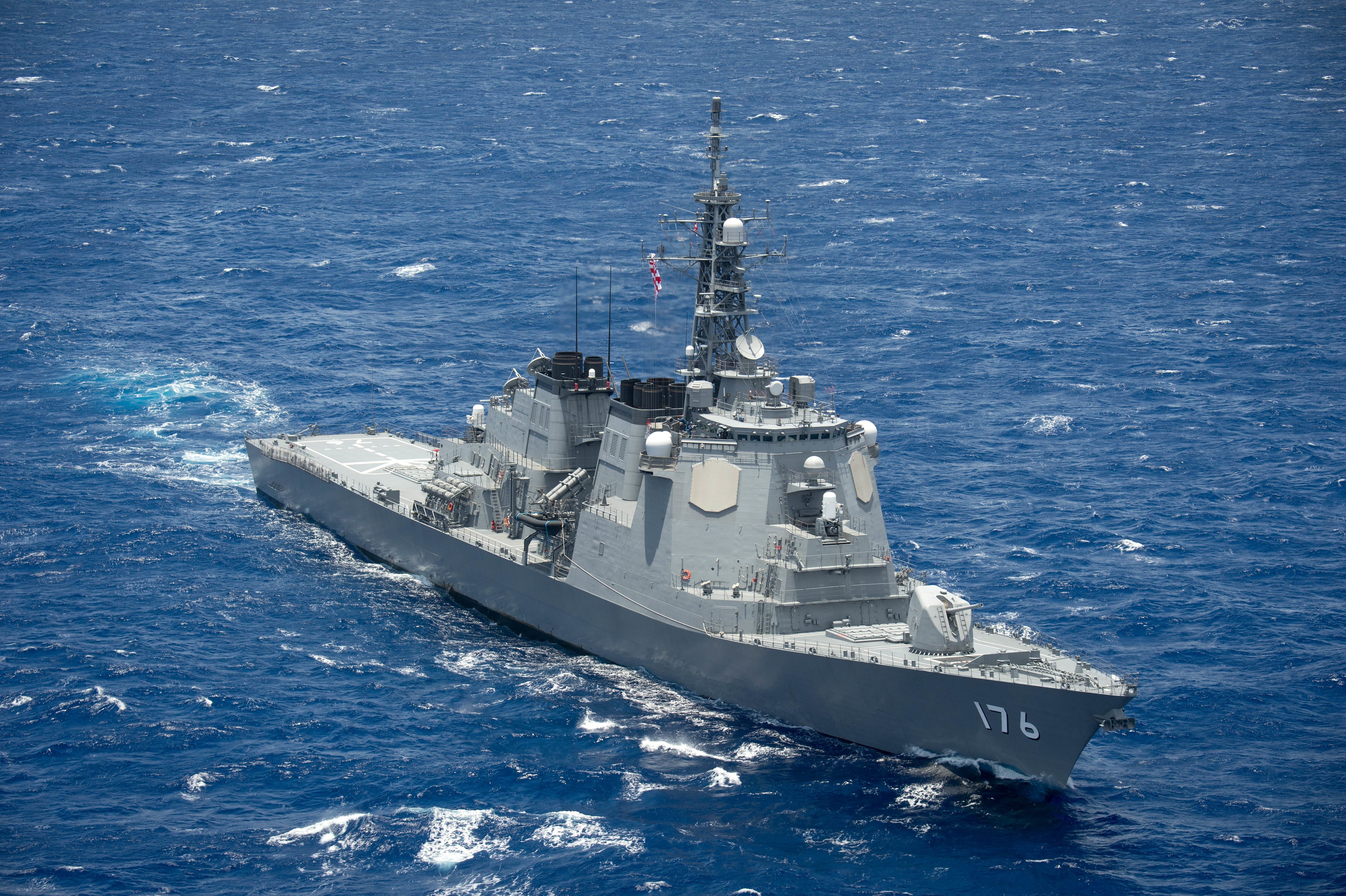
The Tomahawk acquisition forms part of Japan’s broader effort to build what Tokyo describes as “standoff defense capabilities” in response to an increasingly challenging regional security environment. Under Japan’s revised National Security Strategy, the country has embraced a limited counterstrike capability intended to hold hostile missile launchers, command nodes, and other military targets at risk if Japan comes under attack. Officials have repeatedly stressed that these weapons remain consistent with Japan’s exclusively defense-oriented security policy and are intended to strengthen deterrence rather than enable offensive military operations.
Japan is purchasing up to 400 Tomahawk missiles from the United States, including both Block IV and newer Block V variants, at a cost of around $1 billion. The Block IV Tomahawk can hit targets nearly 1,000 miles away with a 1,000-pound unitary warhead. It is capable of rerouting mid-flight and can loiter over an area to hit targets as they emerge, featuring an imaging infrared seeker capability. The Block V variant is an improved version with survivability upgrades that can be used to also hit moving targets, especially in the long-range anti-ship missile role.
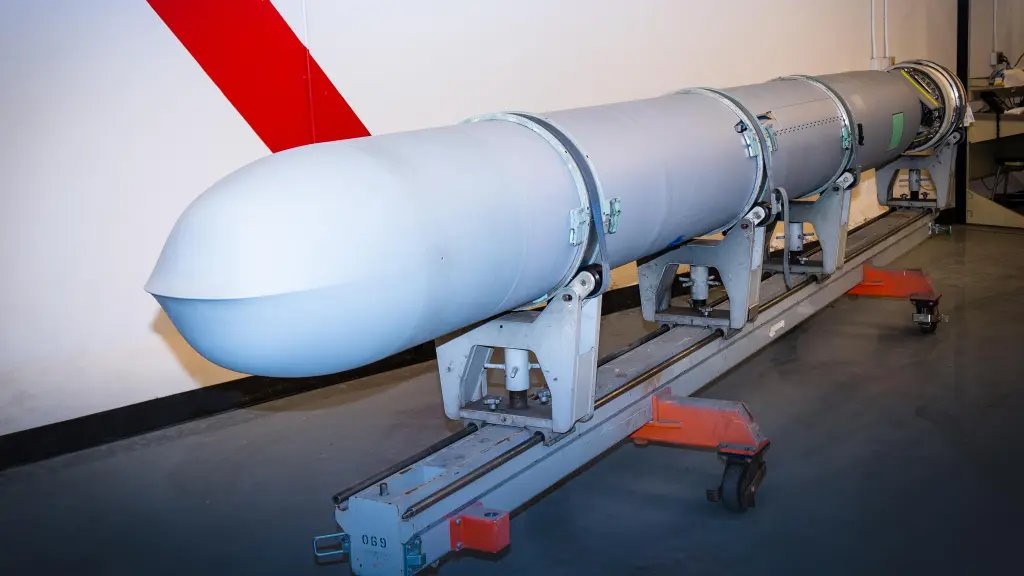
Tomahawk is seen as a bridge capability while indigenous long-range weapons — including Upgraded Type 12 anti-ship missiles and other domestically developed standoff systems — enter service. Tomahawk deliveries have already begun, and additional Aegis destroyers are expected to receive the modifications needed to employ the weapon over the coming years.
Japan’s four Kongō class destroyers already feature the Mk 41 vertical launching system (VLS) and an Aegis combat system closely aligned with U.S. Navy architecture, requiring modifications rather than wholesale redesign to operate Tomahawk. Future installations are expected across the remainder of Japan’s Aegis destroyer fleet, including the two Atago and two Maya class ships.
Tokyo has already allocated funds of close to $700 million for the appropriate modifications to four more Aegis destroyers: Kirishima, Haguro, Myoko, and Atago.
Japan’s future Tomahawk fleet is likely to extend beyond its existing destroyers.
The country is constructing two massive Aegis System Equipped Vessels (ASEVs), due to enter service in fiscal years 2027 and 2028, respectively. Although the ships are being designed around the ballistic missile defense, or BMD, mission, Defense Ministry officials say that a Tomahawk capability will be added later.
Japan is also getting the highly- lexible Joint Strike Missile, which is air-launched and can hit land targets and vessels, as well, albeit over far shorter ranges than Tomahawk. The longer-range JASSM has also been cleared for sale to Japan, but that has not moved forward as far as we know. Beyond that, however, Japan plans to rely on domestically developed long-range missiles to ensure its standoff strike capability. As well as the aforementioned Upgraded Type 12 anti-ship missile, which adds a new land-attack capability, Japan is working on a ground-based Hyper Velocity Gliding Projectile (HVGP), a combination of ballistic missile and hypersonic glide vehicle, a project which you can read more about here.
The successful Tomahawk launch also underscores the deepening operational integration between the U.S. Navy and the JMSDF. Beyond the missile sale itself, the United States has supported the ship’s modernization, crew certification, and now its first live firing, highlighting the increasingly close cooperation between the two allies as they seek to deter their regional opponents, primarily China and North Korea.
With the successful test now complete, Japan has taken another important step in establishing its new-look defense posture, transforming the JMSDF’s premier Aegis destroyers from platforms focused primarily on air and missile defense into warships capable of delivering precision strikes against land targets far beyond the horizon.
Contact the author: thomas@thewarzone.com
Loading comments…
Comments couldn’t be loaded. Please refresh the page.