
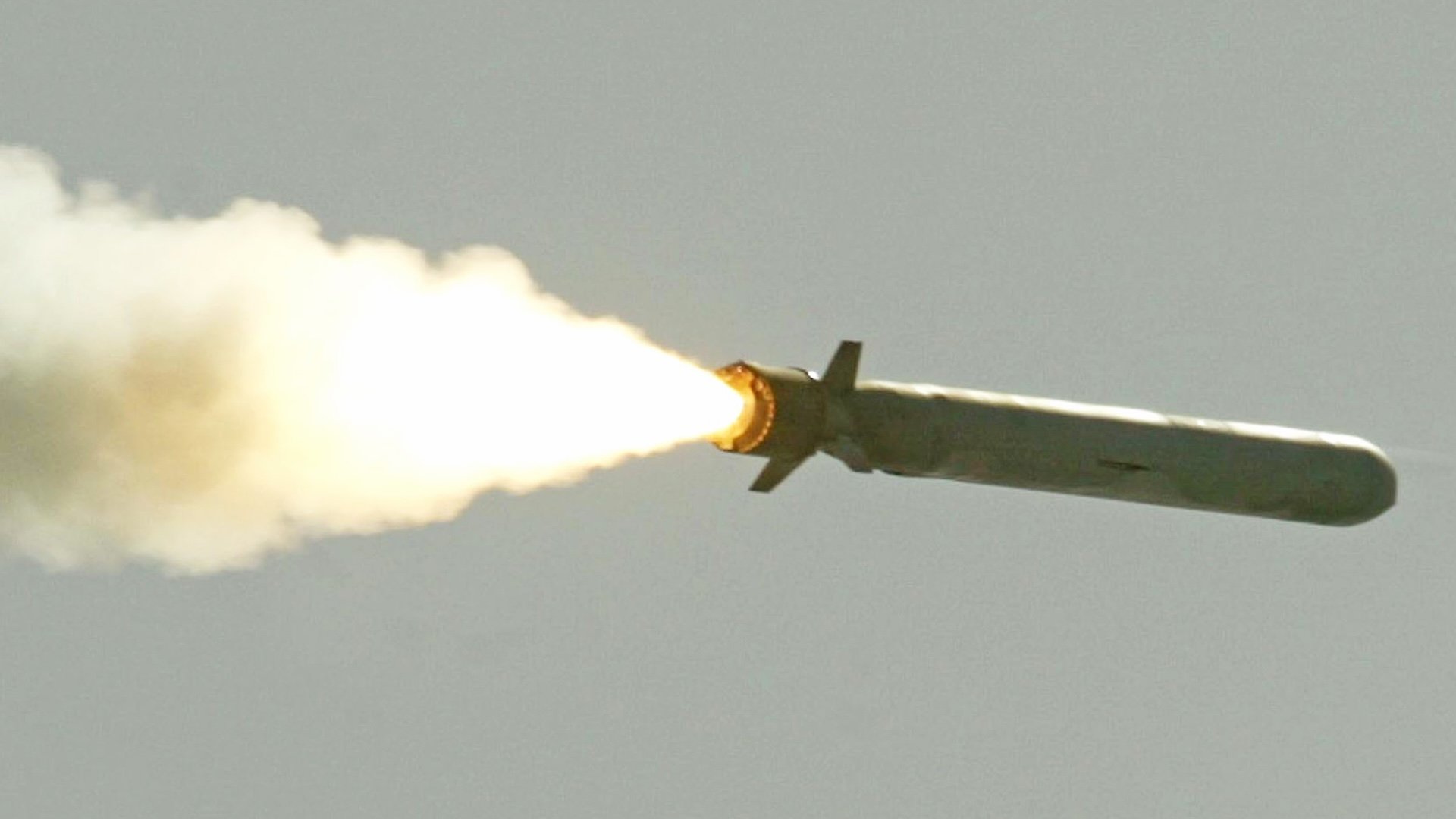
Berlin says it has agreed to a deal with the United States to buy U.S.-made Tomahawk cruise missiles, providing a significant boost to Germany’s long-range strike capabilities. The move comes after the United States appeared to renege on its plan to deploy a long-range fires battalion in Germany, and as NATO allies in Europe race to enhance their conventional standoff missile deterrent against Russia.
An agreement on the sale of Tomahawk missiles to Germany was reached with U.S. officials on the sidelines of the NATO Summit in Ankara this week, German Chancellor Friedrich Merz announced after his return from Turkey.
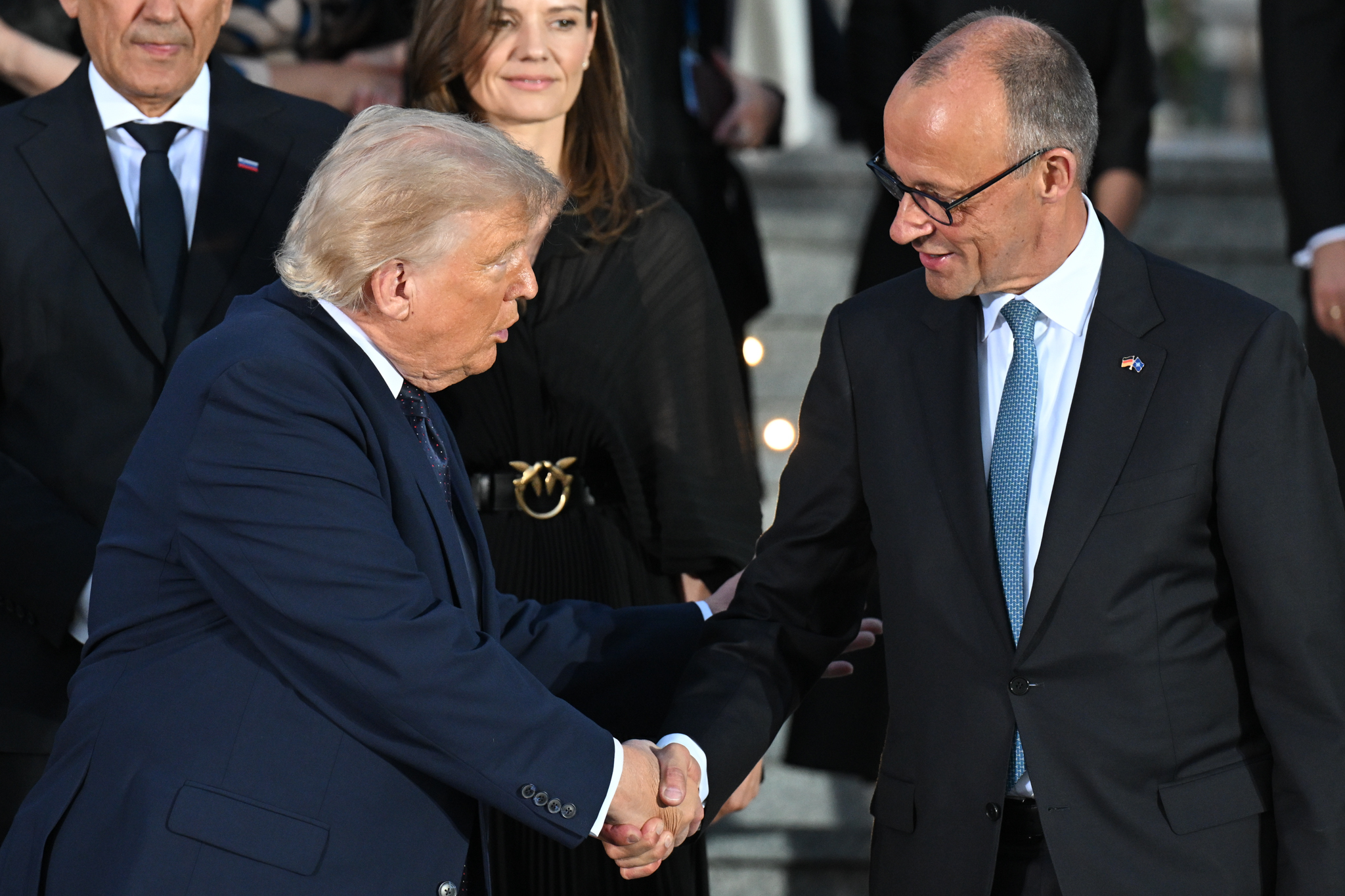
“This will close an important strategic gap in our defense, and at the same time, we will work to develop our own European systems and station them in Europe,” Merz told the Bundestag lower house of parliament in Berlin today.
Citing German government sources, Reuters reports that a letter of intent for the procurement was signed Tuesday.
Germany had previously sought to buy Tomahawks, but these efforts had been rebuffed by Washington.
Specifically, Berlin wanted to acquire the ground-launched version of the system, with up to 400 of the latest Tomahawk Block Vb missiles, valued at more than $1 billion, according to reports.
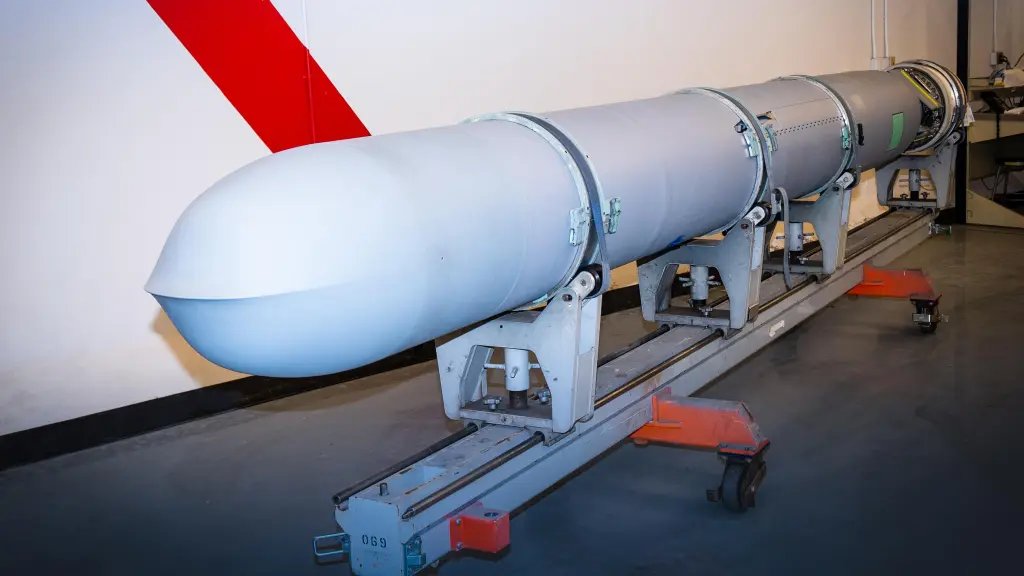
All Block V Tomahawks are provided with a two-way datalink, allowing them to receive course correction and other targeting updates, as well as be entirely re-tasked, during flight. The Block Vb subvariant is fitted with a joint multi-effects warhead that makes it suitable for striking a wider variety of land targets.
The Tomahawk Block V has a range exceeding 1,000 miles depending on the exact configuration.
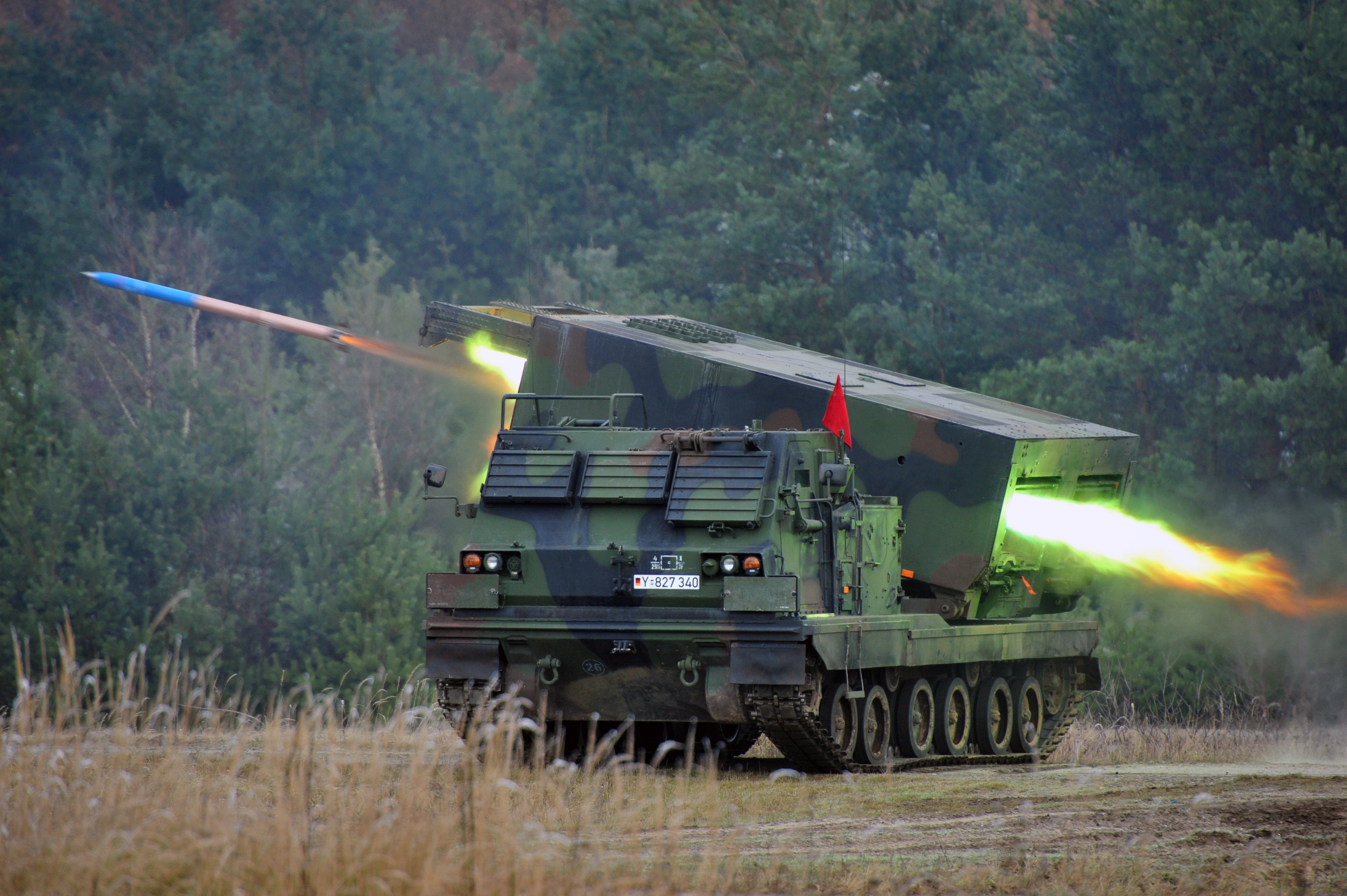
Currently, the longest-range indirect fires capability fielded by the German Army is the M270 Multiple Launch Rocket System (MLRS), known in German service as the Mittleres Artilleriraketensystem II (MARS II). The longest-range artillery rockets currently available for the system can hit targets out to around 43 miles. Germany has not received the far larger Army Tactical Missile System (ATACMS) short-range ballistic missiles that can engage threats out to 186 miles depending on the variant.
As well as the Tomahawk missiles, Germany will need to buy the Typhon launchers to deploy them. Reports in the German media suggest that a request for the launchers was already made in July 2025.
Germany had also been looking at the possibility of acquiring the naval version of the Tomahawk, to arm its planned Type 127 frigates, although these have since been canceled.
Regardless, acquisition of the Tomahawk would be a big deal for Germany.
Outside of the United States, only Australia, Japan, the Netherlands, and the United Kingdom currently use the Tomahawk. All of these export operators use the naval version of the missile, making the German development all the more significant.
Washington’s approval to sell the Tomahawk/Typhon combination to Berlin would seem to confirm that the United States won’t, after all, be sending a U.S. Army long-range fires battalion to Germany.
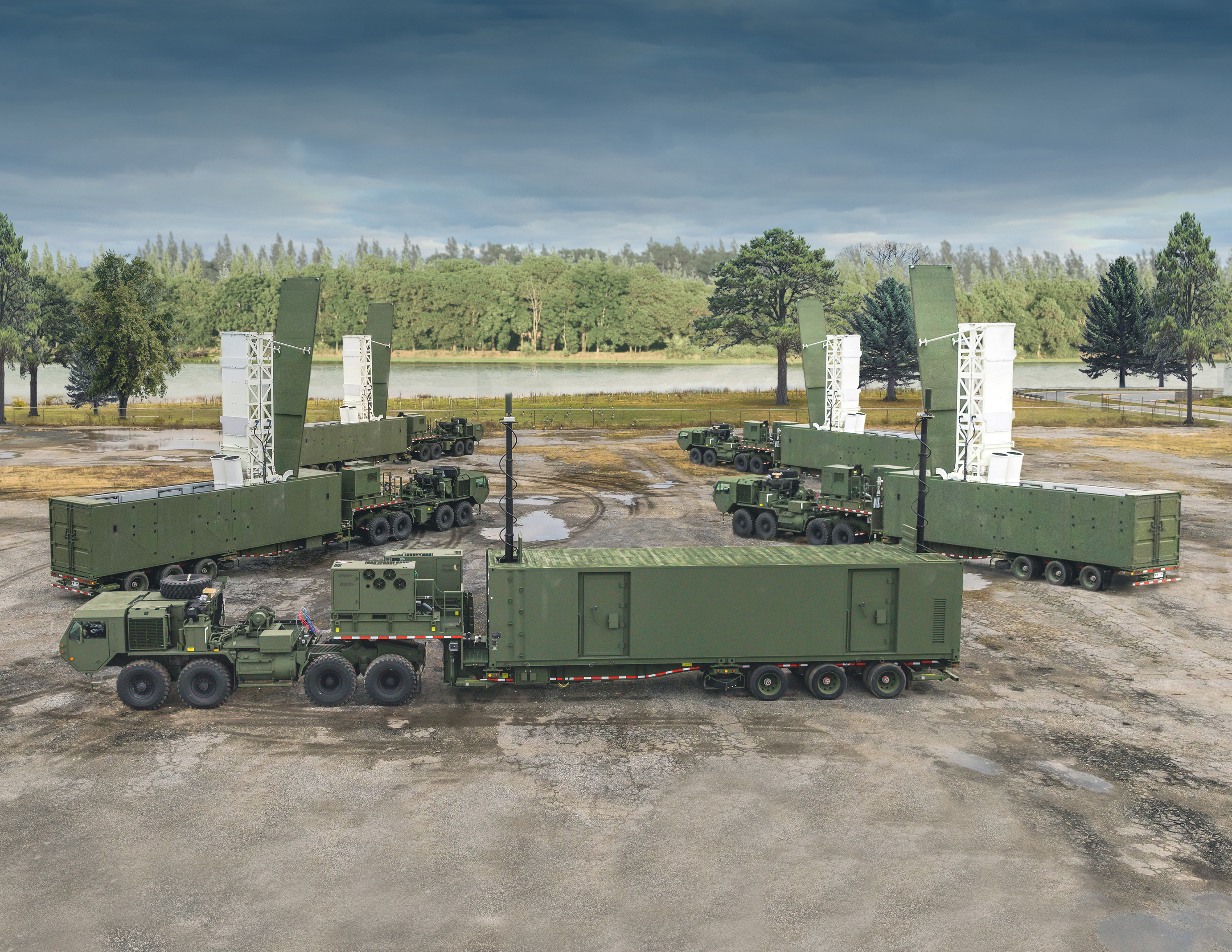
In May, amid something of a breakdown in relations between Berlin and Washington, triggered by German criticism of the U.S. war in Iran, the United States announced it would reduce its military presence in Germany by 5,000 soldiers.
At the same time, it was reported that the Pentagon had also decided to abandon plans to deploy the Army’s 2nd Multi-Domain Task Force (2MDTF) to Germany.
German officials moved to try to smooth things over, stating that there had been no “definitive cancellation” of the missile deployment by the United States.
First announced under the Biden administration, the 2MDTF was to start “episodic deployments” to Germany in 2026, followed by “longer-term stationing” of various types of long-range missiles in the same country. As well as Tomahawk, 2MDTF’s Typhon launchers can fire the SM-6 multi-purpose missile. In the future, they are also intended to be armed with “developmental hypersonic weapons,” like the Dark Eagle, and potentially others like the Operational Fires (OpFires) hypersonic missile and the Precision Strike Missile (PrSM) short-range ballistic missile.
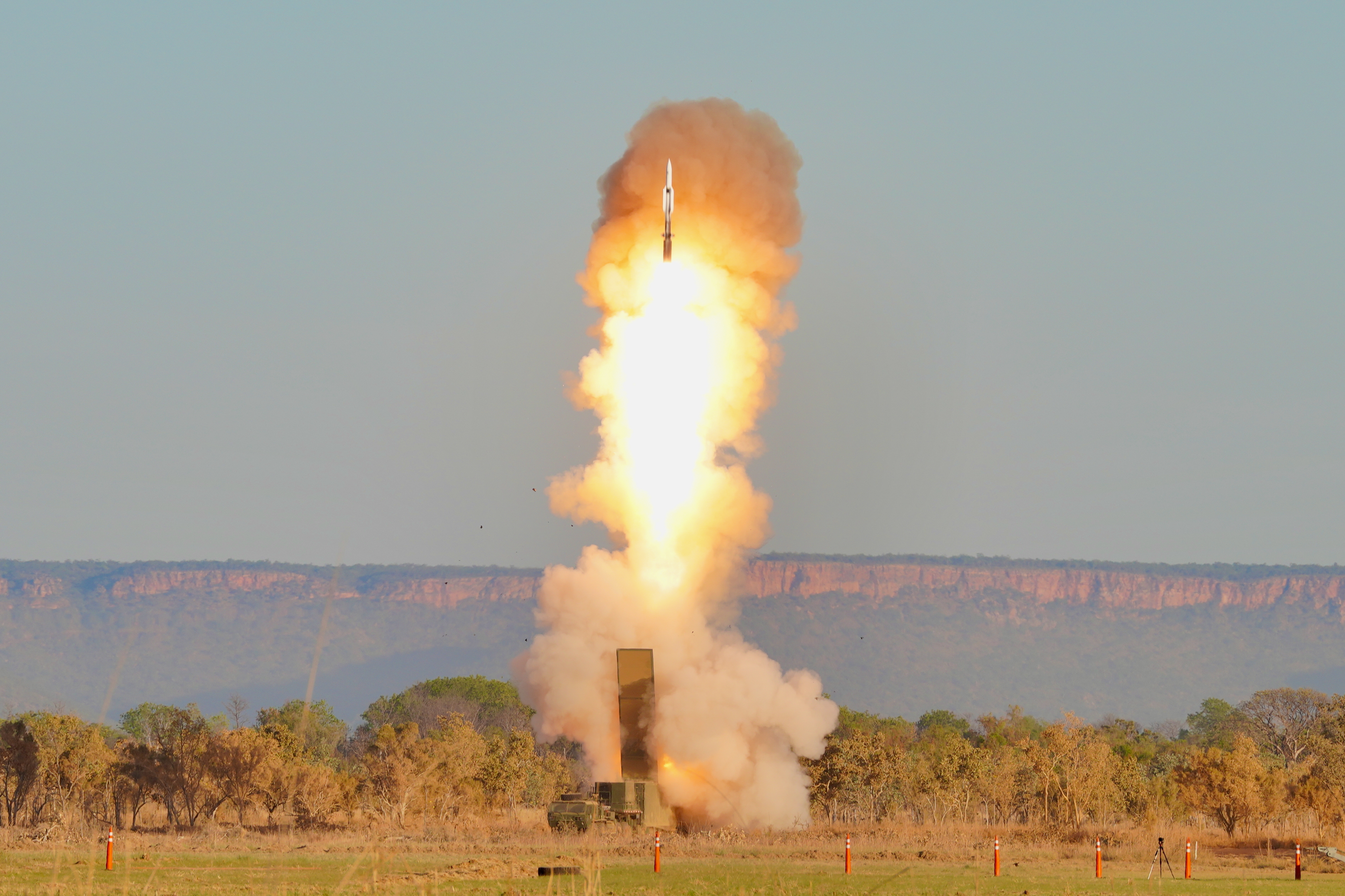
With that in mind, Germany’s Typhon launchers could potentially receive some of these missiles in the future, too.
For Germany, however, the Tomahawk procurement is seen as a temporary solution until domestically (or European) developed long-range weapons become available.
For the longer term, Germany is part of the European Long-Range Strike Approach (ELSA). The initiative, led by France and also involving Italy, Poland, Sweden, and the United Kingdom, aims to develop a new long-range strike capability, potentially in the form of a cruise missile, a ballistic missile, or a combination of both.
Earlier announcements indicated that ELSA is intended to deliver a missile with a range of 1,000 to 2,000 kilometers (621–1,243 miles), with entry into service planned for the 2030s.
Separately, Germany and the United Kingdom have also unveiled plans to jointly develop a deep precision-strike weapon with a range exceeding 2,000 kilometers. However, the project remains at an early stage, with no industrial framework yet agreed.
Together, these initiatives underscore the growing determination among European NATO members to develop long-range strike capabilities in response to the increasing Russian threat along the alliance’s eastern flank.
Germany’s planned procurement of ground-launched Tomahawk cruise missiles reflects a dramatically altered European security environment following the collapse of the Intermediate-Range Nuclear Forces (INF) Treaty. Signed in 1987 at the height of the Cold War, the accord prohibited the United States and the Soviet Union — and later Russia — from deploying ground-based ballistic and cruise missiles, whether nuclear or conventionally armed, with ranges between 500 and 5,500 kilometers (310 and 3,420 miles).
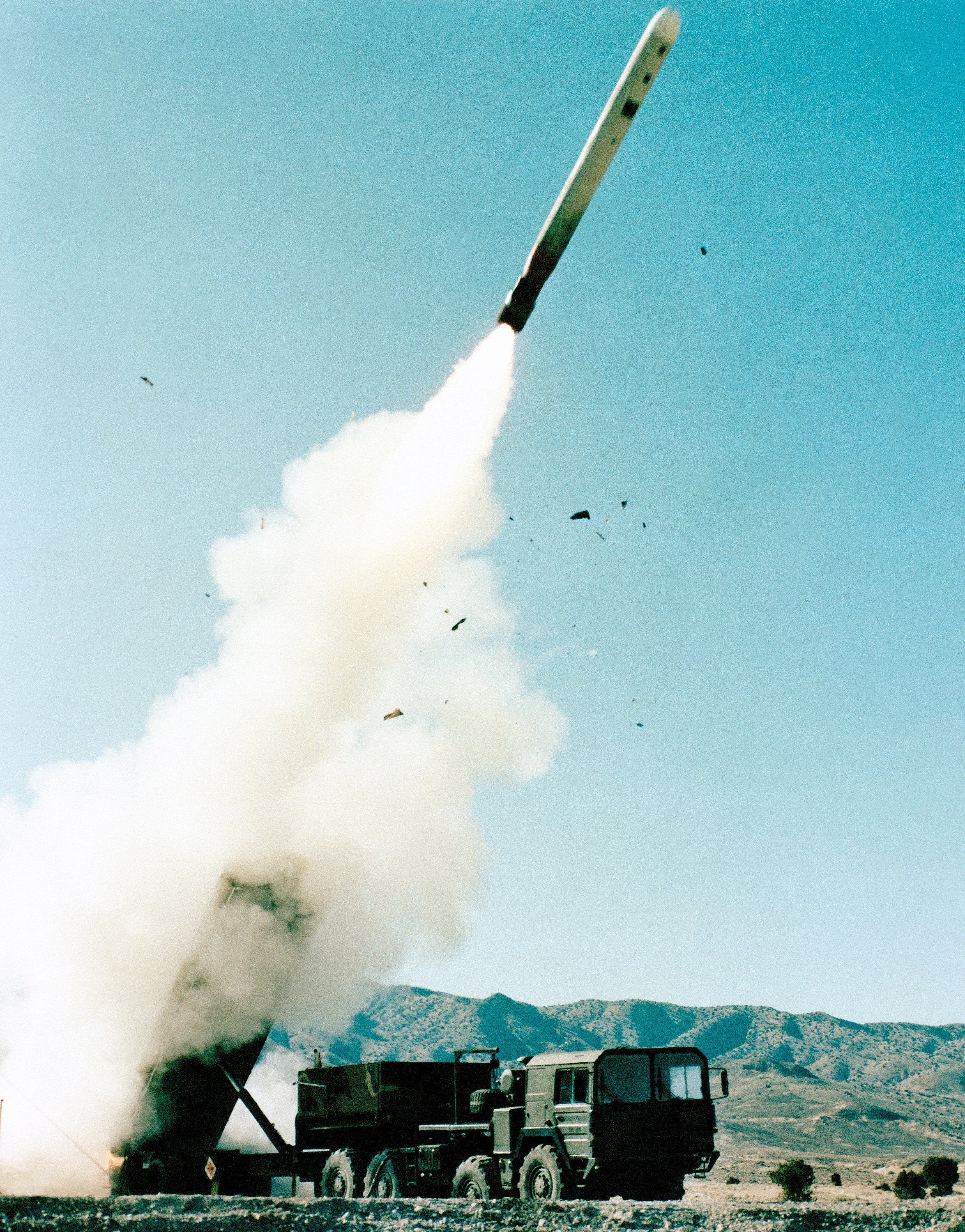
Ironically, one of the weapons outlawed by the INF Treaty was an earlier ground-launched version of the Tomahawk cruise missile, the U.S. Air Force BGM-109G Gryphon, which was also deployed in Germany, not without controversy.
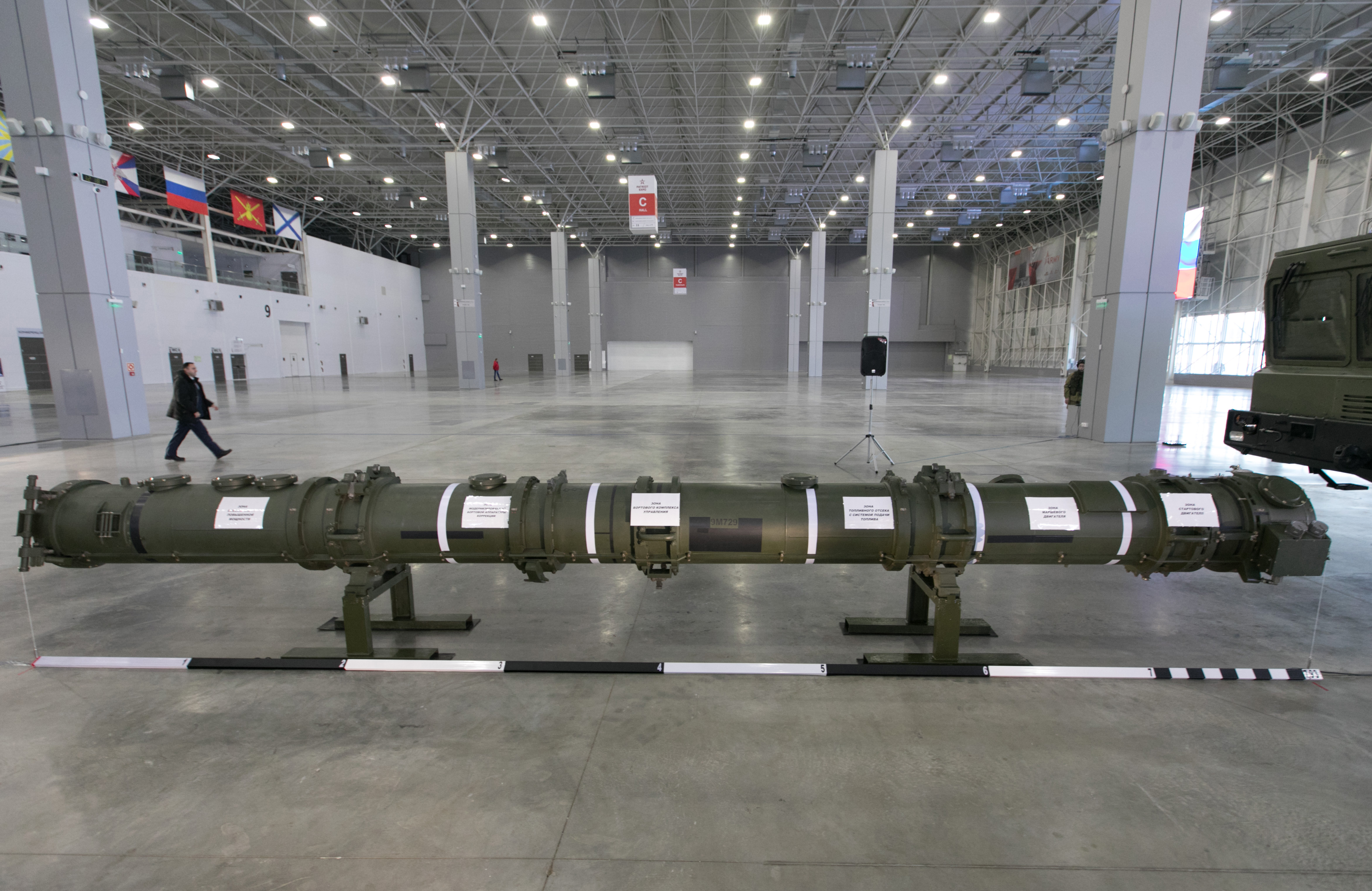
The treaty effectively unraveled after the United States withdrew in 2019 during President Trump’s first term, citing Russia’s deployment of the prohibited 9M729 (SSC-8 Screwdriver) ground-launched cruise missile, an allegation Moscow has consistently denied. Russia formally suspended its own participation in the agreement in 2023, removing the last legal barriers to the deployment of intermediate-range land-based missiles in Europe.
Since then, both Russia and NATO have moved to rebuild capabilities that had been absent from the continent for more than three decades. Even before its formal withdrawal, Moscow had signaled its intention to field new INF-range missiles in response to comparable U.S. deployments, while repeatedly using nuclear signaling — including high-profile exercises and explicit threats — in an effort to deter greater Western support for Ukraine.
Russia has also used the war in Ukraine to demonstrate and refine its expanding missile arsenal. In November 2024, it employed the new Oreshnik intermediate-range ballistic missile in combat for the first time. Although the version used against Ukraine carried conventional warheads, perhaps even inert ones, a nuclear-armed Oreshnik would be capable of striking most major Western European capitals and critical NATO military infrastructure.
At the same time, there are indications that Russia has employed the 9M729 operationally in Ukraine, while continuing work on additional intermediate-range strike systems, including a reported ground-launched hypersonic missile that could be based on the Zircon naval missile, or an enhanced Iskander-M ballistic missile. Russia has also reinforced its forward posture by deploying nuclear-capable Iskander missiles and MiG-31 Foxhound aircraft armed with Kinzhal air-launched ballistic missiles to Kaliningrad in the Baltic, while transferring tactical nuclear weapons, or at least their delivery infrastructure, to neighboring Belarus.
Against this backdrop, Germany’s decision to acquire ground-launched Tomahawks is part of a broader effort to restore NATO’s long-range conventional deterrence and strike capabilities. The missiles are part of a wider European push to counter Russia’s growing inventory of intermediate-range weapons and reestablish a more credible balance of long-range conventional firepower on NATO’s eastern flank. This has become all the more important since the previous security guarantees provided to the continent by the United States are increasingly being questioned.
While we don’t yet know the numbers of Tomahawks involved, they will still likely be divorced from the reality of a high-intensity conflict. Ukraine is now striking Russia with long-range cruise missiles regularly. The numbers needed across NATO for a sustained engagement will be very high, so collectively Europe will likely only accelerate and broaden its long-range missile capabilities based on these lessons learned.
Germany’s Tomahawk procurement reflects a fundamental shift in NATO’s approach to deterrence in Europe, where long-range conventional strike capabilities are once again viewed as essential rather than escalatory. With Russia fielding new intermediate-range missiles, NATO’s relations with the United States under strain, and European allies launching their own development programs in this area, a new missile race is accompanying the changing security environment on the continent.
Contact the author: thomas@thewarzone.com
Loading comments…
Comments couldn’t be loaded. Please refresh the page.