
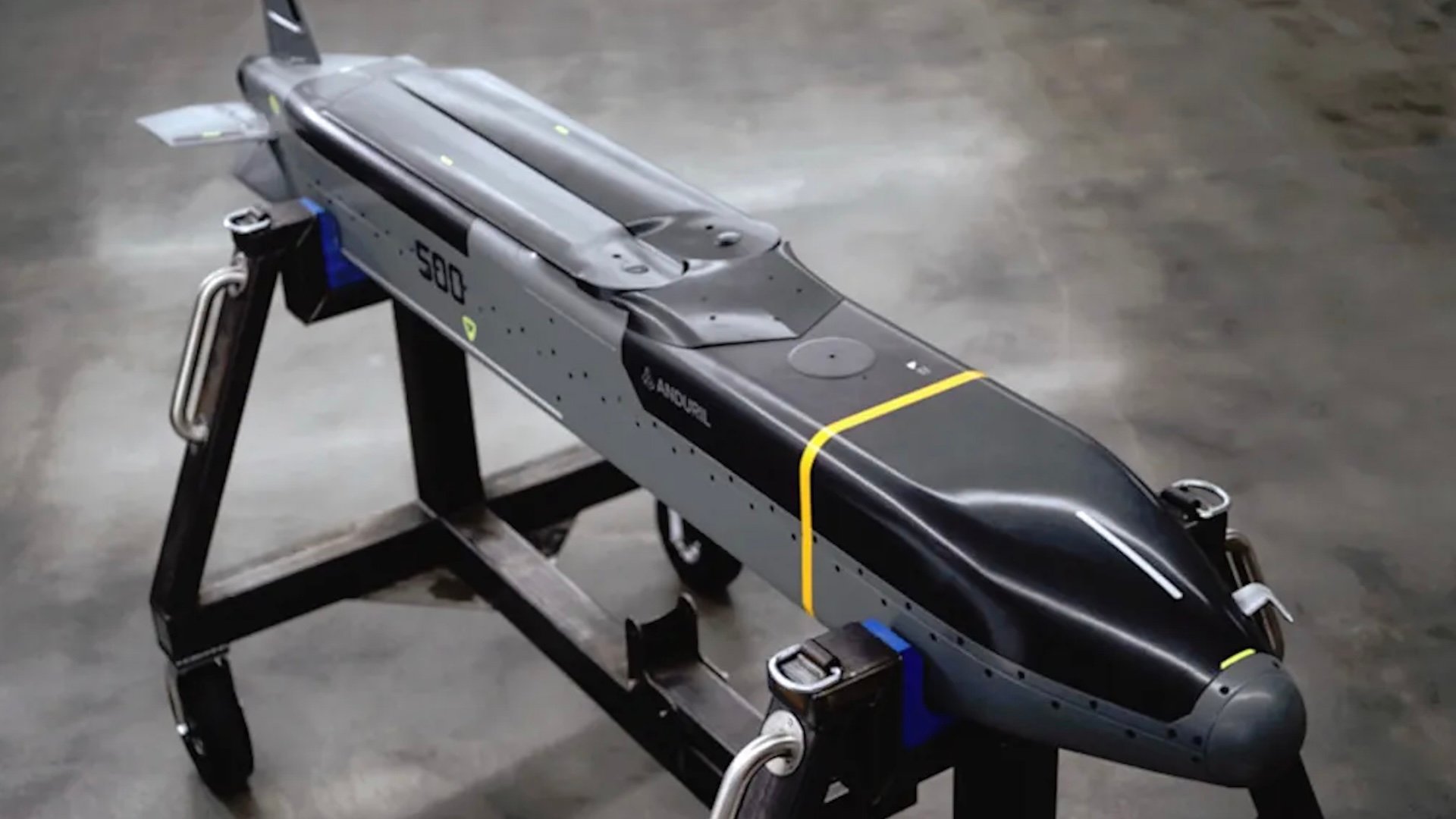
NATO member Latvia is moving toward acquiring Anduril Industries’ Barracuda family of long-range strike missiles, with Latvian President Edgars Rinkēvičs highlighting the effort during a visit to the U.S. defense technology company and a series of new defense-industry cooperation agreements involving Latvia. If the acquisition goes through, Latvia would be the first of the Baltic states to field a strike weapon in this category.
“It was great to visit Anduril to meet with Palmer Luckey and to witness signing of memoranda of cooperation with MOD of Latvia and Origin Robotics,” Rinkēvičs said in a post on X. “Looking forward to complete acquisition of Barracuda long-range missiles and [Latvian-U.S.] defense industry cooperation.”
The statement does not specify the precise Barracuda variant involved, the number of missiles Latvia intends to acquire, the expected delivery schedule, or the value of the prospective purchase. We have reached out to Anduril for more details.
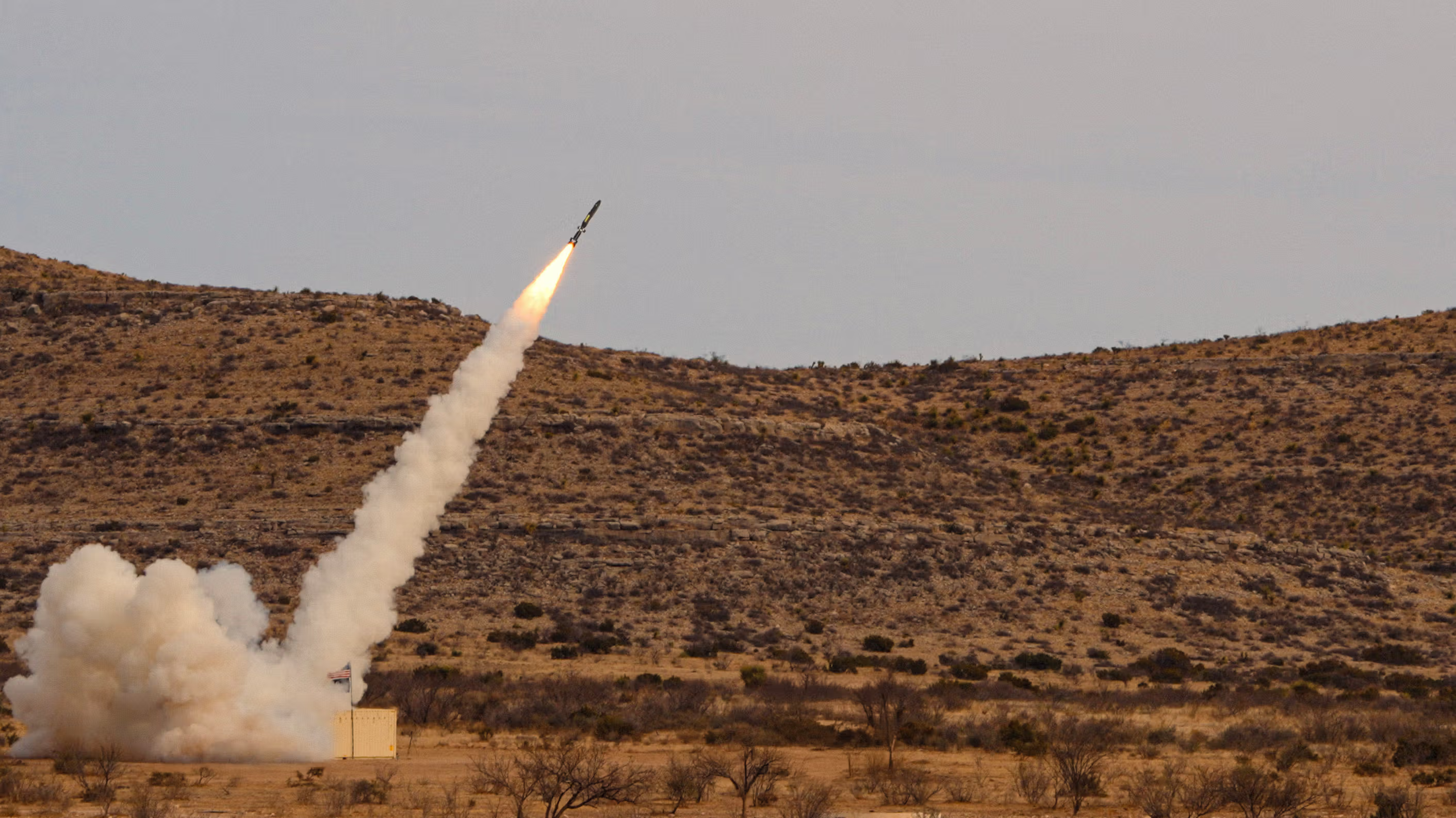
A likely candidate weapon is the Barracuda-500M, one member of Anduril’s family of autonomous, jet-powered cruise missiles, alongside the Barracuda-100M and -250M variants. Official descriptions put its range at more than 500 nautical miles, with a stated speed range of approximately 190 to 500 knots. The missile can be air-launched, for which it has received the official U.S. military designation AGM-189A. But with only a handful of utility biplanes and helicopters in its inventory, Latvia would acquire the surface-launched version, designated SLB-500M.

The announcement points to a potentially significant expansion of Latvia’s precision-strike capabilities as NATO’s eastern flank continues to build out longer-range conventional fires.
Latvia has already ordered the U.S.-made Army Tactical Missile System, or ATACMS, which will be fired from M142 HIMARS launchers. The system is expected to enter Latvian service in 2027 and has a maximum range of about 186 miles.
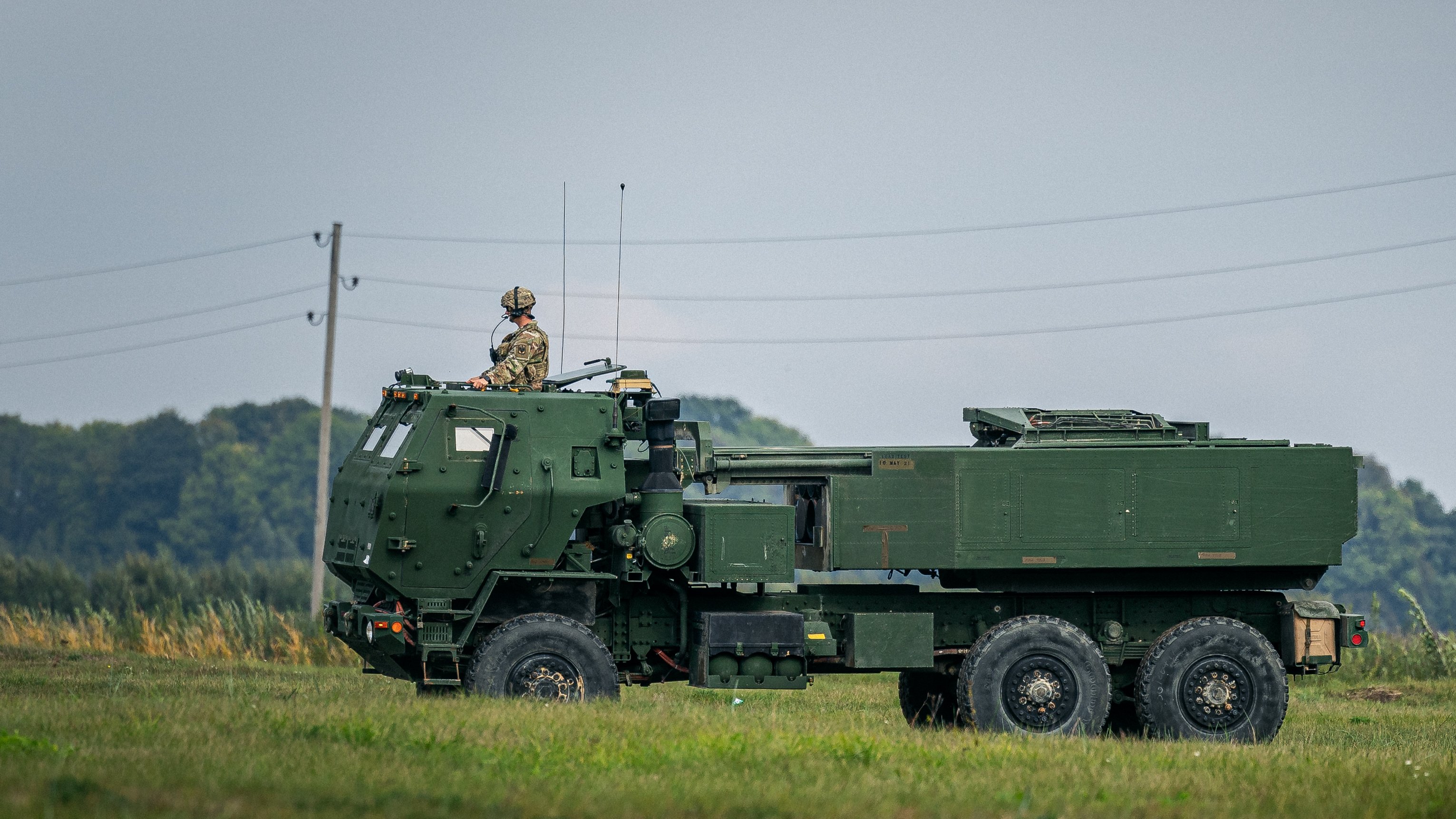
Latvia’s ATACMS capability will give the country a foundation for ground-launched precision fires, but the broader European trend is toward significantly greater reach.
Ground- and sea-launched cruise and ballistic missile systems capable of hitting targets at between 1,000 and 2,000 kilometers (620 and 1,242 miles) or more are an emerging target for several European NATO members. France, Germany, Poland, Italy, Sweden and the United Kingdom are pursuing combinations of indigenous development and foreign procurement to address this requirement.
Latvia’s neighbor Poland, for example, has been building a layered long-range strike architecture combining JASSM/JASSM-ER air-launched cruise missiles with HIMARS and ATACMS. Warsaw’s ambitions are extending toward ground-launched weapons with ranges potentially reaching 3,000 kilometers (1,864 miles) and the country has previously expressed openness to hosting U.S.-owned nuclear weapons on its territory, too.
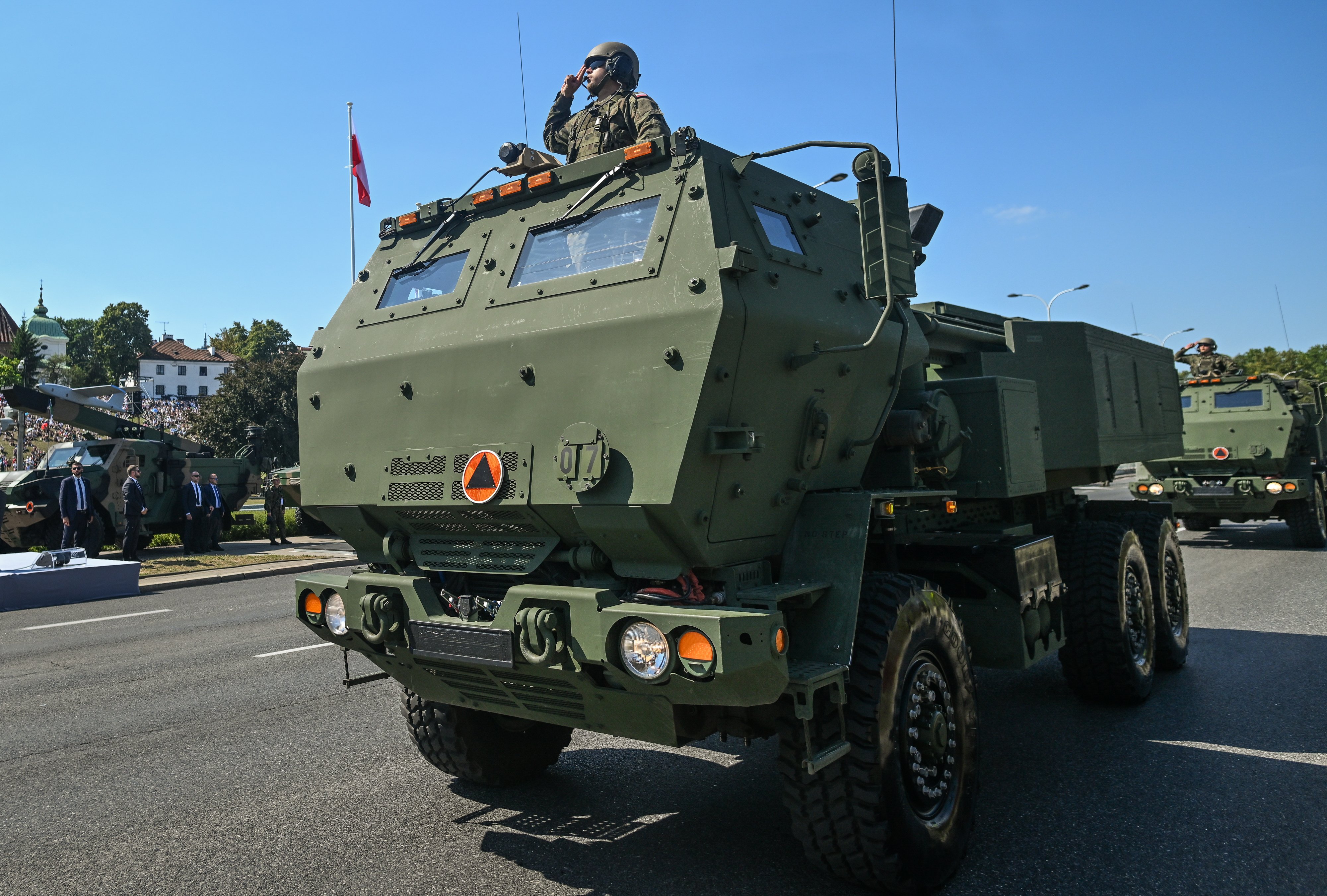
Latvian interest in Barracuda fits into the same larger transformation in European conventional strike capabilities.
For NATO’s Baltic members, the logic is particularly straightforward, with mobile, ground-launched weapons providing an additional means of striking military targets at depth without requiring control of the air over the launch area.

The potential Barracuda acquisition would represent another step in a broader European shift toward deep precision strike, a term increasingly used to describe conventional weapons capable of holding targets hundreds or thousands of miles away at risk.
Deep precision strike is widely acknowledged as an increasingly important European capability gap. European NATO members have historically relied heavily on air-launched cruise missiles and other aircraft-delivered weapons, while ground-launched long-range systems have been comparatively scarce.
The deterioration of the European security environment following Russia’s full-scale invasion of Ukraine, together with the 2019 collapse of the Intermediate-Range Nuclear Forces Treaty, are important factors behind renewed European interest in long-range conventional strike.
A key driver behind Europe’s push for longer-range conventional strike is the desire to build a credible deterrent capable of holding targets deep inside Russia at risk, potentially including Moscow. Ukraine’s long-range strike campaign has demonstrated the strategic value of being able to impose costs at significant distances, while also underscoring the importance of having sufficient stocks of precision weapons. For NATO’s eastern flank, systems such as the ground-launched Barracuda could therefore provide not just another fires capability, but an additional means of imposing costs on an adversary without relying exclusively on airpower.
Importantly for Latvia, the emerging European approach is not limited to large air forces. NATO’s prospective deep-strike requirements are likely to place significant emphasis on mobile ground-launched systems because they can be dispersed and offer survivability advantages while avoiding the cost and vulnerability associated with relying exclusively on aircraft or ships as launch platforms.
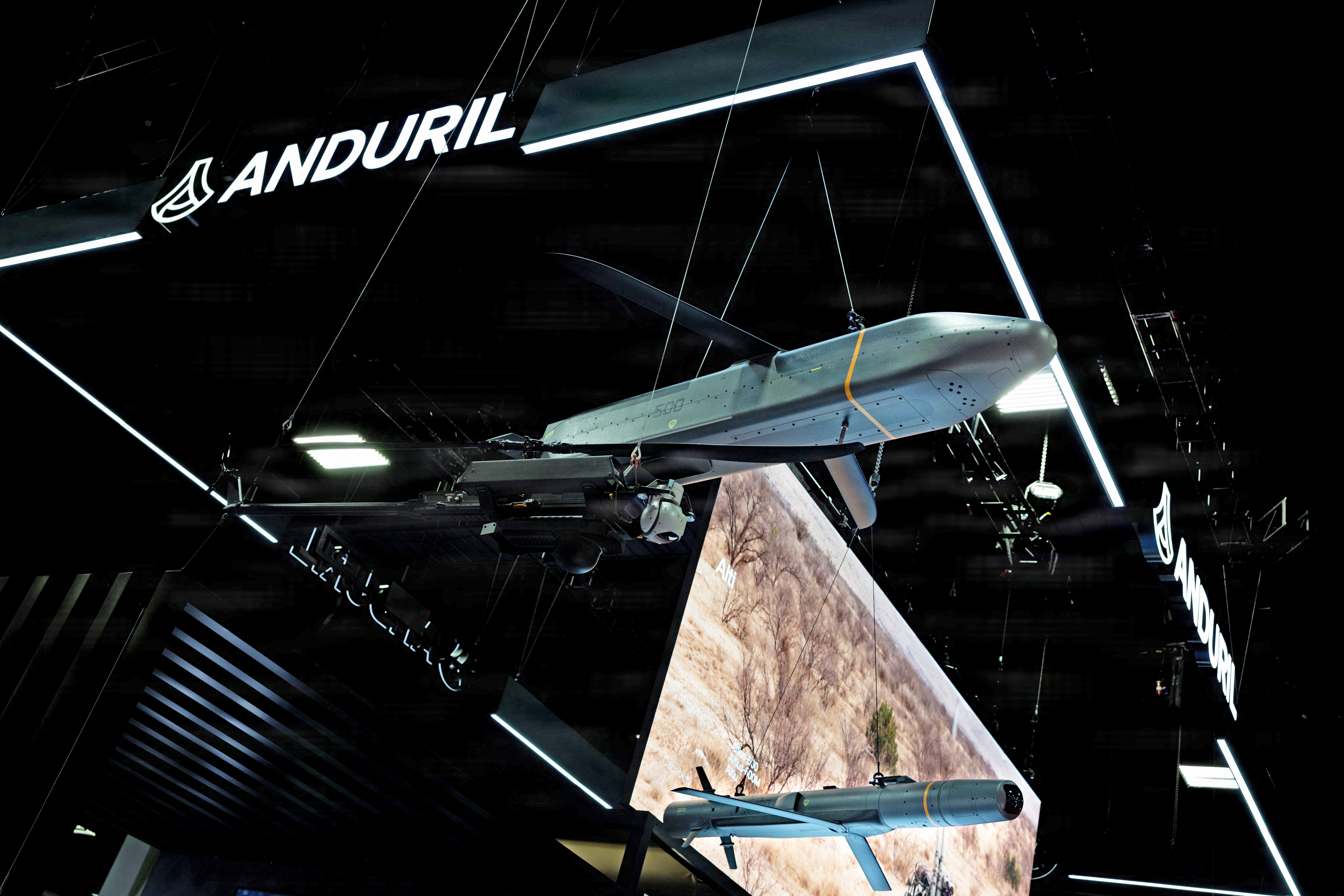
That makes systems such as the surface-launched Barracuda particularly relevant to countries on NATO’s eastern flank.
Anduril has positioned Barracuda as part of an effort to address what it describes as a shortfall in affordable, producible long-range precision weapons. A prototype surface-launched Barracuda-500 successfully demonstrated its launcher, missile, and booster concept in testing in 2025. Anduril has emphasized that the family is intended to be more producible and affordable than many existing “exquisite” long-range weapons.
The emphasis on production capacity is notable in light of lessons emerging from the war in Ukraine, where both sides have demonstrated the importance of maintaining substantial stocks of precision weapons and relatively inexpensive one-way attack systems.
European governments are increasingly wrestling with the same issue. However, there is a fundamental tension between rapidly filling capability gaps through off-the-shelf purchases and developing indigenous European weapons that can strengthen the continent’s defense-industrial base, which is also a critical political consideration.
Latvia’s emerging relationship with Anduril appears to combine elements of both approaches, by acquiring an American-developed strike capability while simultaneously pursuing industrial cooperation with U.S. defense companies.
There is also a recent European precedent for combining Barracuda procurement with local industrial participation.
In July 2026, Anduril signed a strategic agreement with Polish national maintenance, repair and overhaul provider Wojskowe Zakłady Lotnicze Nr 2 (WZL-2) to establish production of the Barracuda-500M at WZL-2 facilities in Bydgoszcz, Poland. Polish state-owned defence group Polska Grupa Zbrojeniowa said Poland was the first European country to sign such an agreement with Anduril.
Polish officials have also emphasized the missile’s intended low production cost relative to higher-end U.S. cruise missiles. The planned Polish program is expected to progressively increase Polish content and eventually incorporate broader European elements, including software solutions from Anduril.
Latvia has not publicly detailed whether any Barracuda-related production, assembly, or other industrial work would be conducted in the country.
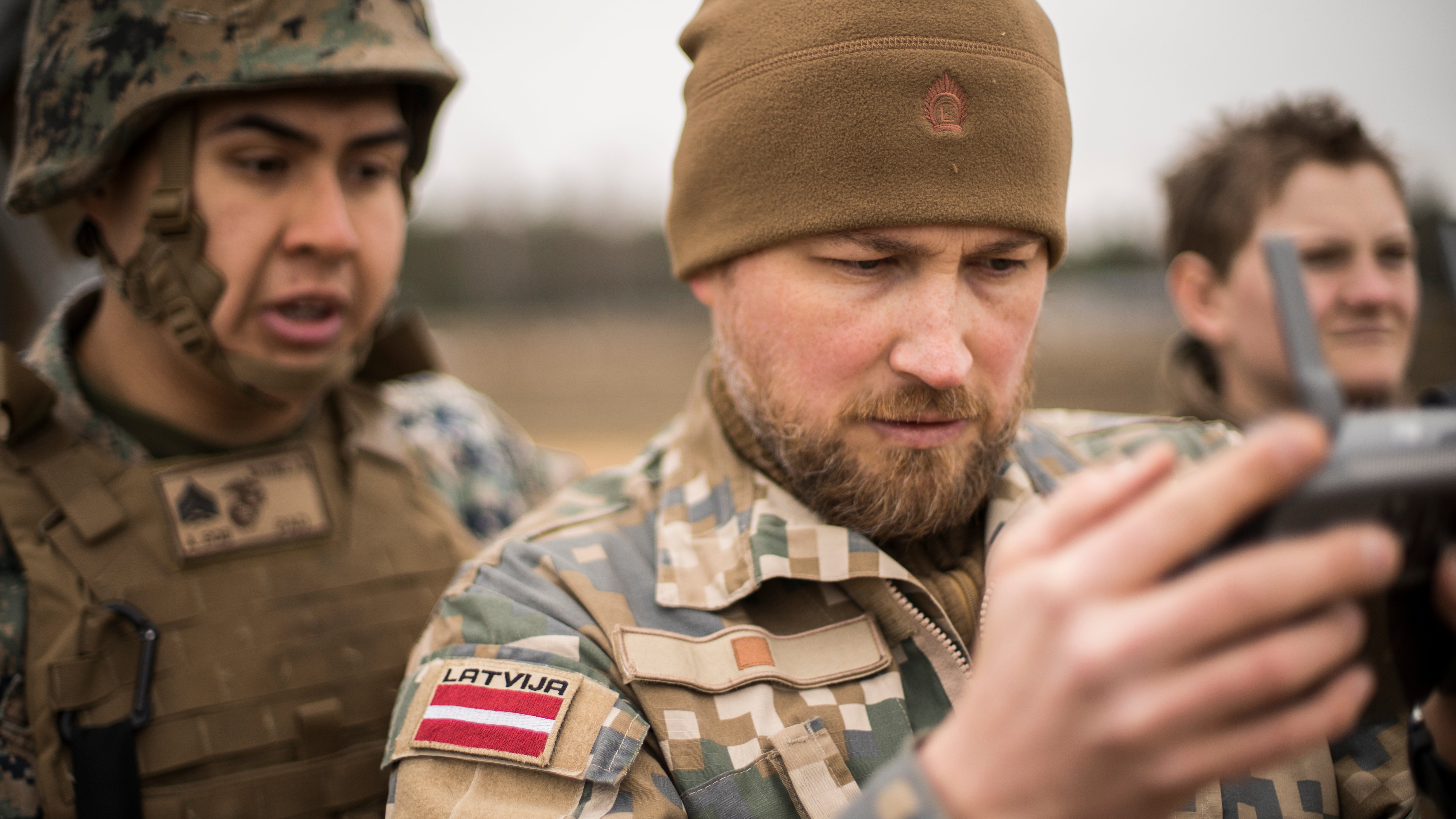
However, Latvia’s Investment and Development Agency says the country’s defense-technology delegation in the United States is seeking opportunities involving joint development, testing, manufacturing, system integration and supply chains. Origin Robotics is among the Latvian companies participating in that effort.
The broader Latvian delegation includes companies working across unmanned and counter-unmanned systems, communications, electronics, sensors, software, artificial intelligence, cybersecurity, and manufacturing.
Exactly how Latvia intends to employ Barracuda, how many missiles it plans to acquire, and whether any portion of the system will eventually be produced or integrated in Latvia remain unclear from the president’s announcement.
For now, the development marks another indication that long-range precision fires are moving from a capability concentrated among Europe’s largest military powers toward a broader requirement across NATO’s highly strategic eastern flank.
Contact the author: thomas@thewarzone.com
Loading comments…
Comments couldn’t be loaded. Please refresh the page.