
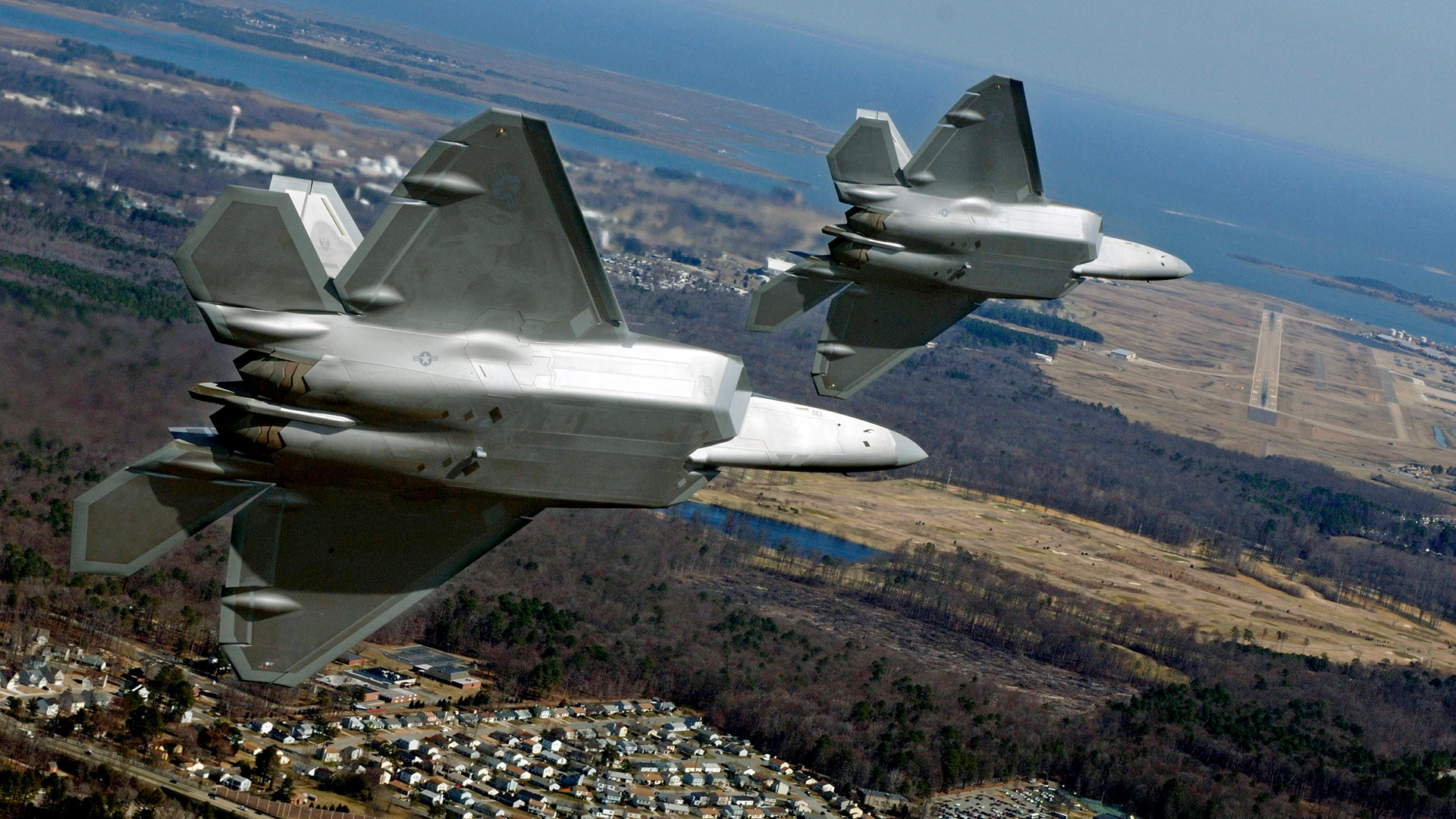
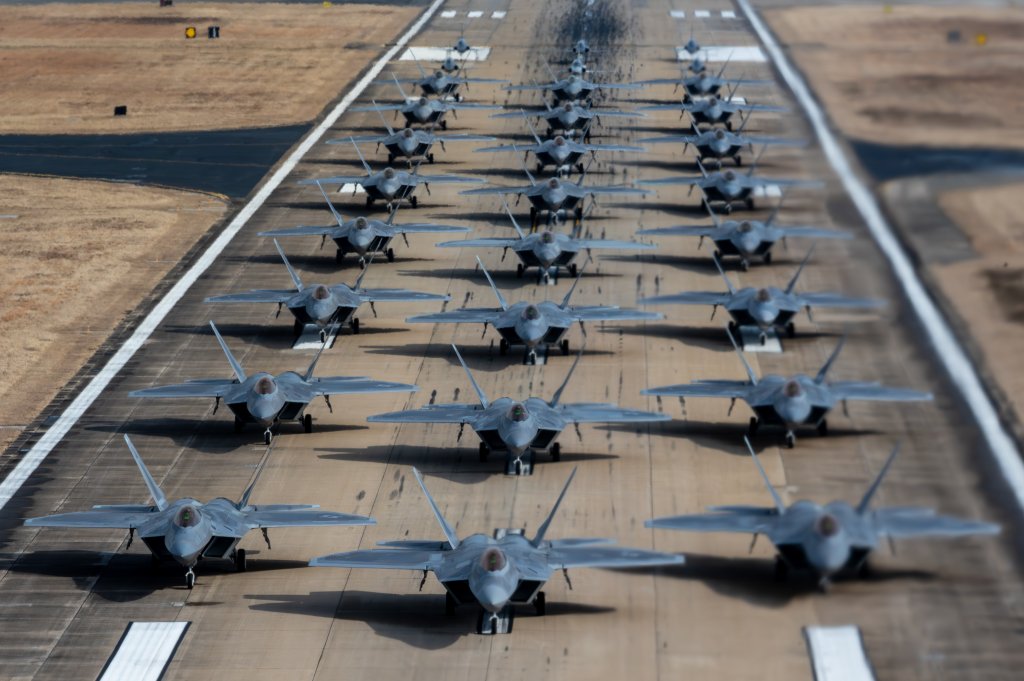
When the general in charge of protecting American skies found out that drones had been swarming over Langley Air Force Base, he was hardly shocked. It was the kind of threat now retired Air Force Gen. Glen VanHerck said that he and his predecessors had been warning about for years. TWZ was the first to report the December 2023 incursions over Langley, one of a select few bases hosting F-22 Raptor stealth fighters, and a particularly important installation for supporting the United States Northern Command (NORTHCOM) and North American Aerospace Defense Command (NORAD) missions to defend the U.S. homeland, including protecting the nation’s capital in Washington, D.C. For nearly a decade, we have been documenting drone incursions over sensitive U.S. military and civilian sites, warships and more.
VanHerck was in charge of both commands when drones of a still-mysterious origin began flying over the Virginian installation. He offered some lessons learned from that experience on Wednesday, during a panel at the Space and Missile Defense Symposium (SMD) in Huntsville, Alabama, attended by TWZ. VanHerck provided no new details about who was operating the drones. However, he did describe the frustration of knowing something like this could happen and the helplessness U.S. military installation commanders at the time were feeling about their inability to defend against such incursions.
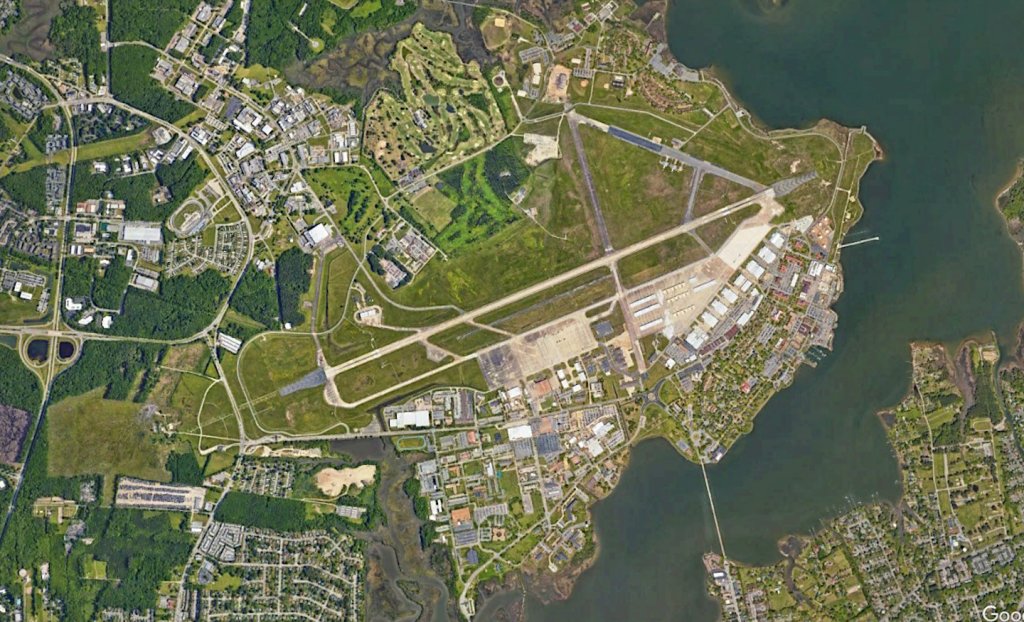
“The first lesson I would tell you is there were no surprises, at least for myself and the team at NORAD/NORTHCOM and others,” VanHerck said of learning about the Langley incursions, which began on the evening of Dec. 6, 2023. “We’ve been articulating — my predecessors had been articulating — that this threat was here, it was real, it was now, and we weren’t ready for it.”
VanHerck said that two years before the Langley incursion, he expressed his frustrations to Lloyd Austin, defense secretary at the time.
“I actually had told the Secretary of Defense on the 16th of December 2021 that I lacked the domain awareness to really do my mission,” the retired general explained. “That we lack access to capabilities and capacity, timely access in the homeland to do the mission, not only for a drone threat but more broadly all threats.”
“Maybe the most important one,” he said he told Austin, “is that we’re not set up to fight in and from our own land. We make an assumption that we’re going to take the fight somewhere else, and it’s going to occur on somebody else’s land. And the fact is, it’s ready to happen here right now.”
The lack of domain awareness over the homeland is a topic TWZ has frequently raised over the years, but that U.S. officials would not admit to it or address until after the Chinese spy balloon floated over much of the country in 2023 before being shot down off the Carolinas.

As we described in our original story, a base official at the time told us that Langley “first observed UAS [uncrewed aerial systems] activities the evening of December 6 [2023] and experienced multiple incursions throughout the month of December. The number of UASs fluctuated and they ranged in size/configuration. None of the incursions appeared to exhibit hostile intent but anything flying in our restricted airspace can pose a threat to flight safety. The FAA was made aware of the UAS incursions.”
Beyond not having the means to detect and defeat incursions like the ones over Langley, VanHerck said he didn’t even have the authority to do so. It was not NORAD/NORTHCOM’s mission, VanHerck proffered. It was up to the individual services.
“But their responsibility and authority stopped at the fence line at the base, and immediately thereafter, it was really unclear to everybody whose responsibility and authority was it just outside the base,” the retired general noted.
“Our installation commanders didn’t feel empowered,” VanHerck remembered. “They really felt a lack of trust. That ‘hey, if I take action, am I going to be covered for taking action and shooting something down that might be a civilian drone, but it might be a hostile drone?’ And so there was a lot of work to be done in that aspect, on the policy side and the authority side.”
VanHerck said that the pressure to act mounted after the so-called Jersey Drone incidents, which we were also the first to report. For a few months beginning in November 2024, thousands of people began reporting mystery drones in the skies.
“After New Jersey, there were calls for ‘just shoot them down,’” the general recalled. “Well, you know, in your homeland, that’s pretty hard to do, especially when you don’t have domain awareness. But shooting missiles that accelerate to four times the speed of sound or more, that have exploding warheads with fragmentation devices that explode titanium rods at thousands of feet per second over Langley or New Jersey is probably not where we needed to be, and for me that was really the only option I had as the NORAD/NORTHCOM commander.”
Besides, as we frequently noted, the vast majority of these so-called drones were reported by civilians and turned out to be misidentified manned aircraft and even stars and planets. In fact, we saw no visual evidence of any mass drone incursions or strange objects over New Jersey during this prolonged series of events.
You can see video of one of the Jersey Drone situations below:
VanHerck was bringing up issues we pointed out in our own coverage about the murky authorities and prohibitions on the use of directed energy weapons, like lasers and high-power microwave systems, let alone kinetic capabilities, to bring down drones over military bases.
Frustrations over that lack of authority and ability to act are issues that VanHerck’s successor, Gen. Gregory Guillot, has also raised and in many ways successfully pushed to change. You can read more about his efforts to give commanders greater authority to act against drones in our coverage here.
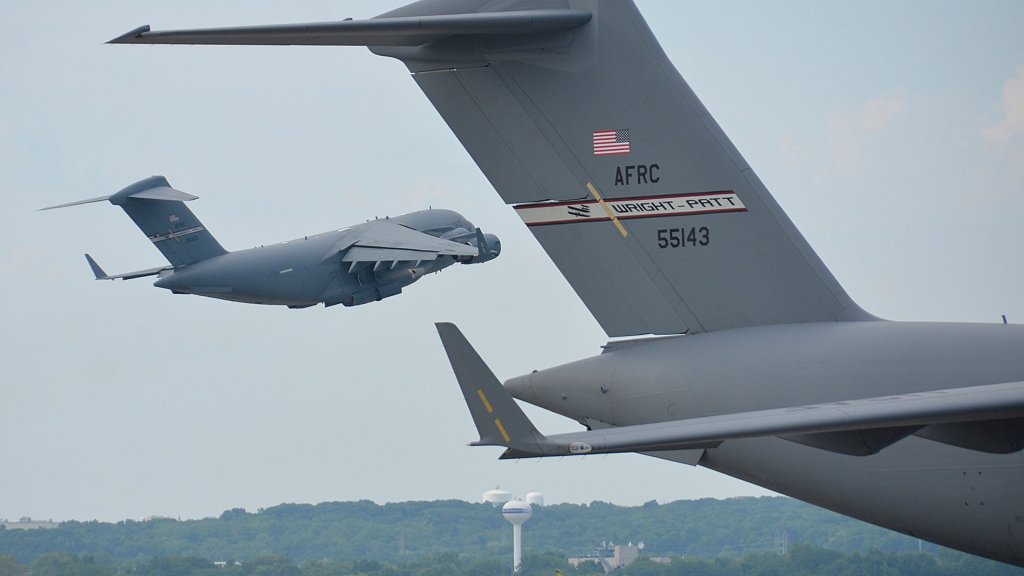
As we previously reported, in the wake of drone incursions like those over Langley, Wright-Patterson Air Force Base, Picatinny Arsenal, and others, NORTHCOM was given the role of synchronizing the U.S. military response during Guillot’s tenure. U.S. INDOPACOM was given a similar role for the Pacific.
In addition, as VanHerck noted on Wednesday, there have been additional much-needed changes under current Defense Secretary Pete Hegseth, “who has cleared up a lot of the responsibility [and] authority [issues] with some of his actions.”
Among them, the military has been using directed energy lasers against cartel drones flying across the border and is working to expand that capability.
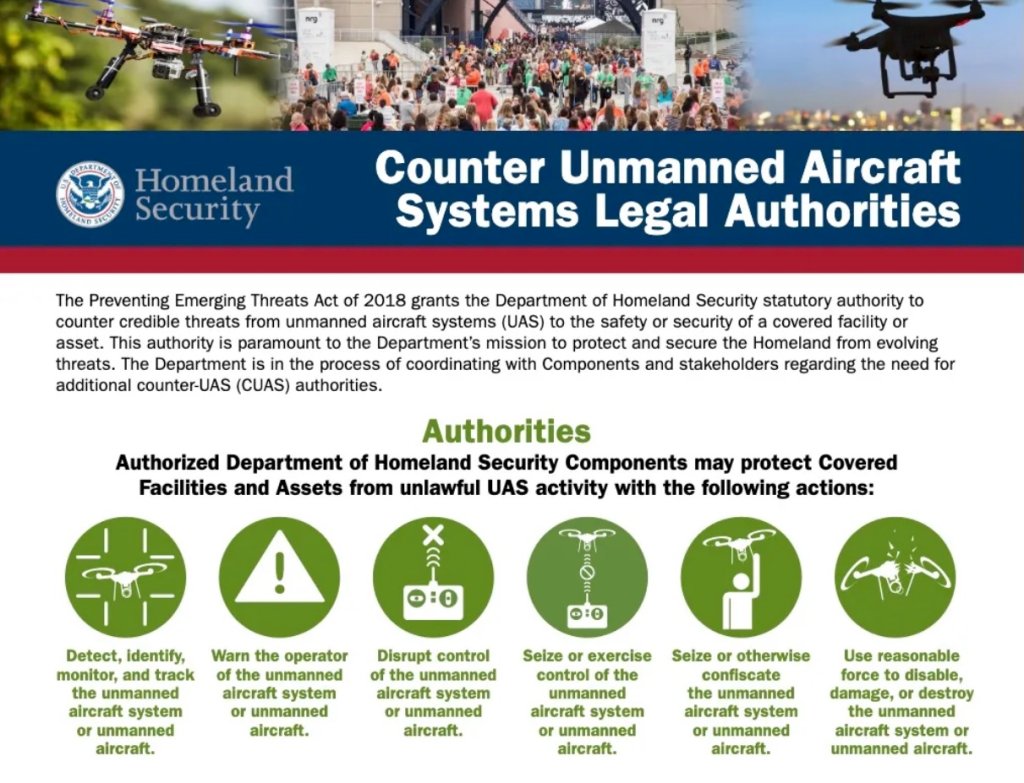
Moreover, the federal Safer Skies Act, which gives the Departments of Homeland Security (DHS) and Justice (DOJ) as well as certain state, local and tribal agencies, limited authority to mitigate drone threats domestically, “really helps clarify things,” VanHerck stated.
Still, there is a long way to go, however, before the U.S. can fully protect its skies, the retired general suggested.
“We still have gaps and seams, and we need an integrated, layered approach driven by specific policy on what you must defend,” VanHerck posited. “These are the key lessons that I took away and put in memos years ago that we still have to fix today, and we’re seeing some of this play out not only in our homeland. We’re seeing some of it play out forward as well. So that’s a long answer, but there are a lot of lessons here.”
Contact the author: howard@twz.com
Loading comments…
Comments couldn’t be loaded. Please refresh the page.