
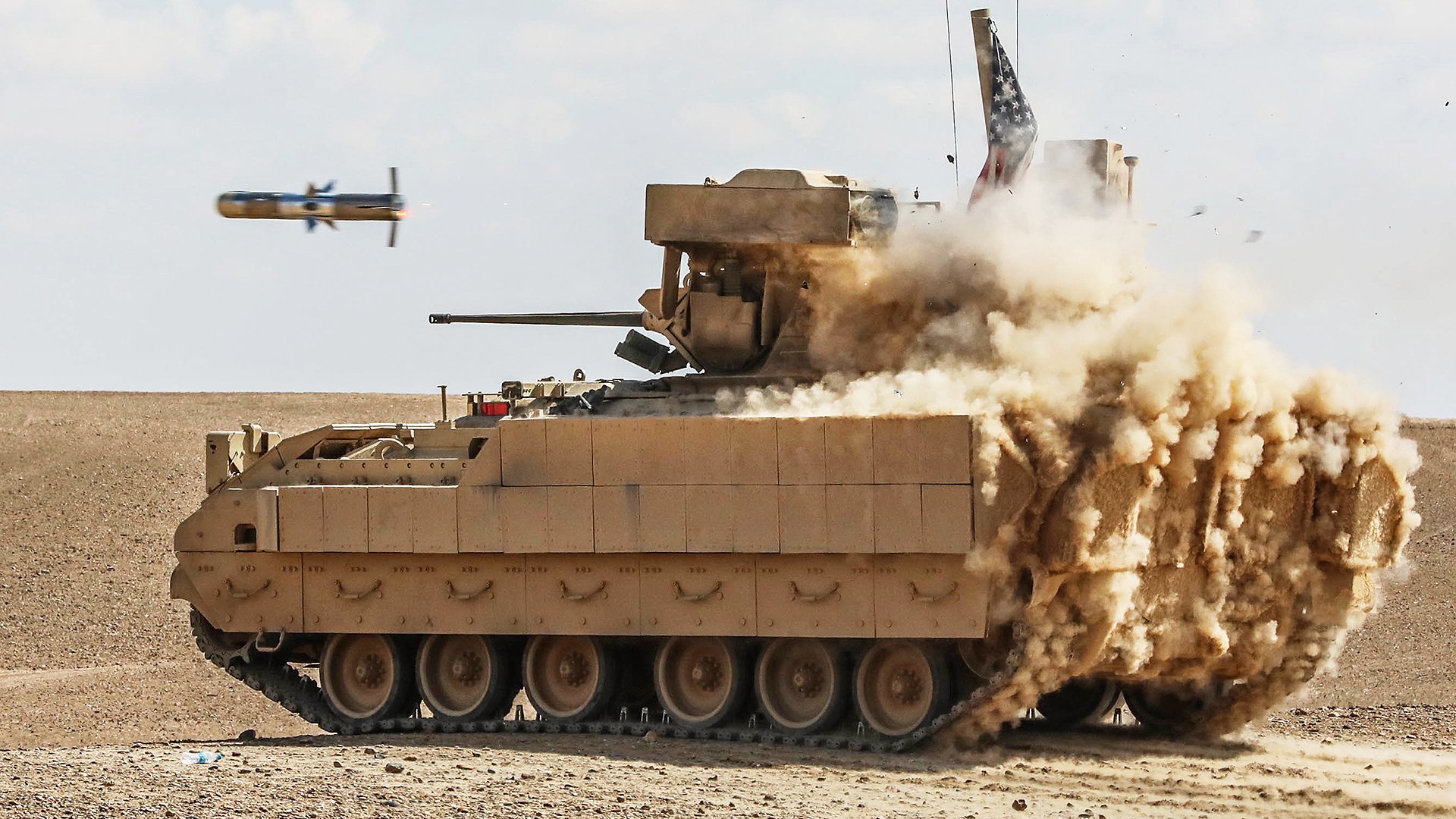
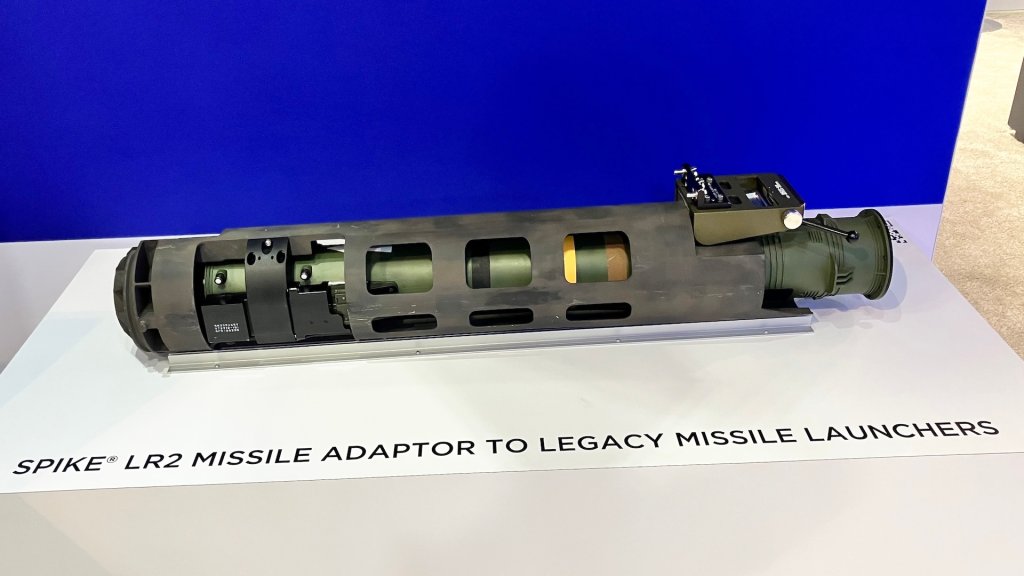
Rafael USA and Leonardo DRS have presented a capability that would allow fighting vehicles equipped with legacy Tube-launched, Optically tracked, Wire-guided (TOW) missile launchers to fire Rafael’s Spike LR2 anti-armor missiles. The effort builds on a demonstration dating back to 2021, with the companies now presenting a more mature adapter solution designed to integrate the Israeli-made missile into existing platforms.
Roman Palaria, Rafael’s vice president for marketing and business development in its land and naval division, discussed the system in an interview with TWZ at the Association of the U.S. Army’s (AUSA) main annual convention. He explained that the earlier demonstration, part of Project Convergence 2021, used a version of the adapter that had not yet reached its final configuration. Leonardo DRS, Rafael’s U.S. partner, subsequently developed the mechanical and electrical components needed to connect the Spike LR2 to the TOW launcher and the vehicle’s existing systems.
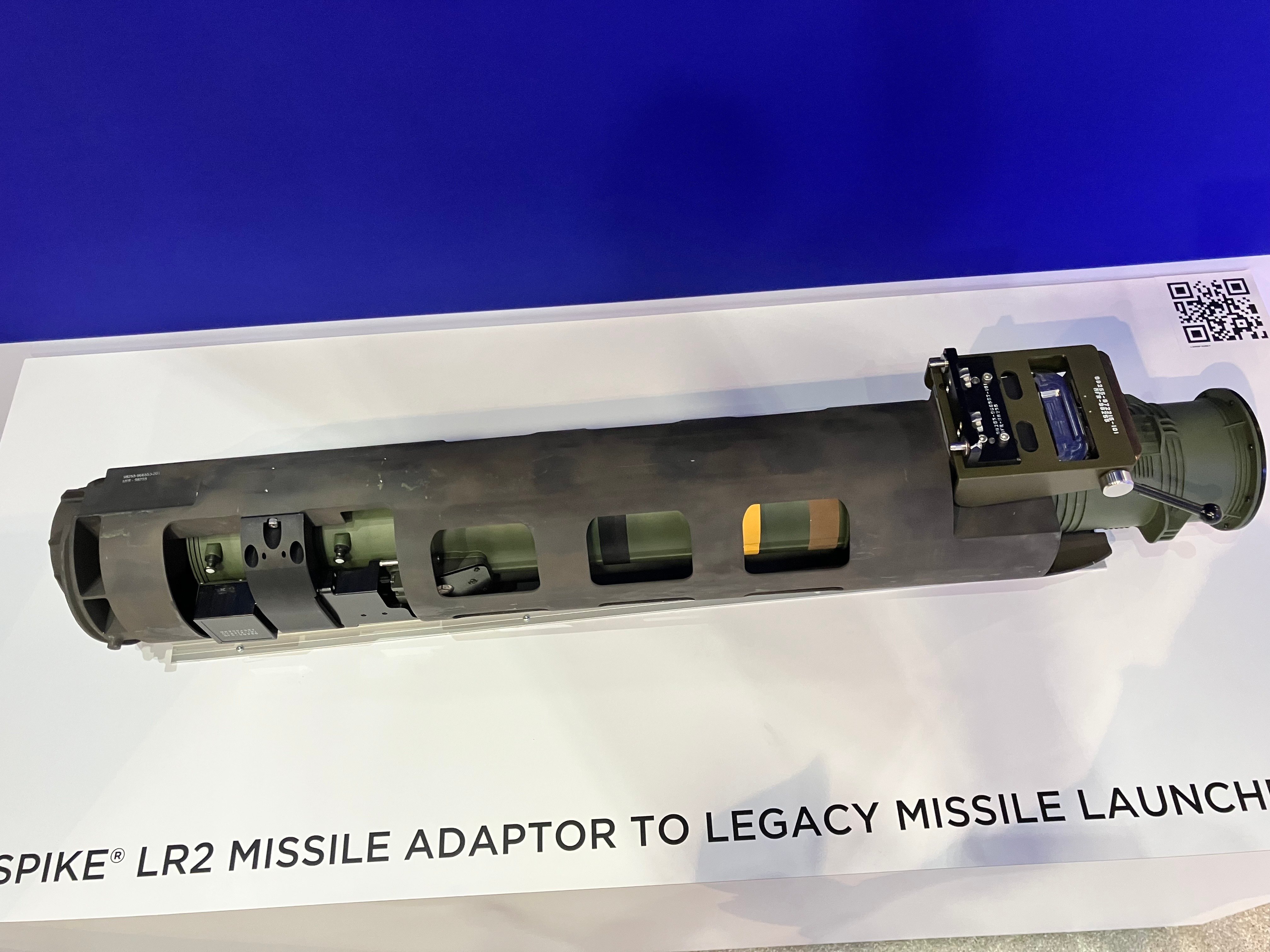
The approach is intended to avoid replacing the launcher or radically overhauling the vehicle’s gunner station. Instead, the adapter provides the mechanical interface for loading the Spike LR2 missile and the electrical connections needed to communicate with the vehicle. Additional electronic components are installed within the vehicle to support the missile’s functions.
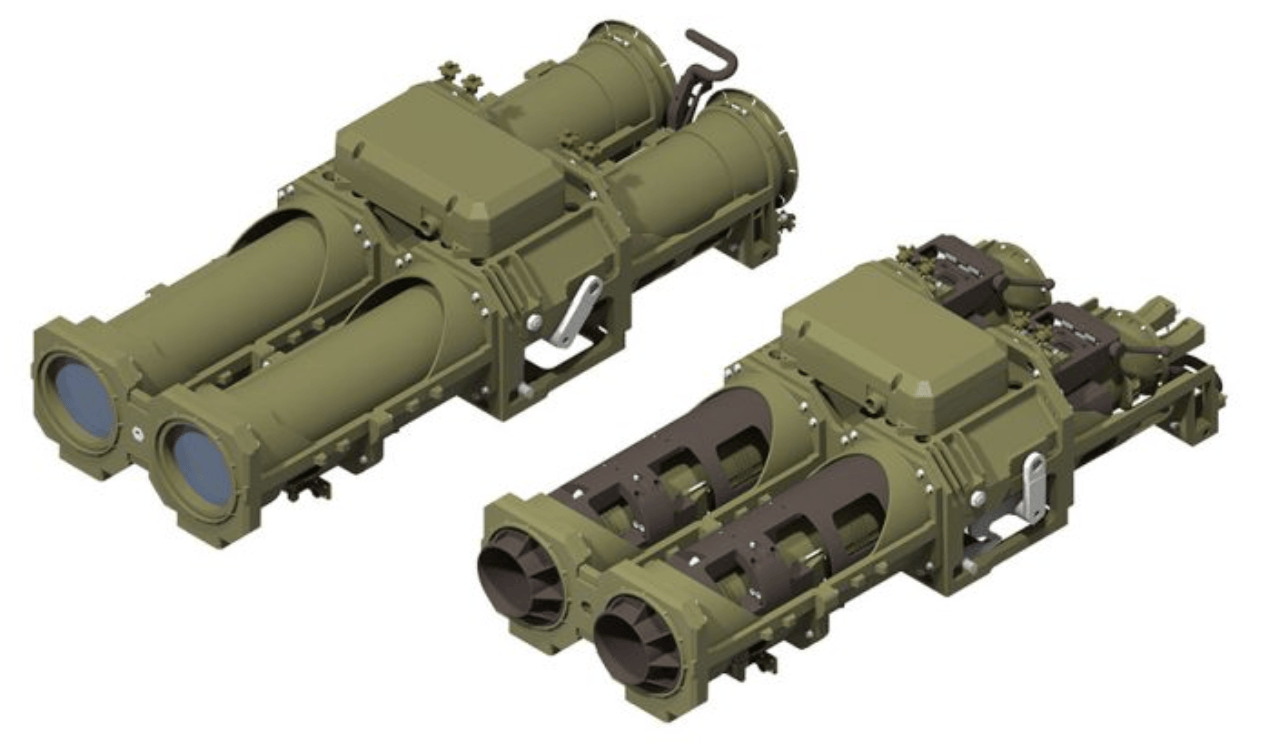
“We’re doing minimum changes to the vehicle,” Palaria said, describing the goal of making the integration as seamless as possible for the operator.
The Bradley infantry fighting vehicle is a prominent potential application, although the companies say the capability could extend to other platforms that use TOW launchers. The Army has operated TOW-equipped vehicles for decades, creating a substantial installed base of launch systems that could potentially benefit from the approach. As for the Bradley, the Army effort to replace its TOW missiles has been a long one, but is yet to produce any real results.
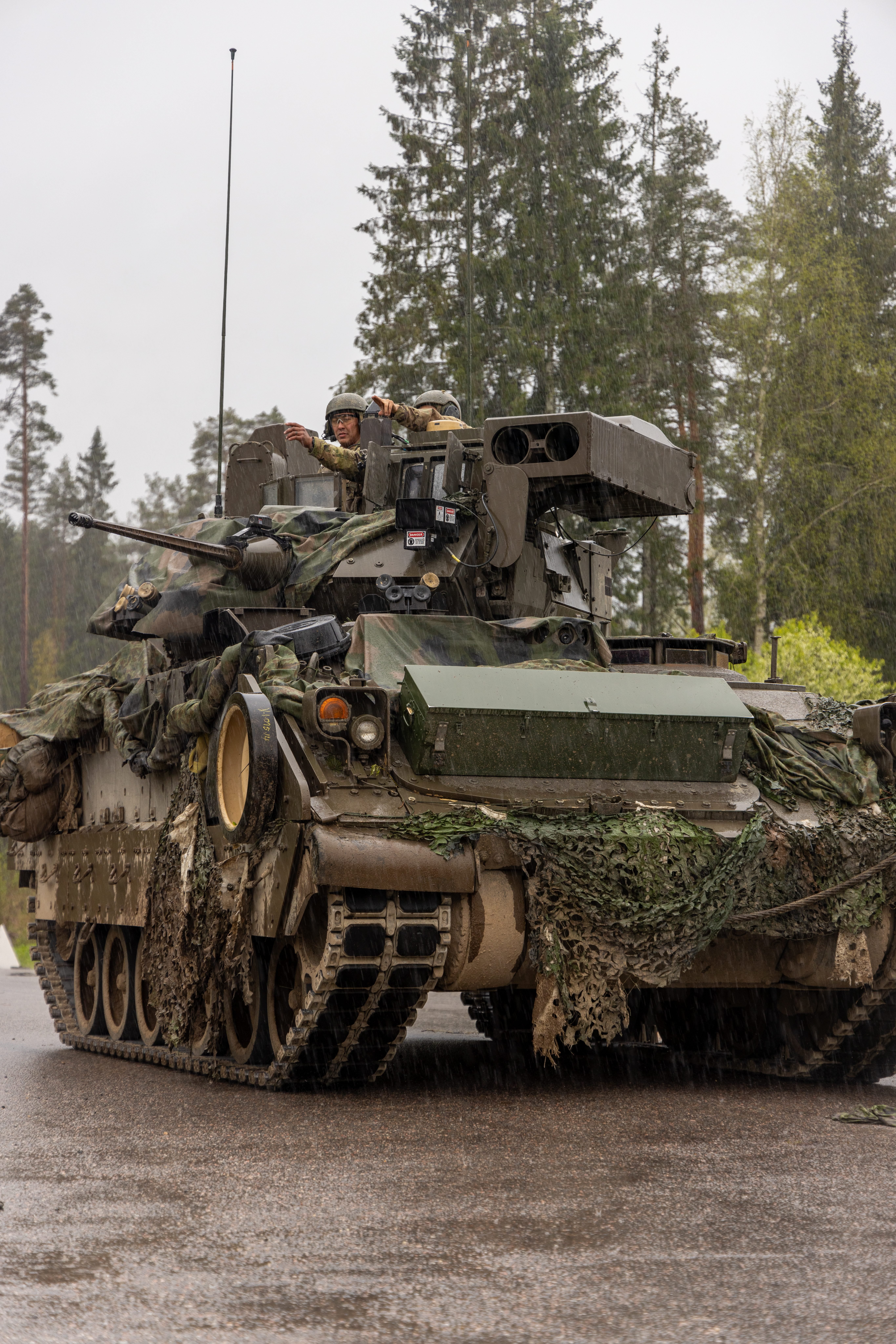
After a missile is fired, its launch tube remains in the launcher and can be removed to accommodate another missile.
The central attraction of the system is the ability to combine existing launcher infrastructure with the Spike LR2’s unique engagement capabilities.
During Project Convergence 2021, two Spike missiles were fired from a TOW launcher, and both reportedly hit their intended targets. The adapter now being presented reflects subsequent development work by Leonardo DRS, including refinement of the mechanical interface and vehicle electrical integration.
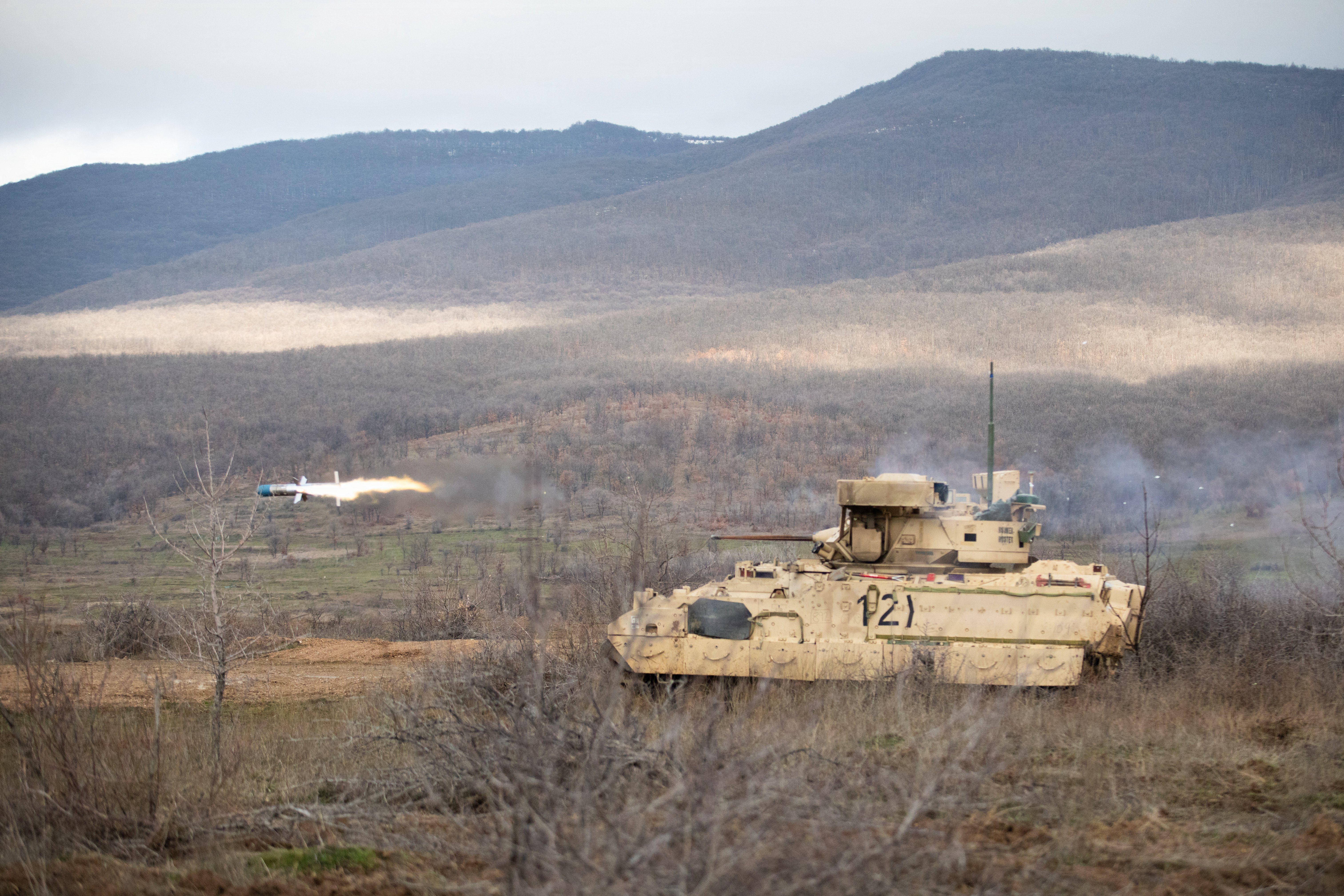
The system is designed to preserve the vehicle’s existing TOW capability while adding the option to use Spike LR2. That would give commanders another missile option without necessarily requiring wholesale replacement of installed launcher equipment. The extent to which individual vehicles could use both missile types would depend on the completed integration and applicable qualification requirements.
The Spike LR2 offers capabilities differ substantially from those of the legacy TOW missile. Palaria cited a maximum range of approximately 5.5 kilometers (3.4 miles) and highlighted the missile’s day/night imaging seeker, which provides video to the operator during flight. The longest-range TOW missile versions max out at around 4.5 kilometers (2.8 miles).

In contrast, Spike LR2’s imaging capability supports engagement of targets beyond the operator’s direct line of sight, as well as observation of the target area during the missile’s approach. Depending on the engagement, the operator can acquire a target through the missile’s seeker, adjust the engagement, or select a different target while the missile is in flight.
These features contrast with the traditional TOW’s semi-automatic command to line-of-sight (SACLOS) guidance, in which the gunner tracks the target through the launcher’s observation system and guides the missile throughout its flight. Spike LR2’s onboard imaging provides a different set of options for engagements in which direct observation is limited or target conditions change after launch. This can also include striking targets behind cover.
Palaria also described the LR2’s two warhead options. The first of these is a tandem-charge anti-tank warhead, which Rafael claims is able to penetrate any modern main battle tank. It consists of a precursor warhead and the main warhead, which are designed to penetrate the reactive armor, and the main armor, respectively.

The second option is a multi-purpose configuration. It has a programmable fuze, which allows the missile to be employed against different target types. Depending on the selected mode, the warhead can be configured for direct-impact or timed-detonation effects, for example, detonating above the ground for anti-personnel missions, or penetrating a building, in which case the first charge will make a hole in in a wall, and then the second charge will go inside and explode after a short delay.
The adapter offers a potential route to adding new missile capabilities to existing Army vehicles while limiting changes to their launcher hardware and crew interface.
Operator training would obviously be necessary. Although the gunner would continue using the vehicle’s existing console and displays, Palaria acknowledged that Spike LR2 introduces additional functions, controls, and engagement procedures.
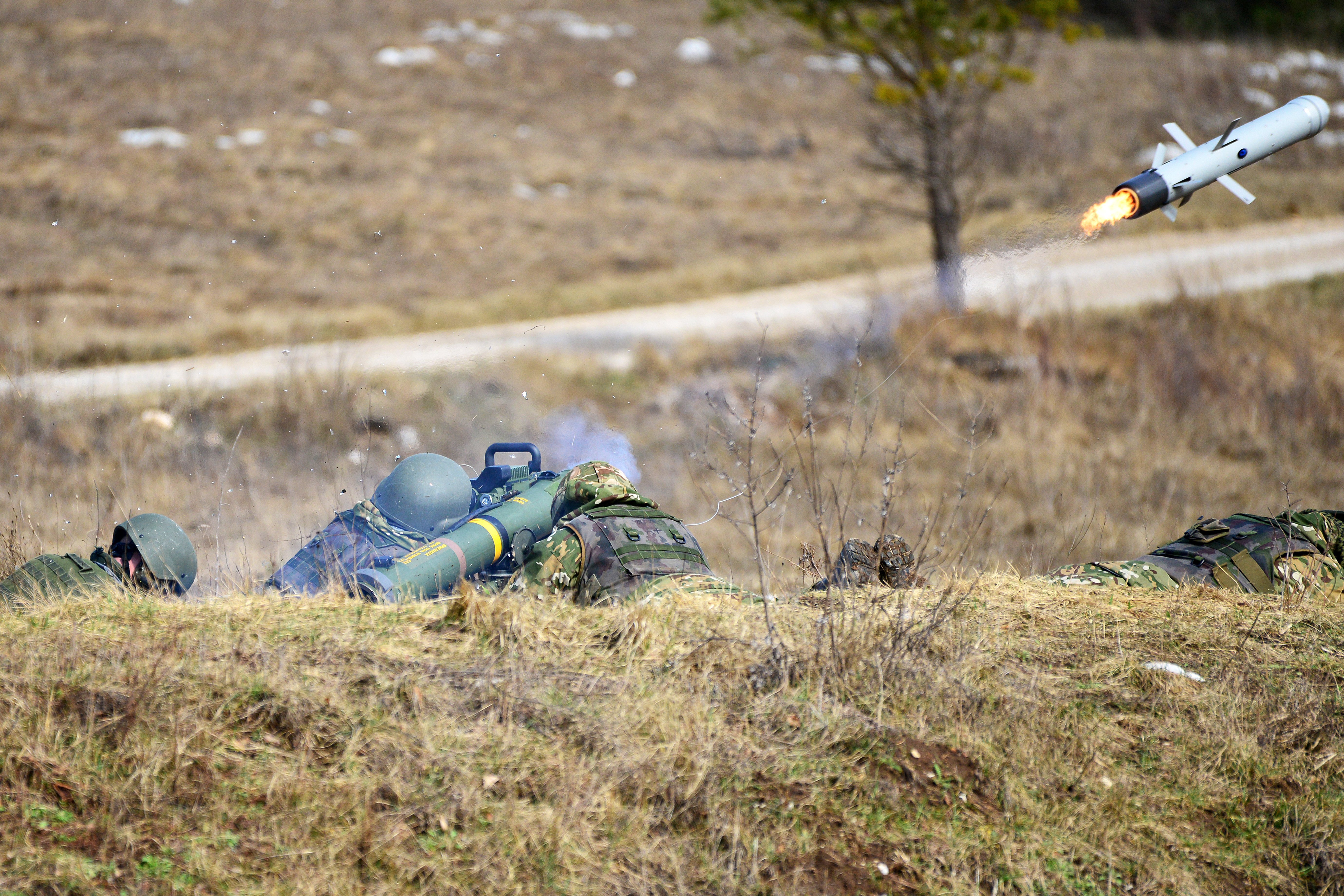
For the Army, the proposition is straightforward: retain a familiar launcher architecture while potentially adding a missile with greater reach, onboard imaging, and more flexible engagement options that exceed line-of-sight tracking. The adapter’s significance lies in making that combination possible without starting from a clean sheet.
Whether that capability becomes a fielded upgrade will depend on the Army’s requirements, testing, integration decisions, and procurement plans. But the widespread uptake of the Spike series of missiles around the globe, combined with the very large existing TOW missile operator base, means the adapter solution could well be of interest to customers outside the U.S. Army, too.
Contact the author: thomas@thewarzone.com
Loading comments…
Comments couldn’t be loaded. Please refresh the page.