
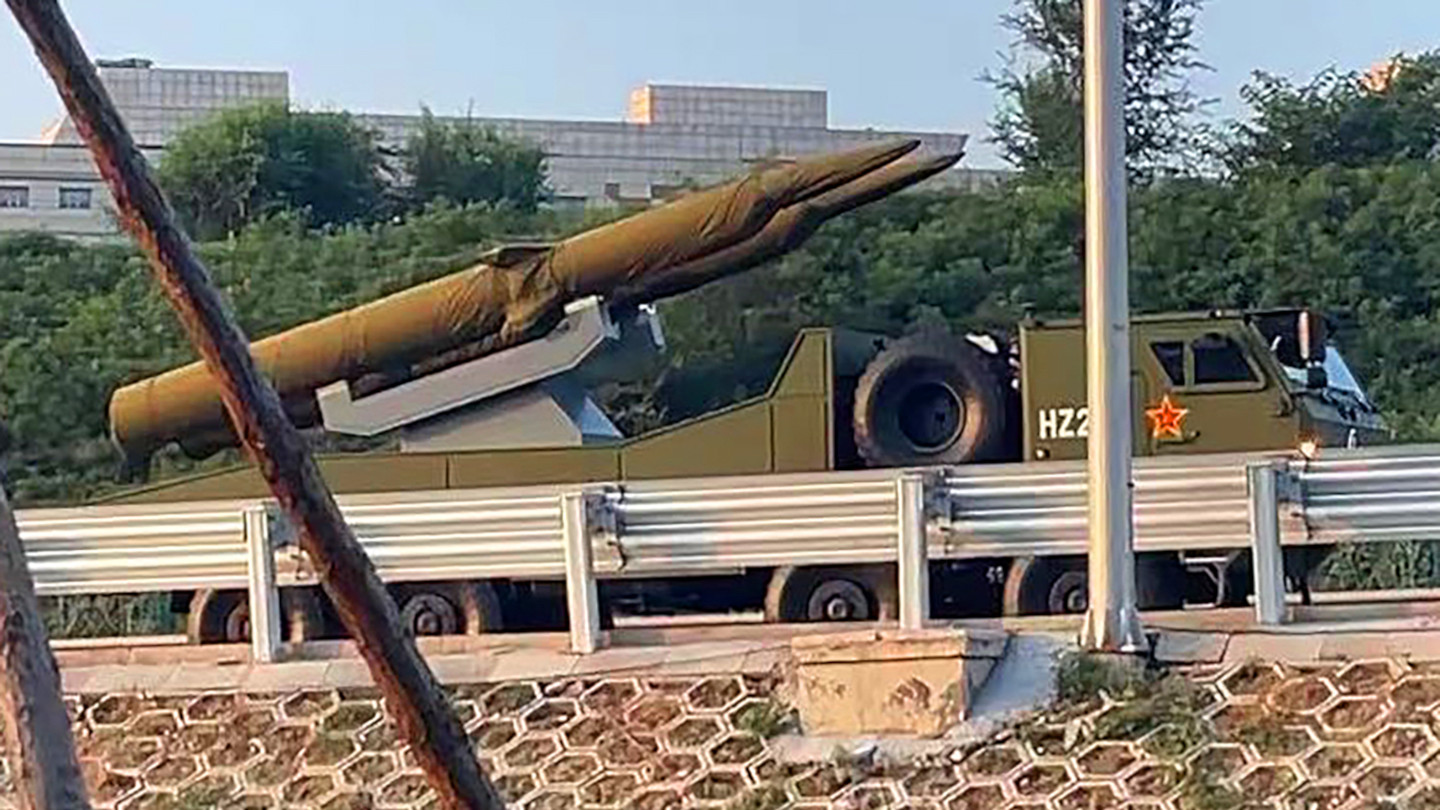
China’s huge upcoming military parade to mark the 80th anniversary of the country’s victory over Japan in World War II is shaping up to be the most significant showcase of new capabilities in years. TWZ has previously reported on a number of new air combat drone designs that will make their official debut at the event, but a bevy of previously unseen missiles has also been capturing particular attention.
A massive burst of imagery of parade preparations, which have been ongoing for weeks now, began circulating online over the weekend. The parade itself is scheduled to take place in Beijing on Sept. 3.
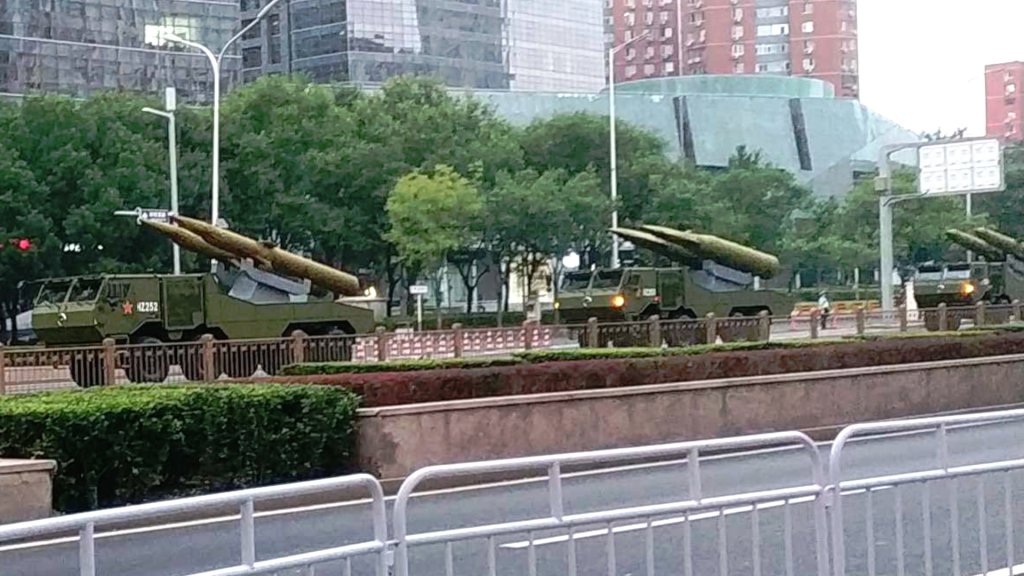
One quartet of missiles seen amid the parade preparations – with the designations YJ-15, YJ-17, YJ-19, and YJ-20 – has been especially eye-catching. The exact target sets these missiles are intended to engage are unclear, as are their launch modes. China has historically applied YJ designators to anti-ship and/or land attack cruise missiles that can be fired from aircraft, surface warships, submarines, and/or ground-based launchers.
The YJ-15 looks to be a new ramjet-powered design with a layout that is similar in very broad strokes to the existing YJ-12. The YJ-12 is a supersonic anti-ship cruise missile that can be air, sea, and ground-launched. The YJ-12 is itself at least externally reminiscent of the Soviet-era Kh-31. The YJ-12’s manufacturer, state-run China Aerospace Science and Industry Corporation (CASIC), has said in the past that at least the export version, called the CM-302, also has a secondary land-attack capability.
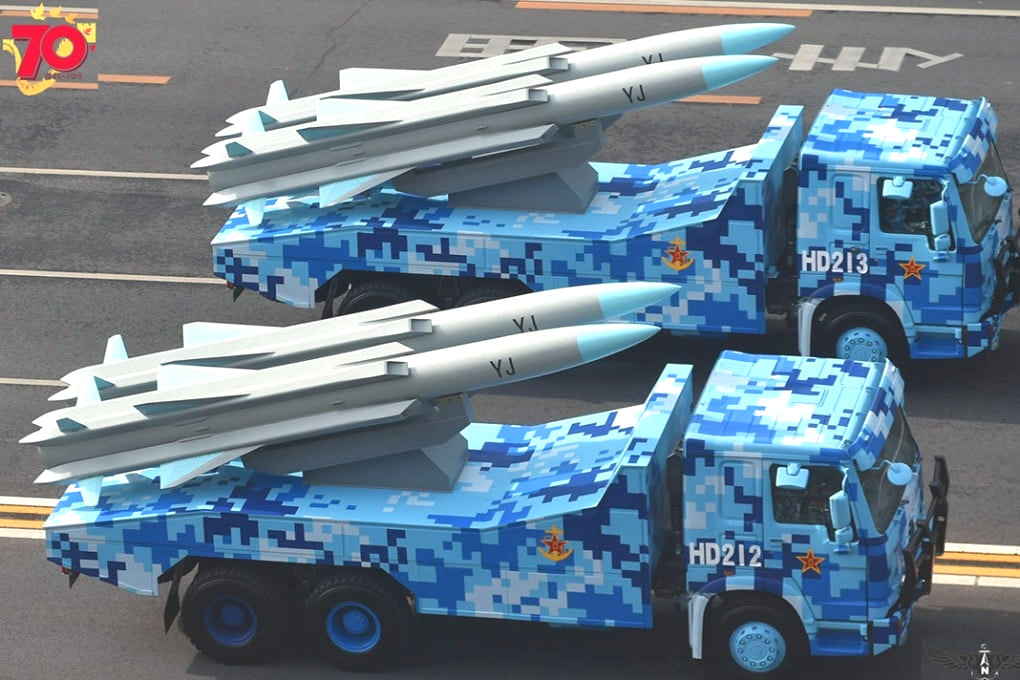
The shaping of the nose on the YJ-17 points first and foremost to a design capable of reaching hypersonic speeds, defined as anything above Mach 5. This may be a ‘waverider’ type missile that ‘skips’ on top of the shockwaves produced during high-speed flight to gain additional lift.
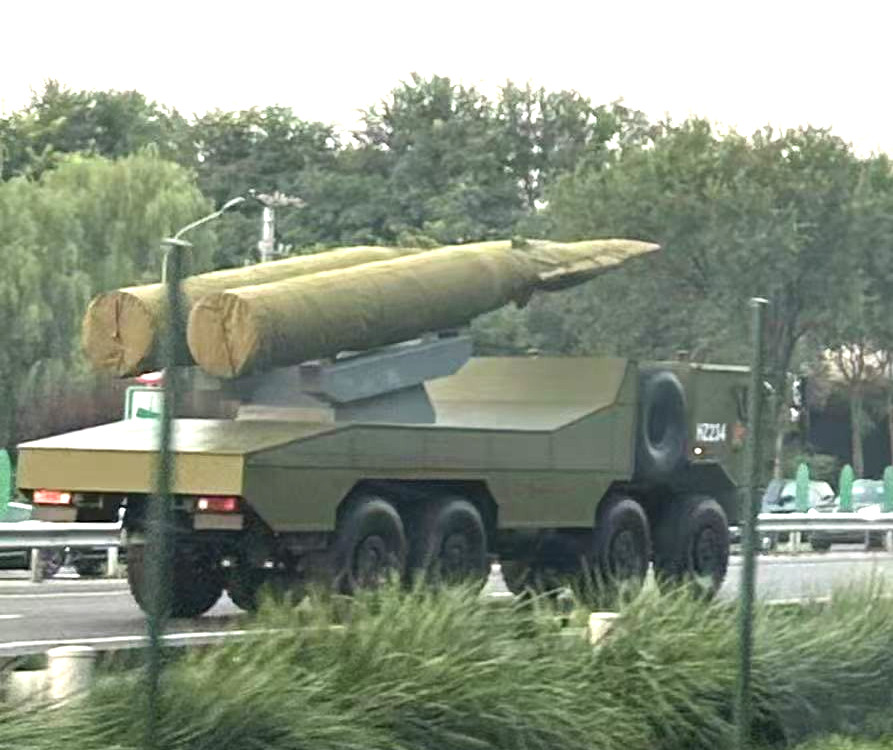
There has been some discussion about whether the front end of the YJ-17 might actually be an unpowered hypersonic boost-glide vehicle that detaches after launch, despite the ‘cruise missile’ designation, based on the lack of a clearly obvious air intake. Unlike air-breathing hypersonic cruise missiles, a boost-glide vehicle uses a booster to reach an optimal speed and altitude before descending back down to its target along a relatively shallow, atmospheric flight path to its target, all while maneuvering erratically along the way. The combination of this flight profile and very high speed presents particular challenges for defending forces.
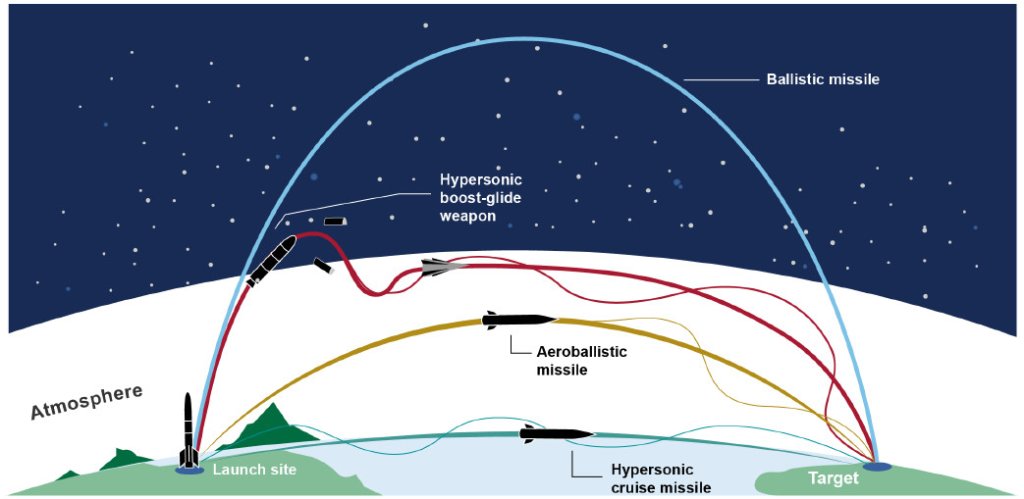
However, a very narrow slit inlet may be present in some of the images of this particular missile that have emerged so far. Air-breathing hypersonic cruise missiles also generally use a rocket booster to get up to sufficient speed for their ramjet/scramjet engines to take over.
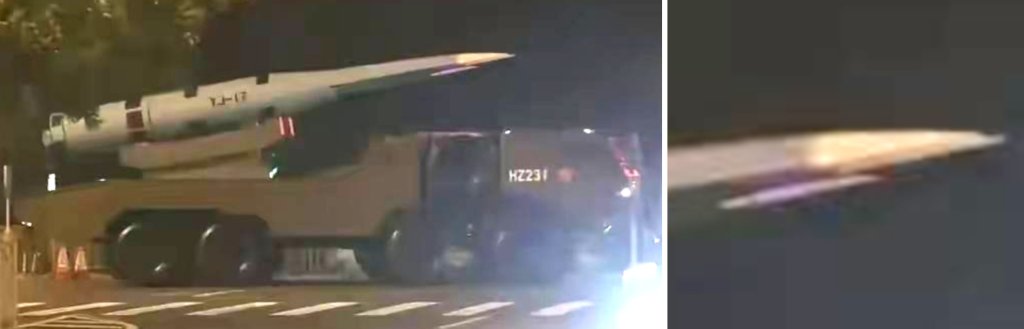
In contrast to the YJ-17, the YJ-19 does have a very visible air intake under the nose. Its overall configuration also aligns with other known high supersonic and hypersonic missiles powered by advanced ramjet or scramjet engines.
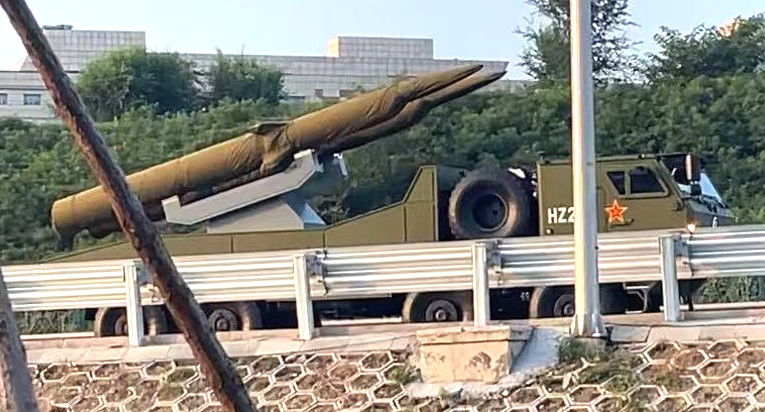
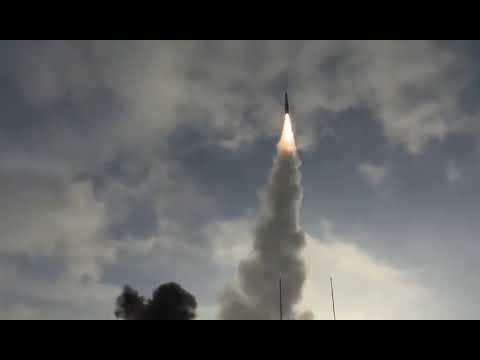
Outwardly at least, the YJ-20 looks to have a relatively traditional multi-stage ballistic design. The missile aligns well with a mysterious missile seen being fired from what was said to be a Type 055 destroyer in a video that appeared online in 2022. That weapon has also been referred to as the YJ-21 in the intervening years, though that designation does not seem to have ever been confirmed.
Rick Joe, a long-time tracker of Chinese military developments, has also noted that the YJ-20 has similarities to a missile design previously seen in renders associated with a triple-pack insert for a maritime vertical launch system (VLS). That VLS, in turn, may be primarily intended for use on submarines, especially the future Type 095 (also written Type 09V), though it could also potentially be installed on surface warships with sufficient internal space.
Collectively, the YJ-15, YJ-17, YJ-19, and YJ-20 point to a significant boost in the Chinese People’s Liberation Army’s high-speed strike capabilities, especially in the maritime domain. In addition to presenting complications for defending forces, hypersonic missiles simply offer a way to close a kill chain faster, making them especially well-suited for use against time-sensitive targets.
A number of other missiles without clearly visible designations have been seen as part of the ongoing parade preparations, a number of which may also be previously unseen designs. Some of the imagery available shows very large transporter vehicles, some of which are clearly seen carrying equally large missile canisters, but that do not readily align with known Chinese designs. This prompted talk about whether a new intercontinental ballistic missile or another type of long-range ballistic missile is set to be unveiled.
Experts and observers have noted that at least one of the vehicles looks to be designed to load ICBMs into silos, rather than fire them, based on a lack of key features and the shaping of the missile canister it carries. China has exponentially increased the number of ICBM silos it has in recent years, though it is unclear if each one holds a missile, or is even intended to. A ‘shell game’ involving loaded and unloaded silos mixed together presents targeting challenges for opponents, as you can read more about here.
What may be a stealthy ground-launched cruise missile, based on its angular shaping and green paint job, has also been seen in the convoys taking part in the parade preparations. Its general configuration points to a design analogous to the U.S. Tomahawk Land Attack Cruise Missile (TLAM). The grainy picture of this missile available now limits what else can be gleaned about the design so far.
Air and missile defense interceptors also look set to be a major element of the upcoming parade, though less imagery of them has emerged from the preparations so far. From what has been seen so far, the HQ-11, HQ-16, and HQ-19, all of which have been previously disclosed, could be among the systems on display next month.
Anticipation has already been growing for weeks now about the potential for an official reveal of a new high-end anti-ballistic missile system, often referred to now (and apparently unofficially) as the HQ-29. Past sightings of what could be an associated six-axle transporter-erector-launcher point to a very large interceptor, which could be capable of mid-course intercept attempts against ballistic missiles traveling outside the Earth’s atmosphere.
There has also been talk about a possible debut of another anti-ballistic missile system that has been referred to as the HQ-26. Past reports have suggested this system could offer equivalent exo-atmospheric intercept capability to the U.S. Standard Missile-3 (SM-3).
What looks to be a long-range surface-to-air missile system, designated the HQ-20, which does not appear to have been previously disclosed, has also been spotted. The eight-wheeled TEL for this system can carry at least eight interceptors at a time. The TEL also looks similar to the one used in the HQ-9 system, which is analogous to the Soviet-designed S-300, but the HQ-20’s interceptors are notably smaller. A broadly similar dichotomy is notably seen in the size of PAC-2 and PAC-3 interceptors for the U.S. Patriot surface-to-air missile system.
As TWZ noted in our previous report about the new drones set to be showcased at the upcoming parade in Beijing, a wide array of materiel, including new heavy armored vehicles and uncrewed underwater vehicles, have also been spotted as the preparations continue. There will be a flyover component, where additional surprises may emerge, as well. Overall, what we’ve seen already is clearly intended to highlight China’s progress in modernizing its armed forces across the board, and send signals to opponents both regionally and globally.
In addition, as we have stressed before, some of what will be shown at the parade could be aspirational. At the same time, even the mock-ups that China has shown at top-level national events like this in the past have often reflected very real developments. In terms of missiles, the DF-17, a hypersonic boost-glide vehicle design that was first shown publicly in mock-up form at another major parade in 2019, is a prime example of this.
More and more about the full breadth of missiles and other capabilities that will be on display at the parade is likely to be revealed as it gets closer to the actual event.
Contact the author: joe@twz.com
Loading comments…
Comments couldn’t be loaded. Please refresh the page.