
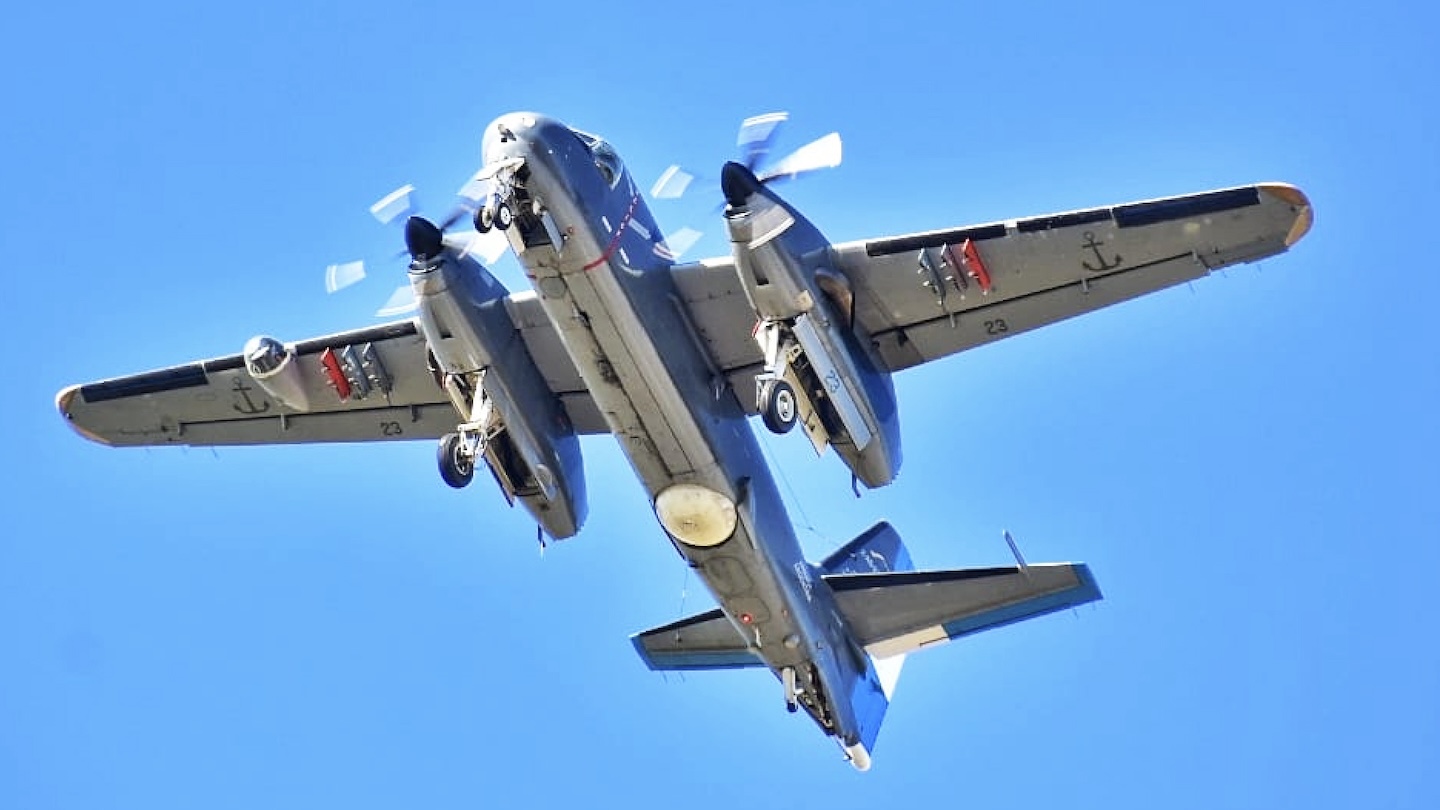
The Argentine Navy has brought back to service an example of the classic Cold War-era Grumman S-2 Tracker anti-submarine warfare aircraft. Returning to duty a remarkable 73 years after the type first took to the air, the S-2 in question is currently the only example of the Tracker in active military service anywhere in the world. At the same time, the fact that the aircraft has been reactivated points to the very limited resources available to modernize the Argentine Navy’s aging air component.
The aircraft, with the serial number 2-AS-23, was returned to active Argentine Navy service on July 11. This was captured by photographer Sebastián Solis, as seen at the top of this story. Several months of work were required to bring it back to airworthy status, since it had last flown in August 2023. It had originally been grounded due to a lack of spare parts, but once this issue was resolved, work on the aircraft could resume.
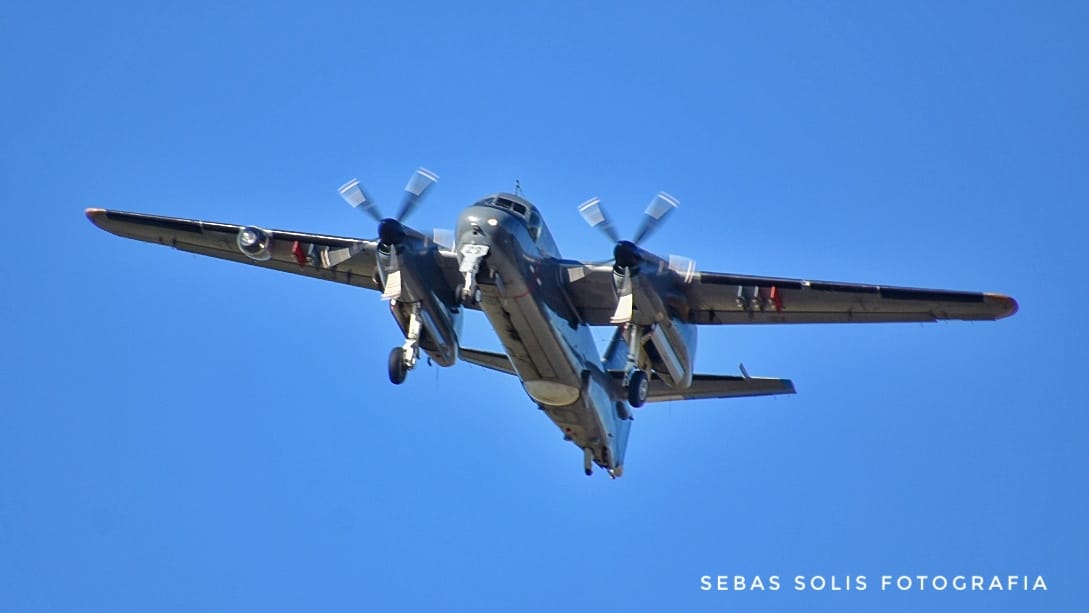
2-AS-23 is an S-2T version, indicating that it was re-engined with turboprops in place of the type’s original radial piston engines.
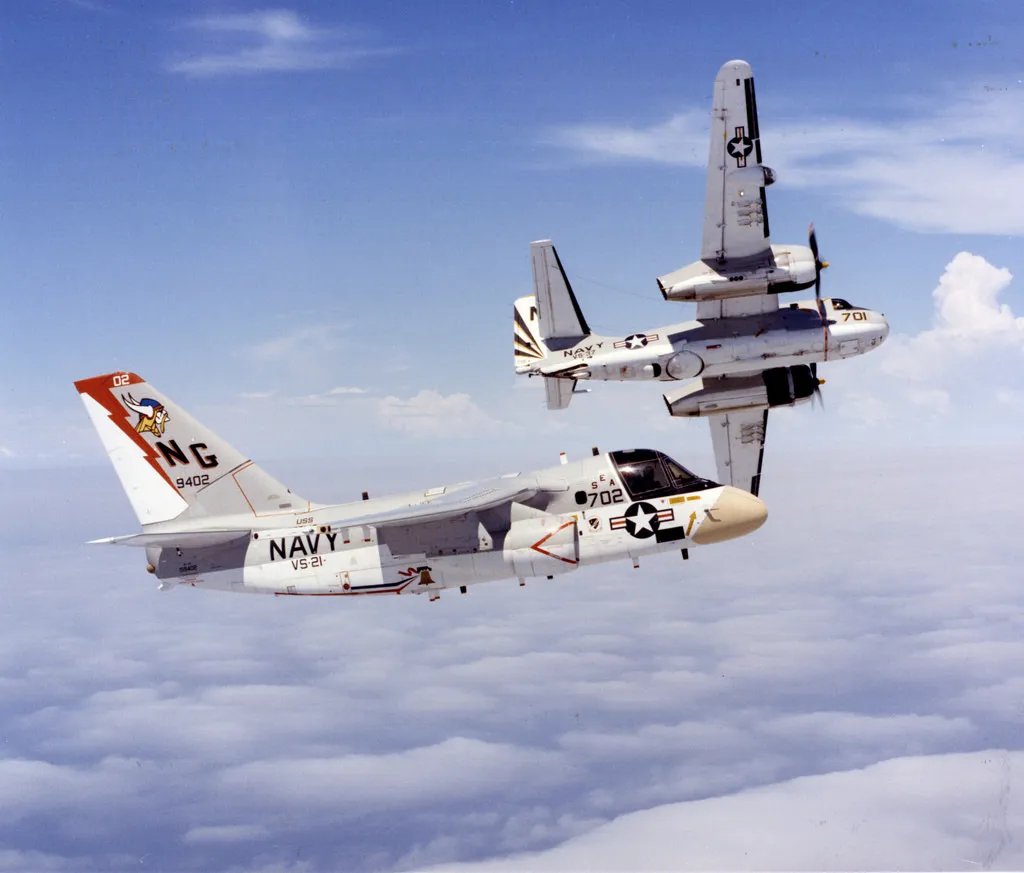
That the aircraft looks anachronistic is no surprise, after all, the first prototype of what was then known as the S2F Tracker first flew in December 1952. It was developed for the U.S. Navy as a carrier-based anti-submarine warfare aircraft and entered service in 1954. Compared to its predecessors, the Tracker (designated S-2 from 1962) combined the ‘hunter’ and ‘killer’ functions in a single airframe, making for a much more efficient carrier air wing. It was also compact enough to operate from smaller, dedicated anti-submarine warfare carriers. Ultimately, in U.S. Navy service, the S-2 was replaced by the jet-powered S-3 Viking, a far more capable platform, but one that was never exported.
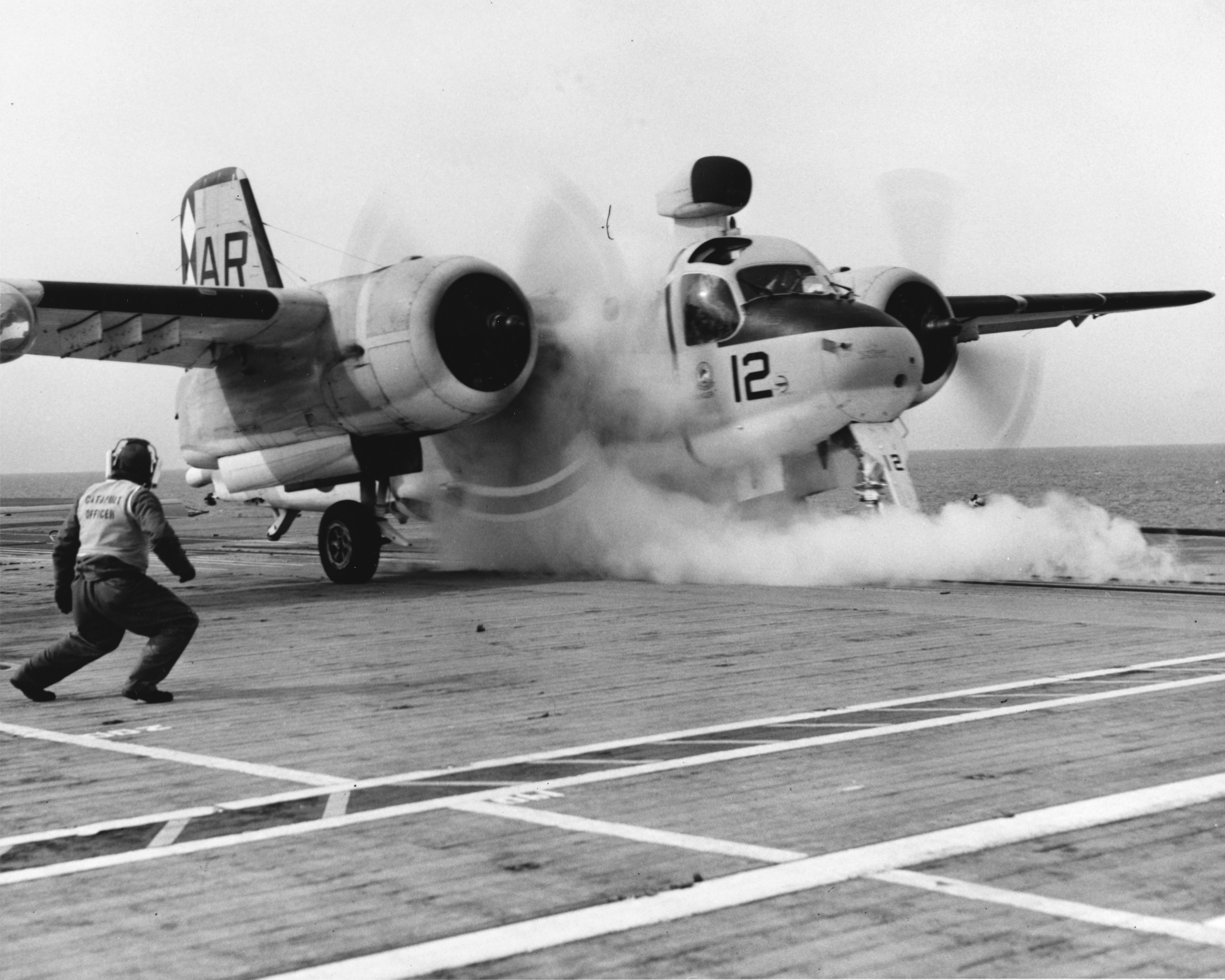
The Tracker was developed for other U.S. Navy functions, including the C-1 Trader for carrier onboard delivery and the E-1 Tracer for airborne early warning. It was also widely exported and, as well as its military career, it has seen notable service for firefighting, including as the Turbo Firecat, developed by Conair. The last of the Conair Firecats were retired in France in 2020.

As for Argentina, the final military user of the S-2 has long been an enthusiastic operator of the type.
Argentina first received half a dozen of the original S-2A versions in 1962, operating them from the Colossus class aircraft carriers Independencia, which was withdrawn in 1970, and latterly from the Veinticinco de Mayo, which was also a Colossus class ship.
The aging S-2As were replaced in the late 1970s by a similar number of ex-U.S. Navy S-2Es, which saw active service in the Falklands War, including from the Veinticinco de Mayo.
In 1988, the Veinticinco de Mayo was removed from service, leaving Argentina without any flattops of its own, although the Argentine Trackers continued to operate from carriers, performing ‘cross-decking’ during exercises with the U.S. Navy starting in the 1990s.
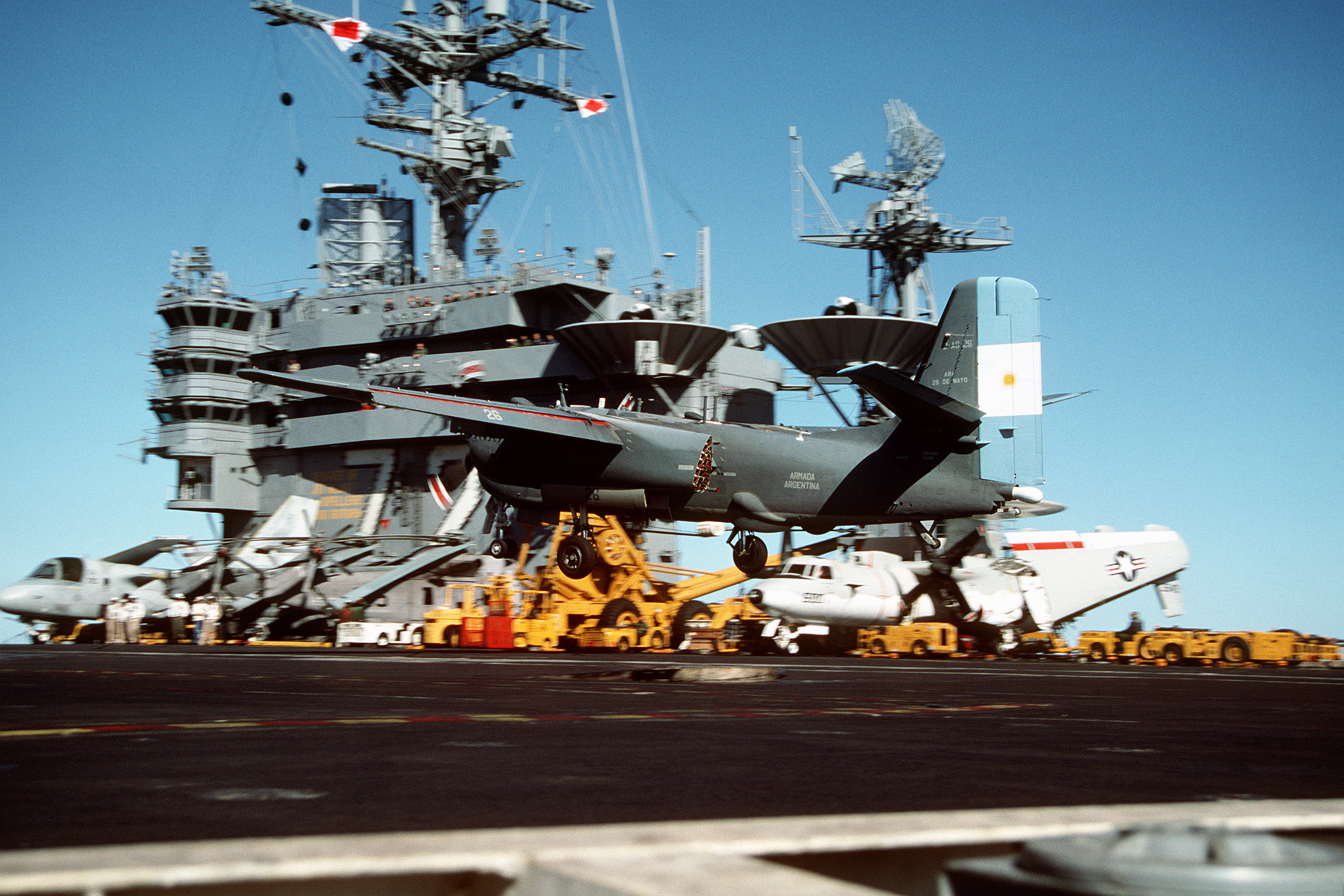
The loss of one of the S-2Es in a fatal accident in 1990 was attributed to engine failure, after which it was decided to replace the aircraft’s Wright R-1820-82C engines with more efficient and reliable turboprops. Israel Aircraft Industries (IAI) was responsible for the modernization, based on a package developed by Marsh Aviation of Mesa, Arizona. The Argentine Navy’s S-2T is powered by a pair of 1,645-horsepower Allied Signal 331-15 engines driving new five-blade propellers. The first modified Argentine aircraft was re-flown in Israel in 1993 and was redelivered the same year.
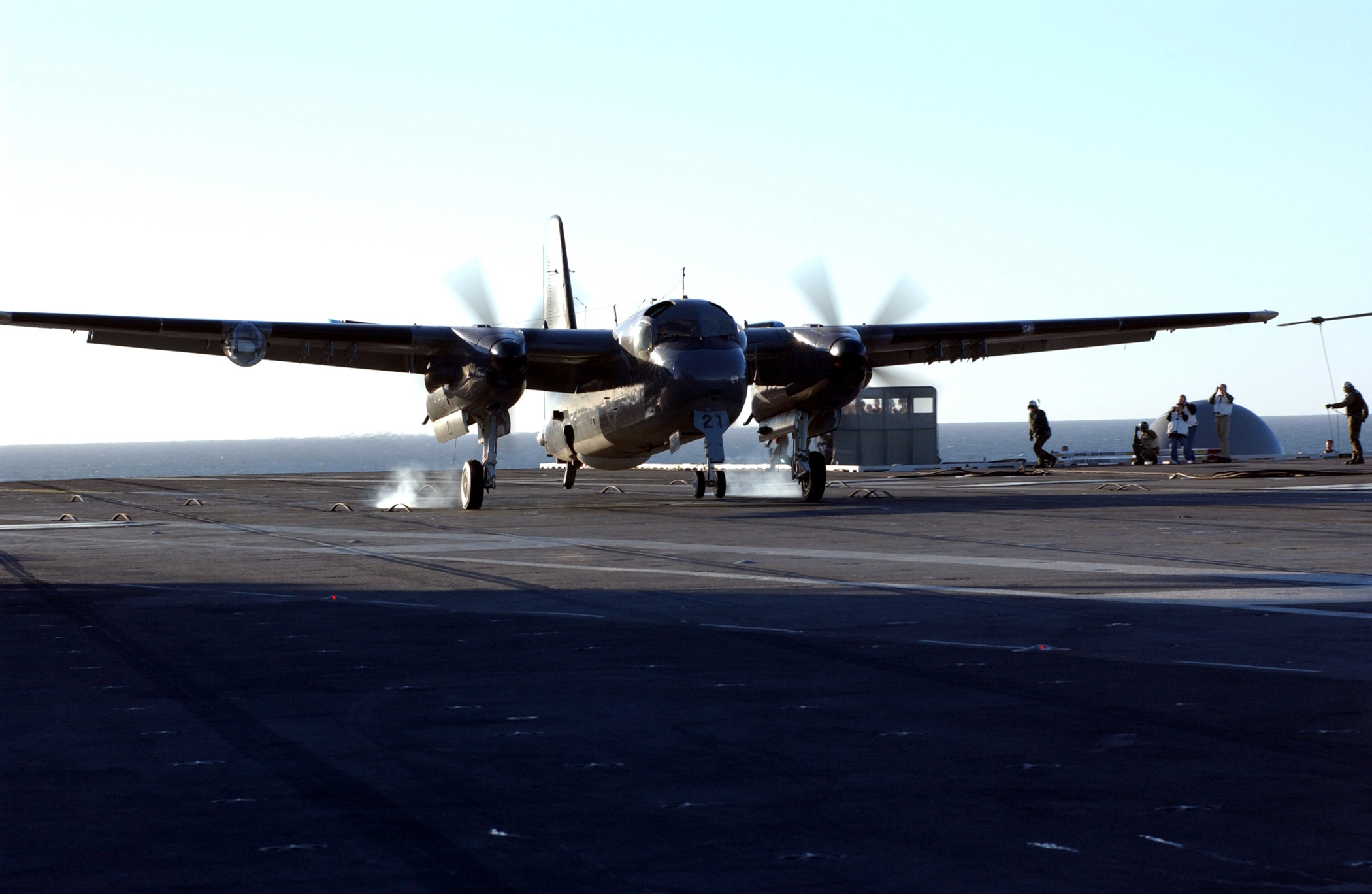
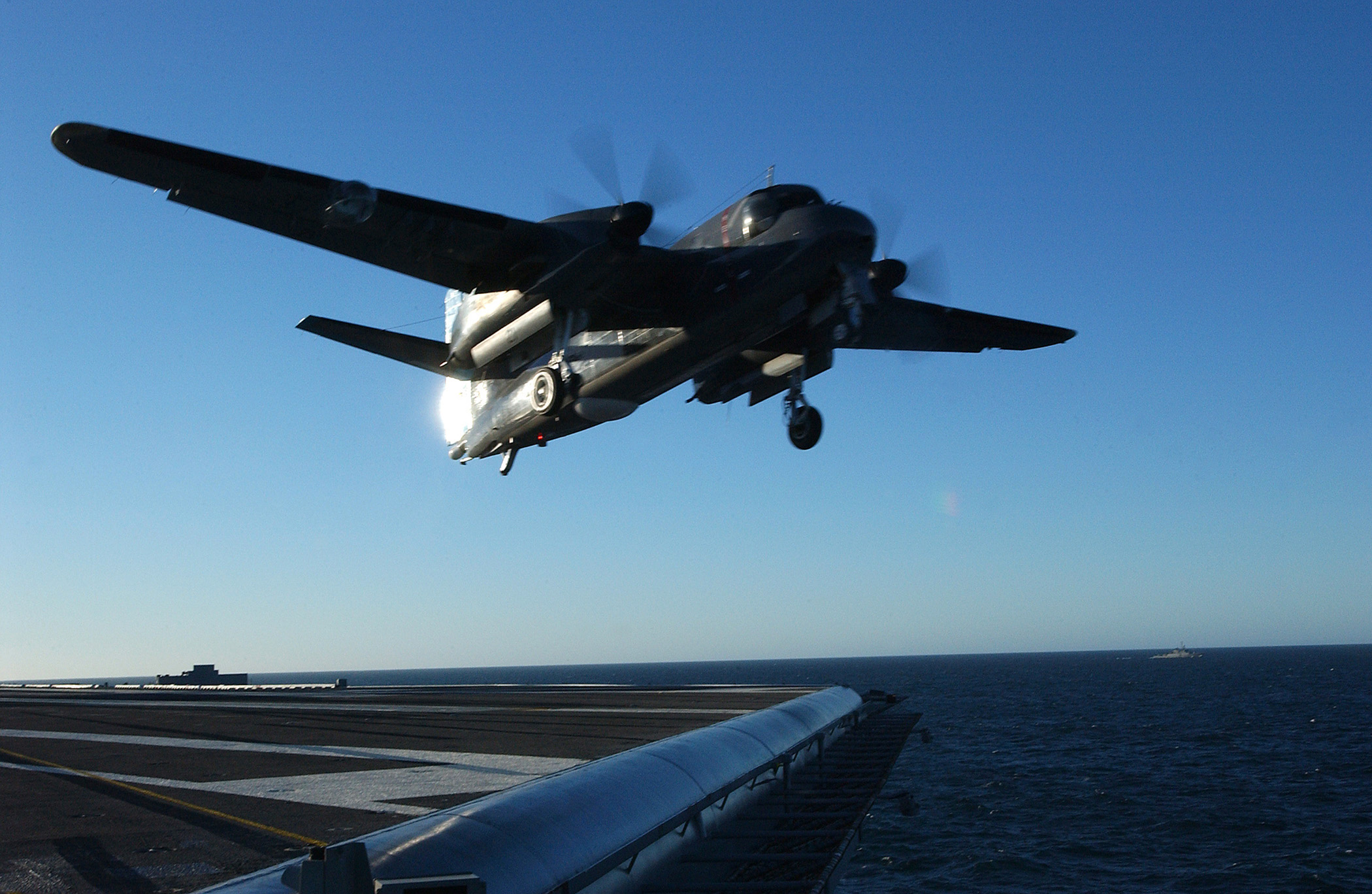
The S-2T was also flown from carriers, not only U.S. Navy flattops during exercises, but also the Brazilian Navy’s Colossus class carrier Minas Gerais and the São Paulo (the former French carrier Foch).
Since then, Argentina’s economic woes have prevented the replacement of the S-2s but also limited the scope of their modernization.
Changes that have been introduced include a new navigation computer and processor for the active sonobuoys and magnetic anomaly detector (MAD). The original AN/APS-88A radar has also been replaced with a Bendix RDR-1500.
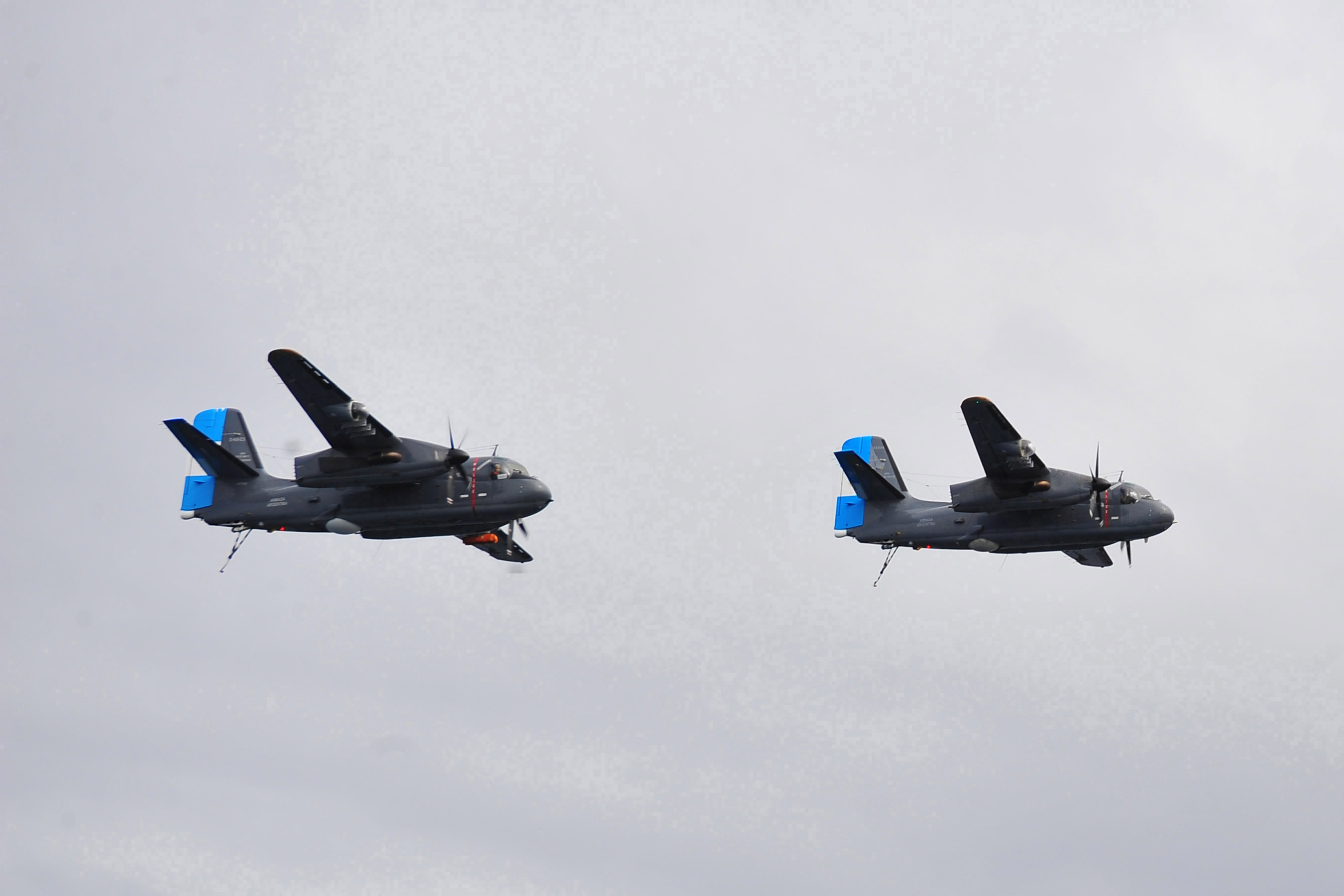
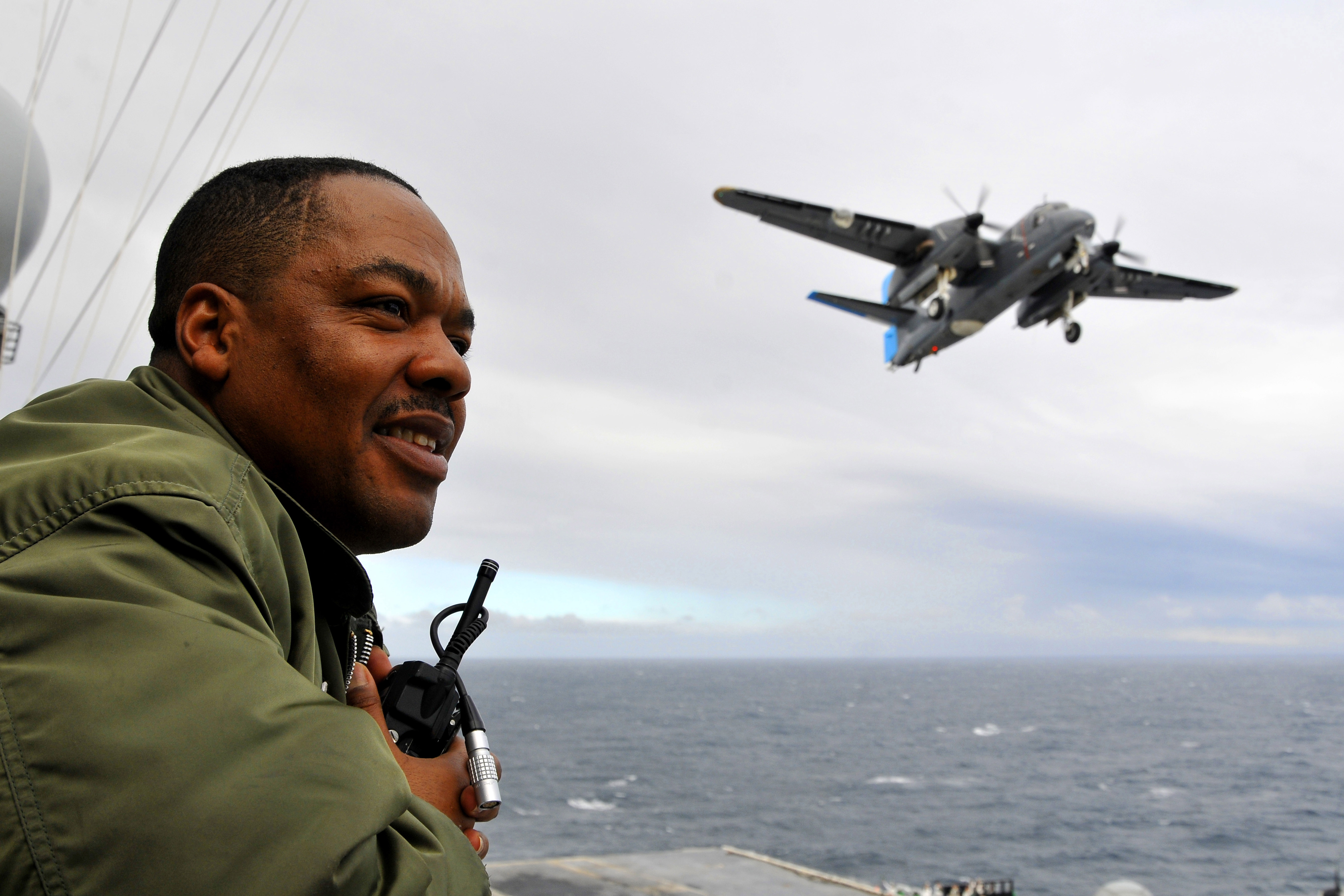
In 2017, the S-2 was used in the ill-fated effort to locate the missing Argentine Navy submarine San Juan.
For its anti-submarine warfare, the Argentine S-2 uses active and passive sonobuoys as well as the MAD. Targets can be prosecuted using Whitehead A-244S torpedoes and depth charges, both U.S.-made Mk 54 devices and locally made examples. General-purpose bombs and rockets can also be carried, with offensive stores normally carried under the wings, leaving the weapons bay free for an extra fuel tank.
The difficulty in obtaining spare parts and the increasing maintenance costs of the S-2 mean that the Argentine Navy has long sought a replacement. The United States offered surplus S-3 Vikings in 2006, but there were no funds to acquire them. Also under consideration was the Airbus C295 Persuader, but this plan was also dropped for budgetary reasons.
The Tracker has therefore soldiered on, from its home station of Base Aeronaval Comandante Espora, Bahía Blanca, in Buenos Aires province. However, the Argentine Navy is now in the process of upgrading its maritime patrol capabilities through the introduction of four former Norwegian P-3 Orions. The first of these arrived in Argentina last September.
While more capable, the P-3 is in a different category to the S-2, and Argentina still has a requirement for a smaller and cheaper maritime surveillance type. The Argentine Navy has, in the past, also operated fast jets, but the last Super Etendards ceased being operational around 2014. Argentina planned to replace them with five examples transferred from the French Navy in 2019, but these never entered service, and there were more recent suggestions that Buenos Aires might seek to transfer them to Ukraine.
With available funds being used for the Orion acquisition, the purchase of a direct successor to the Tracker is not currently a realistic option.
For that reason, 2-AS-23 has been reactivated, although it’s not clear if any further examples will also return to the air. Despite being introduced by the Argentine Navy 63 years ago, the Tracker remains a useful platform and one that is, as of today, a truly unique aircraft in military service.
With thanks to Santiago Rivas and Sebastián Solis.
Contact the author: thomas@thewarzone.com
Loading comments…
Comments couldn’t be loaded. Please refresh the page.