
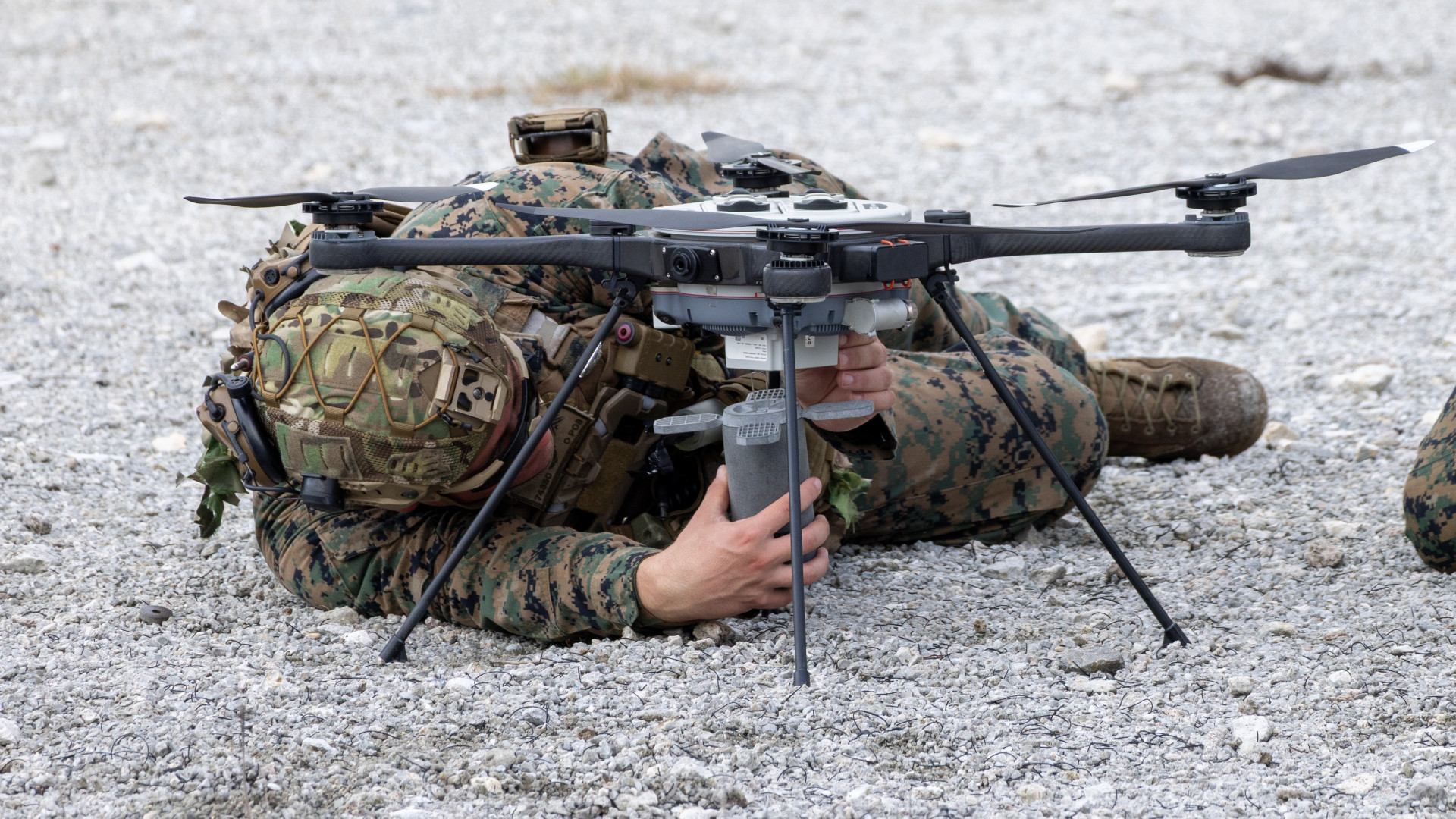
The Pentagon has announced sweeping new changes intended to surge the fielding of small drones, including weaponized types, across the entire U.S. military. Most notably, certain types of smaller uncrewed aerial systems (UAS) will now be treated as “consumables,” more akin to hand grenades and other kinds of ammunition, than aircraft, which has broad ramifications. Lower-level commanders will now also be able to procure smaller UASs directly, as well as authorize subordinates to operate them. The new policies rolled out today represent a huge shift that could not come soon enough for the U.S. military, which has continued to move extremely slowly to field drones on a widespread basis, even as lessons learned in blood from active battlefields have become ever more pronounced.
Secretary of Defense Pete Hegseth announced the new drone policies today with a glitzy video, seen below, in which a small uncrewed aerial system brings him a copy of the official memo. A full copy of this document, which is titled “Unleashing U.S. Military Drone Dominance,” can be found here. Hegseth highlighted the ongoing conflict in Ukraine, where small drones, especially first-person-view kamikaze types and ones configured to drop small munitions, have become an omnipresent factor on both sides of the fighting, as a key driving force behind the changes. As TWZ regularly notes, the expanding use of drones, including small weaponized commercial designs, and the threats they present, far predate the war in Ukraine.
“Drones are the biggest battlefield innovation in a generation, accounting for most of this year’s casualties in Ukraine. Our adversaries collectively produce millions of cheap drones each year,” Hegseth wrote in his memo. “While global military drone production skyrocketed over the last three years, the previous administration deployed red tape. U.S. units are not outfitted with the lethal small drones the modern battlefield requires.”
The memo outlines three central lines of effort behind the new policies.
“First, we will bolster the nascent U.S. drone manufacturing base by approving hundreds of American products for purchase by our military,” it says. “Leveraging private capital flows that support this industry, our overt preference is to Buy American.”
With regard to this point, the memo also notes the U.S. military’s intention to leverage an executive order President Donald Trump signed in June, titled “Unleashing American Drone Dominance,” which was aimed at spurring America’s domestic drone developments for military and non-military applications.
“Second, we will power a technological leapfrog, arming our combat units with a variety of low-cost drones made by America’s world-leading engineers and AI [artificial intelligence] experts,” the memo adds. “Drone dominance is a process race as much as a technological race. Modern battlefield innovation demands a new procurement strategy that fuses manufacturers with our frontline troops.”
“Finally, we’ll train as we expect to fight. To simulate the modern battlefield, senior officers must overcome the bureaucracy’s instinctive risk-aversion on everything from budgeting to weaponizing and training,” it continues. “Next year I expect to see this capability integrated into all relevant combat training, including force-on-force drone wars.”

In terms of the most significant specific policy changes, Group 1 and Group 2 UASs will now be “accounted for as consumable commodities, not durable property,” according to a more detailed attachment to the memo. “Small UAS resemble munitions more than high-end airplanes. They should be cheap, rapidly replaceable, and categorized as consumable.”
The Pentagon defines Group 1 drones as ones that weigh up to 20 pounds, can fly up to an altitude of 1,200 feet, and can reach speeds of up to 100 knots. The next tier up, Group 2, includes types with gross weights between 21 and 55 pounds, that can get up to an altitude of 3,500 feet, and hit top speeds of up to 250 knots.
Another provision in the attachment also directs the Chairman of the Joint Chiefs of Staff, currently U.S. Air Force Gen. Dan “Razin” Caine, to work with the Undersecretaries of Defense for Research and Engineering (R&E) and Acquisition and Sustainment (A&S) to explore whether the same categorization could be applied to Group 3 drones. The definition of a Group 3 UAS is one weighing between 55 and 1,320 pounds, able to fly at altitudes between 3,500 and 18,000 feet, and with a top speed between 100 and 250 knots.

In terms of the ramifications of reclassifying Group 1 and 2 drones as “consumable,” the memo provides an example in noting that “small UAS do not require STANAG 4856 standards.” STANAG 4856 is a NATO standard that outlines requirements for commonality in drone control architectures for interoperability purposes. The Pentagon makes clear here its new viewpoint that standards like this, which can add cost and complexity to designs, should be reserved for larger drones.
“The Secretaries of the Military Departments shall determine airworthiness and material release requirements for UAS, exempting Group 1 and Group 2 UAS, with few exceptions,” the memo’s attachment also notes.
Accounting for smaller drones in the same general way as things like ammunition opens up new options for issuing them, including to very small units. It will also fundamentally change the requirements for maintaining and sustaining them, as well as the associated logistics chains.
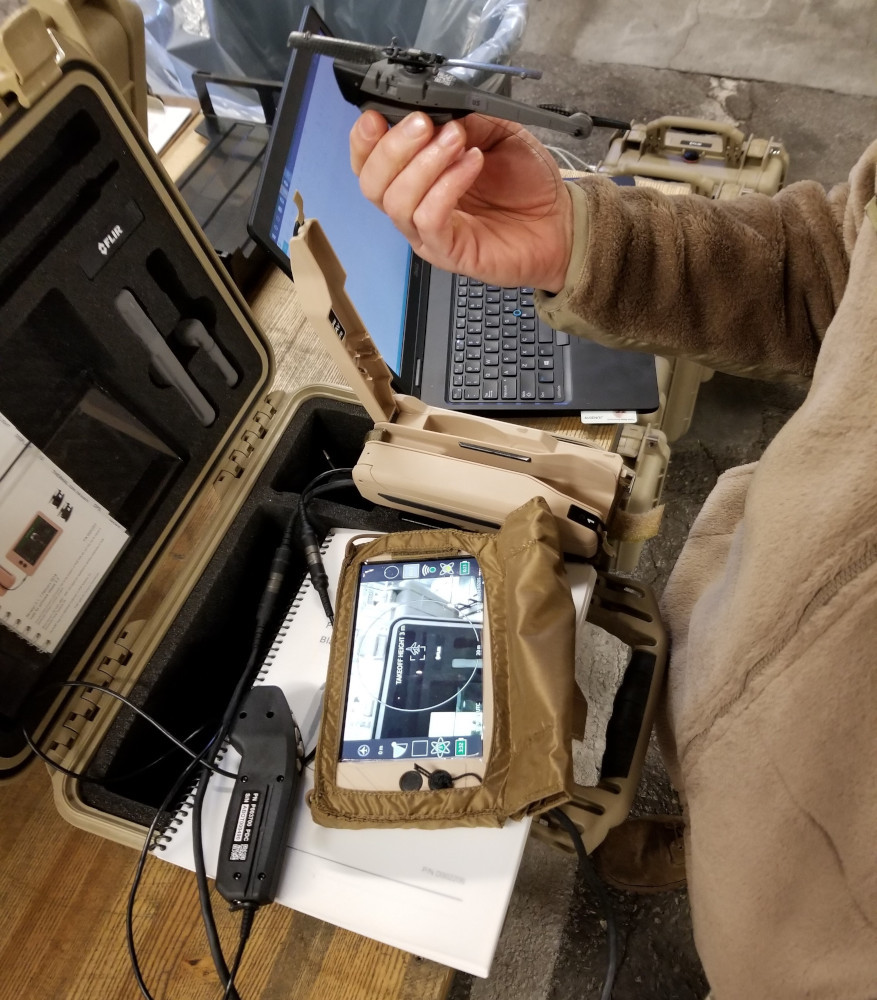
In line with all this, today’s drone policy changes push immense new authority down to O-6 level commanders – colonels in the U.S. Army, U.S. Marine Corps, and the U.S. Air Force, and captains in the U.S. Navy – when it comes to Group 1 and 2 drones. They will now be able to directly “grant authority to operate (ATO)” small drones (that is to say who can be a drone operator) and “procure, test, and train with small UAS that are compliant with statutory limitations, from laboratory prototypes to commercial products to molds fabricated by members of the U.S. Armed Forces using compliant critical components,” according to the attachment to the memo.
“Such UAS must remain in closed loop cyber networks, cordoned from DoD networks,” it adds. “O-6 commanders and equivalents are also authorized to test non-lethal autonomous small UAS in controlled environments, in coordination with installation commanders.”
The attachment to the memo lays out demands to accelerate and otherwise streamline developmental, testing, and acquisition pipelines. Particular emphasis is put on purchasing new drones rapidly and iterating on them as required, including by frontline units leveraging 3D printing capabilities.
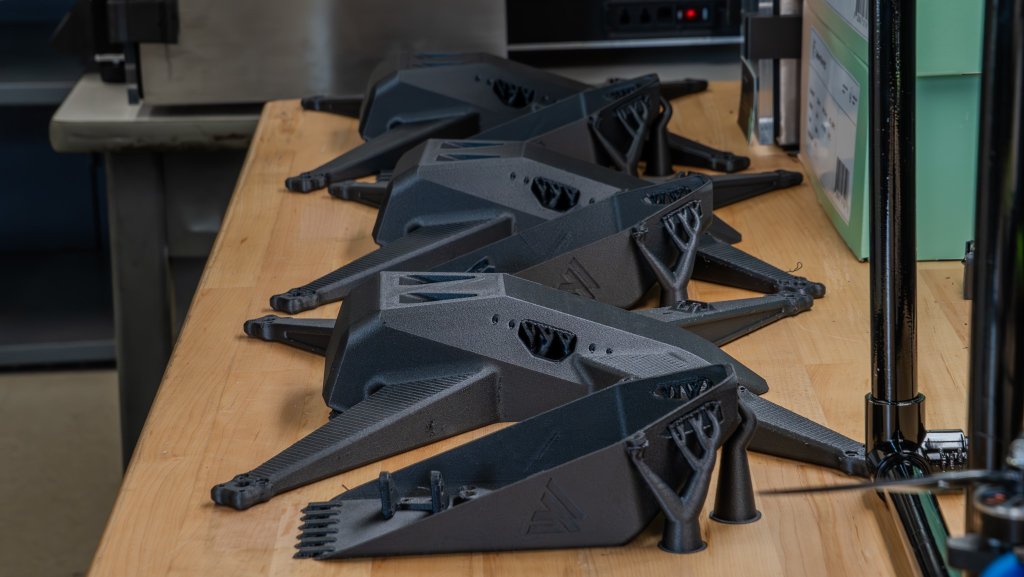
To help with all of this, reforms are to be made to the so-called Blue List of drones and subcomponents vetted for U.S. military use, including allowing individuals at lower echelons of command to propose additions. “UAS built by members of the U.S. Armed Forces with Blue List critical components do not need Blue List certification,” the attachment to the memo notes.
Extending all this to the ‘train as you fight’ aspect of the new drone policy changes, the attachment to the memo outlines plans to establish new drone ranges and otherwise increase the integration of uncrewed aerial systems into routine training.
“Working with the FAA [Federal Aviation Administration], they [installation commanders] will remove inappropriate range restrictions, fast-track and expand spectrum approval, and establish a variety of UAS training areas that include live fire, combined arms, and swarm testing,” the attachment says. “All officials with authority over restricted airspace will reduce congestion to allow the proliferation of UAS. This will include the co-use of airspace, ranges, and training facilities, with appropriate separation for safety, to maximize opportunities for all Military Services to train on all groups of UAS.”
Furthermore, “within 90 days, the Secretaries of the Military Departments, in consultation with the USD(R&E), will jointly designate at least three national ranges, with diverse terrain (including at least one with over-water areas) for deep UAS training, with low/no inter-service cost transfer,” it adds. “Units operating UAS will access DoD grounds with abundant airspace and spectrum allocation. By 2027, major training events across the Department must integrate UAS.”
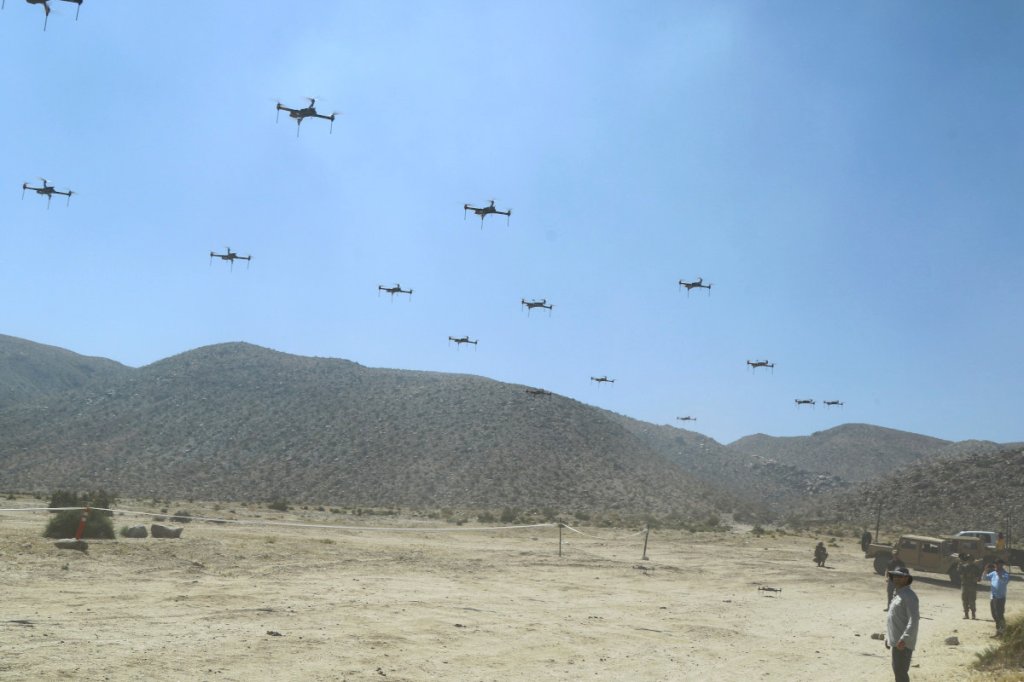
All of the services are also required to create dedicated units to help accelerate the fielding of smaller drones.
“Small UAS are such critical force enablers that they must be prioritized at the same level as major weapons systems,” the memo’s attachment states. “No later than September 1, 2025, the U.S. Army, the U.S. Navy, the U.S. Marine Corps and the U.S. Air Force will establish deliberately screened, active-duty experimental formations purpose-built to enable rapid scaling of small UAS across the Joint Force by 2026, prioritizing initial fielding to U.S. lndo-Pacific Command units.”
In addition, “each Military Service will establish, resource, and empower unsubordinated program offices solely focused on UAS, with an immediate priority towards small UAS.” Each branch of the military is also directed to conduct a holistic review within the next 60 days to “identify programs that would be more cost effective or lethal if replaced by UAS.”
The overall “intent is rapid proliferation of diverse Group 1 and 2, or ‘small,’ UAS across every unit that can wield this capability to defeat the enemy in combat. We will prioritize the integration of UAS manufactured in the United States over those made abroad,” the attachment to the memo stresses. “By the end of 2026, every squad will have low-cost, expendable drones, prioritizing Indo-Pacific combat units and consistent with other Secretary of Defense strategic guidance documents.”
It remains to be seen how exactly the U.S. military’s new drone policy changes will be implemented and what impact they will have. The Pentagon, as well as the individual service branches and other commands, have launched multiple initiatives over the years with many of the same general aims. The Replicator initiative, rolled out in 2023, which aimed to help facilitate the fielding of thousands of lower-cost uncrewed platforms across America’s armed forces by the end of this year, is a prime example.
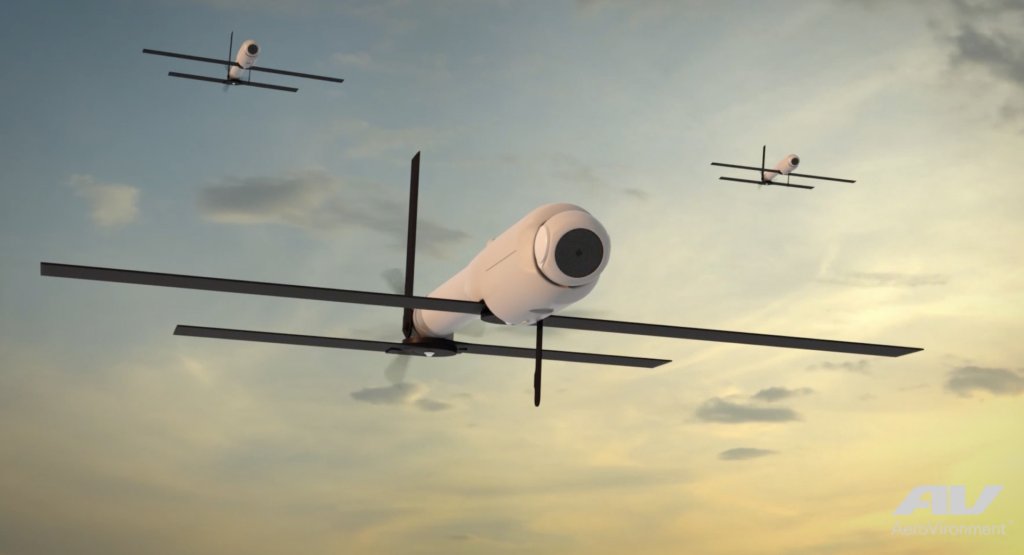
In spite of these efforts, the U.S. military has continued to lag behind in the broad fielding of uncrewed aerial systems, especially to smaller units. Observations of the war in Ukraine have only heightened the contrast between the current scope and scale of the use of drones by America’s armed forces and global trends.
Companies in Ukraine, including ones working out of very small shops, are reportedly on track to churn out 2.5 to 3 million drones of all kinds, including small weaponized types, this year, a rate of some 200,000 per month. This, in turn, speaks to larger supply chain issues the U.S. military will have to address when it comes to meeting the new policy requirements. U.S. forces could expect to have even greater requirements for drones, especially “consumable” designs, in any future large-scale conflict, such as one in the Pacific against China, which is a clear area of focus in the new memo. On top of that, Chinese firms are currently major suppliers of drones and subcomponents globally, particularly smaller types, something that has already presented operational security and other challenges for the U.S. military in the past.
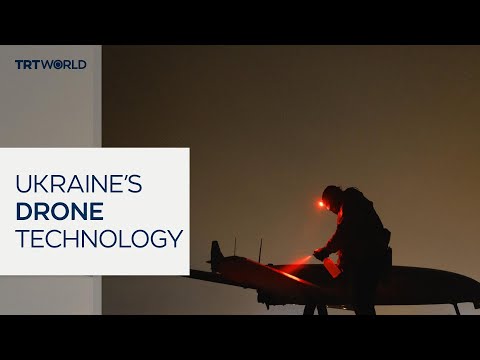
It is worth noting here that, while the Pentagon’s new drone policy memo has a clear focus on future fights in the Pacific, smaller (and shorter-ranged) drones are less likely to be relevant at a grand scale in that theater given the distances that will often be involved. Still, they could have uses in many contexts in that region. Not every additional capability for America’s armed forces necessarily needs to be tailored to the Indo-Pacific region to be relevant, either. As Ukraine has shown, small drones can be a particular factor on a European battlefield.
All this being said, there have been signs of more significant changes in institutional attitudes toward uncrewed capabilities, broadly, across the U.S. military in recent years. Replicator, again, is an example. The U.S. Army just recently put out a contracting notice asking for proposals regarding the potential production of up to 10,000 small, relatively cheap drones within a year, which could include weaponized types.
The U.S. Marine Corps has been particularly active and outspoken on the front, and in ways that directly align with the Pentagon’s new memo.
“One of our mantras, kind of bumper stickers, which has real meaning for us culturally as a service, is sort of ‘every Marine [a] rifleman,'” Marine Lt. Gen. Benjamin Watson, head of Marine Corps Training and Education Command (TECOM), said during a panel discussion at the Navy League’s Sea Air Space 2025 exhibition in April. Now, “the idea [is] that any Marine, using a precision weapon, can kill somebody who needs killing at ranges up to 500 meters.”
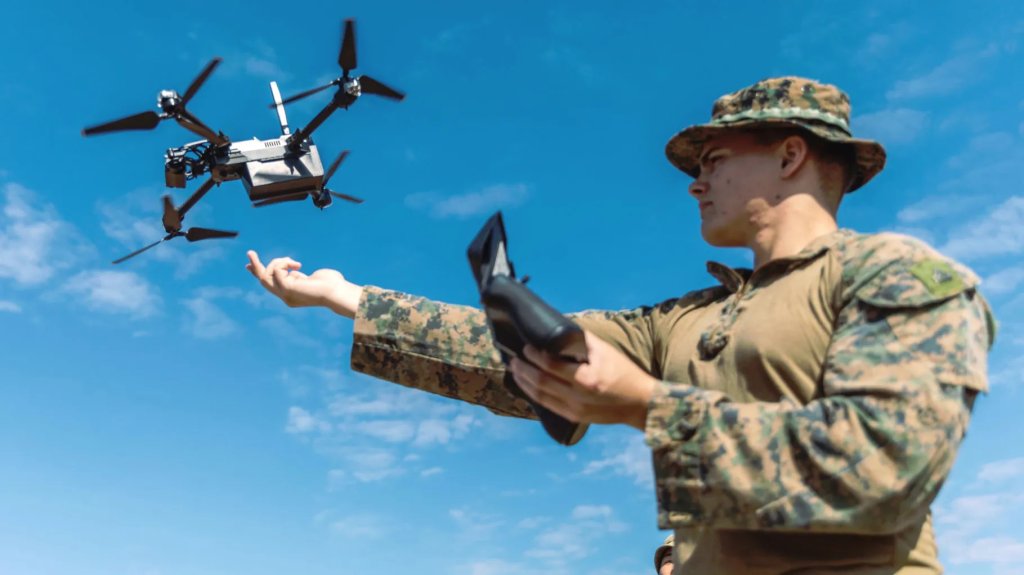
“You think about that, and that’s still important, right, being able to achieve combat overmatch at that echelon,” he added. “But now, if you use technology, that same Marine can be just as lethal at ranges out to 15 to 20 kilometers and beyond.”
“If you think about the old movies, videos of people in combat, Marines, soldiers, in combat, they carried a hand grenade or two on their vest, right, that they could throw as far as they could throw it, as accurately as they could throw it,” Marine Maj. Gen. Jason Woodworth, head of Marine Corps Installations Command and Assistant Deputy Commandant, Installations & Logistics (Facilities), another one of the panelists, added. “Now we’re getting to a point where they’re going to be able to carry a guided hand grenade, throw it up in the air with loiter capability, and somebody behind them is going to be able to guide that to everyone in this room. So everyone in this room has a hand grenade that is guidable onto the four of us up here, right?”
The policy changes announced today are significant and are a clear sign that the Pentagon is newly committed to trying to finally “unleash” the promise of the capabilities that small drones could bring across the U.S. military.
Contact the author: joe@twz.com
Loading comments…
Comments couldn’t be loaded. Please refresh the page.