
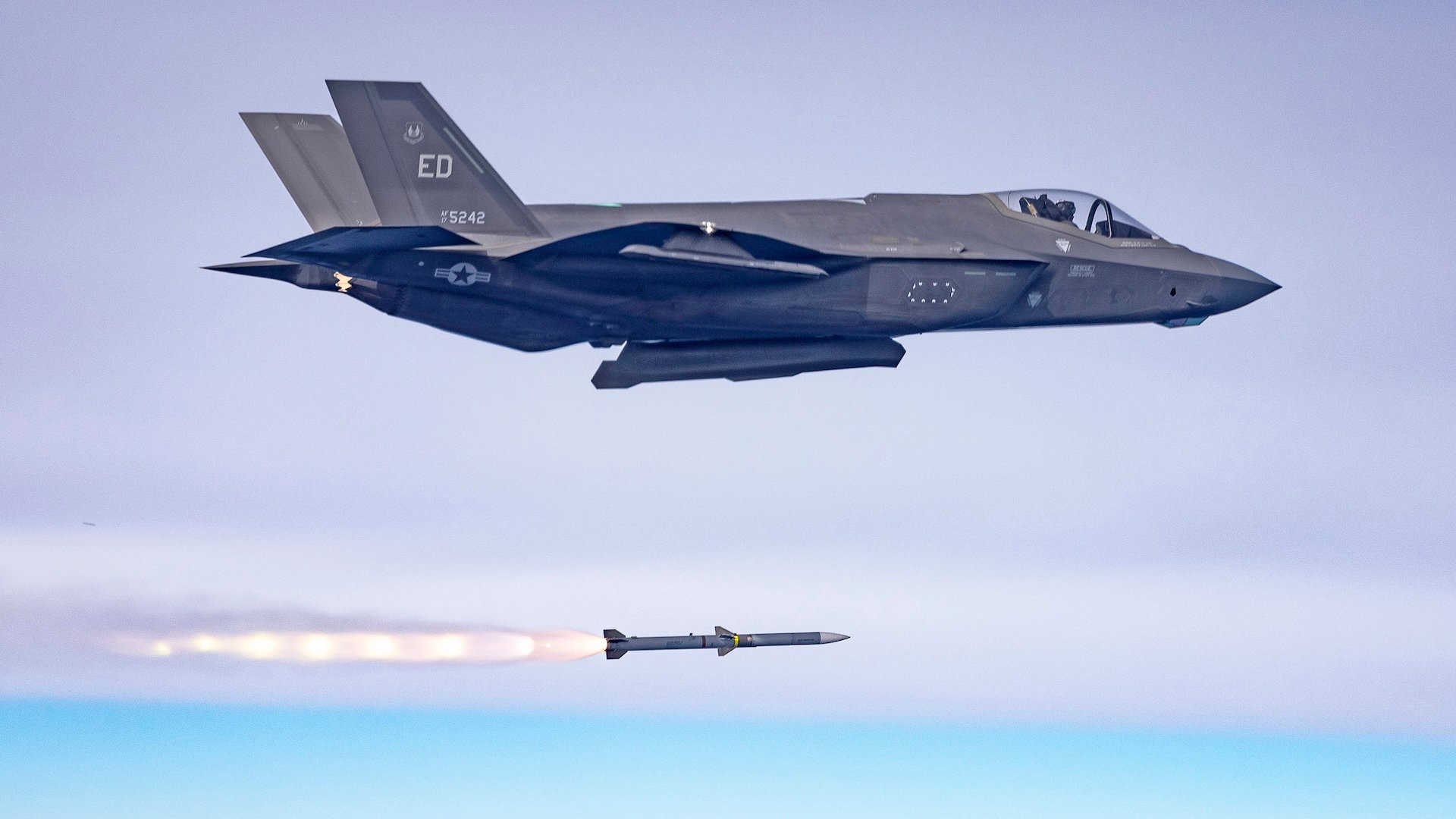
The United States and Japan will establish a facility in Japan for the final assembly and inspection of AIM-120 Advanced Medium-Range Air-to-Air Missiles (AMRAAMs), advancing a bilateral effort to expand munitions production as demand rises across the U.S. and allied military forces.
Japanese Defense Minister Shinjiro Koizumi announced the agreement following discussions with U.S. Secretary of War Pete Hegseth on the sidelines of the ASEAN Defense Ministers’ Meeting-Plus in Cebu, Philippines. The facility will operate under the broader Operation Supercharge initiative, which seeks to accelerate cooperation between the two countries on defense equipment and technology.
“We finally reached an agreement on the establishment of a final assembly and inspection facility in Japan for the AMRAAM air-to-air missile, which is essential for the F-35,” Koizumi said, according to a translation of his remarks published by Air & Space Forces Magazine.
Koizumi described the agreement as a means of ensuring access to equipment required by both countries while strengthening Japan’s domestic defense industrial base. At this point, the facility’s location, construction timeline, anticipated production capacity, and Japanese industrial partner are yet to be disclosed.
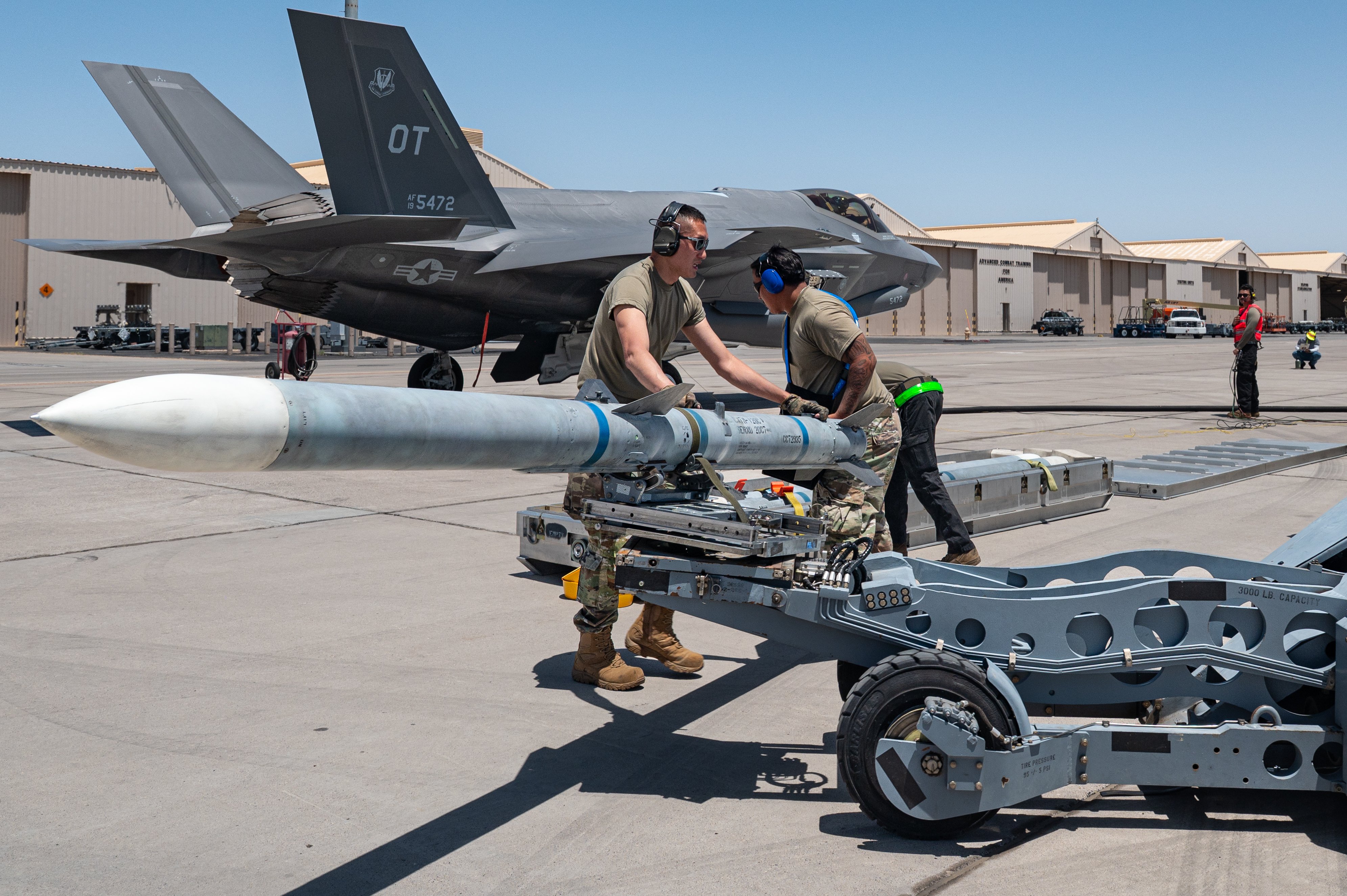
The announcement follows a September award to RTX subsidiary Raytheon for a five-year AMRAAM production contract, with options for two additional years, valued at up to $20.7 billion. Under a framework agreement announced in February, Raytheon is working toward annual production of at least 1,900 missiles. That figure represents the overall production target, of which the future Japanese facility will account for a share. AIM-120s can cost over $1 million per unit, depending on variant.
The new arrangement also comes after more than two years of discussions over Japanese participation in AMRAAM manufacturing. The initiative emerged in 2024, followed by a feasibility study supported by Mitsubishi Electric and Raytheon. By April 2026, discussions had expanded to include possible Japanese production of circuit card assemblies in addition to final assembly and inspection.
New Production Node For A High-Demand Missile
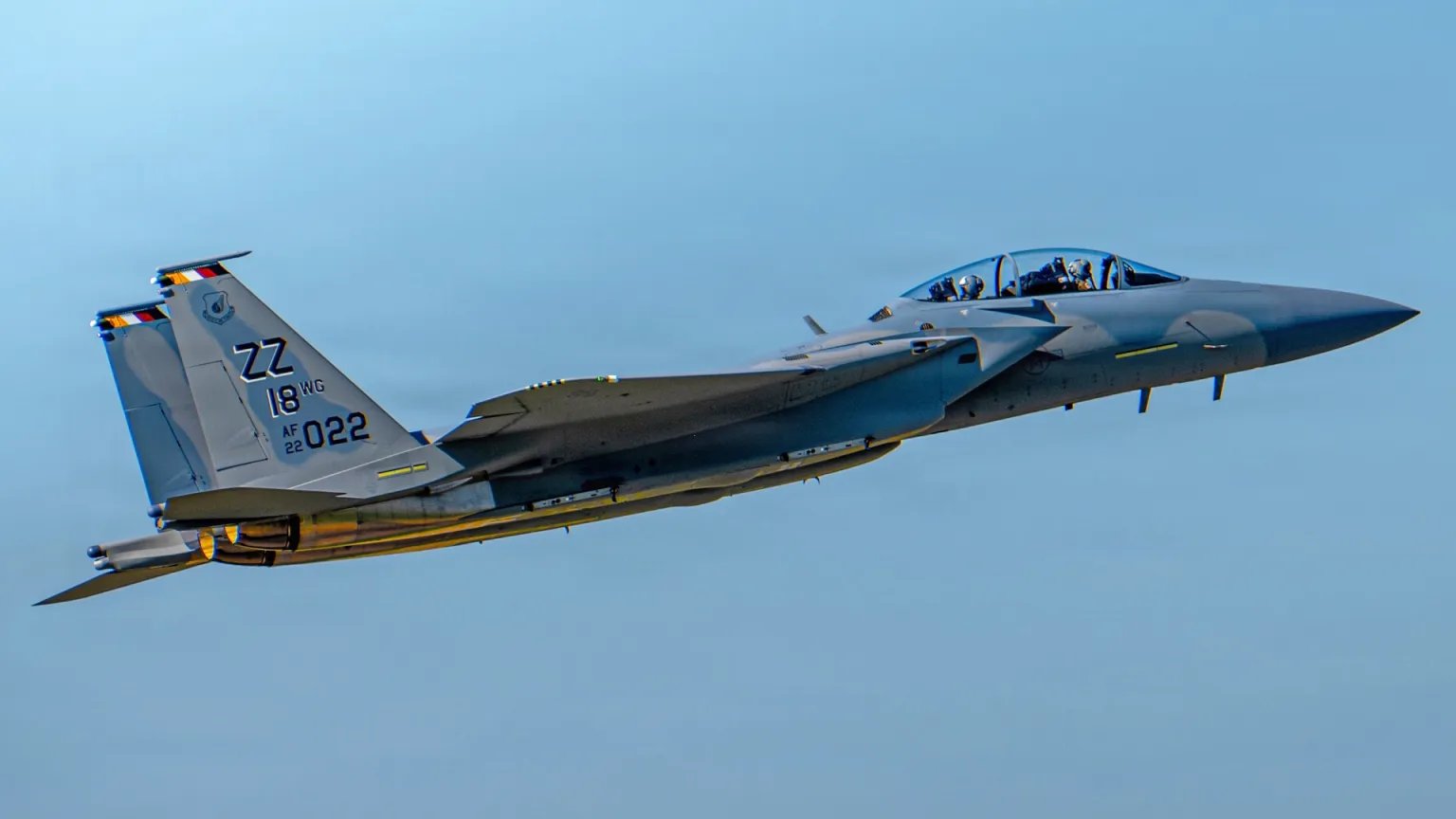
The AIM-120 beyond-visual-range air-to-air missile is used by a wide range of U.S. and allied combat aircraft, including the F-35. Examples of the stealth fighter are operated by U.S. Air Force and Marine Corps units stationed in Japan, as well as by the Japan Air Self-Defense Force (JASDF). Both the U.S. Air Force and JASDF also operate F-15 variants in Japan, for which AMRAAM is similarly a primary weapon.
AMRAAM is also employed by ground-based air-defense systems, including the National Advanced Surface-to-Air Missile System (NASAMS). This system protects the U.S. Capital Region and over a dozen countries around the globe. It has been extensively battle-proven in Ukraine over nearly three years of operations.

Raytheon says the weapon is fielded by 44 countries and operates across 14 platforms. Its continued importance to fighter operations and air defense has made expanding manufacturing capacity a priority as the United States seeks to replenish inventories and meet soaring international demand. This is in stark contrast to the situation only a few years ago, when global AMRAAM stockpiles were viewed as plentiful.
Since then, AMRAAMs have been used extensively in the U.S. and allied campaign against Houthi drones, as well as in engagements over Syria and Iraq during efforts to defend Israel against multiple Iranian attacks. Ukraine has also expended substantial numbers of these missiles to counter Russian drones and cruise missiles, employing them through NASAMS air defense systems and, more recently, its F-16 fighters. These munitions have been supplied by the United States and NATO allies.
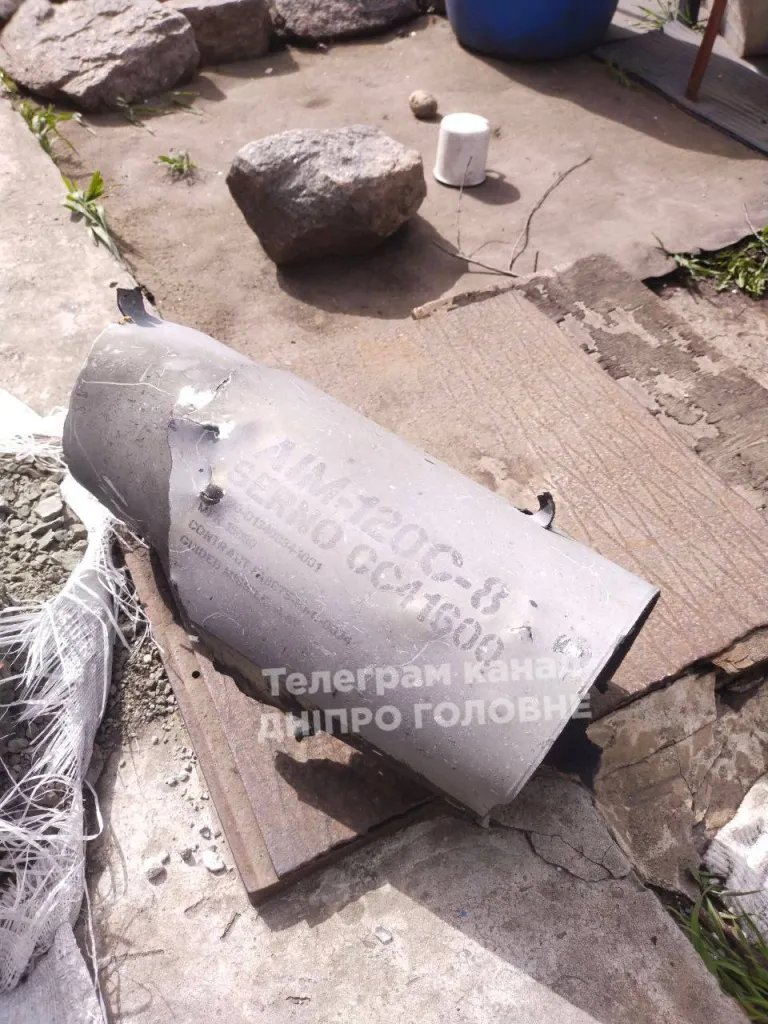
The new U.S. production contract covers Lots 41 through 47 and includes advanced AIM-120D-3 variants featuring modernized processors and software-based electronic-warfare countermeasures.
With a scramble now on to find new ways to increase the global AMRAAM supply, RTX has said it invested in manufacturing equipment, workforce expansion, and supplier capacity to support the production increase. The company also identified new U.S. solid-rocket-motor production lines expected to come online in 2027 as part of its effort to address manufacturing bottlenecks.
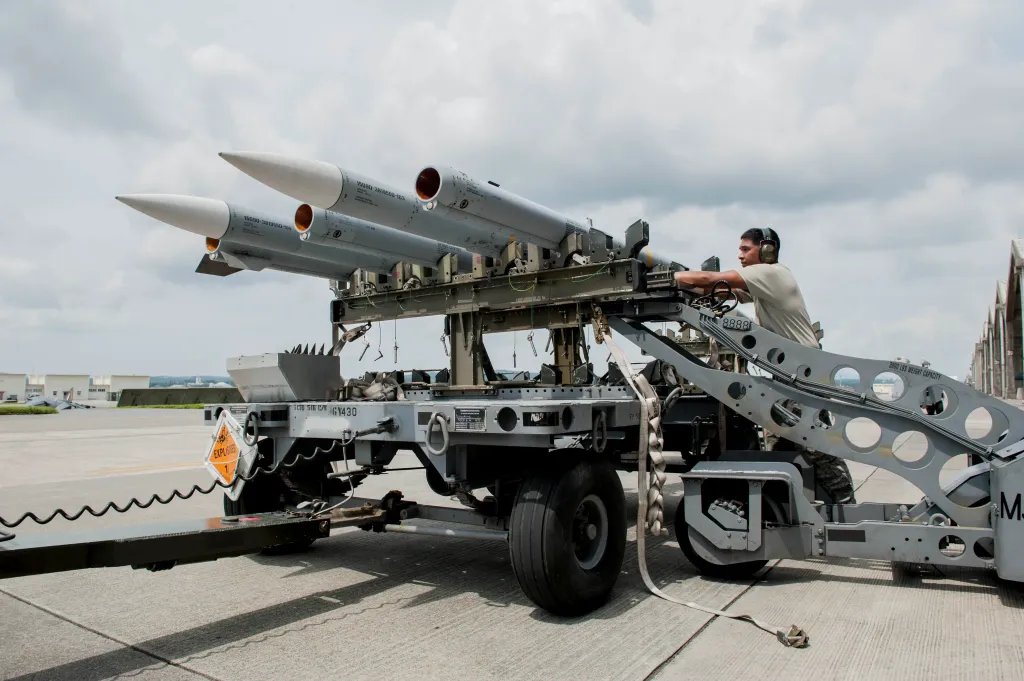
The contract is intended to provide greater production stability than the shorter procurement agreements that previously characterized the program. Its multiyear structure gives Raytheon greater visibility into future demand and supports investment in manufacturing capacity and the missile’s component supply chain.
Japan’s participation could add another assembly location to an expanding industrial base. This should be made easier by the fact that AMRAAM is also less technologically sensitive now that the new AIM-260 is in the works. However, the extent to which the facility will increase total output will depend on its eventual capacity and the division of manufacturing responsibilities between Japanese and U.S. industry.
Technology Transfer And Industrial Safeguards
The agreement is the latest step in a process that has required extensive negotiations over industrial participation and technology protection.
Japan’s longstanding restrictions on arms exports and defense-industrial cooperation have complicated arrangements involving weapons considered offensive in nature. AMRAAM also incorporates classified guidance technology and proprietary intellectual property, requiring safeguards governing the transfer and handling of sensitive information.
The planned facility therefore stops short of a commitment to manufacture the entire missile domestically. Instead, a final assembly and inspection model allows Japan to complete and check missiles using components produced through an industrial arrangement.
For Tokyo, domestic assembly could help support replenishment of its own AMRAAM stocks and strengthen its defense-industrial capabilities. For Washington, an additional qualified production location will diversify the manufacturing network serving U.S. forces and international customers.
SM-3 Production Also In Focus
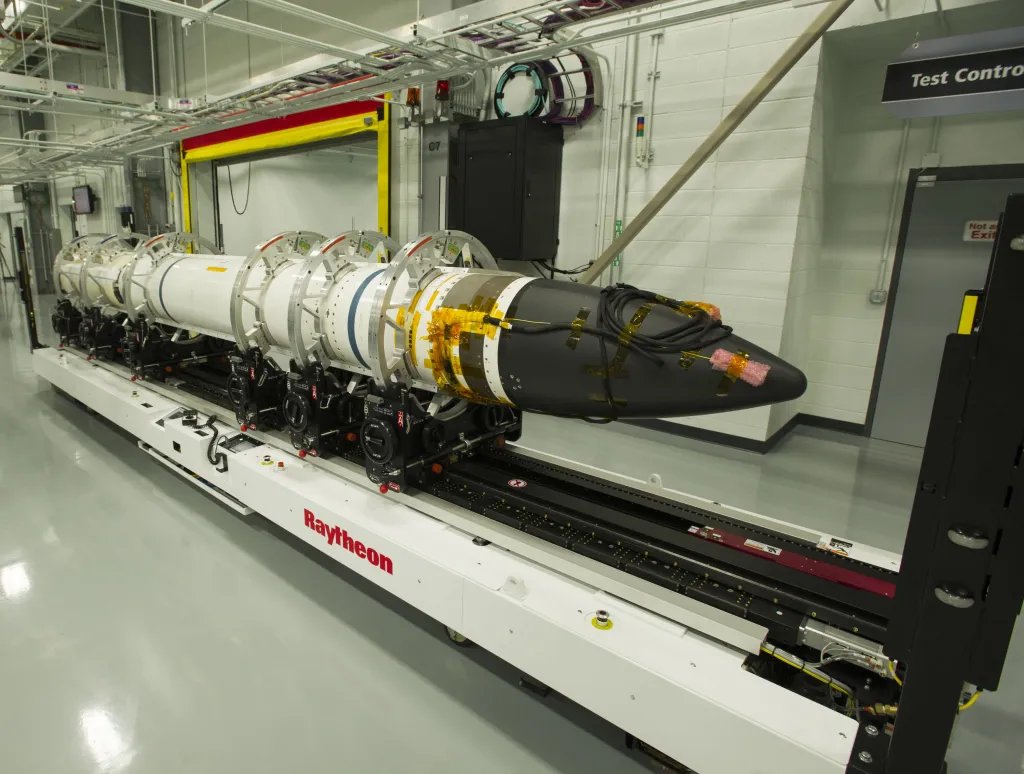
AMRAAM is not the only missile addressed under Operation Supercharge. Koizumi also confirmed that the United States and Japan had agreed to share technical information intended to increase production of the Standard Missile-3 Block IIA interceptor.
SM-3 Block IIA is designed to intercept ballistic missiles during the midcourse phase of flight and is principally employed by ship-based Aegis missile-defense systems. The interceptor is the product of a joint U.S.-Japanese development program and has also been acquired by Japan, including as the primary effectors for its two new cruiser-sized Aegis System Equipped Vessels (ASEV).

Neither government has disclosed how much the latest agreement is expected to increase SM-3 production or when additional output might become available.
The two initiatives reflect a wider effort to strengthen allied munitions supply chains as regional security concerns intensify. Japan has been expanding its defense capabilities amid increased Chinese military activity around the Japanese archipelago and continuing disputes across the East and South China Seas.
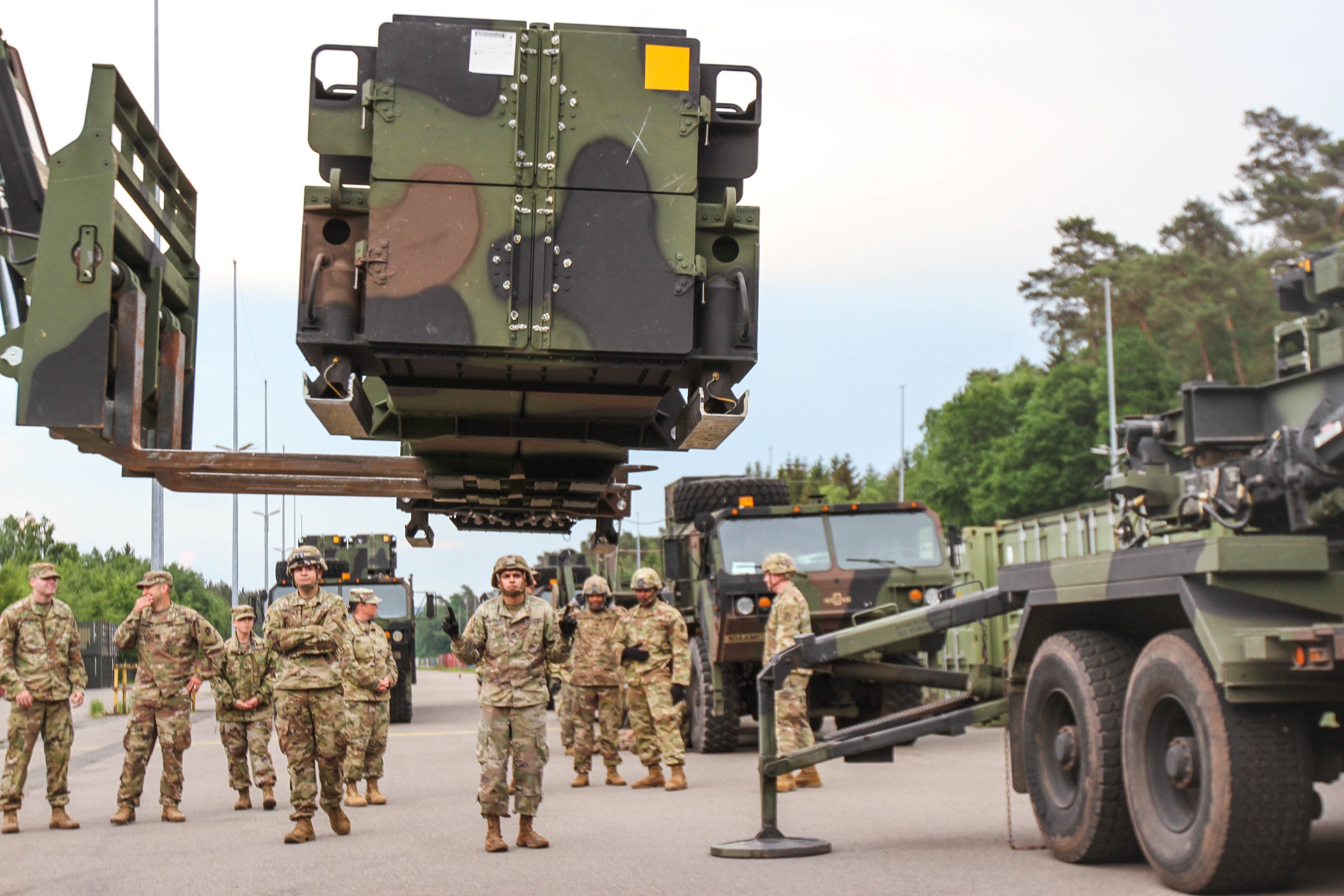
It should also be noted that European countries are also currently pursuing initiatives to strengthen domestic missile manufacturing output, including systems such as the Patriot interceptor and other air-defense munitions. Earlier this week, for example, Lockheed Martin announced plans to establish a dedicated PAC-3 Missile Maintenance Facility (MMF) in Poland.
In its readout of the meeting, the U.S. Department of War said Hegseth welcomed Japan’s efforts to strengthen its defense-industrial capacity. The two leaders also committed to continued coordination on critical munitions production, although the readout did not specifically mention the AMRAAM facility.
The agreements establish a framework for closer industrial cooperation, but their eventual operational impact remains uncertain. At this point, details about the Japanese facility’s location, opening date, annual output, and its precise manufacturing responsibilities remain unclear. Meanwhile, the SM-3 initiative lacks a published production-growth target.
Regardless, the move to establish a Japanese AMRAAM assembly and inspection capability makes a good deal of sense alongside a major expansion of U.S. manufacturing. Whether that arrangement materially improves missile availability during a prolonged Indo-Pacific crisis will depend on how quickly the new capacity comes online and whether the wider production network can deliver the components and completed weapons required by both countries.
Contact the author: thomas@thewarzone.com
Loading comments…
Comments couldn’t be loaded. Please refresh the page.