
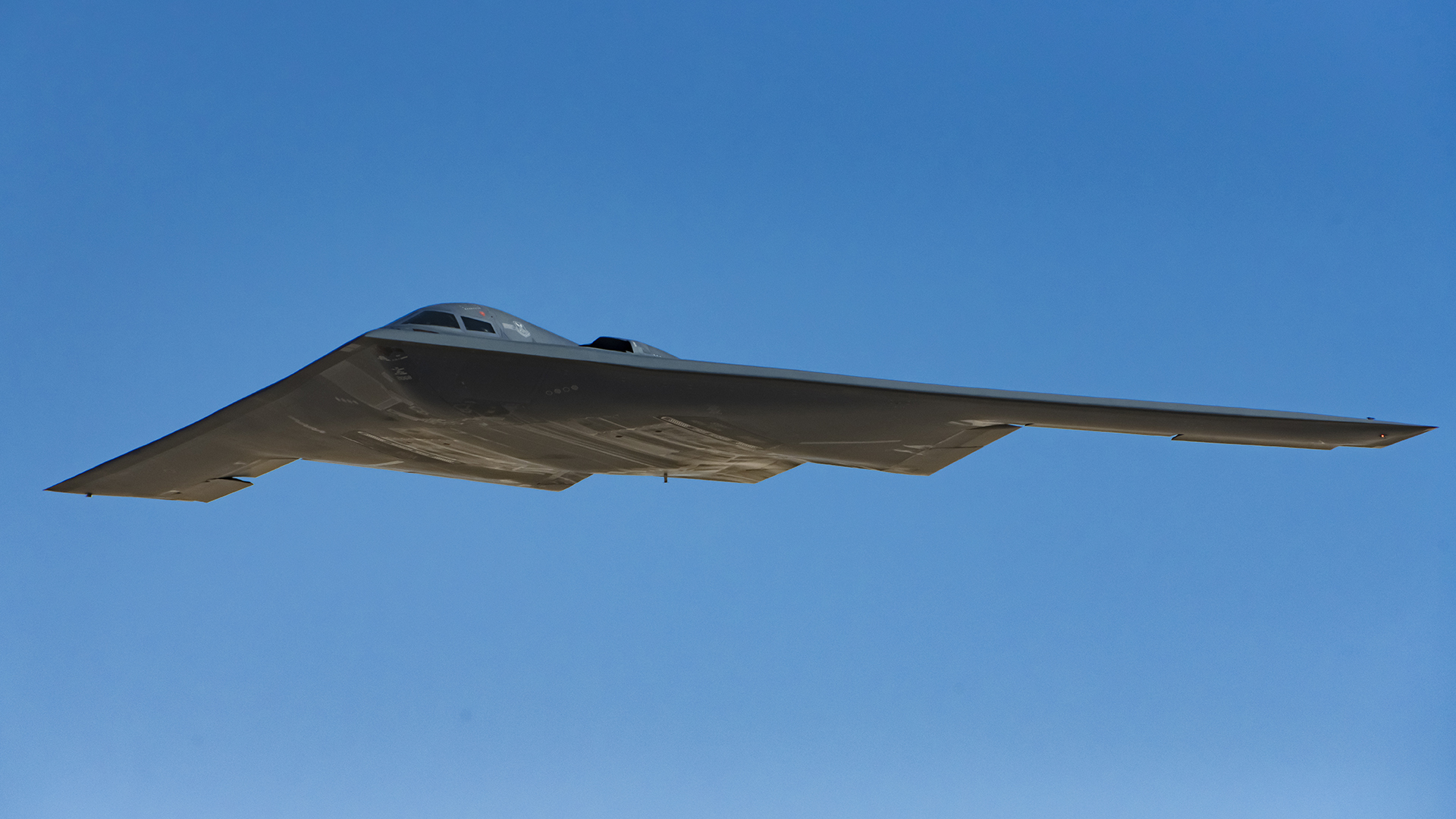
The iconic design, unparalleled range, exceptional payload and uncontested access of the Northrop Grumman B-2 Spirit stealth bomber obscures a deeper, more groundbreaking truth: its existence in our skies is a quiet tribute to Northrop Grumman’s revolutionary digital engineering. Engineers who designed and built the B-2 pioneered digital fusion between immense computational power and code. This approach has set the trajectory for B-2’s continued modernization and shaped the foundation for Northrop Grumman’s game-changing digital approach to defense development from which its successor and the world’s first sixth-generation aircraft, the B-21 Raider, reaps the benefits.

From blueprint to binary
Engineers designing B-2 knew the aircraft wouldn’t be flown without constant computer intervention; the flying wing design that is key to its stealth also created the requirement for its powerful flight control system. This was well before the term “digital engineering” became common.
Digital engineering and software go back decades at Northrop Grumman; the earliest B-2 CAD models and flight control software laid the foundation for today. These digital solutions became critical to B-2’s systems engineering process, ultimately laying the groundwork for the fully integrated digital engineering ecosystems used across Northrop Grumman today.

That experience does more than drive innovation on the systems of tomorrow. Northrop Grumman is incorporating the techniques established by the B-2, coupled with decades of mission experience, to deliver enhanced capabilities to the warfighter today on the systems currently executing the mission.
Informed by 30 years of mission learning, Northrop Grumman’s Spirit Realm software factory utilizes sixth-generation style methodologies to deliver new capabilities that have kept B-2 ahead of evolving threats. Building on the success of B-2, the B-21 Raider takes this approach to the next level. The B-21 represents a culmination of this development, and will be the most survivable and capable aircraft ever to take to the skies.
Next-generation digital solutions
Designed with an open architecture and digital environment from the outset, B-21 is built for rapid upgradability from inclusion of new weapons to software upgrades that will provide continuous new capabilities to accommodate the ever-changing battle space and operational needs. Northrop Grumman’s pioneering sixth-generation attributes, paired with its digital ecosystem, makes the B-21 the future backbone of the U.S. arsenal and the lead component of a larger family of systems. The company has already demonstrated how a sixth-generation digital ecosystem and software factory can successfully design, test and deliver software, building the blueprint for future capability delivery that will keep B-21 outpacing the threat.
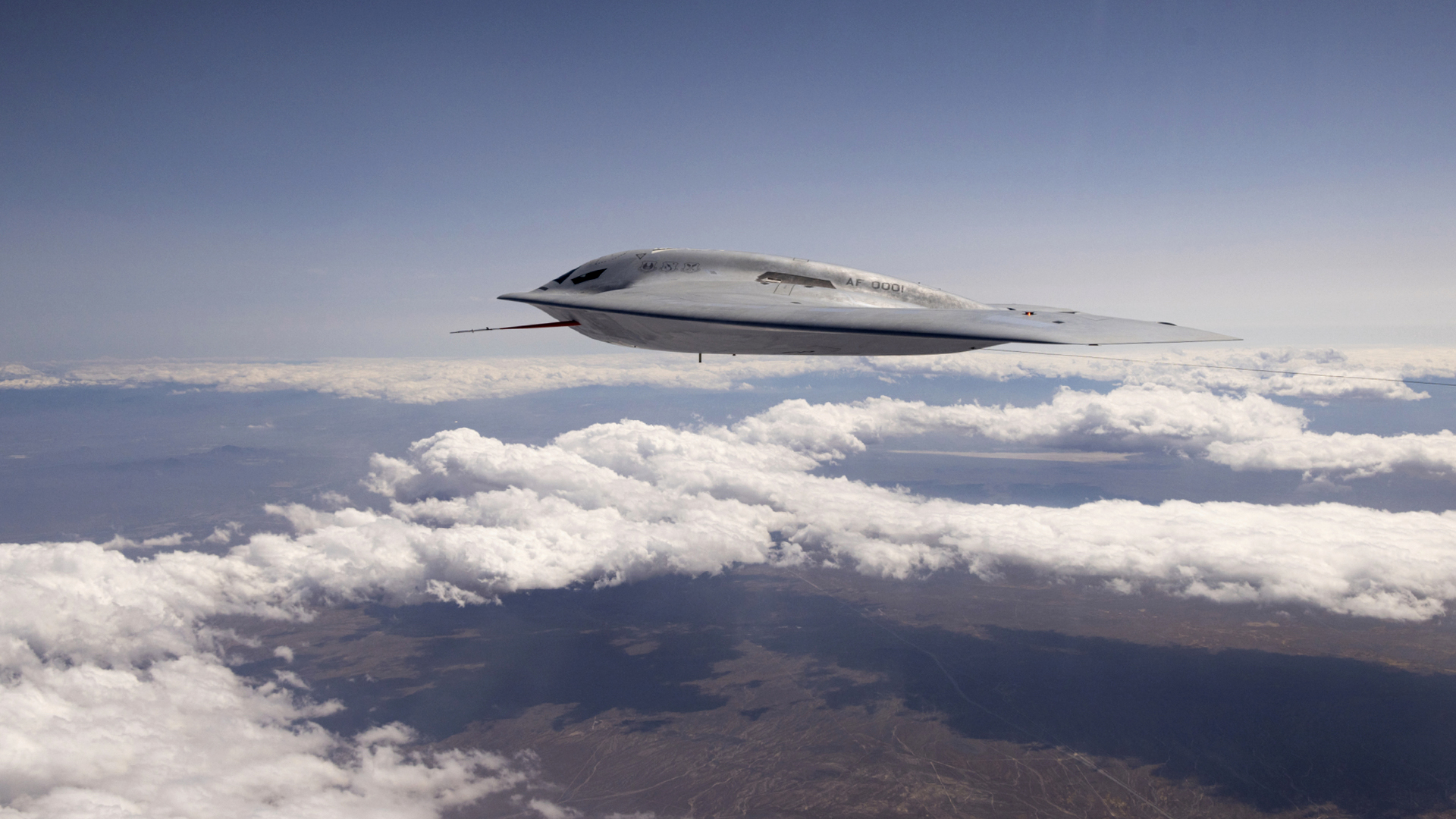
Beyond B-21, the digital engineering ecosystem is being used on more than 160 Northrop Grumman programs, ensuring each has a clear focus from the very first requirements with a traceable digital thread from day one. Programs today benefit from this real experience as Northrop Grumman continues to innovate at the speed of relevance and informed by mission experience.
“The digital ecosystem enables us to live in models real-time with our customers and supply chain so that design changes made now are seen now, allowing earlier feedback from builders, sustainment experts and system test,” explains Adam Shepherd, Northrop Grumman fellow for digital engineering and the architect behind some of the most complex digital engineering ecosystems in industry. “This collaboration, paired with early risk identification, yields real results, cost savings and schedule certainty in ways we could only imagine just a decade ago.”
“Historically, our engineers had to understand and manually track issues across a wide range of development processes and pipelines, but we recognized that those traditional methods wouldn’t keep pace with advances in technology and the fast-growing complexities of our work,” Shepherd says.

Concept to culture
Shepherd says the digital ecosystem was an imperative, driven from the top-down throughout the company, which committed to digitally transforming its approach to all programs after successes gleaned over the last half century. In the past five years alone, Northrop Grumman has invested more than $1 billion in proliferating digital engineering throughout every aspect of its business. This ecosystem intuitively connects data streams, disciplines and organizations through orchestrating vast swaths of data so its employees can iterate with customers and suppliers faster.
“Real data is shared instantly across the entire ecosystem, yielding efficiencies from simple tasks like sharing files across teams to complex manufacturing producibility and maintainability scenarios that we can now predict,” Shepherd says. “It’s just how we do business, with a clear, shared commitment to those protecting our national security.”
Northrop Grumman’s digital engineering evolution showcases the company’s profound commitment to defense innovation, and the real-world results it is delivering for its customers in their most critical missions. The digital revolution, once a quiet enabler for success, is now the core element of Northrop Grumman’s next-generation defense platforms.
Loading comments…
Comments couldn’t be loaded. Please refresh the page.