
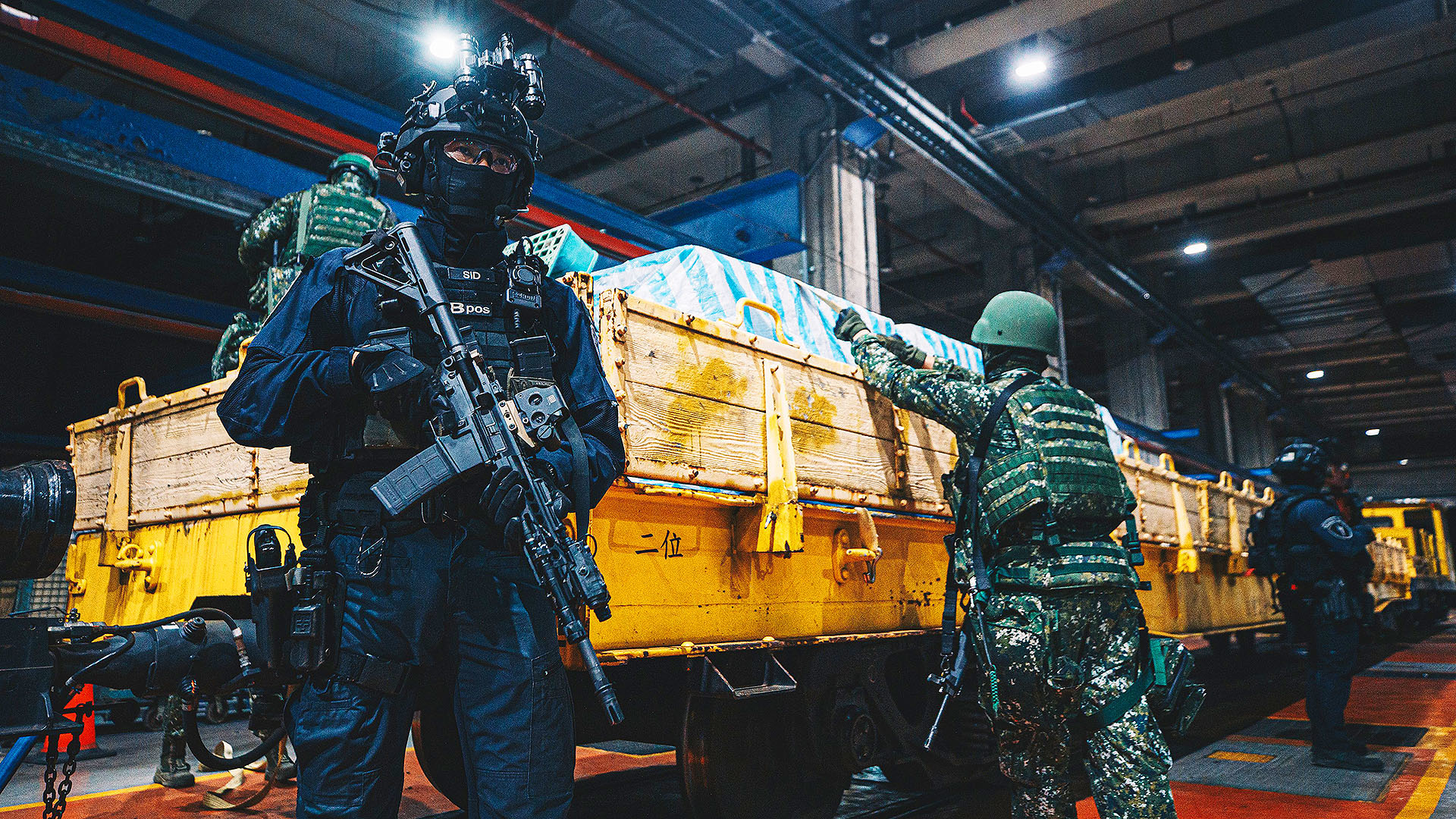
Taiwanese forces, including personnel armed with Stinger shoulder-fired surface-to-air missiles, have used the subway to maneuver around the capital city of Taipei as part of a major annual exercise for what looks to be the first time. The Taipei Metro could offer an inherently hardened means of moving troops and supplies around in the event of an invasion from the mainland, wherein key facilities above ground would be heavily targeted. Taiwan’s military already regularly trains for urban warfare, which would be a central feature of any future conflict with the People’s Republic of China, especially in Taipei.
Authorities in Taiwan very publicly highlighted the use of the Taipei Metro, also commonly referred to by the acronym MRT, as part of the annual Han Kuang Exercise earlier today. Han Kuang is centered on demonstrating preparedness across the island, as well as in outlying areas under Taipei’s control, to counter a major intervention by China’s People’s Liberation Army (PLA).
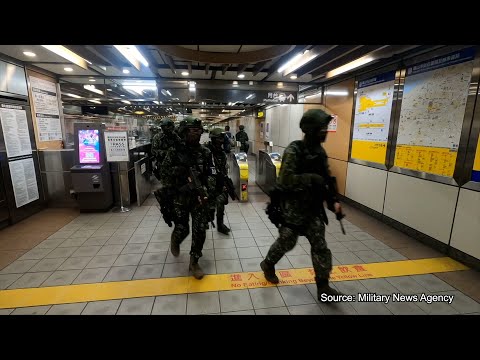
This year’s iteration of Han Kuang is also the largest ever, and puts new emphasis on whole-of-society defense readiness, rather than just that of the armed forces. As such, the exercise incorporates a host of other kinds of training events, including defending beaches against landing Chinese forces and rapidly repairing runways to help keep friendly aircraft in the fight. This all comes amid larger concerns that the PLA could be in a position where it would feel confident in launching an invasion of Taiwan by 2027, if not earlier.
Elements of the Taiwanese Military Police Command, which is a separate branch within Taiwan’s armed forces, and the Taiwanese Army’s Third Logistics Command, took part in the subway portion of the drills, which were coordinated with the Taipei City Government.
The subway portion of this year’s Han Kuang Exercise involved “using underground facilities for the redeployment of troops and supplies, demonstrating the joint military-civilian defense response capabilities and strengthening the national security protection mechanism,” according to a machine translation of a social media post from Taiwan’s Military News Agency, an official outlet of the island’s Ministry of National Defense.
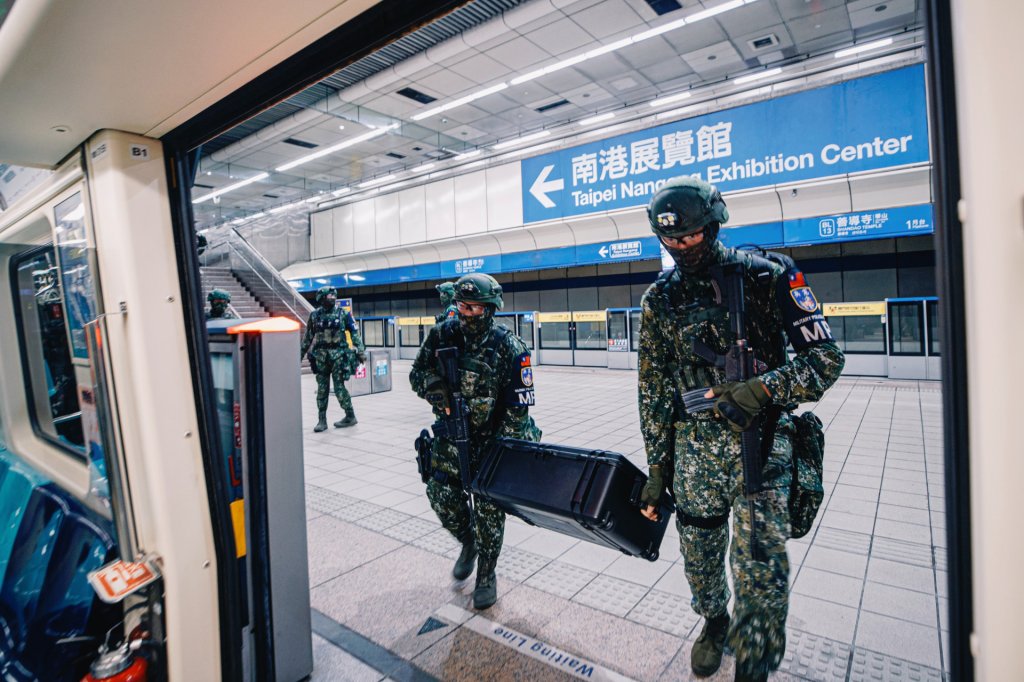
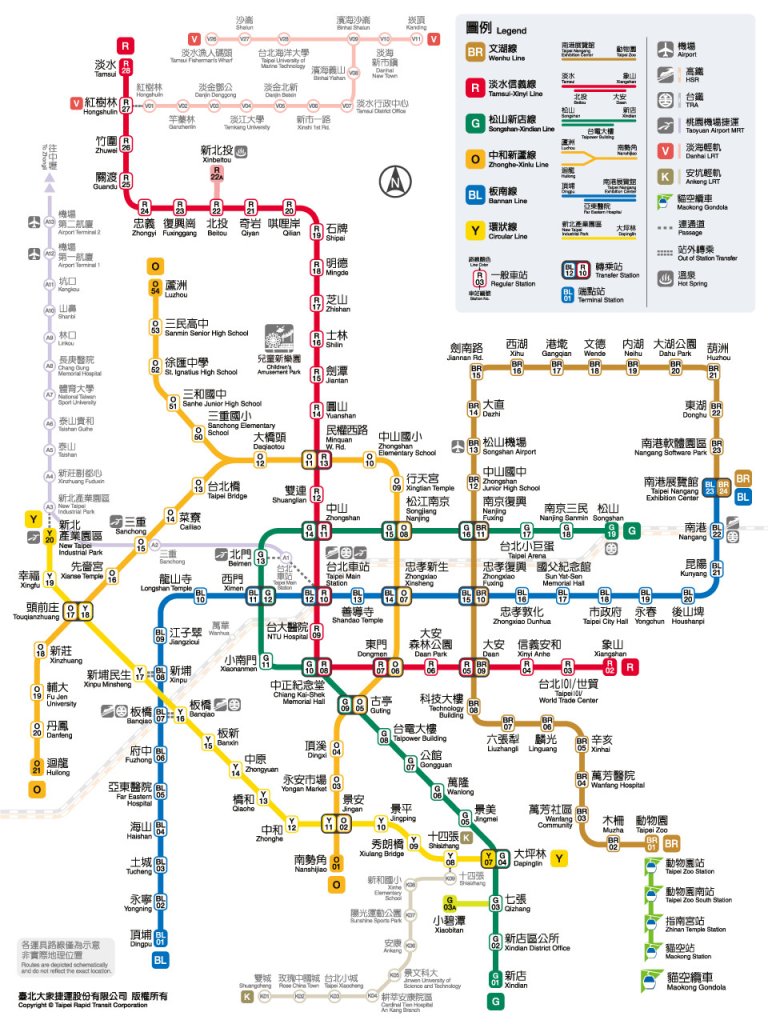
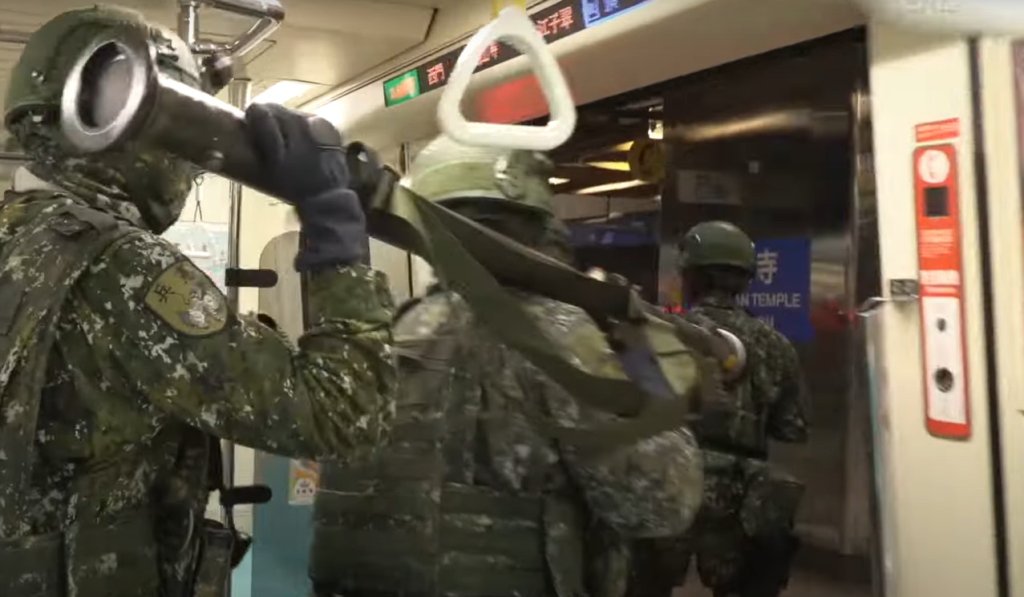
“The exercises, part of the Han Kuang drills, featured Military Police troops carrying Stingers, machine guns, 40mm grenade launchers, and anti-armor rockets, and were held between Shandao Temple Station and Longshan Temple Station while the metro was closed to passengers,” according to a separate report from Focus Taiwan. “The Ministry of National Defense (MND) said the exercises simulated Taiwanese troops using the metro system to quickly reach a target area and engage the enemy.”
“Around 100 soldiers later exited the metro station and continued their exercises on the streets of Wanhua,” Focus Taiwan‘s story adds.
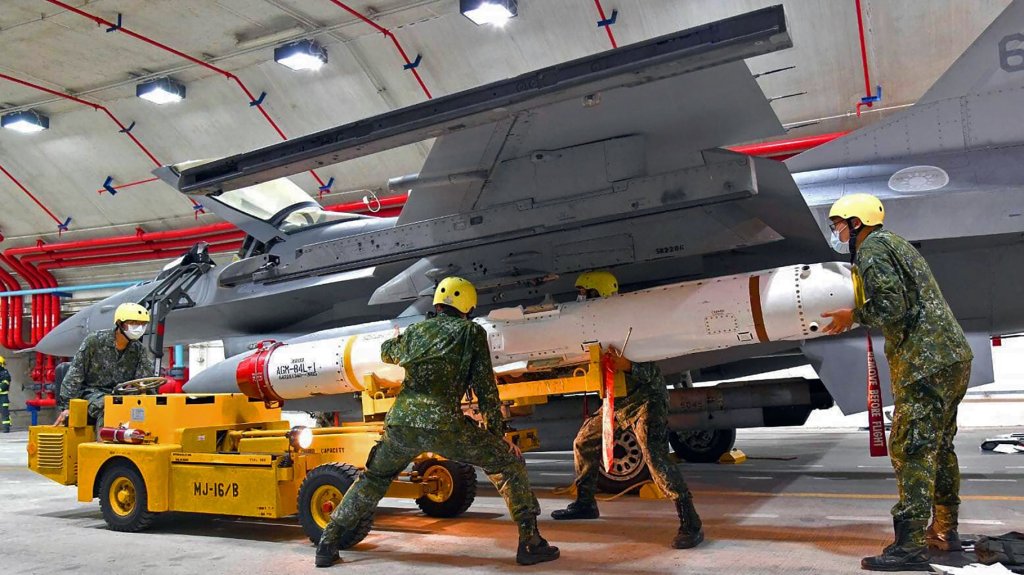
Official pictures and videos, seen above and below, show Taiwanese personnel riding in standard passenger subway cars, as well as moving materiel using yellow-colored railcars more typically associated with maintenance and inspection activities.
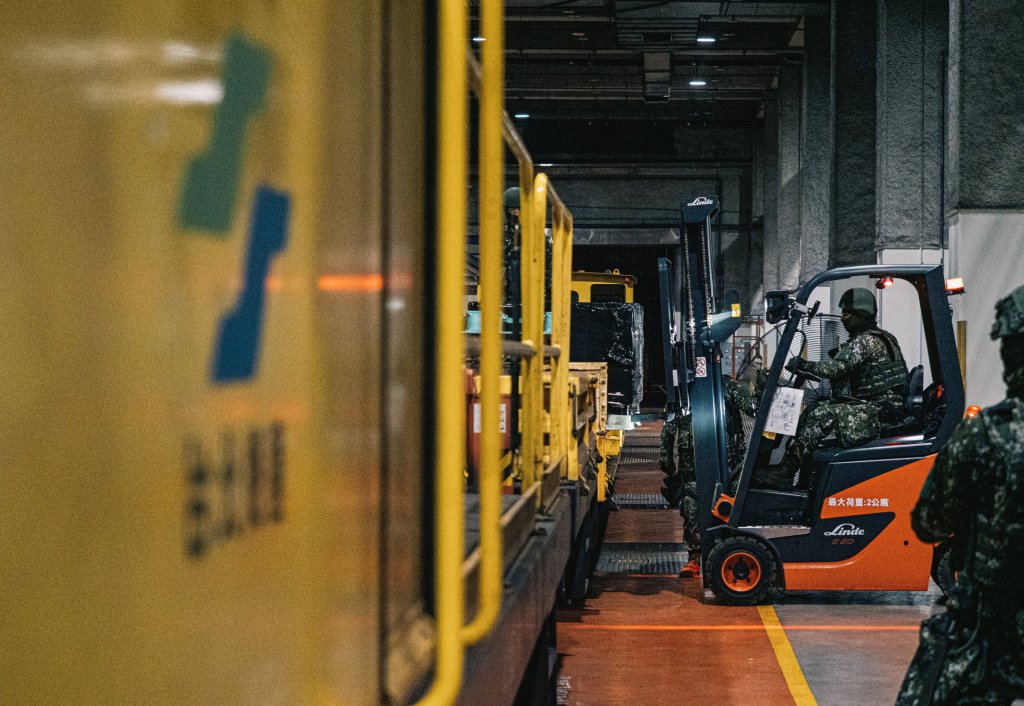
The Taipei Metro currently consists of 135 stations and approximately 93 miles (150 kilometers) of track, which includes sections above and below ground across the capital and certain suburbs. As noted, the underground portions of the subway system offer a readily available transportation network in the capital that is hardened against missile and other aerial attacks.
The expectation is that any PLA intervention would include waves of standoff bombardments targeting key military and government sites across the island, including in the capital. Strikes would continue in support of follow-on ground operations. Taiwan already makes significant use of underground and otherwise hardened facilities to help mitigate these threats.
In addition to simply offering a means of moving around Taipei with additional protection in an invasion scenario, forces using the system would be difficult to track from above ground. Units would be able to suddenly pop up from a station to engage hostile forces before descending back down to relocate. Using man-portable air defense systems (MANPADS) like Stinger would allow them to present a threat to enemies in the air, not just the ground.
Camouflage, concealment, and deception tactics are already aspects of Taiwanese training for urban warfare in the event that Chinese forces cross the Taiwan Strait. Past large-scale exercises in Taiwan have included armored vehicles camouflaged as civilian construction cranes and concealed in junk piles.
In addition to being transit nodes, Taipei Metro stations might be convertible to other uses, including acting as command posts or field hospitals.
It is somewhat curious that the Taiwanese armed forces do not look to have made use of the Taipei Metro, work on which first began in the late 1970s, before previous iterations of Han Kuang or other major exercises. For the better part of a century now, subway systems globally have been used (or are prepared to be used) as shelters against aerial attacks due to the inherent protection they offer. This includes the subway in the Taiwanese capital.

With this in mind, there are questions about how Taiwanese military use of the Taipei Metro during an invasion scenario might put civilians at added risk. The PLA could well move to target the subway system, which could include strikes to seal tunnels and station entrances, with more acceptance of the potential for collateral damage once it became apparent that military units were using it to support combat operations. Fighting could even occur inside the subway system. For years now, combat underground has been seen as an increasingly likely component of urban warfare, in general, especially in very large ‘megacity’ environments.
“There are many variables, including access to electricity and lines of communication, that would affect the viability of Taiwan’s transportation networks in an urban warfare scenario,” Claire Chu, senior China analyst at Janes in Washington and a nonresident fellow at the Atlantic Council’s Global China Hub, told TWZ. “And many of Taiwan’s metro stations are a part of the government’s network of air-raid shelters, so they would have to support military needs without increasing the risk of harm to civilians.”
“There have been some questions about the MRT drills, such as potential impact on civilians and what happens if power outages take transportation networks offline,” Chu added. “But it’s the first time that Taiwan has conducted this type of urban resilience exercise, and these questions are important for bringing hard conversations about Taiwan’s defense readiness to the wider public.”
What lessons Taiwan’s armed forces draw from the use of the Taipei Metro during this year’s Han Kuang, as well as the response from the general public, will play into how the subway system is or isn’t integrated into future operational planning.
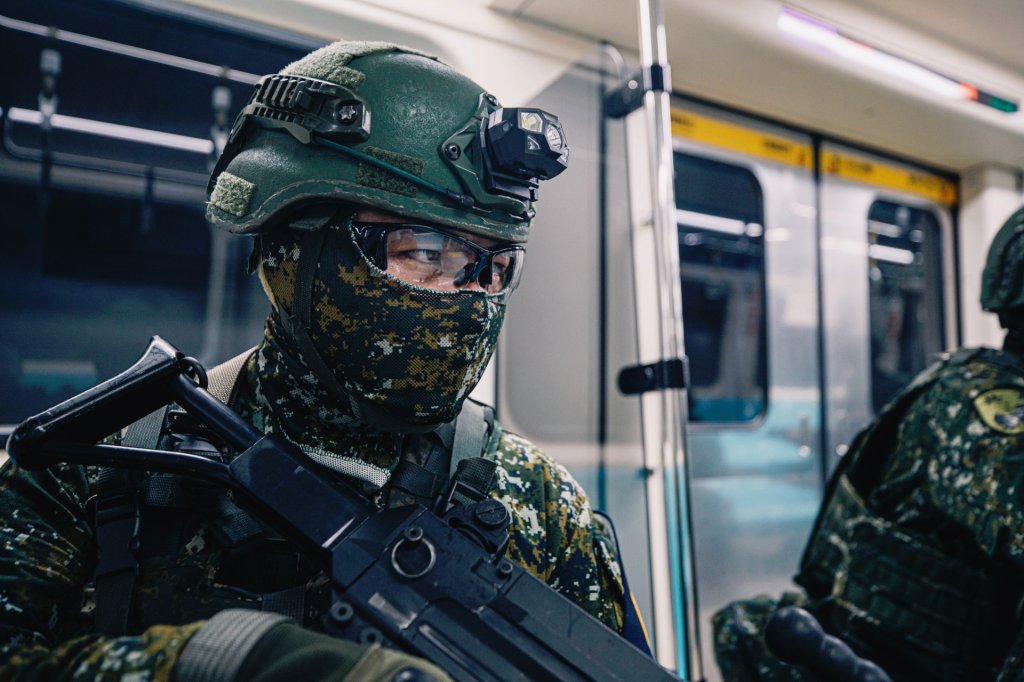
For now, Taiwan’s military is clearly interested in at least exploring how the subway network in the island’s capital could be used to help reduce the vulnerability of its forces should the PLA launch an invasion.
Contact the author: joe@twz.com
Loading comments…
Comments couldn’t be loaded. Please refresh the page.