
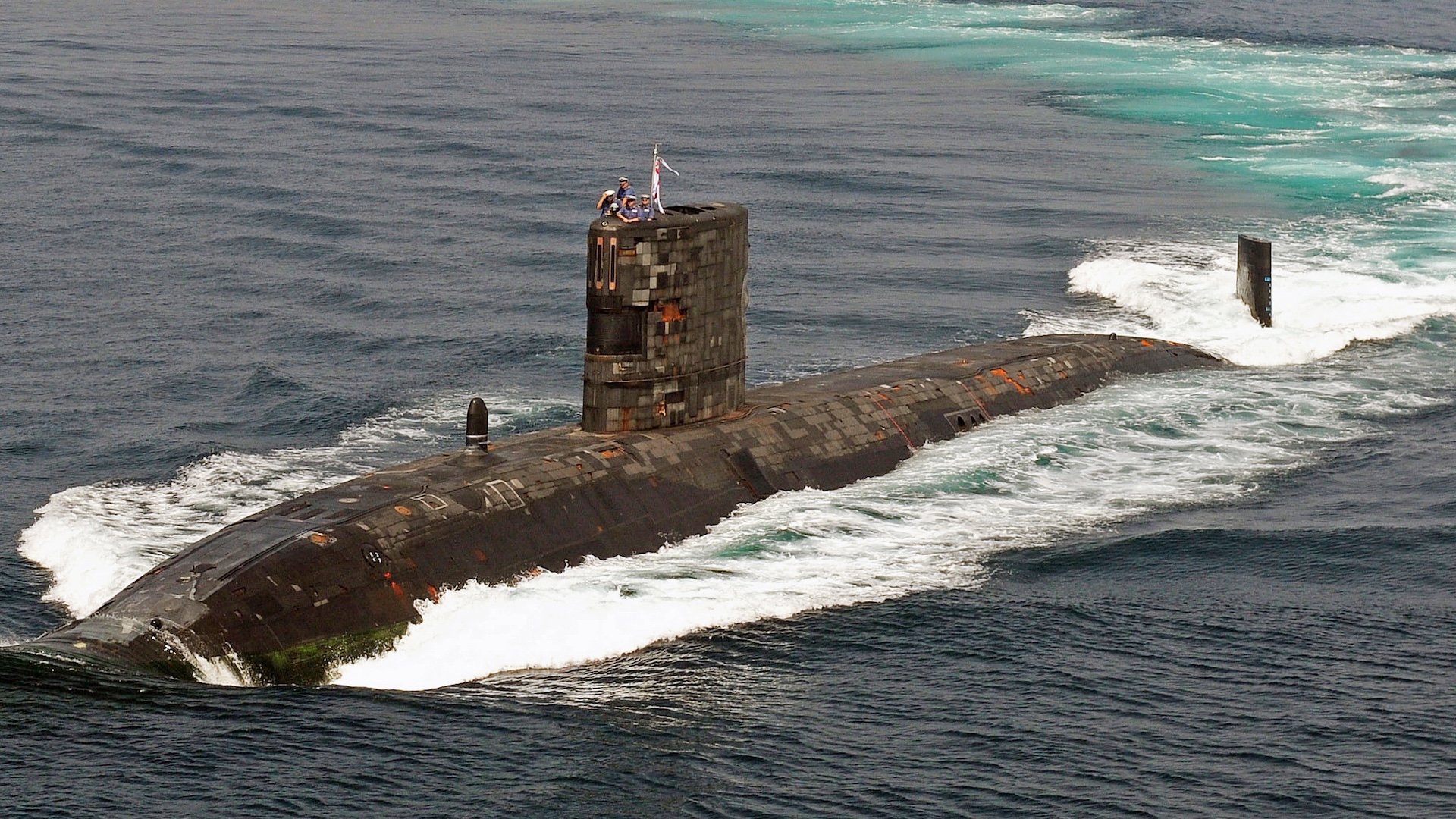
The U.K. Royal Navy has formally withdrawn HMS Triumph, the last of its Trafalgar class nuclear attack submarines (SSN), which were widely regarded as some of the best of their kind across a long and active period of service starting in the early 1980s. Known as ‘T-boats,’ the class of seven hunter-killers has now been fully superseded by the Astute class, which you can read more about here, and plans are already being drawn up for the latter’s successors.
The Royal Navy announced today that it had decommissioned the last operational T-boat, with the ceremony marking the end of service for HMS Triumph taking place last week at HM Naval Base Devonport, in Plymouth, England.
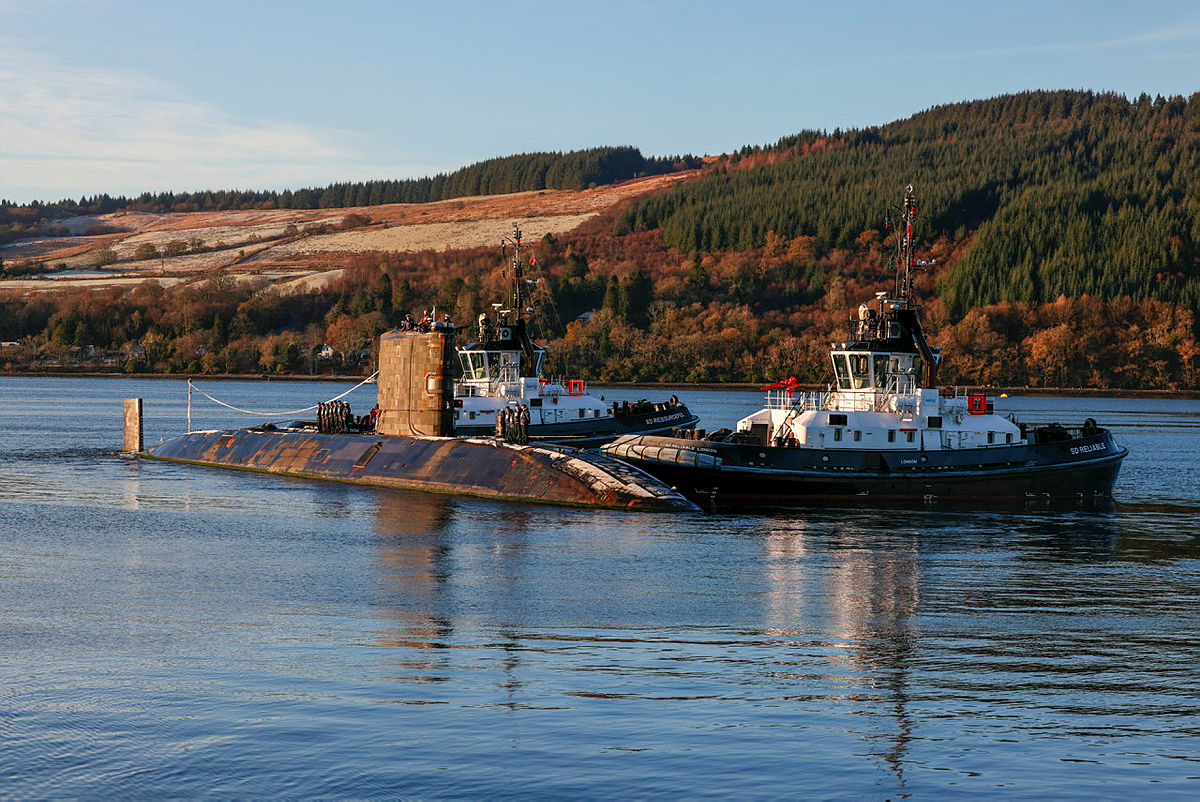
A parade included submariners from Triumph as well as from HMS Talent. Although the latter boat was decommissioned three years ago, it still has a crew as part of the complex decommissioning process, something you can read more about here.
Developed as the successor to the previous Swiftsure class, the T-boats were built by Vickers Shipbuilding and Engineering in Barrow-in-Furness, England, with the first example, HMS Trafalgar, being completed in 1983. There followed Turbulent, Tireless, Torbay, Trenchant, Talent, and finally Triumph, which was commissioned in 1991.
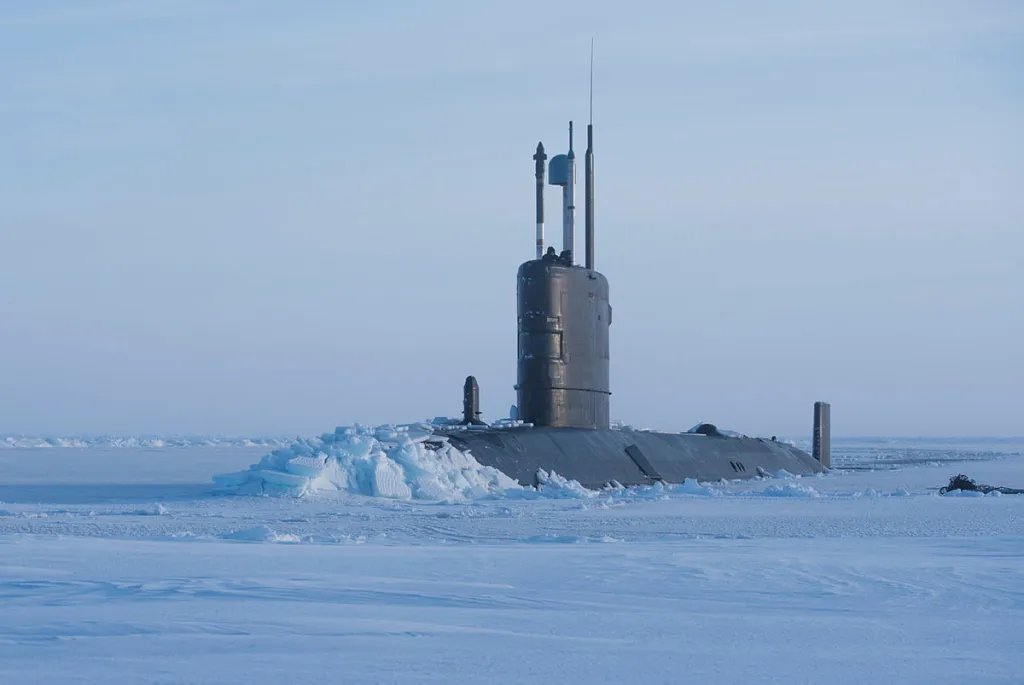
Each boat was 280 feet long, with a displacement of 5,300 tons when submerged. Powered by a Rolls-Royce pressurized water nuclear reactor, the T-boats could reach a submerged speed of at least 32 knots, driven by a pump-jet propulsion system.
The armament consisted of five 21-inch torpedo tubes for up to 30 Spearfish heavyweight torpedoes, to which were later added UGM-109 Tomahawk Land Attack Missiles (TLAM), with a range of over 1,200 miles.
The original primary Cold War mission of the T-boats was to provide protection for the U.K.’s strategic nuclear deterrent, ensuring that the Trident-armed ‘bombers’ (as they are called in British parlance) were able to evade Soviet anti-submarine assets, especially hunter-killer subs. Intelligence-gathering was another very important Cold War mission.
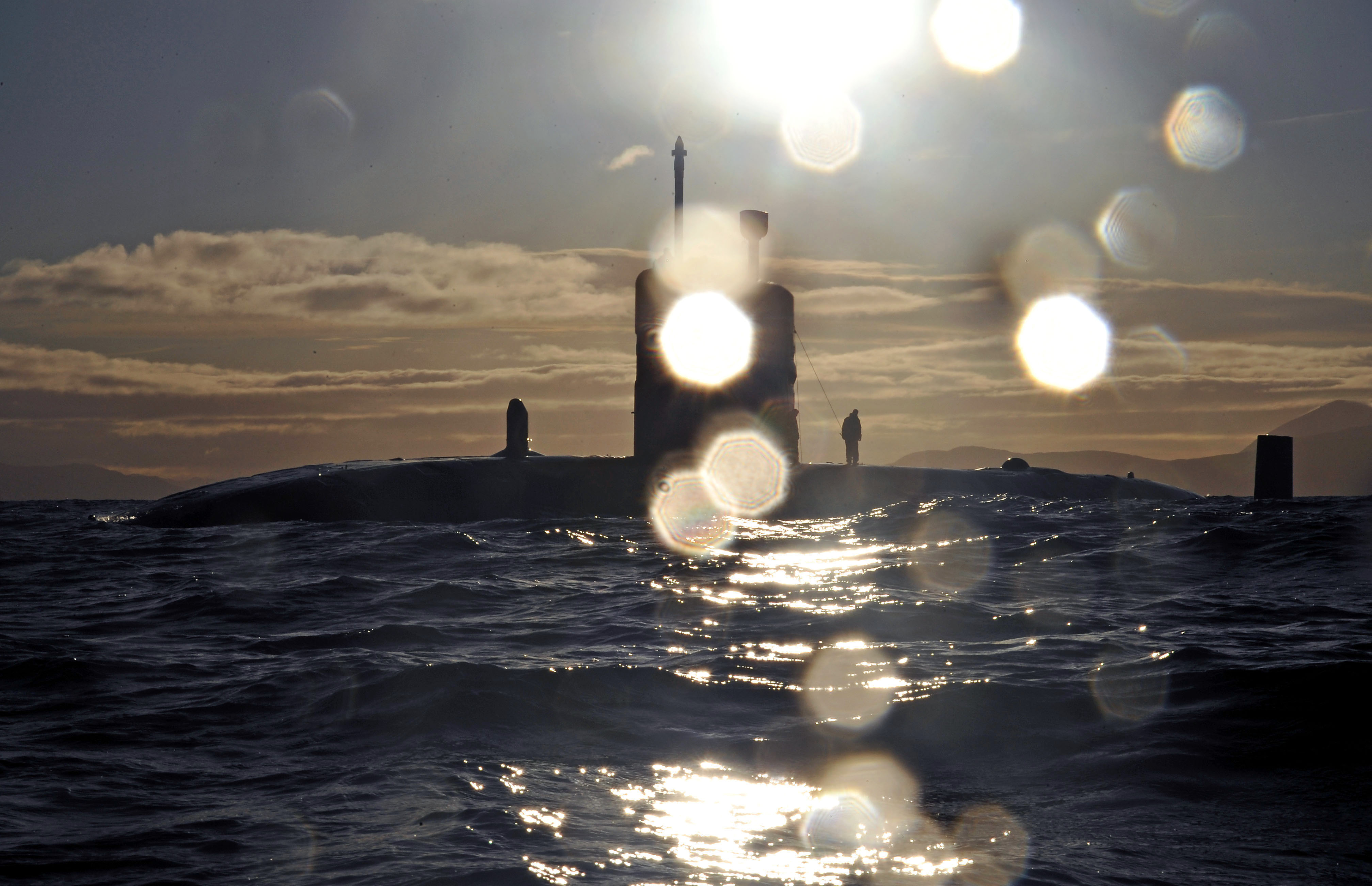
However, the end of the superpower standoff saw the T-boats taking on new roles — and finally going to war.
Among the highlights of Triumph’s service was a 1993 voyage to Australia, which saw the boat remain submerged while covering a distance of 41,000 miles, the longest solo deployment by any British nuclear submarine.
Trafalgar class submarines launched TLAMs during successive campaigns in Afghanistan, Iraq, and Libya. When HMS Trafalgar took part in the 2001 strikes against al-Qaeda and Taliban forces in Afghanistan, it became the first of its class to launch Tomahawk cruise missiles in combat. Triumph subsequently also took part in that operation.
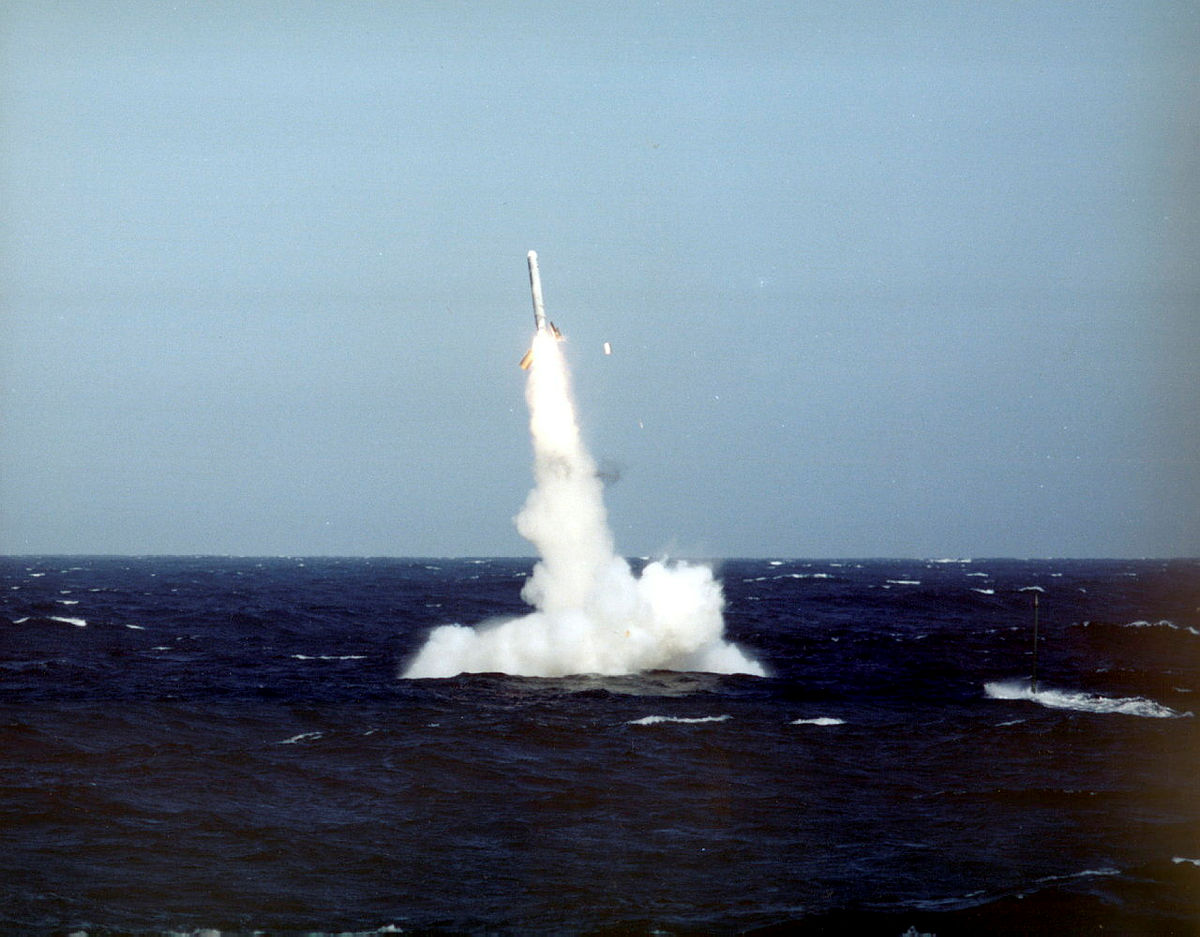
In 2003, HMS Turbulent took part in Operation Telic, the U.K. contribution to the invasion of Iraq, returning to its base flying the Jolly Roger after launching 30 TLAMs.
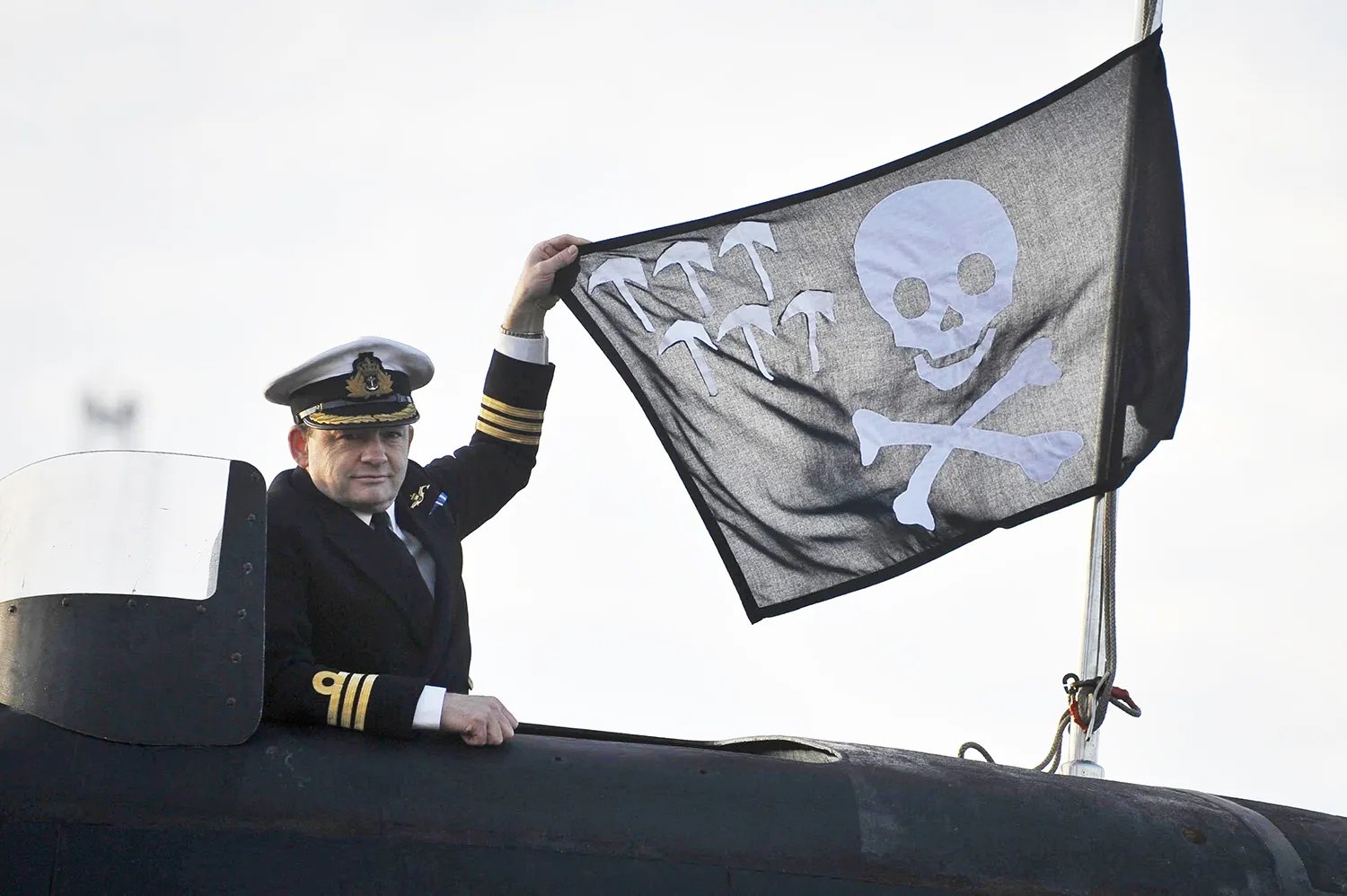
HMS Triumph was involved in TLAM strikes against Libya in 2011, primarily striking air defense targets. The boat also returned to Devonport with the Jolly Roger raised and with six markings indicating the launch of six Tomahawk missiles.
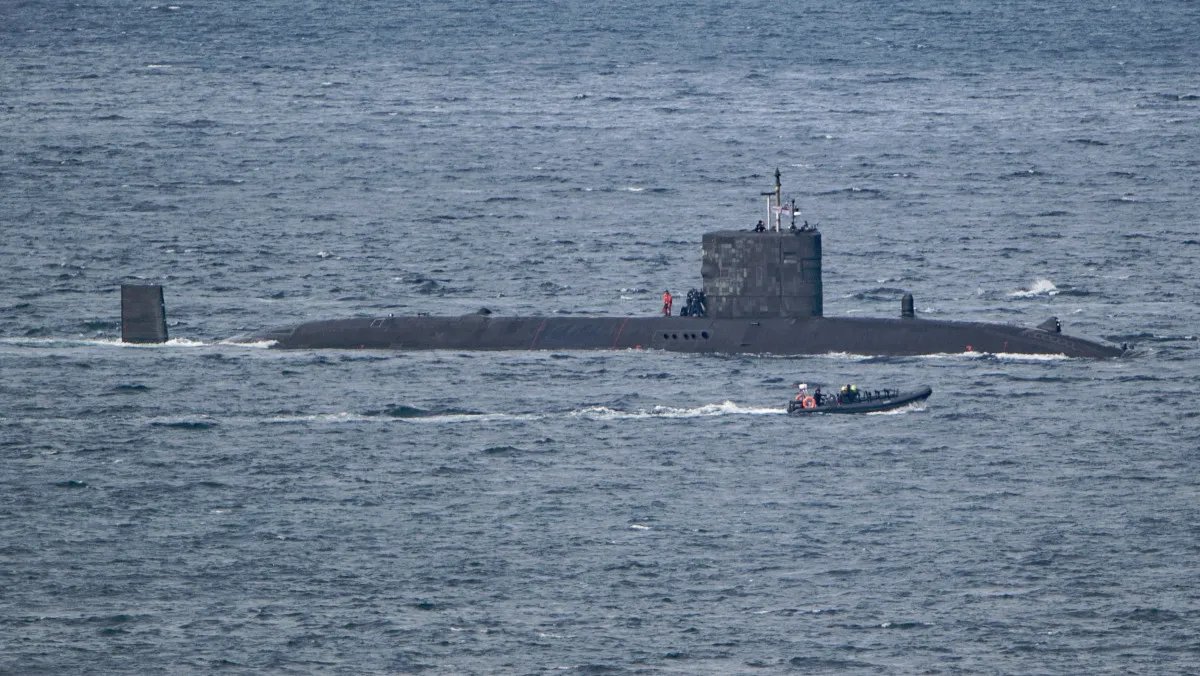
Four of the boats were eventually fitted with the Type 2076 sonar, which the Royal Navy describes as the most advanced of its kind in service anywhere. It is also used in the more modern Astute class.
Other new sensors were added, too. In the past, we detailed some of the changes made to HMS Talent, specifically, including two versions of an apparent wake-detection system, characterized by curious protrusions on either side of its sail. The system, which first appeared on the boat in 2019, was designed to detect hostile subs without using sonar.
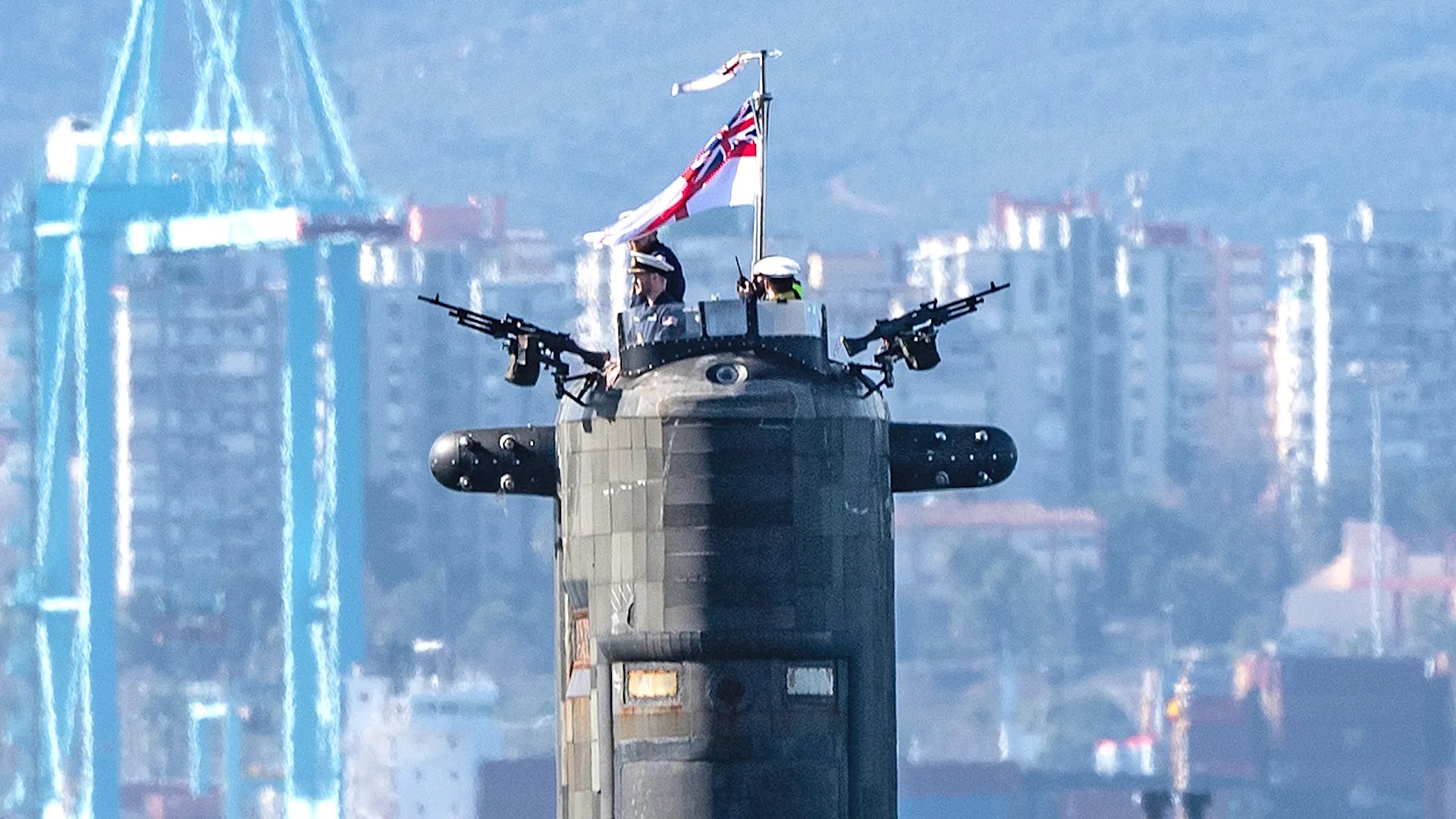
After the Cold War, the T-boats also increasingly assumed a role as covert platforms for launching commando raids.
Throughout, the many aspects of their missions remained highly classified, as they had been in Cold War times.
“Are there any interesting stories I can tell? No, we did a lot of missions which we cannot talk about,” said former nuclear engineer Craig Spacey, who served in Trenchant and Torbay.
As time went on, however, the T-boats, for all their capabilities, began to show their age.
Collectively, the T-boats amassed more than 200 years of service, with Triumph having the longest career of all of them, at 34 years.
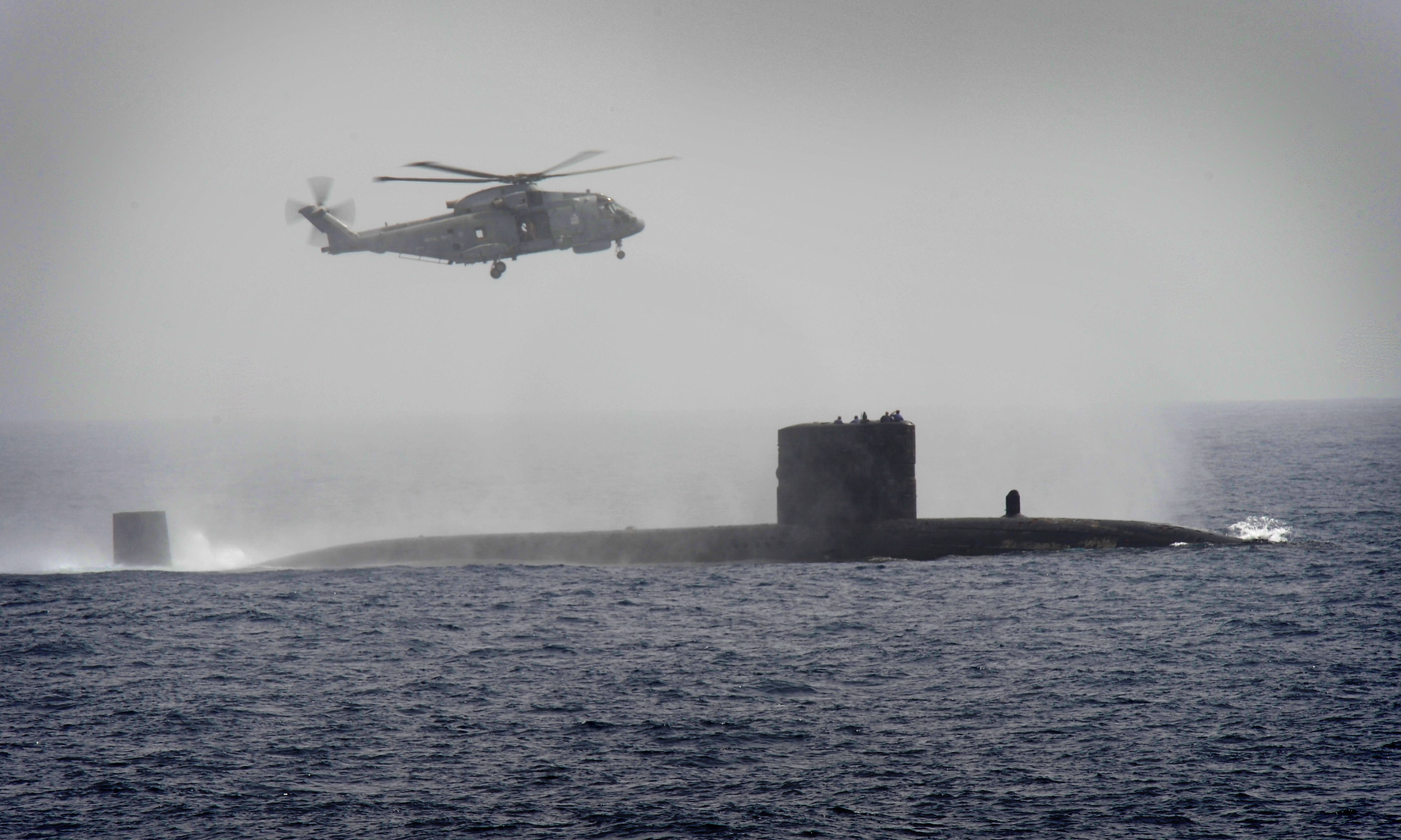
In 2000, it was reported that only one boat, Triumph, was fully operational, but subsequent refits appeared to address these problems and increase availability.
Most significantly, in terms of accidents, two weapons engineers were killed in an explosion aboard HMS Tireless in 2007, during an Arctic patrol.
Starting in 2009, with the arrival in service of the first of the Astute class submarines, the Trafalgar class was gradually phased out.
Nearing completion at Barrow is HMS Agamemnon, which will replace HMS Talent, while Triumph’s duties will ultimately be taken up by the final Astute class boat, HMS Achilles, later this decade.
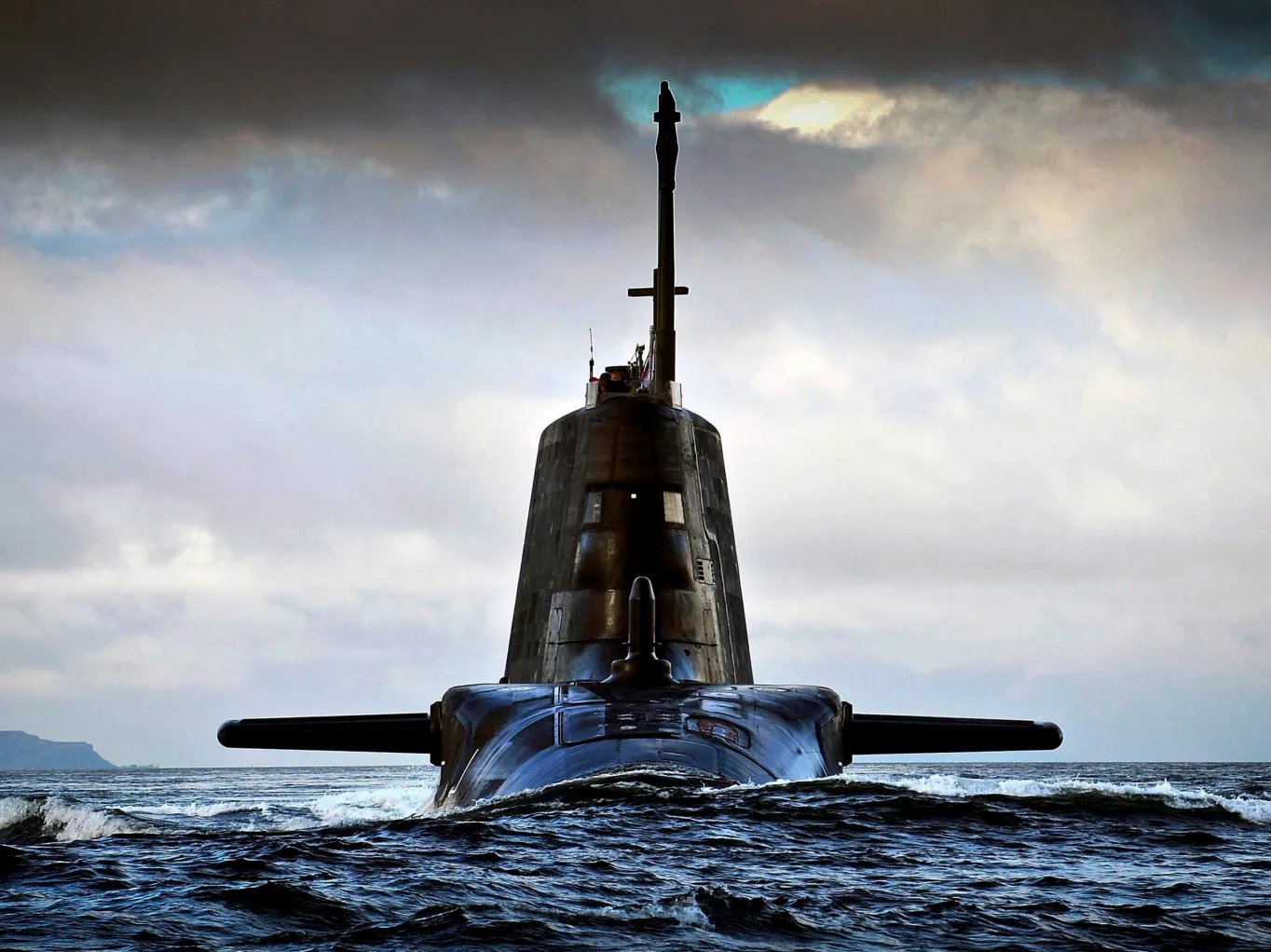
Beyond that, the United Kingdom is looking at building up a larger SSN force, starting in the late 2030s, with plans to field as many as 12 examples of a new design, to be developed under the SSN-AUKUS program in collaboration with Australia and the United States.
The fate of the T-boats after their service now includes scrapping. This is a process that the United Kingdom has only recently started for its decommissioned nuclear-powered submarines, with HMS Swiftsure becoming the first to be cut up as part of its scrapping process. You can read more about this here.
Although now consigned to history, the Trafalgar class will be remembered for its versatility, adapting to changing security situations and serving as the workhorses of the Royal Navy’s submarine flotilla for more than four decades between them.
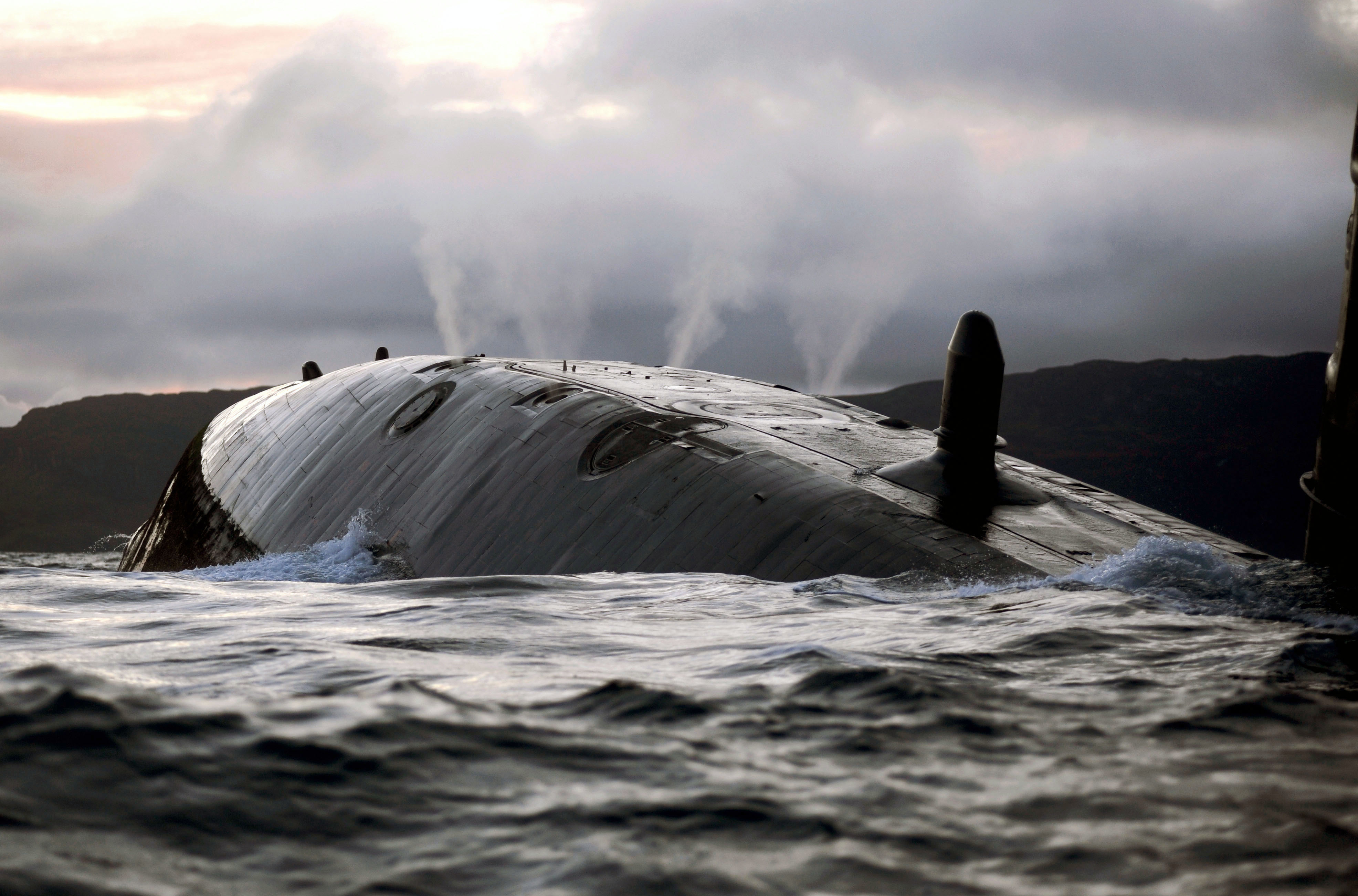
“They are the last of the Cold War warriors, although the Cold War never went away,” said Capt. Dave Burrell, former executive officer of both Talent and Triumph, as he referred to the continued underwater standoff with Russia. “We continued to play our dangerous game,” he reflected.
Describing the first time he stepped aboard HMS Tireless in 2003, Burrell recalled: “The boat was a marvel, the people inspiring, and the mission was challenging.”
“I asked the Royal Navy’s most senior submariners how I should describe the Trafalgar class,” Burrell concluded. “They said simply: utterly brilliant submarines.”
Contact the author: thomas@thewarzone.com
Loading comments…
Comments couldn’t be loaded. Please refresh the page.