
NATO has unveiled plans to bolster Poland’s air defenses against future Russian incursions. The move, under a mission now known as Eastern Sentry, will initially deploy a mixed force of fighter jets and an air defense frigate, but is eventually planned to expand to cover the region between the Arctic and the Black Sea, providing a bulwark against potential Russian drones and missiles.
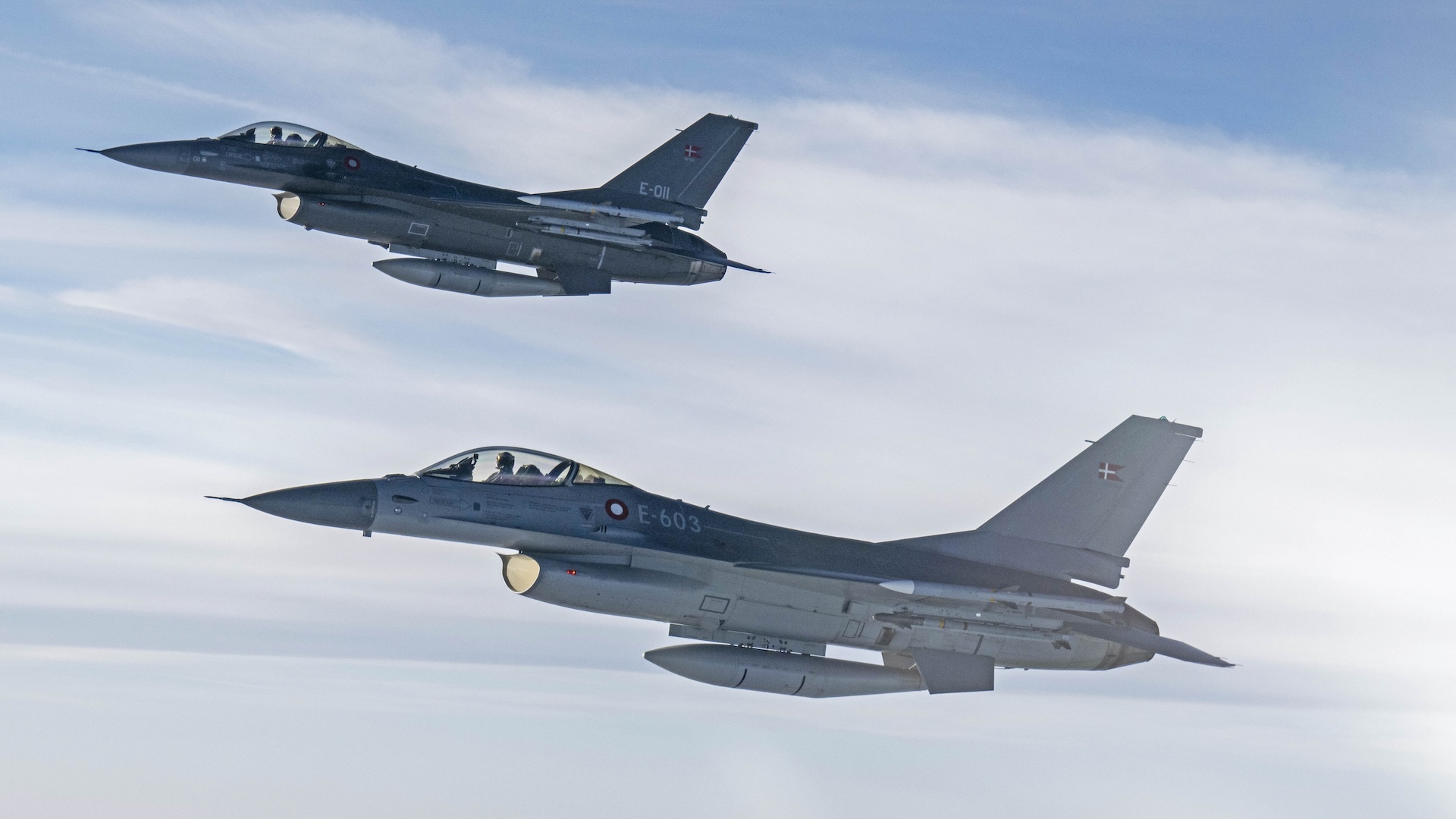
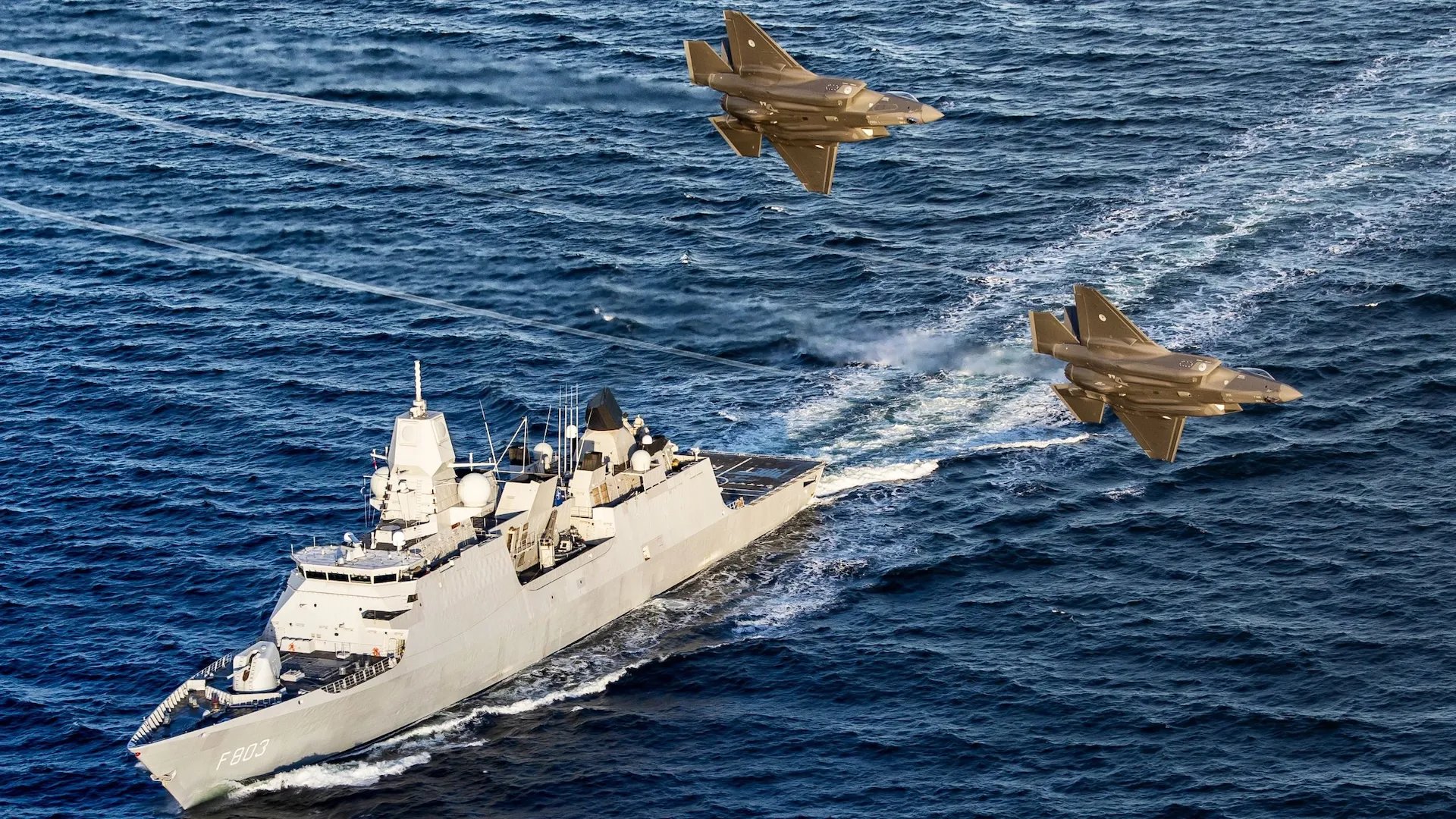
At a press conference today, NATO leaders announced details of Eastern Sentry, including the deployment of two F-16s and an anti-air warfare frigate by Denmark, three Rafales from France, and four Eurofighters from Germany. Already forward-deployed to help defend NATO’s eastern flank are F-35As from Italy and the Netherlands, based in Estonia and Poland, respectively.
“These forces and more will reinforce existing allied forces and enhance NATO’s deterrence and defensive posture where and when needed,” the alliance said in a statement.
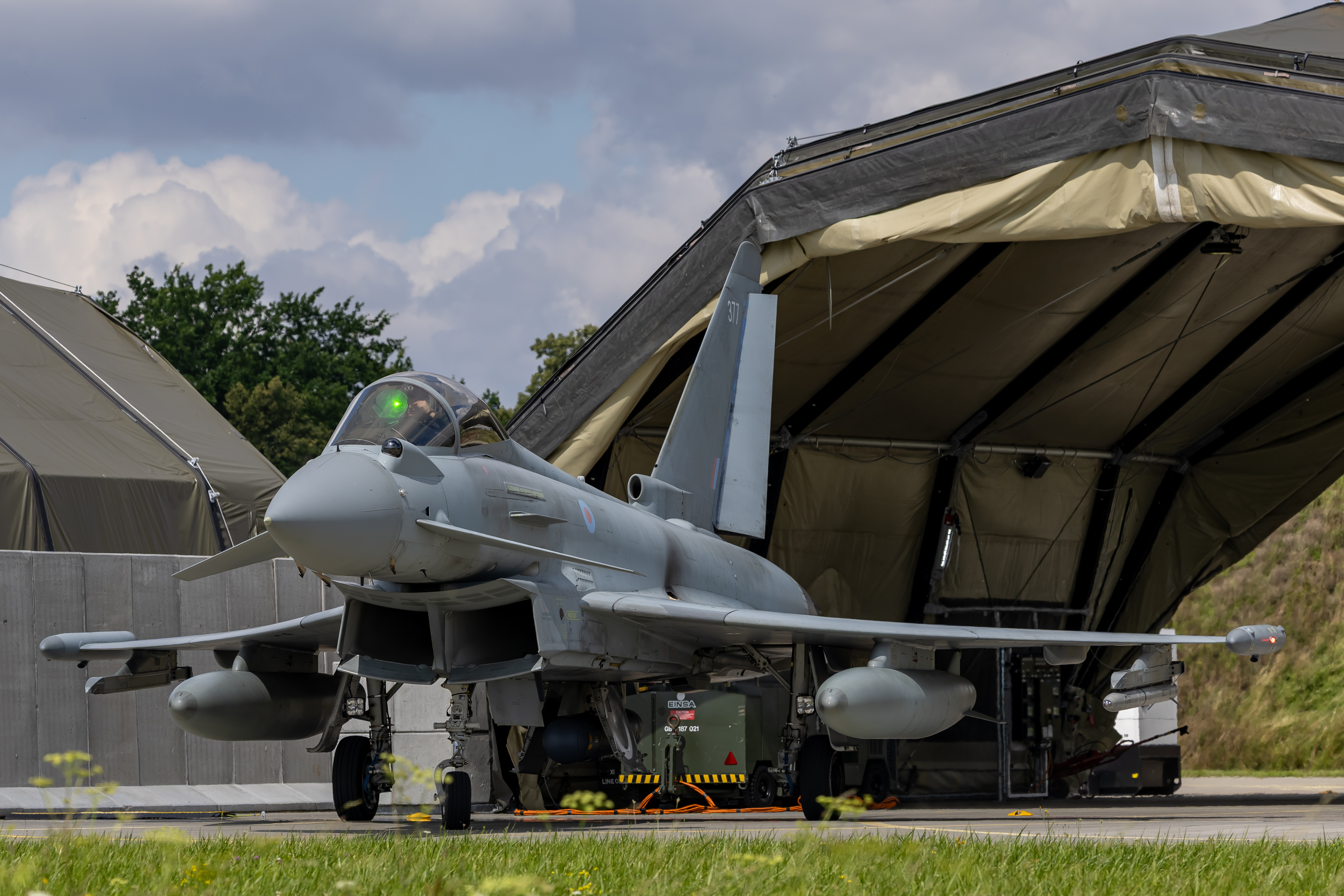
According to NATO planners, the United Kingdom “has also expressed its willingness to support” the effort. No further details of this have been provided so far, although there are reports, citing unnamed British officials, that up to six Typhoons could be deployed. On Wednesday this week, U.K. Defense Secretary John Healey said he had asked the British military to look at options for enhanced support for Poland.
The announcement of Eastern Sentry follows a meeting by the North Atlantic Council on September 10, during which the allies discussed the situation in light of Poland’s request for consultations under Article 4 of the Washington Treaty.
Article 4 states that “the Parties [to the alliance] will consult together whenever, in the opinion of any of them, the territorial integrity, political independence or security of any of the Parties is threatened.”
Since NATO was created in 1949, Article 4 has only been invoked seven times. The last of these was in 2022, in response to Russia’s full-scale invasion of Ukraine. The North Atlantic Treaty also includes a collective defense provision, Article 5, which has only ever been invoked once, following the 9/11 terrorist attacks in the United States.
“In addition to more traditional military capabilities, this effort will also feature elements designed to address the particular challenges associated with the use of drones,” said Mark Rutte, NATO’s secretary general, of Eastern Sentry, without providing more details.
However, NATO noted that Eastern Sentry would also work closely with Allied Command Transformation, the alliance’s strategic warfare development command. This will include rapidly experimenting and fielding new technologies, such as counter-drone sensors and weapons to detect, track, and kill drones.” Allied Command Transformation is already working on this broader effort as part of Baltic Sentry, which was stood up earlier this year by 10 NATO nations in the wake of the suspected sabotage in December 2024 of undersea power and communications cables between Finland and Estonia.
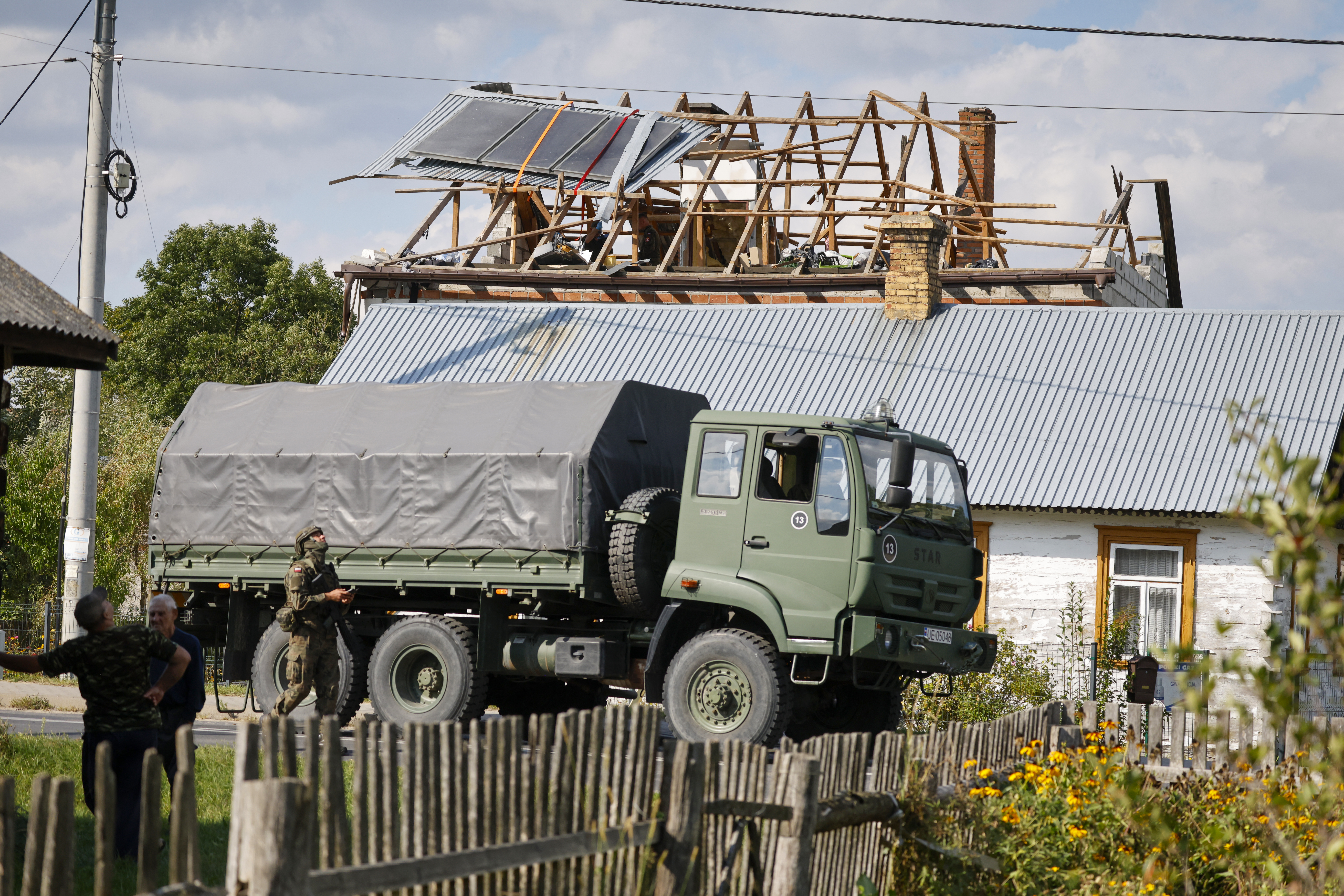
The new mission has been established in response to the events of the early hours of Wednesday this week, when, according to Polish authorities, 19 Russian drones entered the country’s airspace. Some of these were shot down by Polish and Dutch fighters, as you can read about in our reporting on the incident here.
Yesterday, the Polish president said the Russian drone incursions into his country were not only deliberate but were a test of NATO’s ability to react to aerial threats. The Russian drones are assessed to have been unarmed decoys, of which around three or four were reportedly shot down. At least one drone flew as deep as 160 miles into Poland, forcing the closure of four Polish airports.
Imagery that has emerged so far shows the drones that have been retrieved look to be Gerberas, a cheaper and simplified Russian-developed complement to variants and derivatives of the Iranian-designed Shahed-136s, which are mainly used as long-range one-way attack drones.
In response, Warsaw ordered the closure of airspace along the borders with Belarus and Ukraine, and NATO allies had already pledged to provide additional air defense support.
Speaking today, Rutte took a more cautious line on whether the drone incursion was a deliberate act by Russia.
The secretary general said that the “assessment of the incidents on Wednesday is ongoing,” but he stressed that “whether or not Russia’s actions were deliberate, Russia violated NATO airspace,” which demanded a response.
“Russia’s recklessness in the air along our eastern flank is increasing in frequency,” Rutte added. “We have seen drones violate our airspace in Romania, Estonia, Latvia, and Lithuania. Whether intentional or not, it is dangerous and unacceptable.”
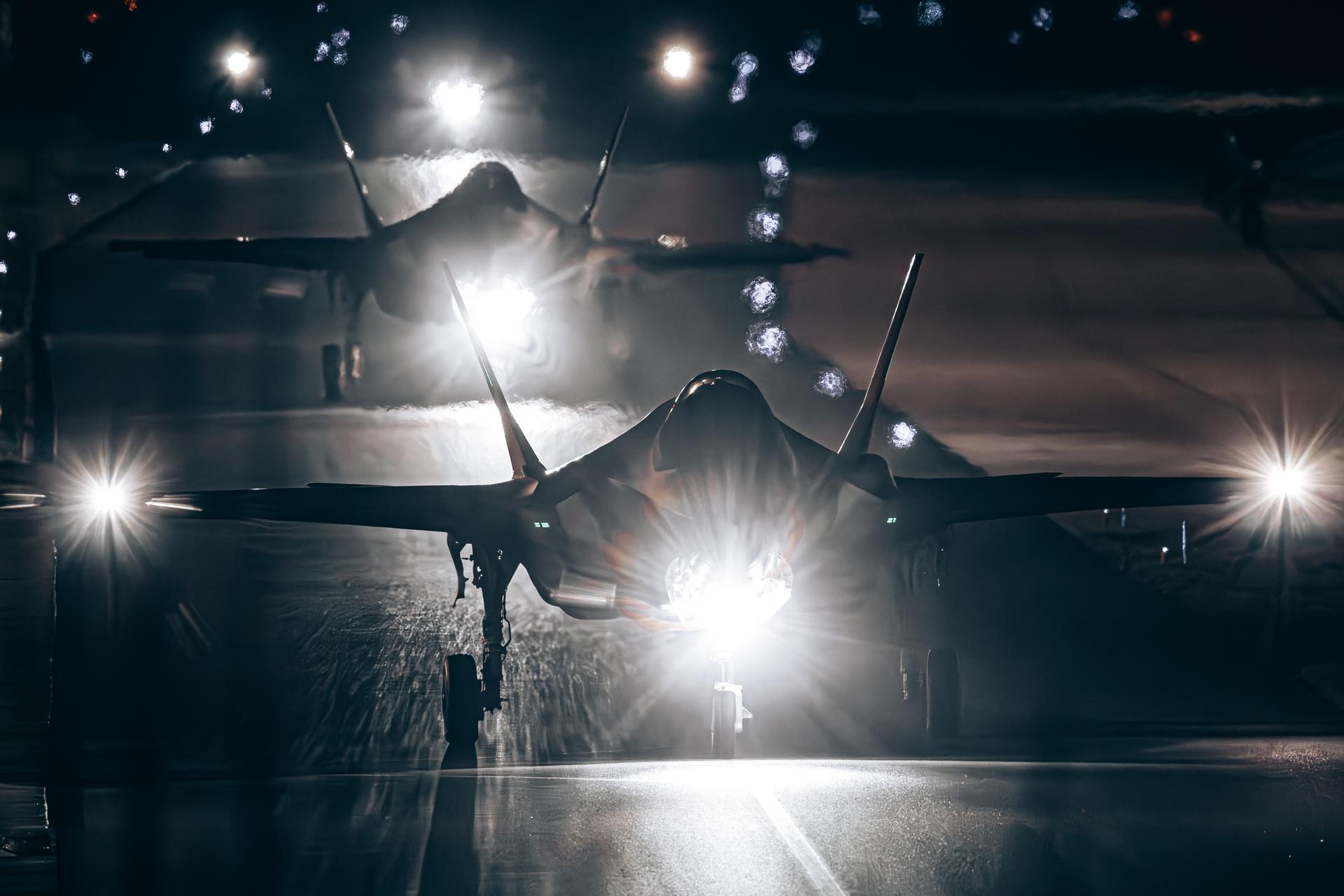
Also speaking today was NATO’s most senior military chief, Gen. Alexus Grynkewich, who said that the alliance had engaged in “a highly successful operation” to intercept the drones, with specific mention of the employment of F-35s from the Netherlands, which are currently deployed in Poland. “We always learn something in the debrief,” said Grynkewich.
Some of those lessons learned may well relate to how best to deal with drone incursions of this scale. While Russian drones and missiles have previously violated the airspace of NATO members since the start of the full-scale invasion of Ukraine, they had, until Wednesday, only done so in very small numbers.
The “scale of the incursion” was “obviously larger than previous incursions that we’ve had,” Grynkewich said, adding that “bringing additional resources to bear on this problem will help solve that”.
“Eastern Sentry and this new approach will deliver even more focused and flexible deterrence and defense where and when needed to protect our people and deter against further reckless and dangerous acts like what occurred earlier this week,” said Grynkewich.
The urgency of the situation means that Eastern Sentry is due to be launched “in the coming days,” NATO says, although a precise timeline hasn’t been announced. The alliance also confirmed that the mission will “continue for an undisclosed amount of time.”
NATO’s announcement of the new mission comes as the Russian military, together with its ally Belarus, conducts its large-scale Zapad (meaning West) maneuvers. These joint military drills are widely seen as intimidation exercises directed against NATO’s eastern flank, and Poland said it was deploying 40,000 troops along its borders with Belarus and Russia. Poland has previously closed most border crossings with Belarus, leaving only two in operation.
“The objectives of the drills are to improve the skills of commanders and staffs, the level of co-operation and field training of regional and coalition groupings of troops,” the Russian Ministry of Defense said on Telegram.
TWZ spoke to a high-ranking Ukrainian intelligence source, who explained: “Now it is just a military exercise, without a serious threat to us. They are not planning any actions.” When asked what interested them most about the exercise, the intelligence source said: “We have all the plans about Zapad 25.”
Regardless of these maneuvers, there’s little doubt that tensions between NATO and Russia, already at a high level, have been ratcheted up by the drone incursions over Poland.
There will very likely be more NATO reactions, perhaps including the deployment of additional air defense assets, in the aftermath of Wednesday’s incident, as the alliance waits to see whether it is a precursor of a more aggressive stance from Moscow.
Contact the author: thomas@thewarzone.com
Loading comments…
Comments couldn’t be loaded. Please refresh the page.