
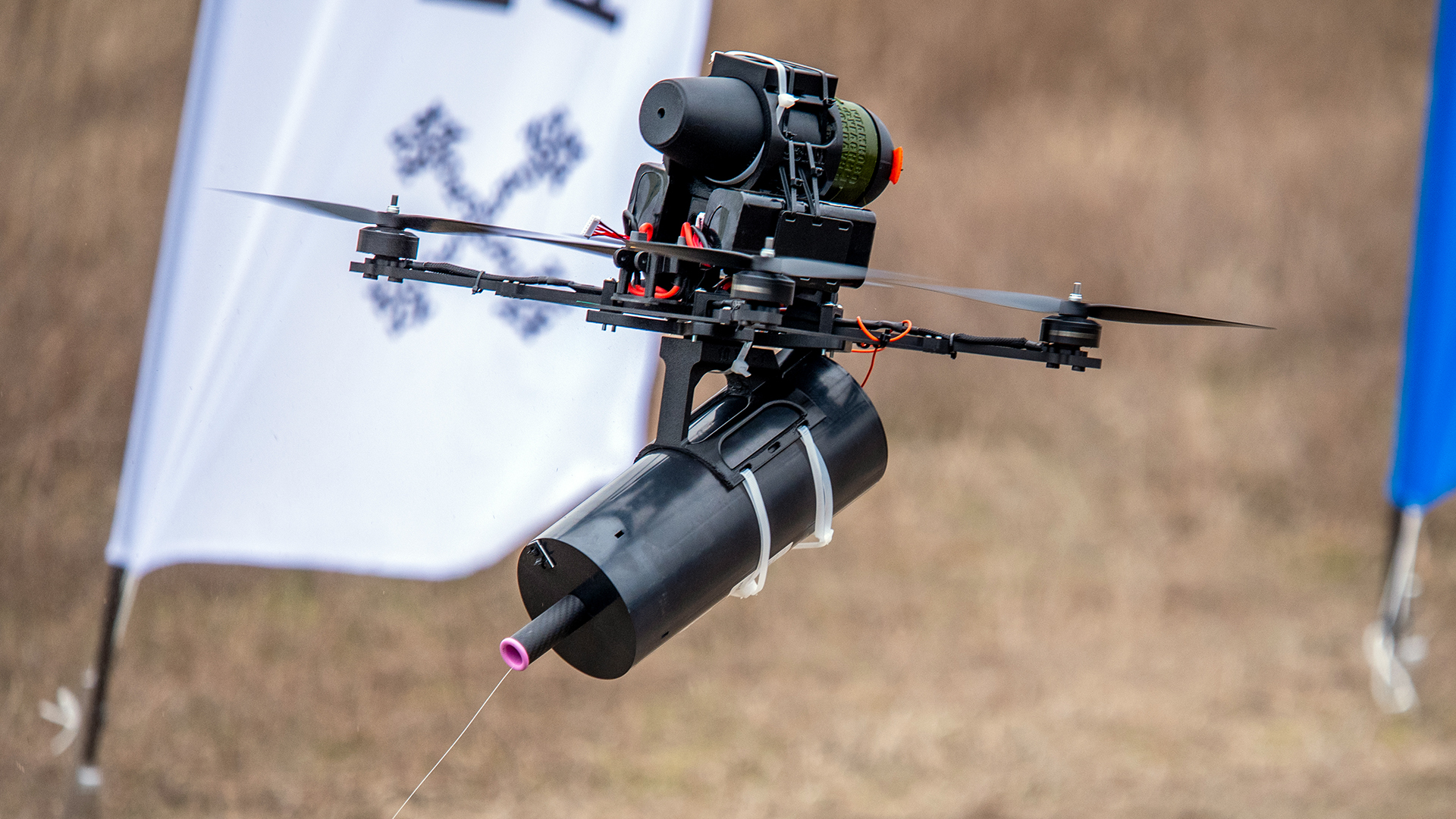
Over the past several years, drones controlled by long and thin fiber optic wires have become ubiquitous in the Ukraine war because they are unjammable and the link to its controller isn’t degraded by terrain or other obstacles. Now, the FBI wants to add them to its crime-fighting arsenal.
On Thursday, the Bureau issued a request for information (RFI) from vendors who can provide it with fiber optic drones. Additionally, it is also seeking new radio-frequency-controlled drones.
The “FBI is responsible for the investigation of a multitude of federal crimes,” the RFI states. “UAS are used in a variety of facets while responding, and on scene of, various incidents. The FBI would like to seek information and ascertain if vendors are able to supply” both types of drones.
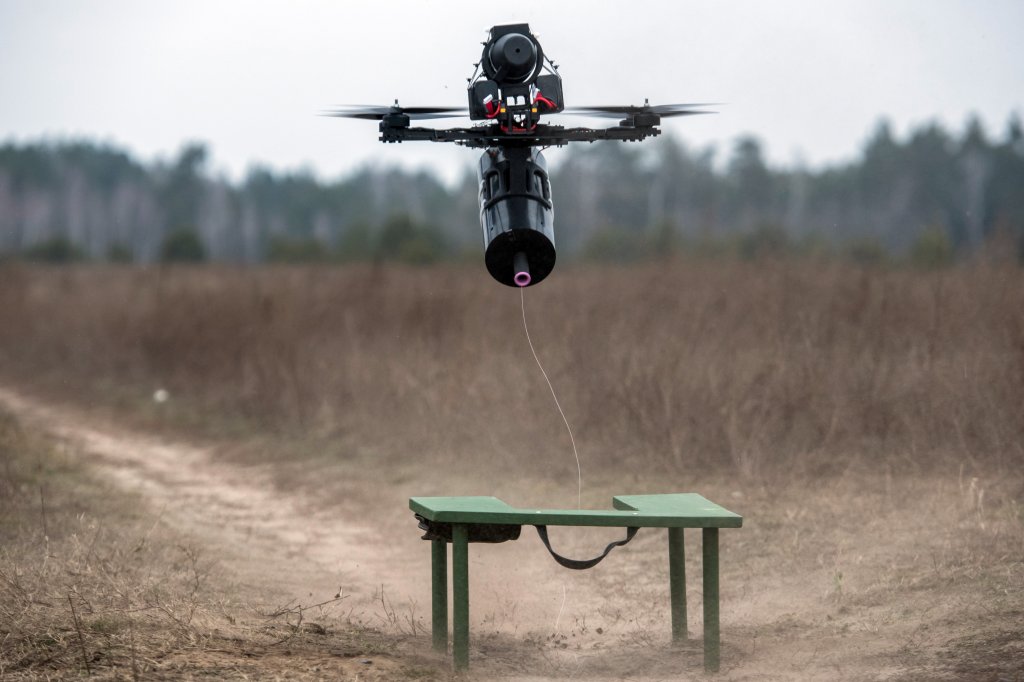
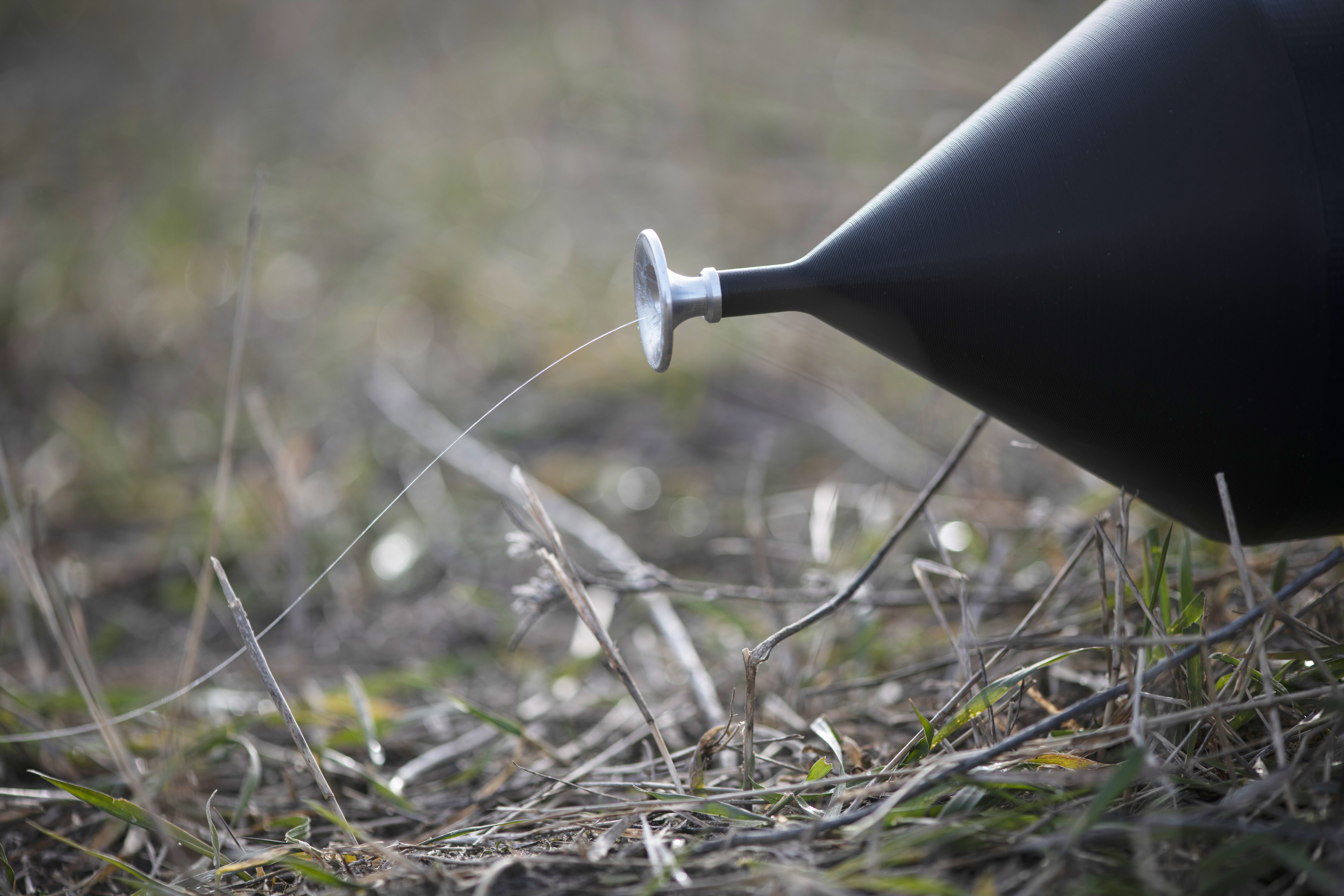
Being impossible to jam compared to their radio frequency counterparts is one advantage of fiber optic wire-controlled drones. Operating drones in structures and other confined spaces with no line-of-sight and many barriers between the controller and the drone can be a major challenge as radio signals quickly degrade in these environments. Fiber optic-controlled drones do not have this problem as the connection is hard wired between the drone and control. While fiber optic drones offer some advantages, there are disadvantages as well. They are less maneuverable than radio-controlled drones and their wires can get tangled or cut. They also have to use valuable payload and energy to carry around a large spool that can contain miles of wire.
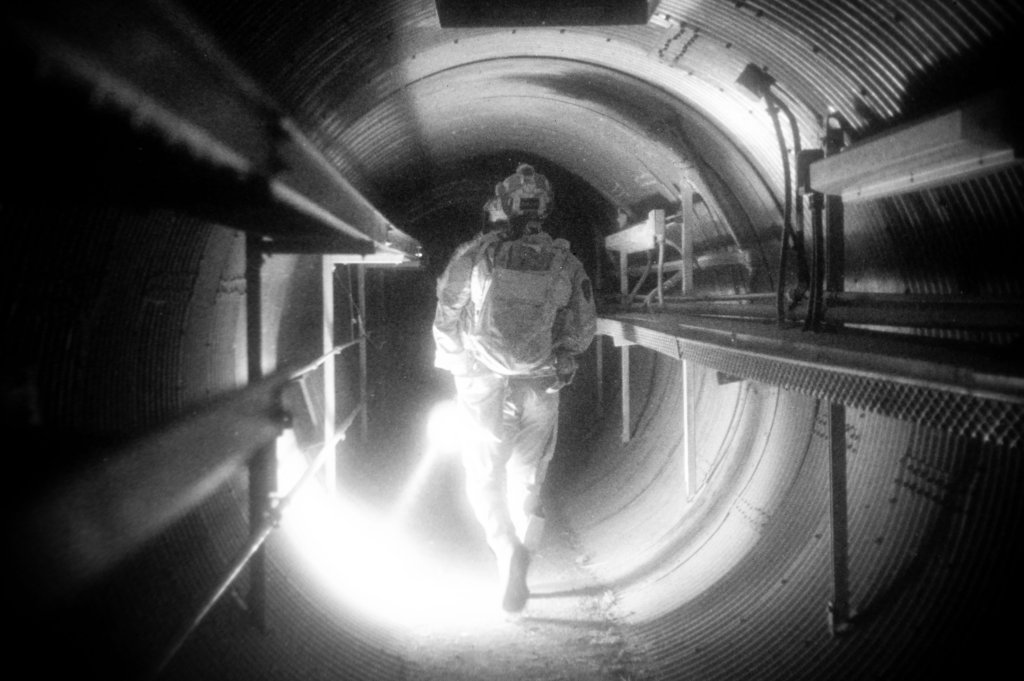
The U.S. military is actively interested in overcoming radio frequency-controlled drones’ limitations, especially for fighting in caves and tunnels, which you can read about here. Law enforcement has similar concerns.
Just as on the battlefield, drones are increasingly important to law enforcement.
Federal law enforcement agencies use drones to gather intelligence before and during operations, to identify where suspects are hiding and scout buildings that officers need to enter. This is especially critical for special tactics teams dealing with very high threat and complex scenarios. They can also provide general overwatch of a particular area or crime scene to enhance situational awareness and security during operations. “Drones can serve as a force multiplier by helping officers search for suspects or missing persons, because UAS can survey more ground at a faster pace than officers,” a Congressional Research Service (CRS) report on the use of drones by these agencies noted.
Beyond surveillance, robotic systems have been used by law enforcement to kill before.
From a previous story: “There is something of a precedent already for U.S. law enforcement agencies to use uncrewed systems to carry out lethal attacks on armed or otherwise dangerous individuals as a last resort. In 2016, the Dallas Police Department used a bomb disposal robot to plant an explosive charge that killed Micah Xavier Johnson, who had barricaded himself in a building after killing five police officers and wounding nine more, as well as two civilians. The War Zone highlighted at the time that this could be a sign of things to come.”

Still, we must stress that there is no indication the drones being procured by the FBI would be used in a lethal capacity.
The FBI could also use fiber optic-controlled drones in testing and training, so that it can develop countermeasures against them and learn how to deal with them in the field. The growing concern about the nefarious use of drones in the homeland is a topic we frequently cover.
In addition to seeking fiber optic drones, the FBI is looking to procure an unspecified number of radio-controlled quadcopter drones as well.
The bureau wants models with a minimum flight time of 30 minutes, ruggedized, backpack portable, and protected from dust and water spray. They must also be able to record video, and the ground station control “must have an integrated display to view video from the UAS,” according to the RFI.
In addition, the FBI is looking for drones that cost $12,000 or less.
The Bureau declined to comment on how the new drones would be used. However, the request comes at a time when cartels are increasingly using counter-drone equipment against each other as well as law enforcement. It is also possible that other criminal organizations, individuals or extremist groups the FBI has to investigate could also possess this equipment.
U.S. Customs and Border Protection (CBP) recently sent out a notice warning agents that the Cartel Del Norte has been using equipment that can detect nearby unmanned aircraft systems and disrupt the signal between the operator and the drone, according to the following News Nation report.

An expert on cartels that we contacted concurred that counter-drone tech is a growing problem for law enforcement.
“There is an increase of the use of counter-drone systems targeting U.S. agents along the border,” Stefano Ritondale, chief intelligence officer for Artorias, an AI-driven intelligence company specializing in cartel violence in Mexico, Latin American affairs, and drug trade/organized crime, told us. “However, this is not the primary way cartels employ these systems as cartels view rival cartels as a greater threat than the U.S.”
While not its primary mission, the FBI does see cartels as a growing threat it must defeat.
“The FBI Criminal Division is laser-focused on the cartels’ trafficking of dangerous narcotics, like illicit fentanyl, across our borders,” Jose Perez, the FBI’s assistant director of the Criminal Investigative Division, testified before Congress in June. “As of today, the FBI has over 6,000 cases targeting transnational criminal organizations (TCOs), with over 850 linked to cartel leadership.”
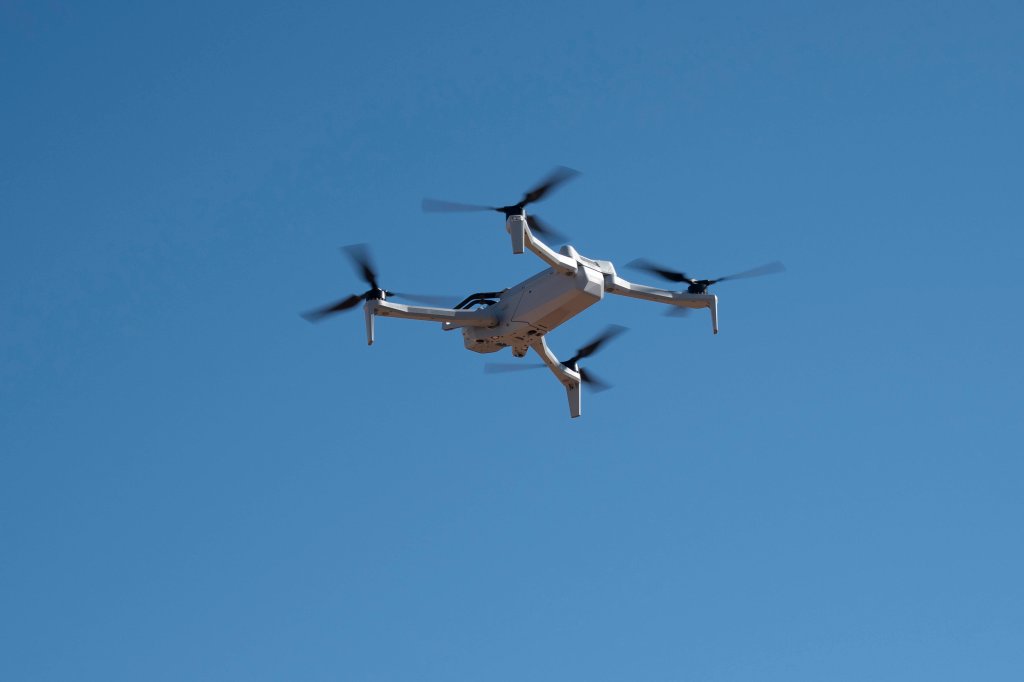
While the threat from drone jammers is growing by advanced crime entities, the need for these drones is likely multi-fold, just as it is on the battlefield in Ukraine, with jamming resistance and the ability to operate in complex terrain and at low altitudes at distance being contributing factors.
As we noted earlier, it’s unlikely the FBI would use any of these systems to attack suspects directly. However, as we previously reported, the bureau last year moved to buy less-than-lethal distraction devices to mount on small hand-launched drones. This would offer a valuable additional way to confuse and disorient hostage takers and other threatening individuals, especially ones barricaded inside buildings.
While the notice at the time did not say which units would get these devices, “the Bureau does have SWAT teams within all of its field offices, as well as at its headquarters in Washington, D.C., along with the elite Hostage Rescue Team (HRT) based in Quantico, Virginia. Despite its name, the HRT is a top-tier domestic U.S. law enforcement special operations unit that is capable of conducting a wide array of direct-action missions,” our story at the time explained.
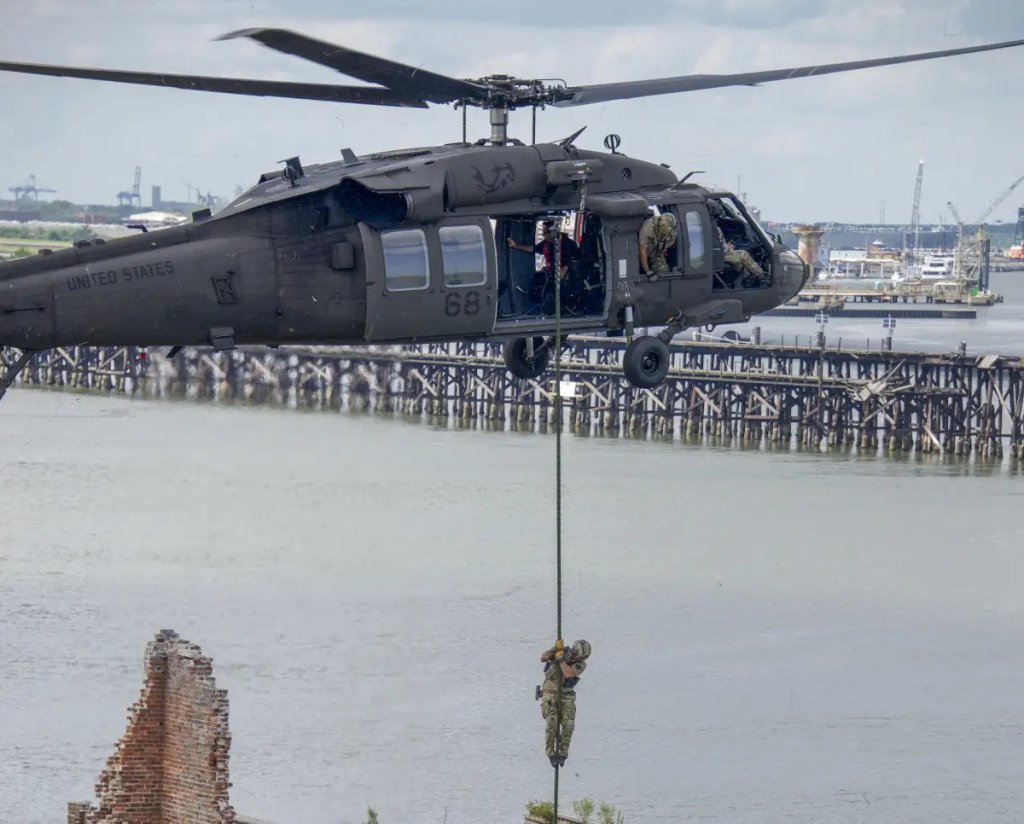
It is unclear if the FBI currently uses fiber optic-controlled drones in any way already or how many it is now seeking. While there are many unknowns about the FBI’s intent, the fact that it is exploring the procurement of such systems is another example of how the battlefields of Ukraine are driving drone technology with a wide range of applications.
Contact the author: howard@thewarzone.com
Loading comments…
Comments couldn’t be loaded. Please refresh the page.