
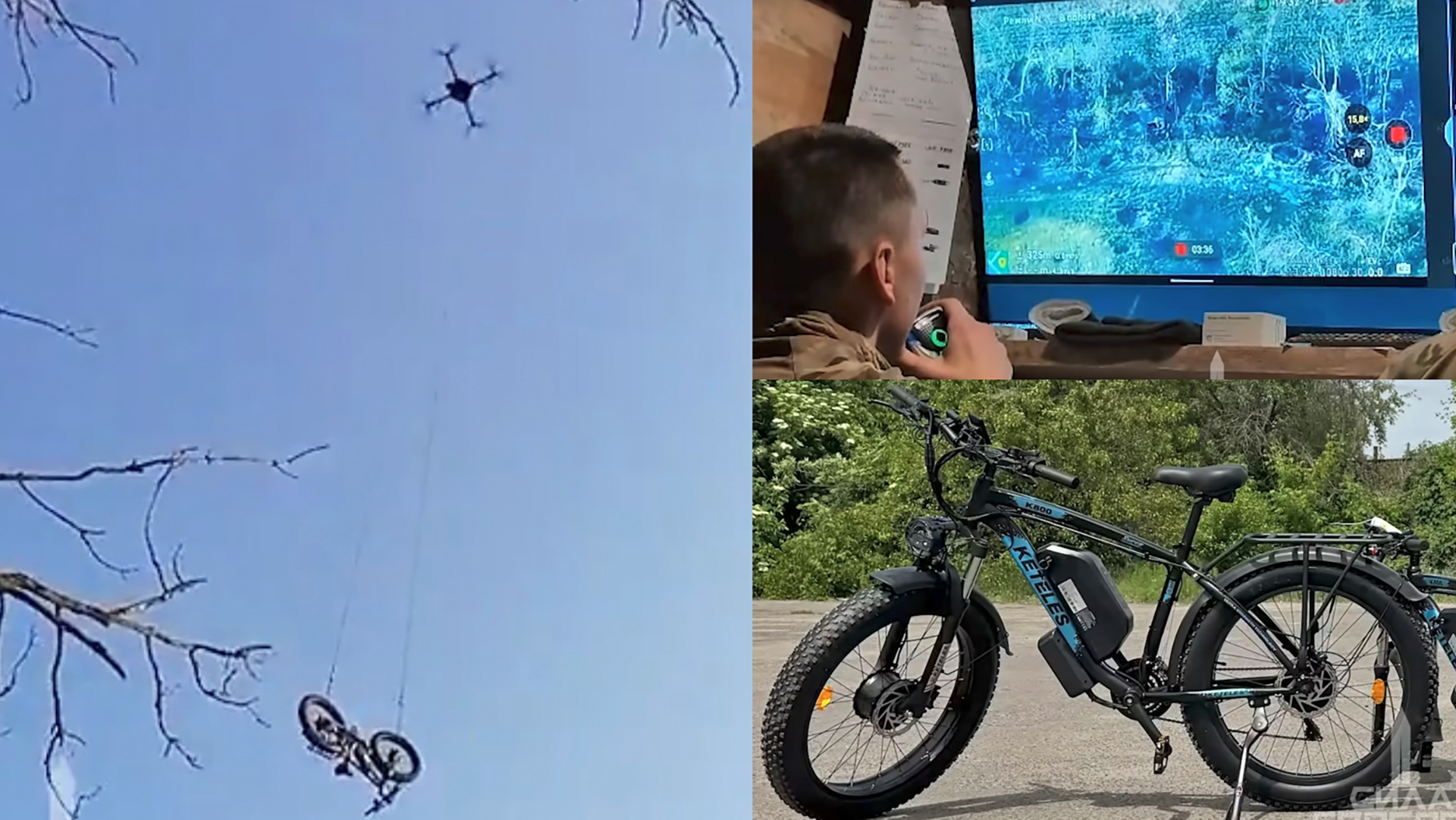
A Ukrainian soldier surrounded by Russians was recently saved in a robotic rescue effort, which highlights rapid changes occurring in combat rescue. Though about a mile behind enemy lines and the last surviving member of his four-man team, the soldier managed to escape thanks to a 40kg (about 88 pounds) electric bike dropped by a large drone.
This operation was the latest in a growing trend of troops being rescued by drones, though most of the time it has been by uncrewed ground vehicles (UGVs). This method of evacuation is increasing as mobility in Ukraine becomes increasingly limited due to the ubiquity of short-range loitering munitions.
The rescue of the soldier, call sign “Tankist,” was captured in a wild video taken by his unit, the Force of Freedom Battalion of the National Guard’s 4th Rapid Reaction Brigade “Rubizh.” The battalion later posted it to their YouTube channel.
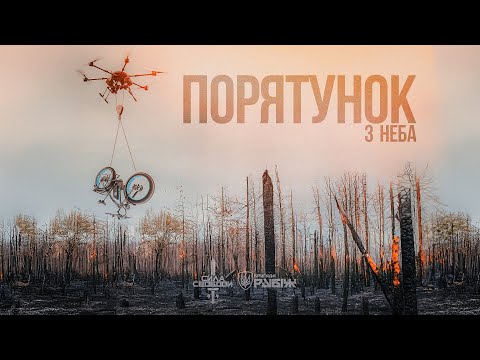
The 16-minute-16-second video opens with a soldier at a monitor observing Tankist through an ISR drone feed and giving him instructions. He had been alone and under fire for about five days, watched all the while by Ukrainian drones.
“Ok, I can hear you. I can hear you fine,” said the soldier at the monitor. “Come on. Let’s start.”
The video then cuts to a drone lowering a bike down to Tankist. However, problems quickly ensued.
The first drop failed because the drone was shot down. The second drop failed because the bike was too heavy.
It was only on the third attempt that Rubizh was able to successfully deliver the bike. However, the soldiers monitoring his escape watched in horror as Tankist hit a landmine just a few hundred yards away from where he picked up the bike.
However, despite the explosion, Tankist only suffered minor injuries and troops finally were able to reach him and take him to a shelter. From there, he finally made it back, thanks to another bike dropped by a drone.
While a highly unusual event, all things considered, the rescue of troops by drone is becoming more common. As we previously reported, both sides have been increasingly relying on UGVs for rescue operations.
“The emphasis on ground drones really has increased in the last 12 to 18 months,” Deborah Fairlamb, co-founder of the Green Flag Ventures investment group, told us. “And it came in the context that it was getting harder and harder to go out and pick up soldiers who were wounded, because every time somebody went out, they were being hit with an FPV from the Russians. So the physical space is so highly contested.”
As a result, “both the Russian and Ukrainian sides really started looking at ground drones to be able to do deliveries, to go pick up wounded soldiers, and move things across areas that they needed to move things across without wanting to send a human.”
These robotic rescue missions are not just being conducted in combat. Recently, a man in China was rescued from rising flood waters by an agricultural drone, an event that was also caught on video.
Given how dangerous it is for troops on either side of the conflict to be out in the open, these types of operations will only increase.
Speed is of particular importance during combat search and rescue and casualty evacuation operations. Medical professionals often talk about the “golden hour,” the first 60 minutes after a serious injury where they have the best chance of saving that person’s life or otherwise preventing serious permanent damage.
In these situations, every second counts, and in Ukraine, anyway, robots are becoming the best options for these increasingly risky rescue missions.
“This is like something out of the world of science fiction,” said one of Tankist’s fellow soldiers.
The reality that combat rescue is changing in a new era of anti-access/area-denial capabilities is not lost on the U.S. Department of Defense. Even for downed pilots, the old days of flying into enemy airspace and plucking troops to safety via helicopter may be outright impossible in future fights. This is due to the long-distances that will be involved in many future air combat scenarios, especially in the Pacific, and the anti-access capabilities proliferating amongst adversaries. If a stealth fighter or bomber backed by all the combined effects the U.S. has to offer couldn’t survive over an area, how will slow-flying rescue helicopters and the aircraft needed to support and protect them? You can read all about this in this previous article of ours.
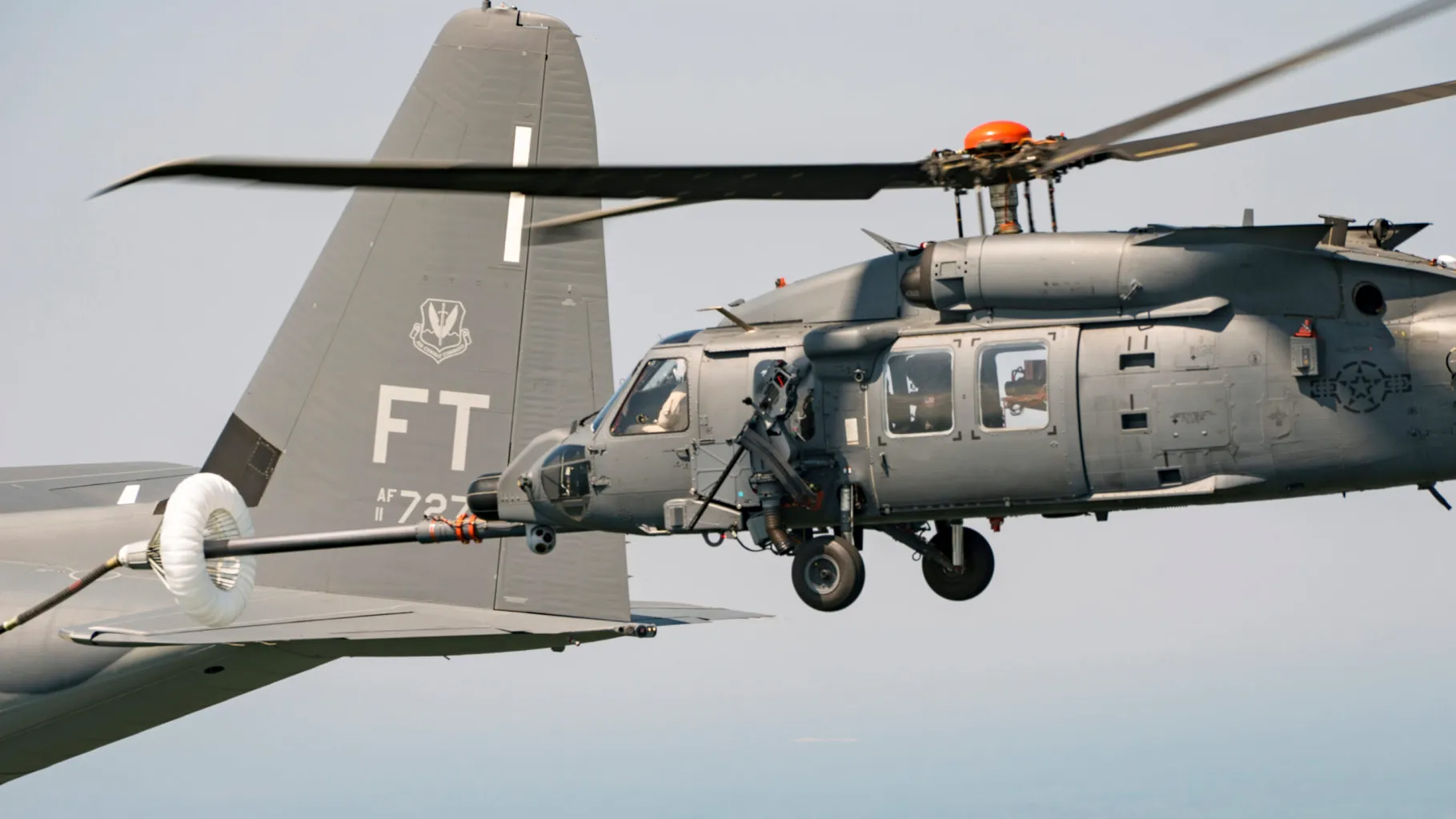
With all this in mind, new ways that will allow personnel to ‘self rescue,’ or at least get to a more favorable area for an assisted rescue, under some circumstances, are being eyed. This may include leveraging new forms of mobility, such as electric flying vehicles, and the use of unmanned rescue aircraft that won’t require many additional lives be put at risk executing a rescue attempt.
So, what we are seeing in the bike-delivering drone video above is this change on a very rudimentary level. It is quite literally a peek at what’s to come on future battlefields.
Contact the author: howard@thewarzone.com
Loading comments…
Comments couldn’t be loaded. Please refresh the page.