
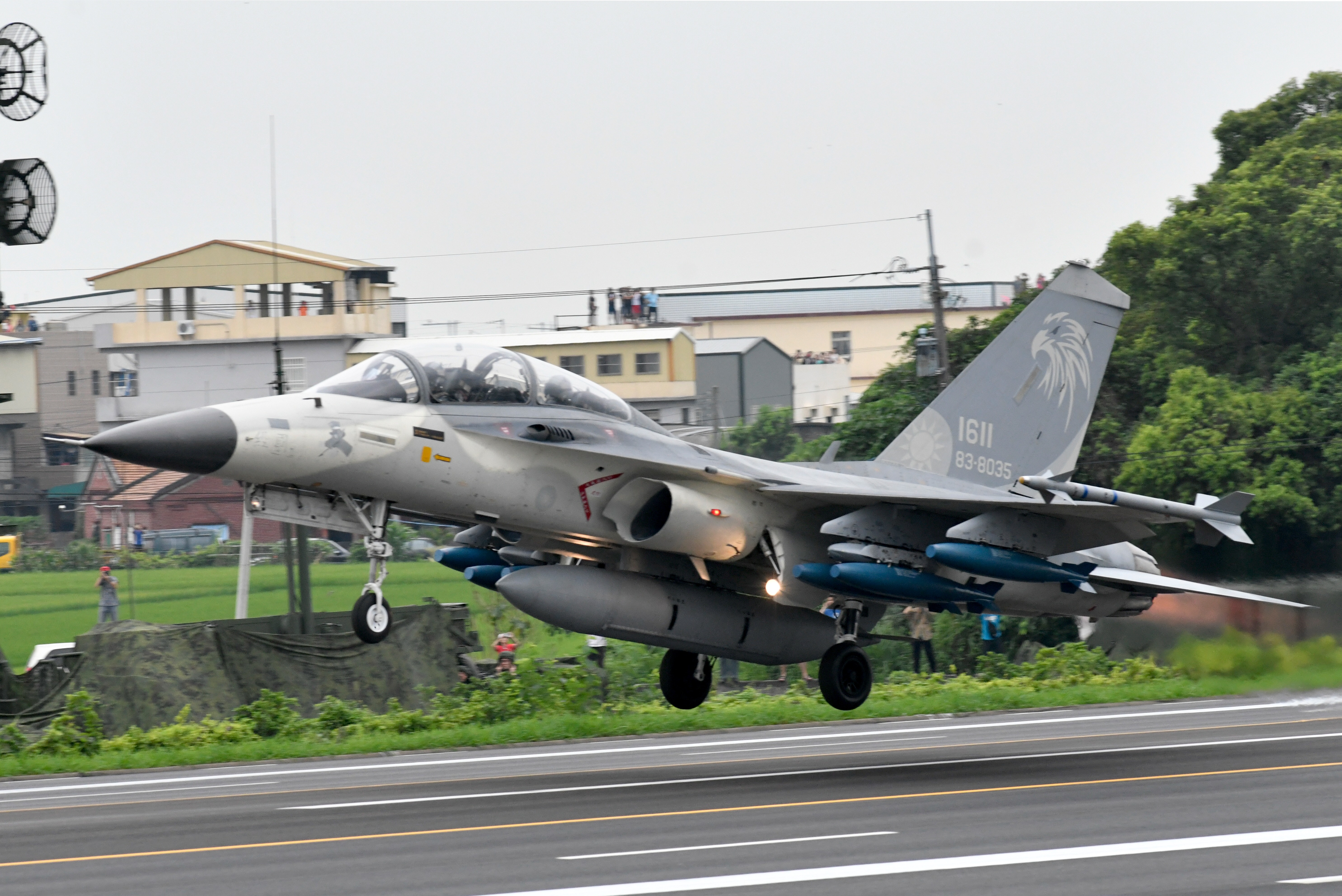
Taiwan is testing a new external electronic countermeasures pod, reportedly due to be integrated on its F-CK-1 Indigenous Defense Fighter (IDF). The multirole combat aircraft has undergone a major upgrade in recent years, but until now has not had anything approaching a comprehensive electronic warfare self-protection capability. This requirement is now even more urgent, as the threat from the Chinese People’s Liberation Army (PLA) continues to grow.
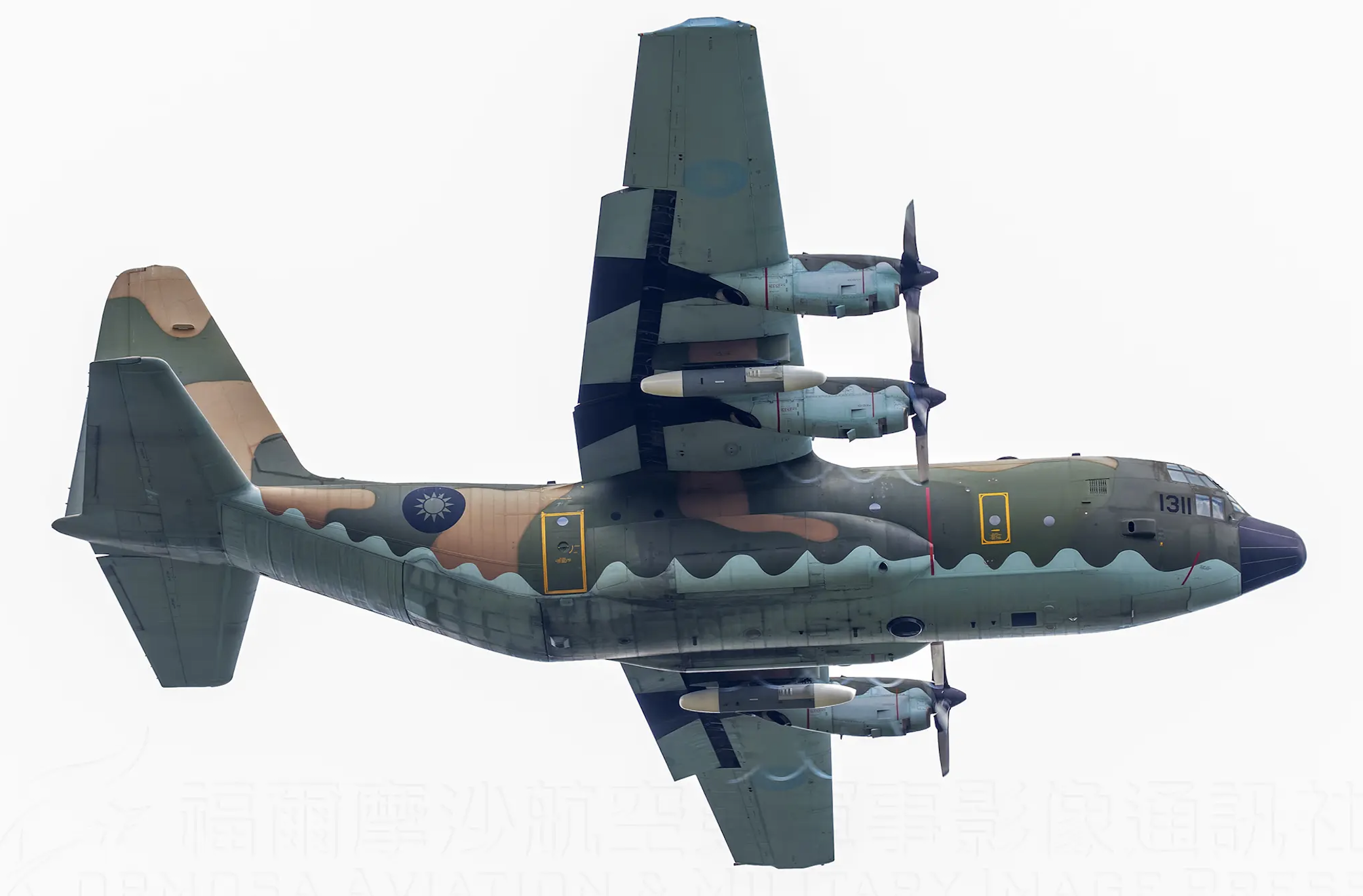
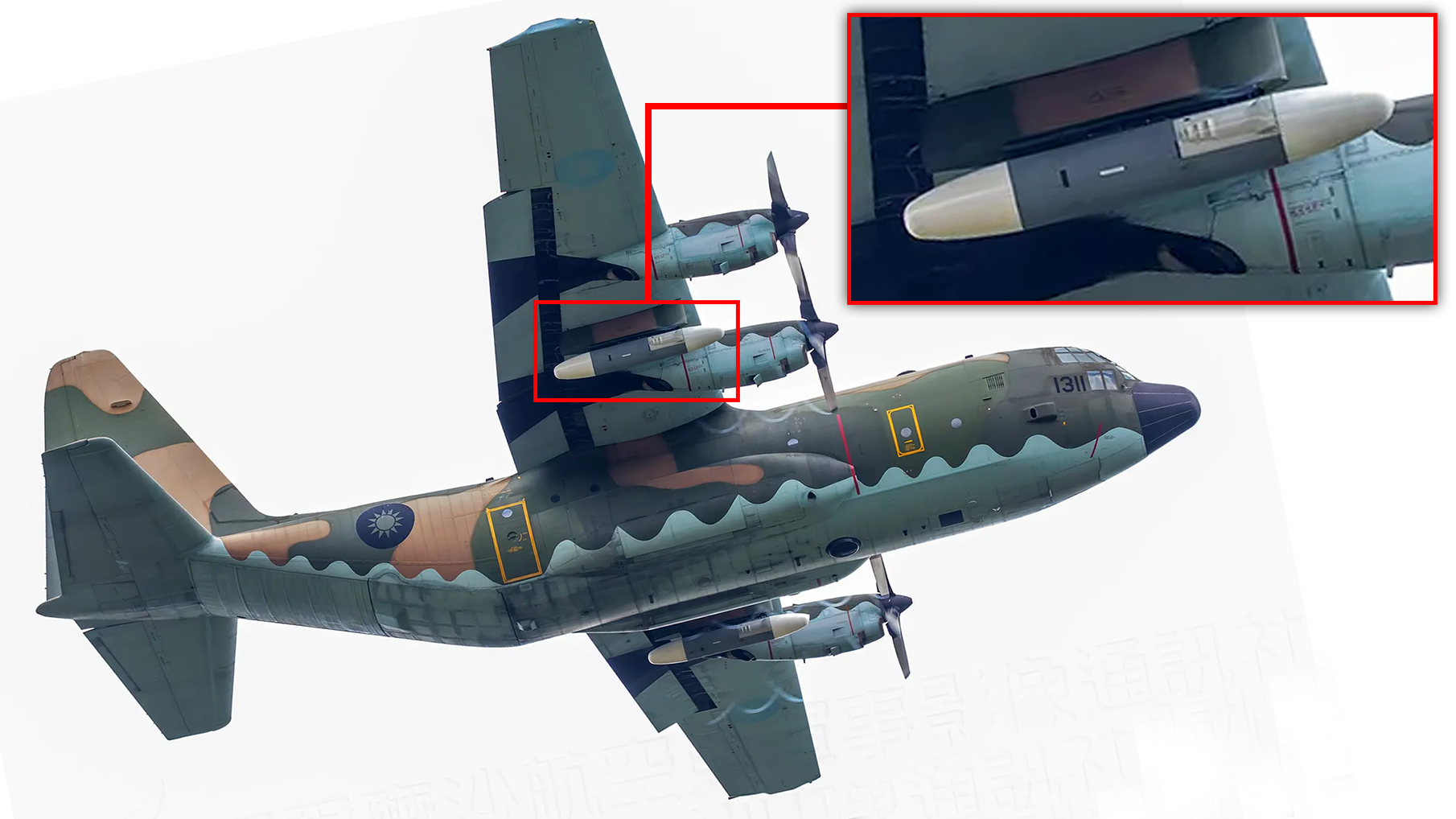
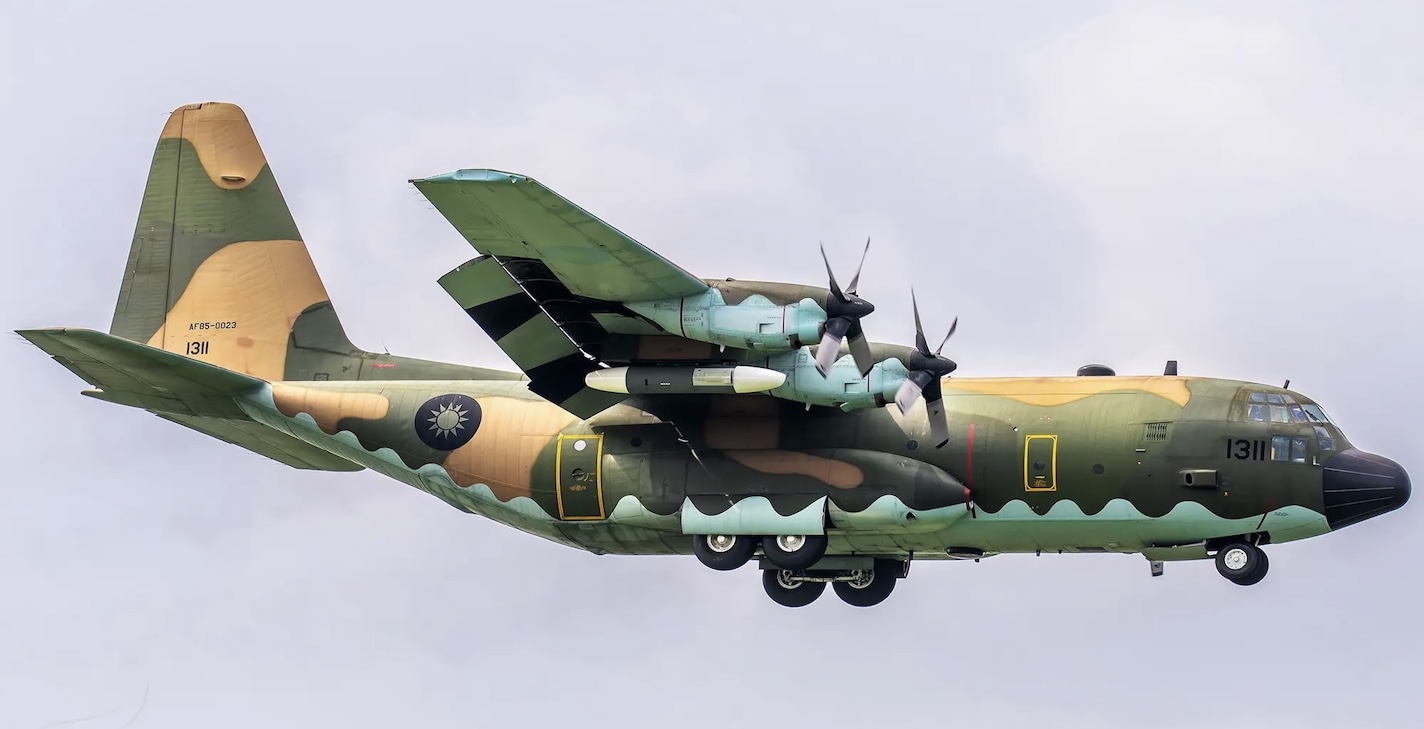
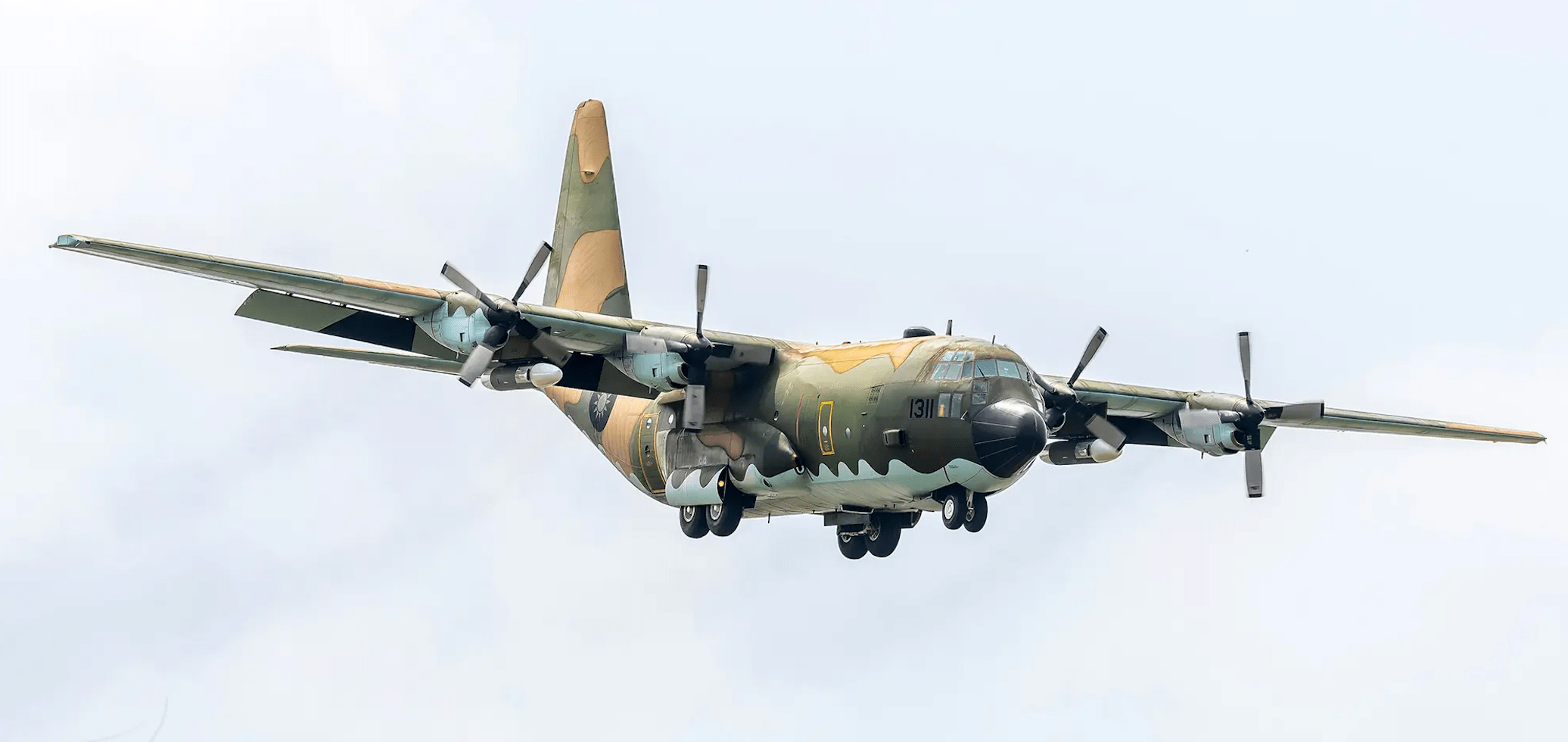
Recent photographs show two of the electronic countermeasures pods fitted to pylons below the wings of a Republic of China Air Force (ROCAF) C-130H Hercules transport aircraft during a test flight. While it’s not certain that the type of pod seen on the C-130 is ultimately intended for the F-CK-1, this seems the most likely option, especially since there is already confirmation that such a store is in development for the IDF.
The program to develop the pod for the F-CK-1 is known as Project Xuan Ji, meaning Black Trident, and it reflects the challenges that Taiwan has faced in acquiring high-end U.S. military technology, forcing it to resort to homegrown solutions in many areas.
The aim of Project Xuan Ji is to create an electronic countermeasures pod broadly analogous to the U.S.-made AN/ALQ-184, used by tactical aircraft, including F-16s of the ROCAF. The AN/ALQ-184 jams or deceives hostile air defense radars, in the air, on the ground, or at sea, that could be used to track and target the host aircraft. In the past, U.S. Air Force personnel have described the pod as “a go/no-go item for a combat mission.”
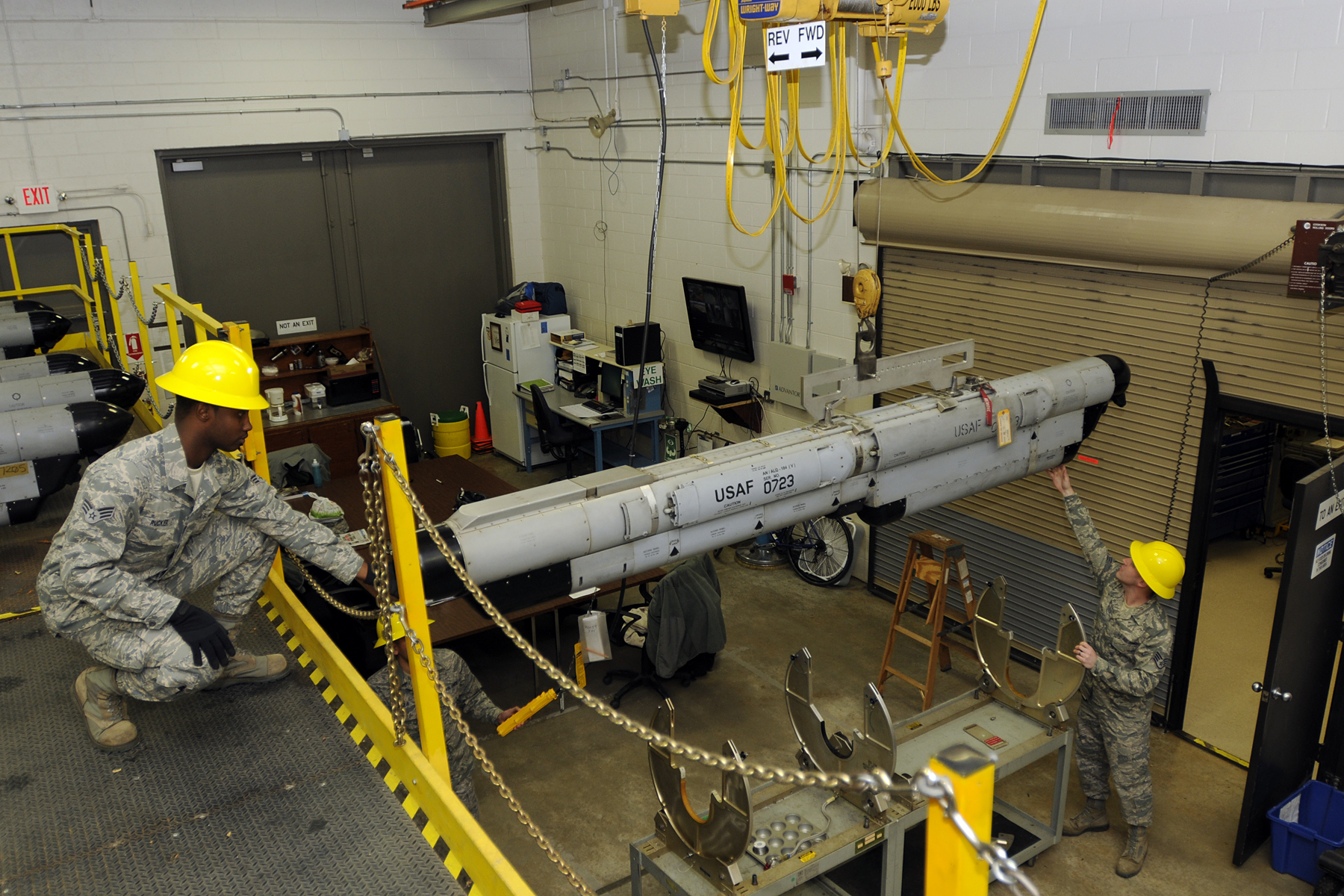
Project Xuan Ji is being run by Taiwan’s state-run National Chung-Shan Institute of Science and Technology (NCSIST), which is responsible for the development, manufacture, and support of various weapons systems.
After the photos appeared, NCSIST and the ROCAF were approached for comment by the Taiwanese media, but neither was willing to comment on the matter “because it involves sensitive national defense information.”
One comment that officials did provide, to Taiwan’s United Daily News (UDN), related to the size of the pod, which is understood to be based on a modified 275-gallon fuel tank.
In response to concerns that the pod looks too large for external carriage on the F-CK-1’s centerline under-fuselage station, an unnamed official told the newspaper that “the equipment tested still has room for improvement.” The matter of size is important, since the ROCAF previously looked at the possibility of integrating the U.S.-made ALQ-184(V)11 electronic countermeasures pod on the F-CK-1, but abandoned this due to its large dimensions.

According to Taiwanese reports, the defense ministry has, since 2020, allocated around $135 million in research funding to NCIST for Project Xuan Ji. The project was originally scheduled to conclude in 2023, but has been delayed.
It appears that the initial development of the homegrown pod was stymied by U.S. export restrictions on certain key technologies and components, but these have since been overcome.
By 2023, the new pod had reportedly been built, but series production couldn’t be launched, again due to U.S. restrictions. These led to more delays, although it’s now claimed that an unidentified U.S. company has stepped in to carry out joint development and speed the path to service entry.
As for the C-130, this is judged better suited for the task of testing the pod than an F-CK-1, due to its spacious cabin and stable flight characteristics. The Hercules can also carry additional test equipment as well as a dedicated operator station in the rear cabin, from where the pod’s performance can be monitored in real time. The C-130 could also benefit from these pods and using similar systems designed for fighters with the C-130 in an operational sense isn’t new. The Dutch have equipped their C-130s with wingtip EW pods, for instance. So, Taiwanese C-130s could end up using the pod too, either for self protection or in a EW support role.
For operational F-CK-1s, which have now been upgraded to F-CK-1C/D standard, the new pod will be a significant development. Until now, these aircraft had relied only on radar warning receivers (RWR) for self-protection. While these alert the pilot to hostile air defense radars, they are not able to jam them. The RWR on the F-CK-1C/D has reportedly also been upgraded, using equipment imported from Italy, likely from the Leonardo company, although it’s unclear if this has progressed beyond practical studies.
As Roy Choo, a defense journalist and TWZ contributor, explained: “The F-CK-1’s lack of an electronic countermeasures system over more than three decades of service underscores the limitations of Taiwan’s domestic defense industry, as well as the broader challenges imposed by its geopolitical status. It also reflects a concerning lack of urgency within the defense establishment regarding capability development. Until a functional electronic countermeasures system is integrated, the survivability of the F-CK-1 fleet remains highly questionable in any potential conflict with mainland China.”
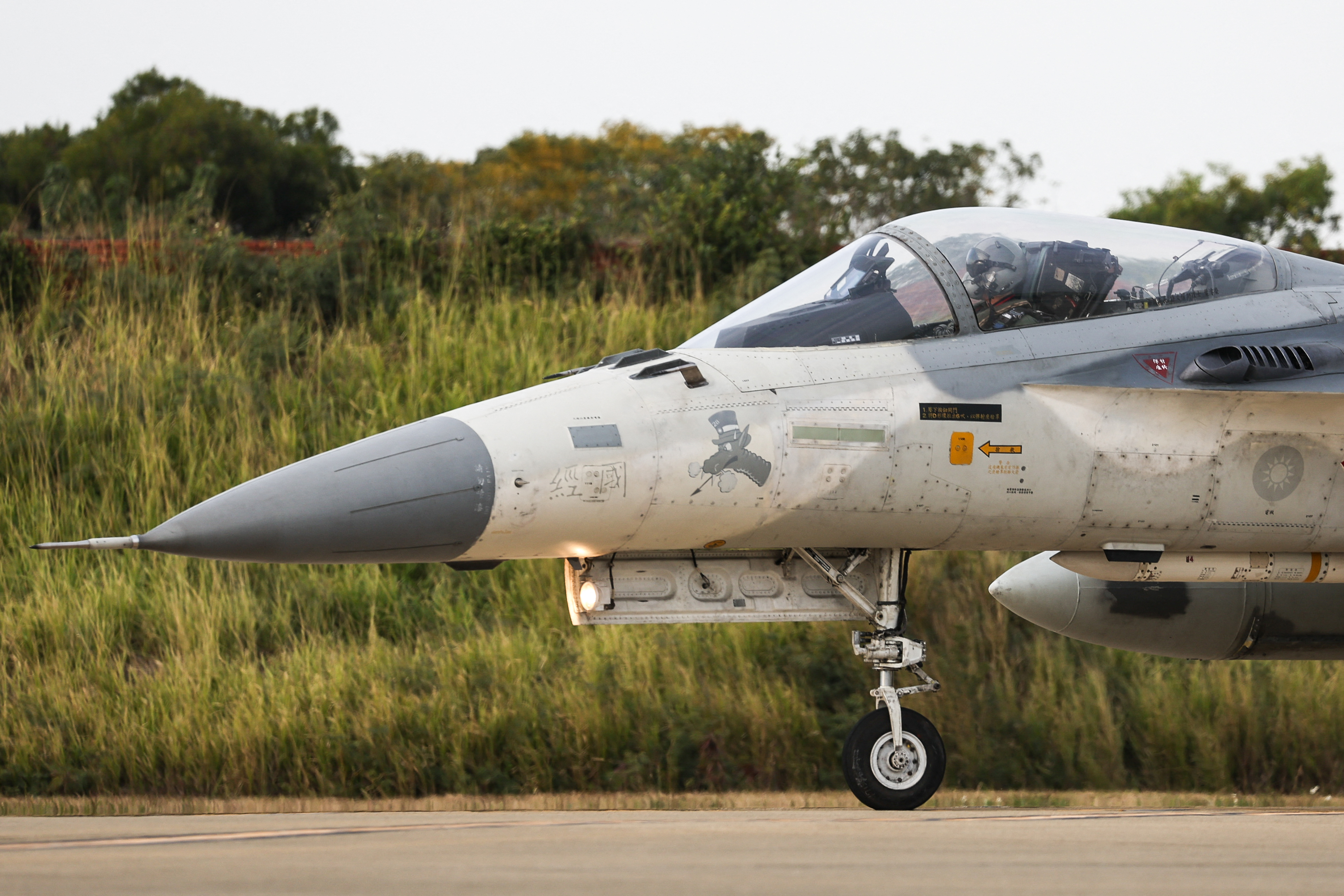
While it remains to be seen whether the pod developed under Project Xuan Ji meets all the ROCAF’s requirements and finally enters production and frontline service, it’s clear that the F-CK-1C/D has added some important new capabilities to better match the threat from the Chinese mainland. In all, 129 aircraft were upgraded.
The upgraded F-CK-1C/D aircraft features a more advanced cockpit with three color multifunction displays and a more powerful flight-control computer. The radar is more reliable and has added new operating modes. New weapons include the Wan Chien cruise missile, which carries a submunitions warhead over a distance of more than 125 miles. Currently, a new supersonic anti-ship cruise missile is also being tested, as you can read about here. Once fielded, this will provide the fighter with a powerful new capability to better counter China’s growing naval might.
Although the F-CK-1C/D fleet is outnumbered by the ROCAF’s F-16s, 140 of which are in service, with more on order, the homegrown fighter remains a prized asset. In particular, it’s valued for its rapid scramble time, which means it can respond to threats more quickly than the F-16 or Mirage 2000.
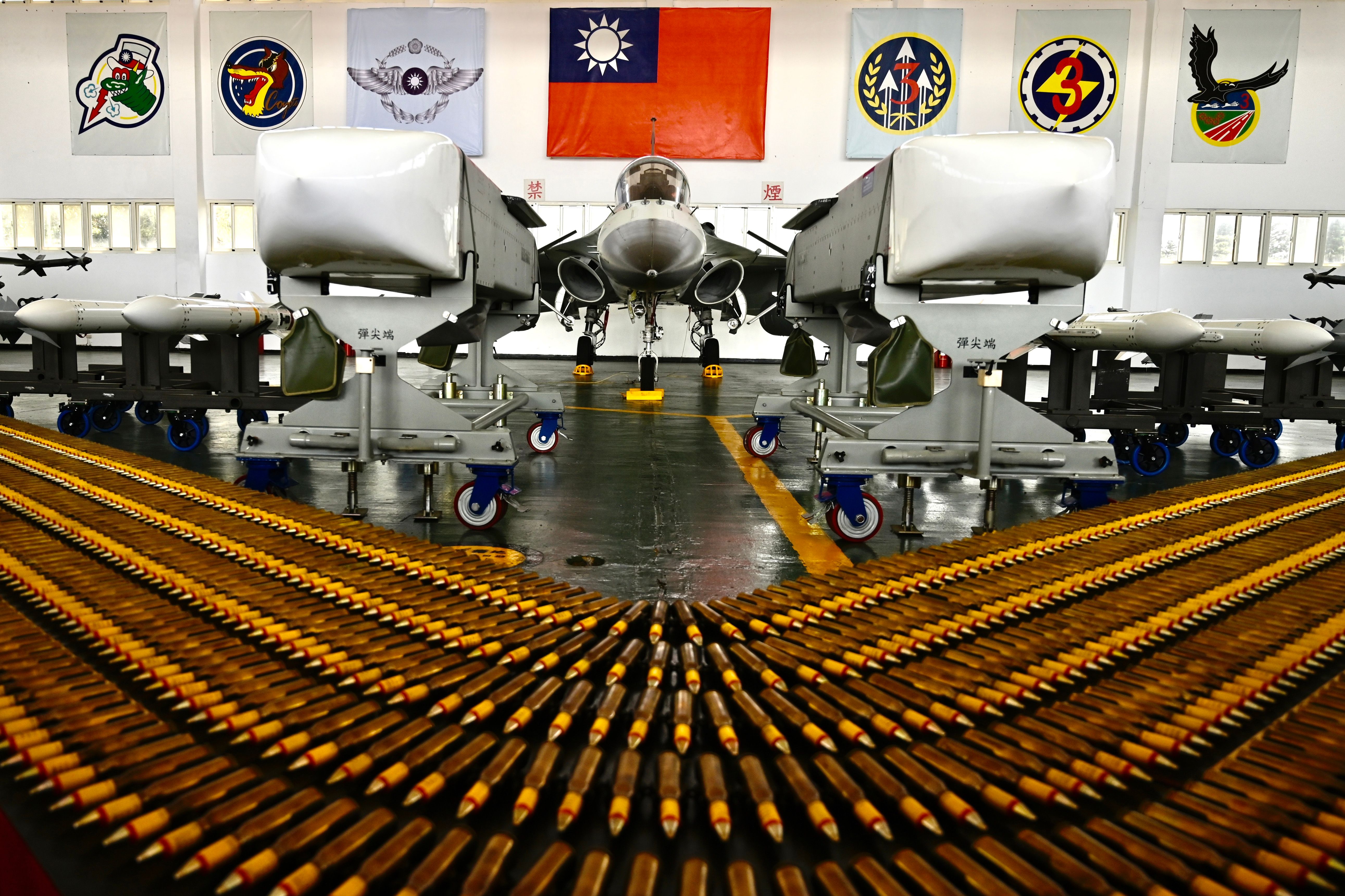
Meanwhile, with the AN/ALQ-184 now in ROCAF service for more than two decades, Taiwan is also seeking to acquire more advanced airborne electronic warfare systems from the United States. According to local reports, Taiwan expects to receive the L3Harris AN/ALQ-254(V)1 Viper Shield all-digital electronic warfare suite for its new batch of 66 new-production Block 70 F-16C/Ds, and perhaps also for its upgraded F-16Vs. Taiwan’s acquisition of new-production Block 70 jets, which will have a configuration similar but not identical to its F-16Vs, is now experiencing delays, as you can read more about here. The U.S. government approved the sale of these advanced F-16s to Taiwan back in 2019.
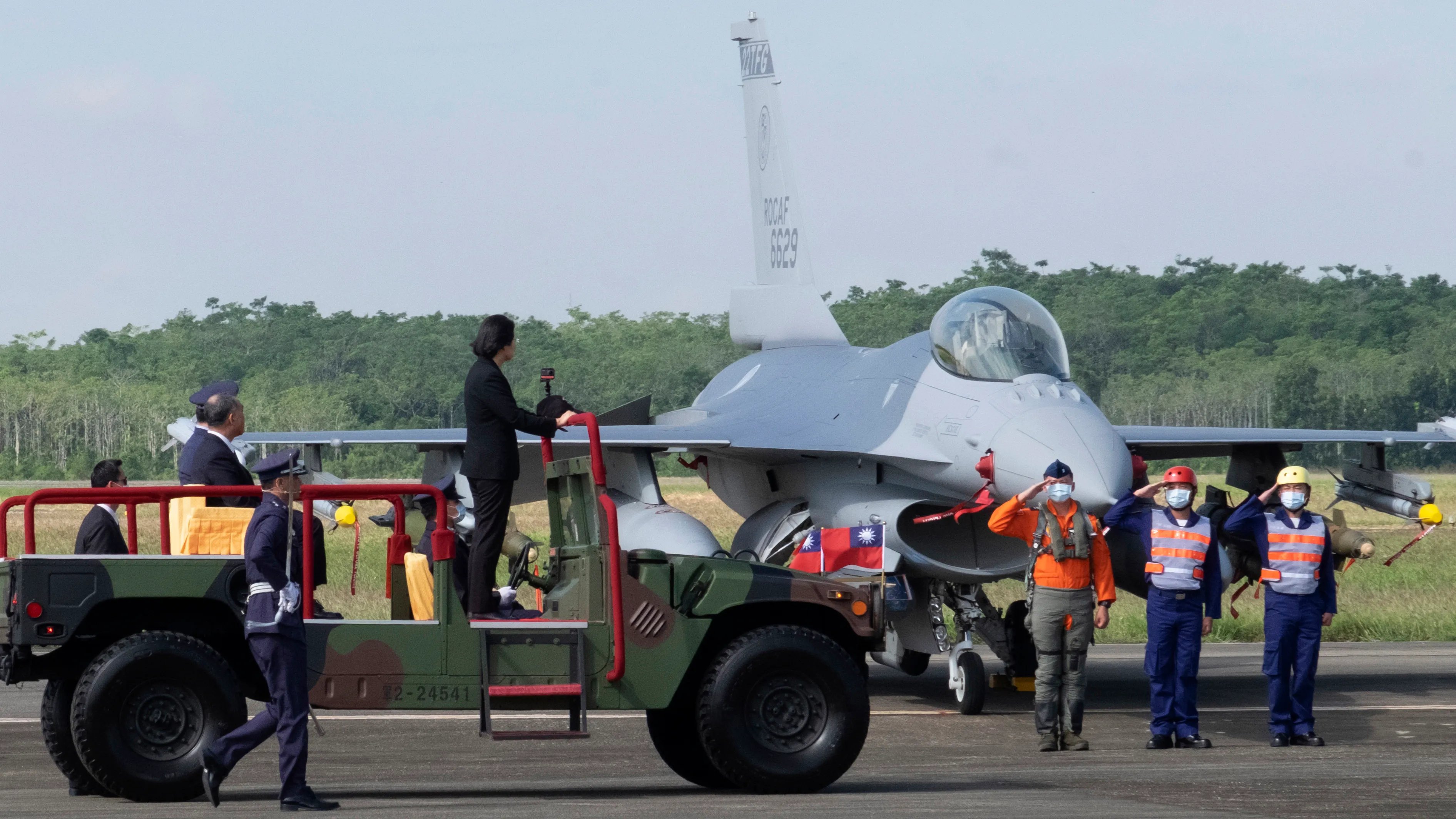
Addressing the self-protection capabilities of the ROCAF’s fighter fleet is of particular importance, with fears steadily growing about the potential for a Chinese military intervention against Taiwan sometime before the end of the decade. U.S. military officials have publicly stated they believe the PLA could feel confident in its ability to successfully carry out such an operation by 2027, if not earlier.
In recent years, China has made huge investments in electronic warfare across the board, with the PLA now operating dedicated electronic warfare tactical jets and providing others with advanced self-protection EW suites and podded systems. It has also adapted transports with powerful standoff electronic warfare capabilities. Naval assets with increasingly capable electronic warfare suites are also being rapidly fielded by the PLA. There are also land-based systems, as well. All these types of assets and more would be in very close proximity to Taiwan during a major conflict with mainland China.
Were such a scenario to play out, the ROCAF would require every possible means of helping to ensure the survival of its fighters against a vastly numerically superior and increasingly technically-advanced adversary.
With thanks to Roy Choo for his assistance in preparing this article.
Contact the author: thomas@thewarzone.com
Loading comments…
Comments couldn’t be loaded. Please refresh the page.