
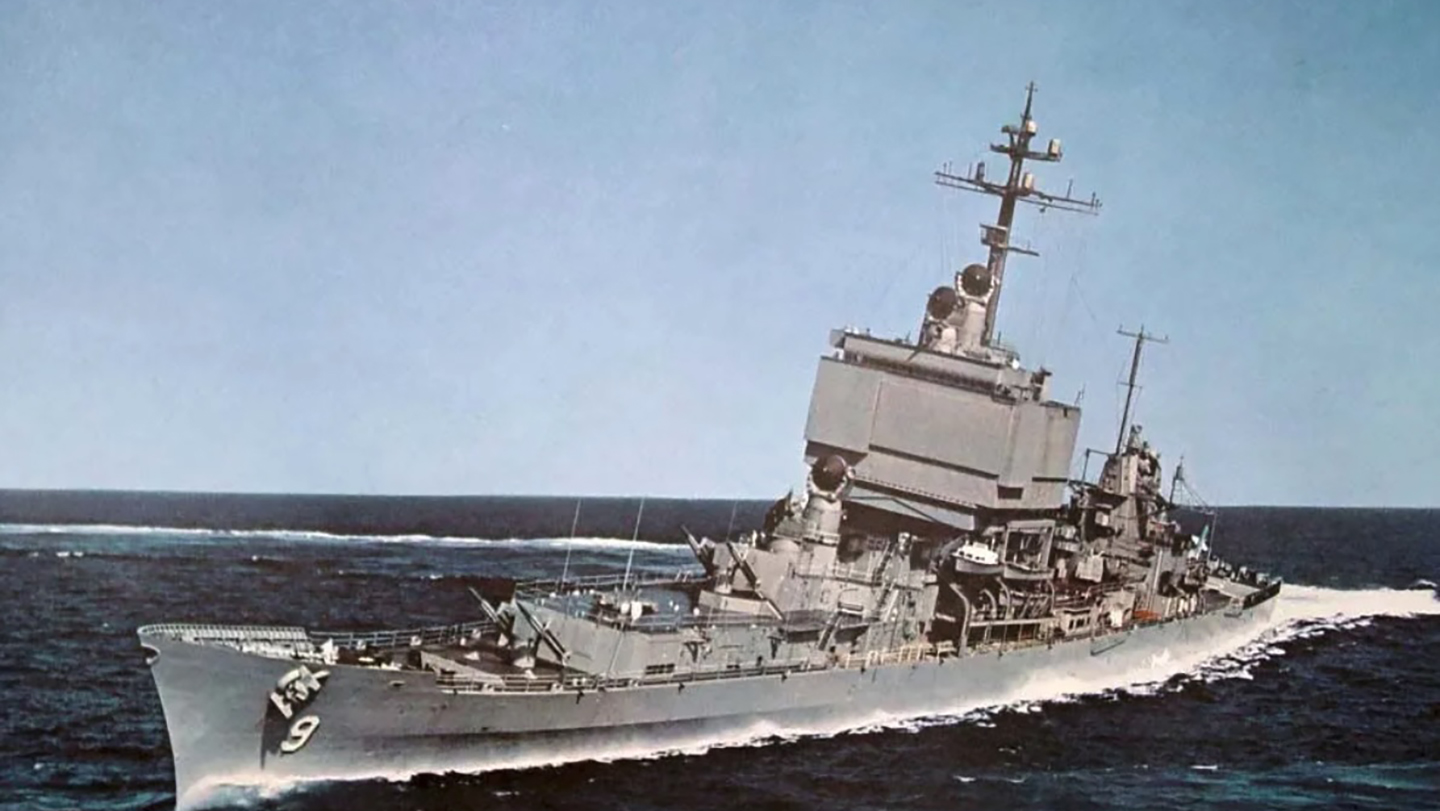
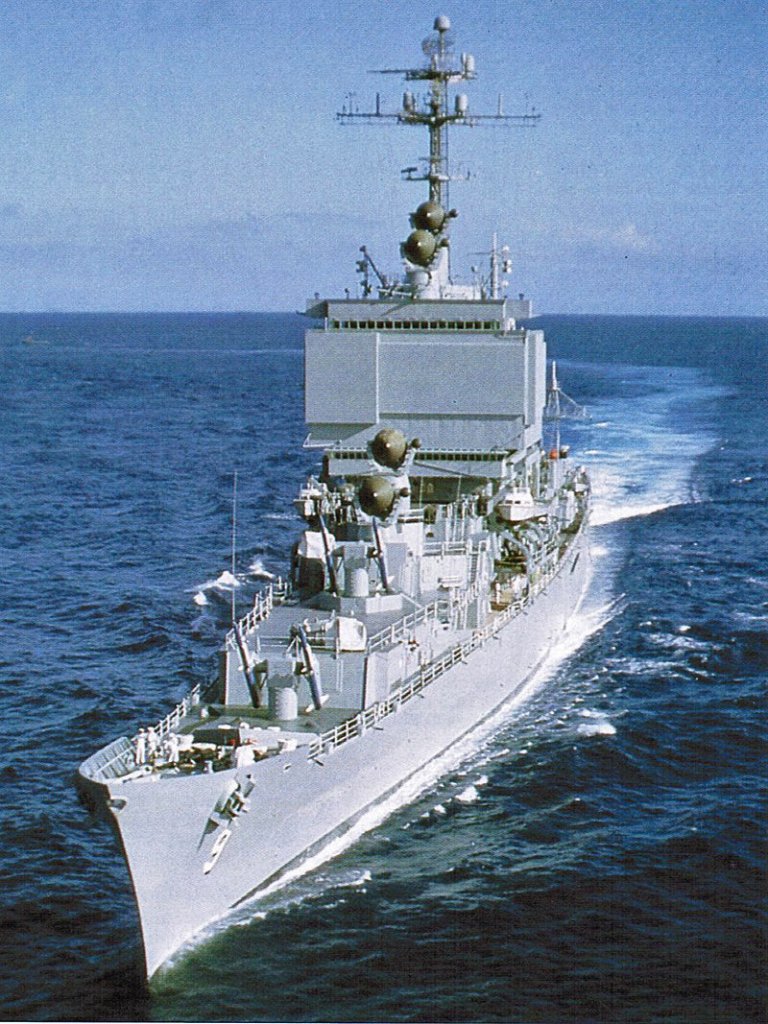
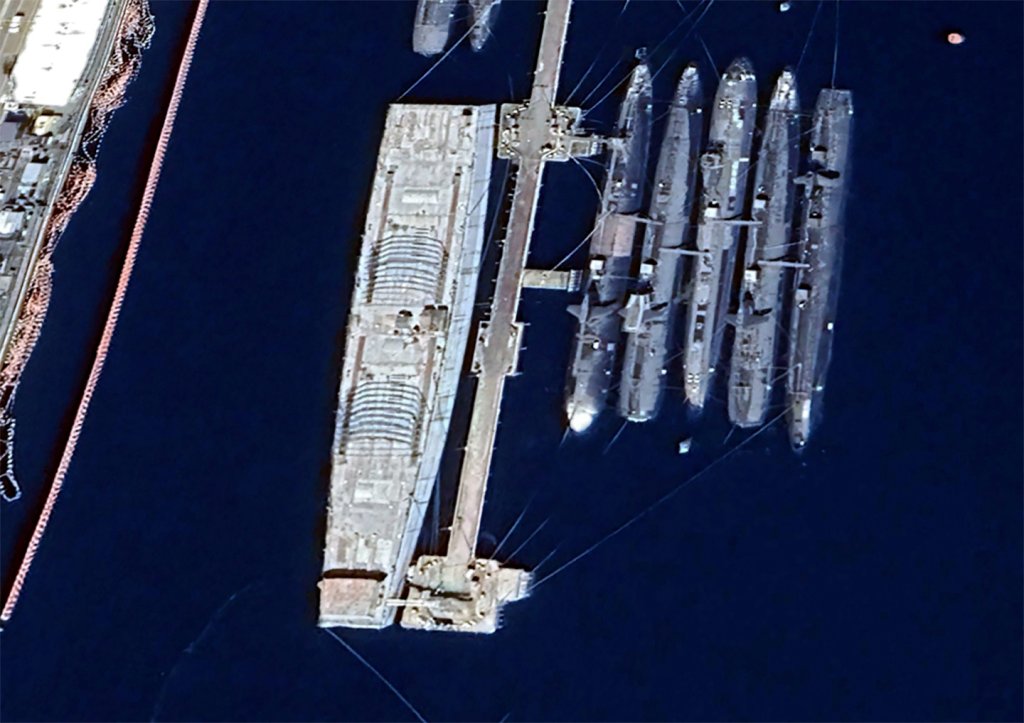
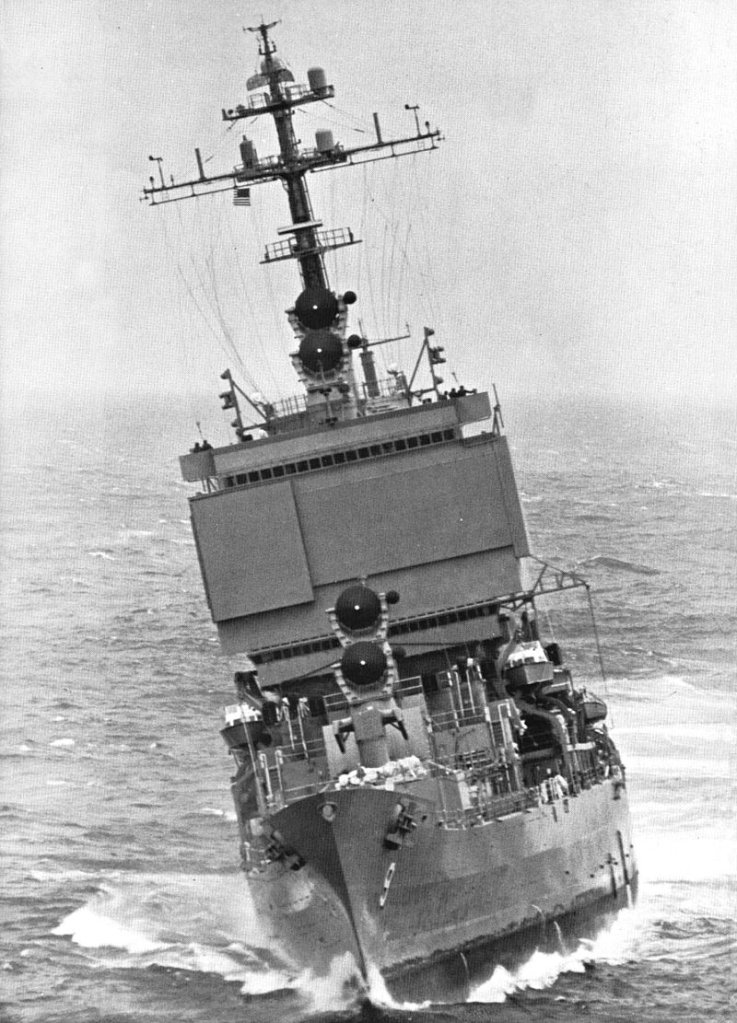
More than three decades after decommissioning the USS Long Beach, the Navy is finally preparing to dispose of what’s left of the world’s first nuclear-powered surface combatant. The cruiser – which already had its distinctive boxy superstructure as well as its bow and stern sections removed – has been moored at Puget Sound Naval Shipyard and Intermediate Maintenance Facility since being decommissioned in 1995.
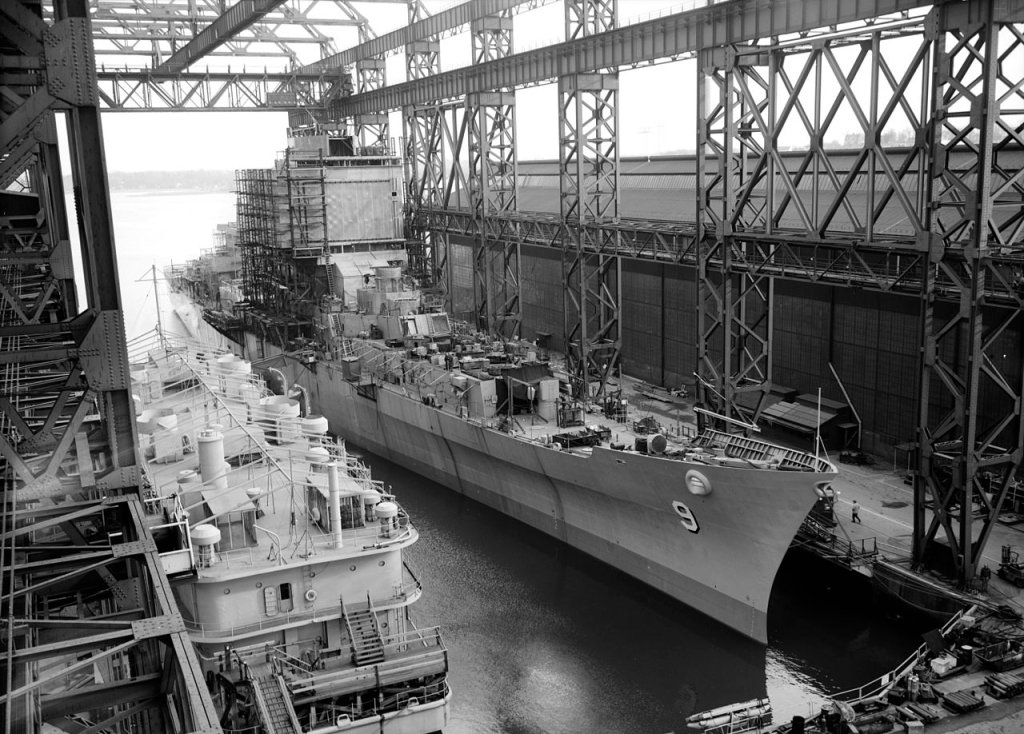
After a long process to determine what to do with Long Beach, the Navy on Wednesday put out a call for companies willing and able to perform the extremely complex and lengthy operation to transport, dismantle, de-militarize, and dispose of what was once a 721-foot-long ship that displaced 15,540 tons, including its two defueled reactor plants. Long Beach was launched in 1959 and commissioned two years later.
You can read more about the ship, its unique character, armaments and exploits in our two-part interview with a master chief who served on Long Beach here and here.
This marks just the second time the Navy has opted to select a commercial yard to dismantle a nuclear-powered warship. The first was the ex-USS Enterprise, the world’s first nuclear-powered aircraft carrier from the same era as Long Beach. It is vastly more complex and expensive to dispose of nuclear-powered vessels than conventionally powered ones because of all the radiological concerns, even long after the reactors have been defueled.
We’ll get into more details about how difficult, time-consuming and costly a process this could be later in this story when we examine the pitfalls of the Enterprise situation, admittedly a much more complex undertaking for various reasons we will explain. However, first we need to understand how Long Beach got to this point.
The decision to go forward with the Long Beach dismantling process came after a Naval Vessel Historical Evaluation (NVHE) in April determined that the ship was ineligible for listing in the National Register of Historic Places (NRHP) despite its history as the first surface combatant ever to have nuclear propulsion and combat service that ranged from the Vietnam War to Operation Desert Storm.

“The ship was deactivated in 1994 and towed to Newport News Shipbuilding where the entire superstructure was removed and the reactors were defueled,” according to the NVHE. “After this work was completed in the winter of 1995, the hull was towed through the Panama Canal to Puget Sound where it has been waiting to be recycled.”
In 2012, the ship was sold for scrap.
“Long Beach had 10,000 tons of steel, 300 miles of electrical cable and 450 tons of aluminum, earning it the voice radio call sign ‘Alcoa’ after the aluminum maker of the same name,” Reuters reported at the time.
“More than a dozen scrap dealers have expressed interest in taking part in sealed online bidding for the hull, with more than 7.35 million pounds (3.33 million kg) of steel, aluminum and copper wiring, galley equipment, tables, chairs, lockers and bunks,” Government Liquidation president Tom Burton told the news outlet.
“It’s a two-year process but it could take 18 to 26 months,” Burton said. “What’s left is an inert hull.”

It remains unclear what happened to that scrap sale. We reached out to the Navy for answers.
The Puget Sound Naval Shipyard subsequently completed a limited-scope hull preservation availability in 2015 that resulted in the removal of the bow and stern, according to the NVHE records. It was ultimately decided not to save the ship by placing it on the NRHP because “major alterations have been made in design that do not maintain the historic design of the vessel (loss of the superstructure and major hull elements),” the review found. “Character defining features of USN warship have been lost, such as main armament, superstructure, bow, and stern. Does not evoke the aesthetic of a 20th Century USN warship.”
Moreover, a 60-day period for stakeholders to comment expired earlier this month with no responses.
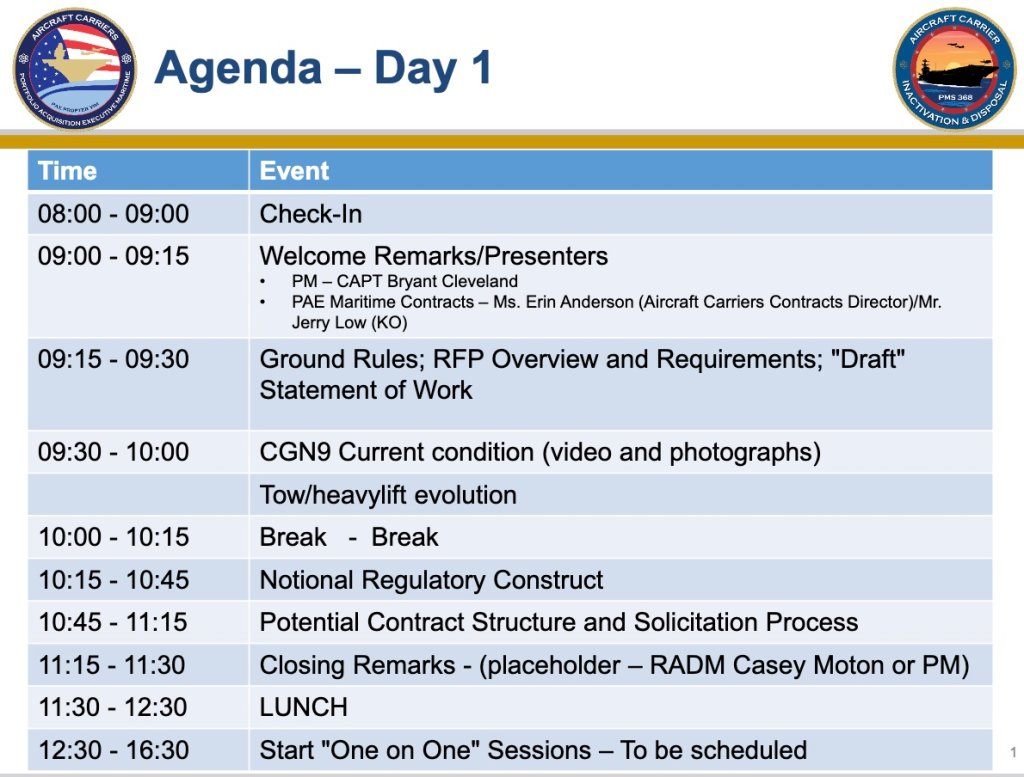
With all the hurdles to ultimate destruction now out of the way, the Navy will host an Industry Day meeting on June 24 and 25 in Washington, D.C. for companies interested in learning more about what is involved in the final dismantling of the USS Long Beach.
Whoever gets the job will first have to transport it from Puget Sound to the shipbreaking yard by “dry transport via semi-submersible barge, deck barge, or semi-submersible heavy lift vessel” because the ship’s “current structural condition precludes an open ocean tow,” according to the RFI.
“Dismantling and disposing of ex-Long Beach is necessary in order to comply with Navy policy for inactive nuclear-powered ships stricken from the Naval Vessel Register, and Naval Nuclear Propulsion Program (NNPP) statutory responsibilities,” the RFI explains. “The requirement for disposal includes dismantling, demilitarizing, and recycling the remnant hull sections at an authorized commercial facility in accordance with applicable federal, state, and local laws, and removing and packaging the reactor plant components for transportation and disposal as low‑level radioactive waste (LLRW) at an authorized radioactive waste facility or facilities.”
There are no timelines or cost estimates associated with the RFI, nor is there any guarantee that a request for proposal will be issued. We’ve reached out to the Navy for more details.
Our past reporting offers some insights into the tremendous time and money it takes to dismantle a nuclear-powered warship, as evidenced by the saga of the aforementioned Enterprise. However, it should be noted that there are some big differences between that vessel and Long Beach. The carrier is far larger and more complex, had eight reactors compared to two, and had less prep work done in advance.
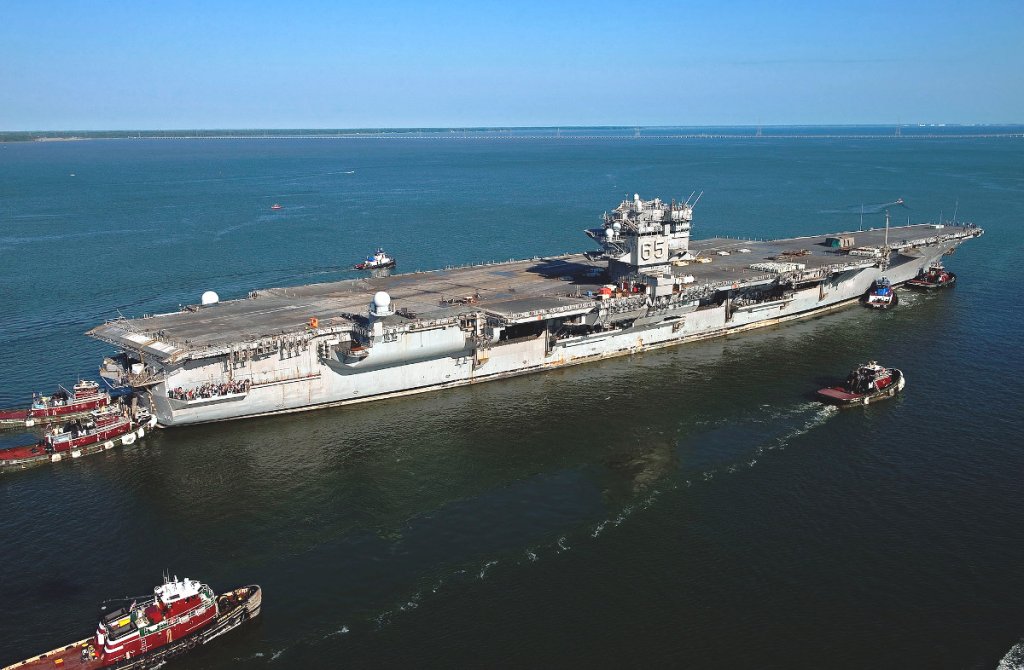
In 2019, the Government Accountability Office found that it could cost the Navy more than $1.5 billion to fully dispose of Enterprise.
The GAO report also stated that a complete process could take more than 15 years to finish.
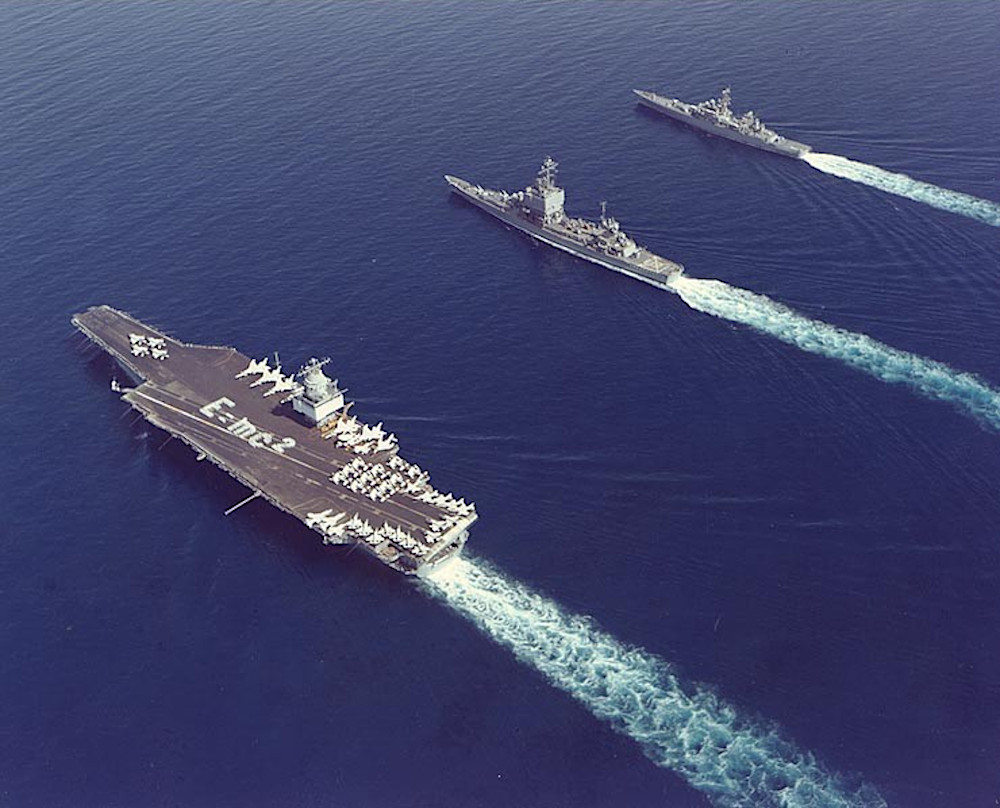
From our previous story about the dismantling of the ship known as the Big E:
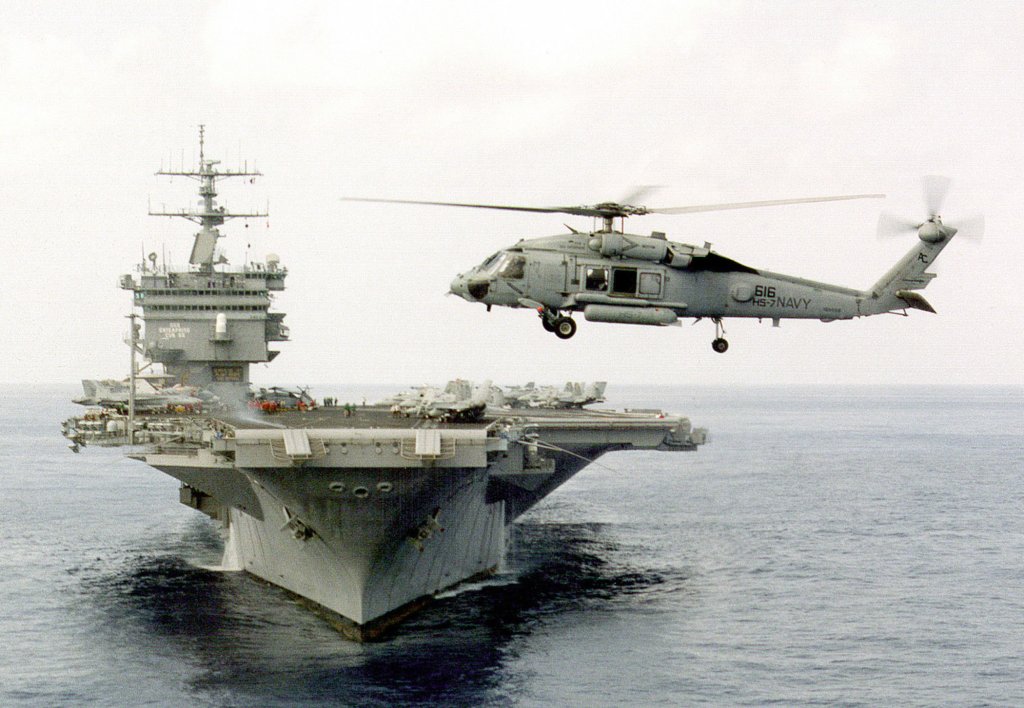
“The Navy officially decommissioned Enterprise, also known by its hull number CVN-65, in February 2017, after more than five decades of service. The ship had already effectively been in mothballs since 2012 and Newport News Shipbuilding completed a lengthy ‘inactivation’ process, which included removing nuclear fuel, mission systems, and other items from the ship, in April 2018.
‘At approximately 76,000 tons, CVN-65 will require an unprecedented level of work to dismantle and dispose of as compared to previous ships,’ GAO’s review, which the congressional office published on Aug. 2, 2018, said. ‘Regardless of the approach the Navy chooses, CVN-65 will set precedents for the processes, costs, and oversight that may be used to dismantle and dispose of nuclear-powered aircraft carriers in the future, such as the Nimitz-class carriers which the Navy will begin to retire in the mid-2020s.’”
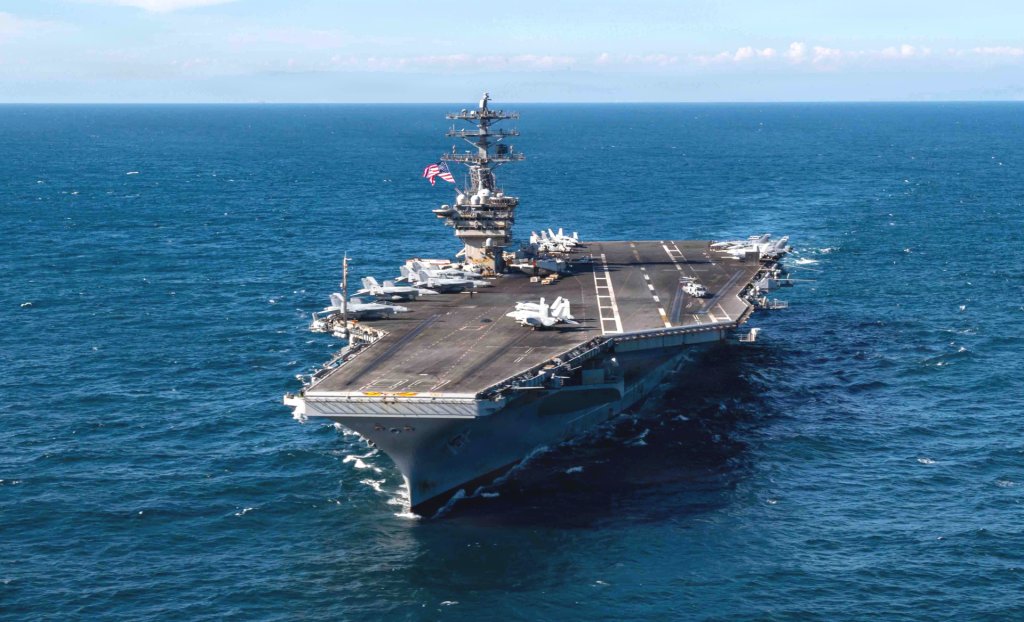
The first of those, the USS Nimitz, the Navy’s oldest operational carrier, is scheduled to be inactivated in 2027, the Navy told us.
On March 13, the Navy signed a $95.7 million contract with Huntington Ingalls Inc. “for advance planning and long-lead-time material procurement to prepare and make ready for the accomplishment of the inactivation and defueling of USS Nimitz (CVN 68). Work will be performed in Newport News, Virginia, and is expected to be completed by March 2027.”
Meanwhile, the Navy originally projected that it would cost somewhere between $500 and $750 million to scrap the Enterprise, but by 2013, this figure had grown to over $1 billion. The difficulties involved forced the service to push back the start of the process more than once.
The regulatory and logistical picture was equally tangled. The Navy and the NRC disagreed on what standards should apply if a private company did the work, and NRC only has direct authority in 13 states, potentially limiting where the job could even be done. Conducting the work at Puget Sound Naval Shipyard — the Navy’s proven approach — risked worsening an already serious maintenance backlog for active ships. The commercial route could be faster and cheaper, but no private yard had ever handled military nuclear reactors at this scale, and the highly classified nature of U.S. naval reactor design added another layer of complexity.
You can read more about the challenges involved with breaking up a nuclear behemoth in our deep dive into the problems with the Enterprise effort here.

The challenges of disposing of Enterprise, however, continued even after a final decision was made about what to do with the vessel.
On May 30, 2025, the Navy awarded a $536.7 million contract to dismantle the ship to NorthStar Maritime Dismantlement Services, LLC, of Vernon, Vermont, according to Pentagon records. The work was initially expected to be completed in November 2029.
“It was the first time a U.S. nuclear-powered warship will be dismantled through a commercial effort, representing a significant milestone in responsibly and safely closing out the legacy of one of the most iconic nuclear-powered warships,” the Navy noted at the time, according to USNI.
However, the effort unraveled over a legal battle over how the Navy handled final bid submissions, ultimately resulting in the service being “ordered to pause the project and reassess bids, while the appeal now puts the future of the contract back in question,” according to NBC15 News. “The Navy is expected to re-award the contract by June 2026.”
We have reached out to the Navy to find out the status of that contract as well.

Even as the Navy is working to dispose of its first nuclear-powered surface combatant, it is planning for the newest one. The Navy says its proposed Trump class battleships will be nuclear-powered as well.
It remains to be seen how the complications the Navy has faced trying to dismantle Enterprise will affect the disposal of Long Beach and what lessons will be applied, if any. The answers to some of those questions should come into sharper focus next week when interested parties get to ask the Navy for themselves at the Industry Day.
Contact the author: howard@twz.com
Loading comments…
Comments couldn’t be loaded. Please refresh the page.