

Details are still limited, but a Kratos Valkyrie drone in a “test configuration” has crashed at the U.S. Army’s Dugway Proving Ground in Utah.
“A Kratos test configuration of Valkyrie experienced a mishap following takeoff from a test-range runway on Tuesday, August 4, 2026. This was a Kratos internally funded R&D event, part of continually adding configurations and capabilities,” according to a statement Kratos provided to TWZ. “No one was injured in the incident. As safety is our top priority, flight test operations for this system have been paused temporarily in an abundance of caution while we investigate the cause of the incident. Kratos has additional test systems ready once the investigation is complete.”
In response to our follow-up questions, Kratos declined to provide more information about the configuration of the drone. The statement’s mention of “takeoff from a test-range runway” would point to one of two versions of the Valkyrie the company has been developing capable of getting airborne from traditional runways, which we will come back to in a moment.
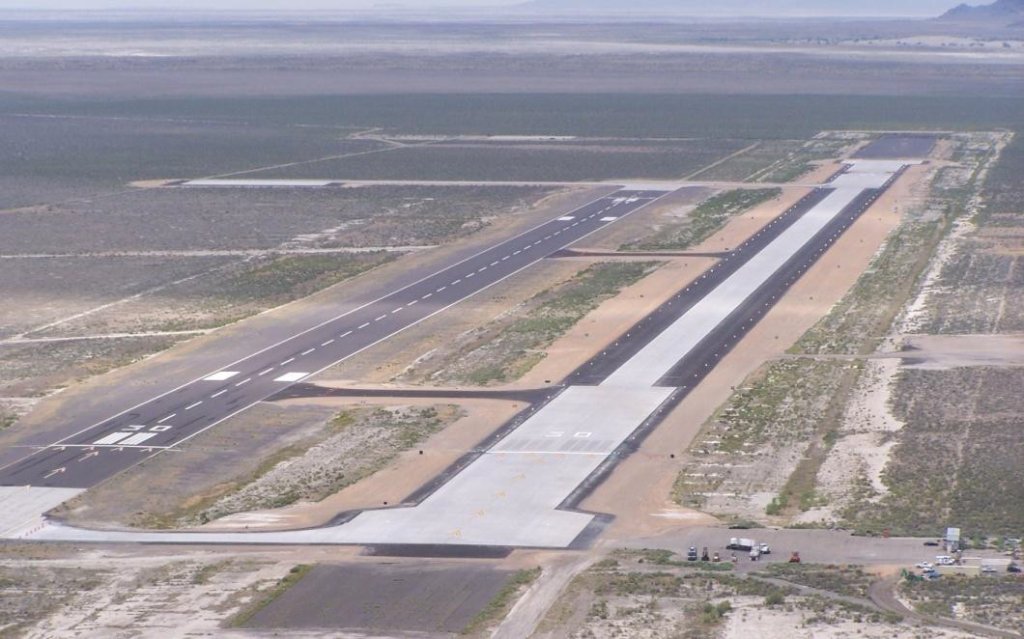
An installation spokesperson at Dugway separately confirmed to TWZ that an unspecified drone had crashed yesterday at around 8:00 AM local time. The uncrewed aircraft, which was not owned or operated by the U.S. military, went down shortly after takeoff for reasons that are still unknown. There were no casualties or damage to buildings as a result. When asked specifically, base officials had declined to say whether or not the drone was a Valkyrie.
Dugway’s Michael Army Airfield is a major hub for uncrewed aircraft testing, both by the U.S. military and private companies. Dugway also supports a wide range of other research and development and test and evaluation activities, with a heavy focus on defense against chemical and biological warfare threats.
Versions of the Valkyrie have been flying since 2019, with the U.S. Air Force being the first known operator of the type. The drone, also known as the XQ-58, was originally designed for rocket-assisted takeoffs via static launchers, and then recovery via parachute. Kratos subsequently developed a special launch trolley enabling takeoffs from traditional runways. In August 2024, the company announced plans for a new variant with built-in landing gear, also known as the Conventional Takeoff and Landing (CTOL) type, and said they hoped to see a first flight “soon.” The CTOL drones will still be capable of being launched via rocket.
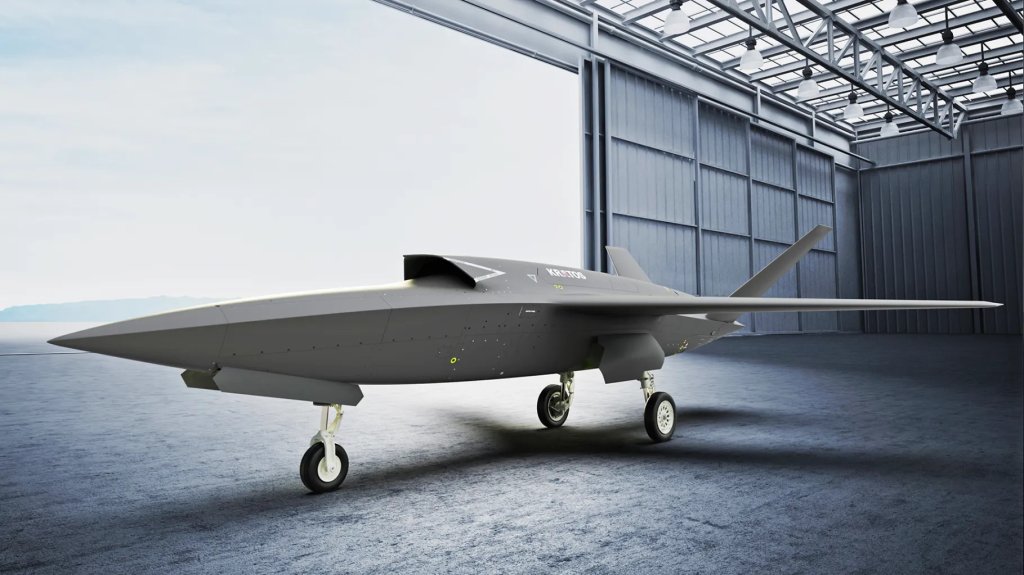
Back in January, Kratos told TWZ that the target timeframe for a first flight of the CTOL Valkyrie had moved to early 2026. At that time, the company also confirmed that this version of Valkyrie, sometimes referred to as the MQ-58B, was being developed in part for the U.S. Marine Corps. The Marines are acquiring these drones under the Marine Air-Ground Task Force Uncrewed Expeditionary Tactical Aircraft (MUX TACAIR) Collaborative Combat Aircraft (CCA) program. The service is hoping to take delivery of its first MQ-58s in 2029. The service has already been laying the groundwork for its future CCA fleets with XQ-58 variants of the Valkyrie.
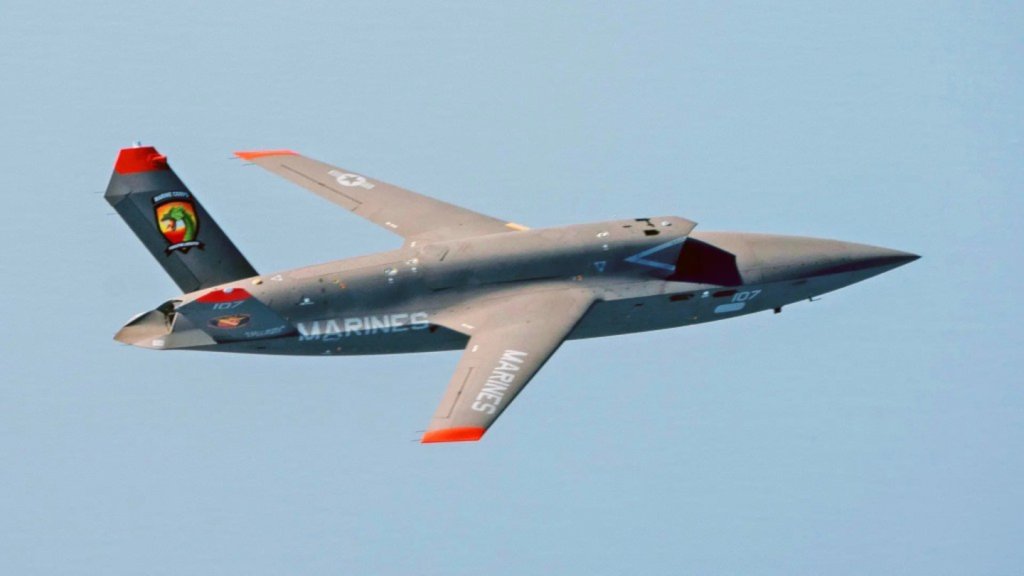
Kratos has seen growing interest in the Valkyrie family globally in recent years. This includes a partnership with Airbus on a version of the stealthy XQ-58 Valkyrie drone for the German Luftwaffe.
More remains to be learned about the crash at Dugway and how it might affect ongoing work on the Valkyrie family.
Update: 6:25 PM ET –
TWZ has now had a chance to talk to Steve Fendley, President of Kratos’ Unmanned Systems Division, in light of yesterday’s crash.
“I can’t go into detail on the exact configuration because, of course, that’s related to the investigation and what we will dig into,” Fendley told us. “So that basically would be potentially affecting the investigation. The investigation goes through everything that occurs leading up to doing any kind of a test.”
“We push the envelope across all of our system types,” he added. “The other thing I can say is we are constantly increasing the capability of the system, both for what we think it needs to be, and in other cases to satisfy what a particular customer may want to do to satisfy a certain mission.”
“So we’re doing all of those things, and the kind of Silicon Valley approach, the more modern test approach for things is you accelerate quickly, you reduce risk where you can, you experience failures here and there, you learn from those failures and you move forward,” he continued. “Ideally, with that process, over time, what you do is – what you ultimately develop, achieve, and can move forward with is much faster than the I’m going to call it the legacy traditional approach, which has you know little or no tolerance for any missteps.”
Contact the author: joe@twz.com
Loading comments…
Comments couldn’t be loaded. Please refresh the page.