
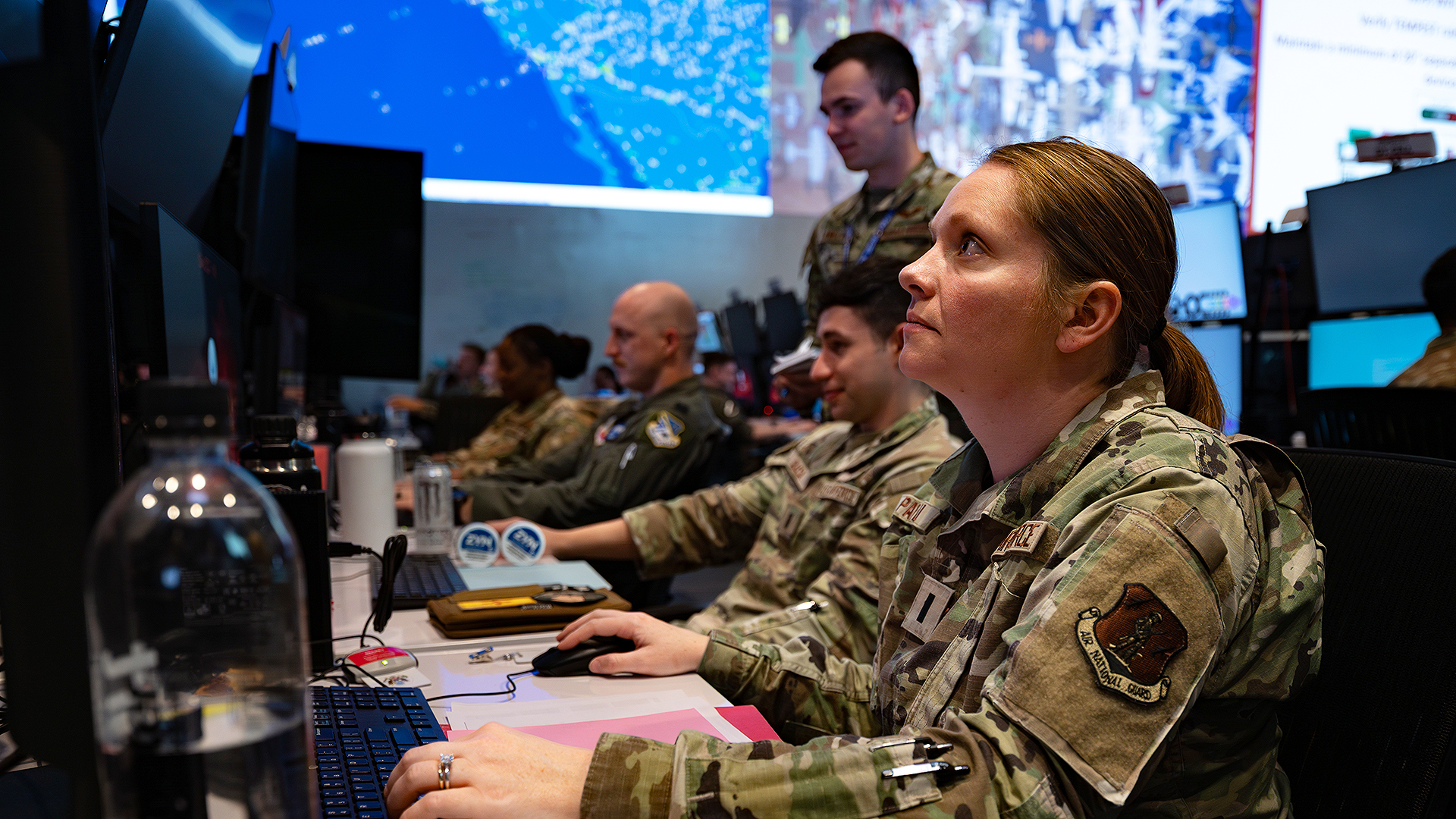
The Air Force is on its third of a series of sprint exercises intended to show how artificial intelligence can supercharge human decision-making. And while officials are raving about the results, they also demonstrate that the algorithms can still propose bad or nonsensical options that need to be babysat.
Maj. Gen. Robert Claude, Space Force representative to the Air Force’s Advanced Battle Management Cross-Functional Team, said participating in the Decision Advantage Sprint for Human-Machine Teaming (DASH) series, led by his team, was an “eye-opening experience,” though it proved the limitations of AI processing as well.
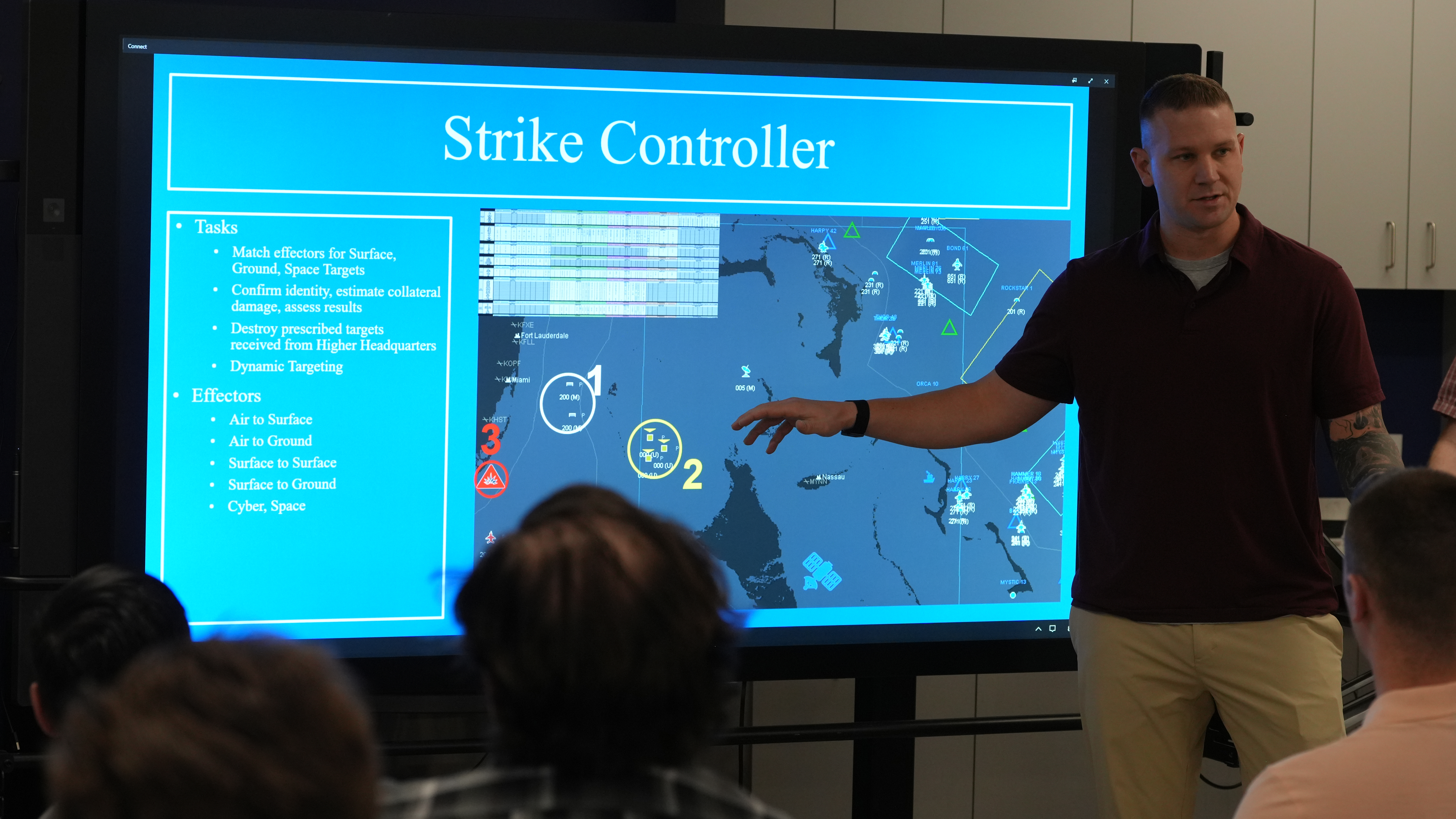
The DASH-2 sprint, held at Shadow Operations Center-Nellis (SHOC-N), the USAF’s premier tactical command and control battle lab, outside of Las Vegas earlier this summer focused on a decision-intensive process: matching the right platform and weapon to a desired military target, Claude told The War Zone at the U.S. Air Force Association’s Air, Space & Cyber Conference.

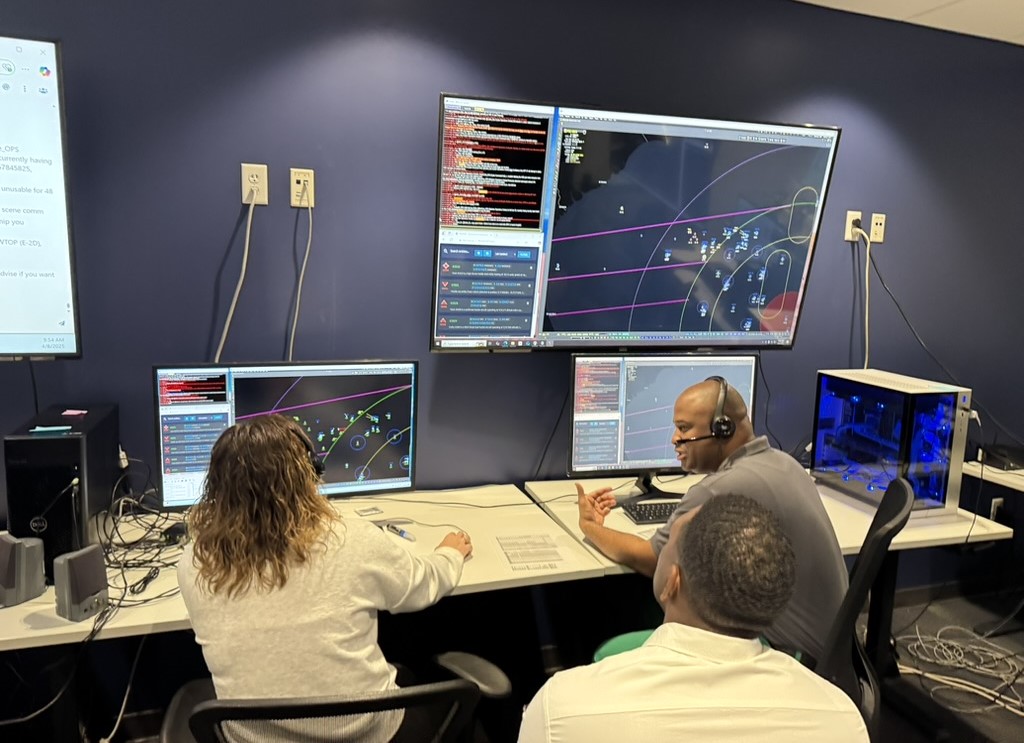
According to a release, six industry teams and one SHOC-N innovation team participated in the exercise, attacking the challenge of designing AI-enabled microservices that could help operators select a weapon to destroy an identified target. The kinds of targets identified in the scenario were not described. Developers watched human-only battle-management crews and designed their microservices based on their observed needs and processes. Finally, human-only teams went head to head in the weapon-matching exercise against human-machine teams.
In terms of generating courses of action – or COAs – the machines easily had it over their human counterparts on speed and quantity.
“I think it was roughly eight seconds [for the algorithm] to generate COAs, as opposed to 16 minutes for the operators,” Claude said, adding that the machine generated 10 different COAs to the human team’s three.
But AI-generated slop continues to be a problem.
“While it’s much more timely and more COAs generated, they weren’t necessarily completely viable COAs,” Claude said. “So what is going to be important going forward is, while we’re getting faster results and we’re getting more results, there’s still going to have to be a human in the loop for the foreseeable future to make sure that, yes, it’s a viable COA, or just a little bit more of this to make a COA viable, to make decisions.”
Claude clarified in response to another question the kinds of mismatches the AI was creating.
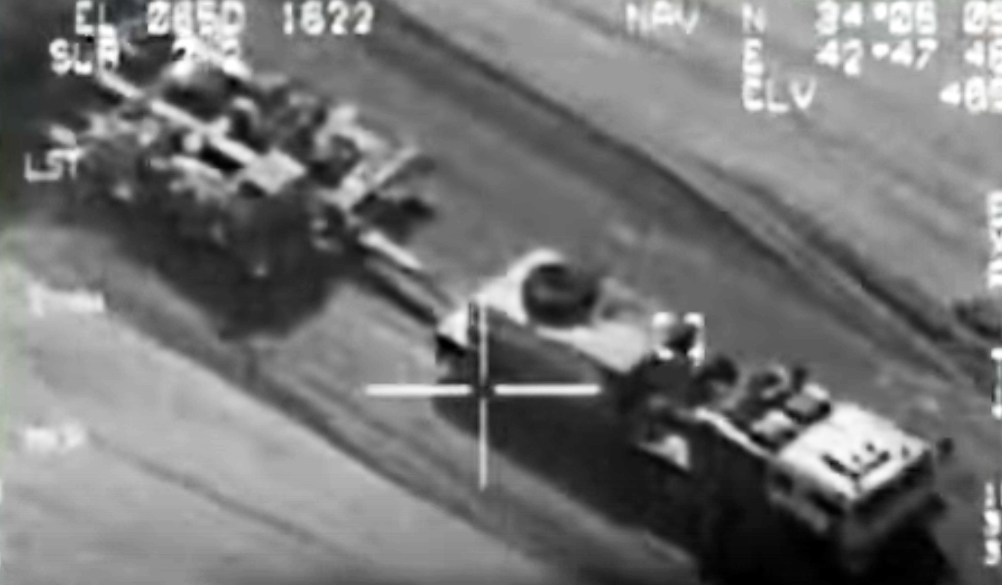
“If you’re trying to identify a targeting package with a particular weapon against a particular target, but it didn’t factor in, it’s an [infrared] target, or it’s an IR-sensor weapon, but it’s cloudy and [bad] weather conditions,” Claude said. “So that’s just as an example, those fine-tuned types of things that they found these COAs weren’t where they needed to be. But as we build this out, theoretically into the future … those sorts of things will be factored in.”
He also suggested limited preparation time was a factor in the two-week sprint: “there’s just not enough time to build in the checks and balances.”
“In the end, I still believe that even though there may be a significant amount of automation, there will have to be, at some point along the decision pathway, a human to decide this is the right thing to do.”
Claude’s measured analysis contrasts somewhat with the unbridled enthusiasm voiced in a press release issued just days prior to the conference about the outcome of the DASH-2 sprint.
“DASH-2 proved human-machine teaming is no longer theoretical,” said Col. Jonathan Zall, ABMS Capability Integration chief, in the release. “By fusing operator judgment with AI speed, the Air Force is shaping the future of decision advantage in joint and coalition operations.”
Col. John Ohlund, ABMS CFT director, enthused about the ability to execute multiple kill chains simultaneously.
“We’re excited about our next experiment to generate the courses of action with the machines to help illuminate risk, opportunity gain/loss, material gain/loss, among others,” he said in the release.
All responses may be a valid part of the picture, but the necessity of trust in AI use and participation in decision-making at the warfighter level is critical. Troops may be less inclined than their peers to use and trust AI work tools. In a recent address at a defense technologies conference, Emil Michael, under secretary for research and engineering at the U.S. Defense Department, revealed that less than 2% of the Pentagon’s workforce – fewer than 50,000 personnel out of 3 million – used some form of AI in their job duties.
DARPA tests from several years ago that installed AI assistants in the cockpits of fighter jets found that, at least in one case, a pilot turned off the AI tool before it could support flight ops, convinced it would endanger him.
The Advanced Battle Management System is the Air Force’s answer and contribution to the Pentagon’s Joint All-Domain Command and Control (JADC2) operating concept, intended to provide an architecture for communication and coordination across the battlespace. Yet the Air Force has continued to labor to build coherence across the department and get the same tools in the hands of all battle managers.
A 2026 priority for the service is, “How do we build an enterprise battle network, enterprise-wide set of strategies that allows us to go from however many disparate systems are out there today, to some rational number of end-to-end capabilities that will allow us to get to the speed and scale that we need to have at the enterprise level, so that we’re not individually having to go through each of those different stovepipes to get capability,” Maj. Gen. Luke Cropsey, Department of the Air Force Program Executive Officer for Command, Control, Communications and Battle Management, told reporters.
“In three months, I should have a draft of our enterprise wide strategies around how we’re going to converge those stacks … And then right as we go into the fall time frame, we’re going to take those initial internal documents and strategies and start cooperating them out to the rest of the department to get their inputs and then ultimately offer comments to the broader industry base that provides that capability back to us.”
With DASH-3 ongoing, Claude said he was pleased to see many of the industry vendors from DASH-2 continuing in the effort to strengthen human-AI teaming.
“We’ll continue to kind of refine the model, determine if it’s a pursuable approach and learn from it,” he said.
The next DASH sprint is scheduled for early next year, Claude said.
Contact the editor: Tyler@twz.com
Loading comments…
Comments couldn’t be loaded. Please refresh the page.