
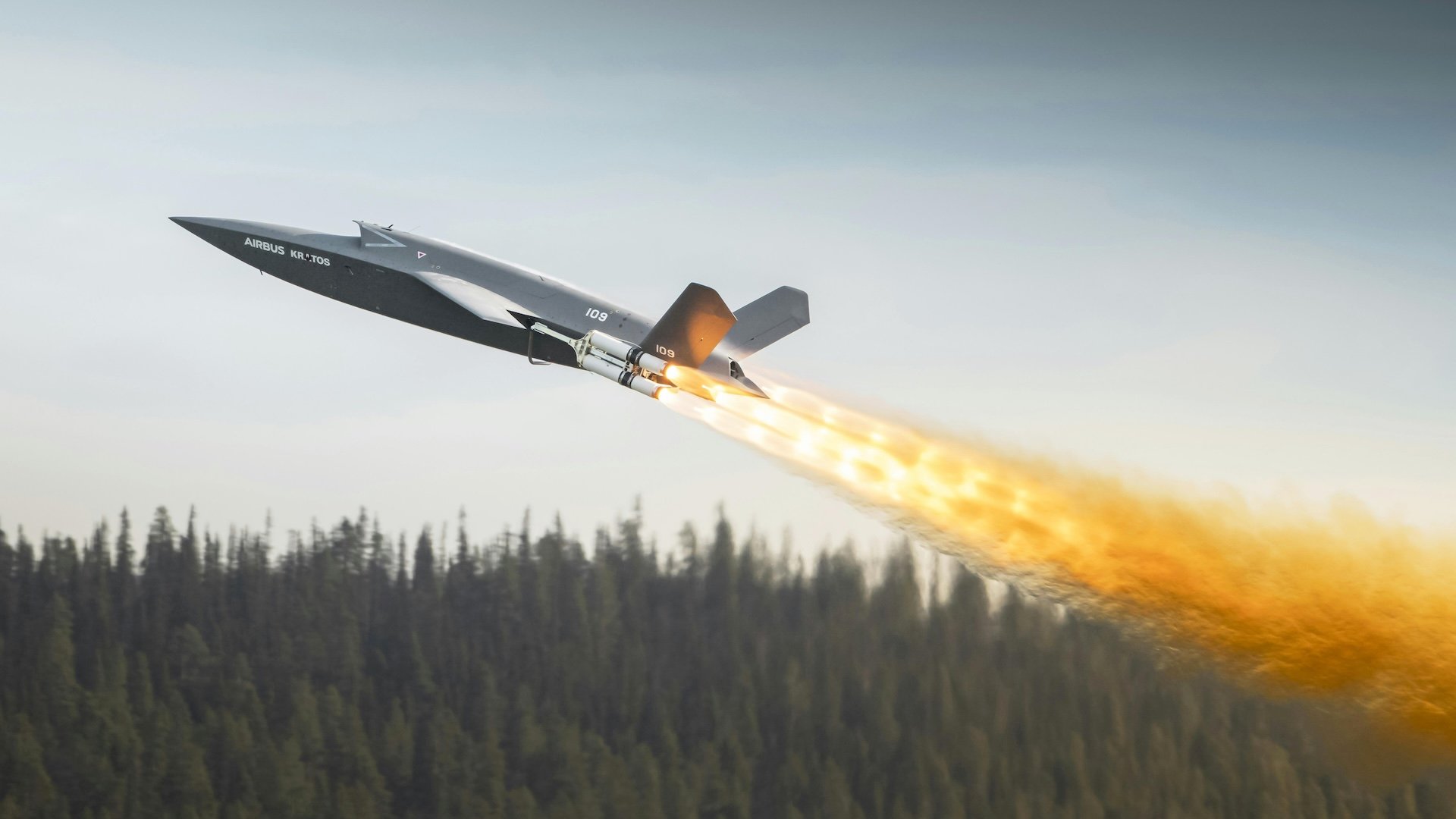
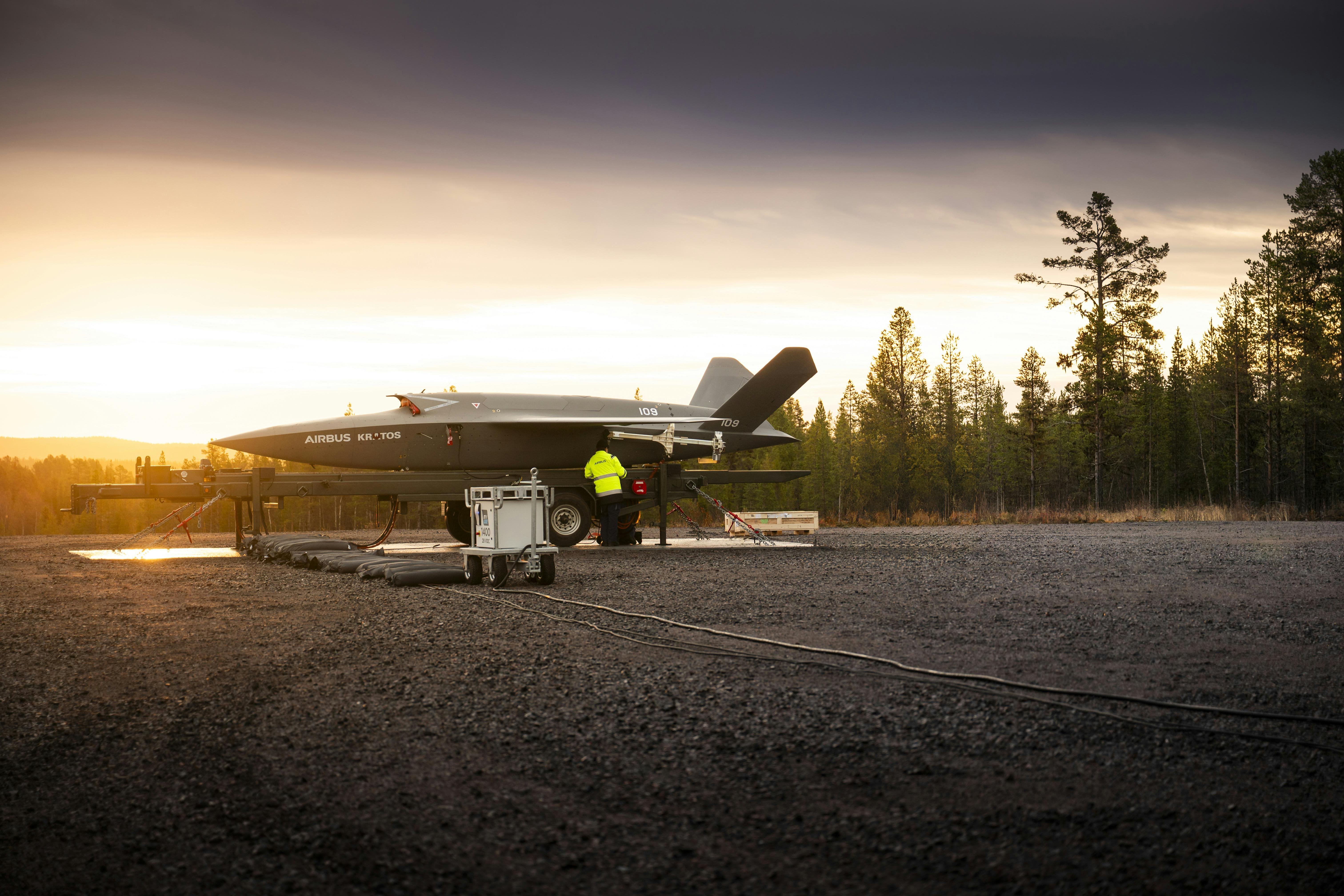
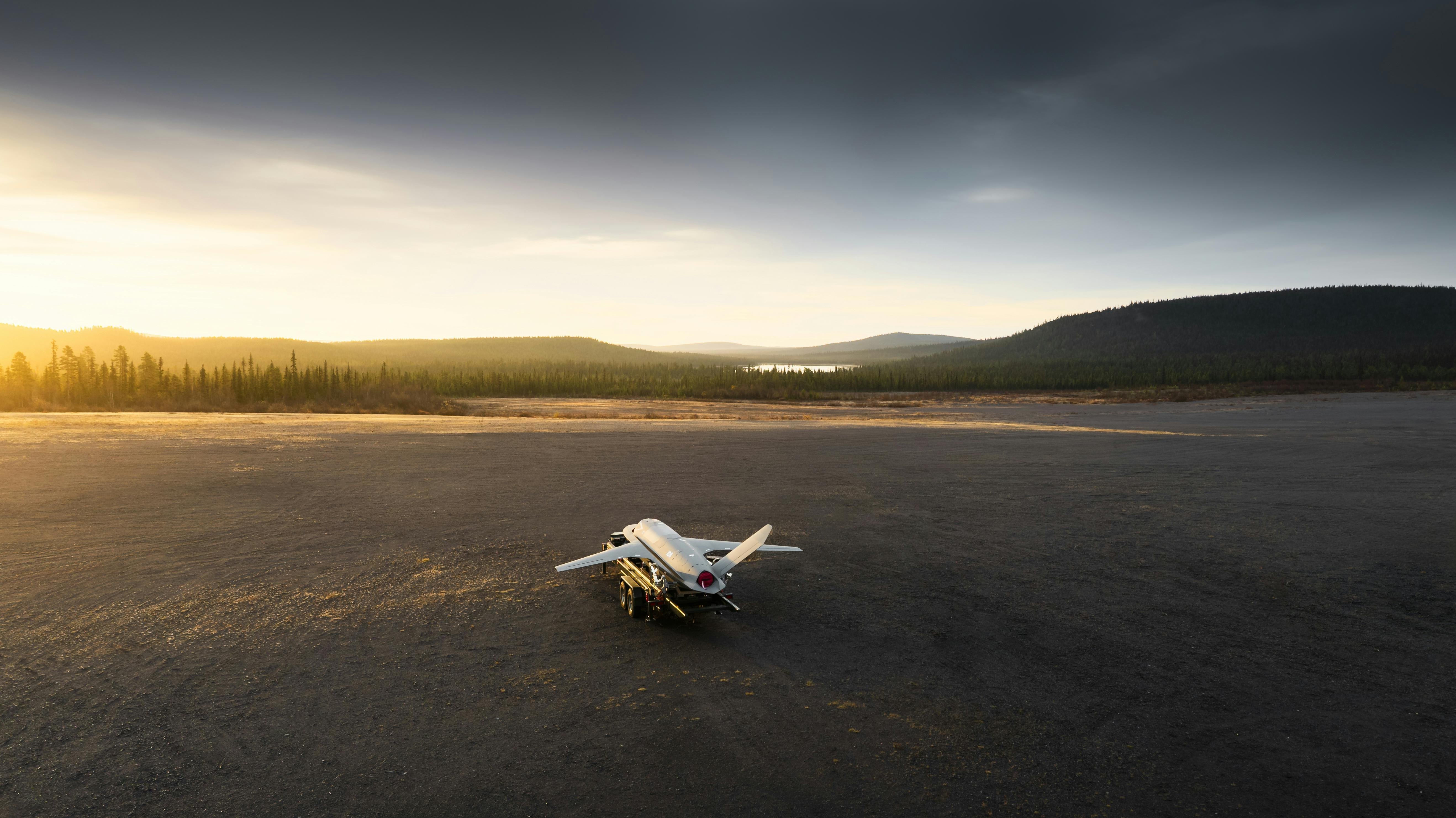
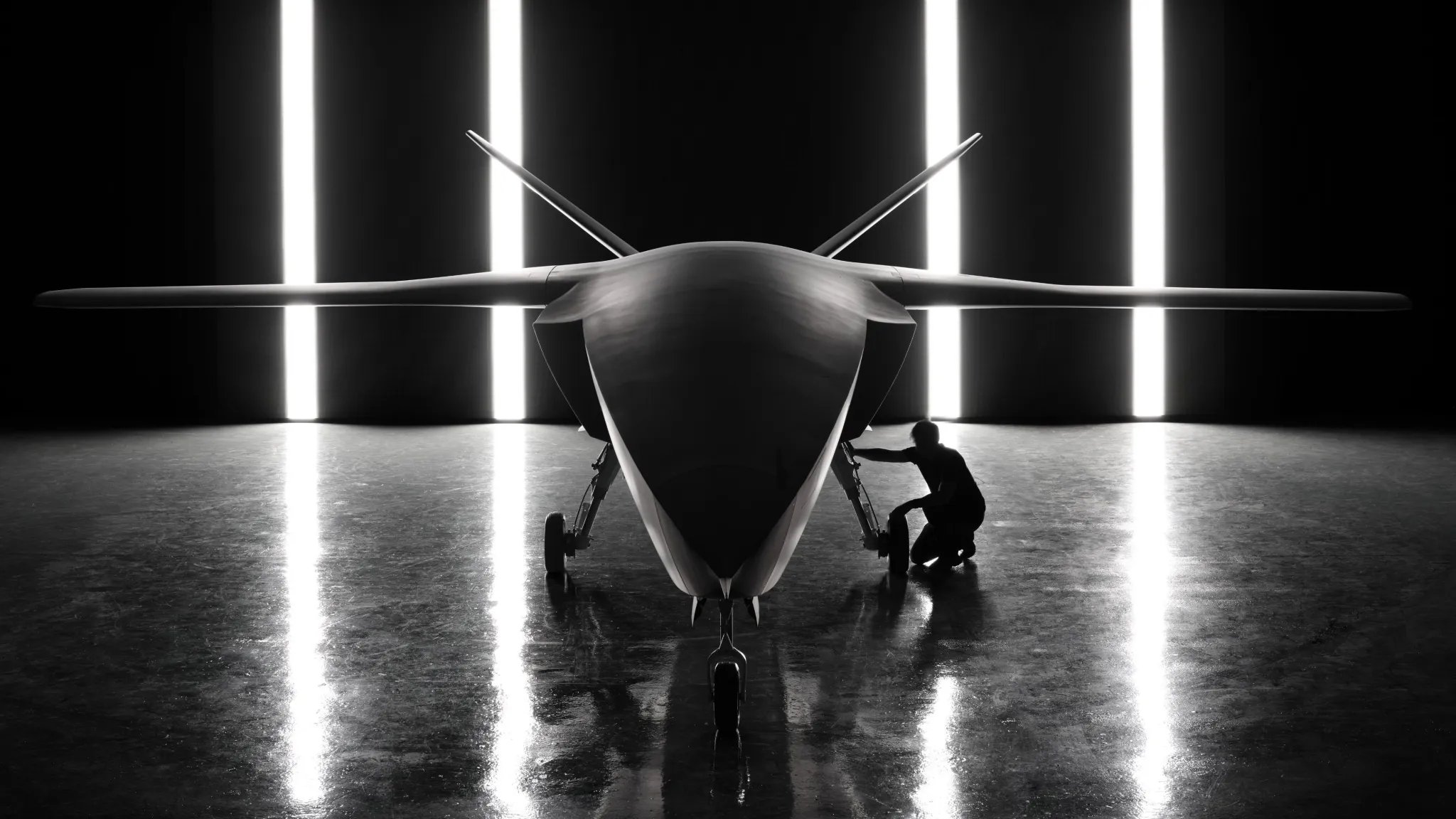
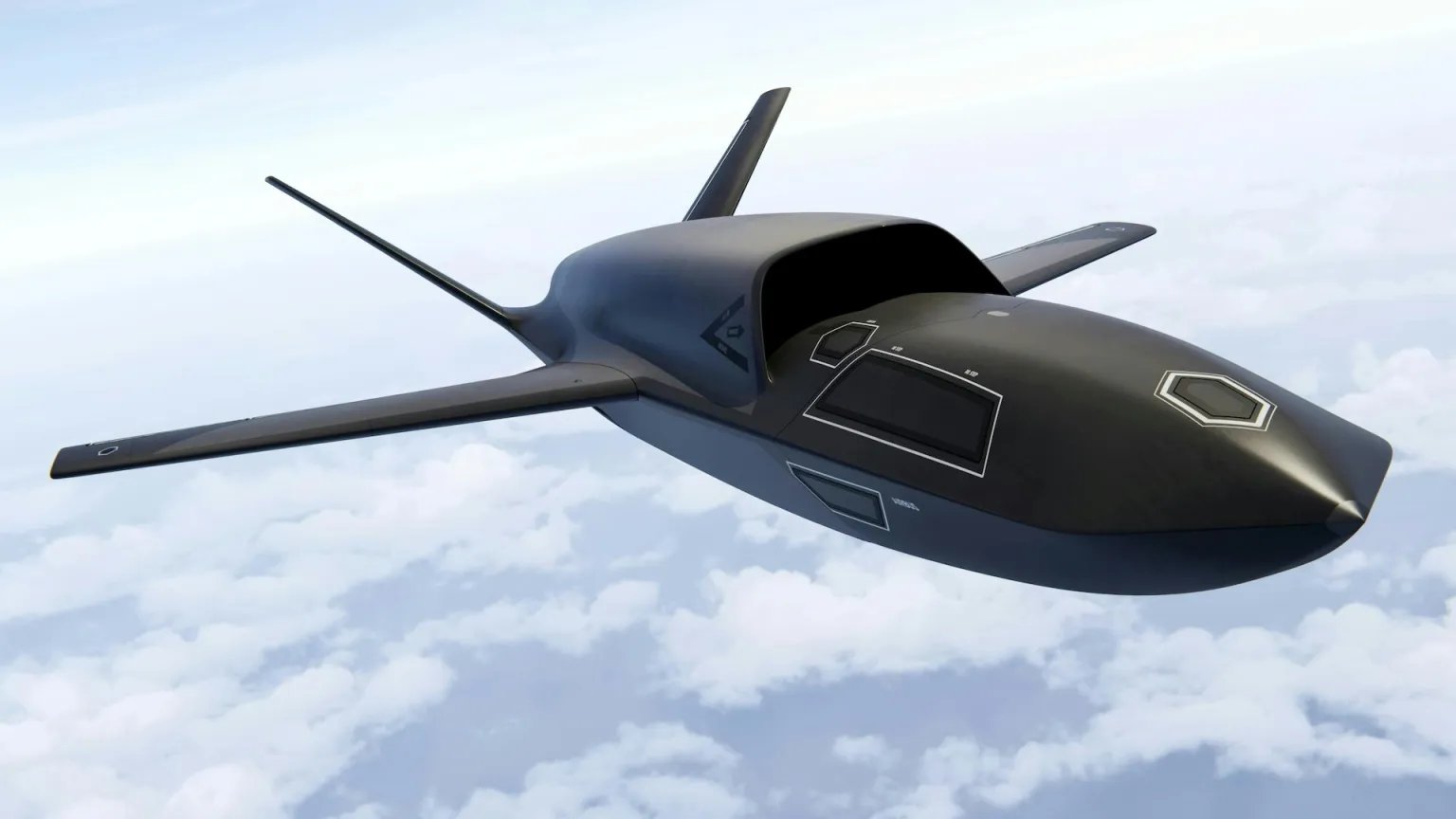
Airbus and Kratos Defense & Security Solutions have completed the first flight of the U740 Valkyrie uncrewed combat aircraft, a Europeanized version of the XQ-58A Valkyrie, advancing their bid to deliver a combat-ready system to Germany by 2029. The flight comes as the German Air Force, or Luftwaffe, moves toward acquiring a new class of jet-powered combat drones, in what could become a major shift in the country’s traditionally limited armed-uncrewed-aircraft capabilities.
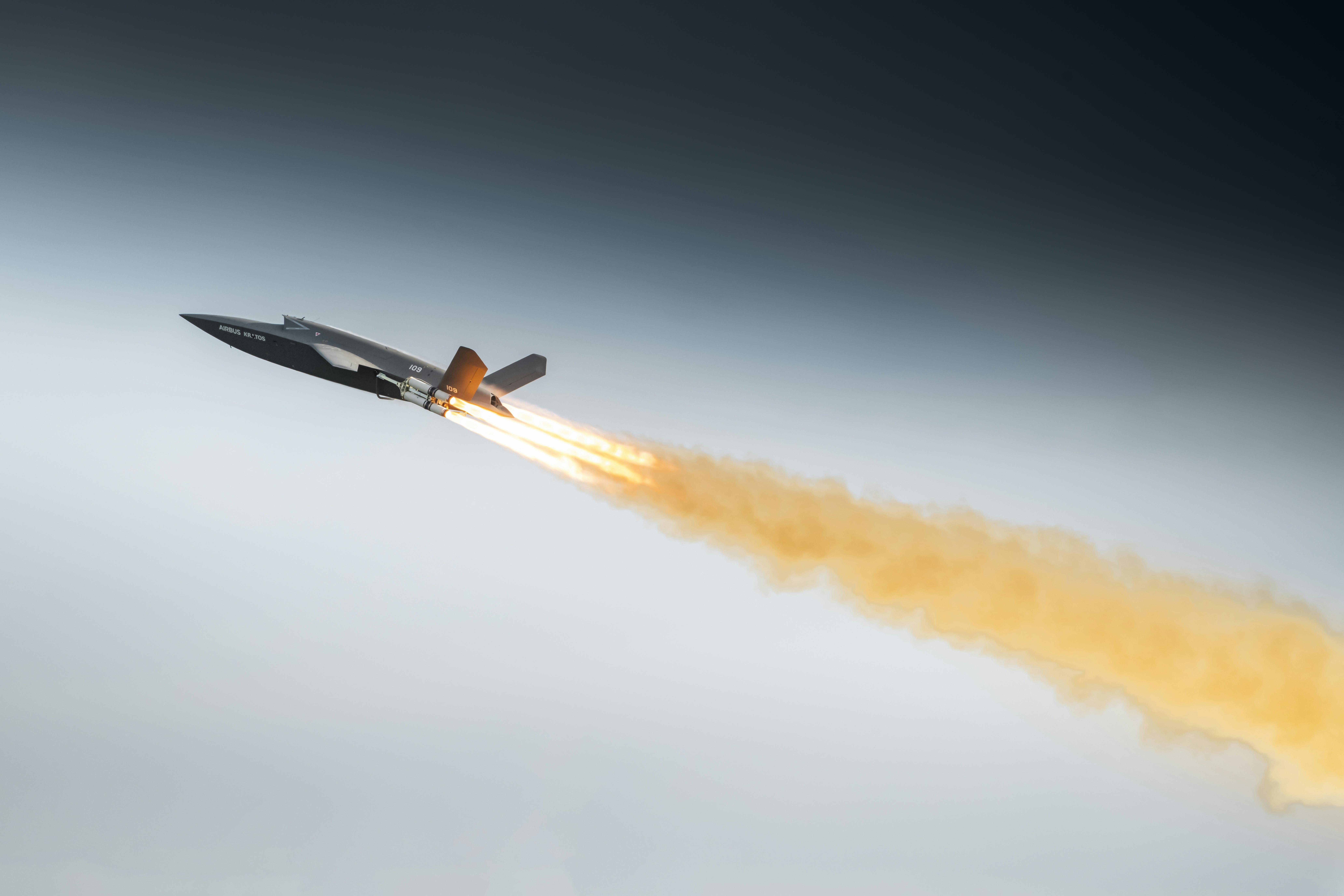
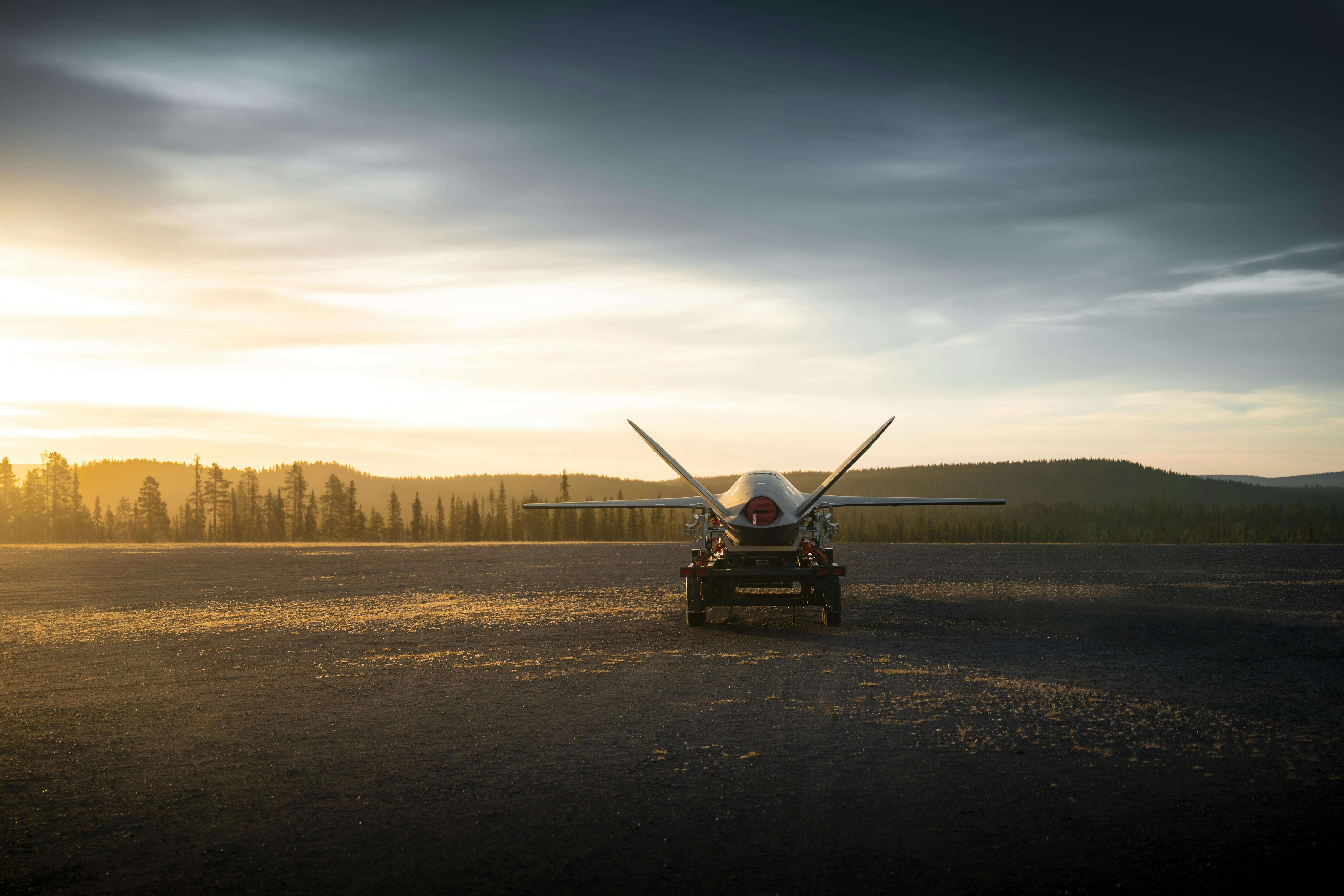
The flight took place at an unnamed test facility in northern Europe, Airbus announced on October 12. The aircraft conducted a rocket-assisted takeoff, maneuvers at different altitudes, and flight at speeds of up to Mach 0.8. The test also included in-flight mission adjustments, with Airbus reporting that all objectives were met.
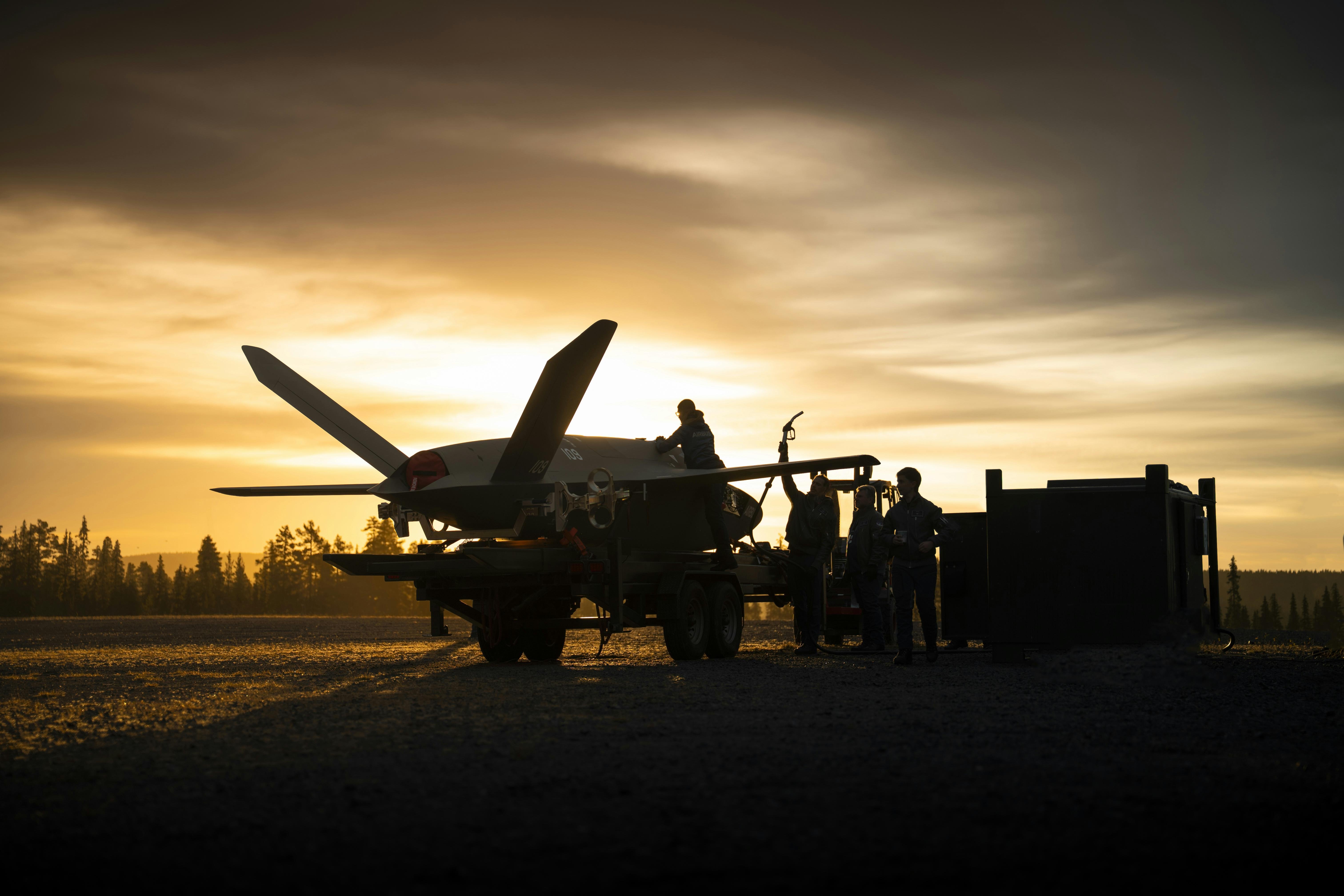
The next phase will introduce Airbus’ Multi-platform Autonomous Reconfigurable and Secure (MARS) mission system, which is intended to provide the aircraft’s European-controlled software and mission-management architecture. Airbus says MARS will support autonomous operations and coordination between multiple uncrewed aircraft while retaining human oversight of critical decisions.
The U740 is based on Kratos’ American-developed XQ-58A, an uncrewed aircraft designed as a relatively affordable combat platform. Airbus is adapting the aircraft with its MARS mission system and presenting the combination as a way to provide Germany with a sovereign European capability without waiting for an entirely new airframe to mature.
Published performance figures for the U740 include a maximum takeoff weight of around 3,000 kilograms (6,600 pounds). Airbus lists a range exceeding 5,000 kilometers (3,100 miles) and a service ceiling of 45,000 feet. It has an internal weapons bay and external payload stations beneath its wings.
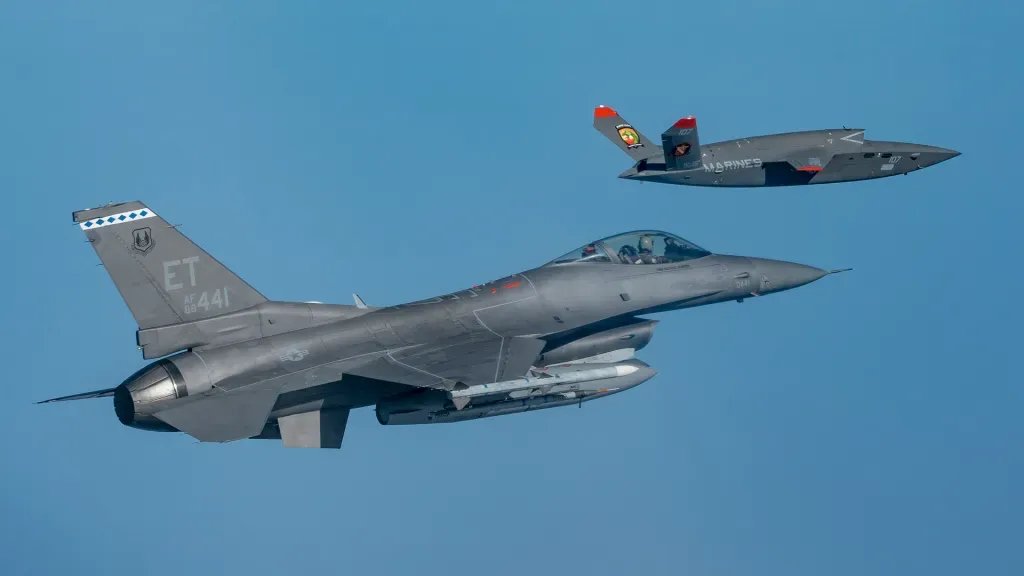
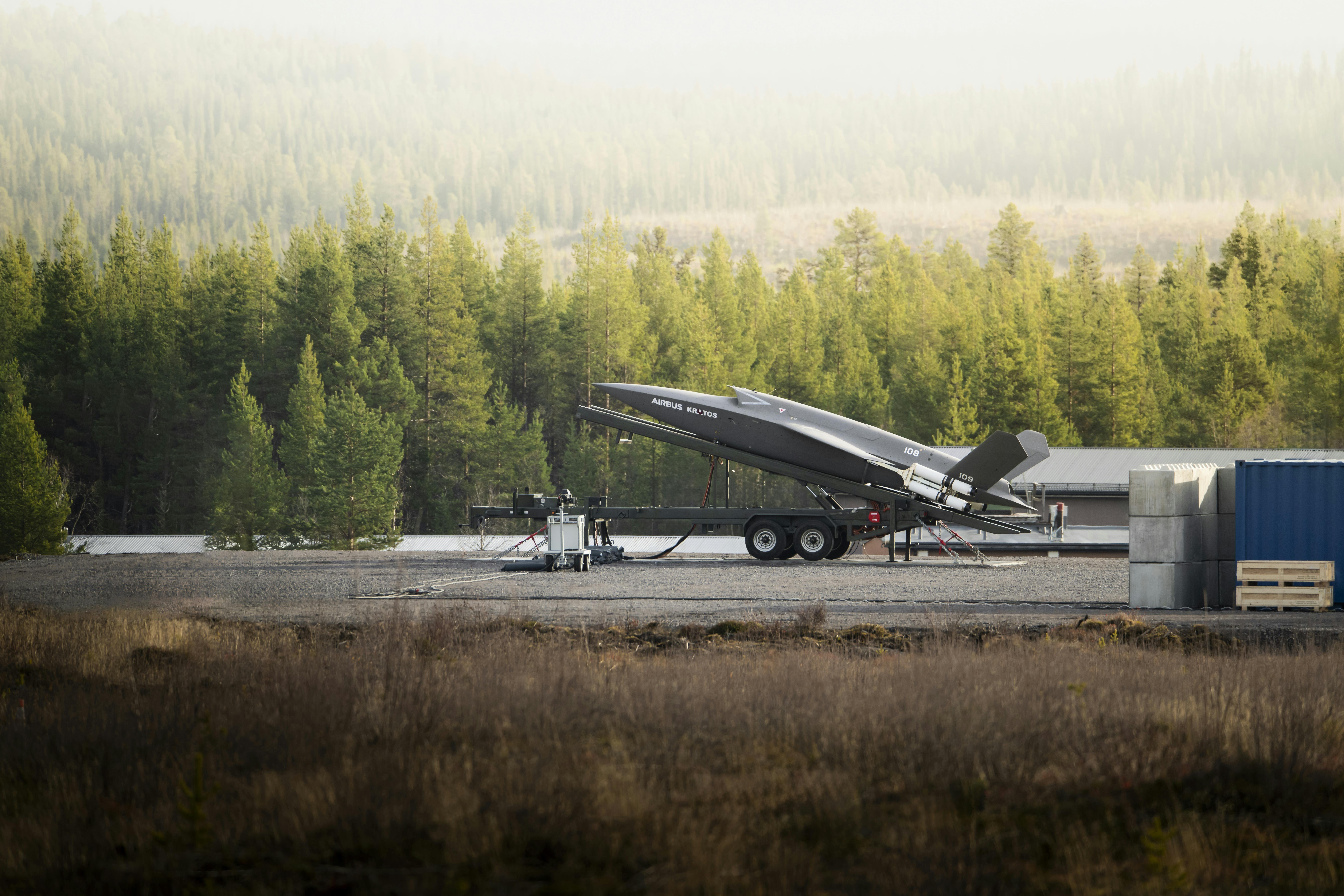
One distinctive feature is the U740’s rocket-assisted launch capability, which reduces its dependence on conventional runways. The original Valkyrie design is primarily recovered by parachute, but newer versions can take off with rocket assistance and land on a runway, offering greater flexibility in how and where they operate. That could help the Luftwaffe disperse operations or launch aircraft from locations where established airfields are unavailable or under threat. The XQ-58 family has also shown some potential for scaling to different requirements, as detailed in these earlier reports on runway launch and recovery and further platform development. In particular, the U.S. Marine Corps has been exploring ways to expand the XQ-58’s flexibility, including further development of the Valkyrie to meet its own mission requirements.
If adopted, the rocket-assisted launch capability would provide an intriguing throwback to practical German studies during the Cold War, in which F-104G Starfighter fighter-bombers used the Zero-Length Launch (ZELL) system to take off from dispersed locations.

Airbus says the U740 will be able to operate autonomously or under the direction of crewed fighters such as the Eurofighter. The company sees it as a means of increasing the reach, firepower, and survivability of existing combat aircraft, with uncrewed platforms undertaking higher-risk missions.
With the MARS system, Airbus intends to give European customers control over mission applications, data, and key software functions, while enabling autonomous mission execution and coordination between aircraft. This is particularly relevant for Germany, which will likely want to integrate national weapons, sensors, and operational requirements without becoming dependent on a foreign-controlled mission architecture.
Since the underlying airframe is American, the degree of sovereignty Germany ultimately obtains will depend on the practical ability to control and modify software, integrate national systems, and support the aircraft throughout its service life.
The European flight is an important step for the Valkyrie program, but substantial work remains before it can be considered combat-ready. Mission-system integration, further testing, and the demonstration of effective cooperation with crewed aircraft will be central to meeting the companies’ 2029 target.
The effort is also unfolding as Germany develops its requirements for what has been described in press reports as a Jagdbomberdrohne, or fighter-bomber drone. The precise operational concept has yet to emerge publicly, including whether the Luftwaffe primarily wants an uncrewed aircraft to accompany crewed fighters or a platform capable of conducting independent long-range strike missions.
Germany has historically lagged behind several other major military powers in fielding armed uncrewed aircraft. Previous attempts to acquire larger reconnaissance drones encountered major technical and procurement difficulties, while political resistance to armed drones delayed the development of a strike capability for years.
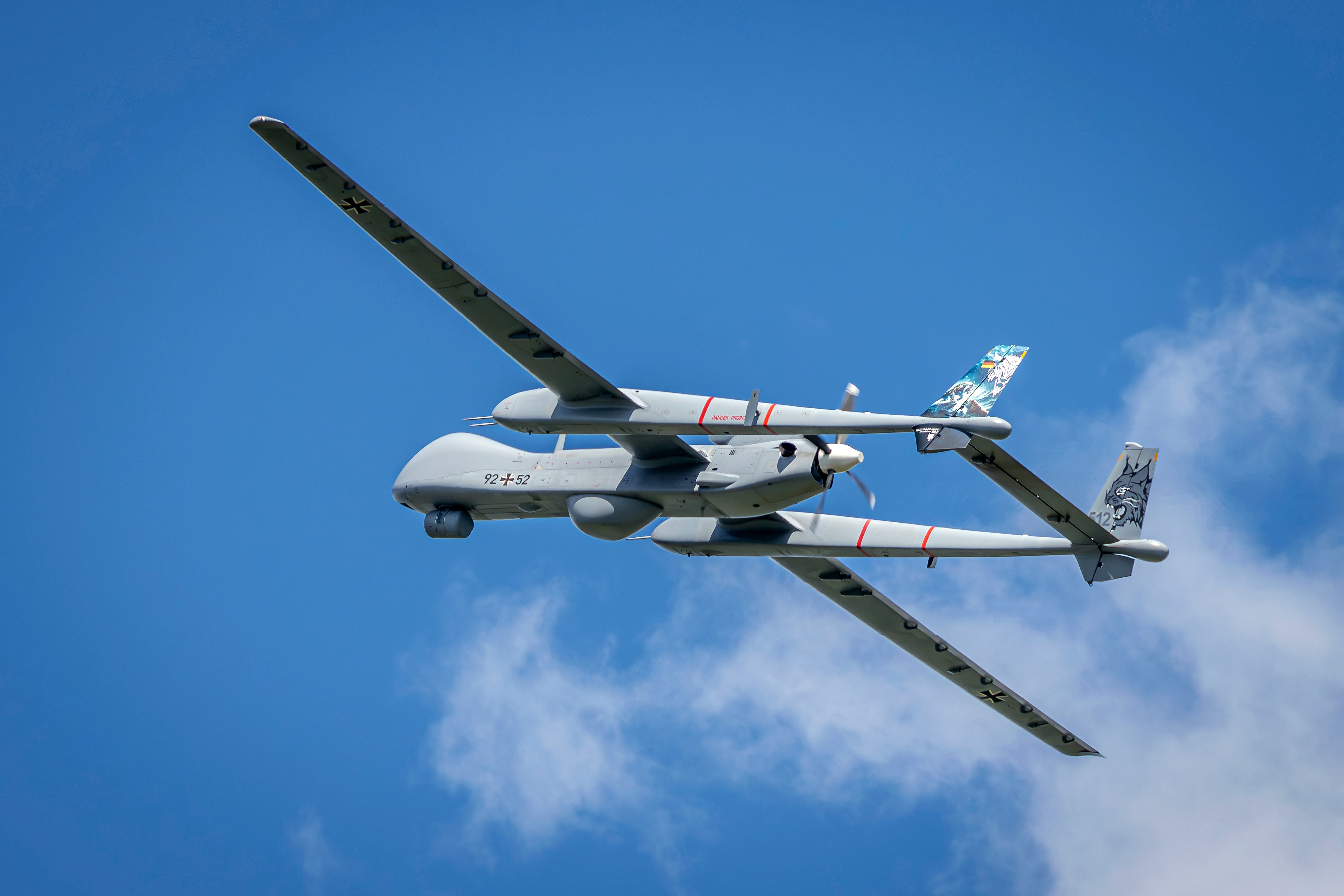
The Luftwaffe’s current larger uncrewed aircraft fleet remains limited to five leased Israeli-made Heron TP medium-altitude, long-endurance drones. Germany is also participating in the Eurodrone program, while uncrewed systems were expected to form part of the wider Future Combat Air System (FCAS), before that Franco-German-led effort hit the buffers earlier this year.
Russia’s full-scale invasion of Ukraine in 2022 and Germany’s subsequent military buildup have intensified pressure to address these gaps. Berlin has set a goal of being ready for war by 2029, and reports indicate that the Luftwaffe wants a new combat-drone capability on a similarly ambitious timeline.
As well as Airbus and Kratos, the emerging competition reportedly includes Anduril, General Atomics partnered with Germany’s INTEC, as well as Lockheed Martin. Boeing and Rheinmetall are meanwhile pitching the larger, Block 3 version of the Australian-developed MQ-28 Ghost Bat, while Helsing and Hensoldt are pursuing the homegrown CA-1 Europa.
The various proposals reflect a broader shift toward uncrewed aircraft that can deliver additional weapons, sensors, and electronic warfare capabilities without putting a pilot at risk. But Germany’s terminology raises an important question about the intended role.
A conventional collaborative combat aircraft, or CCA, would be designed to work alongside crewed fighters, extending their reach and providing additional combat mass. A platform intended to operate independently against targets deep inside enemy territory would place greater emphasis on range and survivability. These roles are not mutually exclusive, but the Luftwaffe’s final requirements will shape the aircraft it chooses.
Germany may not be looking for a single drone to do everything. One option might be a split high-low approach that could pair more capable, longer-range systems for deep-strike missions with cheaper, attritable collaborative combat aircraft that can fly alongside crewed fighters. At this point, it should also be noted that CCAs could also give older fourth-generation fighters a new lease on life, boosting their lethality and survivability by extending their sensor reach, adding weapons capacity, and allowing uncrewed aircraft to take on more dangerous tasks.
Meanwhile, Airbus is also working on its larger U760 Ravenstorm, intended for service in the early 2030s. The Ravenstorm gives Airbus a longer-term path toward a more advanced European-designed uncrewed combat aircraft as it pursues the nearer-term Valkyrie effort.
In the short term, the Luftwaffe will need to determine which capabilities must be available in an initial operational fleet and which can be introduced later. Even an aircraft based on an established design requires substantial integration, testing, training, and infrastructure before it can be employed effectively in combat.
Germany’s 2029 target leaves little time for a program that still has to integrate its mission system and demonstrate how the aircraft will be used operationally. That is a particular challenge for the Luftwaffe, which has little experience operating large uncrewed aircraft, let alone jet-powered systems intended for combat.
The European flight gives Airbus and Kratos a head start in testing the U740 for German requirements, but the next major milestone will be flying it with the MARS mission system. How quickly that work progresses will help determine whether the Valkyrie can meet the Luftwaffe’s timetable.
Contact the author: thomas@thewarzone.com
Loading comments…
Comments couldn’t be loaded. Please refresh the page.