
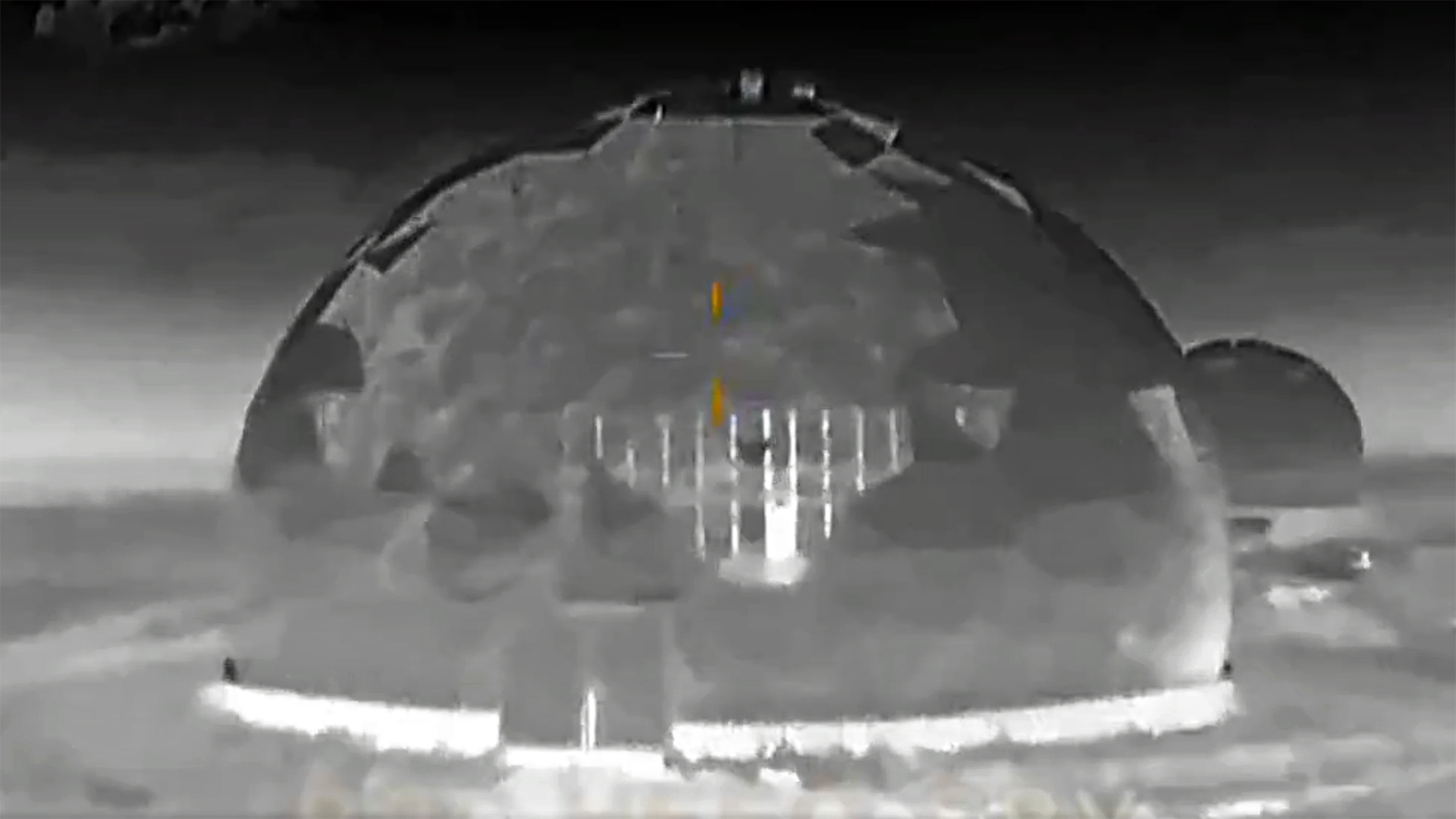
In a new video, Ukrainian first-person view (FPV) drones are seen dodging fire and attacking several Russian radar stations in Crimea. A Russian Navy vessel is also seen being attacked off the coast of the occupied peninsula. The FPVs were launched by uncrewed surface vessels (USVs) before flying low over the water to reach their targets. They were operated by the Defense Intelligence Directorate’s (GUR) “Phantom” drone unit, the directorate claimed. It was the latest in a series of such attacks launched from USVs, also known as drone boats, that began in March.
You can see the new GUR video below.
In this attack, the FPV drones appear to have dodged significant fire, which is claimed to have originated from Pantsir-S1 air defense systems on the coast. The interceptors were launched from the shore and are seen exploding near the FPVs, with at least some of them not taking down their targets, the incoming drones.
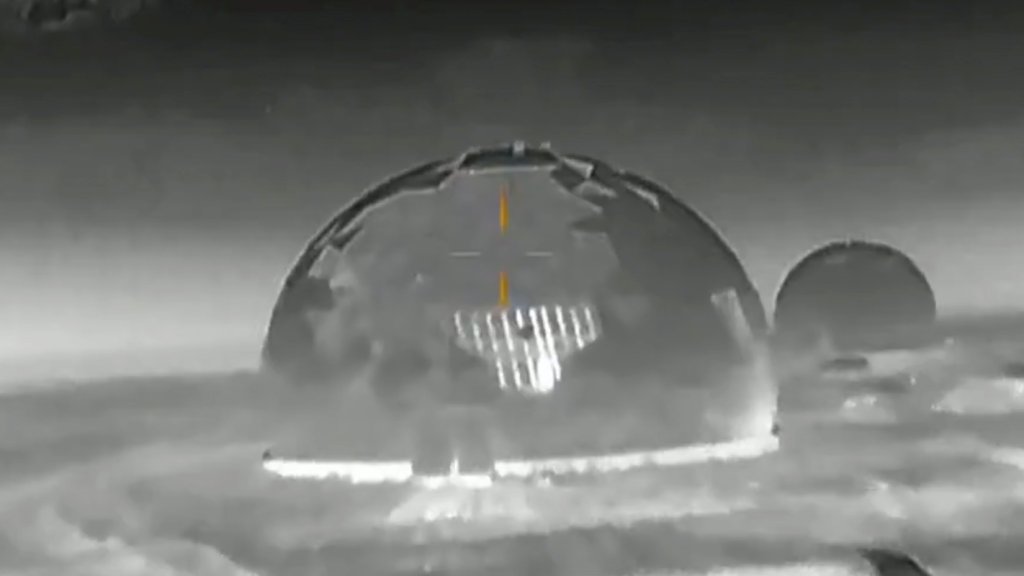
The video then cuts to a drone flying into a prized 1L119 Nebo-SVU phased-array early warning radar station. Another segment shows the dome-encased system in flames. Multiple drones are seen flying into multiple protective radar domes, using a layered attack to puncture the domes and then destroy what is inside.
“After serious losses of air defense facilities on the peninsula, caused in particular by the GUR ‘Phantoms,’ Russian occupiers in Crimea began hiding their expensive military facilities in dome structures,” GUR said on Telegram.
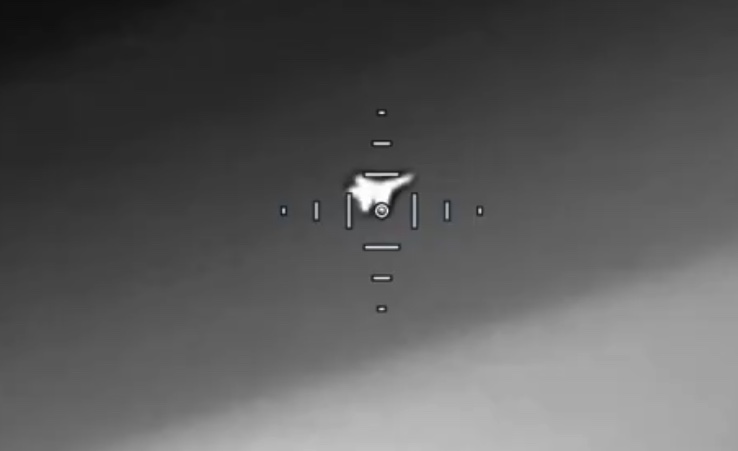
At about the 40-second mark, the video purportedly shows one of the FPV drones being fired on by an Su-30SM Flanker. The Flanker in this attack actually comes into view later in the video. These fighter aircraft are now heavily active in trying to counter drone boat infiltrations near the Crimean coast. As we were the first to report in May, a Ukrainian drone boat armed with AIM-9X Sidewinders downed two Flankers flying over the Black Sea.
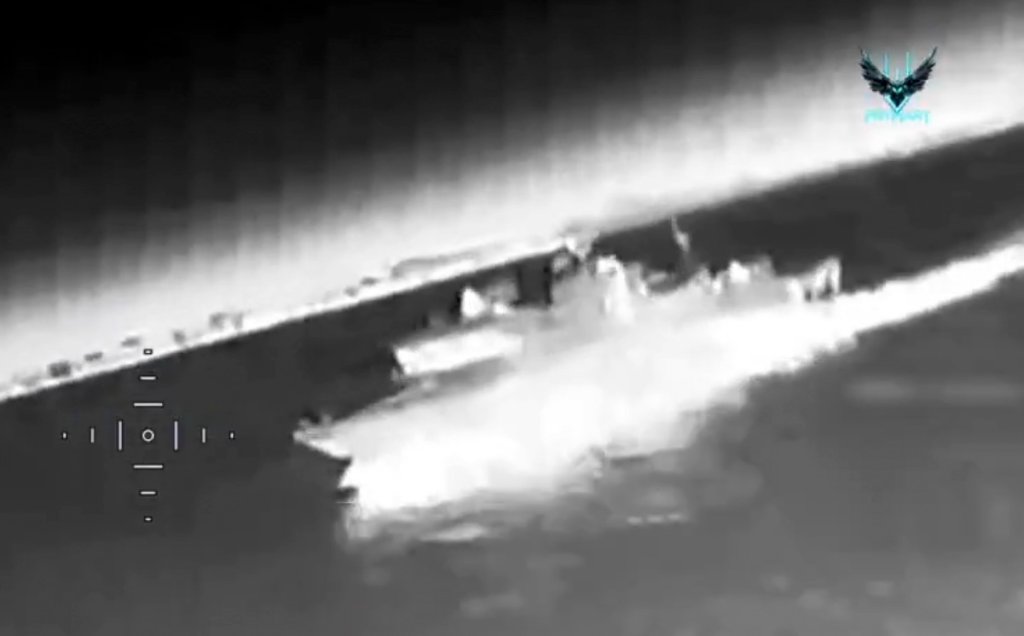
The next target hit by the FPV drones was a Project 02510, or BK-16 high-speed assault boat. Though GUR claims the boat was destroyed, the video doesn’t show the resulting damage.
The video then showed a drone striking the base of a Podlet-K1 radar, but again, no destruction was seen.
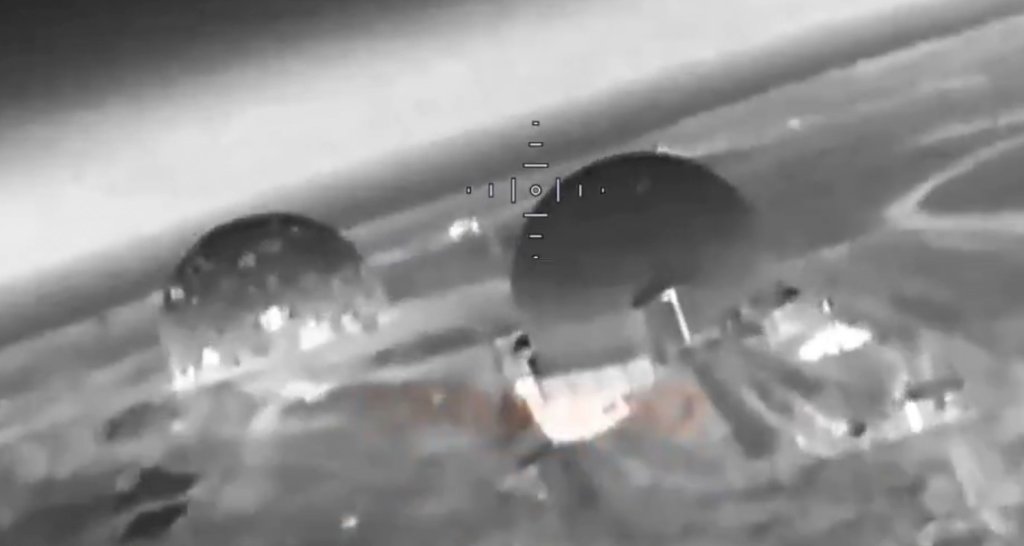
A few seconds later, the video shows an FPV drone approaching a 96L6E Cheese Board air search and acquisition radar. In the lower right corner, a Russian soldier is seen casually walking until he notices the drone, at which point he starts to run.
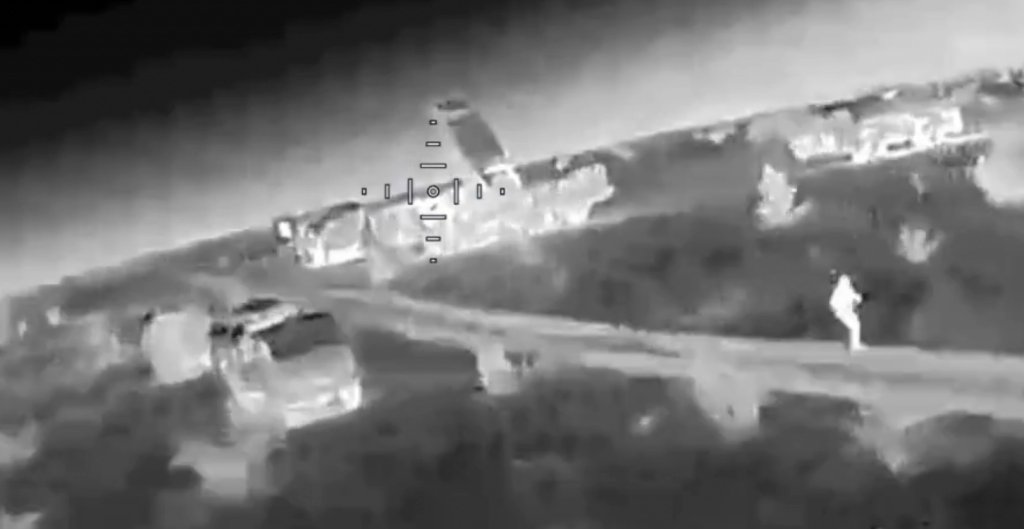
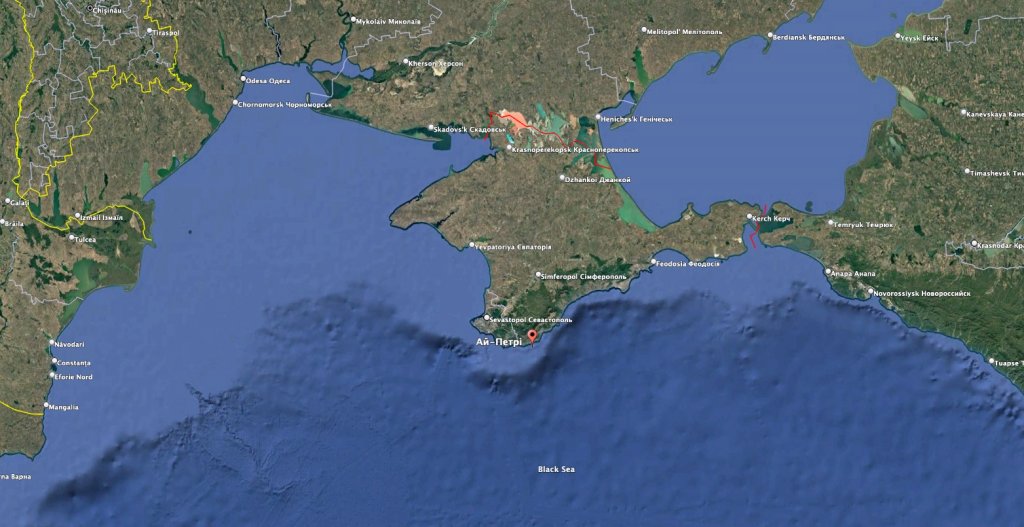
The last attack seen in the video takes place against an air defense base Russia set up on Ai-Petri, a 4,000-foot-high peak a mile north of Crimea’s southern shore.
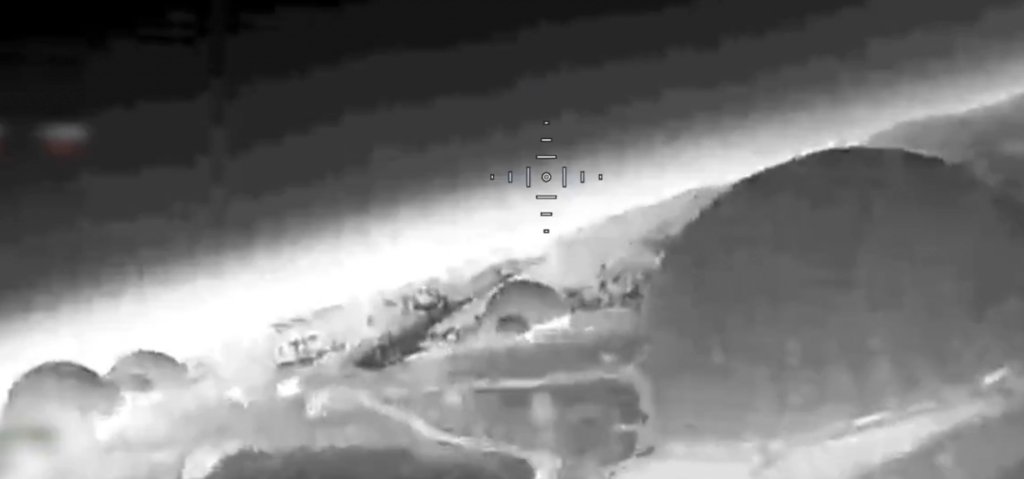
While the only location GUR specified was Ai-Petri, open-source trackers claim to have geolocated the other attacks near Olenivka on the westernmost part of the peninsula. The video could show one single attack or several; we just don’t know. We’ve reached out to GUR for comment.
Regardless of how many attacks are seen in the video, it makes sense for GUR to target these parts of Crimea. As we have previously reported, taking out radars and air defense systems opens holes in Russia’s air defense overlay of the peninsula and the northwestern Black Sea. This could go a long way to ensuring the survivability of standoff strike weapons, like Storm Shadow and SCALP-EG, and other attacks, such as those by long-range kamikaze drones. Ukraine has been systemically targeting these sites for years now. But in this case, Ai-Petri is on Crimea’s southern tip. Going after these facilities could be critical to executing long-range drone strikes across the Black Sea, and to Russia’s western shore that sits along it. We have seen a huge uptick in long-range drone strikes on this area, including in Russia’s coveted resort town of Sochi.
Another advantage of using FPV drones for these attacks is that they are harder to defend against using traditional air defense systems like those being targeted, as you can see in the video. Unlike the front lines, where FPV drones are a ubiquitous threat, Russia wouldn’t have the same level of countermeasure systems deployed in Crimea to fend off FPV drones. Even with those systems, they are a vexing threat.
Launching FPV drones from USVs provides Ukraine with some important advantages. This method greatly extends the reach of these swift, highly maneuverable weapons, enabling them to hit targets that often require more expensive long-range strike weapons that are far fewer in number and are more vulnerable to air defenses.
Though continuing to lose ground to Russia, especially in the eastern part of the country, attacks like this show that Ukraine’s asymmetric warfare capabilities remain difficult to defend against.
“The demilitarization of temporarily occupied Crimea continues,” GUR declared.
Contact the author: howard@thewarzone.com
Loading comments…
Comments couldn’t be loaded. Please refresh the page.