
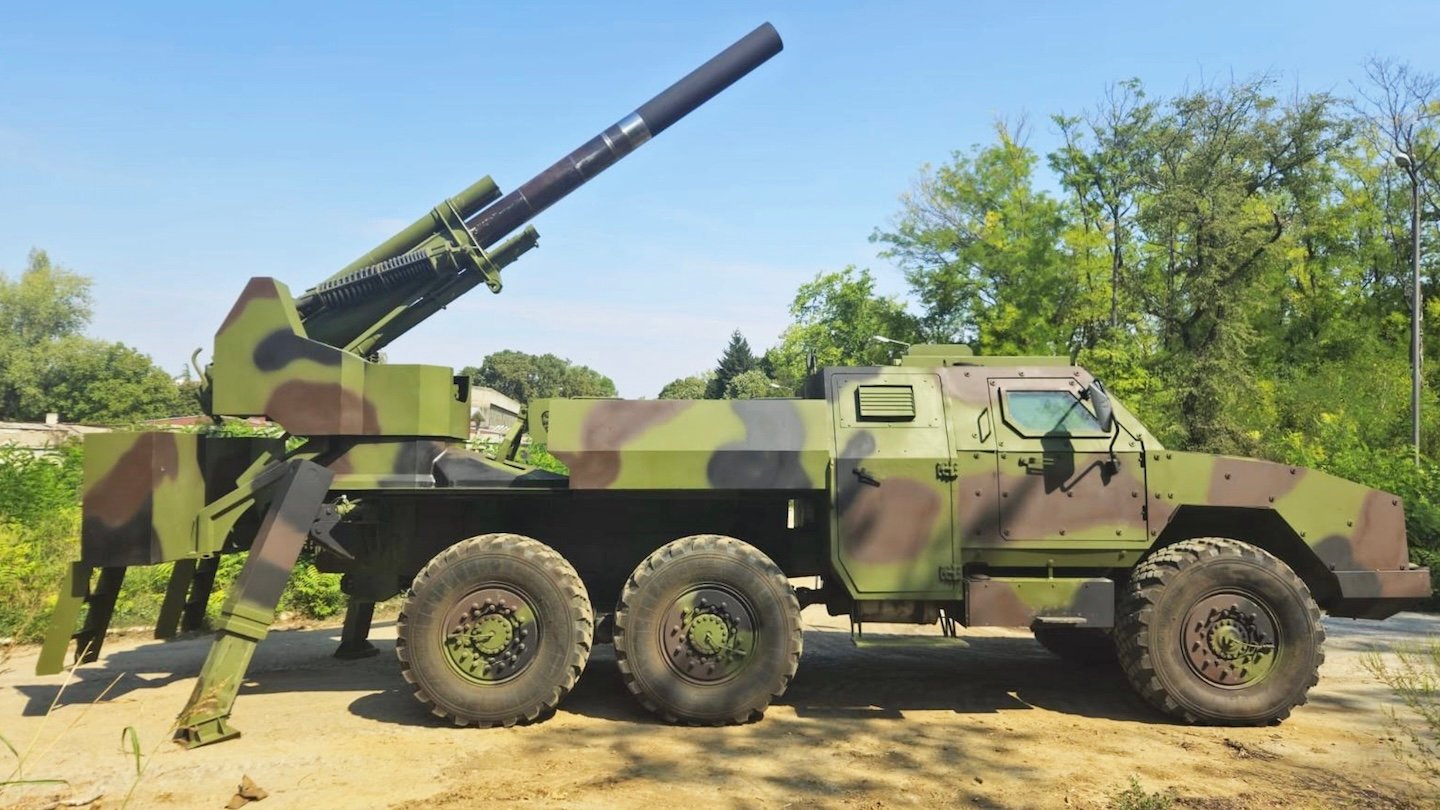
Serbia has released the first footage of its TSMB M-25 heavy self-propelled mortar in action, revealing an unusual artillery system that puts a massive 203mm weapon on a comparatively light, six-wheeled truck. The system is designed to hurl projectiles weighing around 220 pounds at targets up to approximately seven-and-a-half miles away, bringing super-heavy firepower to a platform that looks surprisingly modest for the job.
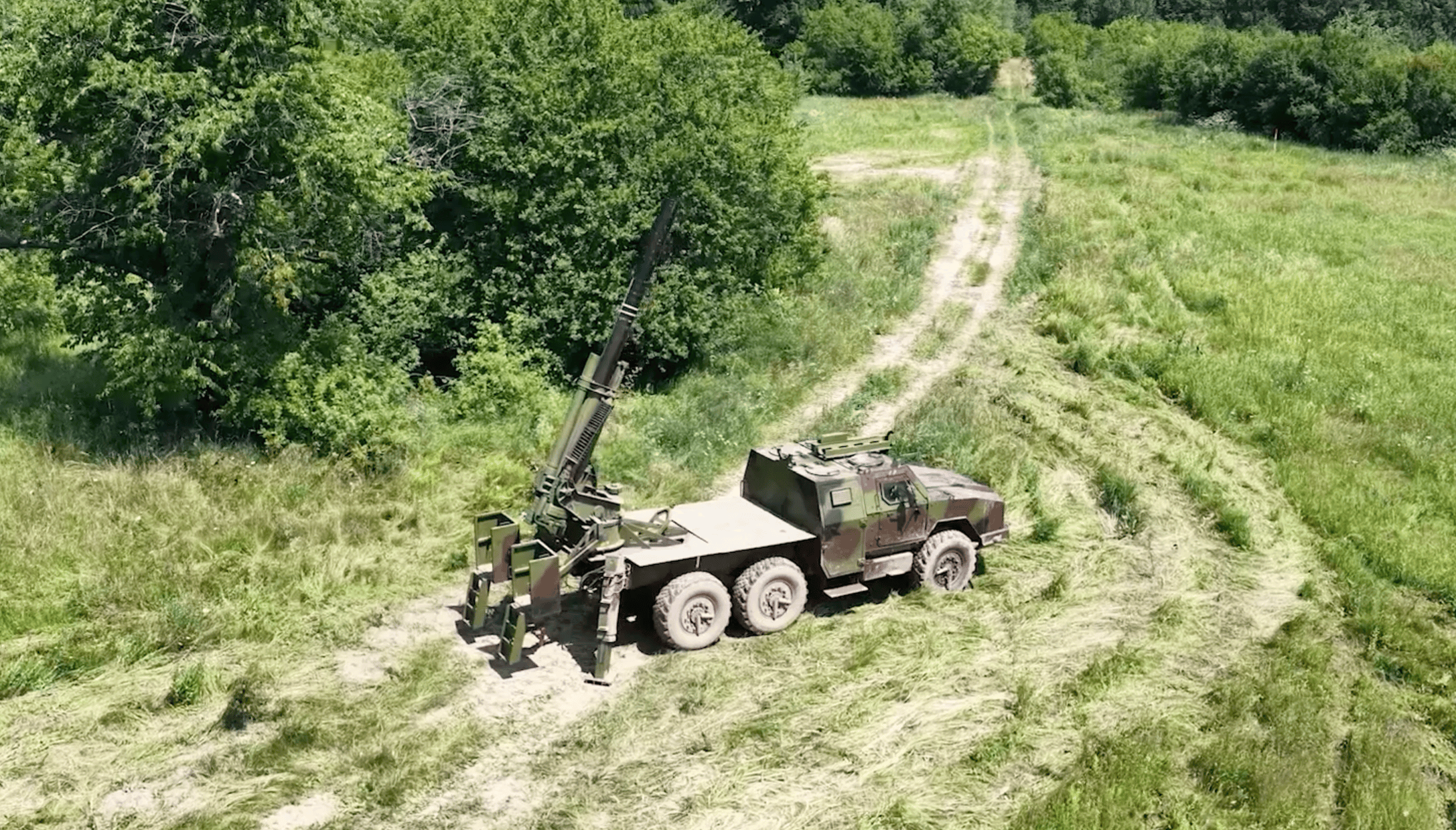
The Serbian Ministry of Defense published the brief footage in a larger video montage, seen immediately below, but has not disclosed when or where the firing tests took place or what they demonstrated. Regardless, the M-25’s configuration alone makes it stand out.

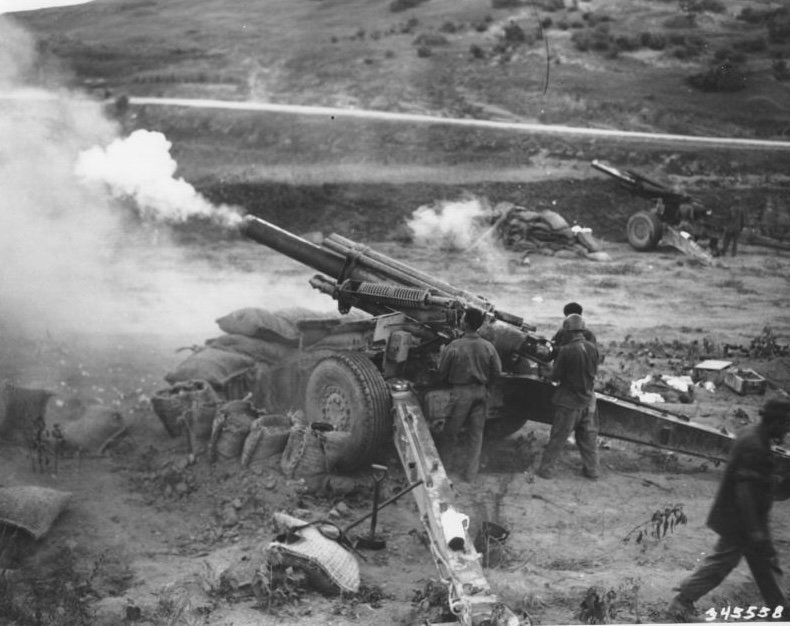
The Teški Samohodni Minobacač (TSMB, translated as heavy self-propelled mortar) M-25 was developed by Serbia’s state-owned Military Technical Institute and first appeared publicly at the Partner 2025 defense exhibition in Belgrade. Its design lineage stretches back to the Yugoslav M-65 155mm howitzer, itself a licensed copy of the widely used American M114, first introduced in World War II.
The M-25 takes that heritage in a different direction, with a 203mm barrel measuring 24 calibers in length and an automated loading mechanism for mortar projectiles. The mortar barrel has an elevation range from 0° to 75°, and the barrel must return to 0° in elevation for the next round to be loaded from the muzzle end.
The standard 203mm mortar bomb weighs around 220 pounds, including approximately 60 pounds of explosive material. This results in a claimed destruction radius of around 250 feet, using impact fuzing.
The system is intended to fire both high-explosive and concrete-piercing ammunition, making it particularly suited to attacking hardened positions and fortifications. Developers have also provided for rocket-assisted projectiles to extend its range and precision guidance kits to improve the accuracy of compatible rounds.
The weapon is mounted on a FAP 2026 three-axle truck in a 6×6 configuration, a general-purpose off-road type made by Serbian vehicle manufacturer Fabrika automobila Priboj. This platform provides a range of 500 miles and a top speed of 50 miles per hour on the road. The vehicle has an armored cab for a crew of four, while its fire-control suite includes an inertial navigation system, a ballistic computer, communications equipment, and a dedicated gunner’s computer. The same truck has also been adapted to mount a 152mm gun/howitzer, under the name NORA B-39.
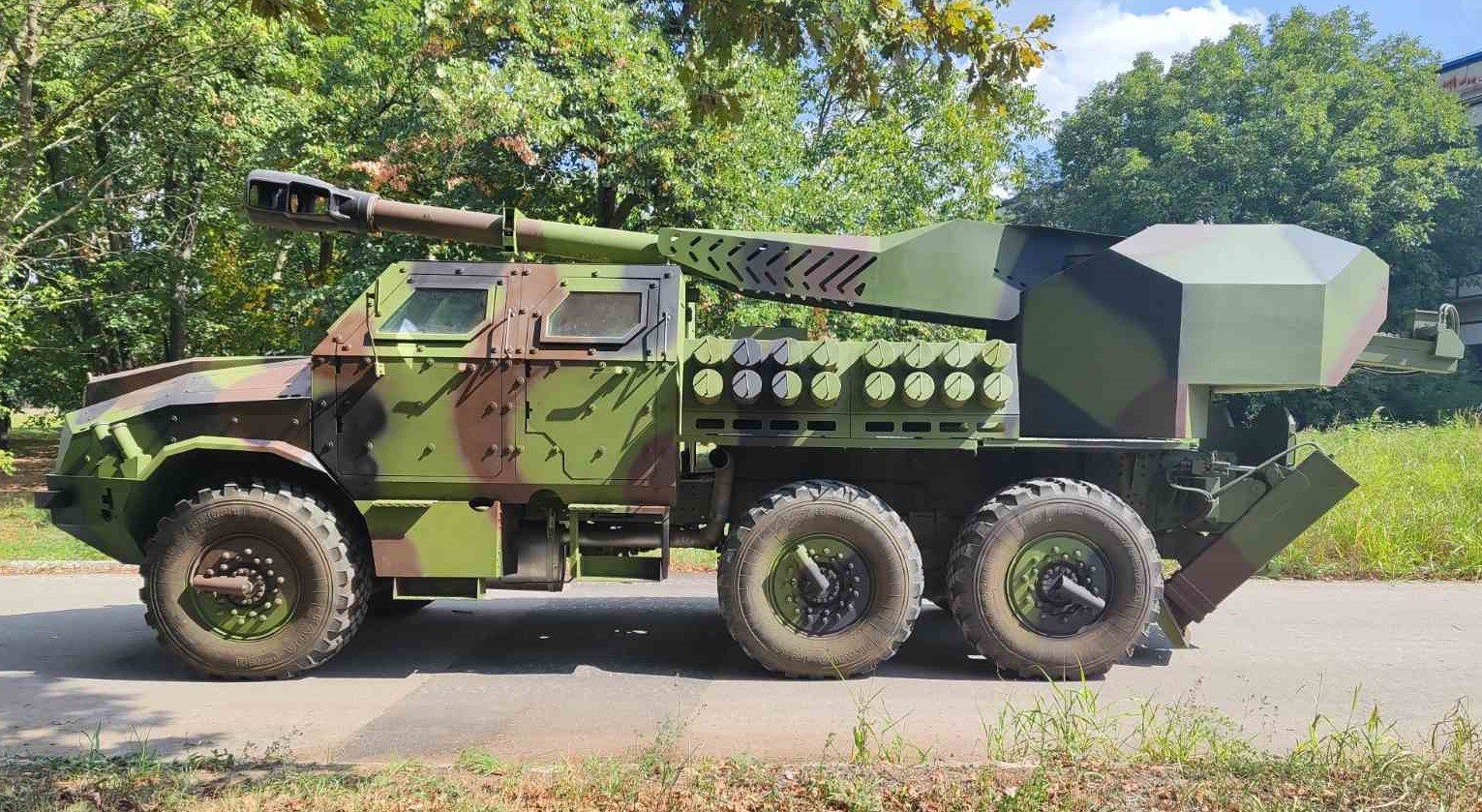
The wheeled chassis is the defining feature of the M-25. While a weapon of this size would normally be either towed or mounted on a large tracked vehicle, Serbia has opted for a lighter truck-based arrangement. This offers advantages in road mobility and makes the system easier to move between firing positions, using “shoot and scoot” tactics. A general-purpose truck is cheaper to acquire and operate, and easier to maintain. It can also be more easily transported by air, although out-of-area operations are not generally on the Serbian Armed Forces’ agenda. However, its cross-country performance and overall survivability will be reduced compared to a tracked chassis.
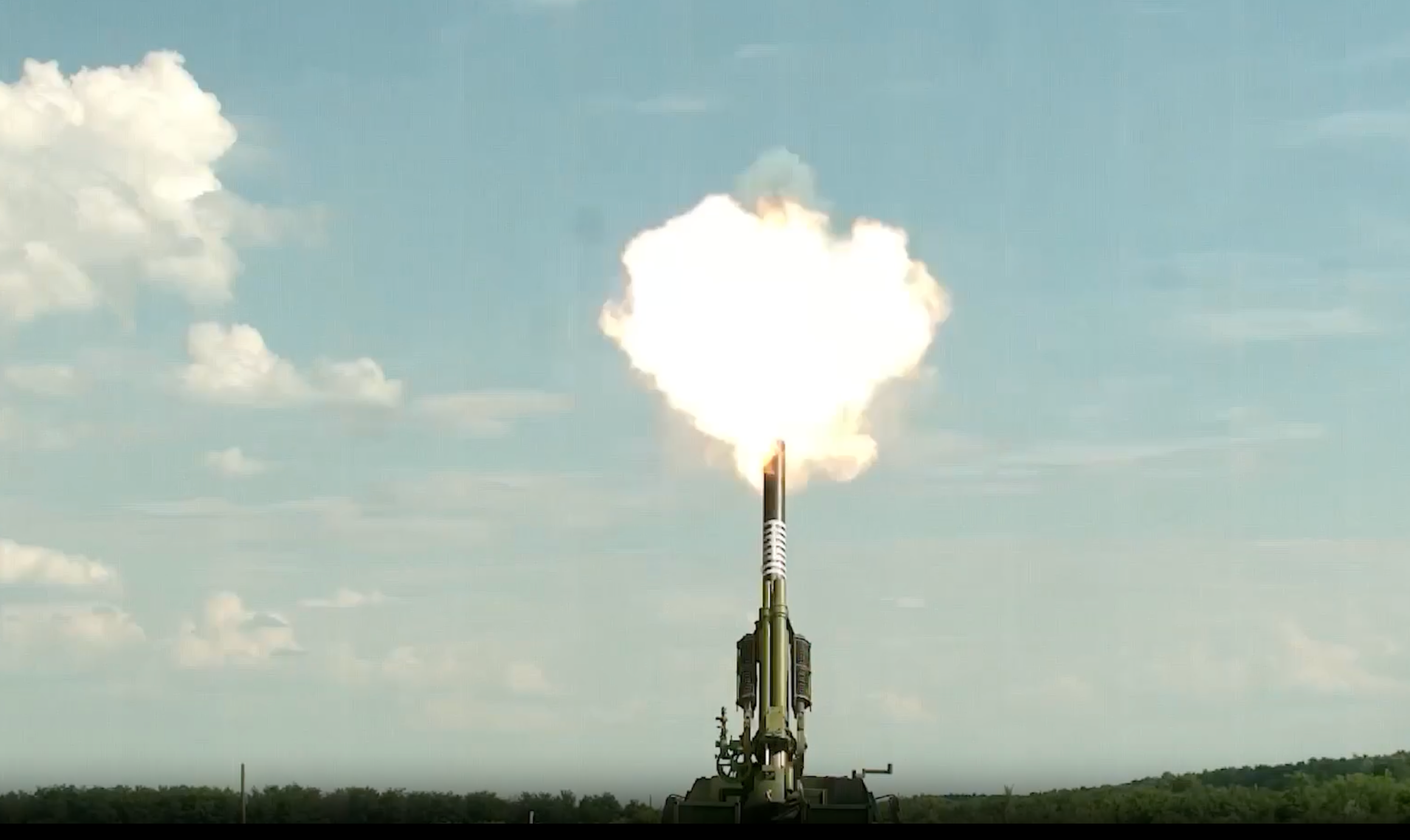
The M-25 is intended to deliver heavy fire against targets such as bunkers and other fortified positions, then relocate before an opponent can respond. Its relatively short stated range compared with many modern 155mm howitzers makes it a specialized system rather than a direct replacement for conventional long-range artillery. Its appeal lies instead in combining a very large projectile with a comparatively compact and mobile platform.
Mortars have a long and grim history in the Balkans, particularly during the wars that accompanied the breakup of Yugoslavia in the 1990s. The steep trajectories of mortar rounds made them useful in the region’s mountainous terrain and in fighting around fortified positions and during sieges, while their ability to deliver indirect fire meant crews could engage targets without a direct line of sight.
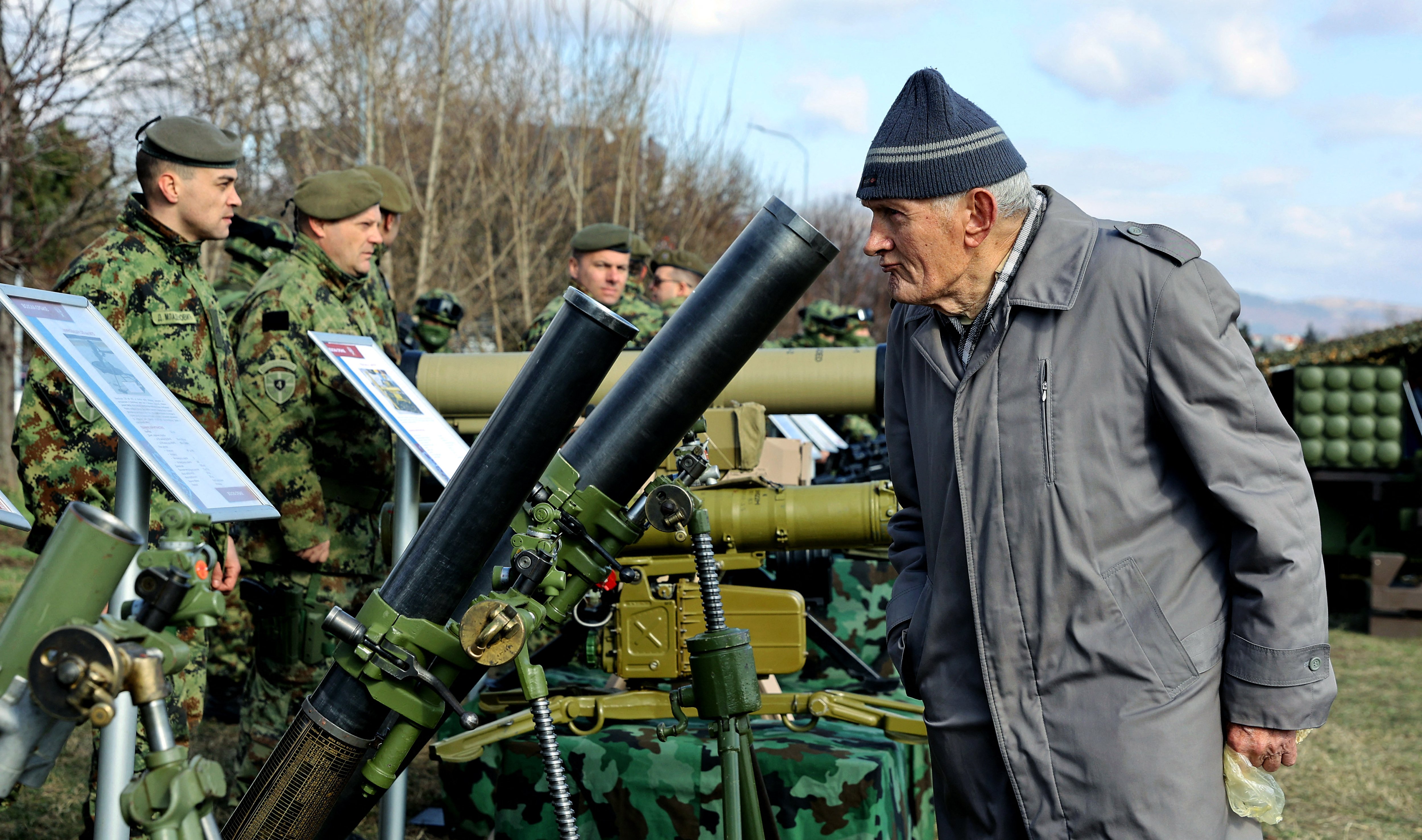
As far as we know, the M-25 is the only 203mm mortar in current development and/or production. There are a few larger mortars on mobile platforms, notably Russia’s 2S4 Tyulpan, a 240mm self-propelled mortar, but this is on a significantly bigger tracked chassis.
At approximately 19 metric tons, the M-25 is substantially lighter than the 2S4 Tyulpan, which weighs around 27.5 metric tons. Its tracked platform reflects a very different approach to moving super-heavy mortar firepower around the battlefield. The Tyulpan can deliver a 300-pound standard mortar round to a range of around six miles, or up to 11 miles away when using rocket-assisted rounds.
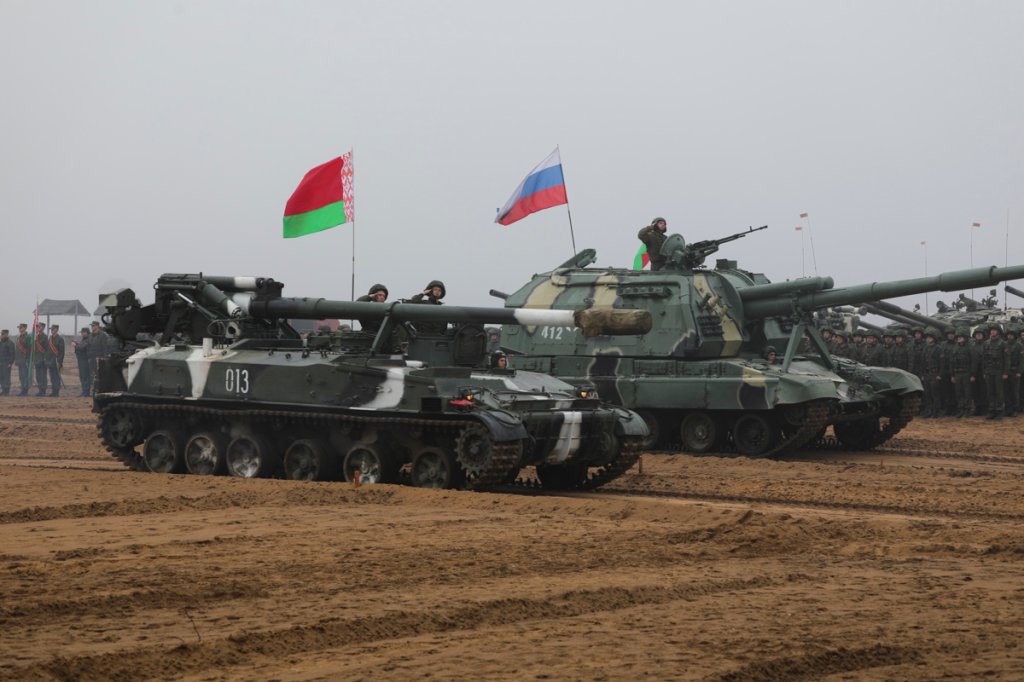

Serbia claims the M-25 has a rate of fire of up to three rounds per minute, thanks to the automated loading mechanism. In contrast, the Tyulpan can hurl a maximum of one round every 62 seconds. Indeed, its sluggish rate of fire is one of the reasons that saw it fall from more widespread Russian use.
There are still important unknowns. The newly released footage does not establish whether the advertised firing rate was achieved, how the weapon performs under sustained fire, or whether the system has entered operational service. Serbia has shown the M-25 at an exhibition and now in live-fire footage, but detailed test results have not been made public.
Still, the concept is striking: a high-mobility wheeled truck carrying a 203mm mortar is a distinctly different take on super-heavy firepower, but one that might just find a niche in the Balkan environment.
Contact the author: thomas@thewarzone.com
Loading comments…
Comments couldn’t be loaded. Please refresh the page.