
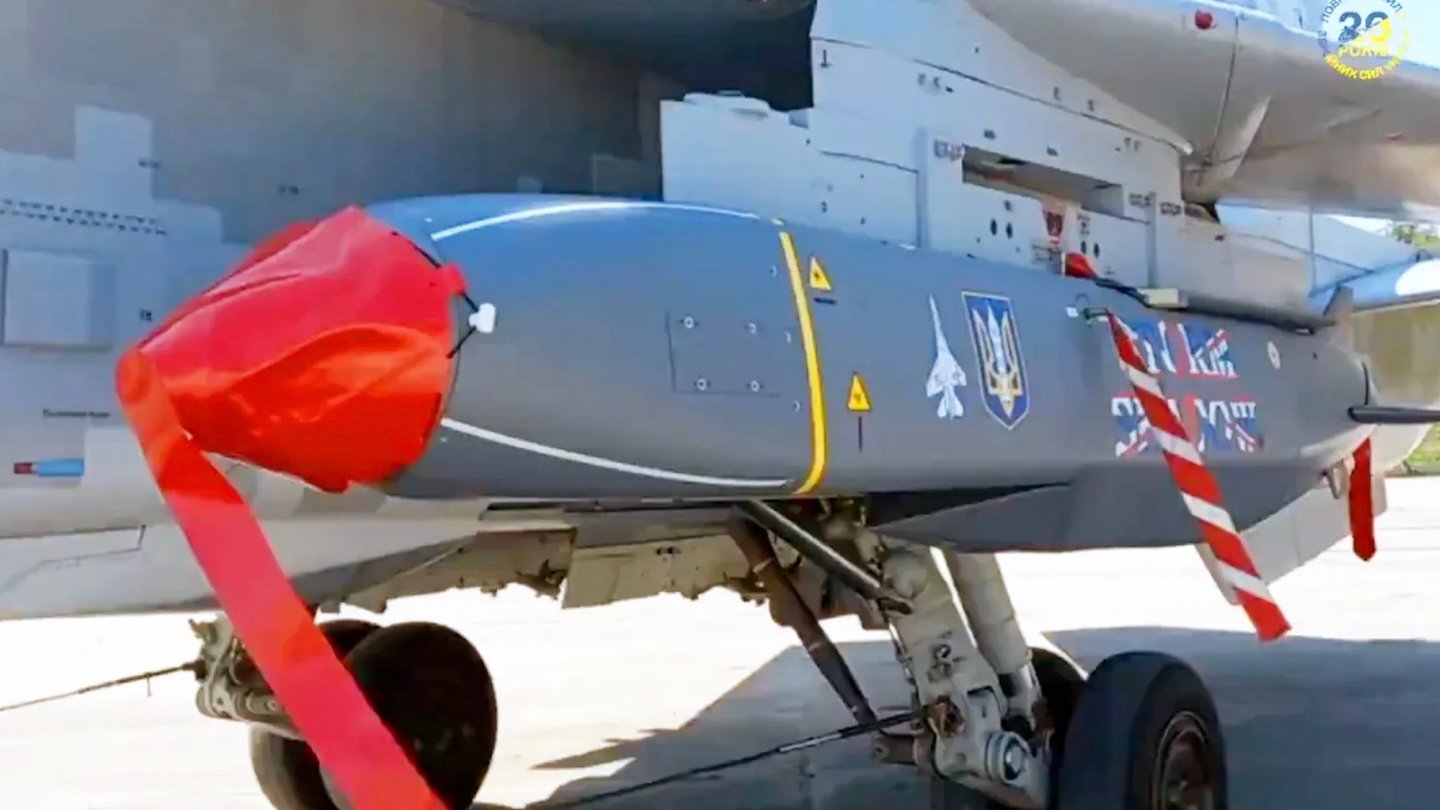
The United Kingdom is clearing the way for Ukraine to locally assemble the Storm Shadow/SCALP cruise missile, adding another layer to Kyiv’s rapidly expanding long-range strike arsenal. Storm Shadow/SCALP was first used by Ukrainian forces years ago and became the weapon of choice for standoff strikes against high value targets. Since then, stockpiles of these missiles have dwindled, but Ukraine’s own defense industry has made large leaps in producing increasingly advanced standoff weapons, which will apparently include a version of Storm Shadow/SCALP in the future.
British Prime Minister Andy Burnham arrived in Kyiv today for his first overseas trip since taking office, bringing with him a significant new commitment to Ukraine’s long-range strike capabilities. The U.K. government has authorized defense contractor MBDA to release classified information relating to British-made components incorporated into the SCALP long-range cruise missile. The move is intended to allow France and Ukraine to establish local assembly lines for the weapon inside Ukraine.
SCALP is the French designation for the air-launched missile known in British service as Storm Shadow. The two variants share substantial French and British technology and are produced by MBDA. According to the U.K. Ministry of Defense, Storm Shadow has a range in excess of 300 nautical miles, although in its export configuration it has an officially stated range of around half that.
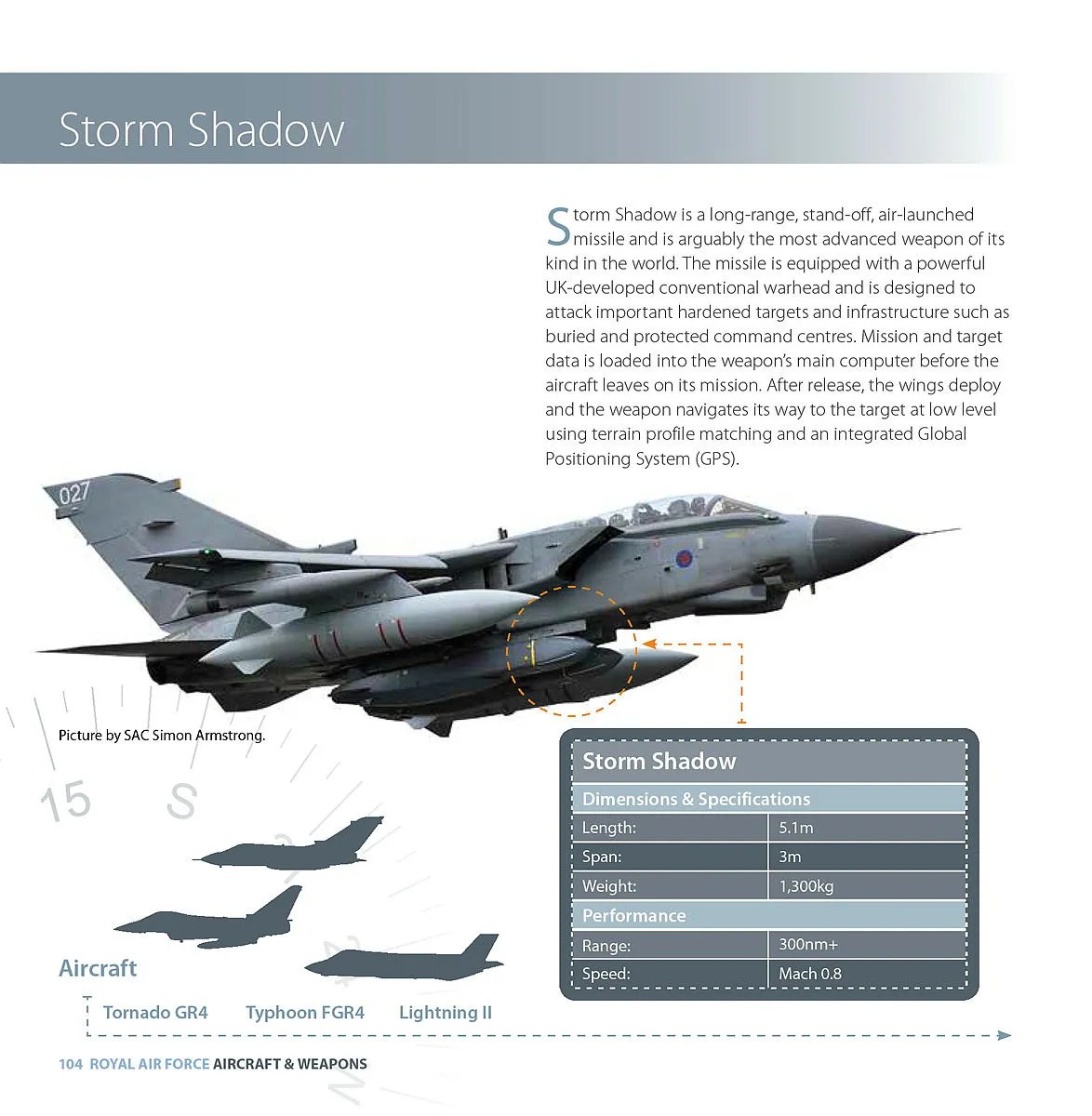
The weapon is an air-launched, conventionally armed cruise missile designed for precision attacks against fixed targets well beyond the immediate battlefield. Its primary targets include command facilities, hardened infrastructure, and other high-value installations.
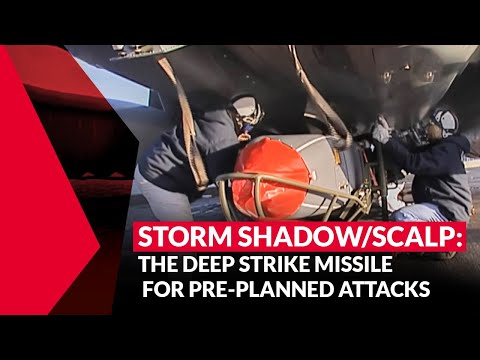
The announcement removes a major technology-transfer barrier surrounding British-origin components in the Franco-British weapon, allowing the French-Ukrainian production project to move forward.
Ukraine is already heavily dependent on Western deliveries for some of its most capable long-range weapons, while European stocks of Storm Shadow and SCALP missiles have been depleted by years of procurement limitations and transfers to Kyiv.
Local production could eventually give Ukraine a new source of these weapons closer to the battlefield and reduce its dependence on foreign stockpiles.
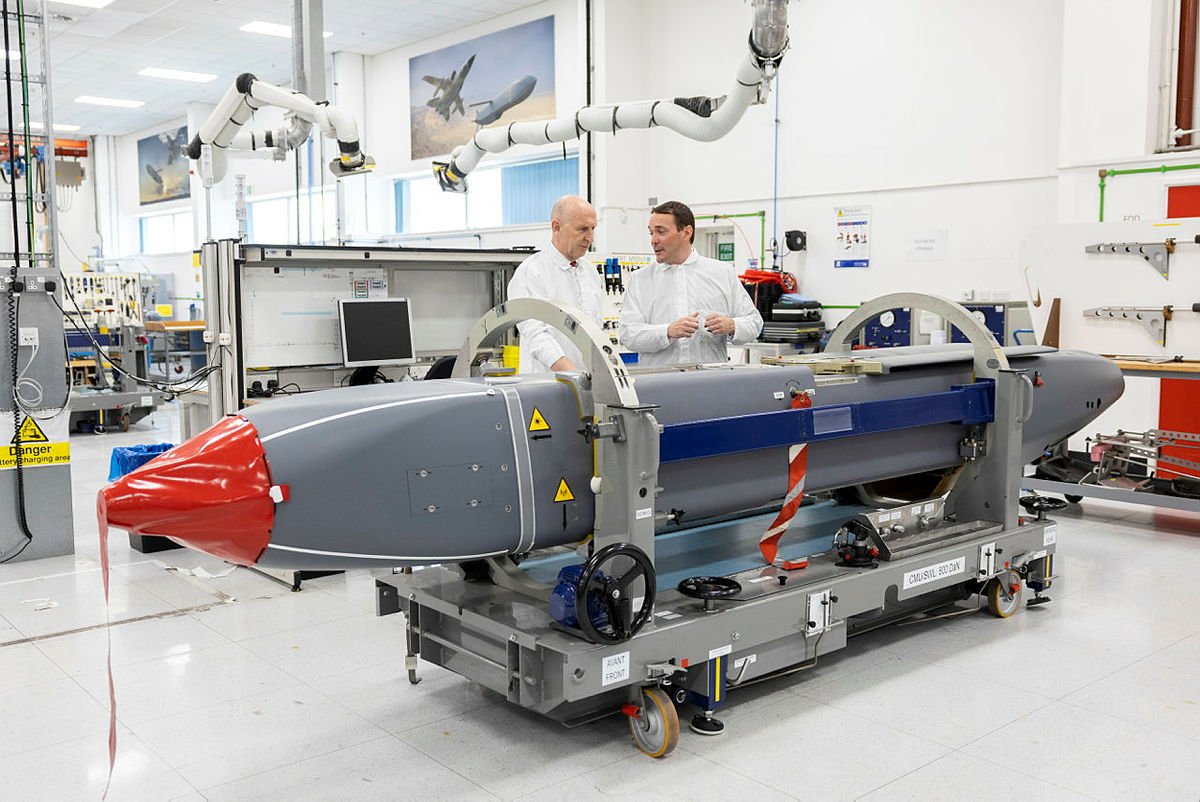
At the same time, the Storm Shadow/SCALP project is only one part of a much broader Ukrainian effort to build a sustainable deep-strike capability.
Ukraine has spent the past several years rapidly expanding its domestic long-range strike industry, with long-range one-way attack drones currently forming the largest and most mature component of that arsenal. Ukrainian forces are now capable of launching large numbers of domestically produced strike drones against targets hundreds and, in some cases, more than a thousand kilometers from Ukraine. Relatively inexpensive one-way attack drones can be launched in mass and used to overwhelm air defenses, attack energy and industrial infrastructure, and impose a sustained cost on targets deep inside Russia.
Alongside those relatively inexpensive systems, Kyiv is pushing ahead with domestically developed cruise missiles intended to provide a substantially heavier payload and more sophisticated guidance and penetration capability. The most prominent example is the FP-5 Flamingo, developed by Ukrainian defense company Fire Point, while other indigenous cruise-missile programs are also progressing.
Video showing the launch of an FP-5 Flamingo cruise missile:

Ukraine is also moving into the ballistic-missile arena. Domestic ballistic-missile programs have progressed toward testing and deployment, with Ukrainian officials and industry working toward serial production of systems intended to extend the country’s ability to strike targets deep inside Russia. With their high speed and steep terminal trajectories, ballistic missiles provide a substantially different challenge to Russian air defenses.
Western-supplied systems such as Storm Shadow/SCALP and the Army Tactical Missile System (ATACMS) short-range ballistic missile have meanwhile provided Ukraine with critical combat experience and an immediate deep-strike capability while its domestic missile industry matures.

Rather than simply replacing missiles consumed in previous campaigns, the planned Ukrainian production of Storm Shadow/SCALP is particularly significant because it could eventually give Kyiv another sophisticated cruise-missile type within an arsenal that is becoming increasingly indigenous.
A domestic assembly capability could provide Kyiv with greater control over production rates, sustainment, and replenishment while reducing the logistical burden associated with obtaining complete weapons from foreign stockpiles. Potentially, Ukraine might also have the option to adapt the missile according to its own requirements. This could include changes to the guidance system or warhead, and perhaps even adaptation for launch from the ground.
The limited availability of the Su-24M/MR Fencer swing-wing combat jets that currently launch Ukraine’s Storm Shadow/SCALP missiles are currently a limiting factor and there is no realistic means of replacing them. It was expected that Mirage 2000 fighters transferred to Ukraine by France would be modified to launch SCALP, but this has so far not been confirmed. Should Ukraine receive the French-made Rafales that it plans to, then SCALP compatibility would be provided from the outset.
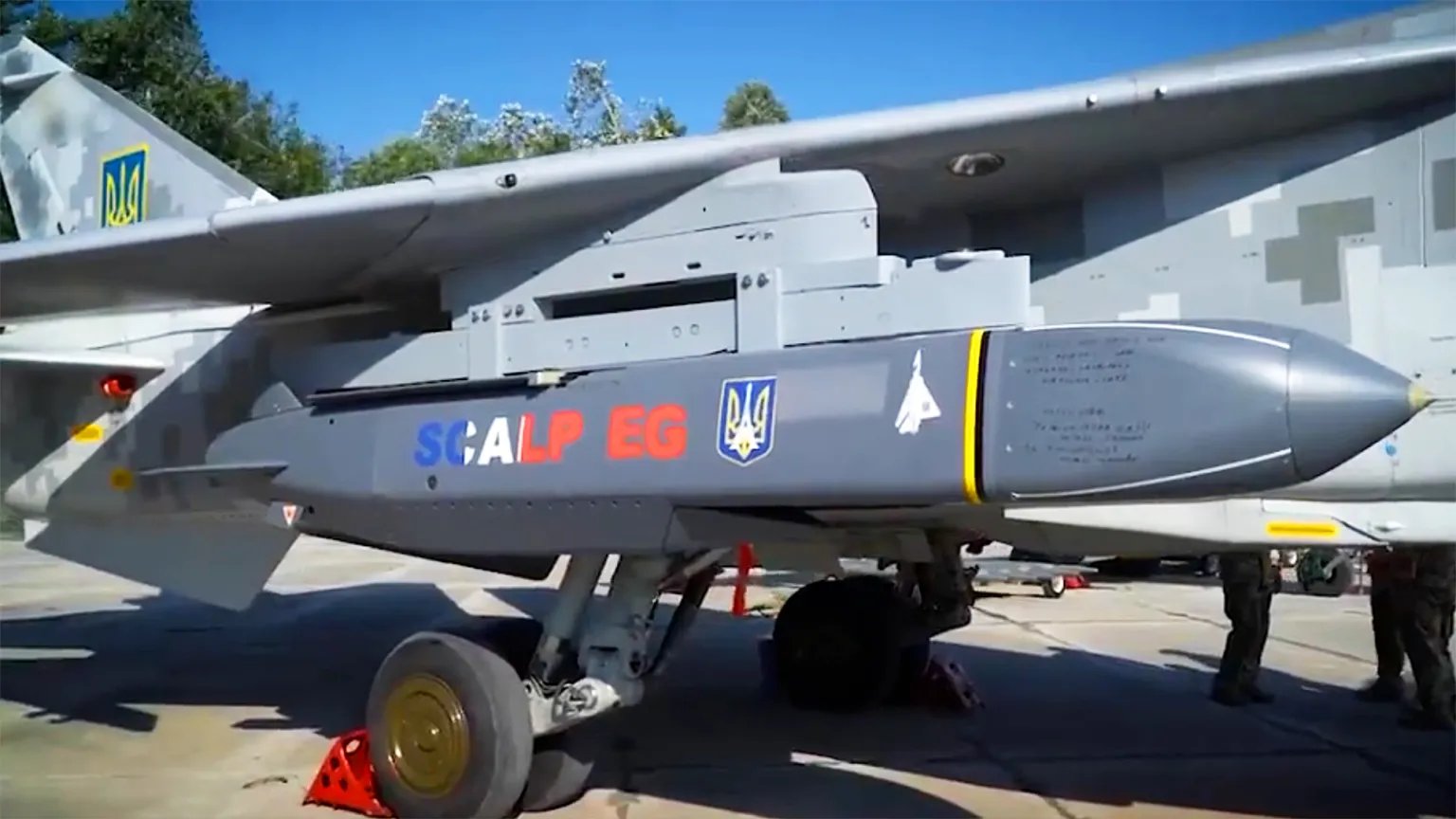
Maybe even more importantly, it would allow these weapons to be used however Ukraine wants, without geographical and target type restrictions that are currently dictated by whoever donates them. It could also result in critical technology transfer, including about low observable cruise missile design, that Ukraine can gestate and deploy into other programs. Finally, it’s possible this could even be a future export for the country, especially if it can produce a variant that is adaptable and economical.
It is unclear when locally built Storm Shadow/SCALP missiles will join Ukraine’s strike arsenal. However, establishing an industrial production line for a sophisticated cruise missile is a major undertaking, particularly inside a country that remains under sustained Russian missile and drone attacks.
As noted in the opening of this article, the United Kingdom supplied Storm Shadow missiles to Ukraine beginning in 2023, giving Kyiv a long-range precision-strike capability that was previously unavailable from most of its Western partners. Soon after, France committed to sending SCALP missiles, and Italy, another Storm Shadow operator, has similarly supplied the missiles to Ukraine.
The weapon has subsequently become one of the most important Western-supplied strike systems in Ukrainian service and has been used against some notably high-profile targets.
Storm Shadow/SCALP has been used against Russian military infrastructure, including targets far behind the front line. The weapon’s combination of range, low-observable design, and tandem penetrator warhead makes it particularly useful against hardened or otherwise heavily defended targets.
The weapons have also become part of a broader Ukrainian campaign aimed at striking Russian logistics, command infrastructure, airbases, and other military assets at operational depth.
Speaking last Friday at Malmen Air Base in Sweden, during an event to celebrate the Swedish Air Force’s 100th anniversary, the commander of the Ukrainian Air Force, Lt. Gen. Anatolii Kryvonozhko, highlighted some of the key issues facing the service now in its conflict with Russia.
Among them was the urgent “need for asymmetric actions,” including effectors capable of striking deep beyond the front lines and into the heart of enemy territory.
“With the enemy having the prevailing in numbers, we need to have technology that can be smartly used, and this is how we can prevail,” Kryvonozhko said. “No matter how big your manpower is, if you don’t have innovative technology, you will not prevail. So innovative technology, smartly used, can be a factor for prevalence and domination in the battlefield.”
For Ukraine, local Storm Shadow/SCALP production would fit squarely into that asymmetric strategy, adding a proven, capable deep-strike weapon to an increasingly diverse arsenal while reducing reliance on increasingly strained Western missile stockpiles.
The U.K. decision to support Ukrainian Storm Shadow/SCALP production is separate from its own effort to develop a new generation of lower-cost long-range strike weapons for Ukraine.
The British government is pursuing that effort through Project Brakestop, intended to produce advanced, low-cost, long-range weapons without relying on U.S. components.
The British prime minister’s visit to Ukraine comes at an especially tense point in U.K.-Russian relations.
Moscow has repeatedly warned Britain over its military support for Ukraine, including assistance connected to Ukrainian long-range strike operations. The Kremlin has now criticized Britain’s decision to facilitate Ukrainian Storm Shadow/SCALP production, accusing London of escalating the conflict and warning that Russia is tracking Ukrainian missile-production facilities.
Russia has also withdrawn its ambassador from London, further highlighting the deterioration in relations between the two countries.
Luke Pollard, the U.K. defense minister, told Times Radio today: “We’ve already seen Russian activities against the United Kingdom, we’ve seen them loitering over our critical undersea cables, we’ve seen cyberattacks on our systems … we’ve also seen them prosecute an illegal war against one of our close friends. So am I surprised that Russia doesn’t like people supporting Ukraine? No, I’m not. Will that stop us from supporting our friends in Ukraine? No.”
Burnham is in Kyiv on Ukraine’s Independence Day to meet President Volodymyr Zelenskyy and chair a meeting of the Coalition of the Willing, the multinational group supporting Ukraine.
The British prime minister has framed the visit as a reaffirmation of London’s long-term commitment to Ukraine, with the transfer of Storm Shadow/SCALP blueprints as tangible evidence of this.
The missile announcement aims to help Kyiv expand its ability to make, replenish, and diversify its long-range strike arsenal, as it works toward developing a deep-strike force capable of reaching far beyond the battlefield without relying entirely on foreign weapons transfers.
Contact the author: thomas@thewarzone.com
Loading comments…
Comments couldn’t be loaded. Please refresh the page.